
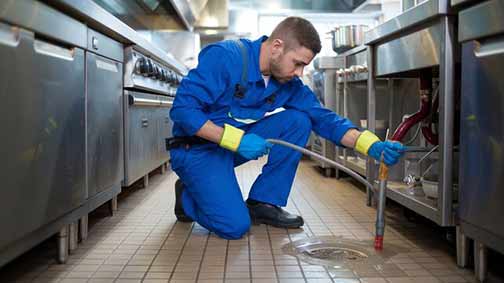
In a restaurant, the plumbing is the system with the most ability to negatively impact food quality and customer experience, says Ravago Group Properties. That is because plumbing systems are at the center of a restaurant’s kitchen operations and also play a role in the quality of its toilet facilities.
At the same time, restaurant plumbing systems experience heavy use almost throughout the day and endure several cases of abuse from customers and staff alike. For these reasons, plumbing maintenance is vital for the smooth running and profitability of a restaurant.
As a restaurant operator, it is vital that you know the common problems that can happen in your plumbing. By understanding these issues, monitoring them actively, and dealing with problems quickly, you can protect your restaurant from avoidable plumbing emergencies.
What are the common plumbing issues that happen in restaurants, and how can you prevent them?
6 common restaurant plumbing issues and what to do about them
Clogged drains
Grease is the number one enemy of a commercial kitchen drain system — and it’s also the most preventable cause of plumbing problems in restaurants. Fats, oils, and grease that enter the drain system don’t flow out cleanly. They coat pipe walls, solidify as they cool, and catch every food particle that follows until the line is significantly restricted or completely blocked. Combined with food scraps that make it past prep sinks — coffee grounds, eggshells, pasta, rice, and anything else that shouldn’t be going down the drain — the buildup happens faster than most restaurant operators expect.
Prevention starts with staff training and doesn’t end there. Every team member who works near a sink needs to understand what doesn’t go down the drain and why — and that knowledge needs to be reinforced consistently, not just covered once during onboarding. Established procedures for daily drain maintenance, quality sink strainers at every prep and dish station, and a clear policy on grease disposal are the practical foundations of a kitchen that doesn’t have recurring drain problems. The restaurants that handle this well rarely call us for emergency drain service. The ones that don’t are on a first-name basis with whoever picks up the phone.
Grease trap problems
Restaurants are required to have at least one grease trap on their premises. Grease traps help protect both private and public sewer systems from damage. However, grease traps can become a problem if they are poorly maintained. A clogged, cracked, or overflowing grease trap that needs cleaning can cause problems like bad odors inside your restaurant.
To stop grease trap issues, clean the device as soon as it is filled to 25% of its volume or every 4-6 weeks (whichever comes first). Do not let hot water enter the grease trap; it will interfere with its property function. Chemical degreasers don’t solve grease trap problems. They complicate the issues and postpone the effects of the problem.
Restroom issues
Nothing harms a restaurant’s reputation like problems in the toilet. The most common restroom issues in restaurants are toilets that won’t flush, toilets that run continuously, or toilets that are partially clogged, and so don’t rain effectively. Leaky or broken faucets and sinks are also a common problem in restaurant toilets.
Many of these are caused by customers. Installing signage to educate customers on what not to flush into the toilet may help. Instead of paper towels, which clog your toilets, install hand dryers. Hourly restroom inspections let you catch problems before they become major issues. Schedule professional hydro jetting for your restaurant.
Blocked floor drains
This is another common problem. A blocked floor drain can pose serious safety issues in your restaurant. If it results in health code violations, you may incur costly fines. Most floor drain clogs are the result of your staff sweeping food debris and FOG (fats, oil, and grease) into the drains.
Proper handling of FOG can help prevent this problem. Installing non-removable screens on drains will help keep food scraps out. It should be normal procedure to wipe dishes before washing them. Running hot water with dish soap into the drain every night can prevent blockage. It is also vital to schedule professional maintenance.
Bar sink drainage problems
Bar sinks deal with a type of buildup that standard kitchen drain cleaning doesn’t fully address. Sugar residues from sodas, syrups, and cocktail mixers combine with yeast deposits from beer lines and fermentation to create a sticky, persistent sludge inside the drain pipes that ordinary cleaning products struggle to break down. The result is restricted flow, stubborn odors that surface cleaning won’t eliminate, and drain lines that need more targeted maintenance than a typical kitchen sink.
Prevention makes a significant difference here. A fine mesh strainer catches garnishes, fruit debris, and ice before they enter the line. Running hot water through the bar drain several times during a shift helps flush residue before it has a chance to solidify. And regular professional drain cleaning is essential — not just for flow but because the sugar and organic matter that accumulates in bar drain lines is one of the primary breeding environments for fruit flies. A bar with a persistent fruit fly problem almost always has a drain that hasn’t been properly cleaned in too long, and no amount of surface treatment resolves an infestation that’s originating inside the pipe.
Water heater malfunctions
A functional water heater is the heart and soul of your kitchen operations. Hot water is constantly needed for food prep, dishwashing, and other tasks. Water heater problems can lead to costly downtimes that affect the restaurant’s reputation and profits. Most water heater issues are caused by poor maintenance.
To prevent water heater issues in your restaurant, you should know the telltale signs of impending water heater malfunctions. To avoid unpleasant surprises from the water heater, the appliance should be maintained regularly and by a professional. The maintenance schedule should include at least two inspections every year.
To Conclude
The pattern across every plumbing issue a restaurant faces is consistent — the ones that are caught early and maintained properly stay manageable, and the ones that get ignored become emergencies that shut kitchens down and cost significantly more than any routine service would have. A well-maintained plumbing system runs in the background where it belongs, supporting your operation rather than disrupting it.
That starts with having the right commercial plumber. Suburban Plumbing Experts works with restaurants and commercial kitchens throughout the Chicagoland area — from routine drain cleaning and grease trap maintenance to emergency response when something can’t wait. We understand what a working kitchen needs and we show up prepared to handle it. Call us at 708-801-6530 and let’s make sure your plumbing is working for your business, not against it.