Professional Sewer Camera Inspection in Chicago, IL
Sewer camera inspection in Chicago helps identify what's happening inside your main sewer line when you experience recurring backups, slow drains, or unexplained drainage problems. Many Chicago-area properties have older sewer systems, including clay tile laterals and aging cast iron pipes. Over time, these materials can develop root intrusion, corrosion, internal buildup, separated joints, and other problems that interfere with wastewater flow.
Suburban Plumbing Experts provides professional sewer camera inspections for residential and commercial properties throughout Chicago and the surrounding suburbs. Our licensed plumbers use specialized waterproof video equipment to examine accessible sections of sewer piping, identify visible obstructions and defects, and evaluate conditions that may require cleaning or repair. This type of plumbing camera inspection is especially useful when symptoms point to the main sewer line rather than a clog isolated to one fixture.
Whether you're dealing with recurring sewer backups, purchasing an older Chicago home, or investigating the condition of an aging sewer system, a camera inspection can provide useful information before you decide what to do next. You can also see examples of issues discovered during actual inspections in our guide to real sewer camera findings in Chicago homes.
For related plumbing and sewer work, explore our full range of sewer services in Chicago and the surrounding suburbs.
What's Included in a Chicago Sewer Camera Inspection?
A sewer camera inspection involves more than checking whether a drain is clogged. It allows a plumber to examine the accessible interior of the sewer line, investigate suspected problem areas, and evaluate visible pipe conditions before recommending a solution.
Video Inspection of the Sewer Line
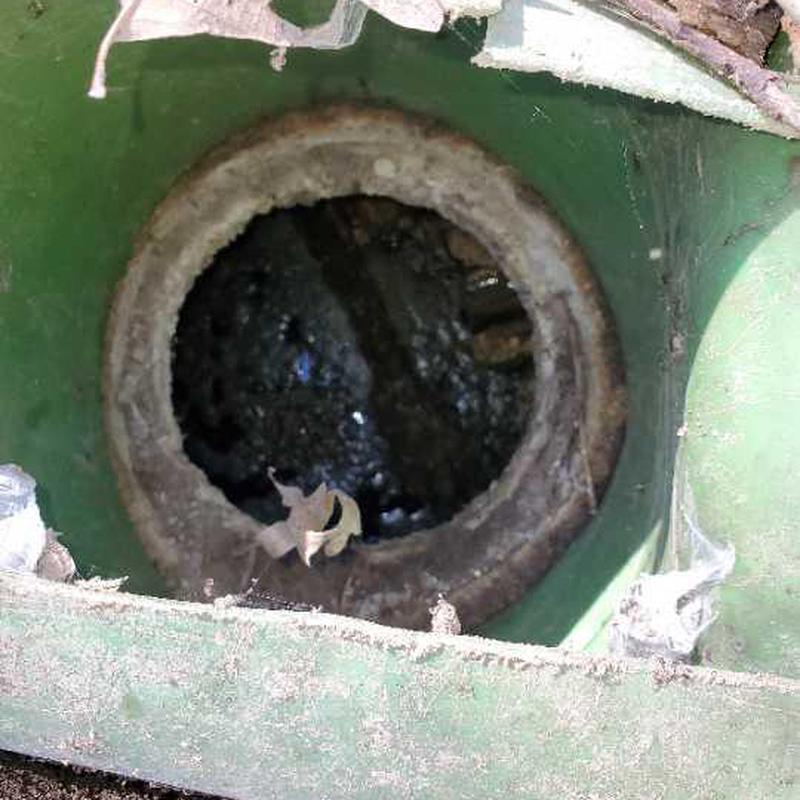
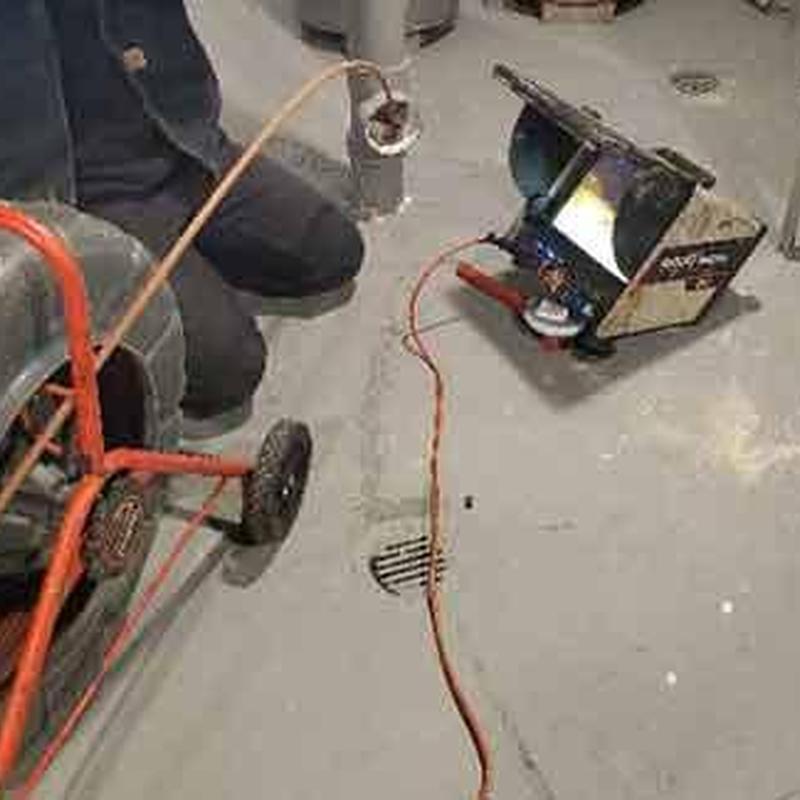
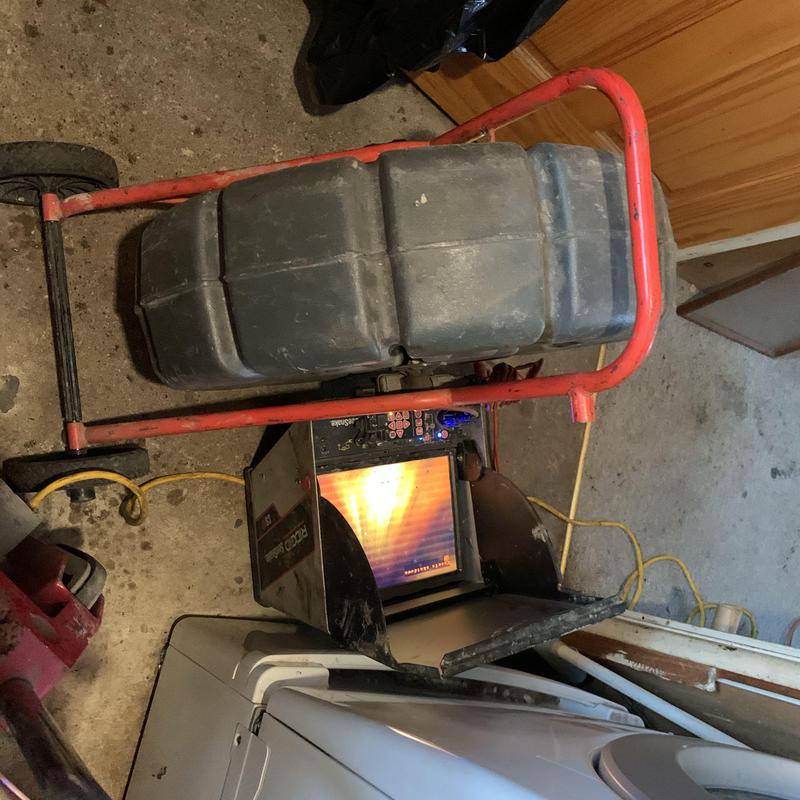
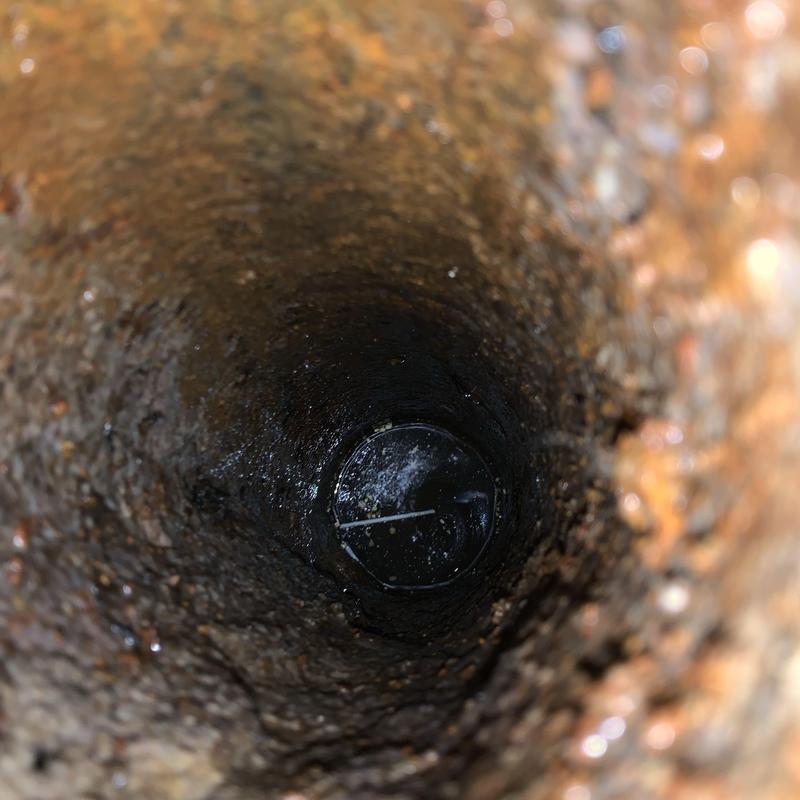
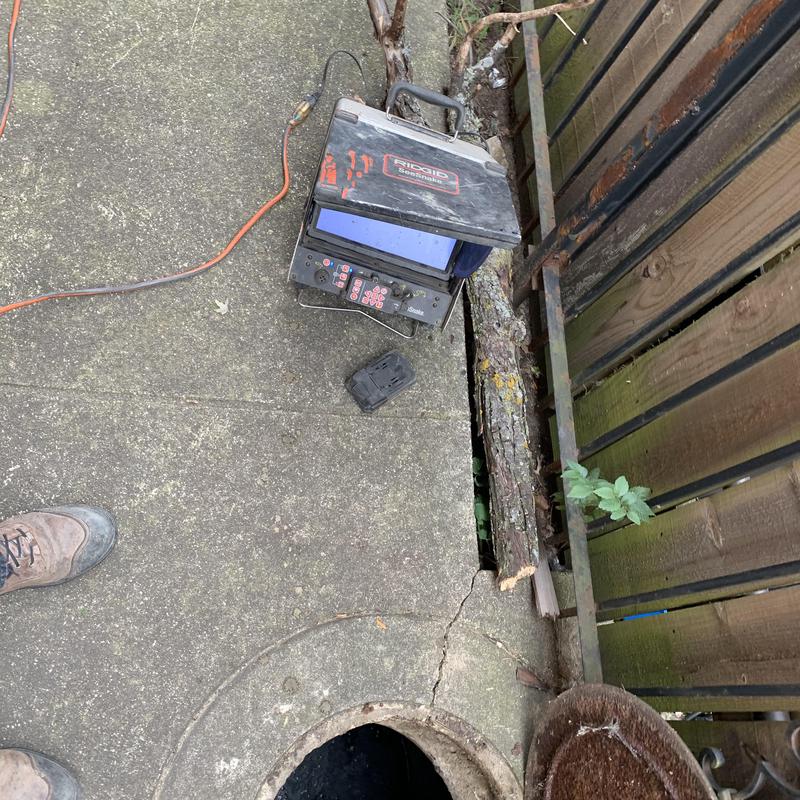
A specialized waterproof camera attached to a flexible cable travels through the sewer line and sends live video to a monitor. As the equipment moves through the pipe, the technician examines the interior for visible obstructions, tree roots, cracks, corrosion, heavy deposits, separated joints, and other abnormalities.
The video can help distinguish between a blockage that may respond to professional cleaning and a structural concern that requires further evaluation. If an obstruction prevents the camera from advancing or a problem cannot be fully assessed through video, additional diagnostic work may be recommended.
For certain suspected leaks, improper connections, or sewer gas pathways, sewer smoke testing may provide additional information that a camera inspection alone cannot.
Identifying the Location of Visible Sewer Problems
Identifying where a sewer problem occurs can help guide the next step. Depending on the camera equipment, access, and inspection conditions, the technician may be able to determine where a blockage, root intrusion, damaged section, or other visible obstruction occurs along the inspected line.
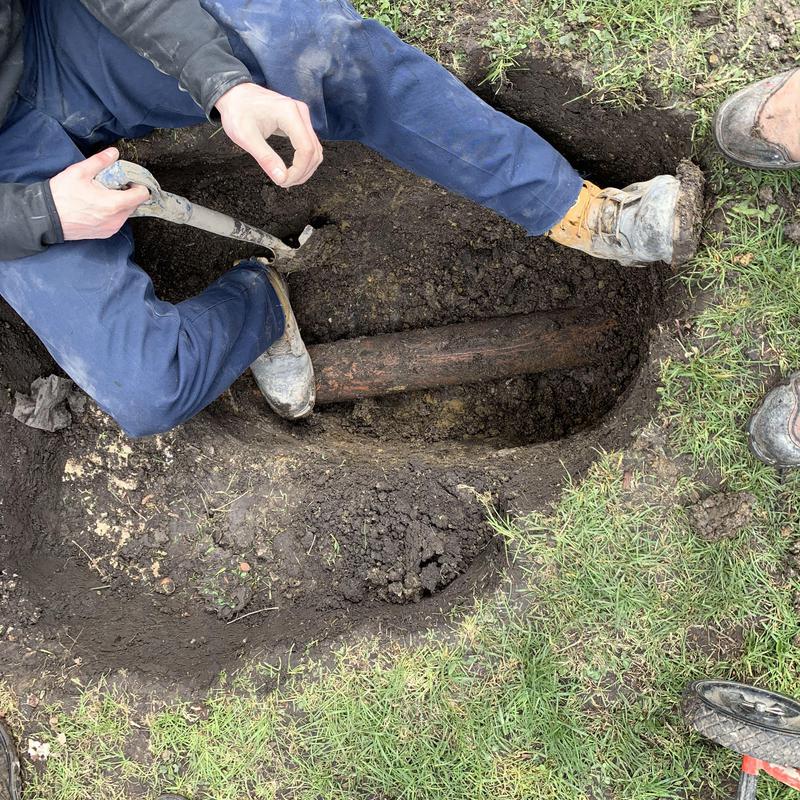
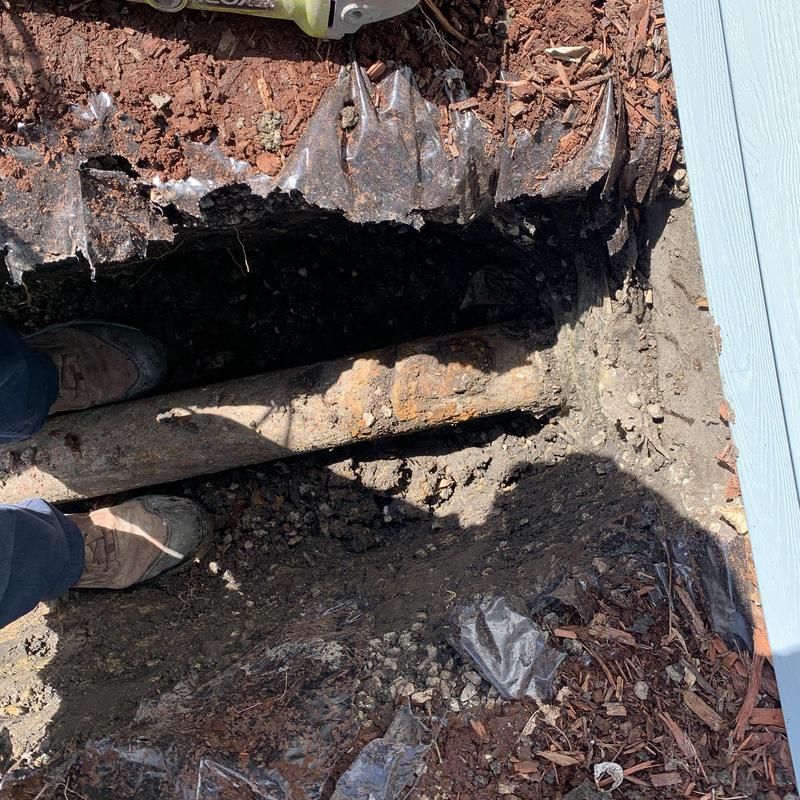
This information can help determine whether targeted cleaning, additional testing, or sewer line repairs should be considered. It may also reduce the need for exploratory excavation simply to examine the inside of an accessible pipe.
Chicago's underground sewer systems vary by property, age, and neighborhood. For more background, read our guide to Chicago's aging sewer infrastructure.
Understanding Sewer Camera Findings and Repair Options
After examining the accessible pipe, the technician can explain the visible findings and discuss appropriate next steps. Depending on the condition of the sewer line, recommendations may involve cleaning, maintenance, monitoring, additional diagnostic testing, or structural repairs.
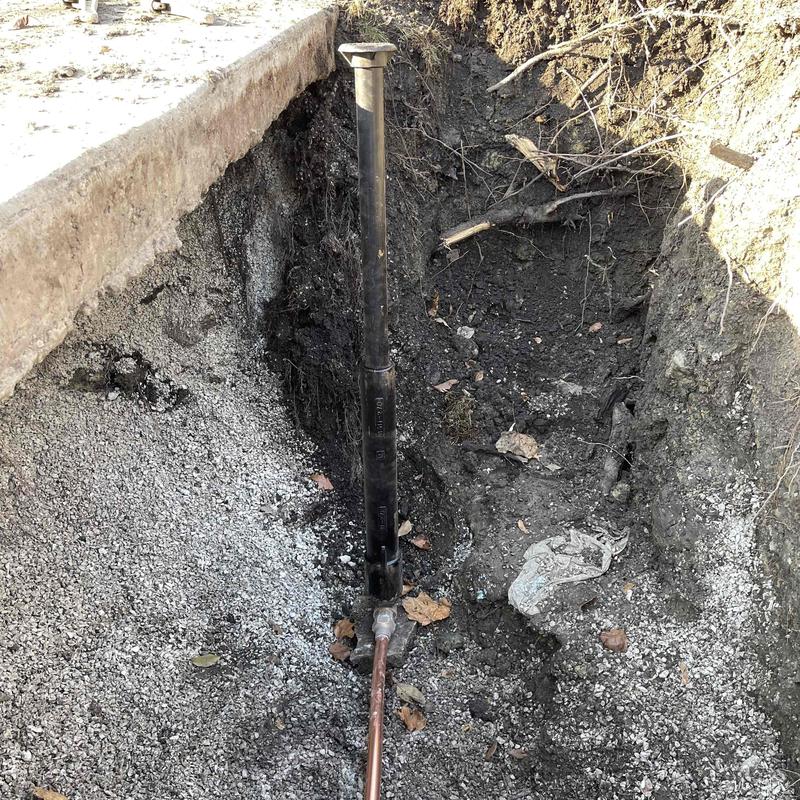
If the camera reveals visible damage, our sewer line repair services may be relevant to addressing the problem.
The goal is to base recommendations on the observed condition of the system rather than assuming every sewer backup has the same cause.
What Problems Can a Sewer Camera Inspection Reveal?
Many sewer line problems develop underground before they cause an obvious backup. A camera inspection allows a plumber to examine accessible sections of the pipe and look for conditions that may interfere with wastewater flow.
Common findings include:
- Tree root intrusion: Roots can enter through cracks, openings, or separated joints and gradually grow inside the pipe. They may trap debris and restrict wastewater flow.
- Grease and debris buildup: Accumulated material can narrow the available passage and contribute to recurring blockages.
- Cracks and pipe deterioration: Aging or damaged piping may show visible defects that warrant further evaluation.
- Corrosion and scaling: Certain pipe materials can develop internal deterioration or deposits that restrict flow.
- Misaligned or separated joints: Ground movement, settling, and aging connections can affect how sewer sections fit together.
- Partial or complete obstructions: Waste, roots, or other debris can interfere with the movement of wastewater.
- Possible structural failure: Severe damage or a collapsed section may require additional assessment and repair planning.
Tree roots deserve particular attention in older Chicago-area neighborhoods, especially where mature trees grow near aging underground sewer lines. Roots can enter through vulnerable joints or openings and gradually expand inside the pipe. Learn more in our guide to tree roots and sewer lines in Chicago.
A camera inspection has limitations. Not every sewer problem is visible from inside the pipe, and heavy obstructions can prevent the equipment from reaching the affected section. A camera also cannot always establish the full extent of structural damage. When findings are unclear, additional testing or another diagnostic approach may be necessary.
Signs You May Need a Sewer Camera Inspection in Chicago
Because sewer lines are mostly hidden underground, problems can go unnoticed until drainage becomes unreliable. A camera inspection can be especially useful when symptoms persist, return after cleaning, or suggest that the issue may extend beyond a single fixture.
Recurring Sewer Backups and Multiple Slow Drains
If several drains are slow, toilets gurgle when other fixtures are used, or wastewater repeatedly backs up into lower-level drains, the main sewer line may be restricted.
Basic drain cleaning may temporarily restore flow without identifying why the blockage developed. A camera inspection can help determine whether the problem involves accumulated debris, root intrusion, pipe damage, or another obstruction.
If wastewater is actively backing up into your home, stop using affected fixtures and arrange prompt professional assistance. Our sewer backup services can help you explore the appropriate response.
Persistent Sewer Odors
Unexplained sewer smells in a basement, near drains, or around the property can indicate a plumbing or drainage problem. Possible causes include damaged piping, faulty connections, dry traps, or other issues involving the drainage and venting system.
A camera inspection may identify certain pipe defects, but it will not reveal every possible source of sewer gas. Depending on the symptoms, additional testing may be appropriate. Our sewer odor detection services can help investigate persistent sewer odors.
Older Homes With Aging Sewer Lines
Older Chicago homes and suburban properties may have original clay tile laterals, cast iron piping, or other aging sewer components. Their current condition depends on factors such as installation quality, maintenance history, soil conditions, and previous repairs.
A sewer camera inspection can help assess visible conditions and identify areas that may need cleaning, monitoring, or further evaluation. This can be particularly useful when an older property has a history of recurring drainage problems.
Before Purchasing an Older Property
A sewer line may have hidden problems even when the home's plumbing fixtures appear to work normally. Before purchasing an older property, consider whether a dedicated sewer inspection would help clarify the condition of the underground piping.
A camera inspection may reveal visible roots, partial blockages, deteriorating pipe materials, cracks, or other concerns that could require attention after closing. The inspection evaluates accessible sections of the sewer line, not every possible underground defect.
Landlords and property managers can also use our Chicago plumbing inspection checklist when evaluating plumbing concerns across their properties.
Before Major Landscaping or Excavation
Planning a driveway replacement, major landscaping project, addition, or other work involving excavation? Understanding the condition of accessible sewer piping can help identify existing concerns before work begins.
A camera inspection may provide useful information about the pipe's interior, but it does not necessarily establish the exact underground route or depth. Separate locating methods may be needed before excavation.
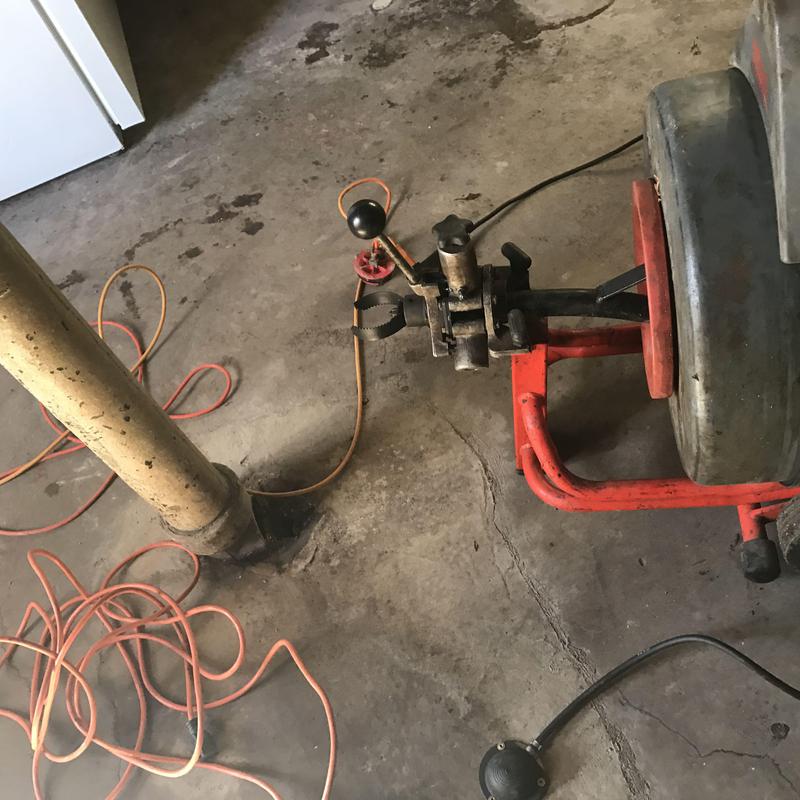
After Repeated Rodding or Drain Cleaning
If the same sewer blockage keeps returning after professional cleaning or rodding, it may be time to investigate the underlying cause. Repeated obstructions can sometimes indicate root intrusion, heavy deposits, pipe misalignment, or structural damage.
A camera inspection can help evaluate whether additional cleaning is appropriate or whether the recurring problem needs a different solution.
In some cases, drain cleaning and camera inspection work together. Cleaning addresses the obstruction, while the camera helps evaluate accessible sections of the pipe and identify any visible concerns that remain.

How a Professional Sewer Camera Inspection Works
The inspection process depends on the property's sewer layout, available access points, and the reason for the service. In general, the work involves understanding the symptoms, examining accessible sections of the pipe, reviewing the findings, and discussing appropriate next steps.
Initial Assessment and Sewer Access
The technician will ask about the drainage problems you've noticed, including recurring backups, slow drains, odors, previous cleaning, and known sewer repairs. Information about the property's age and plumbing history may also help guide the inspection.
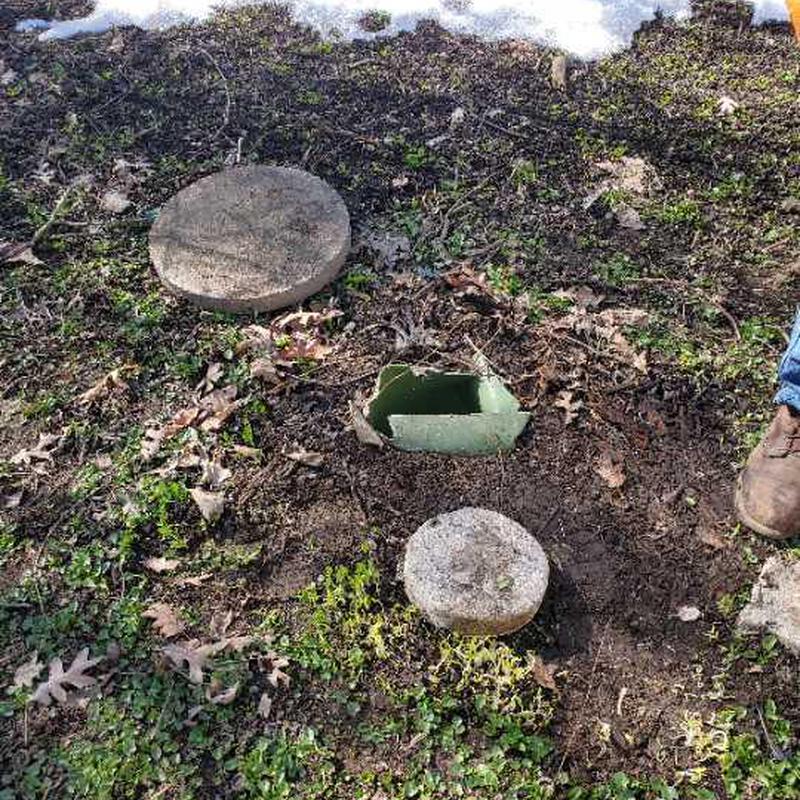
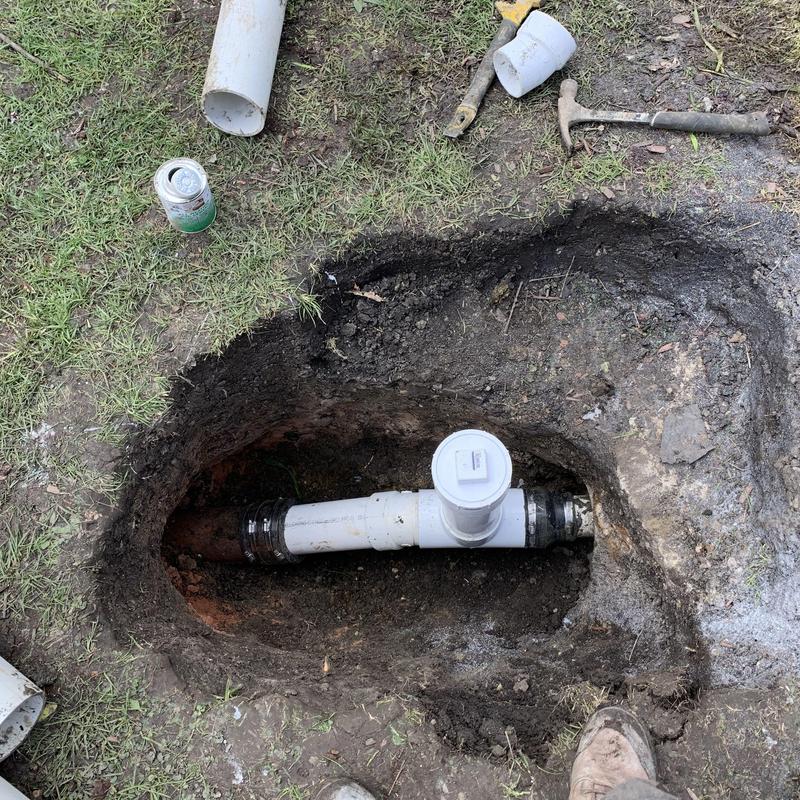
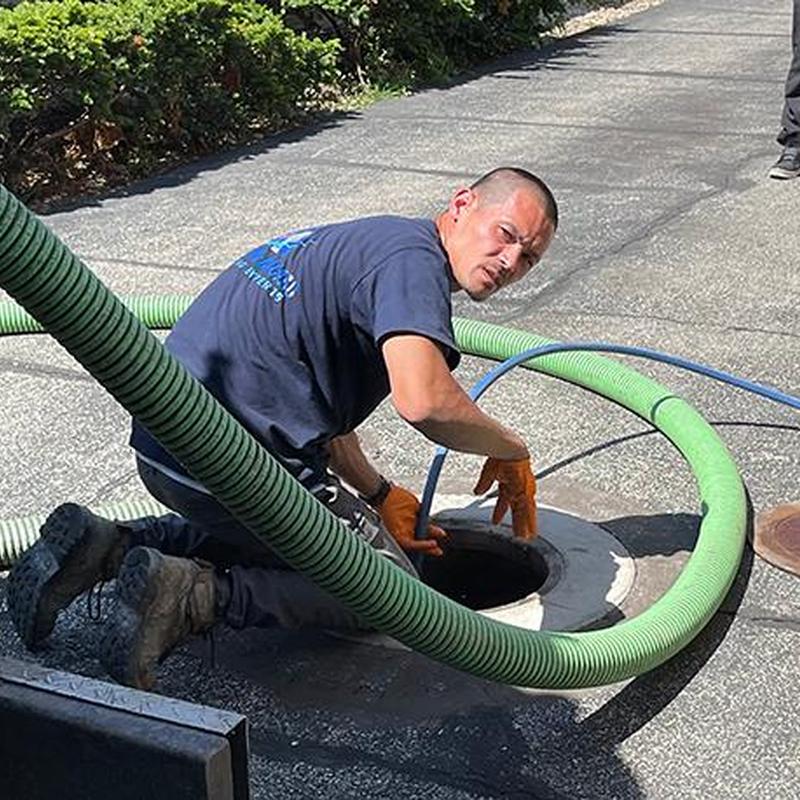
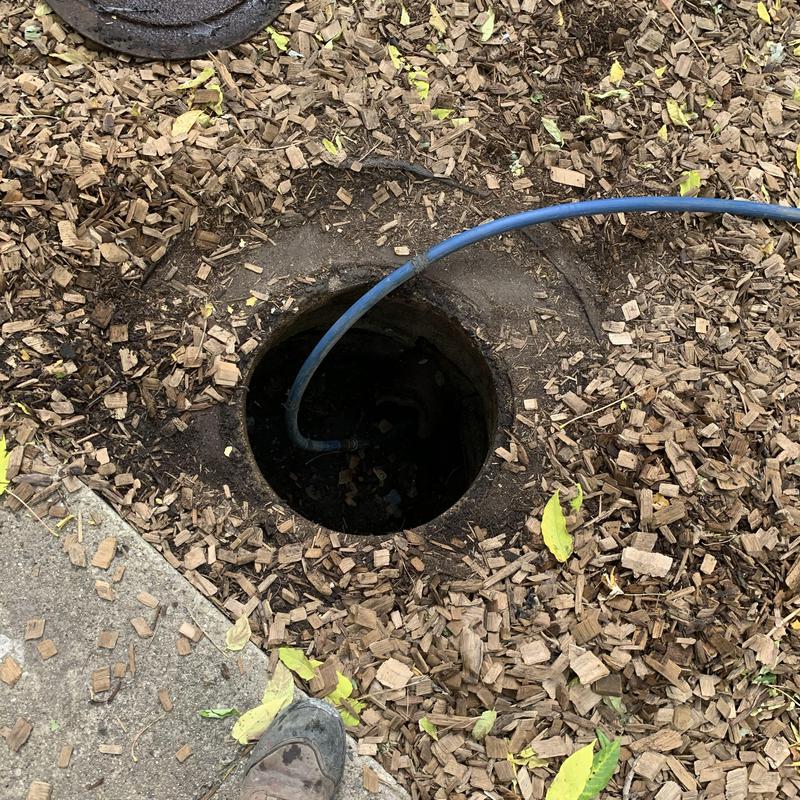
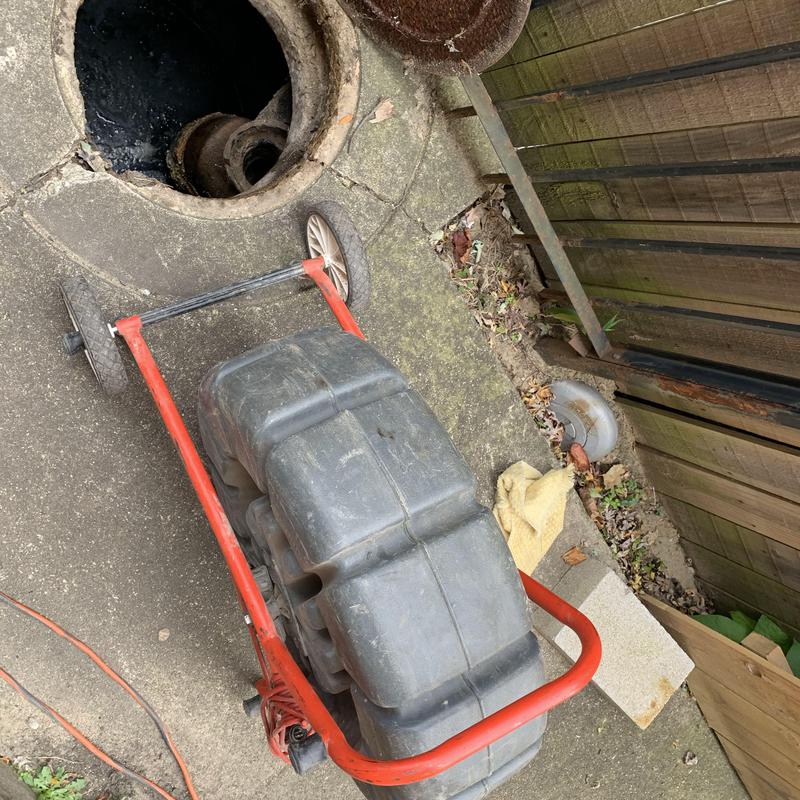
The camera is typically introduced through a suitable access point, such as a sewer cleanout. Access can vary by property. Heavy obstructions, tight bends, damaged piping, or a lack of suitable entry points may limit the inspection or require additional preparation.
Examining the Pipe With Video Equipment
The technician advances the waterproof camera through accessible sections of the sewer line while monitoring the video feed. The inspection focuses on visible blockages, root intrusion, cracks, deposits, misaligned joints, and other abnormalities.
The goal is to identify relevant findings and determine whether the observed conditions may explain the symptoms. In some cases, a blockage may prevent the camera from reaching the full length of the line.
Reviewing the Findings
After the inspection, the technician can explain the visible condition of the pipe, any identified restrictions or damage, and whether additional testing or work should be considered.
When available, video documentation can help property owners understand the observations and make informed decisions.
Determining the Appropriate Next Step
The right solution depends on what the inspection reveals. Some blockages may be addressed through professional cleaning or rodding. Certain buildup may be suitable for hydro jetting if the pipe can safely tolerate the process. Structural damage may require further evaluation and sewer line repair.
Inspecting the pipe first helps make recommendations based on the available evidence instead of treating every drainage problem as an identical clog.

Residential and Commercial Sewer Camera Inspections
Sewer camera inspections can be useful for different types of properties, from single-family homes to commercial buildings. The reason for the inspection and the layout of the sewer system determine what needs to be examined.
Residential Sewer Camera Inspections
Homeowners commonly request sewer camera inspections to investigate recurring backups, slow drains, unexplained odors, or concerns about older underground piping.
For older Chicago homes, an inspection may provide useful information about visible root intrusion, deposits, cracks, joint separation, and other pipe conditions. It can also help homeowners investigate a recurring problem before deciding whether cleaning or repair is appropriate.
Commercial Sewer Camera Inspections
Restaurants, apartment buildings, offices, retail spaces, and other commercial properties depend on reliable drainage to support daily operations.
A sewer camera inspection can help investigate recurring blockages, suspected pipe damage, and other sewer concerns. Findings may also help property managers plan maintenance or determine whether further repair work is necessary.
For businesses dealing with recurring drainage problems, our commercial drain cleaning services may also be relevant.
Sewer Camera Inspection FAQs
What is a sewer camera inspection?
A sewer camera inspection uses a specialized waterproof camera attached to a flexible cable to examine the inside of a sewer line. It helps identify visible blockages, tree root intrusion, cracks, pipe damage, and other problems without digging simply to view the pipe's interior.
When should I schedule a sewer camera inspection?
Consider scheduling an inspection if you experience recurring drain clogs, multiple slow drains, sewage backups, unexplained sewer odors, or gurgling sounds from plumbing fixtures. An inspection can also be useful before purchasing an older home or when investigating a problem that continues after cleaning.
How much does a sewer camera inspection cost in Chicago?
The cost depends on factors such as access to the sewer line, the length of pipe being inspected, and the complexity of the problem. Contact Suburban Plumbing Experts to discuss inspection pricing for your Chicago-area property.
Can a sewer camera inspection find tree roots in a sewer line?
Yes. A sewer camera can reveal roots entering through pipe joints, cracks, or damaged sections. Identifying root intrusion helps determine whether the line may need professional cleaning, repair, or further evaluation.
Can a sewer camera inspection detect a broken or collapsed sewer pipe?
A camera inspection can reveal visible cracks, separated joints, pipe deformation, and signs of a collapsed or obstructed section when the affected area is accessible. The findings help determine appropriate next steps, although additional evaluation may be needed to establish the full extent of the damage.
Does a sewer camera inspection require digging?
Most inspections can be performed through an existing sewer cleanout or another suitable access point. Because the camera travels inside the pipe, excavation is generally unnecessary just to examine the accessible interior. Difficult access or certain pipe conditions may require additional work.
How long does a sewer camera inspection take?
The time required depends on the sewer line's length, layout, accessibility, and condition. Heavy blockages, difficult access, or a complicated system can add time to the inspection.
Is a sewer camera inspection worth it before buying a house?
A pre-purchase sewer camera inspection can reveal hidden problems that a standard home inspection may not cover, including root intrusion, cracks, buildup, and damaged sewer pipes. Finding visible concerns before closing can help buyers make more informed decisions about potential maintenance and repairs.
Can a sewer camera inspection find the cause of recurring drain clogs?
It can help identify buildup, root intrusion, damaged pipe sections, and other visible conditions that may contribute to recurring clogs. If cleaning is needed, professional sewer cleaning services or hydro jetting may be appropriate, depending on the pipe condition and type of obstruction.
Do you provide sewer camera inspections for commercial properties?
Yes. Sewer camera inspections can help Chicago-area businesses, apartment buildings, and other commercial properties investigate recurring drainage issues and evaluate accessible sewer line conditions. Inspection findings can help property owners and managers plan appropriate maintenance or repairs.
Schedule a Sewer Camera Inspection in Chicago
When sewer problems keep returning, guessing at the cause can lead to repeated service calls without resolving the underlying issue. A professional sewer camera inspection helps you understand the visible condition of accessible sections of your sewer line and determine what should happen next.
Suburban Plumbing Experts provides sewer camera inspection services for homeowners, property managers, and businesses in Chicago and the surrounding suburbs. Whether you're investigating recurring backups, evaluating an older property, or checking for visible sewer line damage, an inspection can provide useful information for planning the next step.
Call 708-801-6530 to discuss your sewer line concerns and schedule an inspection.
Schedule Sewer Camera Inspection Service Now
Suburban Plumbing Sewer Line & Drain Cleaning Experts
⏰ Open 24 Hours
📞 Phone: Suburbs: 708-801-6530 Chicago: 773-570-2191
📧 Email: info@suburbanplumbingexperts.com
🚨 Emergency Hotline: 708-518-7765
Sewer Camera Inspection for Chicago-Area Homes and Businesses
Find out what's happening inside your sewer line before deciding on the next step. A professional sewer line camera inspection can help reveal blockages, root intrusion, cracks, separated joints, and other visible pipe problems. Examining the accessible pipe interior with video equipment can help determine whether cleaning, further diagnosis, or repair may be appropriate.
Sewer Line Inspection Throughout Chicago and Nearby Suburbs
Suburban Plumbing Experts provides professional sewer camera inspection services for residential and commercial properties in Chicago, Brookfield, and surrounding communities. Our plumbers examine accessible sewer piping to help identify visible conditions that may be affecting drainage.
Chicago, Brookfield, Naperville, Downers Grove, Hinsdale, Oak Brook, Elmhurst, Wheaton, Glen Ellyn, Lombard, and nearby Chicagoland communities.
What a Sewer Pipe Camera Inspection Can Reveal
A plumbing camera inspection allows a professional to examine the interior of accessible sewer piping and assess visible conditions that may be restricting wastewater flow or contributing to recurring problems.
- ✓ Identify visible blockages and accumulated debris
- ✓ Check for tree root intrusion and affected pipe sections
- ✓ Examine visible cracks, separated joints, and deterioration
- ✓ Investigate recurring clogs, slow drains, and sewer backups
- ✓ Help determine whether cleaning or repairs may be appropriate
- ✓ Examine accessible sewer piping before planned repair work
A sewer line inspection in Chicago can help guide the next step, whether that means professional sewer cleaning, further diagnosis, or sewer line repair. What the camera can show depends on pipe access, layout, and interior conditions.
Need Answers About Your Sewer Line?
Contact Suburban Plumbing Experts to discuss a sewer camera inspection for your Chicago-area property and determine the appropriate next step.
CALL 708-801-6530Sewer Camera Inspection Projects in Chicago and Nearby Suburbs
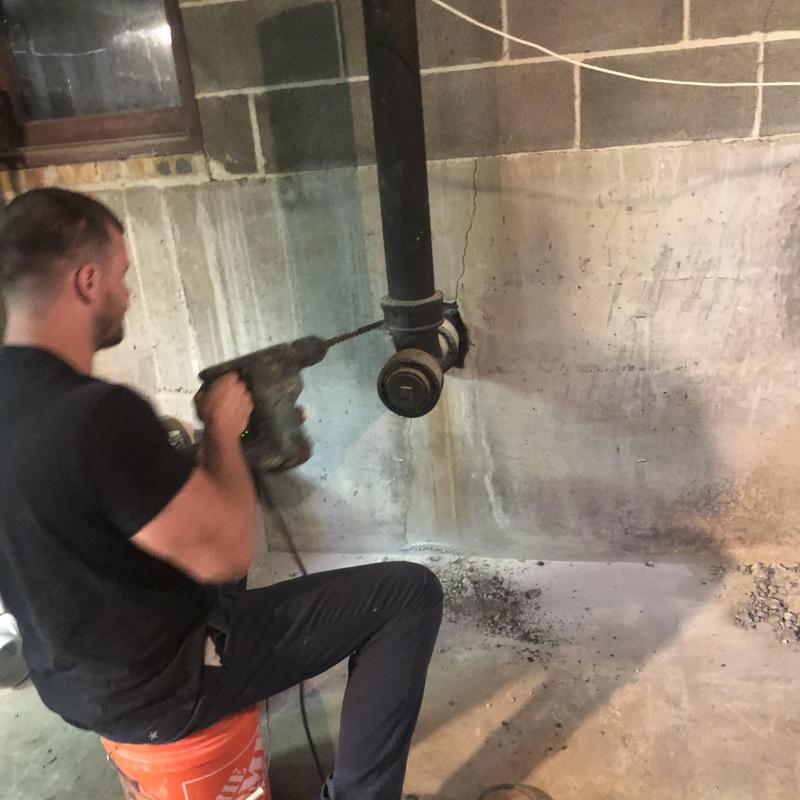
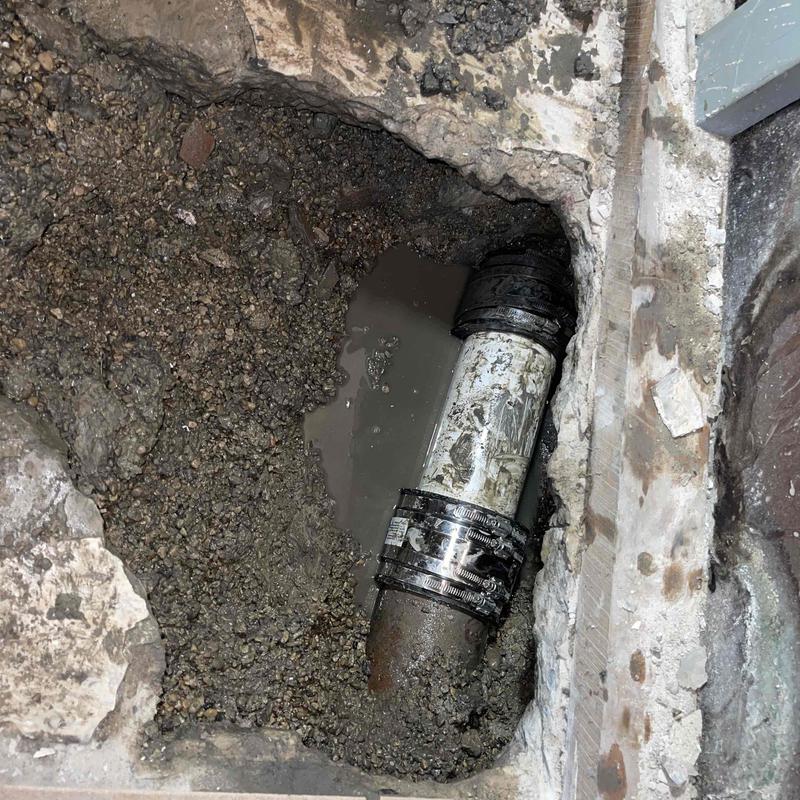
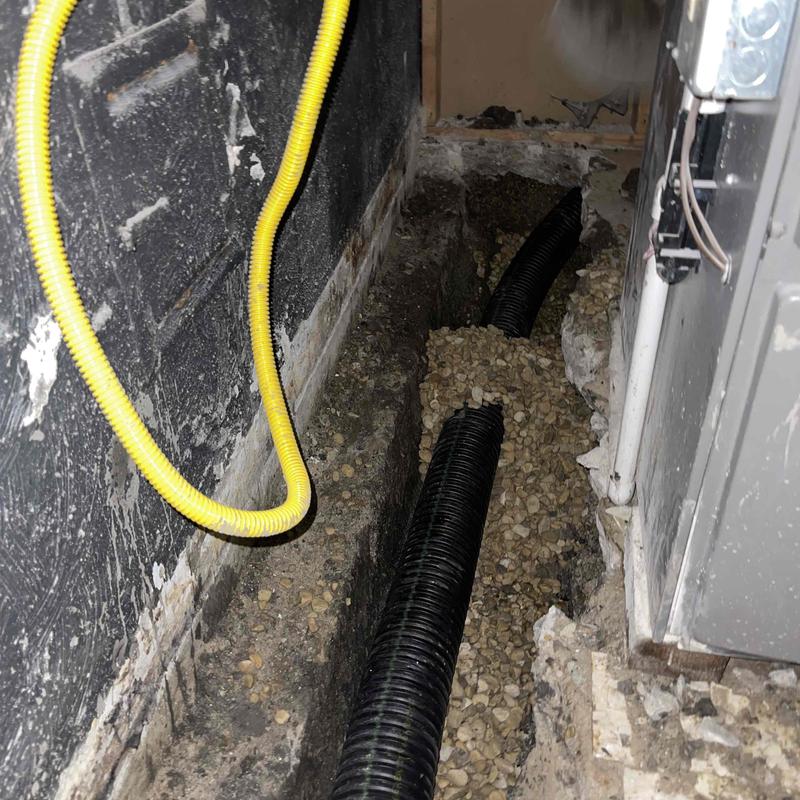
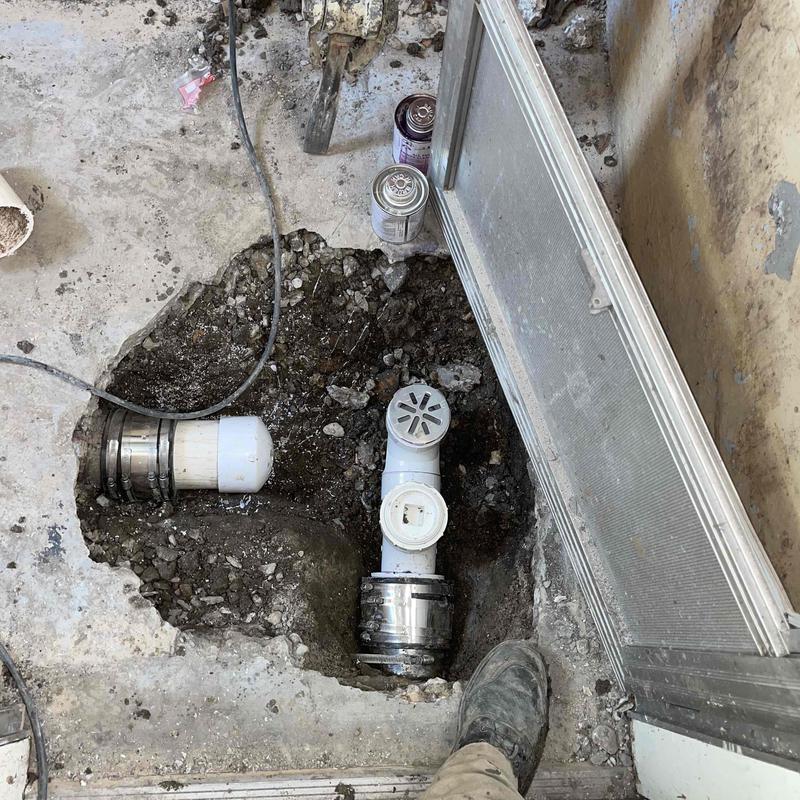
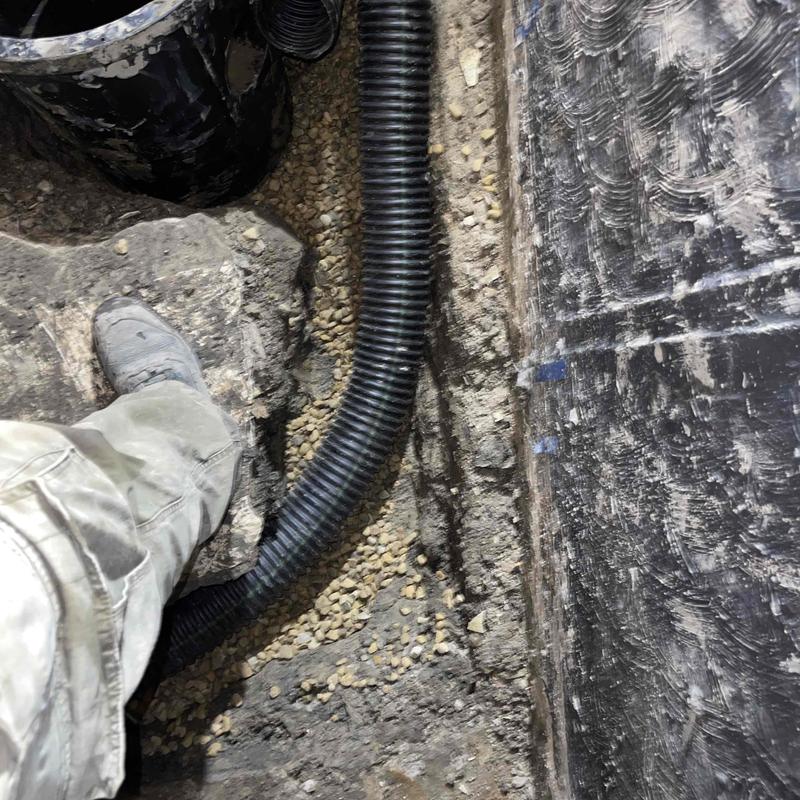
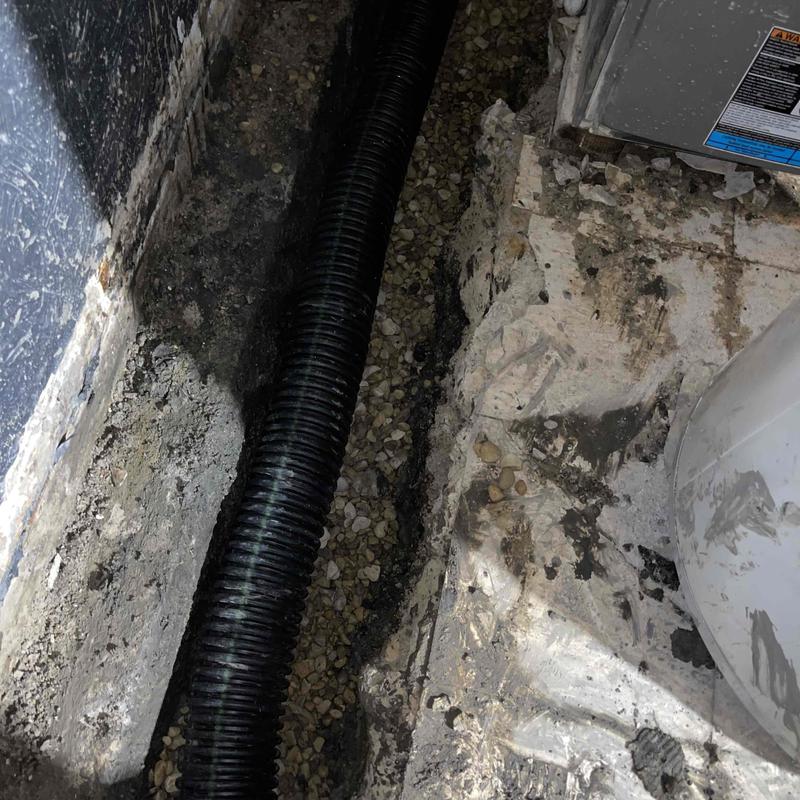
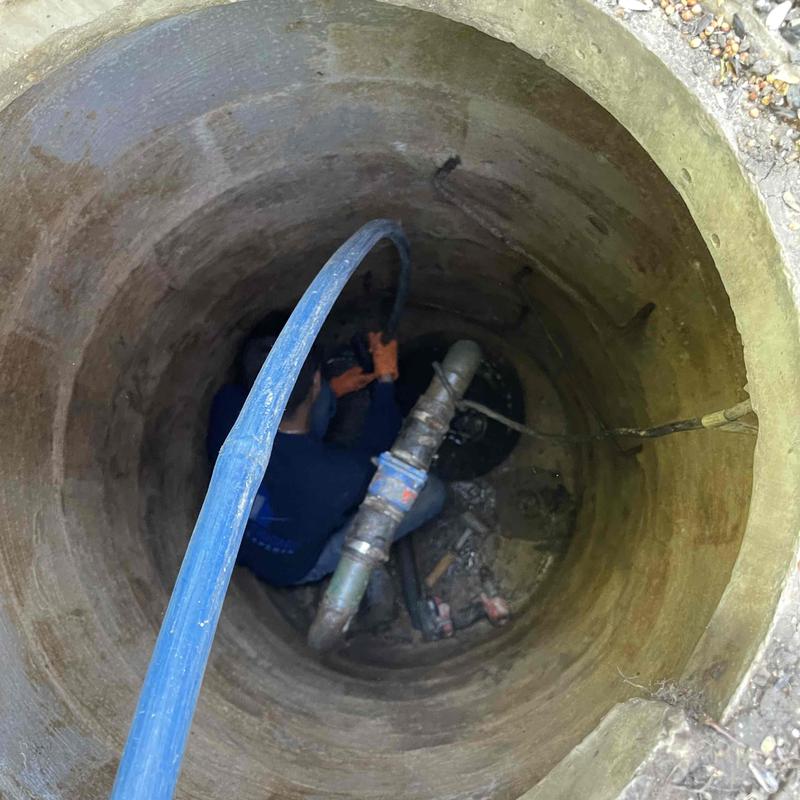
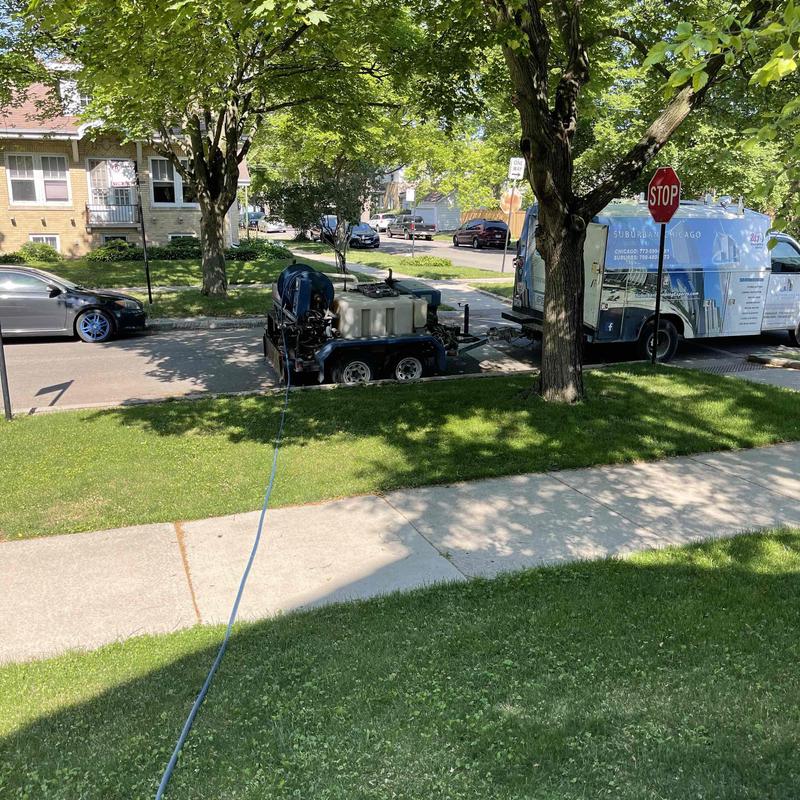
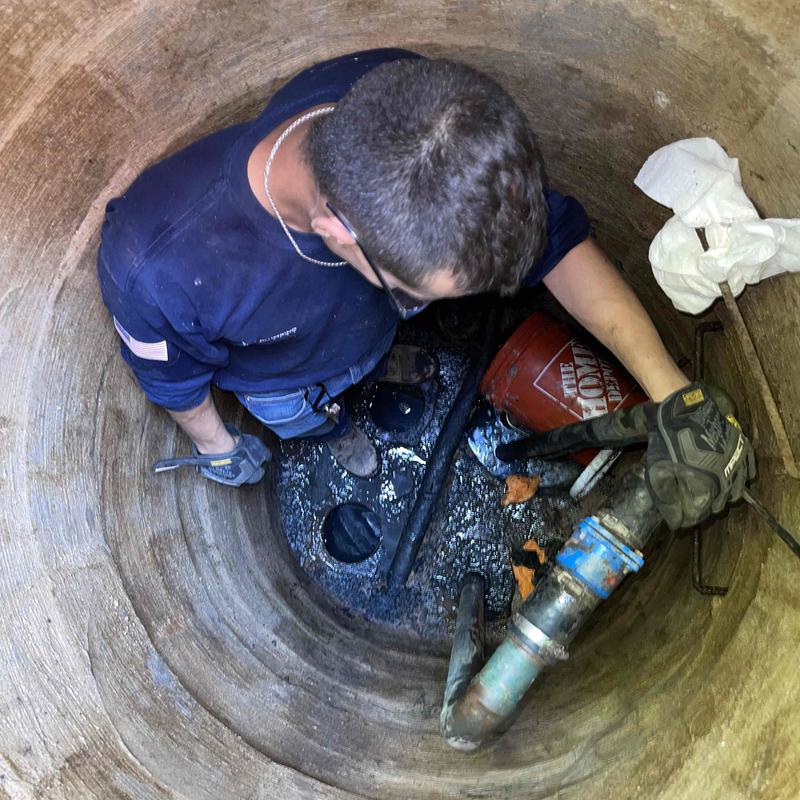
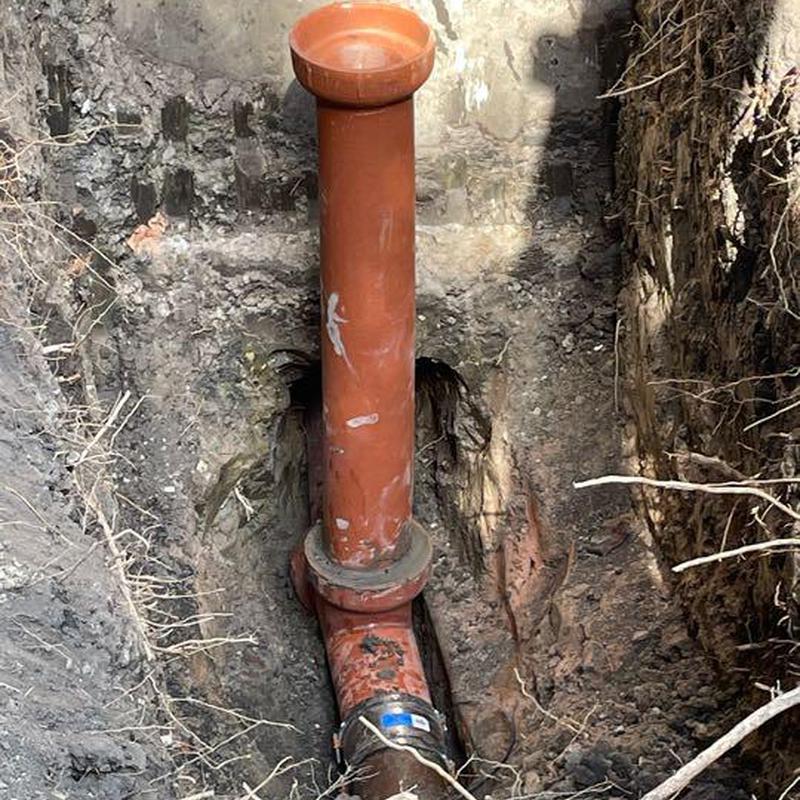
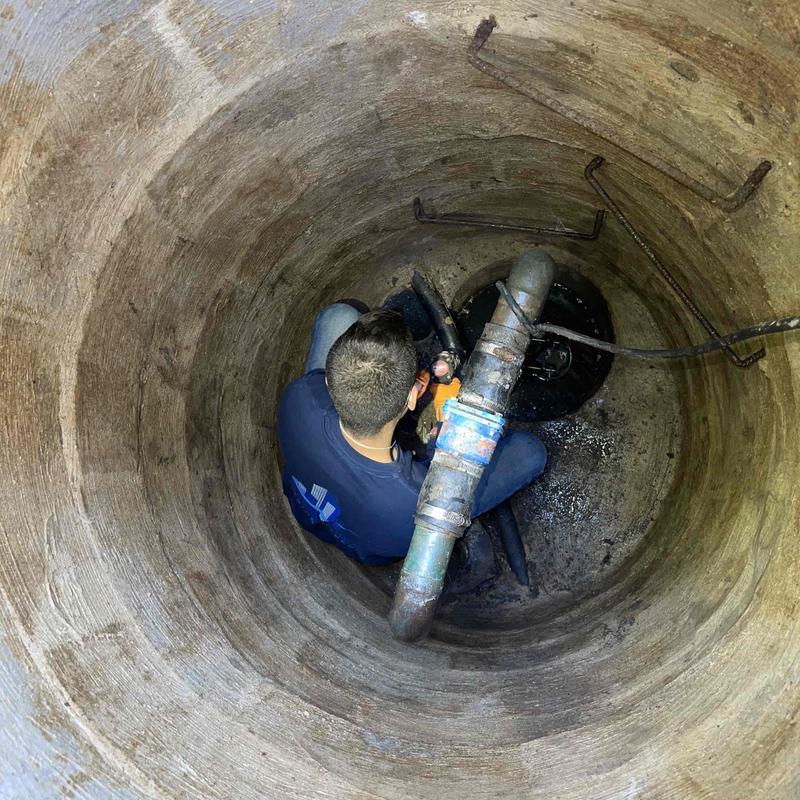
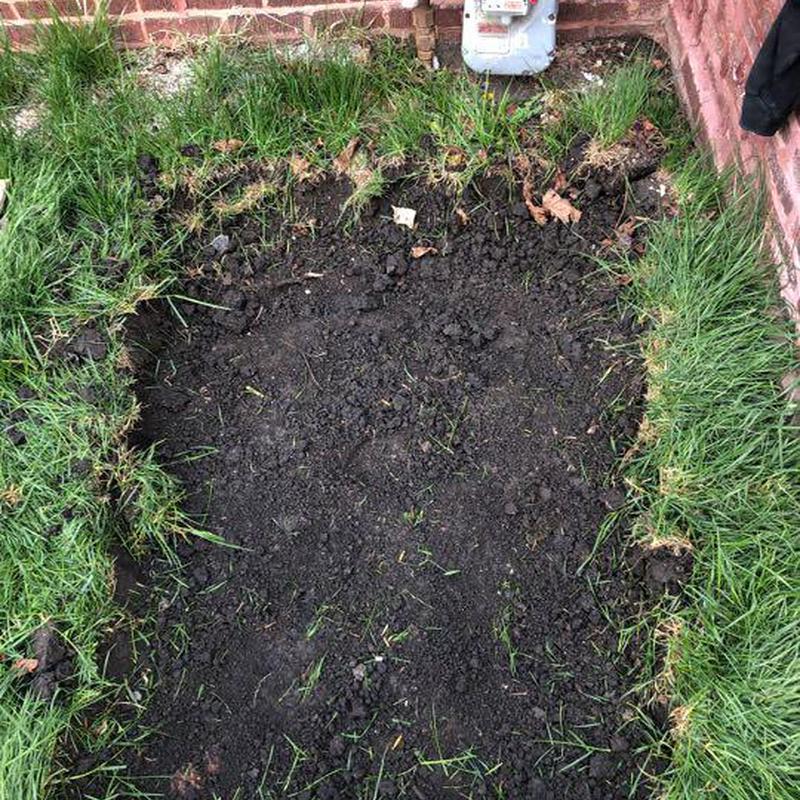
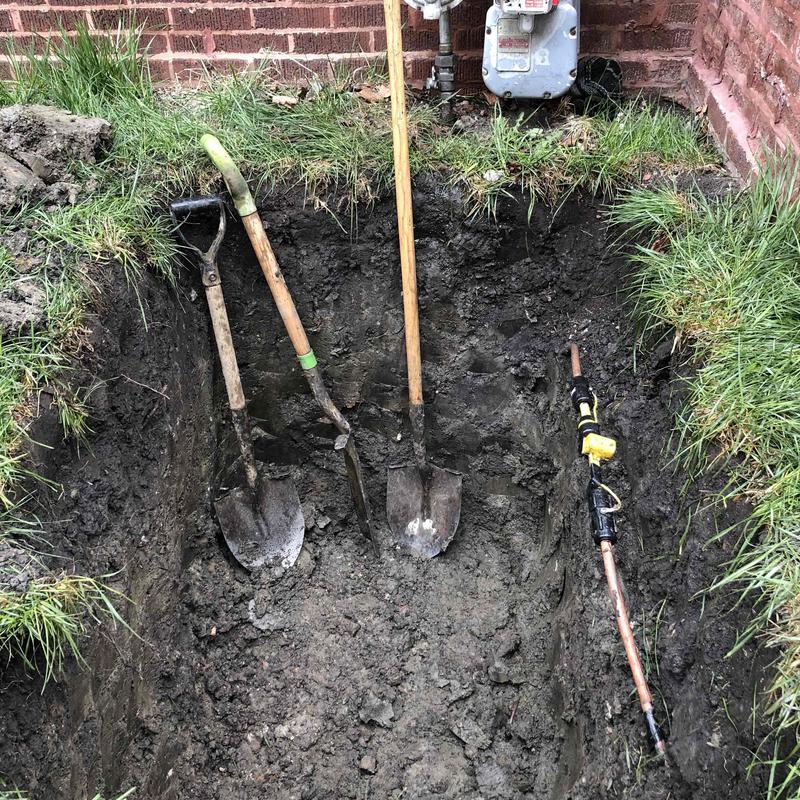
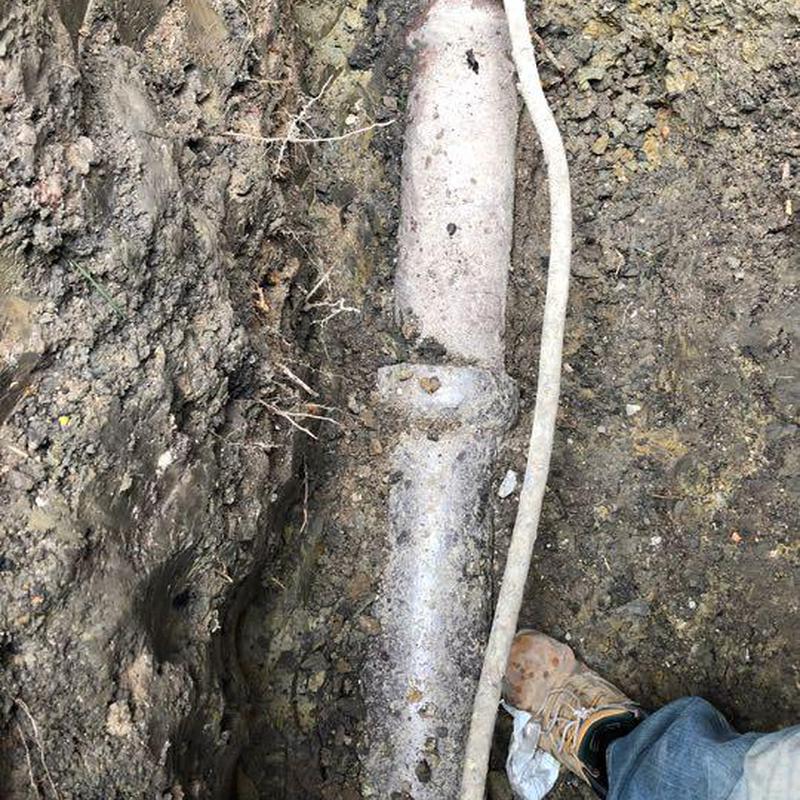
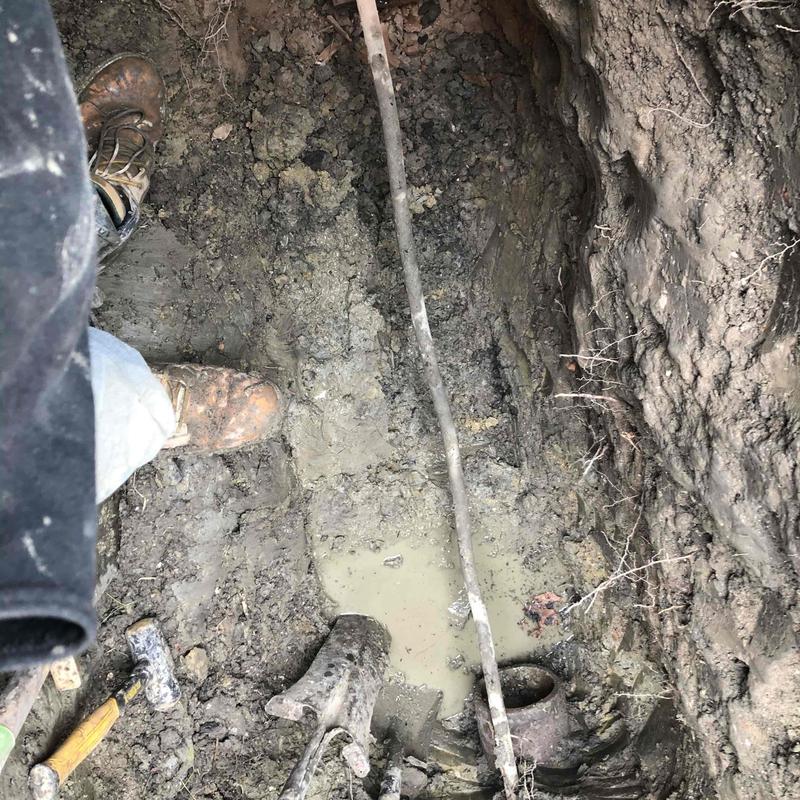
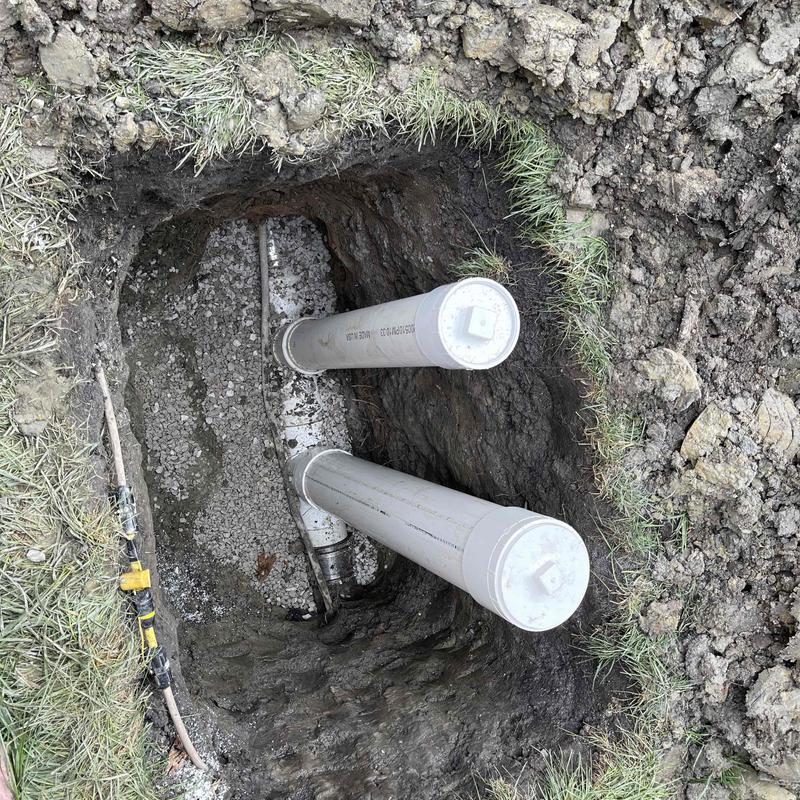
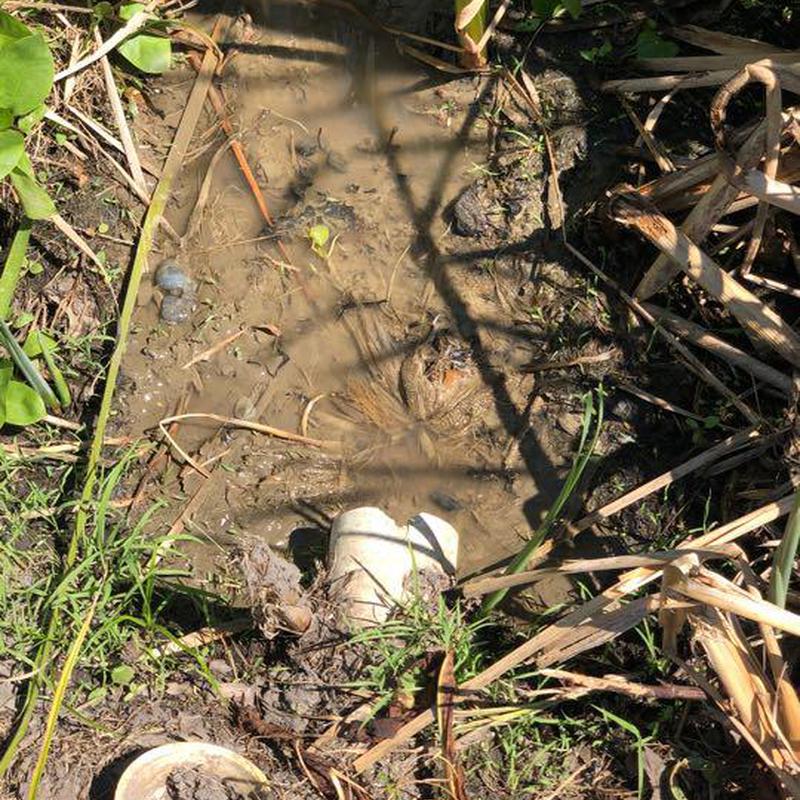
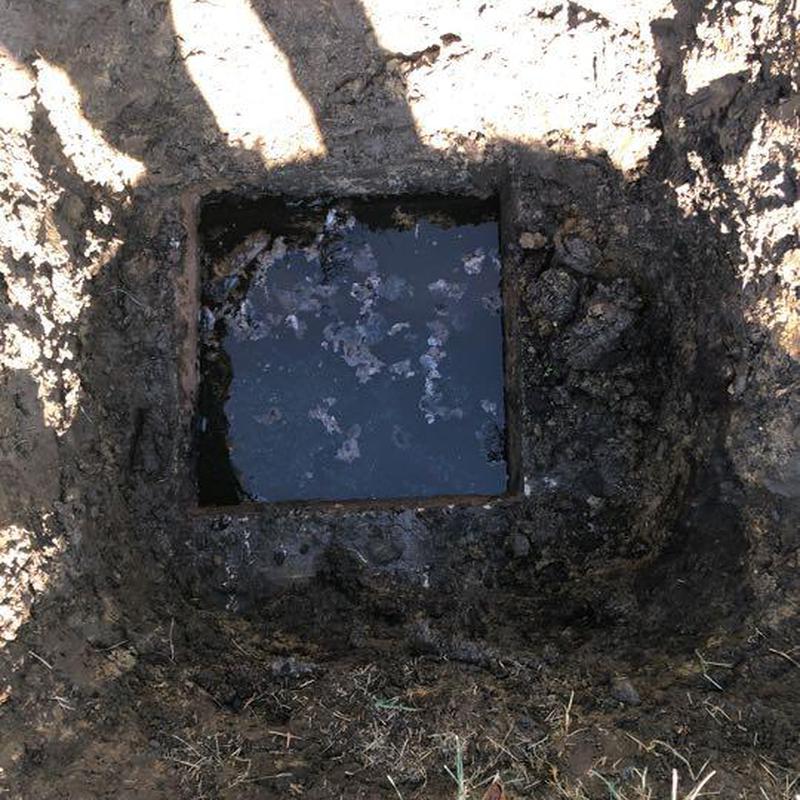
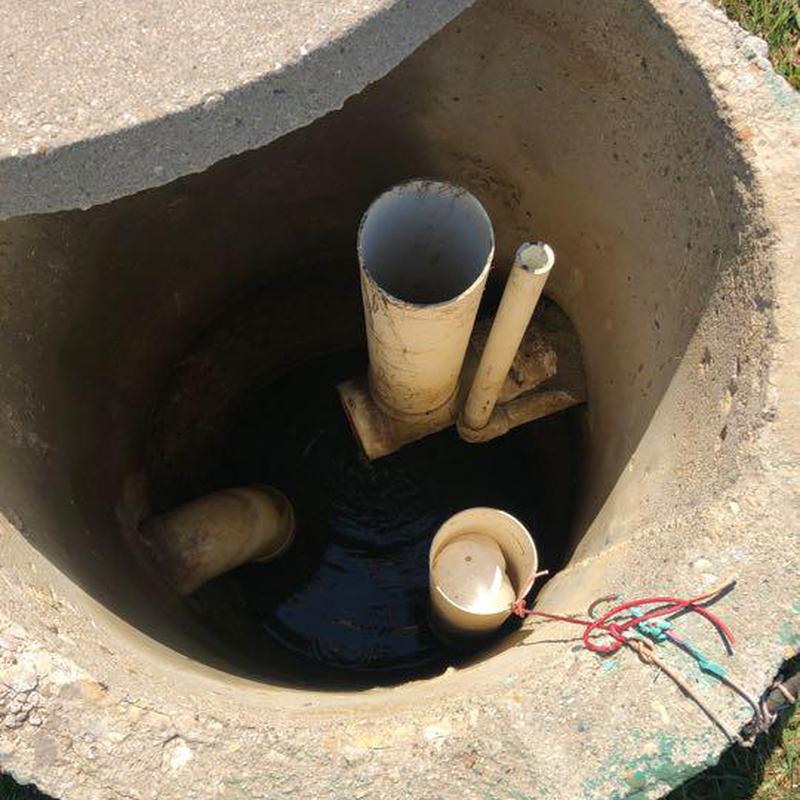
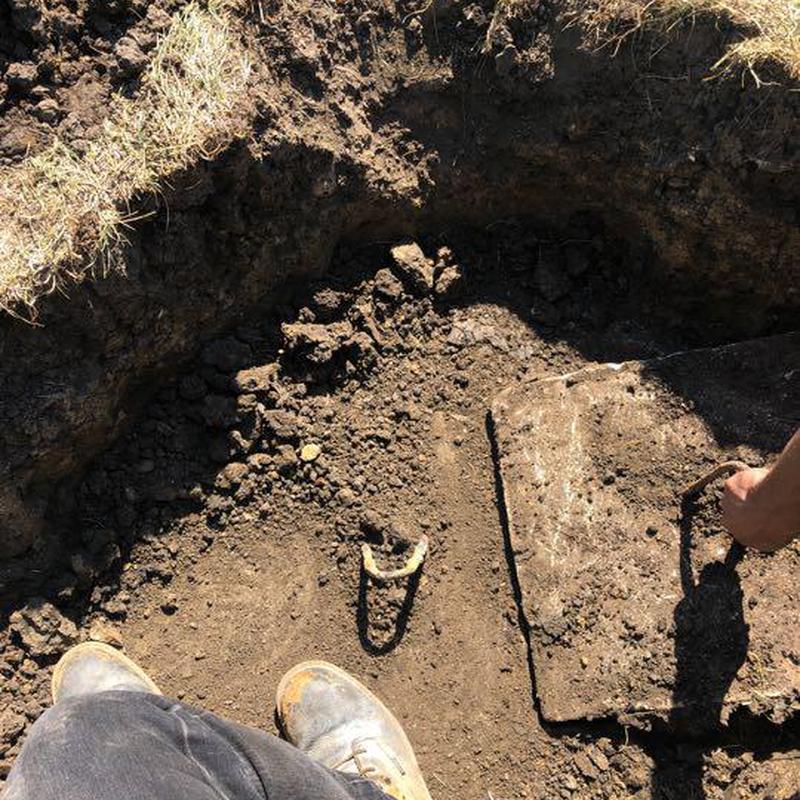
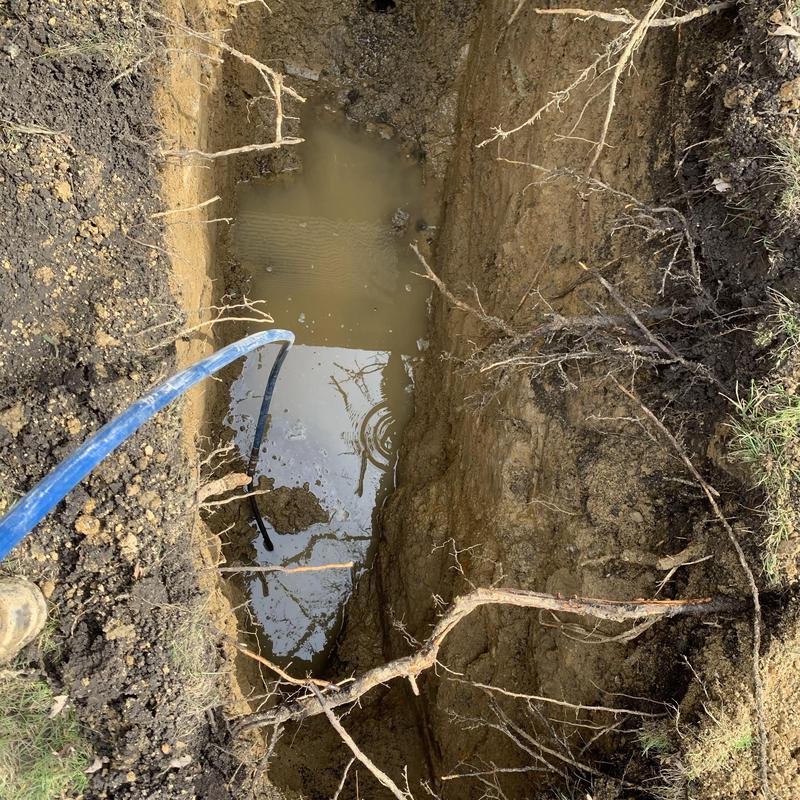
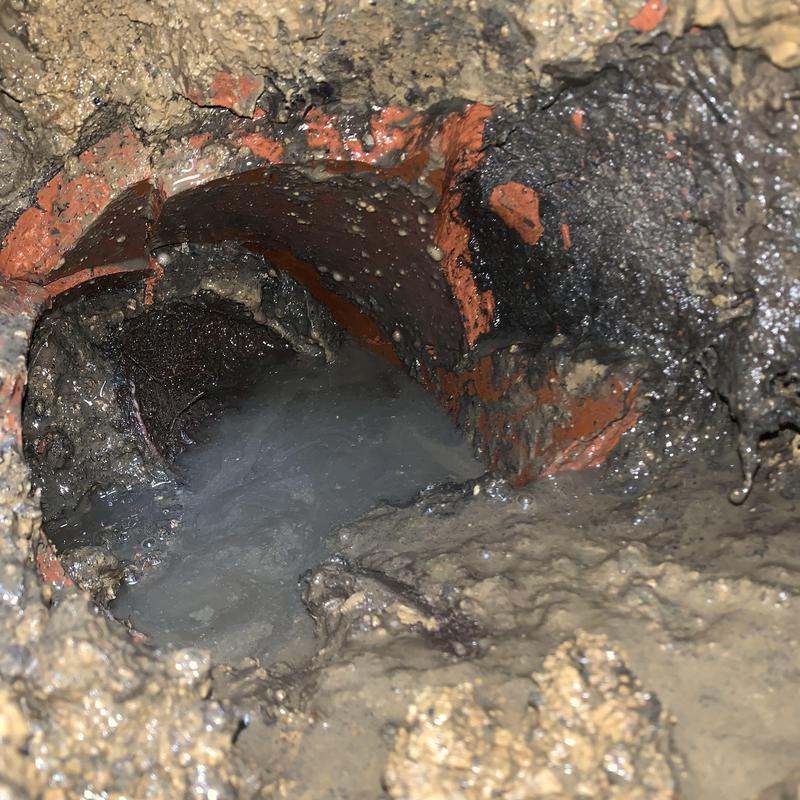
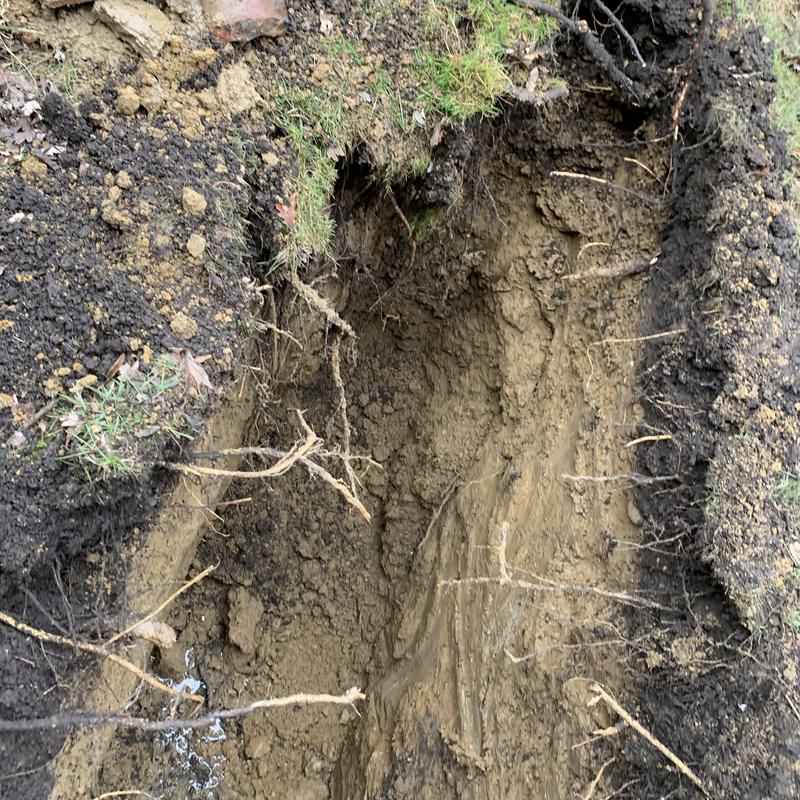
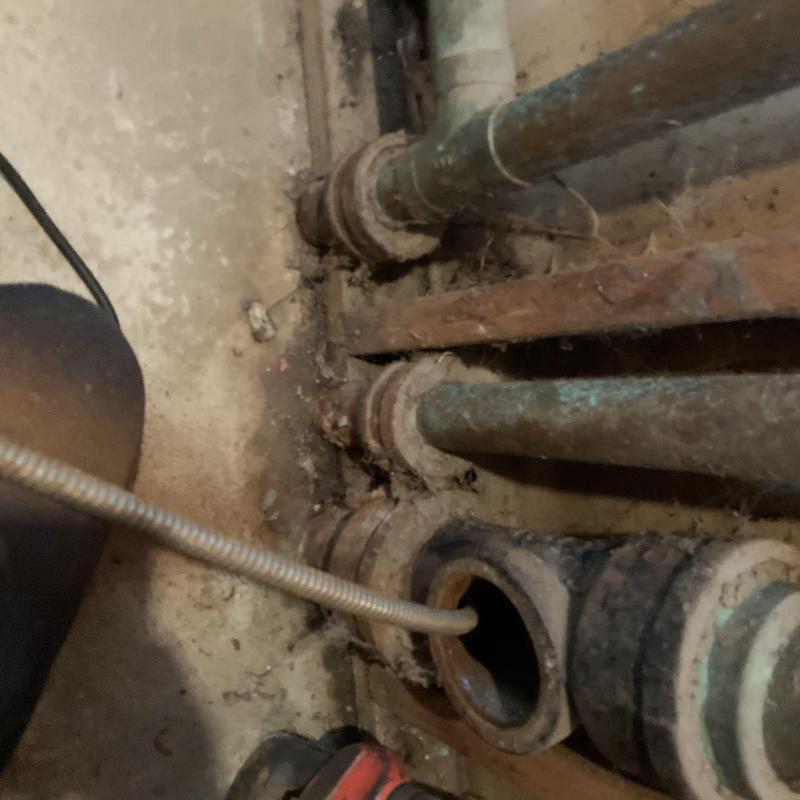
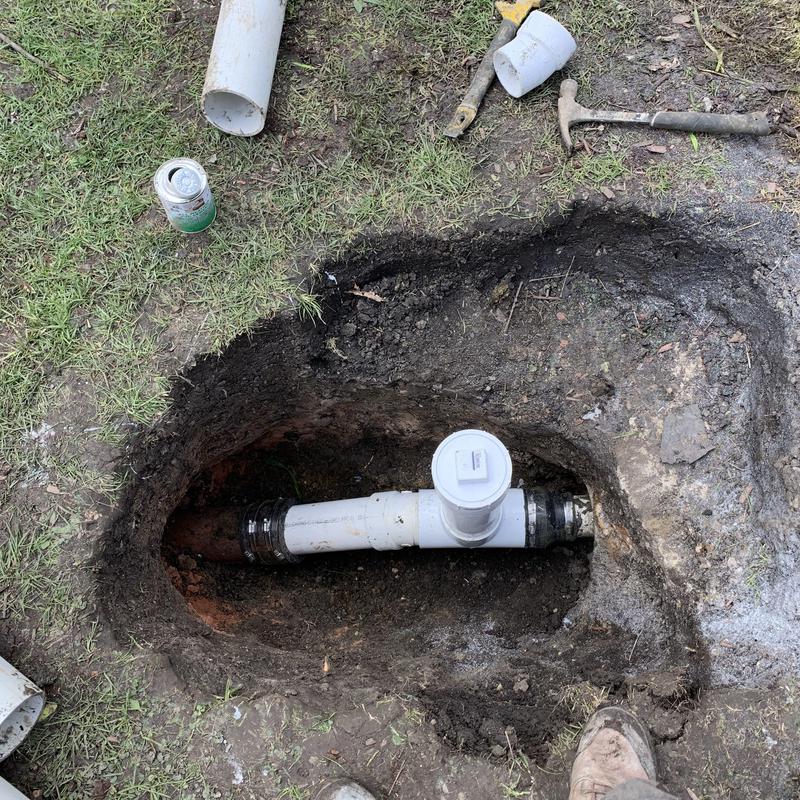
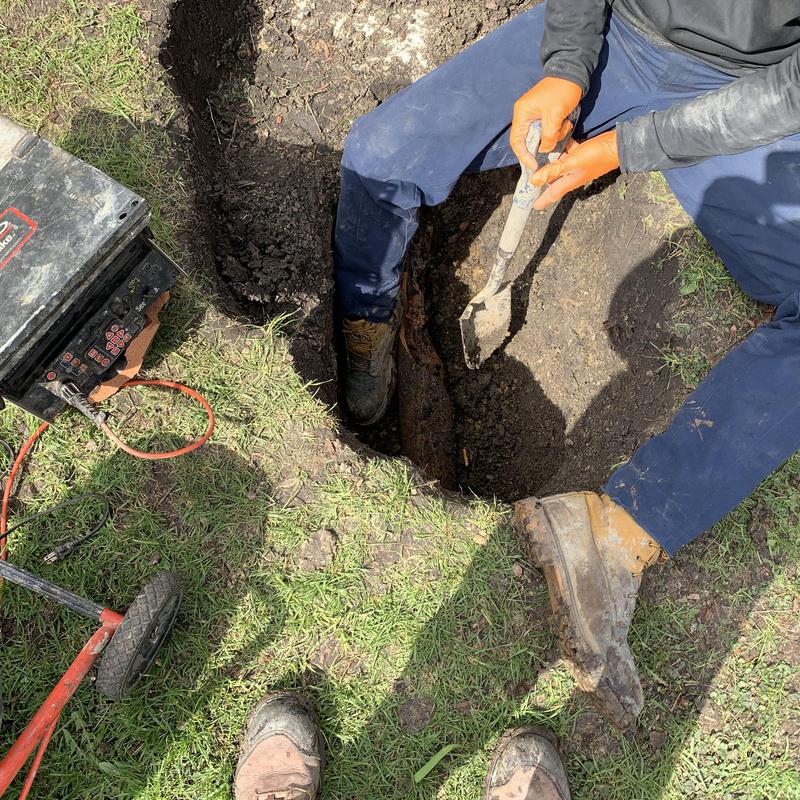
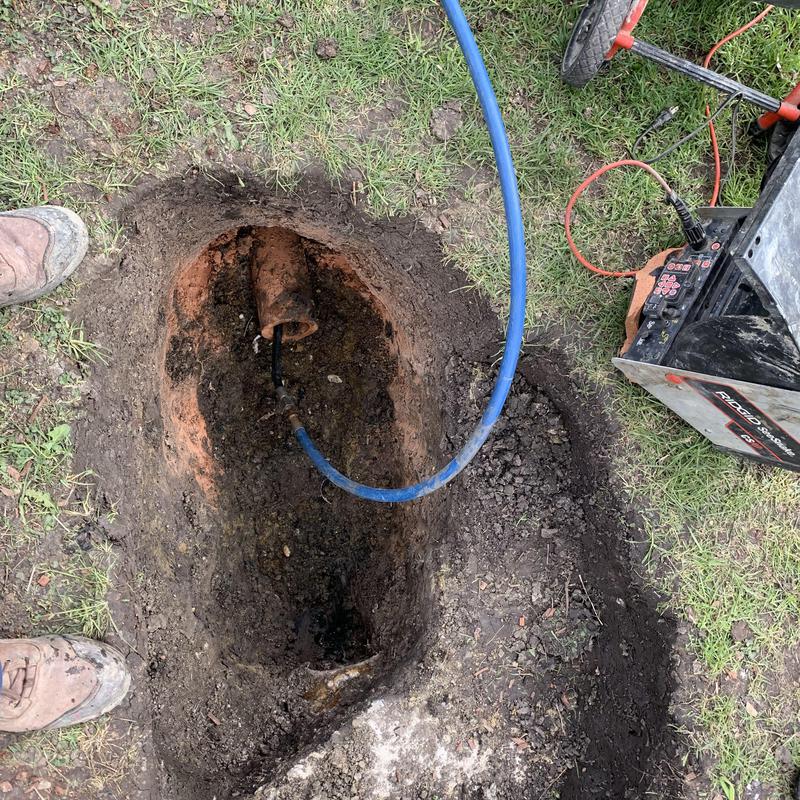
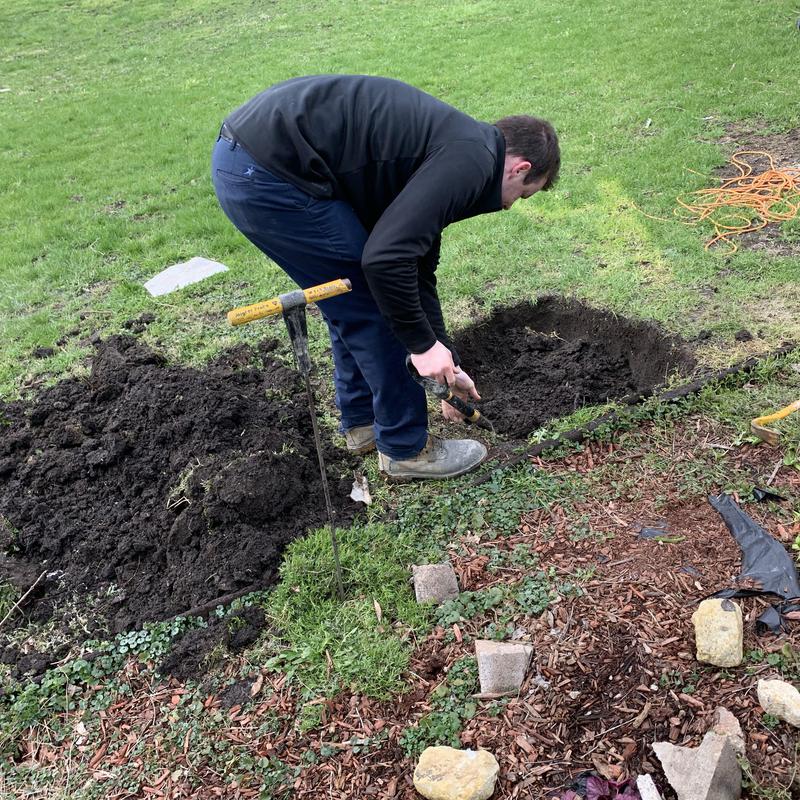
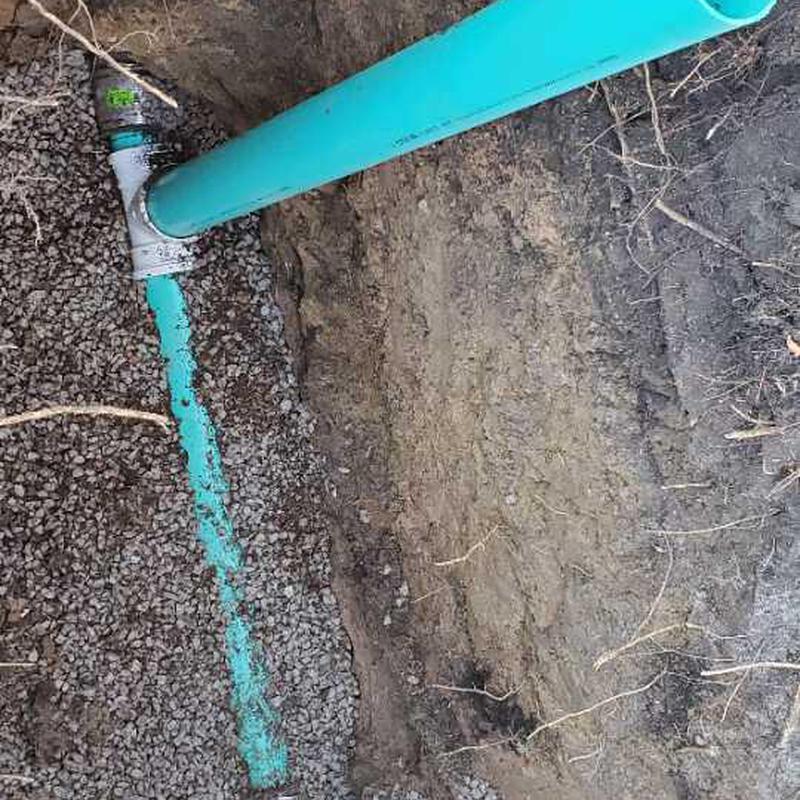
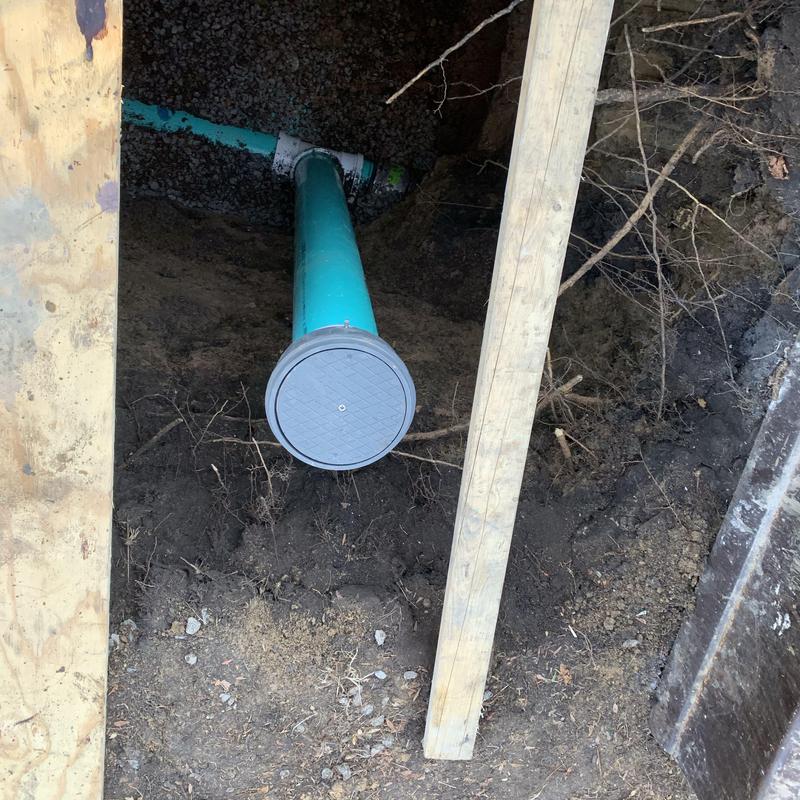
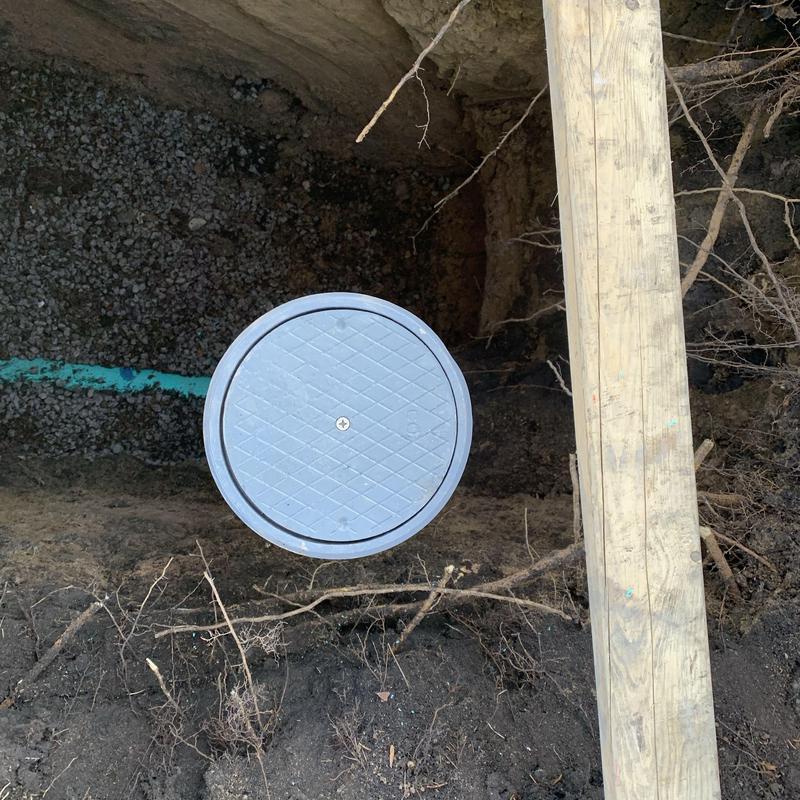
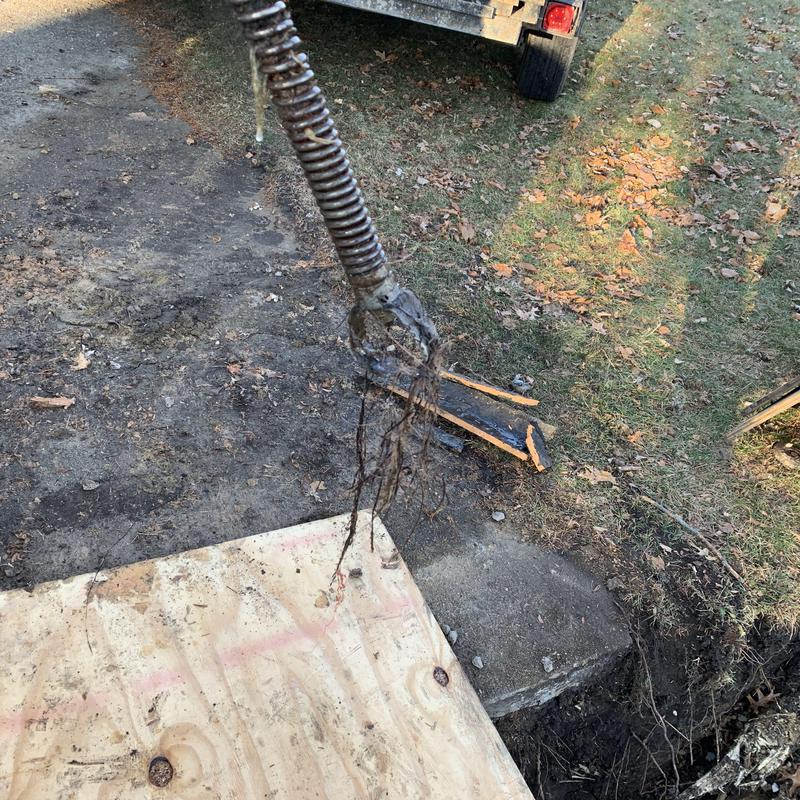
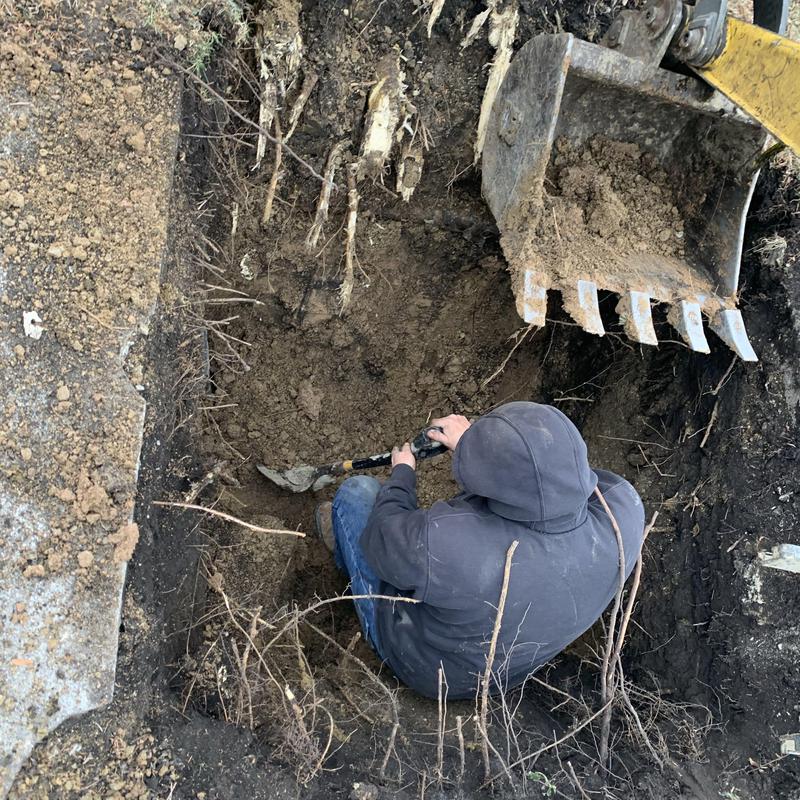
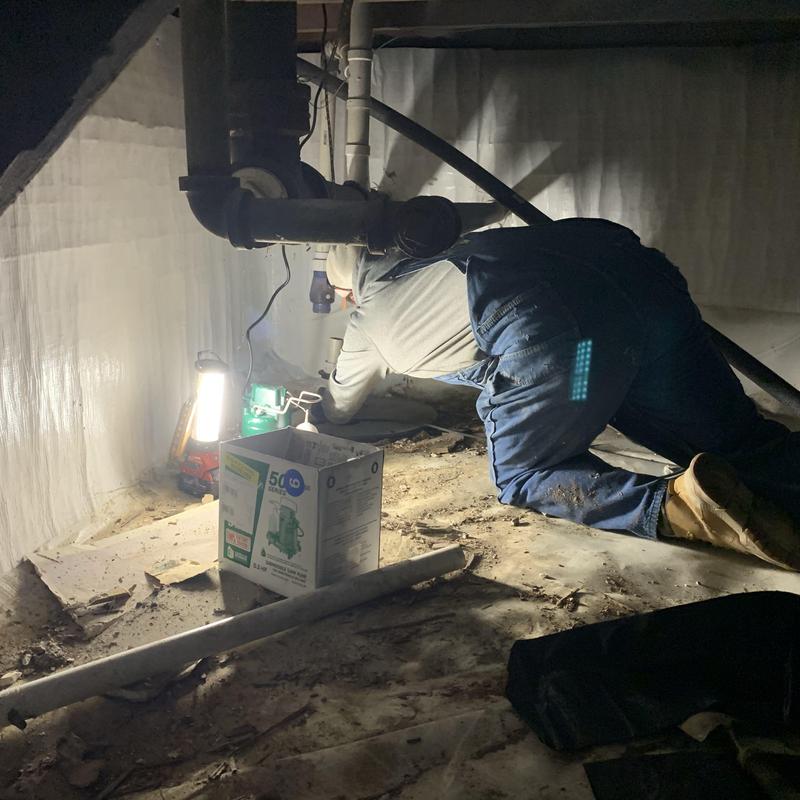
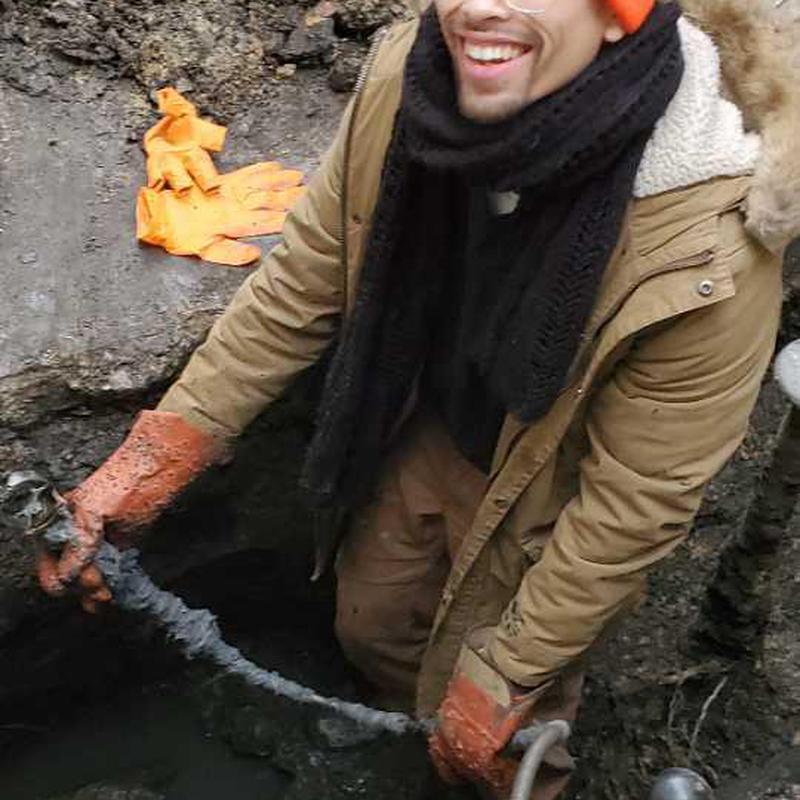
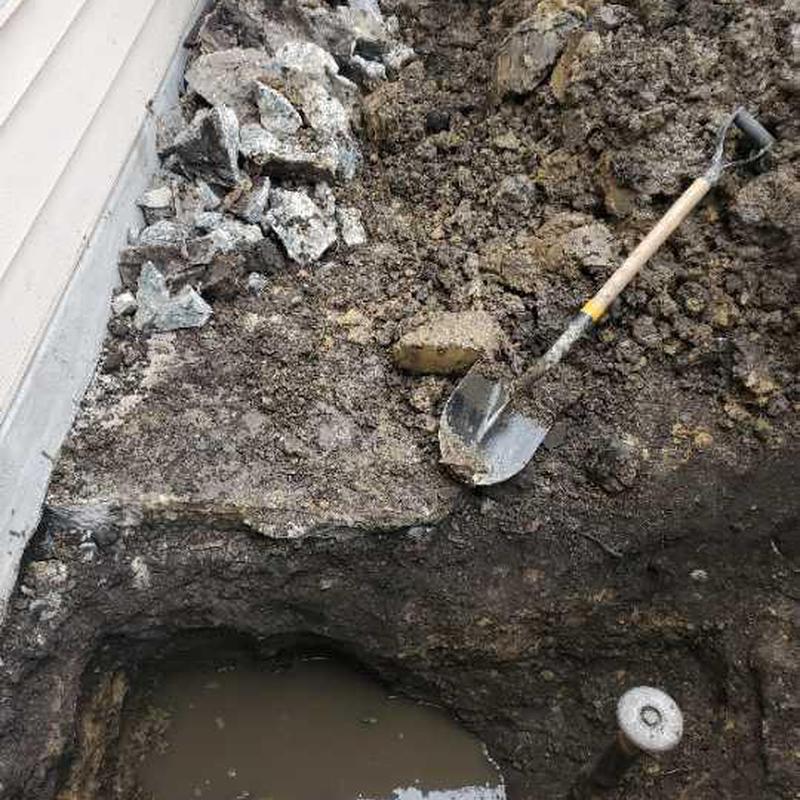
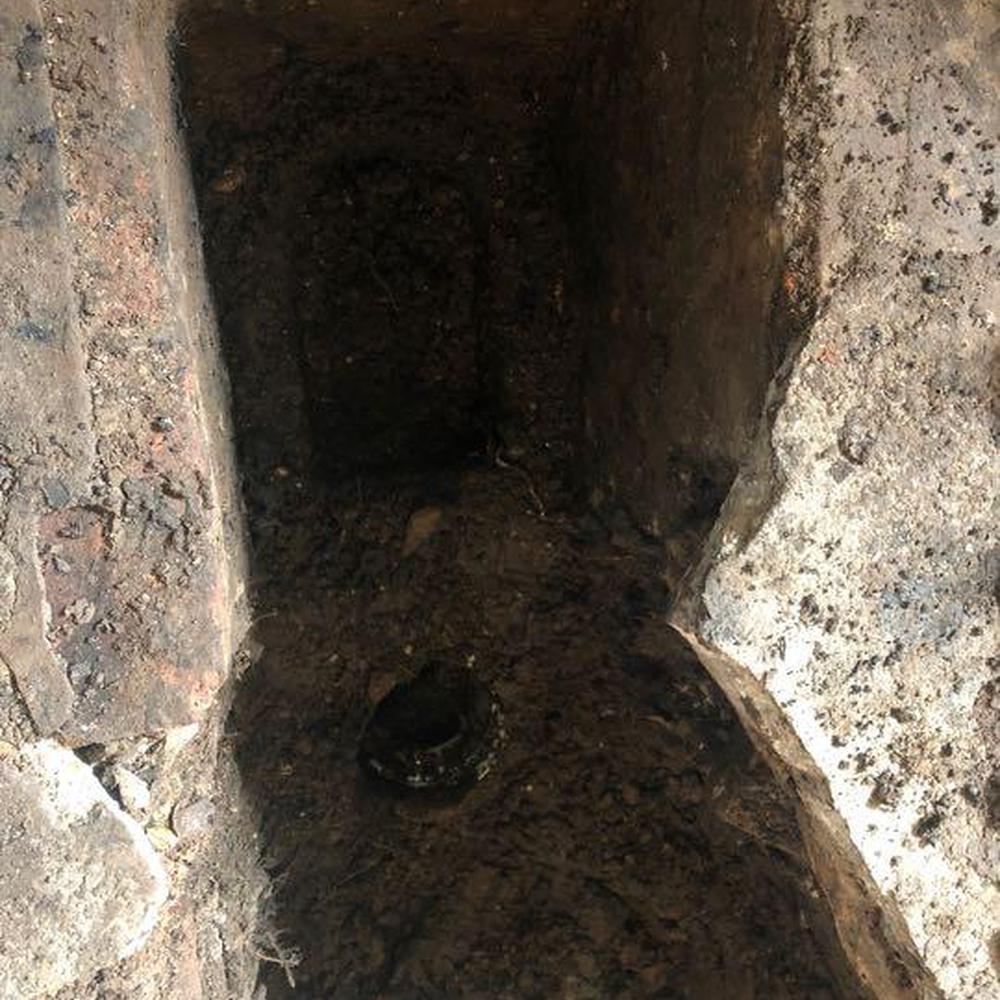
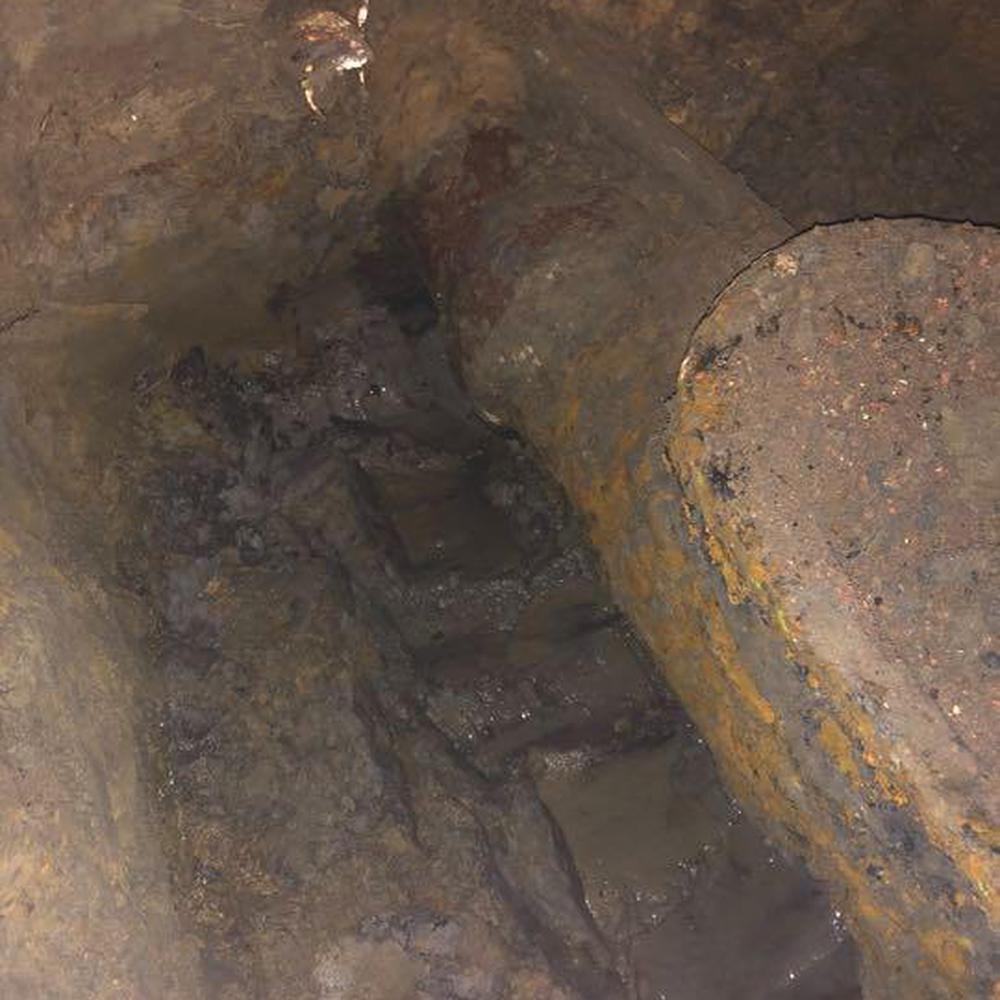
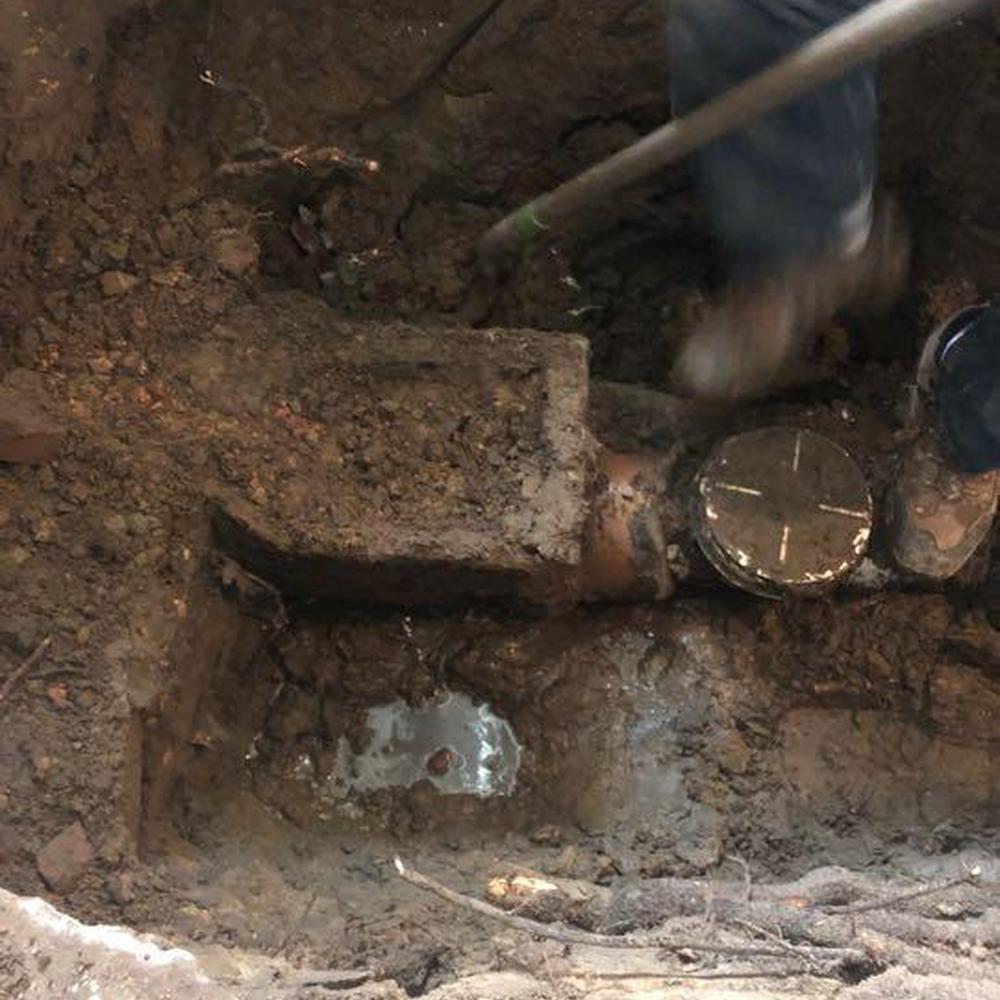
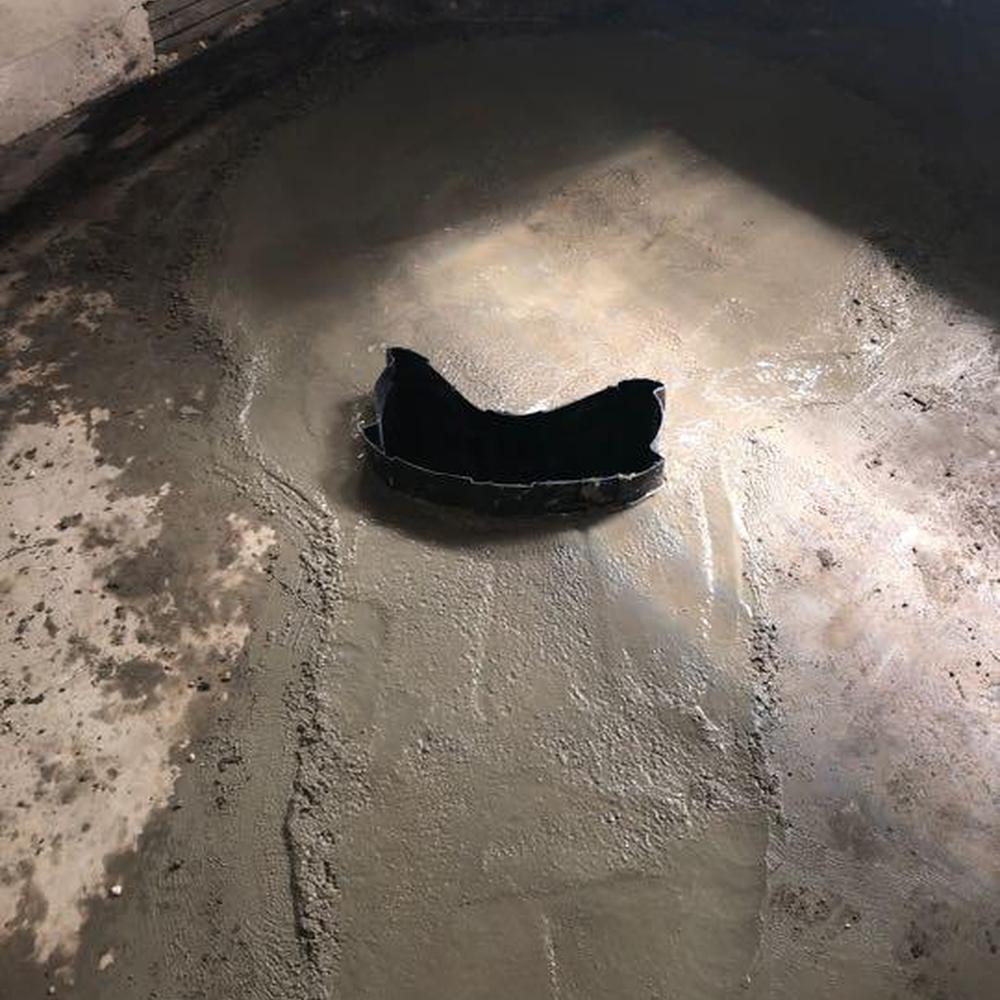
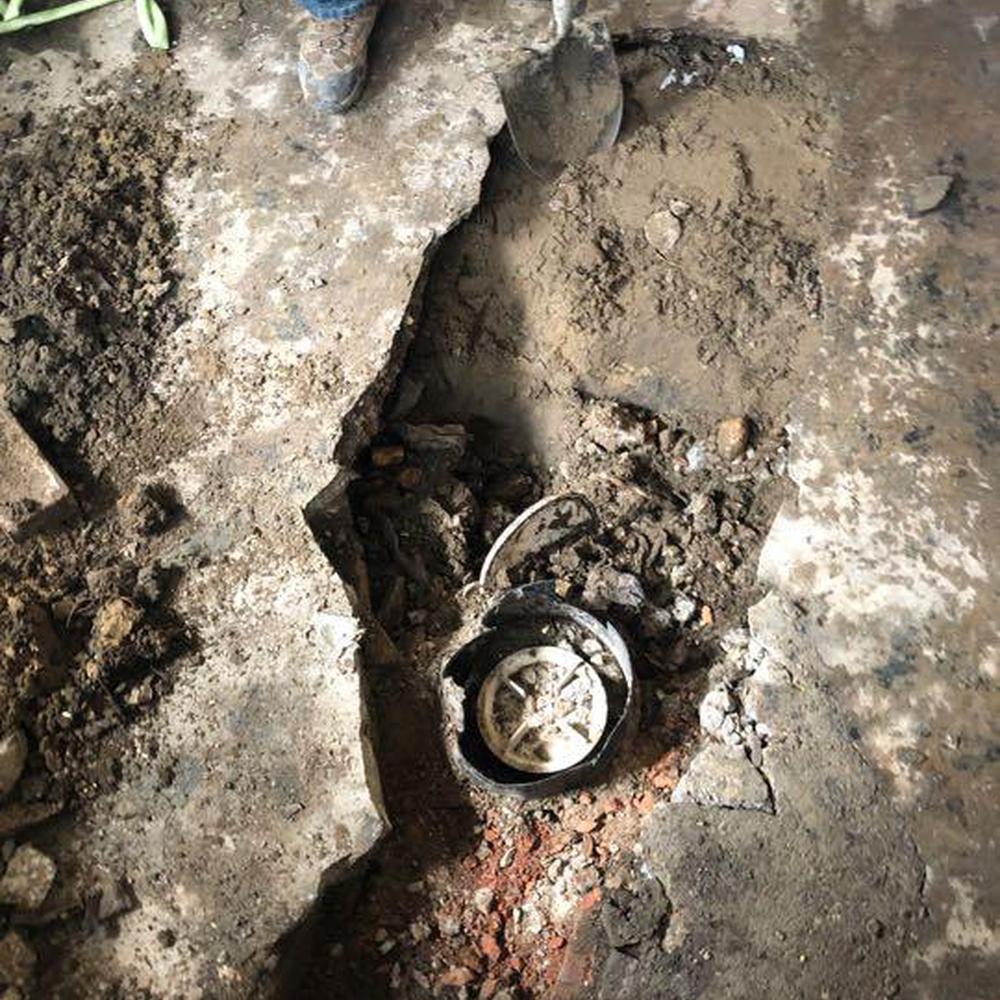
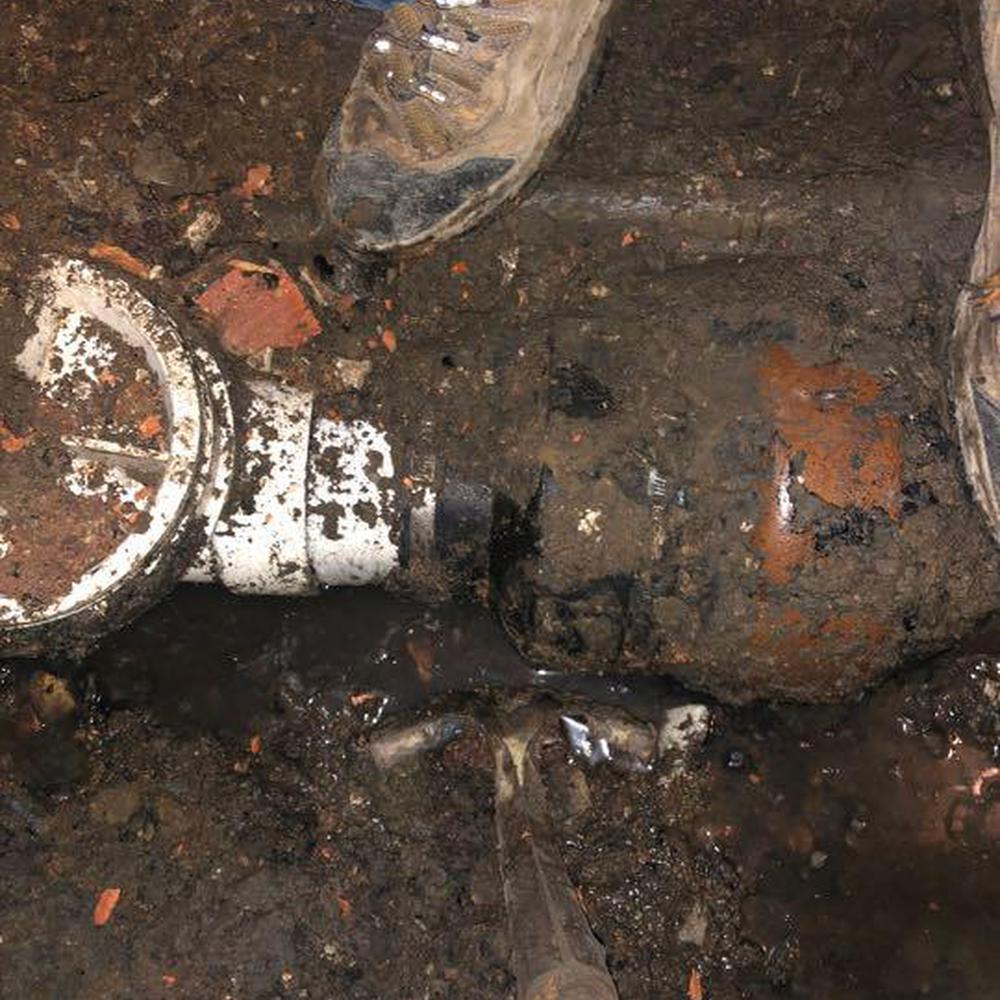
See examples of professional sewer video inspections used to examine accessible pipe interiors and investigate visible sewer line problems.


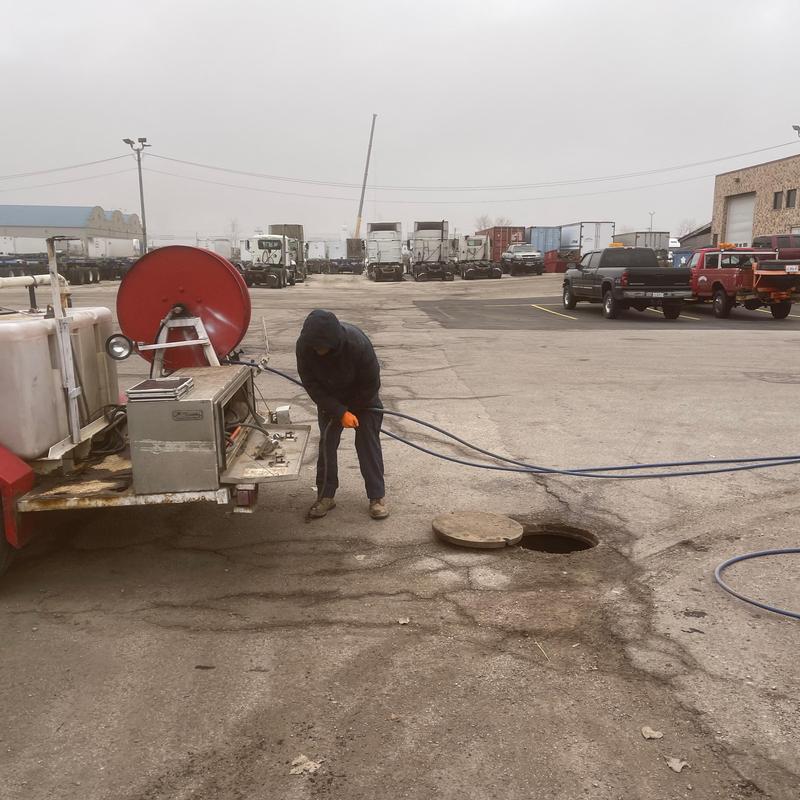
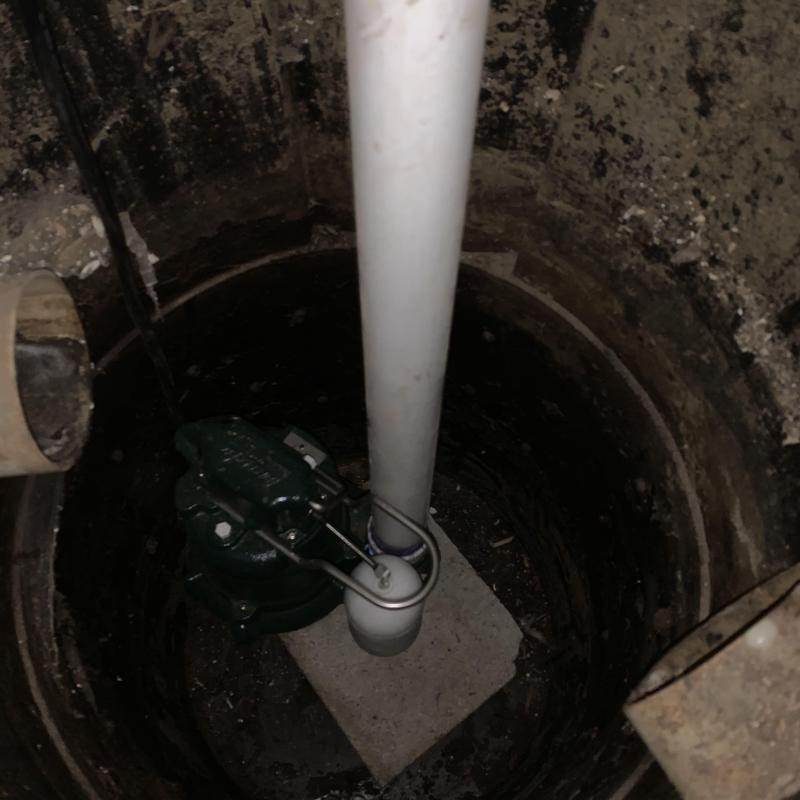
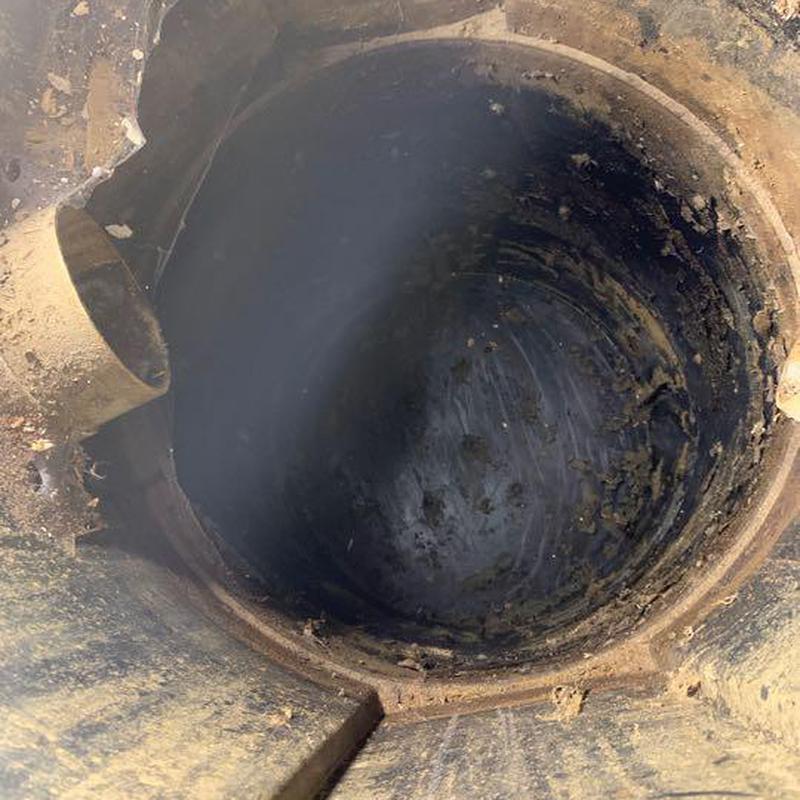
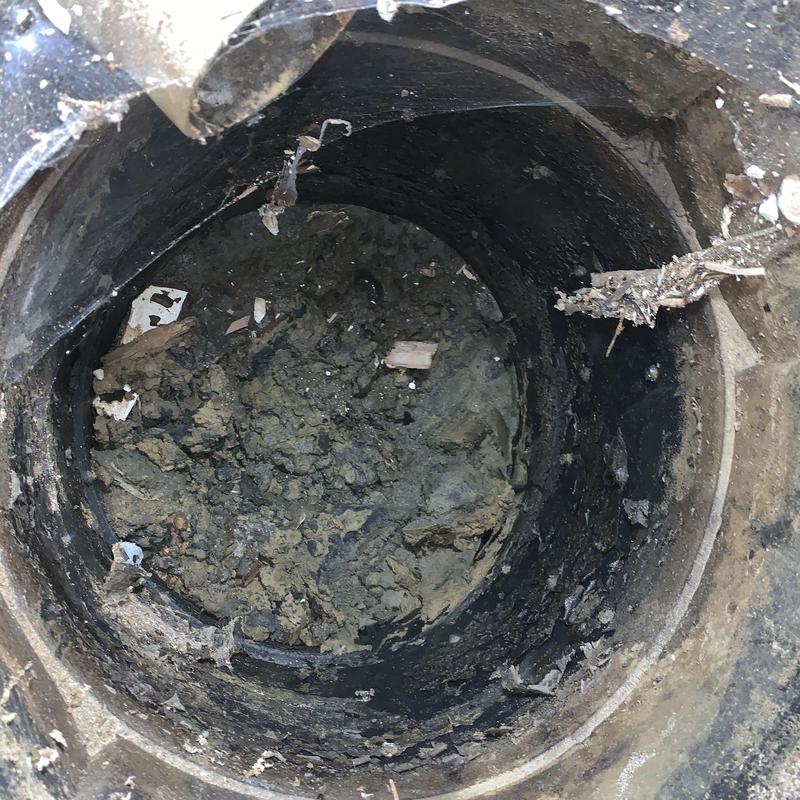
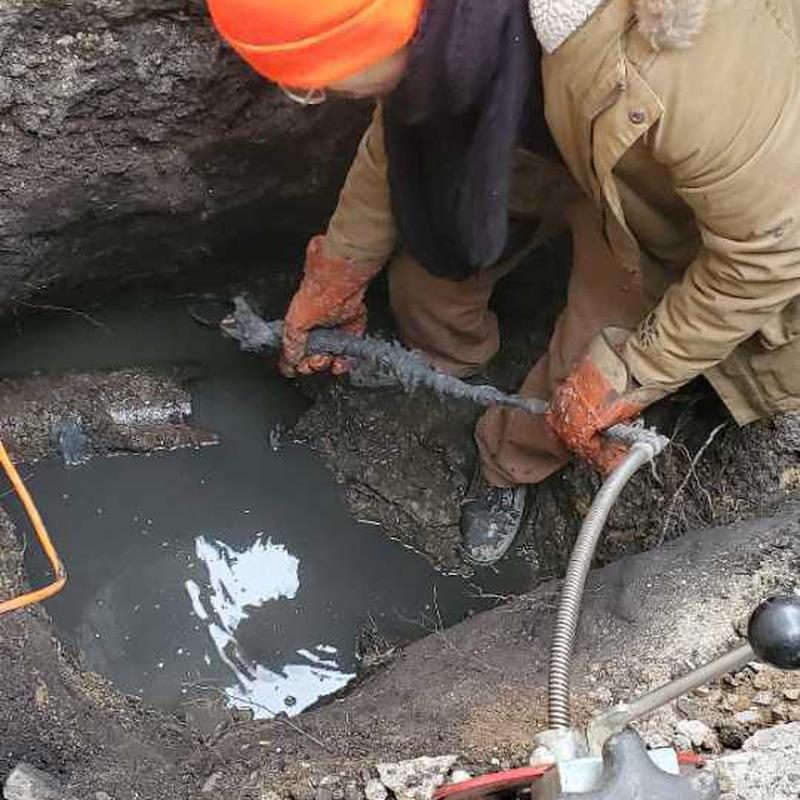
A professional sewer camera inspection provides a view inside accessible sections of a property's sewer line. During a plumbing camera inspection, specialized video equipment can help a plumber examine the pipe for tree root intrusion, accumulated debris, cracks, separated joints, and other visible conditions.
A sewer line camera inspection can be useful when recurring backups or drainage problems continue after rodding or cleaning. The video findings help evaluate whether additional cleaning, further diagnosis, or sewer line repair should be considered. The camera can only show areas it can safely access, and the condition or layout of the pipe may limit the inspection.
Most Recent Pins (155)























Most Recent Reviews (11)
 Eric ZalasRich Leabru