
Professional Sewer Line Repair & Replacement in Chicago, IL
Sewer line damage can cause recurring backups, slow drains, sewage odors, and leaks beneath your property. Suburban Plumbing Experts provides sewer line repair and replacement in Chicago and the surrounding suburbs, addressing problems such as cracked pipes, separated joints, tree root intrusion, and collapsed sewer lines.
Our licensed plumbing professionals use sewer camera inspections to locate damage and evaluate the condition of the existing pipe before recommending a solution. Depending on the findings, the work may involve a localized pipe repair, excavation to reach a damaged section, or partial or complete sewer line replacement. We explain the available options and provide pricing before work begins, so you can make an informed decision about your property.
Professional Sewer Line Repairs for Chicago Properties
Sewer line damage can affect drainage throughout a home or commercial property, especially when a pipe is cracked, a joint has separated, or roots have entered the line. The right repair depends on the location of the damage, the condition of the surrounding pipe, and whether the problem is limited to one section or affects a larger portion of the sewer line.
Suburban Plumbing Experts provides sewer line repair and replacement for properties throughout Chicago and the surrounding suburbs. We use inspection findings to determine the scope of the problem and explain the available repair options before work begins.
Locating Sewer Line Damage With Camera Inspection
A sewer camera inspection helps identify problems inside a drain line without digging up the yard just to locate the damage. By viewing the pipe's interior, our plumbers can look for cracks, separated joints, root intrusion, heavy buildup, and signs of deterioration that may explain recurring backups or slow drainage.
Finding the location and extent of the problem helps determine whether a localized repair or more extensive sewer work may be appropriate. If sewage odors are one of the warning signs you're noticing, read our guide to why your Chicago home smells like sewage and how to find the source.
Repairing Sewer Leaks and Groundwater Infiltration
Cracks, damaged pipe walls, and separated sewer joints can allow wastewater to escape into the surrounding soil. In other cases, groundwater can enter the sewer line through openings in the pipe, adding unwanted water to the system and potentially contributing to drainage problems.
The appropriate repair depends on the location and extent of the damage. Suburban Plumbing Experts evaluates the affected section and explains the available repair options before work begins. If persistent sewage odors are affecting your property, learn more in our guide to why your Chicago home smells like sewage and how to find the source.
Repairing Sewer Lines Damaged by Tree Roots
Tree roots can enter sewer lines through small cracks or gaps around pipe joints. As roots grow inside the pipe, they can catch debris, restrict wastewater flow, and contribute to recurring clogs and backups. Simply removing the roots may restore flow temporarily, but it will not correct damaged pipe sections or joints that allow roots to return.
The appropriate solution depends on the condition of the sewer line. Suburban Plumbing Experts can assess the affected area and explain whether root removal, a localized pipe repair, or more extensive replacement is appropriate. Learn more about our sewer tree root removal services.
Fixing Broken and Separated Sewer Pipe Joints
Sewer pipe joints can separate or deteriorate as pipes age or the ground around them shifts. When a connection loses its seal, wastewater may escape into the surrounding soil, while soil or other debris can enter the line and contribute to blockages. These problems may show up as recurring backups, drainage issues, or unexplained wet areas near the sewer route.
The repair depends on the location of the failed joint and the condition of the adjacent pipe. Suburban Plumbing Experts evaluates the damaged section and explains whether a localized repair or a larger replacement is warranted. Addressing the underlying damage helps restore the sewer line without assuming that the entire pipe must be replaced.
Emergency Sewer Repairs When Problems Can't Wait
A sewer backup that sends wastewater into a basement, floor drain, or other interior space needs prompt attention. Repeated backups, sewage odors accompanied by drainage problems, or multiple fixtures draining poorly can also indicate a problem in the main sewer line.
Suburban Plumbing Experts provides 24/7 emergency plumbing service for urgent sewer and drainage problems in Chicago and the surrounding suburbs. Our plumbers assess the situation, identify the likely source, and explain the next steps for restoring proper drainage. If you're facing an urgent plumbing issue, learn more about our emergency plumbing services.
Sewer Repair for Homes, Apartments, and Businesses
Sewer line problems affect more than single-family homes. Apartment buildings, multi-unit properties, retail spaces, offices, and other commercial facilities can experience damaged pipes, recurring blockages, and drainage failures that disrupt daily operations.
Suburban Plumbing Experts provides residential and commercial sewer line repair and replacement throughout Chicago and the surrounding suburbs. We evaluate the affected line, consider the property's drainage needs, and explain the available repair options before work begins. Whether the problem involves a damaged section of pipe or more extensive deterioration, the goal is to identify the appropriate scope of work and restore reliable wastewater flow.
What Causes Sewer Line Damage in Chicago?
Sewer line damage usually develops over time rather than happening all at once. Aging pipes, tree roots, buildup, improper materials, and changing underground conditions can gradually weaken a sewer system and eventually lead to backups or major failures.
Tree Roots Growing Into Sewer Lines
Tree roots can enter sewer lines through small cracks, deteriorating joints, or other openings in aging pipes. Roots naturally grow toward moisture, and a damaged sewer line can provide a point of entry. Once inside, roots may expand, catch debris, and restrict wastewater flow, increasing the risk of recurring blockages and backups.
The risk depends on the condition and location of the pipe, nearby vegetation, and the extent of any existing damage. A sewer camera inspection can help determine whether root intrusion is present and whether the pipe itself has been compromised.
Grease and Buildup Inside the Pipe
Cooking grease, oils, and food residue can accumulate inside drain and sewer pipes, gradually narrowing the space available for wastewater to pass through. Grease may enter a drain as a liquid but cool and stick to pipe walls, where it can trap other debris. Over time, this buildup can contribute to slow drainage, recurring blockages, and backups.
Avoid pouring cooking grease down sinks, even when followed by hot water. If heavy buildup is restricting flow, the appropriate cleaning method depends on the pipe's condition and the nature of the blockage. Learn more about our hydro jetting services for removing stubborn deposits from suitable sewer and drain lines.
Flushing Items That Shouldn't Go Down the Drain
Toilets are designed to handle human waste and toilet paper, not household trash. Wipes labeled “flushable,” paper towels, feminine hygiene products, cotton swabs, and similar items may fail to break down properly as they travel through the plumbing system. They can catch on pipe joints, combine with existing debris, and contribute to blockages or sewer backups.
Dispose of these items in the trash rather than flushing them. If your property experiences recurring backups despite careful disposal habits, the problem may involve a deeper obstruction or damage to the sewer line that requires further investigation.
Aging and Deteriorating Sewer Pipes
Older sewer lines may be made from clay tile, cast iron, or other materials that can deteriorate over time. Depending on the material and its condition, pipes may develop cracks, corroded sections, weakened walls, or joints that no longer fit together securely. These defects can allow root intrusion, restrict wastewater flow, or cause leaks into the surrounding soil.
Age alone does not determine whether a sewer line needs repair or replacement. A closer assessment of the pipe's condition and the extent of any damage helps establish the appropriate next step. Our sewer camera inspection service can help identify visible defects inside an accessible sewer line.
Sewer Lines That Have Settled or Developed a Belly
A sewer line can develop a low spot when part of the pipe settles or shifts, creating a section where wastewater and debris collect instead of flowing freely. This condition is often called a pipe belly. Depending on its depth and extent, the low area may contribute to recurring blockages, slow drainage, or waste buildup inside the line.
A belly does not automatically mean the entire sewer line must be replaced. The appropriate solution depends on the pipe's condition, the severity of the low spot, and whether it continues to cause drainage problems. An inspection can help determine the extent of the issue and whether repair or replacement should be considered.
Soil Movement and Underground Pipe Shifting
Buried sewer lines can be affected by changes in the soil around them. Shifting ground, changes in moisture levels, and settling can place stress on pipe sections and their joints. Depending on the pipe material and installation, that stress may contribute to cracks, separated connections, or changes in alignment.
Seasonal freezing and thawing can also affect ground conditions, although the impact on a buried sewer line varies with soil, depth, drainage, and installation. If recurring backups or drainage problems develop, a sewer inspection can help determine whether the line has shifted or sustained damage rather than assuming the cause is a simple blockage.

Sewer Line Repair Methods for Chicago Properties
The right sewer line repair method depends on the location, severity, and type of damage found inside the pipe. After inspecting the sewer line, Suburban Plumbing Experts can determine whether a localized repair, excavation, or larger sewer line replacement is the appropriate solution for the property.
Localized Sewer Line Repair
When sewer damage is limited to one identifiable section, a localized repair may be possible without replacing the entire line. Depending on the pipe material, the location of the damage, and the condition of the surrounding sections, the work may involve accessing and repairing or replacing the affected portion of pipe.
Before recommending this approach, Suburban Plumbing Experts evaluates the extent of the damage and whether nearby sections remain serviceable. If deterioration is widespread or multiple sections have failed, a more extensive repair or sewer line replacement may be the better long-term option.
Traditional Sewer Line Repair
Traditional sewer line repair involves accessing the damaged pipe and completing the necessary work directly on the affected section. Depending on the location and depth of the line, this may require excavation to expose the pipe, remove the damaged material, and install a suitable replacement section.
The amount of work depends on the pipe's condition, the depth of the sewer line, and access to the damaged area. After evaluating the problem, Suburban Plumbing Experts explains the repair options and expected scope of work before proceeding.
Sewer Line Excavation
When a damaged sewer pipe is buried underground, excavation may be necessary to reach the affected section and complete the repair. The work area depends on the pipe's depth, the location of the damage, nearby utilities, and access around the property. Before digging, underground utilities must be located through the appropriate notification process.
Once the pipe is exposed, the damaged section can be assessed and the necessary repair or replacement completed. Suburban Plumbing Experts evaluates the conditions at the property and explains the anticipated scope of work before proceeding.
Sewer Line Replacement
Sewer line replacement may be necessary when a pipe has extensive deterioration, multiple damaged sections, a major collapse, or recurring failures that make isolated repairs impractical. Depending on the condition of the line, replacement may involve one section, a substantial portion, or the entire sewer line.
The recommendation depends on the extent of the damage, the condition of the remaining pipe, and the property's layout. Suburban Plumbing Experts evaluates the available options and explains the expected scope of work before proceeding, so you can compare repair and replacement based on the actual condition of your sewer line.
How to Protect Your Sewer Line After Repair
After a sewer line repair, a few practical habits can help reduce the risk of future drainage problems. The right steps depend on the condition of your plumbing, the cause of the original damage, and whether other sections of the line remain vulnerable.
Watch for Recurring Warning Signs
Pay attention to repeated drain backups, slow drainage in multiple fixtures, sewage odors, or unexplained wet areas near the sewer line. If these symptoms return, further investigation may be needed to determine whether another blockage or an underlying pipe problem is present.
Keep Grease and Debris Out of Drains
Dispose of cooking grease, wipes, paper towels, and hygiene products properly instead of sending them down sinks or toilets. These materials can contribute to blockages in household drain lines and the building sewer.
Consider Sewer Backup Protection
A properly selected and installed backwater valve can help keep sewage from flowing backward into your home through the sewer line. If you've experienced sewer backups, our sewer backflow prevention services can help you explore your options.

Sewer Line Repair vs. Replacement
A damaged sewer line does not always need to be replaced from end to end. If the problem is confined to one section and the surrounding pipe remains in serviceable condition, repairing the affected area may be a practical option.
Replacement may make more sense when the pipe has extensive deterioration, several damaged sections, or a collapse that cannot be addressed reliably with a localized repair. The decision depends on the inspection findings, the condition of the remaining line, and the likely durability of each option.
Suburban Plumbing Experts evaluates the damage and explains the available approaches before work begins. For help understanding potential expenses, read our guide to sewer line repair and homeowners insurance coverage.
Sewer Line Repair Challenges in Chicago
Repairing a sewer line involves more than locating a damaged pipe. The line's depth, its position relative to the house and other utilities, and the amount of accessible space can all affect how the work is carried out. Landscaping, driveways, sidewalks, and other surface features may also influence where excavation is possible and how the property must be restored afterward.
Older properties may have sewer lines made from clay tile or cast iron, but the material and condition of a particular line should be confirmed rather than assumed from the home's age. Suburban Plumbing Experts evaluates the actual pipe damage and site conditions before recommending a repair approach.
What to Expect During a Sewer Line Repair
Inspecting the Sewer Line
We assess the reported symptoms and, when appropriate, use a sewer camera inspection to help locate the damage and evaluate the pipe's condition.
Reviewing the Repair Options
Once the problem is identified, we explain the recommended work and available alternatives. You'll know the expected scope and pricing before the repair begins.
Accessing and Repairing the Damaged Pipe
Depending on the location and severity of the damage, the work may require excavation to reach the affected section. Before digging, underground utilities must be located through the appropriate notification process. Our plumbers then carry out the agreed repair or replacement.
Checking the Completed Work
After the repair, we check the affected area and the sewer line as appropriate to help confirm that the work has addressed the identified problem. Any necessary cleanup or restoration depends on the work performed and the site conditions.
For more information about safe excavation, read our guide to why your Chicago plumber should always call JULIE before they dig.
Why Homeowners Trust Suburban Plumbing Experts for Sewer Repair
Sewer line problems can be disruptive, so homeowners need a clear explanation of what's wrong and what it will take to fix it. Suburban Plumbing Experts brings more than 45 years of plumbing experience to sewer repair and replacement projects throughout Chicago and the surrounding suburbs.
We focus on identifying the actual cause of the problem, explaining the available repair options, and providing pricing before work begins. Our licensed and insured team handles sewer issues ranging from localized pipe damage to more extensive line failures, with 24/7 emergency plumbing service available when urgent problems arise.
Whether you're dealing with recurring backups or a damaged sewer line, our goal is to help you understand the problem and make an informed decision about the repair.
Sewer Line Repair FAQs for Chicago Area Homeowners
How much does sewer line repair cost in Chicago?
The cost depends on the location and depth of the damage, the pipe's condition, and whether the job requires a localized repair or more extensive replacement. Read our guide to sewer line repair costs in the Chicago area for more information.
What are the signs of a damaged sewer line?
Recurring backups, multiple slow drains, sewage odors, gurgling fixtures, and unexplained wet areas near the sewer route can indicate a sewer line problem. These symptoms can have other causes, so an inspection may be needed to identify the source.
How long does sewer line repair take?
The time required depends on the extent of the damage, the pipe's depth, site access, and whether excavation or replacement is necessary. A straightforward repair may take less time than a project involving extensive damage or difficult access.
Do I need a permit for sewer line repair in Chicago?
Permit requirements depend on the property's location and the scope of the work. Before starting a project, confirm the applicable requirements with the relevant local authority. Requirements in Chicago may differ from those in surrounding suburbs.
Why do sewer lines fail in older homes?
Older sewer lines may have deteriorated pipe walls, weakened joints, cracks, or root intrusion. However, a home's age alone does not establish the condition of its sewer line. An inspection can help identify the actual problem.
Is sewer line repair better than replacement?
Repair may be suitable when damage is limited to a specific section and the remaining pipe is in serviceable condition. Replacement may be more appropriate when deterioration or damage is extensive. See our guide to how long sewer lines last in Chicago for more information.
Should I call a plumber for a sewer backup?
Yes. A sewer backup involving wastewater entering the property needs prompt attention. Avoid contact with sewage, and stop using affected plumbing fixtures if doing so could worsen the backup. Suburban Plumbing Experts offers 24/7 emergency plumbing service for urgent problems.
Schedule Sewer Line Repair in Chicago Today
Recurring sewer backups, damaged pipes, and drainage problems won't resolve reliably until the underlying cause is identified. Suburban Plumbing Experts provides sewer line repair and replacement throughout Chicago and the surrounding suburbs, with repair options based on the condition of your sewer line.
Call 708-801-6530 to discuss your sewer line problem and schedule service. For urgent plumbing issues, our team is available 24/7.

Schedule Sewer Line Repair Service Now
Suburban Plumbing Sewer Line & Drain Cleaning Experts
⏰ Open 24 Hours
📞 Phone: Suburbs: 708-801-6530 Chicago: 773-570-2191
📧 Email: info@suburbanplumbingexperts.com
🚨 Emergency Hotline: 708-518-7765
Sewer Line Repair and Replacement in Chicago
Suburban Plumbing Experts diagnoses and repairs damaged sewer lines throughout Chicago and the surrounding suburbs. From cracked pipes and separated joints to recurring backups and collapsed sections, we evaluate the problem and explain the available repair options.
Chicago and Western Suburbs Service Area
Our service area includes Chicago and surrounding communities such as Naperville, Downers Grove, Hinsdale, Oak Brook, Elmhurst, Wheaton, Glen Ellyn, and Lombard. Service availability depends on the location and type of work needed.
Licensed and Insured Plumbing Professionals
- ✓ Licensed and insured plumbing service
- ✓ Residential and commercial sewer repairs
- ✓ Sewer line repair and replacement
- ✓ Tree root intrusion and pipe damage solutions
- ✓ Sewer camera inspections
- ✓ Drain cleaning, rodding, and hydro jetting when appropriate
- ✓ 24/7 emergency plumbing service
- ✓ Repair options and pricing explained before work begins
We assess the damage, explain the recommended work, and help you understand the options for your property.
Sewer Line Repair Work in Chicagoland
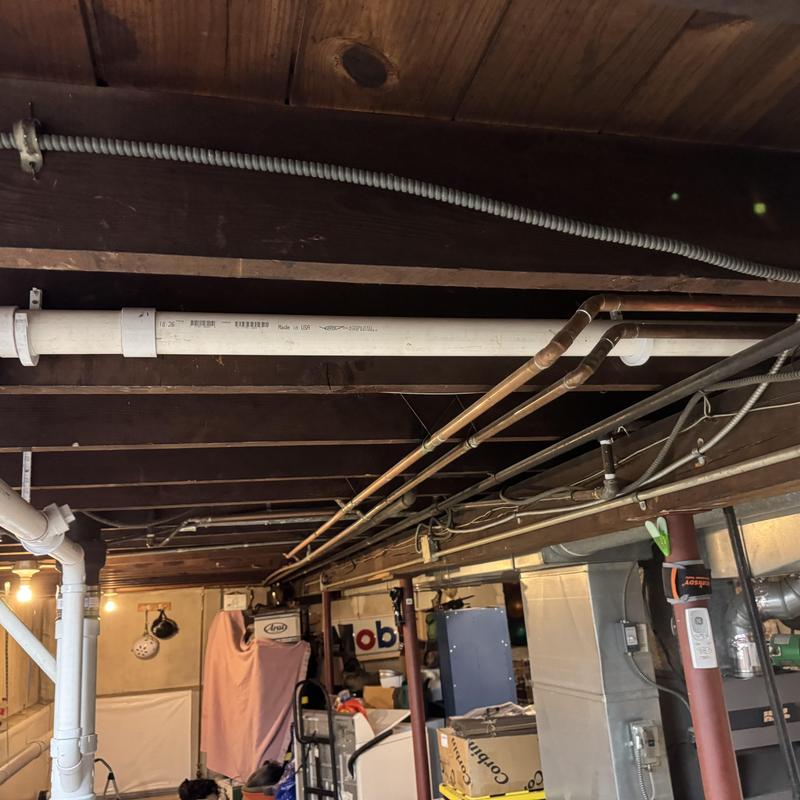
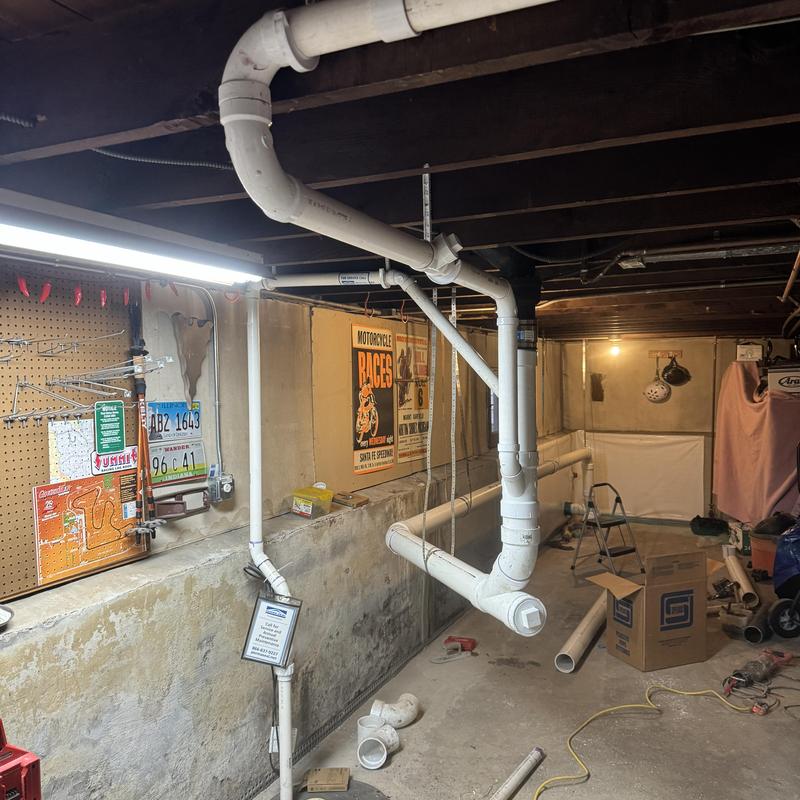
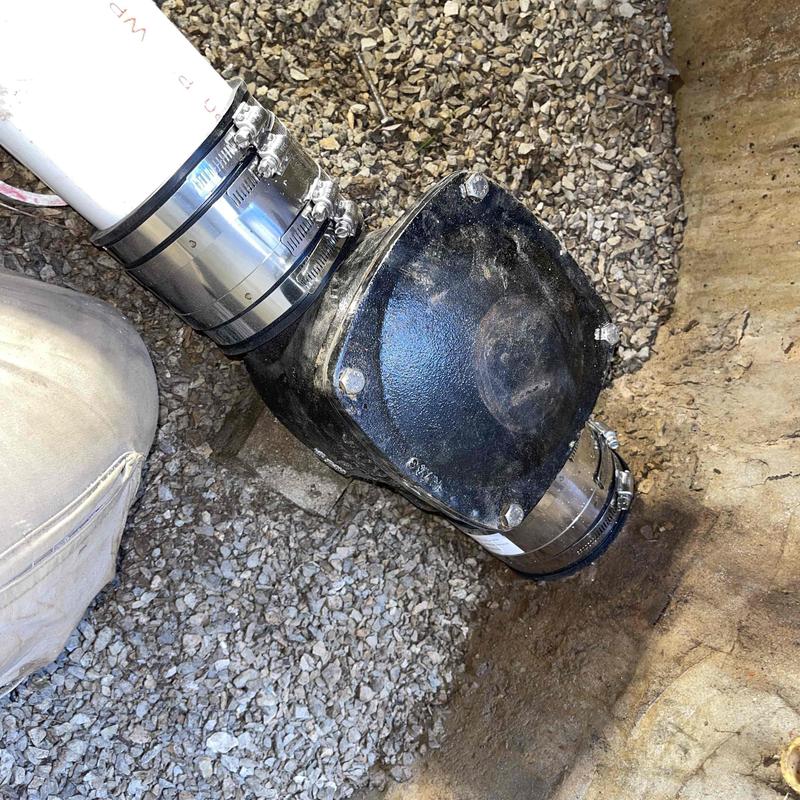
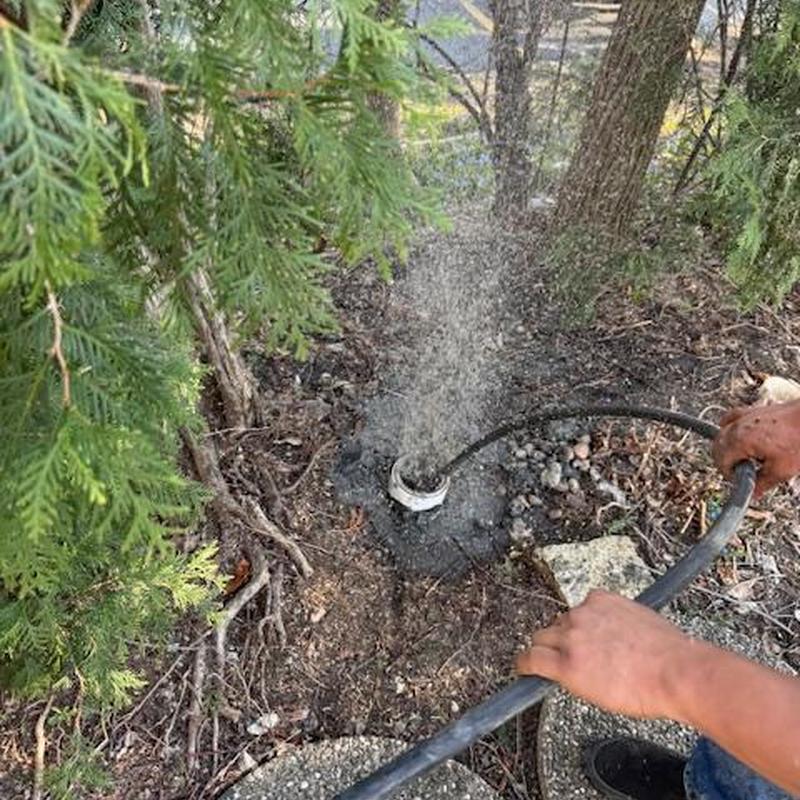
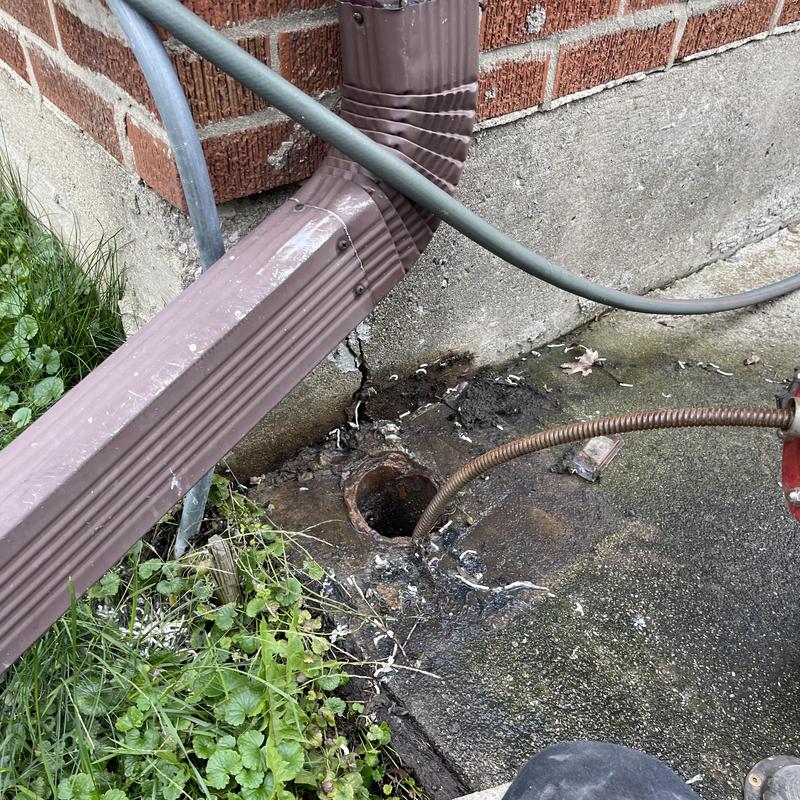
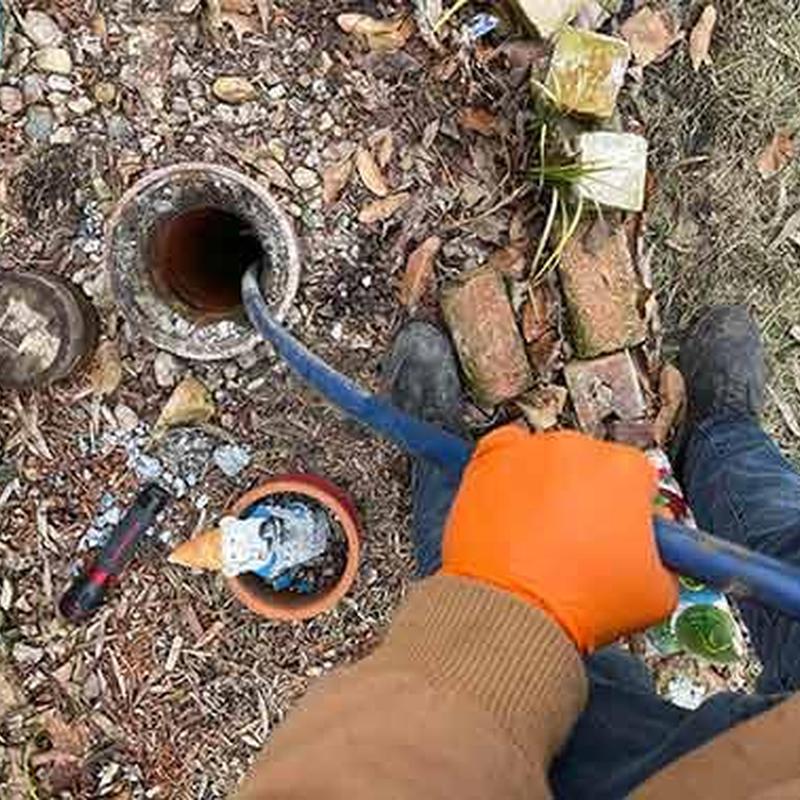
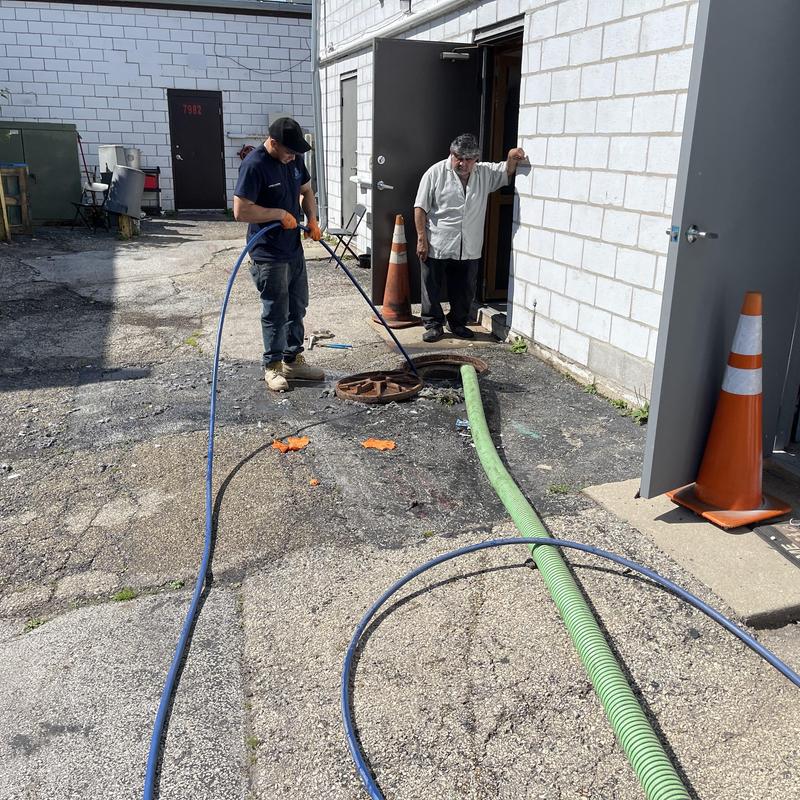
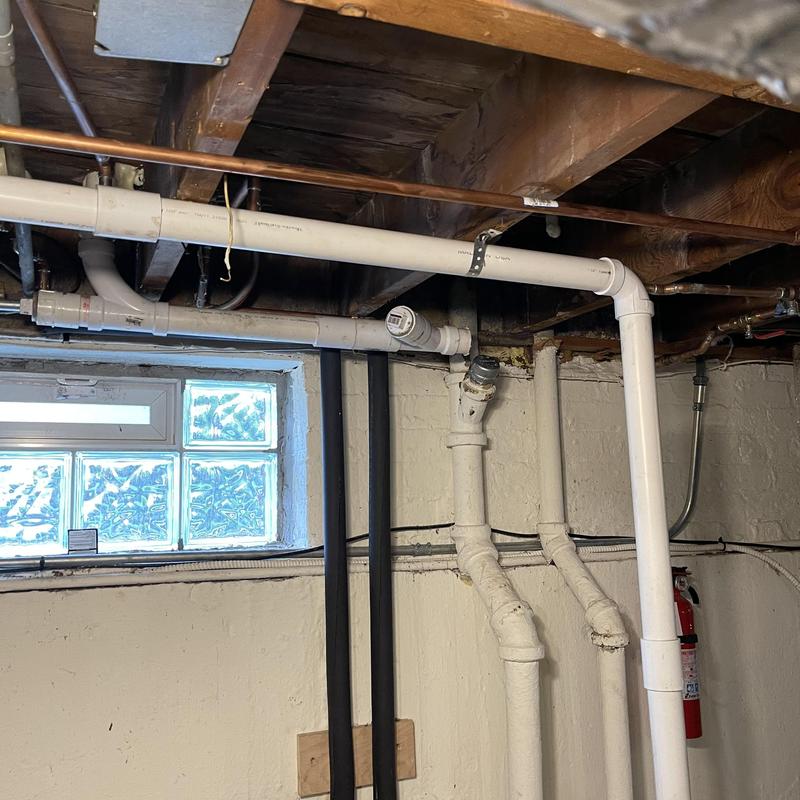
Examples of sewer line repair and replacement work for damaged underground pipes.


Sewer line damage can involve cracked pipes, separated joints, root intrusion, or collapsed sections. The repair depends on the location and extent of the damage, the condition of the surrounding pipe, and access to the affected area. Suburban Plumbing Experts provides sewer line repair and replacement for residential and commercial properties throughout Chicago and the surrounding suburbs.
Most Recent Pins (2456)















Most Recent Reviews (719)
 Jackson WatsonCathy Pizanasaurabh nandwaniMichelle BlakelyJane ColeDiana APaddyTravell DouglasHuw LlewelynSarah TurekAdrianaJames DotyPavel BerkovichAlbert RashoS CAdam StrothAnthony PerryMollybsumo2011Cin VazquezJohn KirchnerCheryl KucabaCristina JustusSunny Caros OkaforNikolas LeeWayne GabryJacob AndrewHeather HermanLinda EllisonJanet MrowkaSamantha SistowiczJeremy BartunekWansu ZhanBob DemopoulosE BradshawMelissa GravesJim CourtString LarsonJanie BurmeisterDerrick Jonesantwone Garrettdelaney jeanMs BaddieManfred SpencerCourtney FavazzaKristin MayfieldCorey Cferdinand loriaSylvia LongMaria MartinezMilton KatzJailyn RedmondNancy HutchingsRalph HolmenCynthiaMichael ReynoldsCarina DChris CJason MuddTom CoglianeseD WoodsTom ConryPaul HollisNicole Laipplerickey williamsGreg FerenziZavonna JacksonConnor MaloneNathaniel GrandisonAngMelissa GreenfieldAlina OrtegaMike RobertsSavage TTWBIlene MooreCesar LopezJerome Klaftanzdaa22 gmail nzdaa22Colin Jabe sierraLashaun GuelJerry HardyJenniferBrendan HanrahanSelwyn PMaura OMalleyEloy DiazAlex Whiteshary akinsBen StrellnerJose M Lara SrDaphneJimmy PayneJohn AdairMaria LupercioJamie GarciaLinda GargesDonnaTerry OStephen Thomascj jonesJoann RileyGreg SmithGina HefnerDW WGAntoinique JohnsonRas SinghJENNIFER CRAIGTequonda pierceNicholas SealyTThomas WieserAruba ZubediStephen EtheridgeRachelJeffrey DavisTim DaughertyNick JumpaKATHY GriffinGeorge KarosasOmar AbdellatifKamali TrammellNathan TubbsRocio AriasMac DawgLauren RobinsonDjarum SurabhiSam MortonMattTricia StevensTimothyJeffery ROBINSONSylvia GuzmanA BDee MJustin HernandezCindy RomanMeghan McNellisEd Dziwakmario cruzAngel MirandaRandy GreenAndrew KnaperekHeavenBrenda ButlerEliz KayTahir JafferyTom HuntMil OvanRocky Stewart