French Drain and Drainage System Installation in Chicago

French drain installation in Chicago can help address persistent drainage problems that leave yards saturated, water collecting near foundations, or moisture entering basements. A properly designed French drain or drainage tile system collects excess groundwater and directs it toward an appropriate discharge point, helping manage water before it creates ongoing problems around your property.
Suburban Plumbing Experts provides professional French drain and drainage tile installation throughout Chicago and the surrounding suburbs. We evaluate where water is collecting, how it moves through the property, and what is contributing to the problem before recommending an installation approach. The right system depends on your property's layout, soil conditions, foundation, and existing drainage.
Chicago-area properties face particular drainage challenges from heavy rainfall, clay-heavy soils, seasonal freeze-thaw cycles, older construction, and drainage systems that may have deteriorated over time. Whether you are dealing with a wet basement, soggy yard, or recurring water accumulation near your foundation, our team can help determine whether an interior drain tile system, exterior French drain, or another drainage improvement is appropriate.
French Drain Installation in Chicago and Surrounding Suburbs
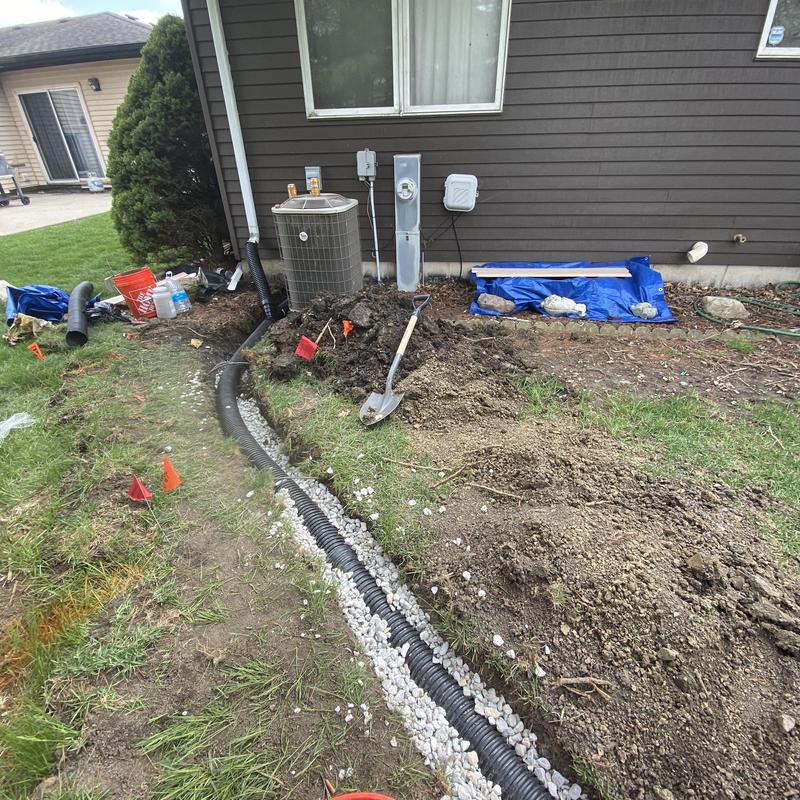
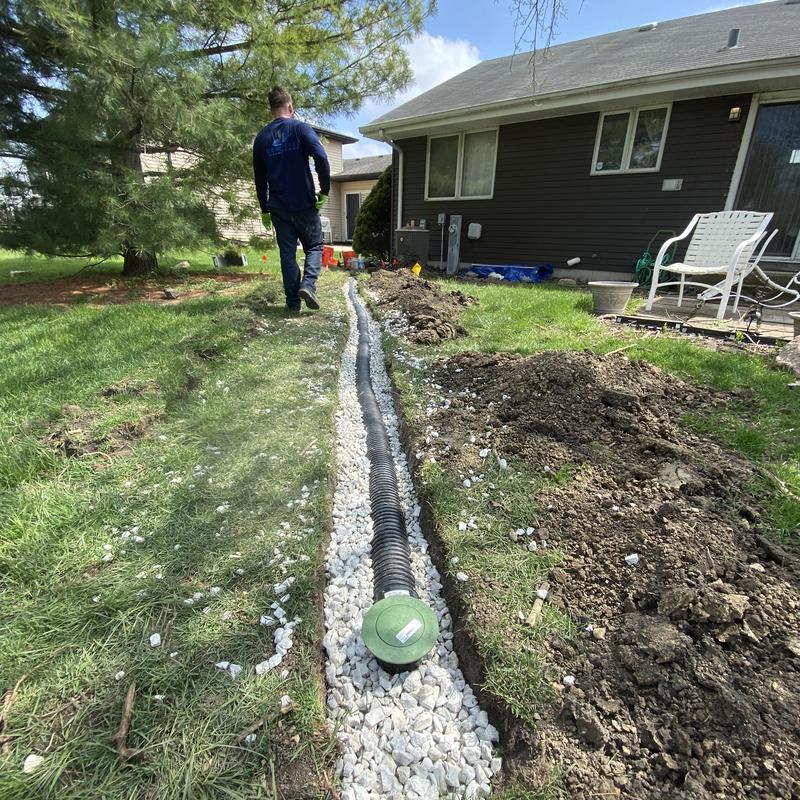
If water repeatedly collects around your property, installing a French drain may provide a more effective solution than continually dealing with the same wet areas after every storm. French drains use a gravel-filled trench and perforated drainage pipe to collect and redirect groundwater away from areas where it creates problems.
The location and design of the system are important. An exterior French drain may intercept groundwater before it reaches the foundation, while an interior drain tile system can collect water that enters or accumulates beneath a basement floor. Yard drainage installations address different conditions, such as saturated soil and recurring water accumulation in low areas.
Our plumbers evaluate the property's drainage patterns, soil conditions, grading, and existing systems to determine the appropriate approach. We consider whether the project involves:
- Interior French drain installation: Collecting groundwater along the basement perimeter and directing it toward a sump pump basin.
- Exterior French drain installation: Intercepting groundwater around the outside of the foundation before it reaches vulnerable areas.
- Yard drainage improvements: Redirecting excess groundwater and managing water accumulation in problem areas of the property.
- Drain tile system installation or replacement: Installing a new drainage system or evaluating an existing system that no longer performs as intended.
- Sump pump integration: Connecting an interior drainage system to an appropriate sump pump arrangement when needed.
The goal is to address the source and movement of the water rather than install a drainage system based on appearances alone.
Interior Drain Tile Installation for Basement Water Problems
Interior drain tile systems are designed to collect groundwater that reaches the basement perimeter or accumulates beneath the concrete floor. They are commonly considered when homeowners experience recurring seepage along foundation walls, water at floor joints, or moisture entering through the basement floor.
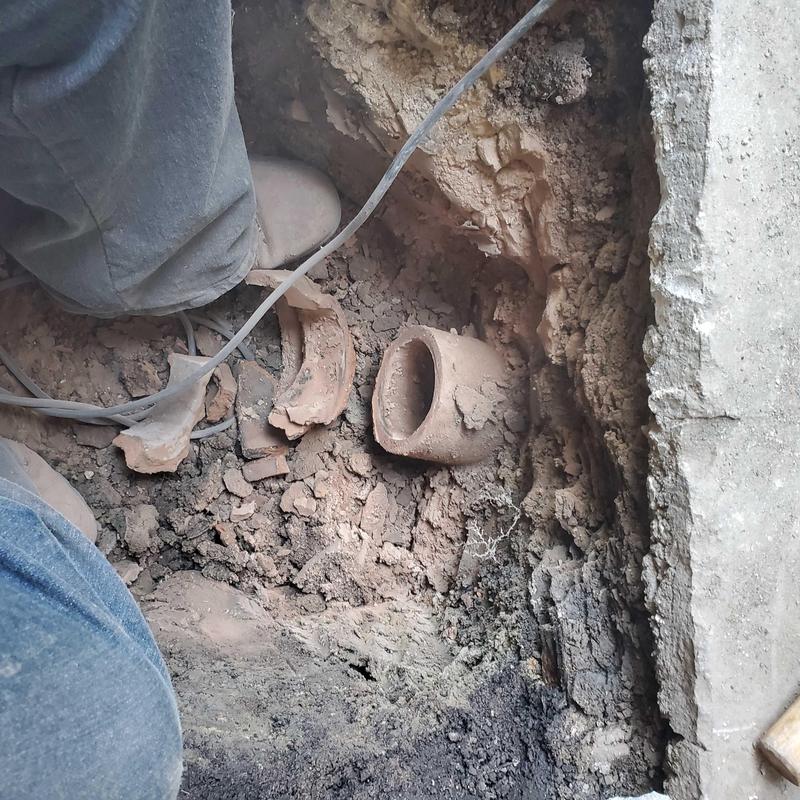
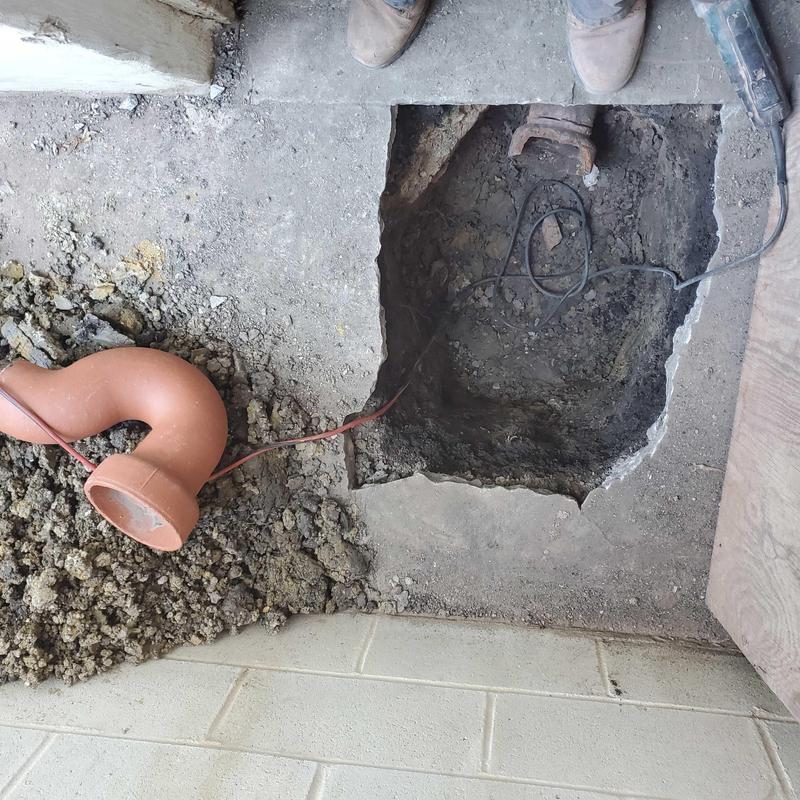
An interior drainage system is generally installed along the inside perimeter of the basement. Depending on the home's construction and the source of the water, installation may involve removing sections of concrete, excavating a drainage channel, placing perforated pipe and drainage stone, and connecting the system to a sump pump basin.
When groundwater enters the drainage channel, it flows toward the collection point and can be removed by the sump pump. The exact configuration depends on the basement layout, foundation design, and existing plumbing and drainage conditions.
Interior drain tile may be worth considering when:
- Water repeatedly appears along basement walls or floor joints.
- Groundwater collects beneath or around the basement floor.
- Previous drainage improvements have not adequately addressed the seepage.
- The property needs a perimeter drainage system connected to a sump pump.
- Basement moisture problems become more noticeable after extended rainfall.
Interior drain tile and sump pumps work together but serve different functions. The drain tile collects and channels groundwater, while the pump removes collected water from the basin. If your pump is unreliable or undersized for the system, our sump pump installation, repair, and replacement services may also be relevant.
Exterior French Drain and Foundation Drainage Installation
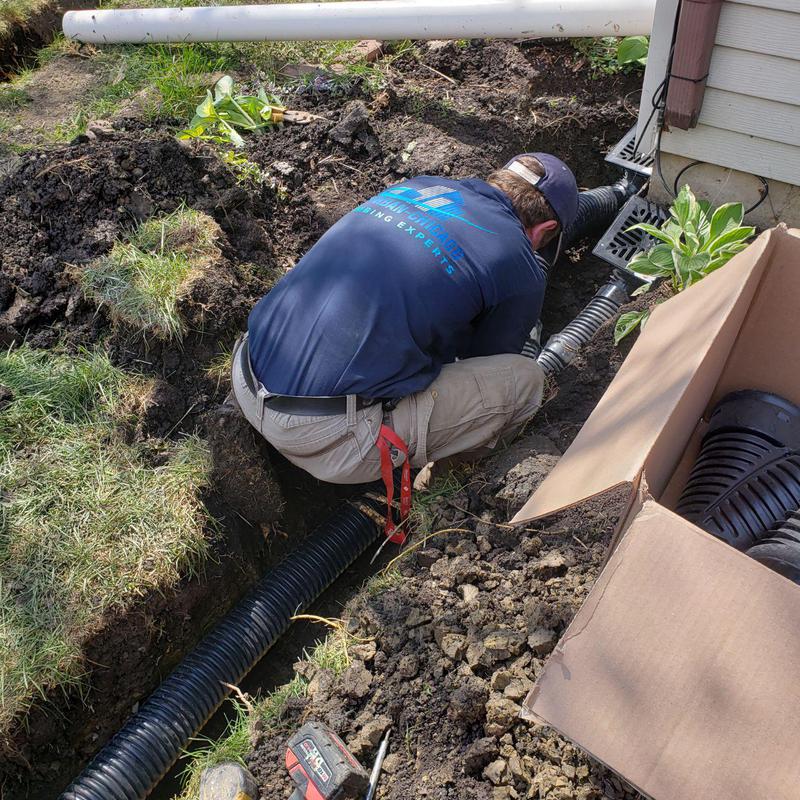
Exterior French drains, sometimes called footing drains or exterior perimeter drains, are designed to collect groundwater before it reaches the foundation. These systems are installed outside the building, often near the foundation footing, with drainage pipe and stone arranged to collect and redirect subsurface water.
Exterior drainage can be considered for properties with recurring foundation moisture, saturated soil near the house, or water accumulation around the foundation after rainfall. Installation generally requires excavation along the affected area to access the soil surrounding the foundation.
A typical exterior drain tile system may include:
- Excavation along the designated foundation area.
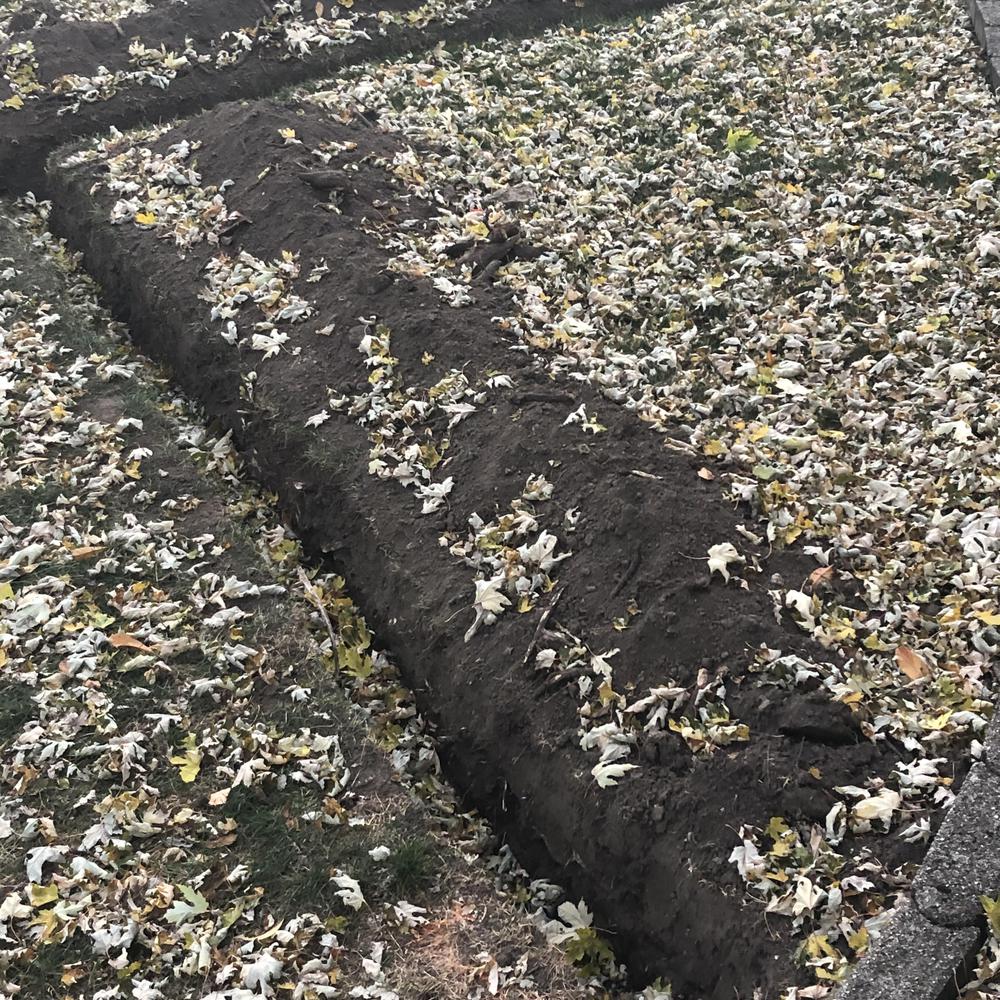
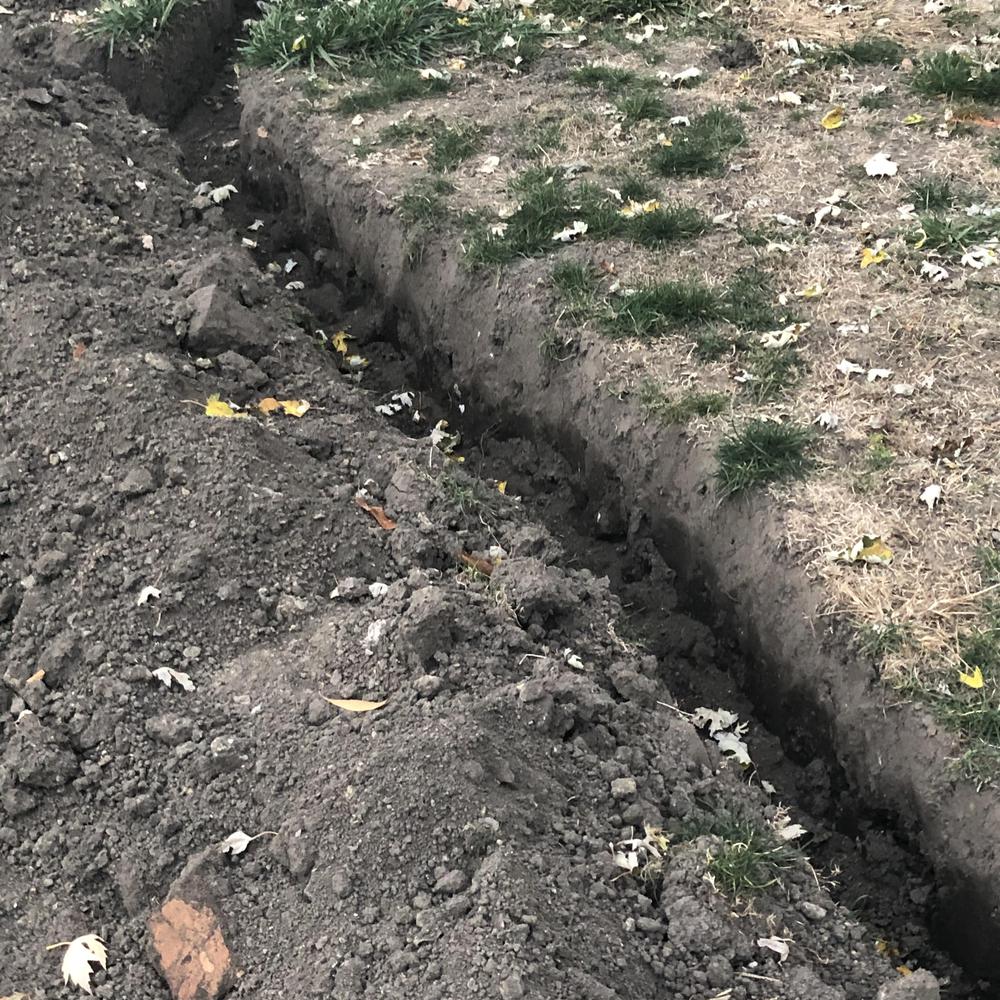
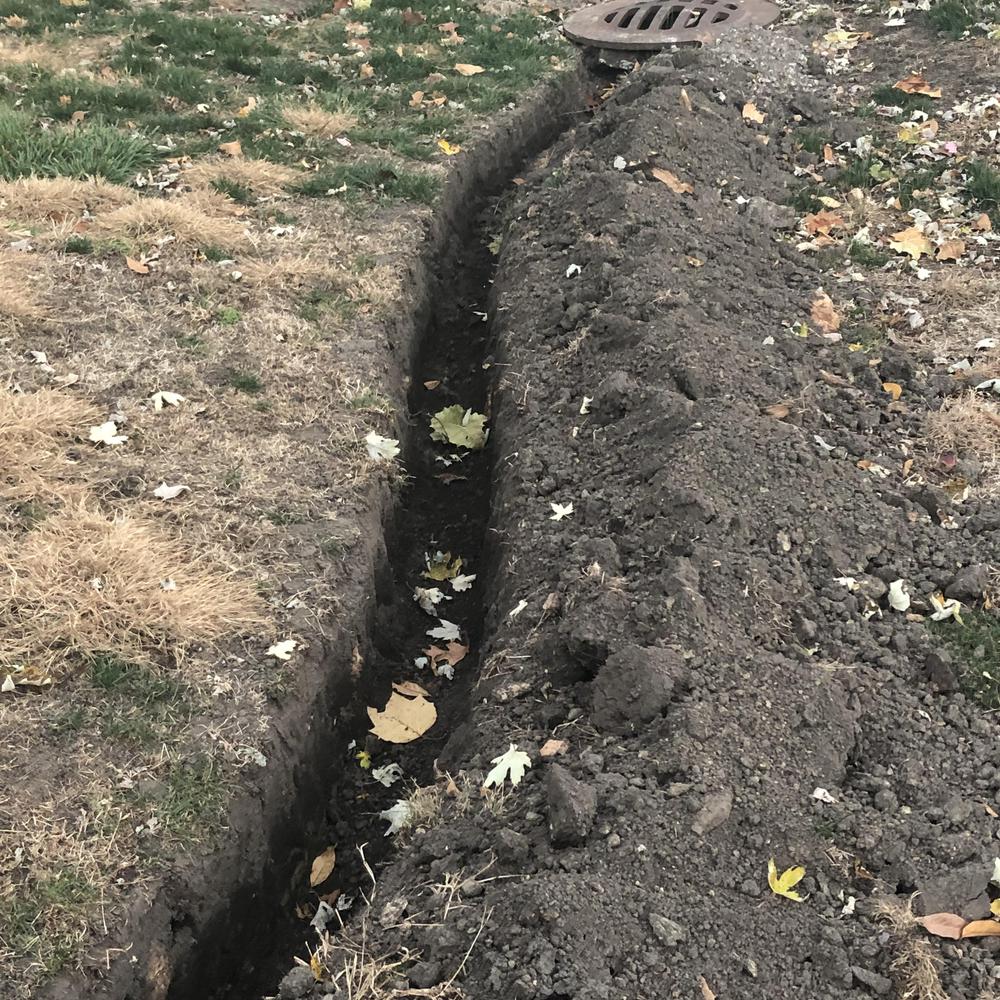
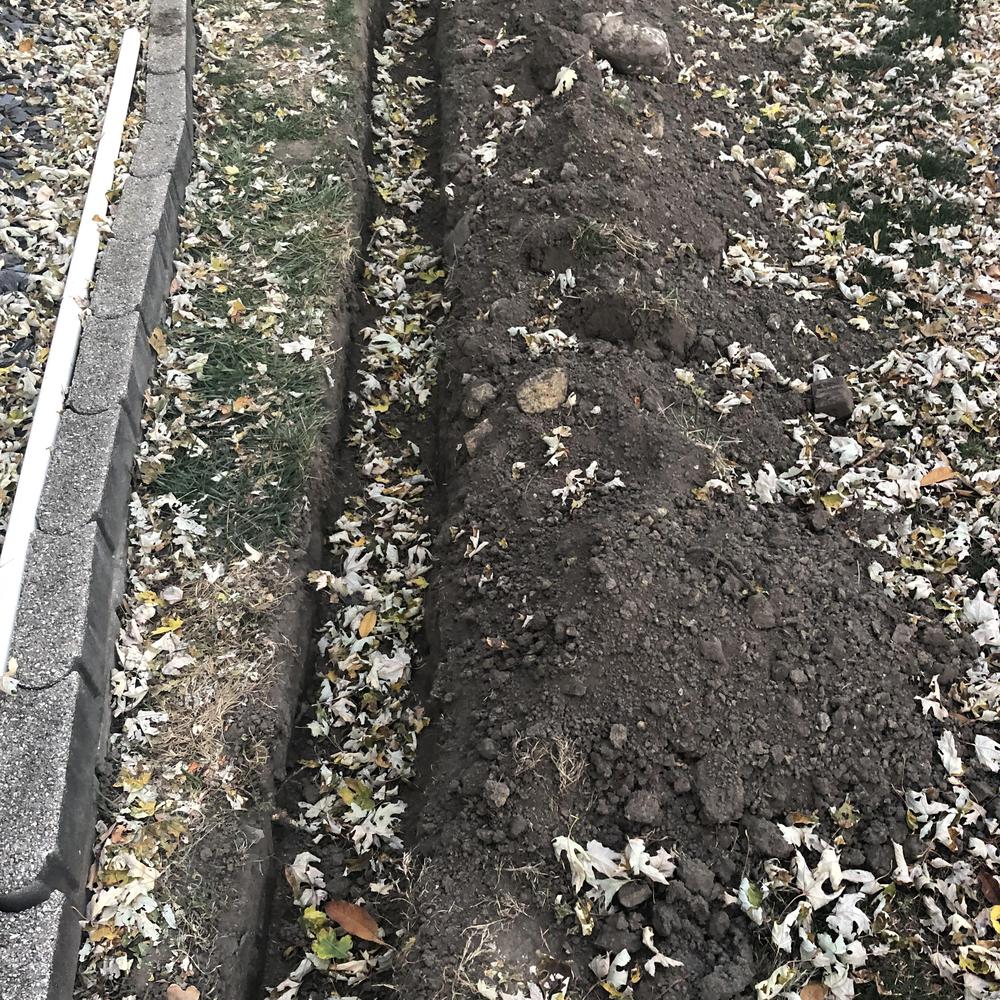
- Preparation of the drainage trench.
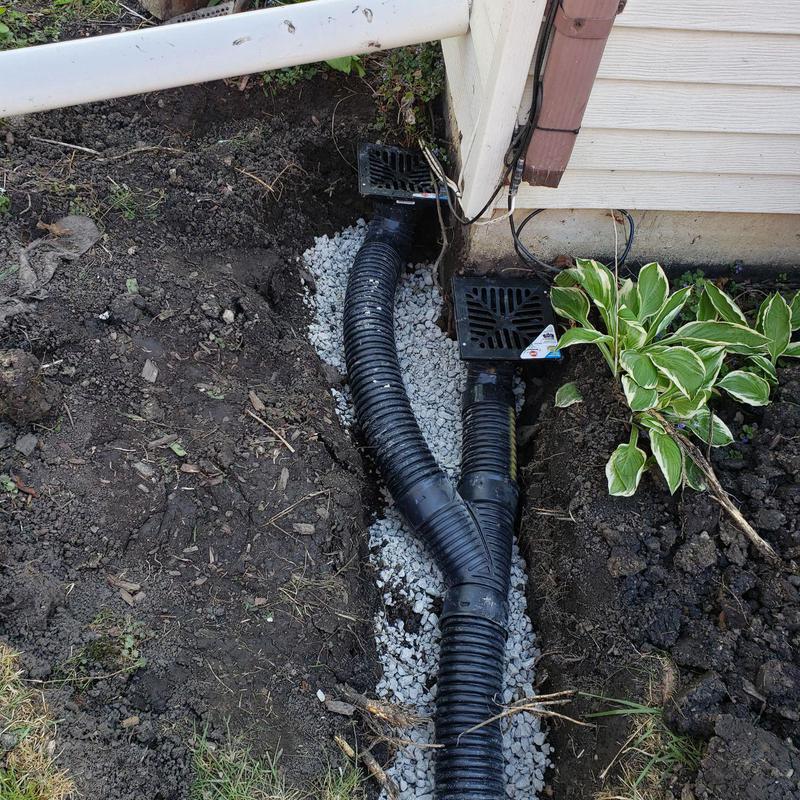
- Placement of suitable drainage stone and perforated pipe.
- Filter materials selected for the soil and installation conditions.
- Connection to an appropriate discharge arrangement.
- Backfilling and restoration of the affected area according to the project scope.
Exterior drainage is not automatically the best solution for every wet basement. The source of the water, accessibility around the foundation, soil conditions, and existing drainage all affect whether an exterior system is practical.
Our team evaluates those conditions before recommending exterior French drain installation. The objective is to intercept and redirect groundwater where the system can effectively manage it.
French Drain Installation for Yard Drainage and Standing Water
Poor yard drainage can leave sections of a property saturated long after rainfall has stopped. Water may collect in low areas, near patios and walkways, along property edges, or close to the foundation.
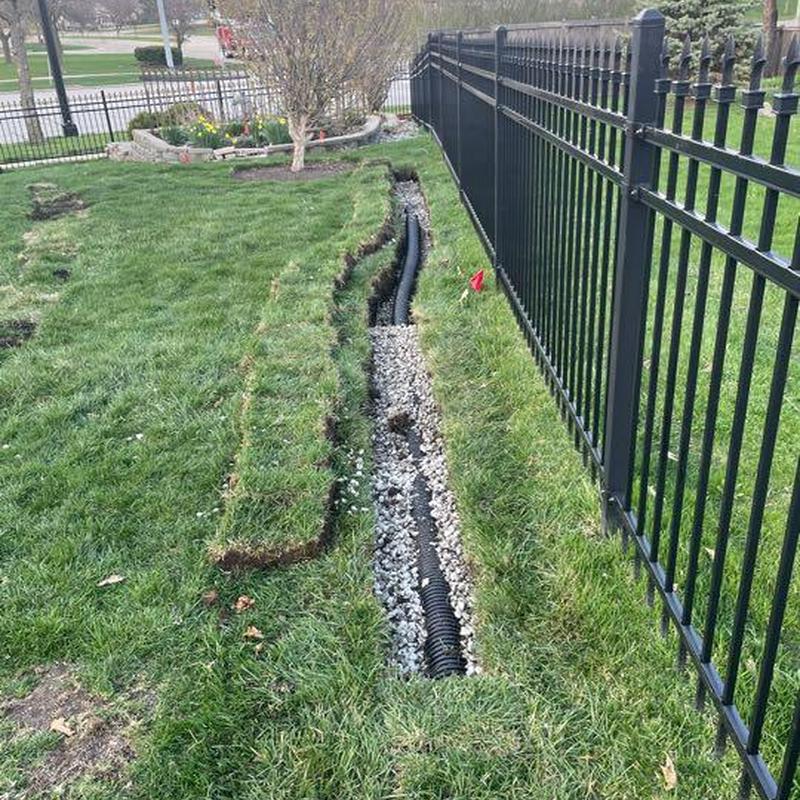
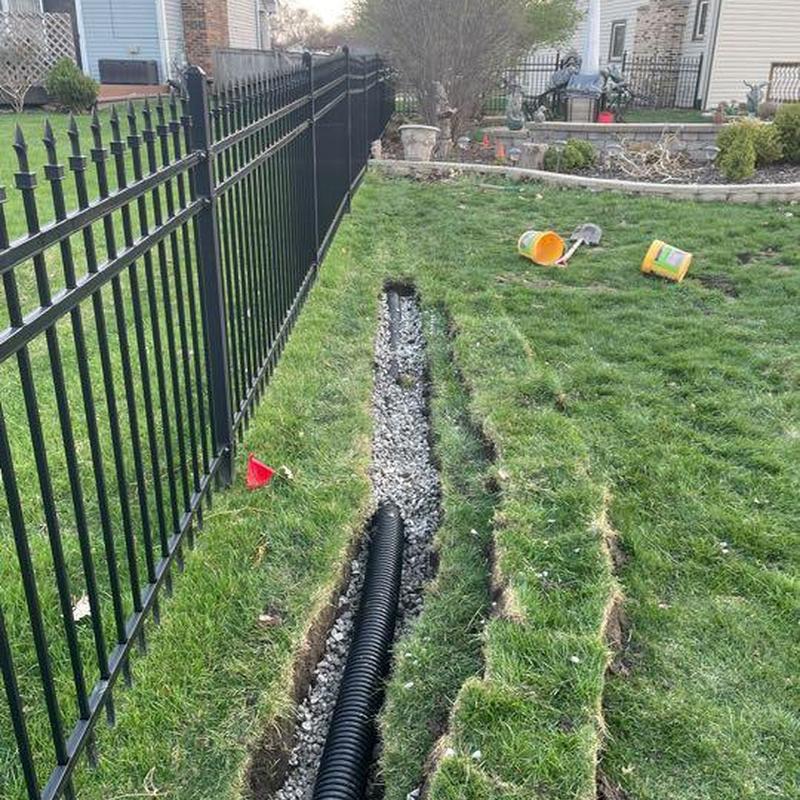
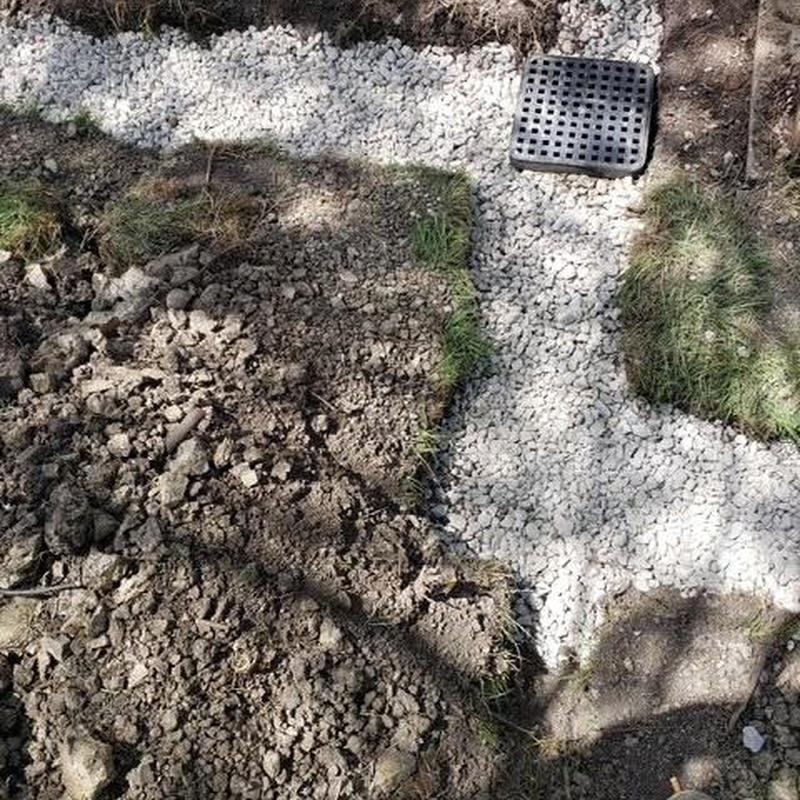
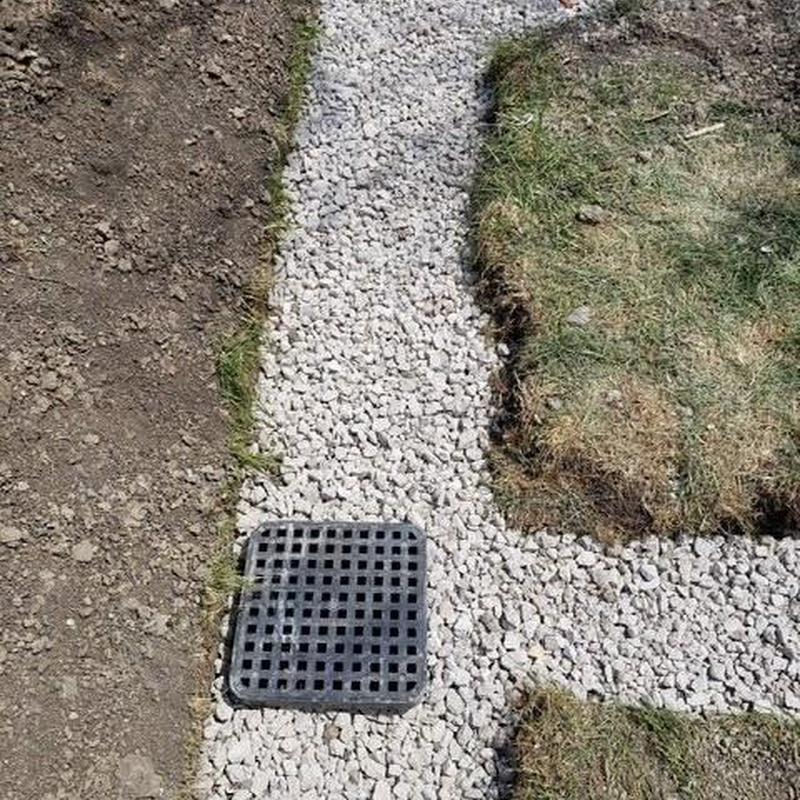
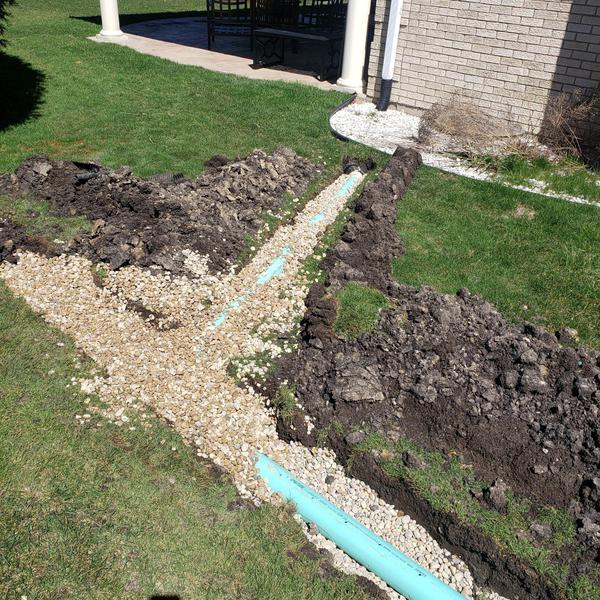
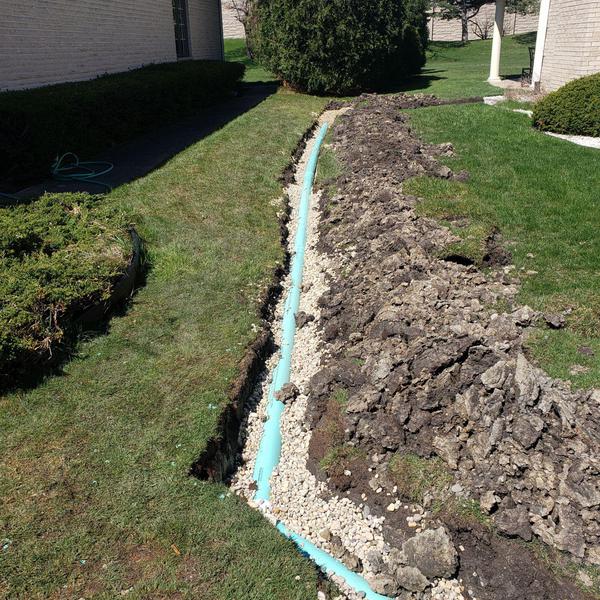
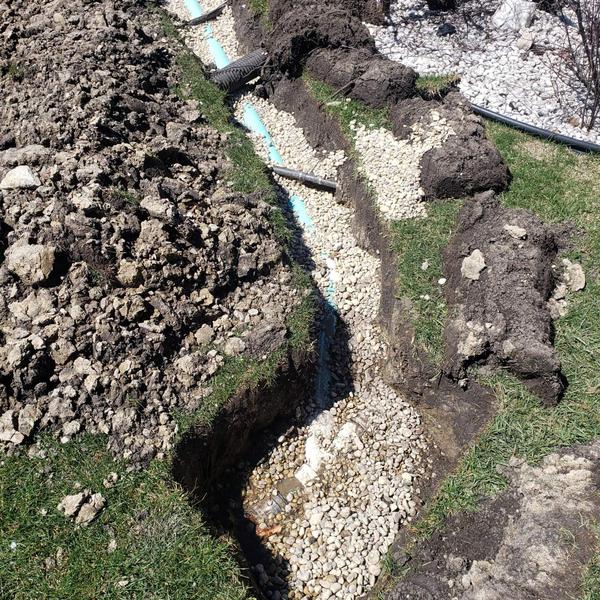
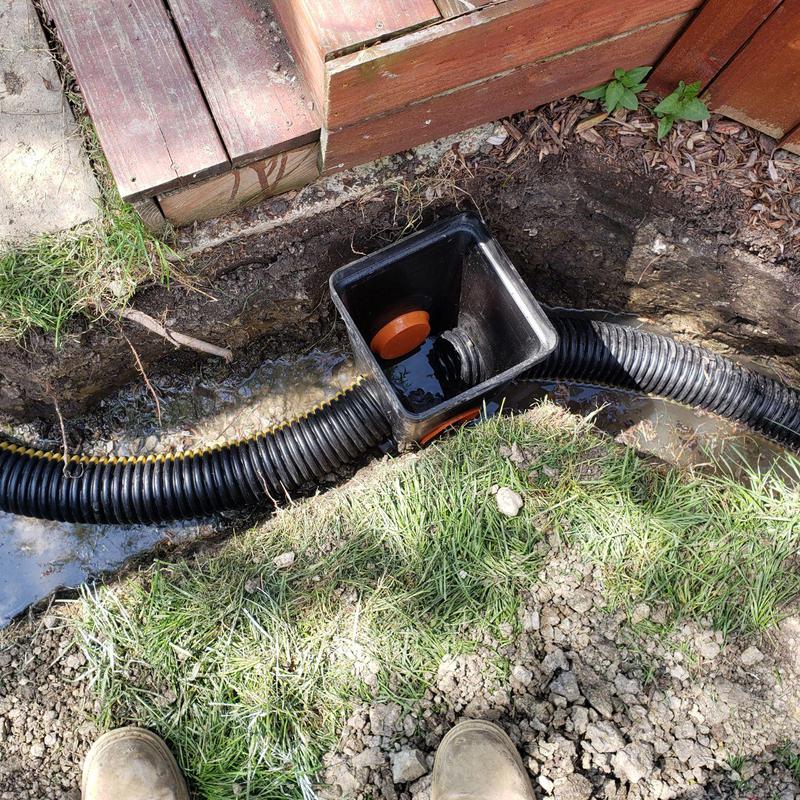
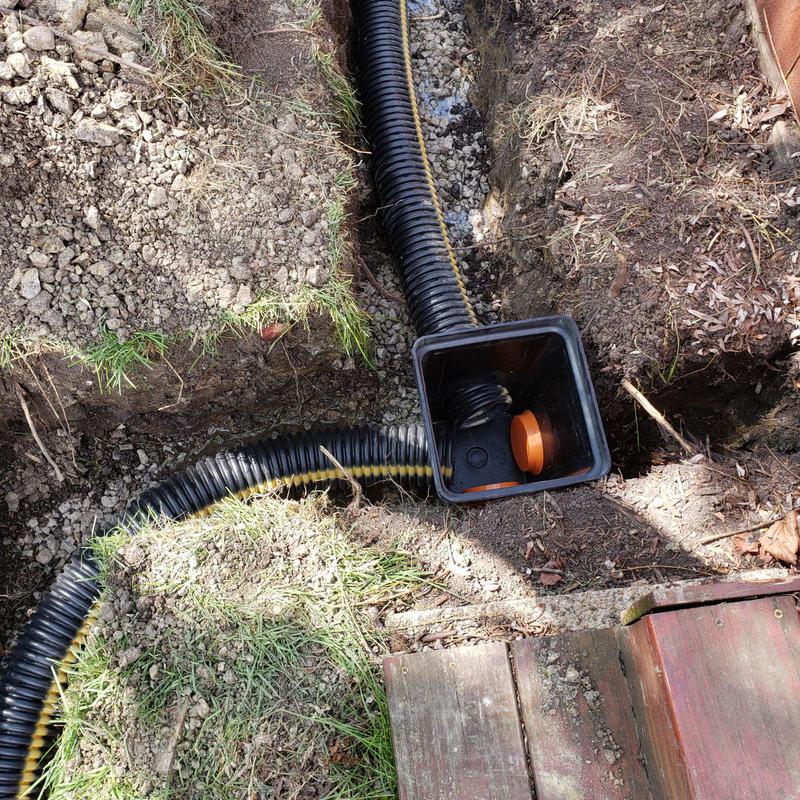
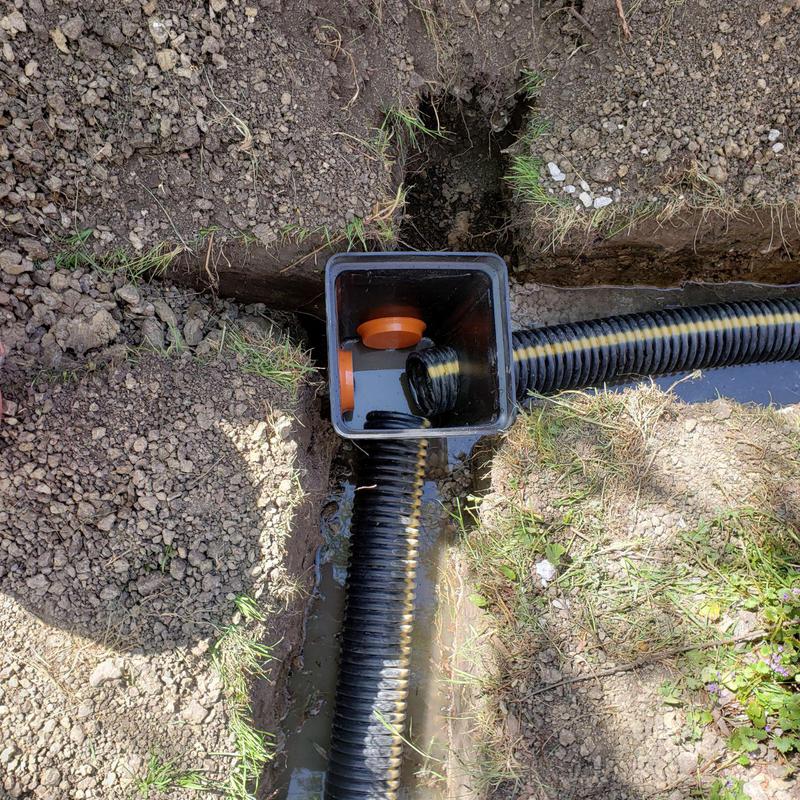
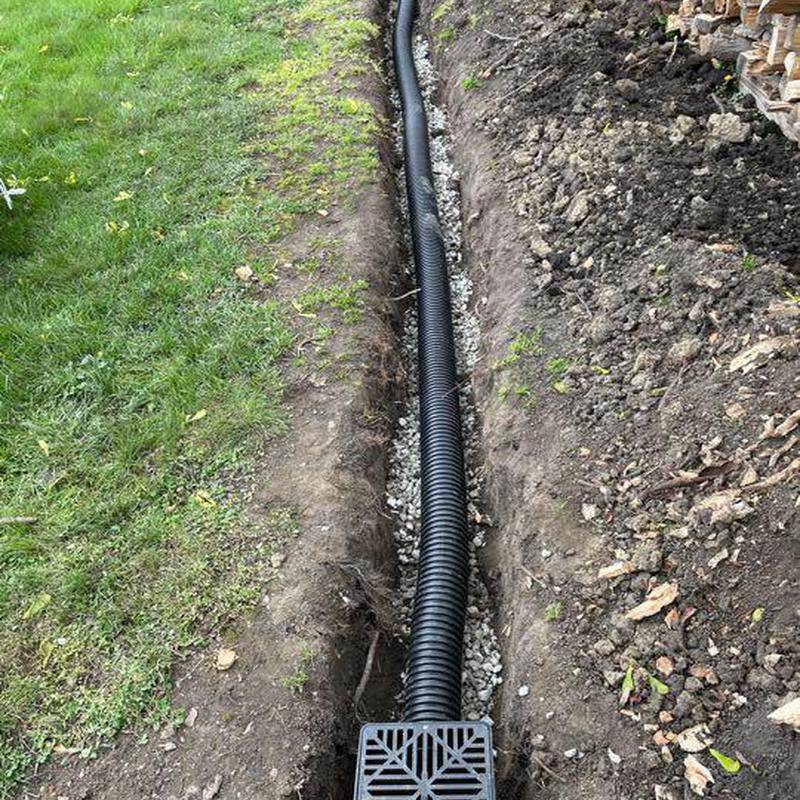
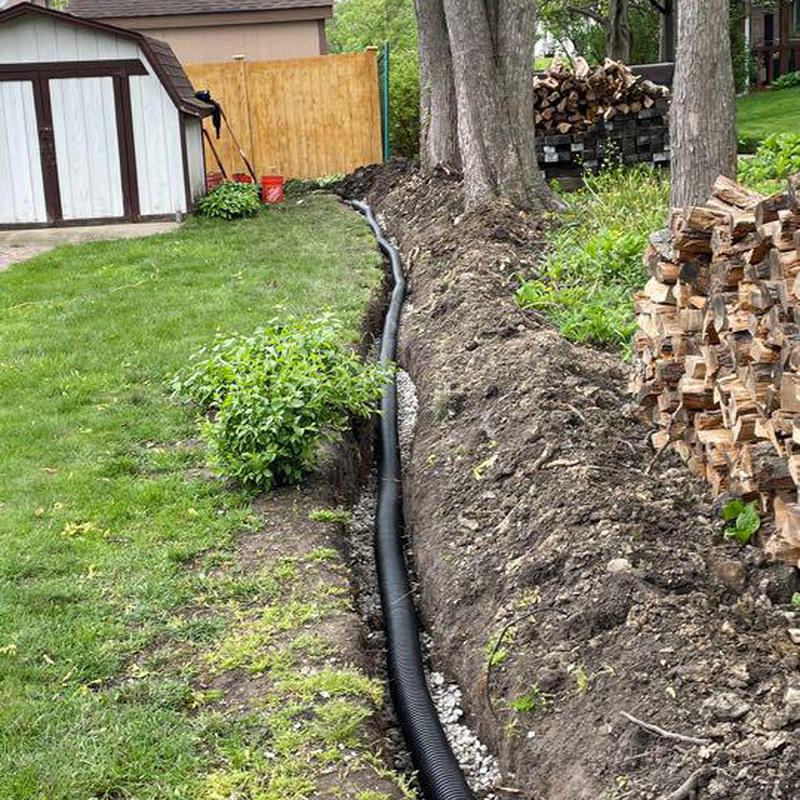
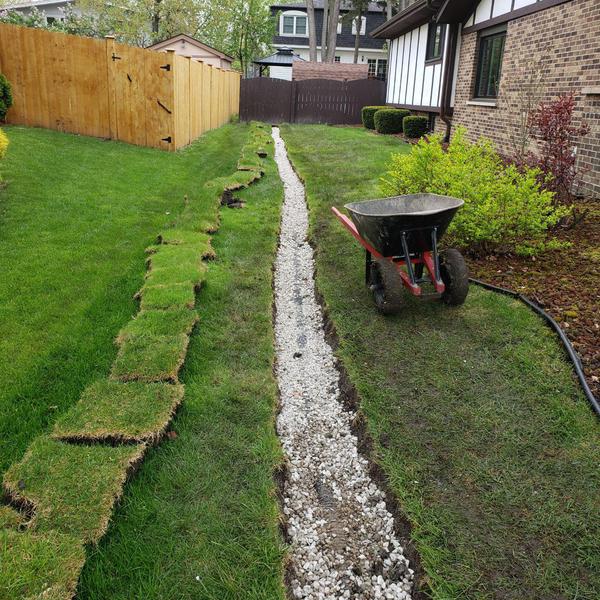
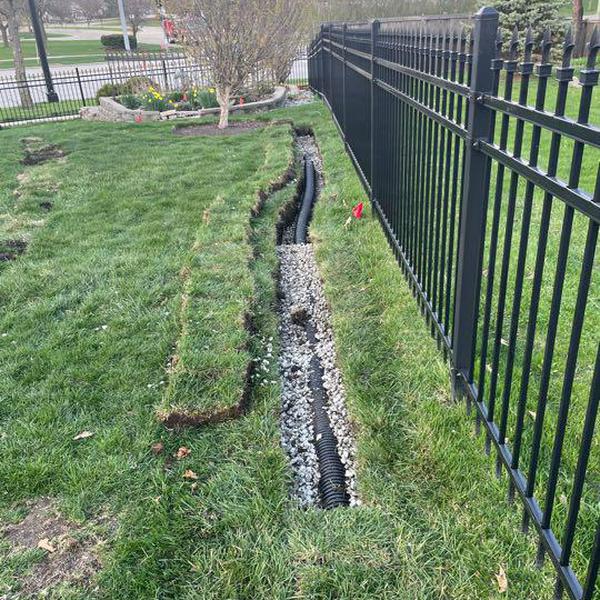
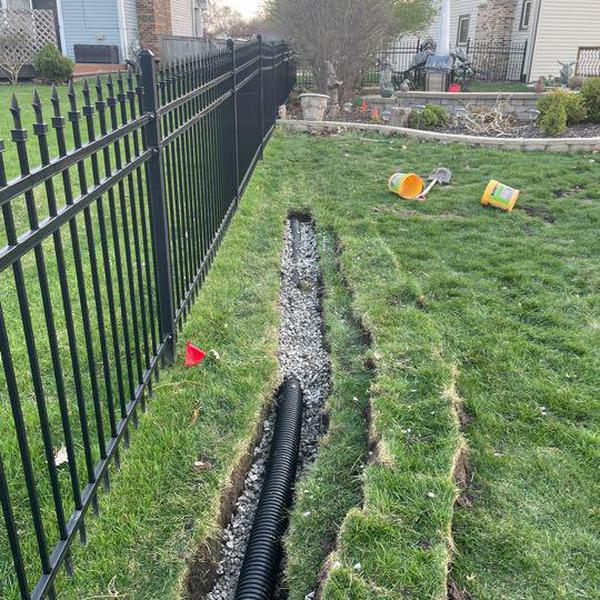
A French drain can help manage subsurface water by collecting it through a gravel-filled trench and perforated pipe. Depending on the drainage problem, the system may be installed in a low area of the yard, along a problem section of the property, or in another location where groundwater needs to be redirected.
Before recommending an installation, we consider:
- Where standing water consistently develops.
- Whether the ground slopes toward the home or another structure.
- Soil conditions that may slow natural drainage.
- Existing drainage paths and discharge options.
- Whether the problem involves groundwater, surface runoff, or both.
French drains are not a substitute for correcting every grading or surface runoff problem. Some properties need grading adjustments or a different drainage arrangement to manage water effectively. Identifying how water reaches the problem area helps determine which improvement is appropriate.
Drainage System Replacement and Improvements in Chicago
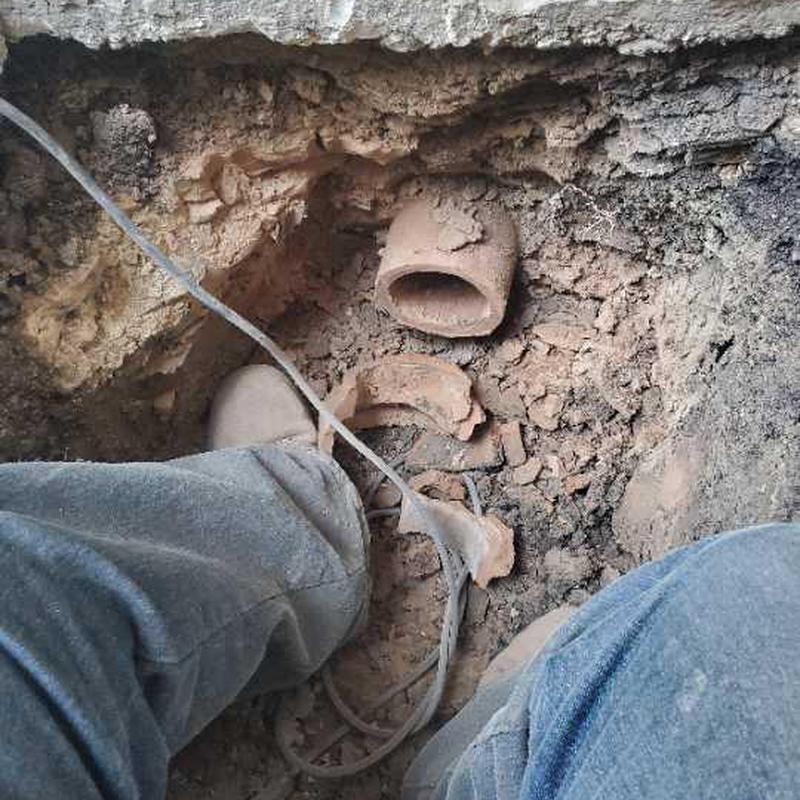
An existing drainage system may stop performing properly as components deteriorate, soil conditions change, or sediment and debris interfere with water movement. Landscaping changes, settling, and damaged piping can also affect how water travels through an underground drainage system.
If your property continues to experience wet areas, basement seepage, or water accumulation despite having an existing drain tile or French drain, the system may need to be evaluated.
Depending on the condition of the installation, the appropriate work may involve repairing a damaged section, improving the discharge arrangement, adding drainage in an underserved area, or replacing an existing system that is no longer suitable.
Suburban Plumbing Experts evaluates the existing drainage layout and the conditions contributing to poor performance before recommending the next step. Replacing a system without understanding why it failed can leave the original drainage problem unresolved.
Residential and Commercial French Drain Installation
Residential French Drain Installation
Residential drainage systems must account for the home's foundation, basement configuration, yard layout, soil conditions, and existing water management equipment.
Some homes need an interior drain tile system to collect groundwater entering the basement. Others need an exterior French drain to intercept water around the foundation or a yard drainage improvement to address saturated soil and recurring standing water.
We evaluate the property and recommend an installation approach based on the actual drainage conditions rather than assuming every home needs the same system.
Commercial Drainage Systems
Commercial buildings can have larger drainage areas, extensive paved surfaces, foundation concerns, and more complicated water flow patterns than typical residential properties.
Suburban Plumbing Experts provides drainage installation solutions for commercial properties, including offices, restaurants, warehouses, apartment buildings, and other facilities. We evaluate the property's layout, water collection areas, soil conditions, and discharge requirements when determining the appropriate drainage approach.
Proper drainage can help manage excess groundwater around buildings and reduce recurring water accumulation in areas that affect property use and maintenance.
How French Drains Help Manage Chicago-Area Drainage Problems
Chicago-area properties experience a combination of heavy seasonal rainfall, clay-heavy soils, older construction, and freeze-thaw cycles. These conditions can affect how quickly water moves through the soil and how much moisture collects around a foundation.
Clay-heavy soils generally drain more slowly than sandy soils. When substantial rainfall saturates the ground, water may remain near the foundation or collect in low areas of the property. Over time, repeated moisture exposure can contribute to basement seepage and other drainage concerns.
A properly designed French drain can help manage groundwater by collecting it in a drainage trench and moving it toward an appropriate discharge point. Depending on its location and configuration, the system may help:
- Reduce groundwater accumulation near foundation walls.
- Address recurring wet areas in the yard.
- Collect seepage along basement walls or floor joints.
- Reduce water buildup in areas with poor natural drainage.
- Improve how excess groundwater moves away from vulnerable parts of the property.
A French drain does not correct every source of basement flooding. Roof runoff, plumbing leaks, sewer backups, groundwater intrusion, and foundation conditions can require different solutions. Identifying the actual source of the water is an important part of selecting the right system.
Our French Drain Installation Process
Installing a French drain involves more than digging a trench and placing perforated pipe. The system needs to be designed around the property's drainage conditions, with proper placement, materials, slope, and a suitable discharge arrangement.
Evaluating the Property and Identifying the Drainage Problem
We begin by evaluating where water collects, where it appears to be coming from, and how it moves across or beneath the property. Grading, soil conditions, foundation layout, and existing drainage equipment all help determine the appropriate installation location.
This evaluation also helps distinguish between groundwater problems, surface drainage issues, and other sources of water intrusion that may require a different approach.
Preparing the Excavation and Drainage Channel
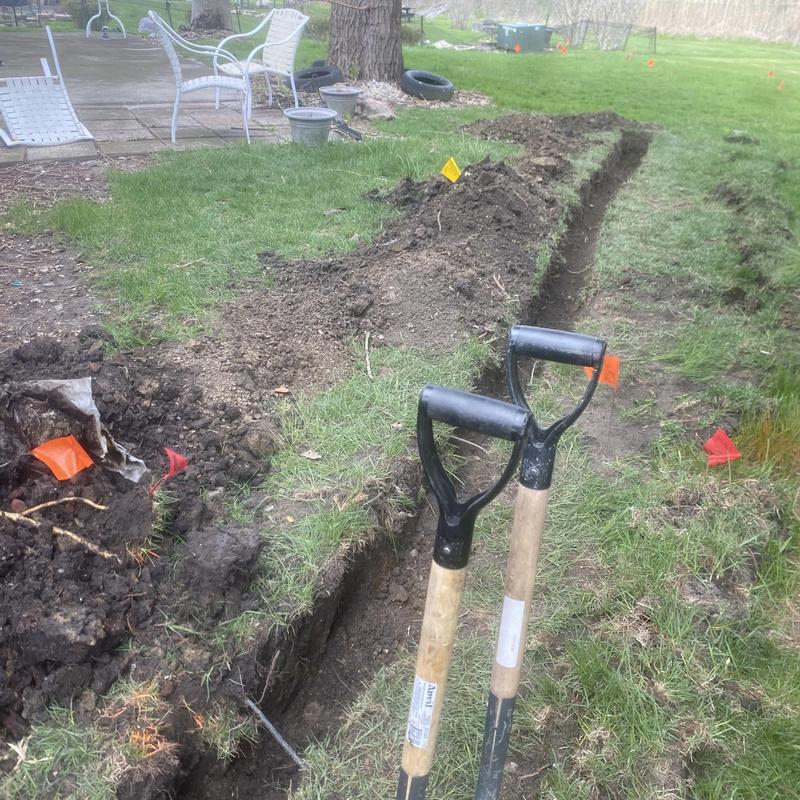
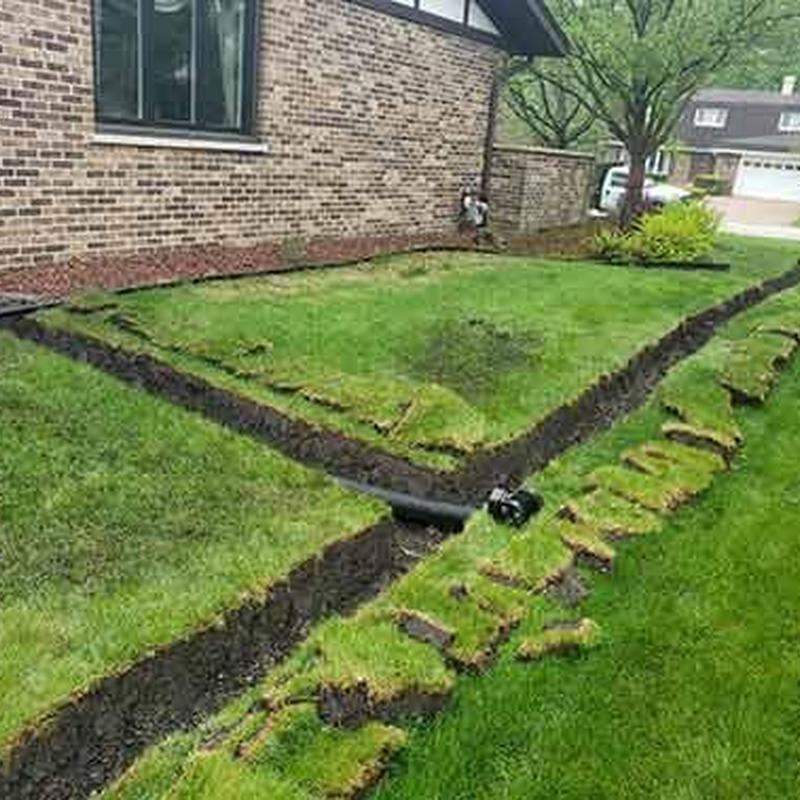
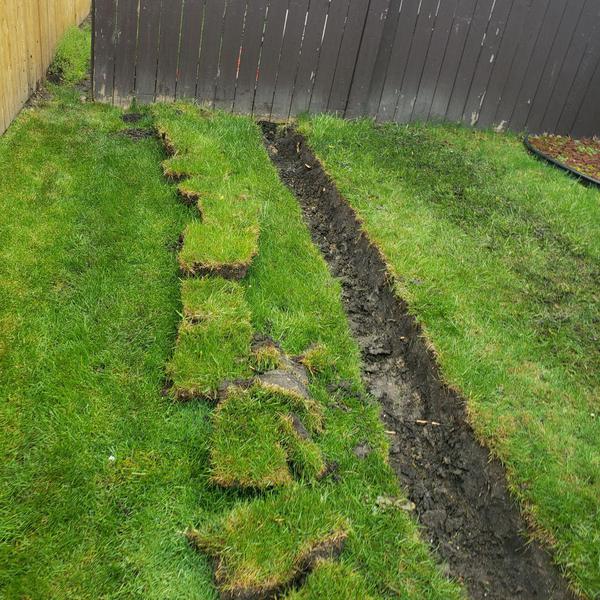
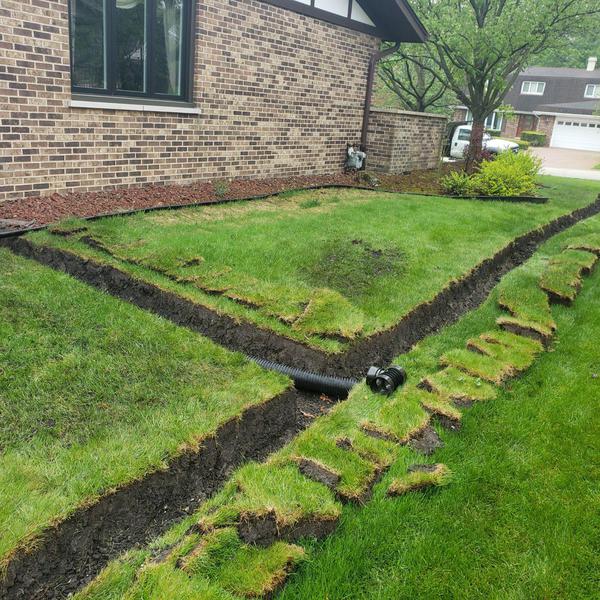
Once the installation plan is established, the designated area is prepared for excavation. The depth, route, and placement of the drainage channel depend on the system design and the conditions at the property.
Before excavation begins, underground utilities must be located. Learn more about why Chicago plumbers should call JULIE before they dig.
Installing the Drainage Pipe and Filtration Materials
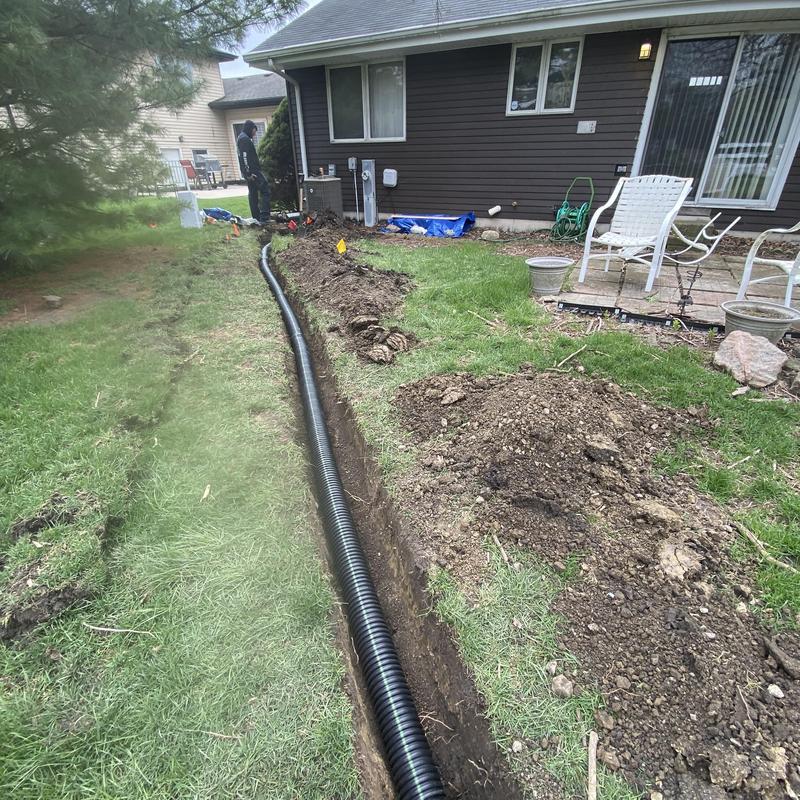
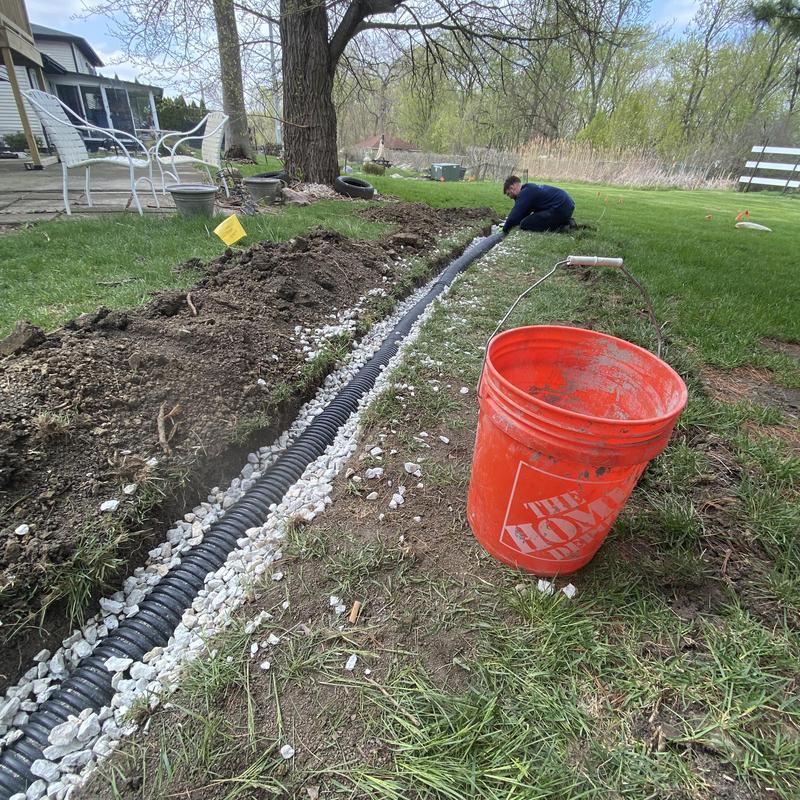
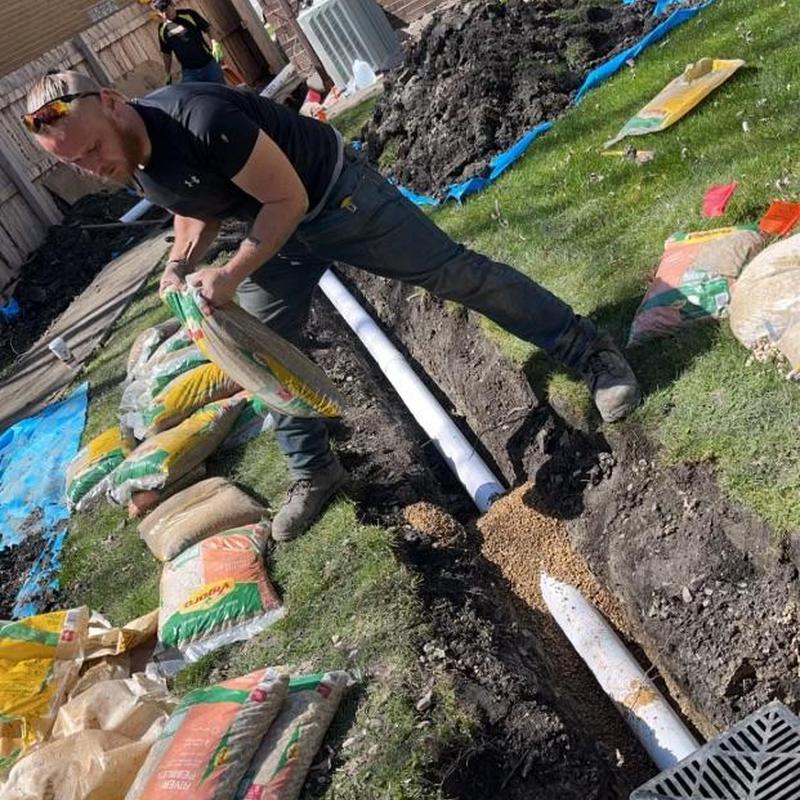
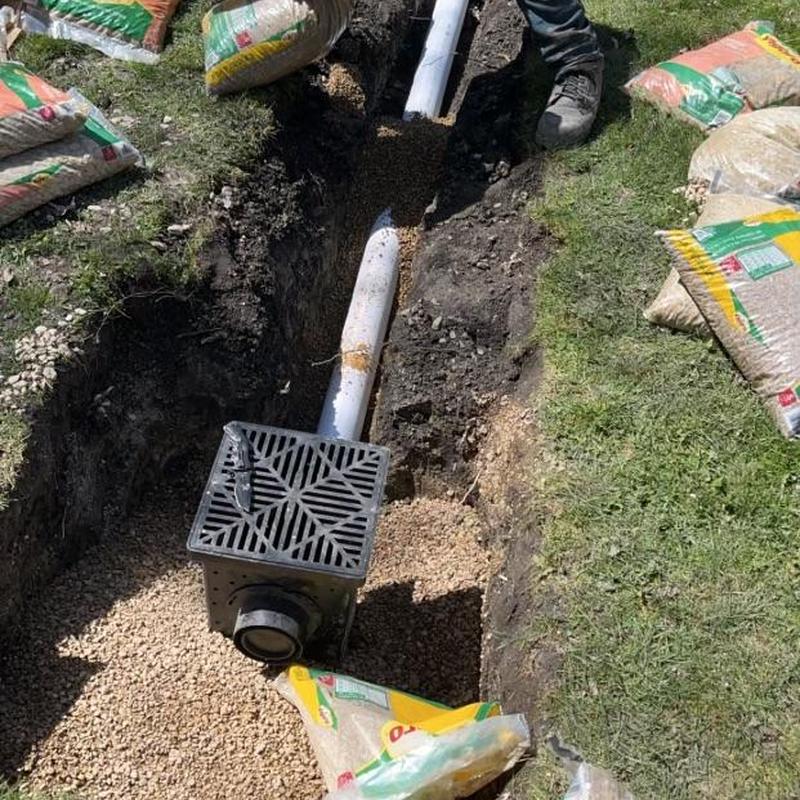
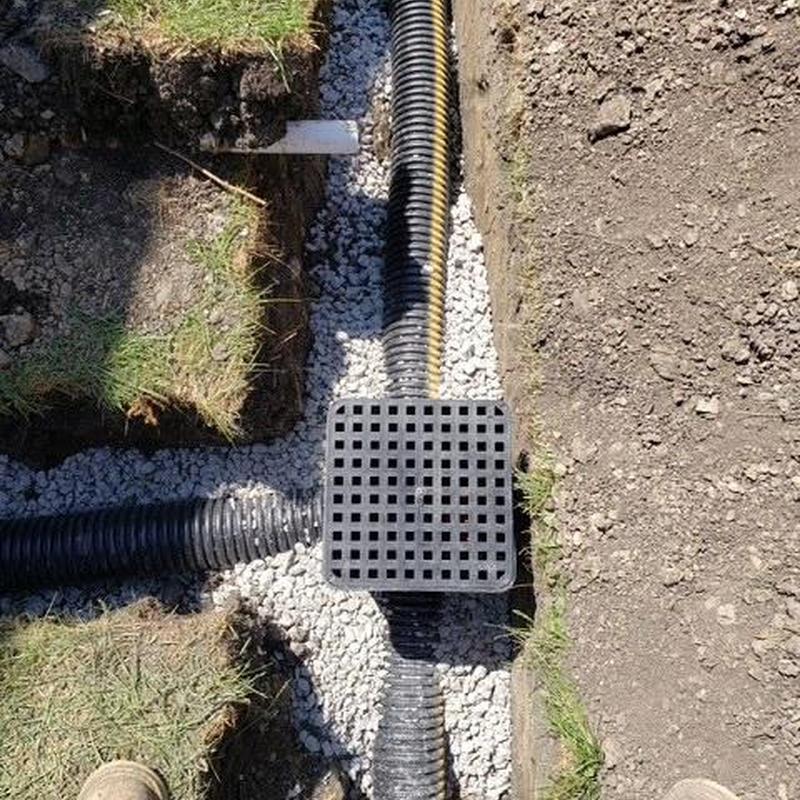
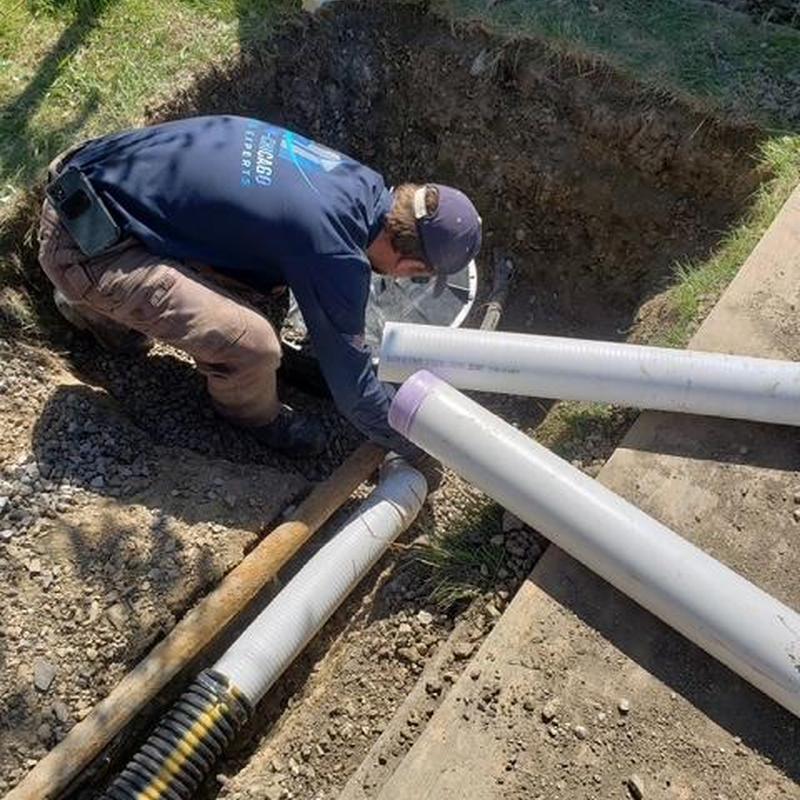
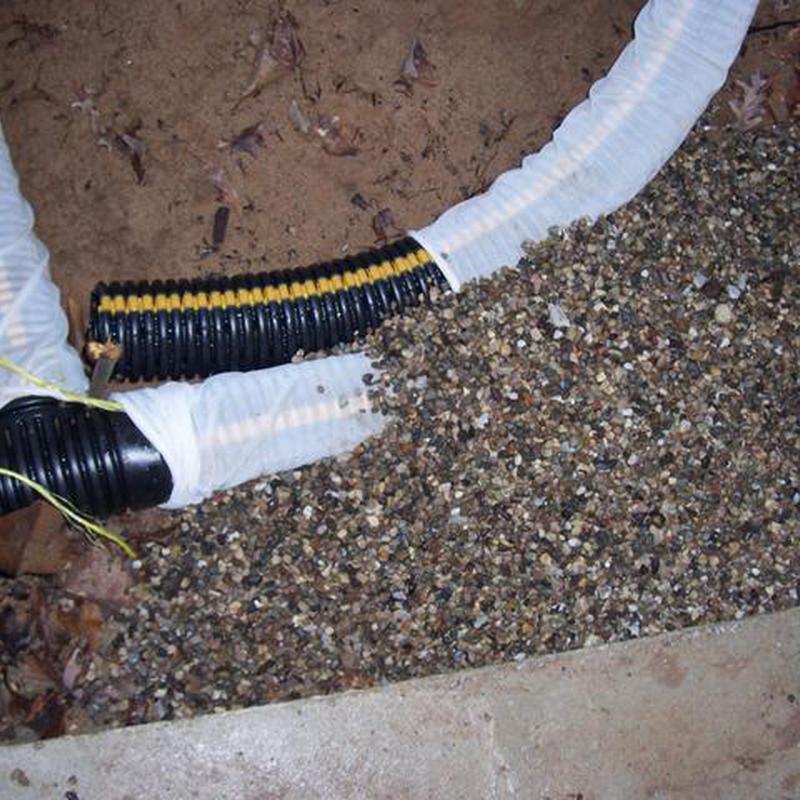
The drainage trench is prepared with appropriate stone, perforated drainage pipe, and filtration materials. These components allow groundwater to enter the system while helping limit the amount of surrounding soil and sediment entering the pipe.
The pipe's placement and slope are important because collected water needs a path toward the designated discharge point.
Depending on the property's needs, an interior drainage system may also be connected to a sump pump basin.
Establishing an Appropriate Water Discharge Path
A French drain needs somewhere for collected water to go. The discharge arrangement must account for the property's layout, elevation, drainage design, and applicable requirements.
Depending on the installation, collected water may be directed toward a sump system or another appropriate discharge location. The correct arrangement is determined by the project conditions rather than assuming one discharge method works for every property.
Backfilling and Restoring the Work Area
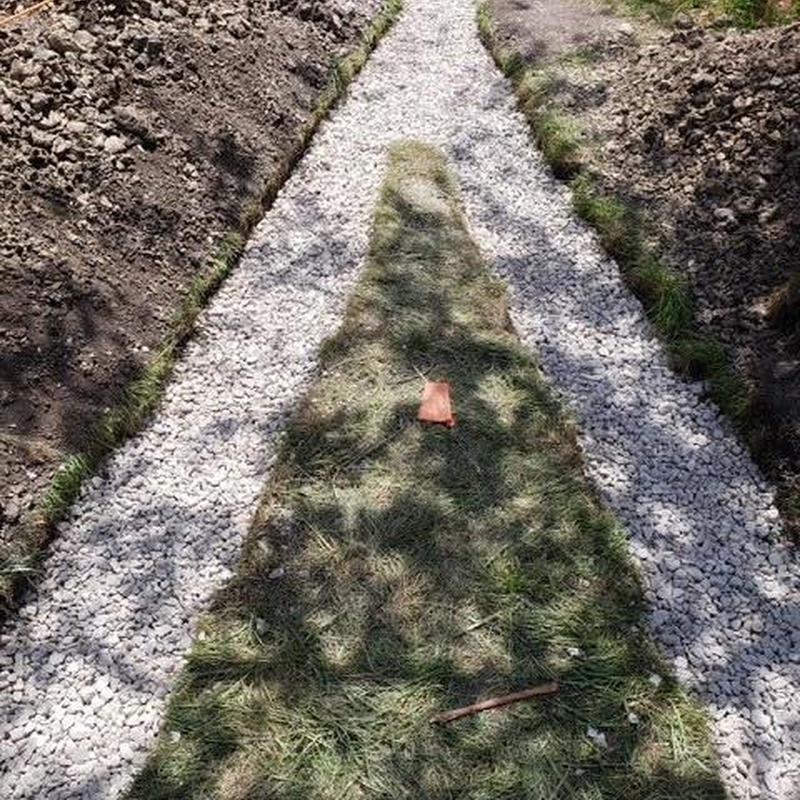
After the drainage components are installed and the system is checked, the excavation is backfilled and affected areas are restored according to the agreed scope of work.
The amount of restoration required depends on where the system is installed and what portions of the property need to be disturbed.
French Drain vs. Other Basement Flood Control Solutions
French drains are designed to collect and redirect groundwater. They are an important drainage option, but they are not interchangeable with every other basement flood-control system.
The right solution depends on how water is entering the property and what conditions need to be addressed.
French Drains and Sump Pumps
A French drain collects groundwater and channels it toward a collection point. A sump pump removes collected water from the sump basin and discharges it away from the property through an appropriate discharge arrangement.
For many interior basement drainage installations, these systems work together. A sump pump alone may not collect groundwater effectively from the entire basement perimeter without an appropriate drainage arrangement.
French Drains and Flood Control Systems
French drains primarily address groundwater and drainage conditions around or beneath a property. Flood control systems address a broader range of basement flooding risks, which may include sewer backup protection and other plumbing-related improvements.
If your property has experienced repeated basement flooding, the cause should be identified before selecting equipment. Our flood control systems provide additional options for homeowners who need protection beyond groundwater drainage.
French Drains and Sewer Backup Protection
A French drain does not prevent sewage from flowing backward through a home's sewer connection. If wastewater enters through basement floor drains or other plumbing fixtures, the problem may involve a sewer backup rather than groundwater.
Depending on the home's plumbing configuration, a backwater valve, overhead sewer system, or another sewer backup prevention solution may be appropriate.
For help identifying the source of recurring basement water problems, our basement flooding services cover plumbing, sewer, sump pump, and drainage-related concerns.
French Drain Maintenance and Existing System Evaluation
Underground drainage systems can experience performance problems as soil shifts, sediment accumulates, landscaping changes, or drainage patterns around a property change.
If an existing French drain is no longer managing water as expected, an evaluation can help identify whether the issue involves the drainage pipe, discharge arrangement, surrounding soil, or another part of the system.
Signs that an existing drainage system may need attention include:
- New or recurring standing water in areas that previously drained properly.
- Basement moisture or seepage that has returned.
- Water collecting near the foundation after ordinary rainfall.
- Drainage that appears slower than it used to be.
- Visible damage or changes around the drainage installation.
The appropriate next step depends on the system's condition. Some problems may be addressed through repairs or improvements, while an older or unsuitable system may require replacement.
Frequently Asked Questions About French Drain Installation in Chicago
What Is a French Drain and How Does It Work?
A French drain is an underground drainage system that typically consists of a gravel-filled trench and perforated pipe. It collects groundwater entering the surrounding stone and directs it toward an appropriate discharge point. French drains can be installed around foundations, in yards, or in other areas where groundwater repeatedly collects. The design and placement depend on the source of the water and the property's drainage conditions.
Where Should a French Drain Be Installed on My Property?
The best location depends on where water is collecting and how it moves through the property. Exterior French drains may be installed near foundation areas or in sections of the yard where groundwater accumulates. Interior drain tile systems are commonly installed along the basement perimeter when water is entering through foundation walls or floor joints. A property evaluation helps determine the appropriate location and discharge arrangement.
What Is the Difference Between Interior and Exterior Drain Tile?
Interior drain tile is installed inside the basement, typically along the perimeter beneath or near the concrete floor. It collects groundwater that reaches the basement drainage channel and directs it toward a sump pump basin. Exterior drain tile is installed outside the foundation to collect groundwater before it reaches the foundation walls. The right option depends on the source of the water, foundation construction, property access, and existing drainage conditions.
How Long Does French Drain Installation Take?
The installation timeline depends on the system's size, location, excavation requirements, and complexity. Some residential projects can be completed within one or two days, while larger installations or projects involving extensive excavation, concrete removal, or additional drainage work may take longer. The expected schedule should be discussed after the property and project requirements have been evaluated.
Why Do Chicago-Area Homes Have Drainage Problems?
Heavy seasonal rainfall, clay-heavy soils, freeze-thaw cycles, older construction, and changing groundwater conditions can all contribute to drainage problems. Clay soils generally allow water to move through them more slowly, which can leave excess moisture around foundations after substantial rainfall. Older properties may also have drainage systems that have deteriorated or are no longer suited to current conditions. Identifying the source of the water helps determine whether French drain installation is appropriate.
How Much Does French Drain Installation Cost in Chicago?
The cost depends on the type of system, length and depth of the drainage run, excavation conditions, soil, access, discharge requirements, and whether the installation is interior or exterior. Interior basement drain tile may involve concrete removal, excavation, drainage materials, and sump pump connections. Exterior systems may require excavation around the foundation and restoration of affected areas. We provide written estimates based on the actual conditions and work required at your property.
Should I Hire a Plumber or Landscaper for French Drain Installation?
The right professional depends on the type of drainage work involved. A landscaper may be appropriate for certain grading and surface drainage projects. A licensed plumber is important when the work involves plumbing connections, sump pumps, or other plumbing-related components. Our guide on why licensed plumbers are the safer choice for French drain installation in Illinois explains what homeowners should consider when choosing a contractor.
Can a French Drain Stop Basement Flooding?
A French drain can help manage groundwater that collects around or beneath a property, but it cannot prevent every type of basement flooding. Sewer backups, plumbing leaks, foundation openings, and other water sources may require different solutions. A proper evaluation helps determine whether interior drain tile, exterior drainage, sump pump improvements, sewer backup protection, or a combination of measures is appropriate.
Does an Interior French Drain Need a Sump Pump?
Many interior basement drain tile systems direct collected groundwater into a sump pump basin, where the pump removes it from the property. The specific arrangement depends on the basement layout, drainage design, and available discharge options. The drainage system collects the water; the sump pump moves it out.
Can an Existing French Drain Be Repaired or Replaced?
An existing French drain may need attention if water continues collecting around the property or the system no longer performs as intended. Depending on its condition, the appropriate work may involve repairing a damaged section, improving the discharge arrangement, making drainage improvements, or replacing the system. An evaluation helps determine what is actually causing the reduced performance.
Do French Drains Work in Clay Soil?
French drains can be used in properties with clay-heavy soil, including many Chicago-area homes. However, soil conditions influence how water moves toward the drainage system, so the trench, stone, pipe, and discharge arrangement need to be designed appropriately. A French drain should not be treated as a standard installation that works identically on every property.
Schedule French Drain Installation in Chicago Today
Recurring standing water, basement seepage, and poor yard drainage can make it difficult to protect and maintain your property. Suburban Plumbing Experts provides French drain and drainage tile installation throughout Chicago and the surrounding suburbs, with solutions designed around the property's drainage conditions.
Whether you need an interior basement drain tile system, an exterior French drain, yard drainage improvements, or an evaluation of an existing drainage system, our team can help identify the problem and explain the available options.
Call 708-801-6530 to schedule a French drain evaluation. We will assess the drainage conditions at your property and discuss an appropriate solution for managing excess groundwater.
Schedule French Drain Installation Service Now
Suburban Plumbing Sewer Line & Drain Cleaning Experts
⏰ Open 24 Hours
📞 Phone: Suburbs: 708-801-6530 Chicago: 773-570-2191
📧 Email: info@suburbanplumbingexperts.com
French Drain Installation and Drainage Tile Services in Chicago
Dealing with recurring basement moisture, excess groundwater, or poor yard drainage? Suburban Plumbing Experts installs interior and exterior French drain systems and provides drainage tile improvements for properties throughout Chicago and the surrounding suburbs.
Chicago and Western Suburbs Service Area
Providing French drain installation and drainage services in Chicago, Naperville, Downers Grove, Hinsdale, Oak Brook, Lombard, Elmhurst, Wheaton, Glen Ellyn, and surrounding suburbs.
Experienced French Drain Installation Professionals
- ✔ Interior French Drains and Basement Drain Tile
- ✔ Exterior French Drain Installation
- ✔ Drainage Tile Installation and Improvements
- ✔ Basement Groundwater Management
- ✔ Yard Drainage and Excess Water Solutions
- ✔ Residential and Commercial Drainage Projects
- ✔ Drainage Solutions for Clay Soil Conditions
- ✔ Evaluation of Existing Drainage Systems
Family-owned and serving the area since 1978.
Our approach starts with understanding where water is collecting and how it needs to be redirected before recommending a drainage solution.
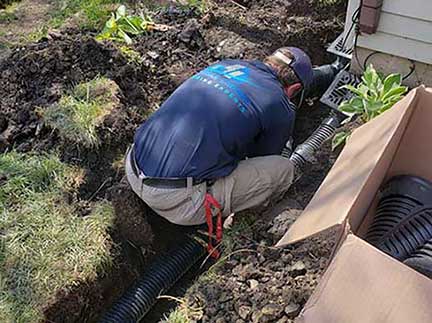
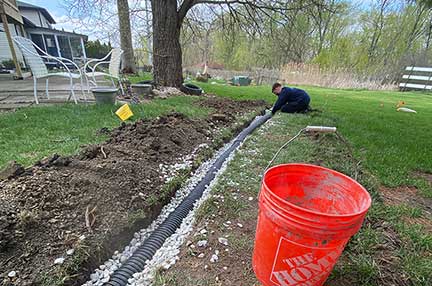
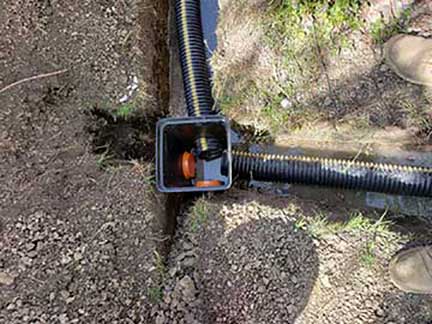
Our French drain systems are installed across Chicago, Naperville, Downers Grove, Hinsdale, Oak Brook, Elmhurst, Wheaton, Glen Ellyn, Orland Park, and surrounding suburbs to help homeowners manage stormwater runoff, redirect groundwater, and protect their properties from ongoing water intrusion problems.
Most Recent Pins (17)

Most Recent Reviews (6)