Flood Control Systems for Chicago Homes and Businesses
Flood Control Systems in Chicago for Homes and Businesses
Flood control systems in Chicago need to do more than move water out of a basement. They need to address the specific conditions that allow water or sewage to enter a property in the first place. Heavy rainfall, overloaded municipal sewers, groundwater pressure, poor drainage, and aging plumbing can all contribute to basement flooding, but each problem requires a different approach.
Suburban Plumbing Experts installs, repairs, and replaces flood control systems throughout Chicago and the surrounding suburbs. Our work includes interior pump-out systems, sump pumps, battery backup equipment, sewer backflow prevention, overhead sewer systems, ejector pumps, and French drain installations. We work with residential, commercial, and industrial properties, evaluating the existing plumbing and drainage conditions before recommending an appropriate solution.
Whether you need a new flood control system installation, repairs to existing equipment, or a better way to protect a property that has flooded repeatedly, the first step is understanding where the water is coming from.
Why Chicago-Area Properties Need Flood Control Systems
Basement flooding is a recurring problem throughout Chicago and the surrounding suburbs. Older neighborhoods, established residential areas, and commercial properties can have underground plumbing and drainage systems that face considerable demands during periods of heavy rainfall.
Many communities in the Chicago region have combined sewer infrastructure, where sanitary wastewater and stormwater share portions of the same sewer system. During intense rainfall, large volumes of stormwater can enter neighborhood sewers faster than the pipes can convey it. Sewer levels can rise, creating surcharge conditions that increase the risk of wastewater backing up through private sewer connections and basement drains.
The Metropolitan Water Reclamation District operates major regional infrastructure, including the Tunnel and Reservoir Plan, commonly called the Deep Tunnel. These improvements help manage excess stormwater and wastewater, but they do not eliminate every localized basement backup. Problems can still develop within municipal sewer systems and individual private sewer laterals.
Other properties experience flooding for entirely different reasons. Groundwater can collect around foundations, surface runoff can accumulate near basement walls, and inadequate drainage can allow water to remain against the building.
Understanding these conditions is essential when choosing flood control systems. Installing equipment that addresses the wrong source of water can leave the original problem unresolved.
Identify the Source of Basement Flooding Before Choosing a System
A basement can flood through several different pathways. The location where water appears, the timing of the flooding, and whether the water contains sewage can help identify the underlying problem.
Sewer Backups and Municipal Sewer Surcharging
When wastewater levels rise in a municipal sewer or a property's private sewer connection, sewage can move backward through the building's drainage system. Basement floor drains, toilets, showers, and other lower-level plumbing fixtures may become vulnerable.
Common warning signs include:
- Water or sewage coming up through basement floor drains.
- Multiple lower-level plumbing fixtures backing up at the same time.
- Sewer odors accompanying basement flooding.
- Backups that occur during heavy rainfall.
- Repeated sewage intrusion despite having an existing sump pump.
A sewer backup is not a groundwater problem. A conventional sump pump does not stop wastewater from reversing direction through a sewer connection. Depending on the property's plumbing configuration, sewer backflow prevention or an overhead sewer conversion may provide appropriate protection.
If sewage is already entering the property, our sewer backup service team can help investigate the plumbing problem and determine the necessary service.
Groundwater Entering Through the Foundation
Groundwater problems often become noticeable after extended rainfall or periods when the soil surrounding a building becomes saturated. Water may enter through foundation wall cracks, floor joints, pipe penetrations, or other openings.
Some properties experience water collecting beneath the basement floor or along the perimeter where the foundation walls meet the floor slab.
These conditions may require a combination of foundation drainage, interior drain tile, a sump basin, and pumping equipment. The appropriate arrangement depends on where groundwater is collecting and how it can be safely directed away from the building.
Surface Water and Poor Property Drainage
Water that collects around a building can increase the likelihood of basement seepage, particularly when the ground slopes toward the foundation or existing drainage systems cannot move water away effectively.
Standing water in yards, saturated areas near foundation walls, and recurring water accumulation after storms may indicate drainage problems outside the building.
A sewer backwater valve will not correct poor yard drainage, just as a sump pump alone will not correct every surface water problem. The drainage layout and available discharge options need to be evaluated before selecting a solution.
Flood Control System Installation and Interior Pump-Out Systems
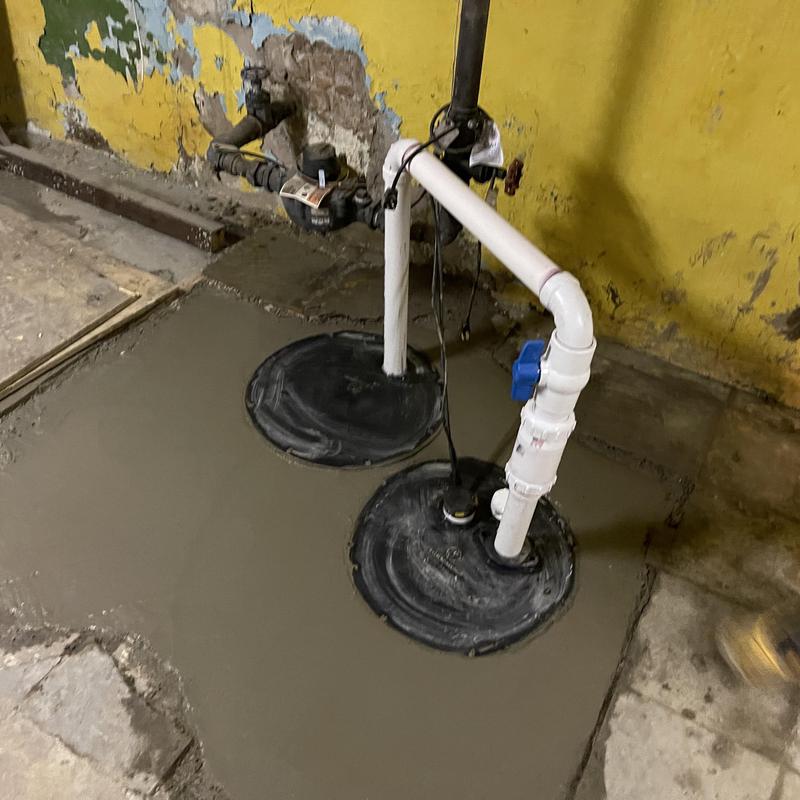
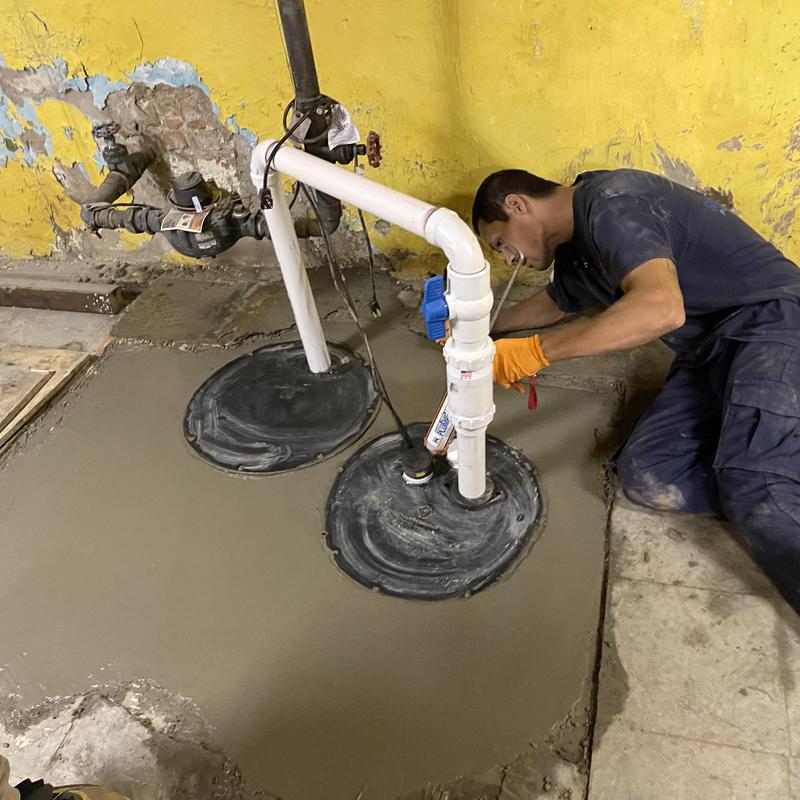
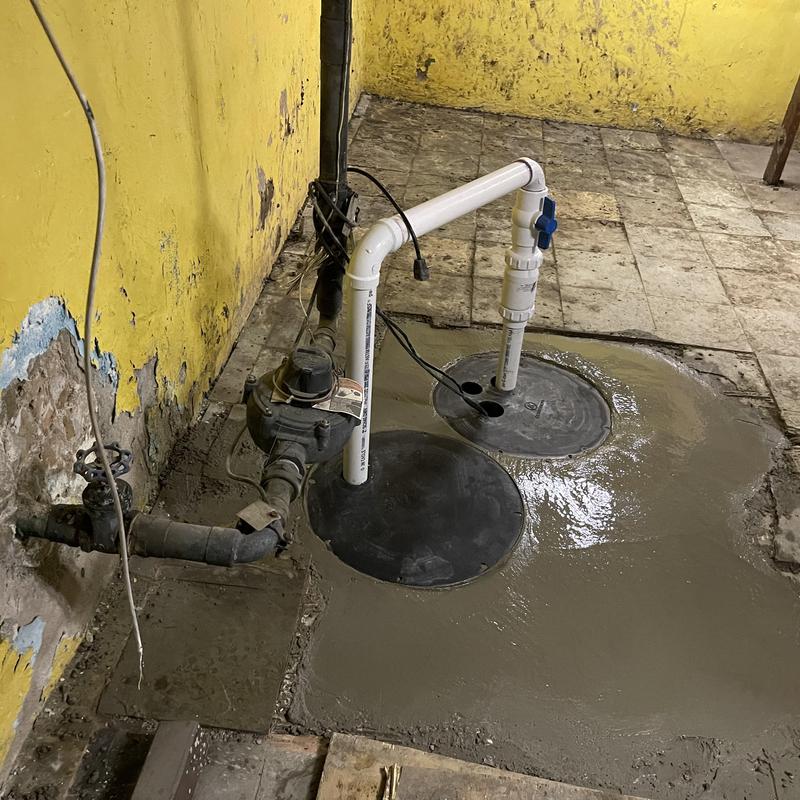
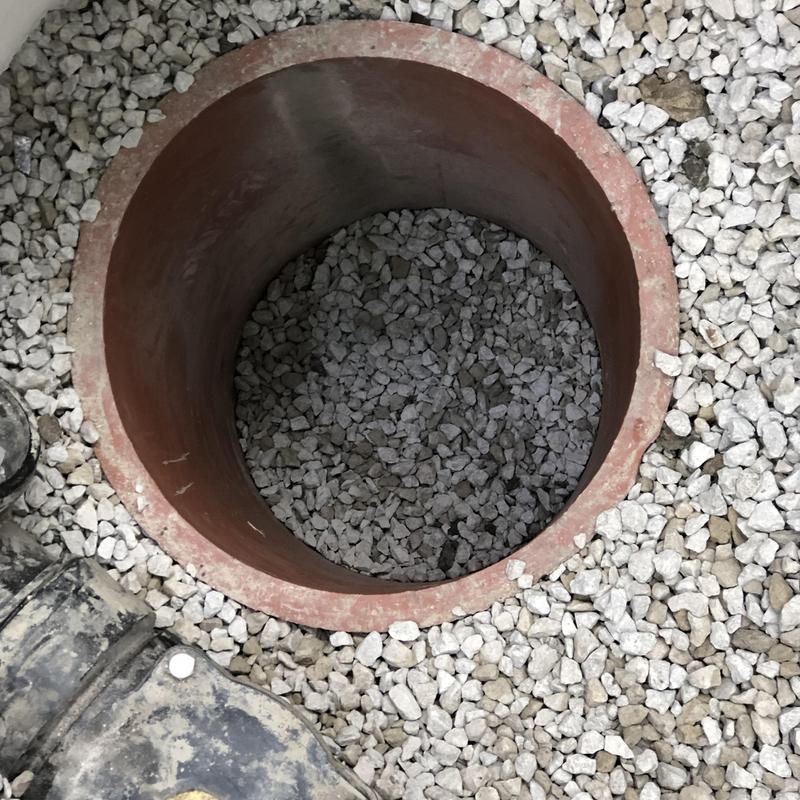
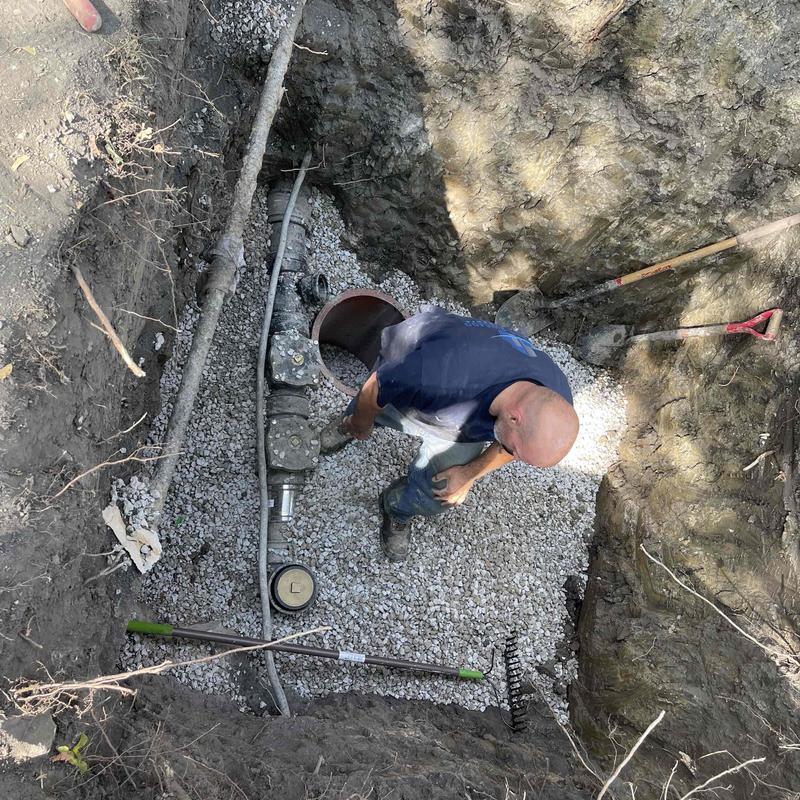
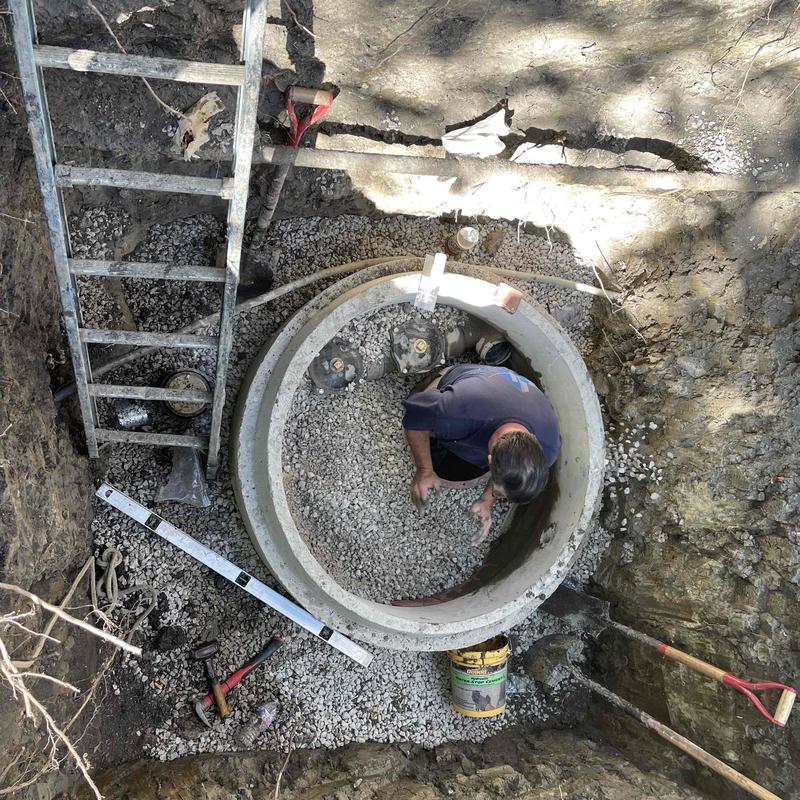
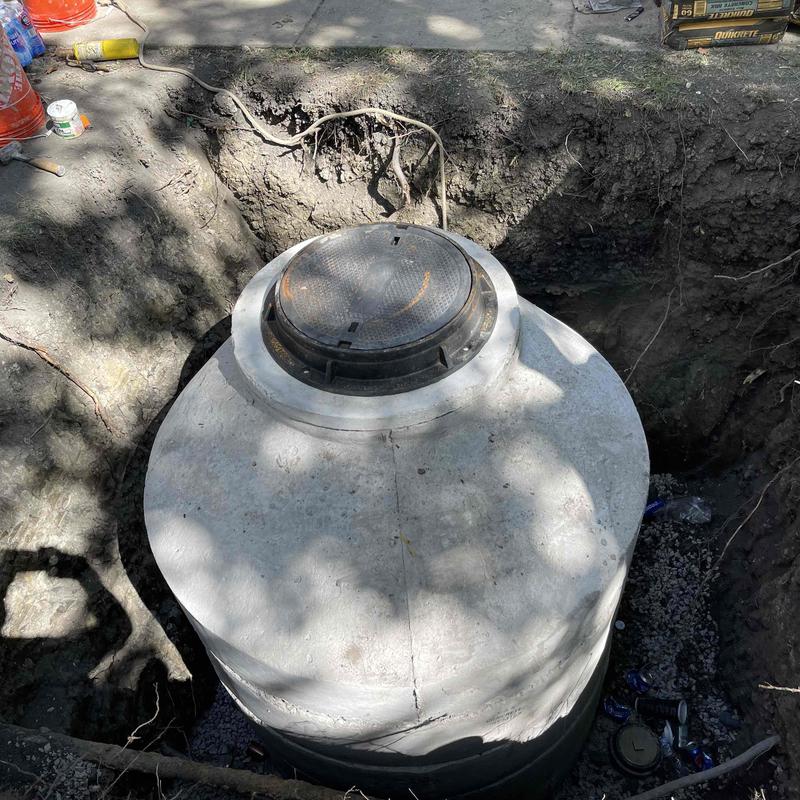
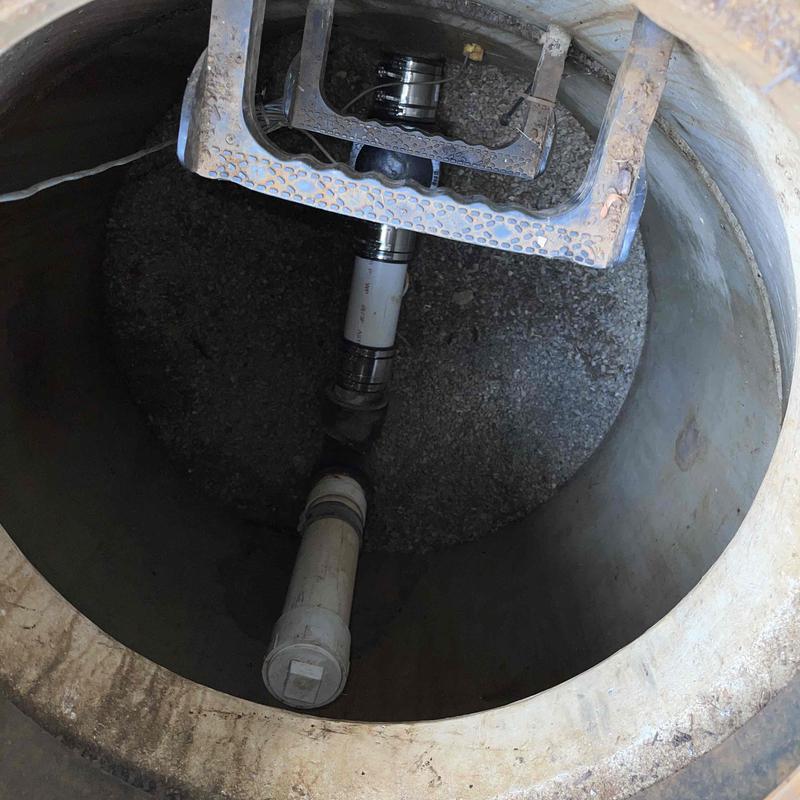
A flood control system is designed to help protect a property from sewer backups, groundwater problems, or other sources of basement flooding. Depending on the building's plumbing and drainage layout, the system may include a flood control vault, backwater valve, interior pump pit, ejector pump, and discharge piping.
An interior pump-out system is an important flood control option for many Chicago-area properties with basement plumbing and a history of sewer backups. These systems use equipment installed inside the building to help manage wastewater and protect the property when sewer conditions create a risk of backup.
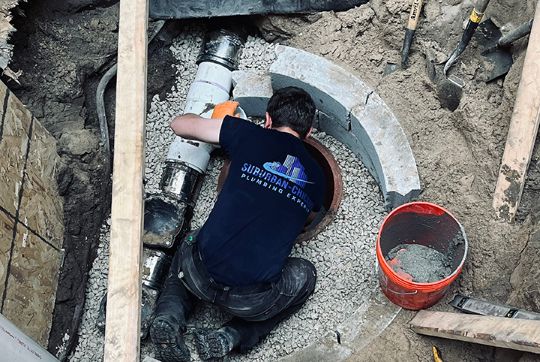
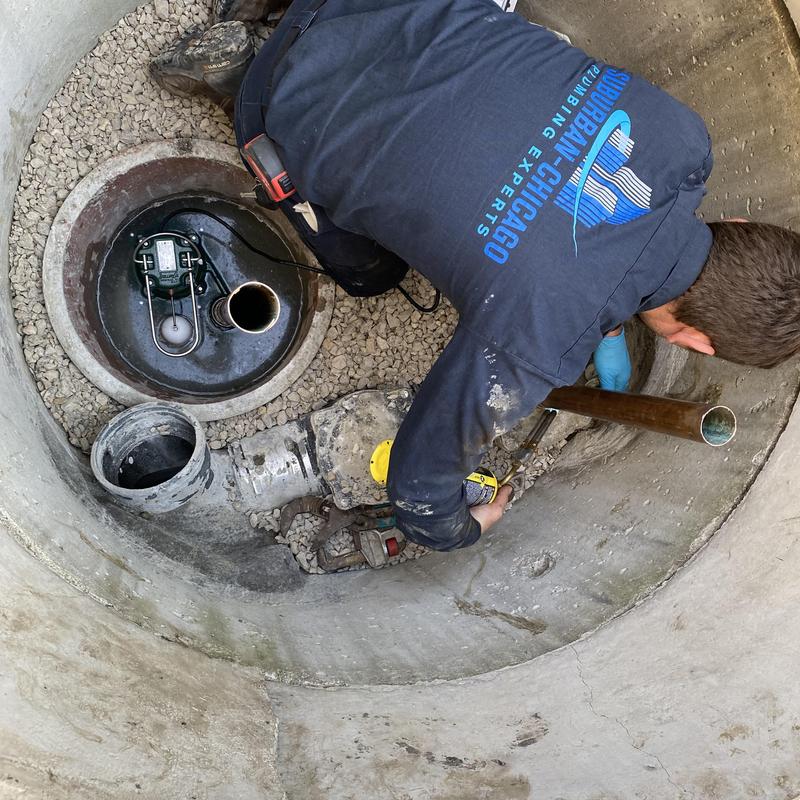
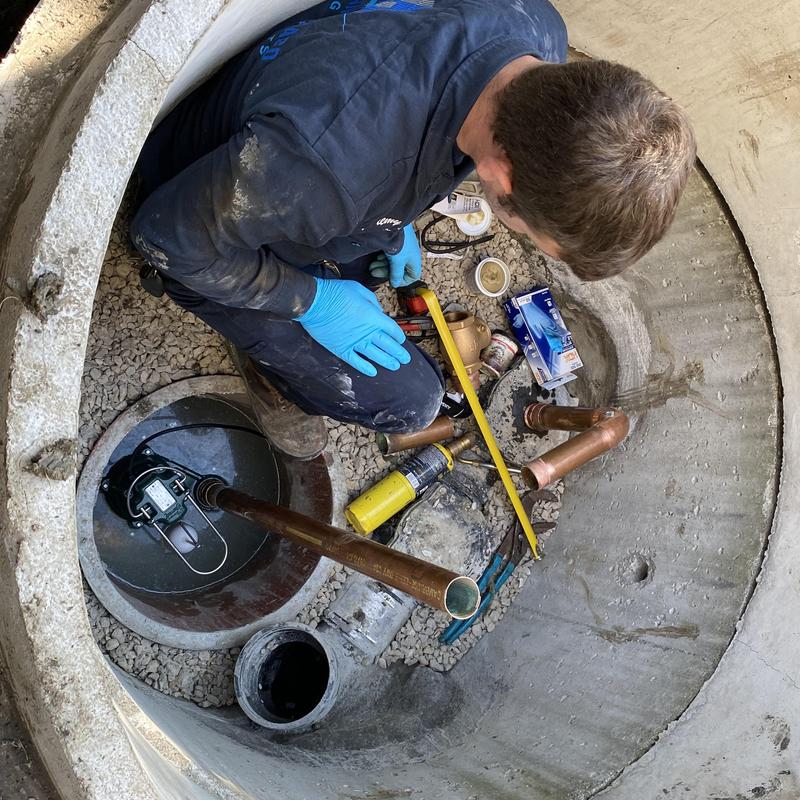
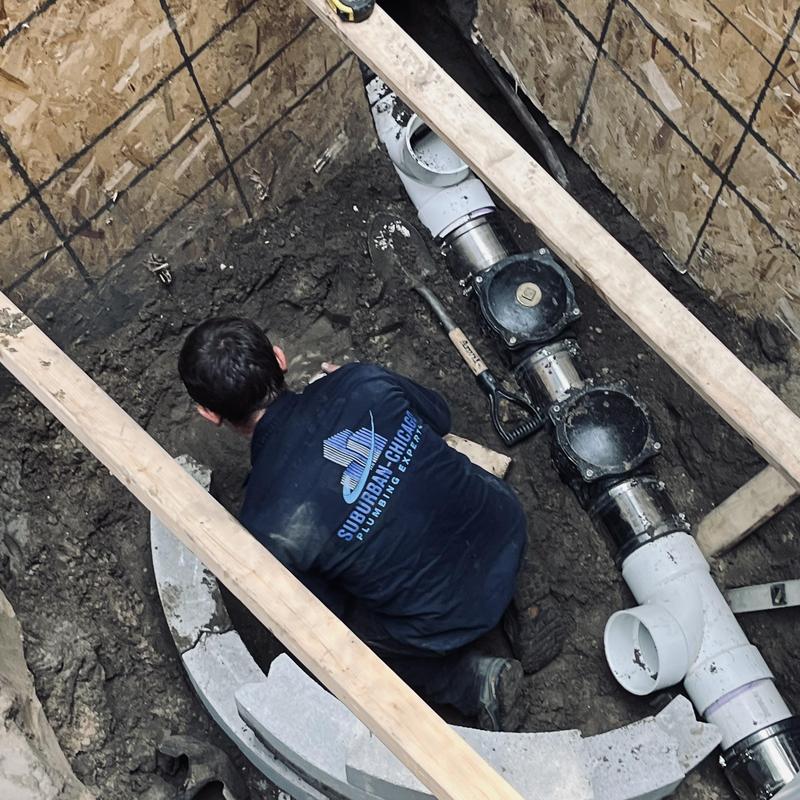
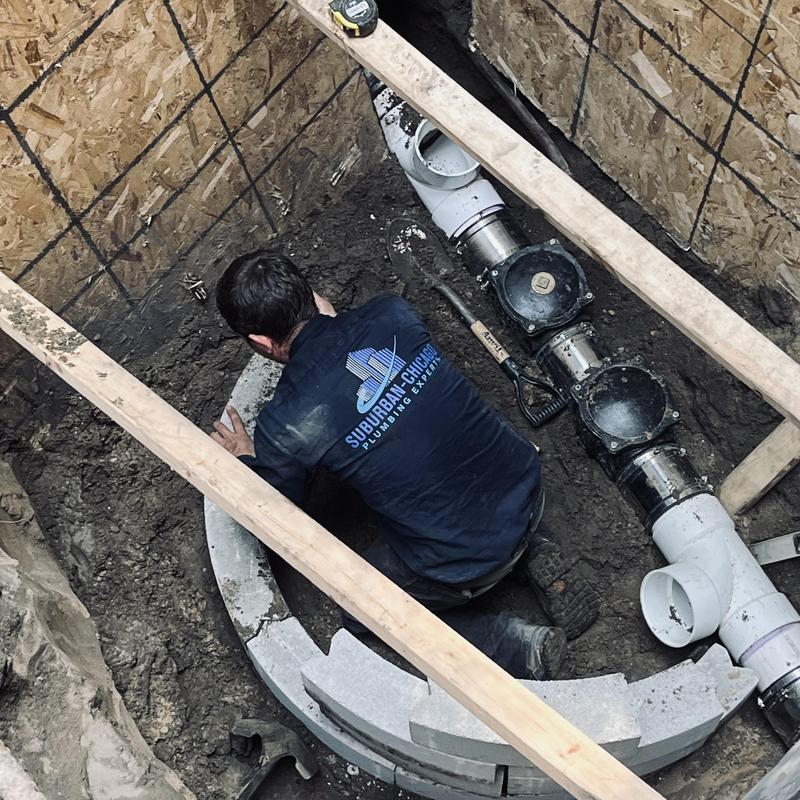
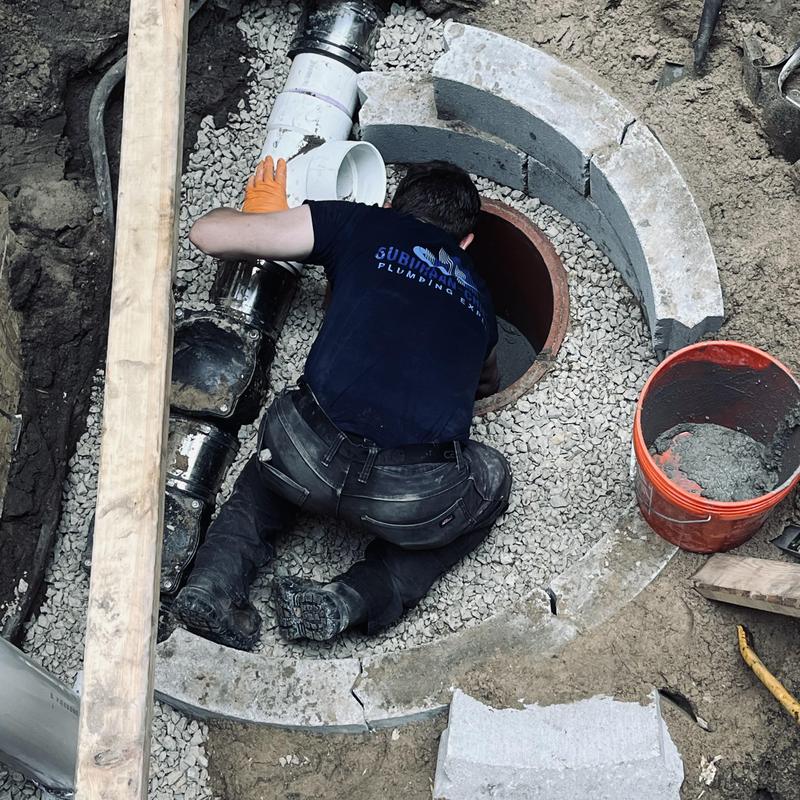
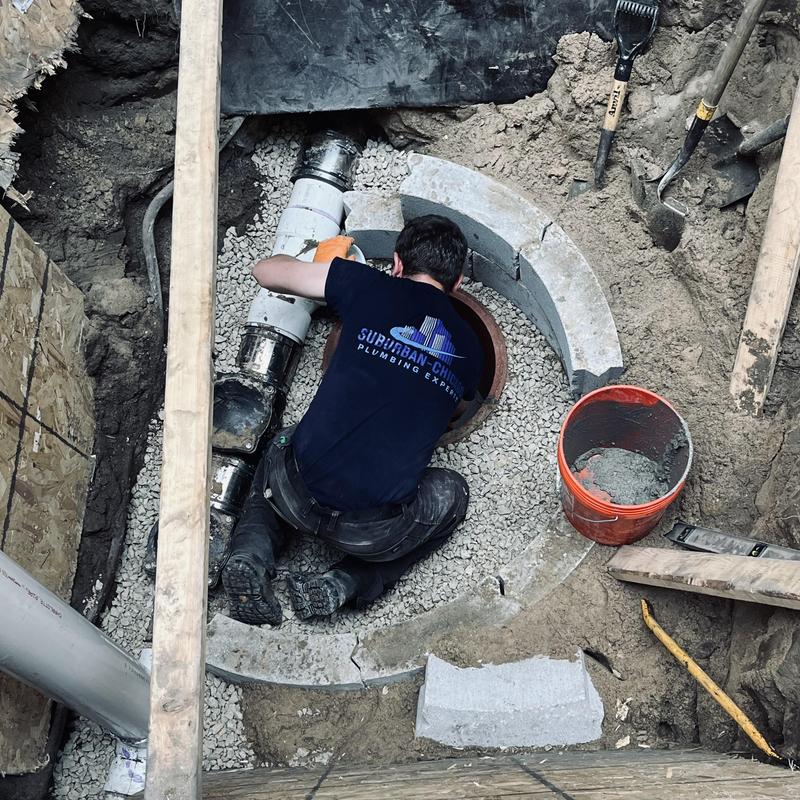
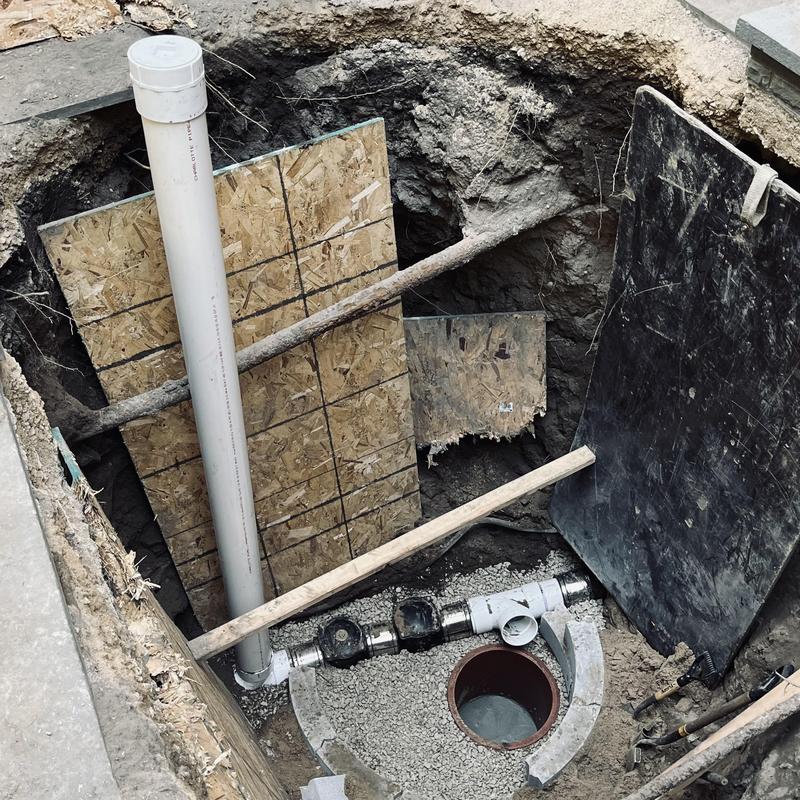
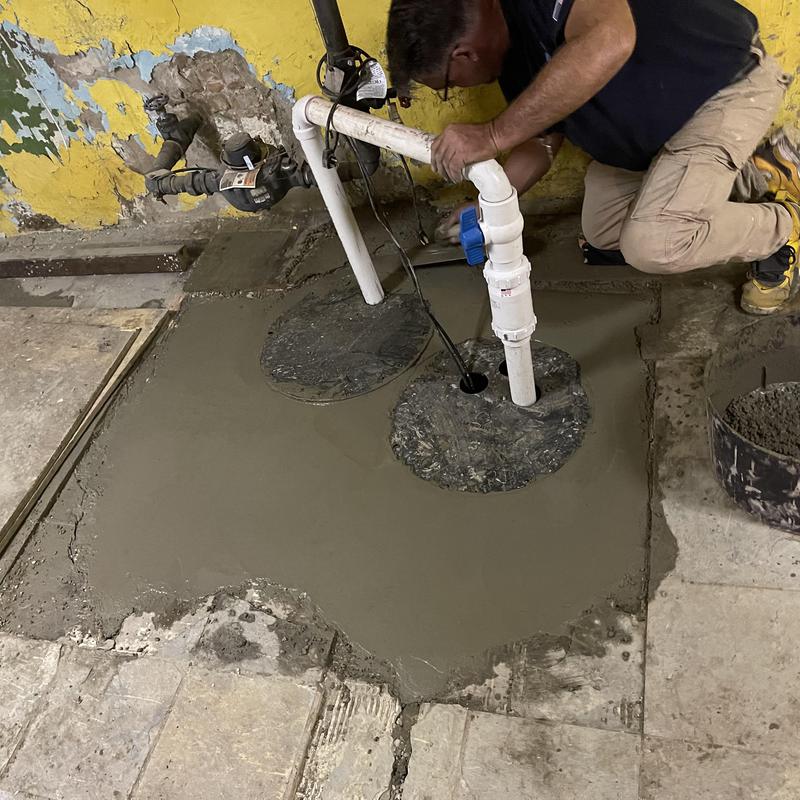
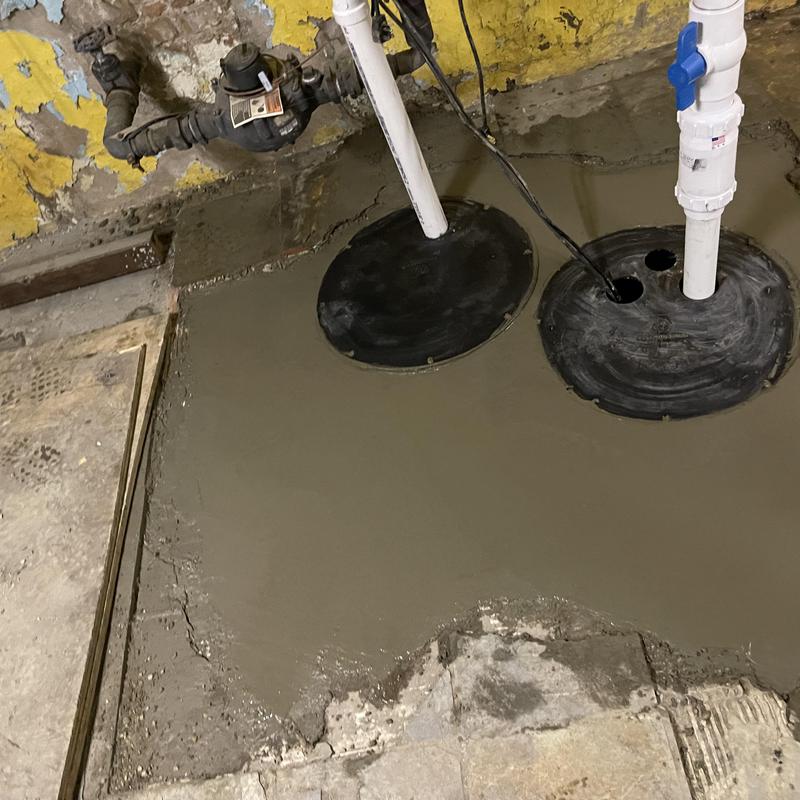
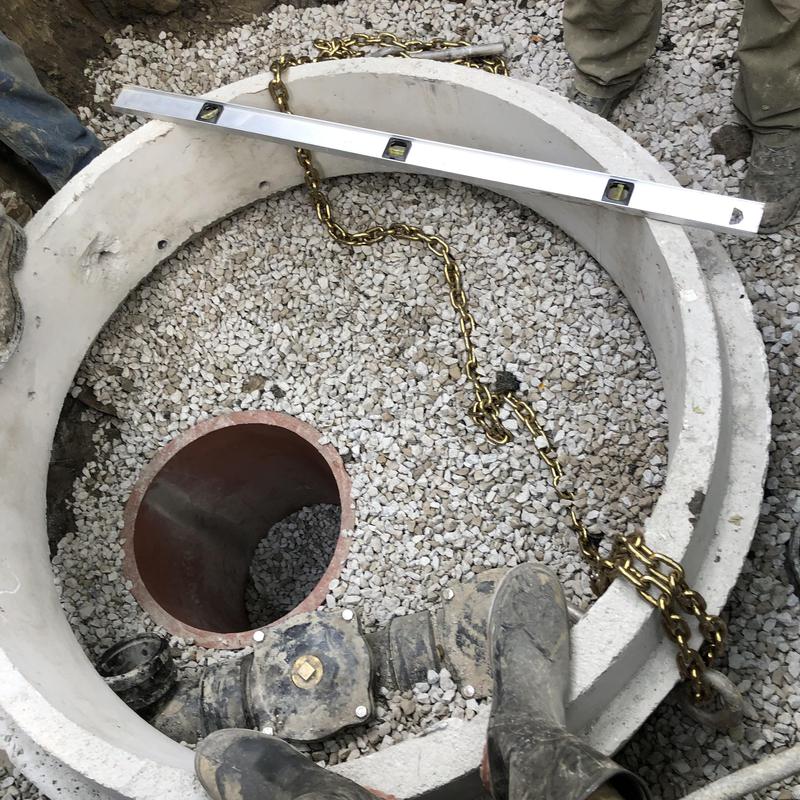
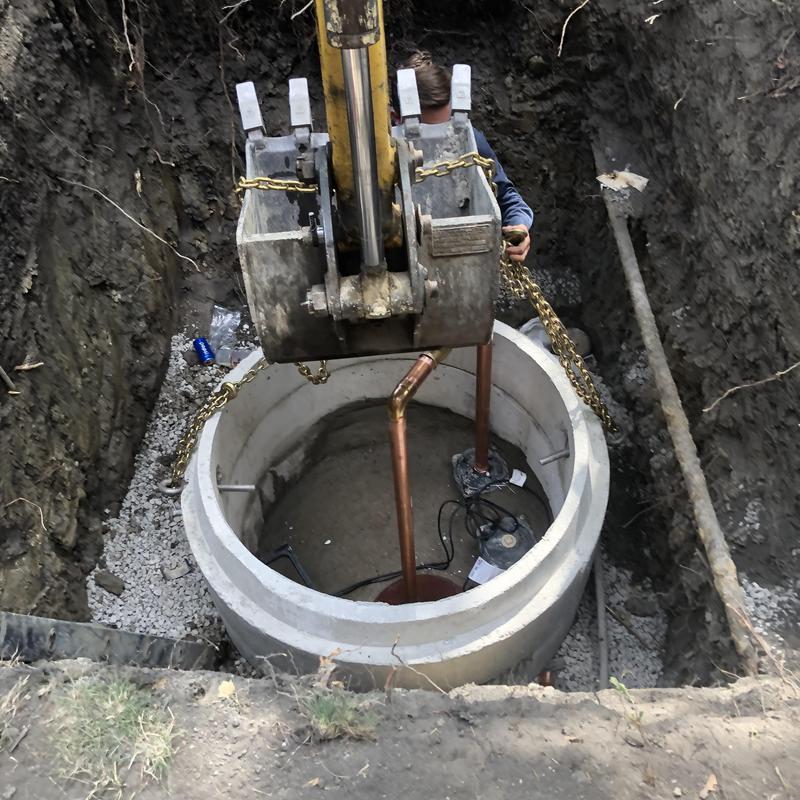
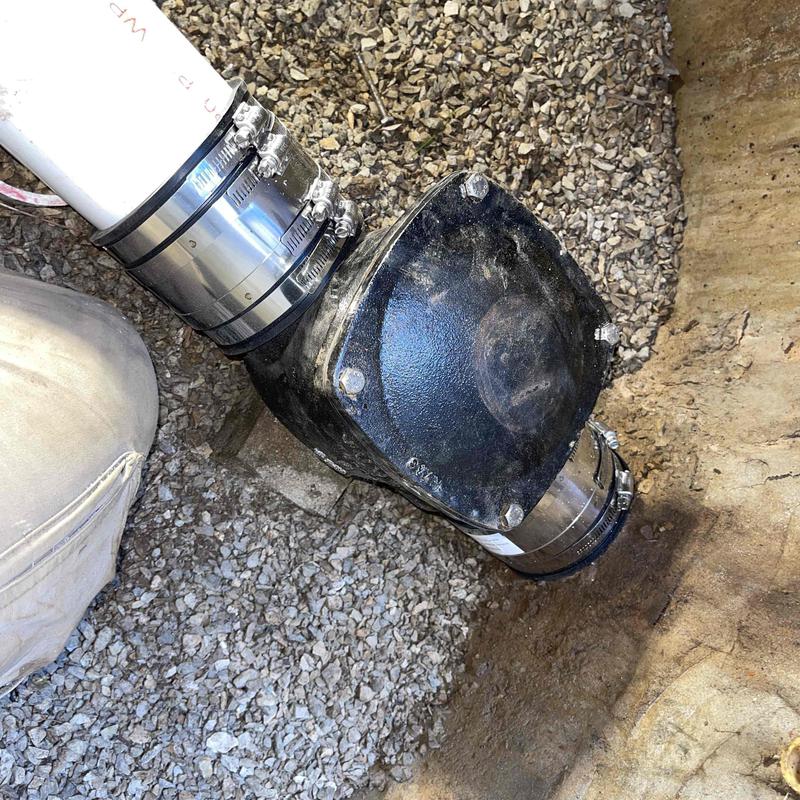
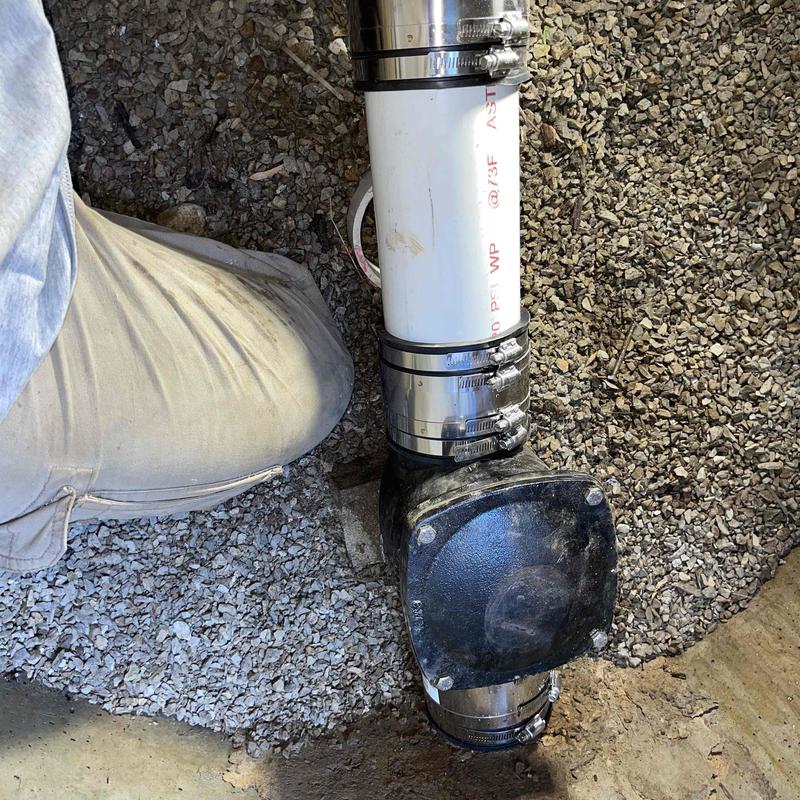
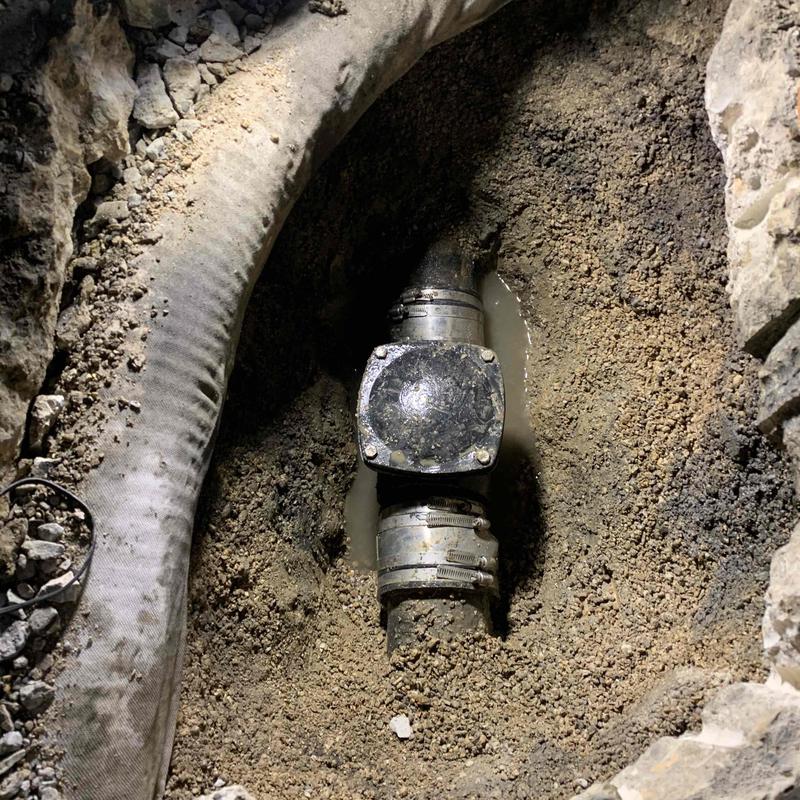
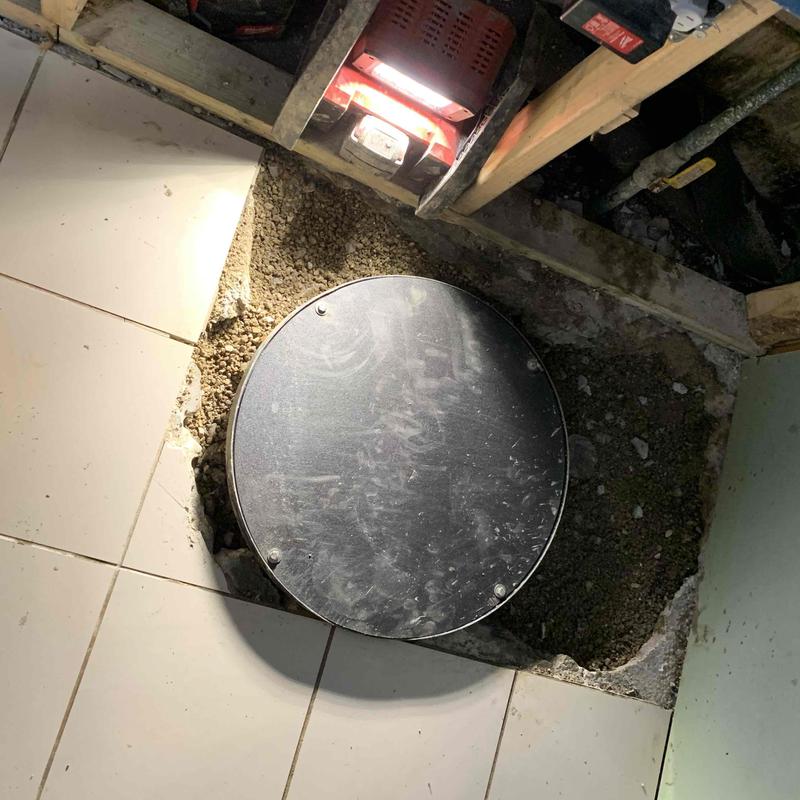
A typical installation may include a flood control vault containing a large backwater valve, along with an interior ejector pit and pump. The backwater valve helps prevent municipal sewer water from flowing backward into the protected plumbing. The pumping equipment handles wastewater discharge through the system's designed piping arrangement.
These components must work together. The installation depends on the property's existing sewer connection, basement plumbing, available space, and the specific flood control configuration required. An interior pump-out system is not simply a standard sump pump installation. Sump pumps remove groundwater, while ejector pumps move wastewater from below-grade plumbing.
Before recommending a flood control installation, our plumbers evaluate:
- The source and history of basement flooding or sewer backups.
- The property's existing sewer connection and drainage layout.
- The location of basement bathrooms, floor drains, and other plumbing fixtures.
- Whether an existing flood control vault, backwater valve, or pump pit can be used.
- The condition of existing pumps, valves, controls, and discharge piping.
- Whether the property needs groundwater management, sewer backup protection, or both.
- The space and access needed for installation, inspection, and future maintenance.
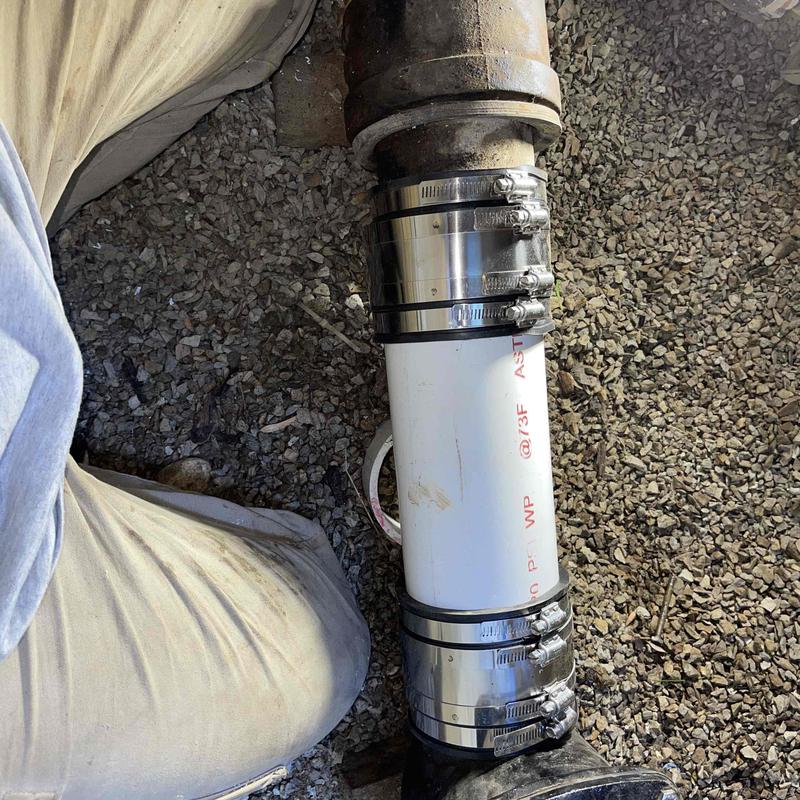
Suburban Plumbing Experts has completed flood control installations involving flood control vaults, large backwater valves, ejector pits, and pumping equipment throughout the Chicago area. We evaluate each property's plumbing configuration before recommending a system, because the right protection depends on how the building connects to the sewer and drainage systems.
Types of Flood Control Systems Used in Chicago
Different flood protection components serve different purposes. Knowing how they work helps property owners understand which improvements may be appropriate.
Sump Pumps for Groundwater Management
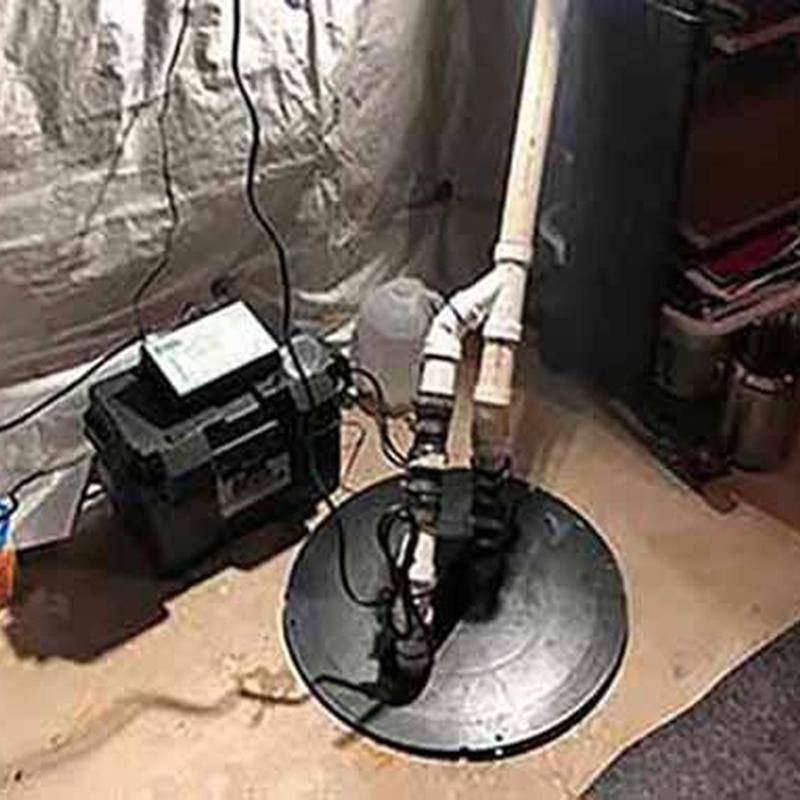
A sump pump collects groundwater in a sump basin and pumps it through a discharge line to an appropriate location away from the foundation. It is an important part of many basement drainage systems, especially properties with groundwater seepage or interior drain tile.
A sump pump can help manage groundwater, but it does not prevent sewage from backing up through a basement floor drain. It also cannot correct every foundation leak or surface drainage problem.
Pump capacity, float controls, the sump basin, check valve, discharge piping, and the amount of water entering the system all affect performance.
Suburban Plumbing Experts provides sump pump installation, repair, and replacement for residential and commercial properties.
Battery Backup Sump Pump Systems
A standard electric sump pump cannot operate during a power outage unless an alternative power source is available. This can become a serious concern when electrical interruptions occur during storms and groundwater continues entering the sump basin.
A battery backup sump pump provides a separate pumping option when the primary pump loses power or becomes unavailable, depending on the equipment and system configuration.
A complete backup arrangement may include a secondary pump, battery, charger, automatic controls, and discharge connections. Battery condition and backup capacity are important because a backup system must be maintained and suited to the property's drainage demands.
Learn more about our sump pump battery backup installation services.
Sewer Backwater Valves and Backflow Prevention
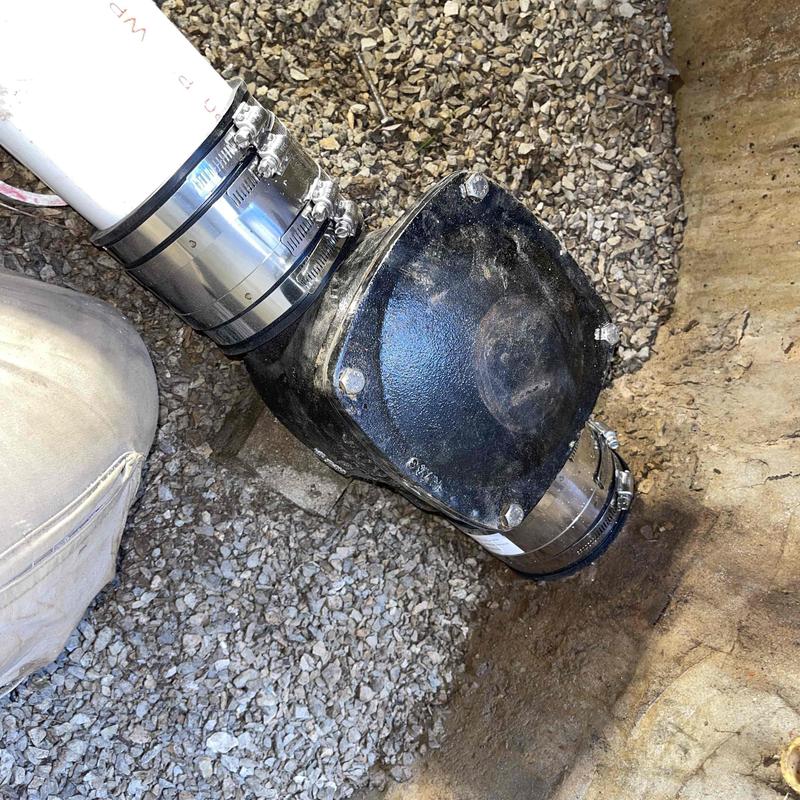
A sewer backwater valve is designed to help prevent wastewater from flowing backward through a protected sewer connection. Under normal conditions, wastewater flows toward the municipal sewer. When sewer water attempts to reverse direction, the valve closes to help protect the building from a sewage backup.
These systems can be especially important for properties with basement floor drains and lower-level plumbing fixtures that are vulnerable to sewer surcharge conditions.
There is an important limitation to understand: when a conventional backwater valve closes, it prevents wastewater from flowing backward into the protected plumbing, but it also temporarily prevents wastewater from draining out through that same connection. Occupants may need to limit or stop using connected plumbing fixtures until the sewer backup condition clears.
Interior pump-out flood control systems use additional pumping equipment and a different plumbing configuration. Depending on the system design, this arrangement can provide a different way to manage wastewater during sewer backup conditions. The vault, backwater valve, ejector pit, pump, and discharge piping must be configured to work together.
Installation location and plumbing configuration matter. A backwater valve must be selected and installed to protect the intended drainage connections while allowing normal wastewater flow under ordinary conditions.
An improperly operating valve, debris around the closure mechanism, or an existing sewer restriction can interfere with performance. Backwater valves also require access for inspection and maintenance.
For properties that need this type of protection, we provide sewer backflow prevention installation and repair.
Overhead Sewer Systems for Basement Backup Protection
An overhead sewer system changes how wastewater from below-grade plumbing fixtures reaches the building's sewer connection.
Instead of allowing basement fixtures to drain through a conventional below-grade arrangement, an overhead sewer system collects wastewater in a basin and uses an ejector pump to lift it into an elevated discharge line. From there, wastewater can flow by gravity toward the sewer connection.
This configuration can reduce the risk of sewage backing into basement fixtures when municipal sewer levels rise. It is a particularly important option for older Chicago homes with basement bathrooms, laundry areas, and finished lower-level living spaces.
An overhead sewer conversion involves more than installing a pump. The basin, ejector pump, controls, check valve, discharge piping, and connections must be configured to work together.
Because basement wastewater depends on the ejector pump, the pump requires electricity to operate. During a power outage, basement fixtures connected to the overhead sewer system should not be used until pumping is restored. Plumbing fixtures on upper floors that drain by gravity can continue operating when their drainage connections are separate from the pumped basement system.
For properties with recurring sewer backup problems, overhead sewer installation and conversion may provide a more comprehensive long-term improvement.
Ejector Pumps for Below-Grade Plumbing
An ejector pump handles wastewater from plumbing fixtures located below the level of the building's sewer connection. Basement bathrooms, laundry areas, and other lower-level fixtures may need this equipment because wastewater cannot travel uphill by gravity.
An ejector pump is different from a sump pump. The sump pump removes groundwater, while the ejector pump moves wastewater from plumbing fixtures into the building's drainage system.
Ejector pumps are also important components of many overhead sewer arrangements. Their capacity, basin configuration, float controls, check valve, and discharge piping must suit the plumbing system they serve.
A failed ejector pump can result in wastewater accumulating in the basin or backing up through lower-level fixtures. Our ejector pump installation, repair, and replacement services address these equipment and drainage problems.
French Drains and Foundation Drainage
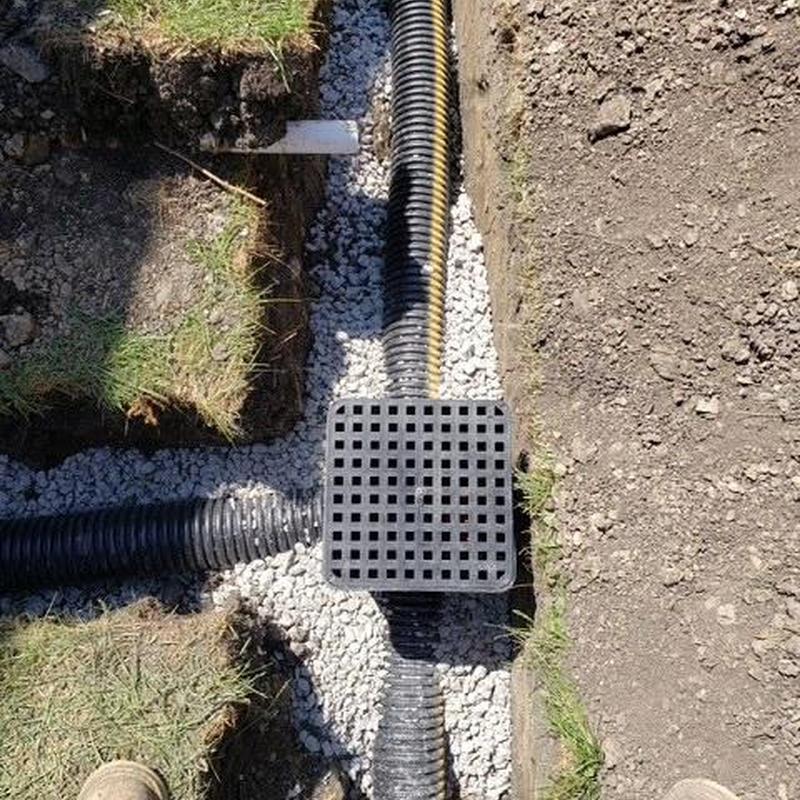
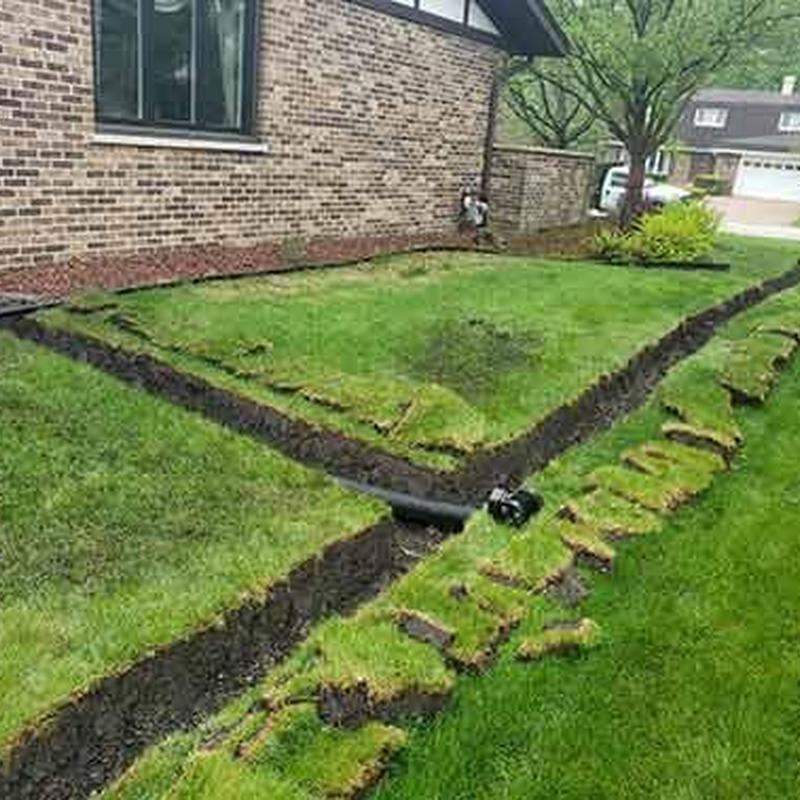
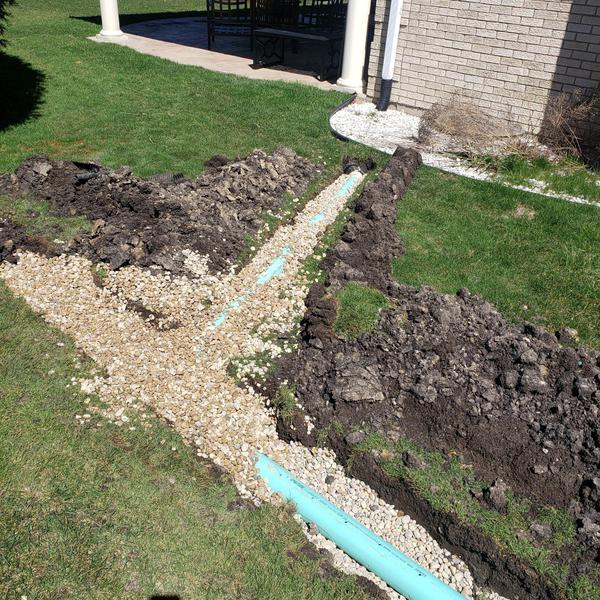
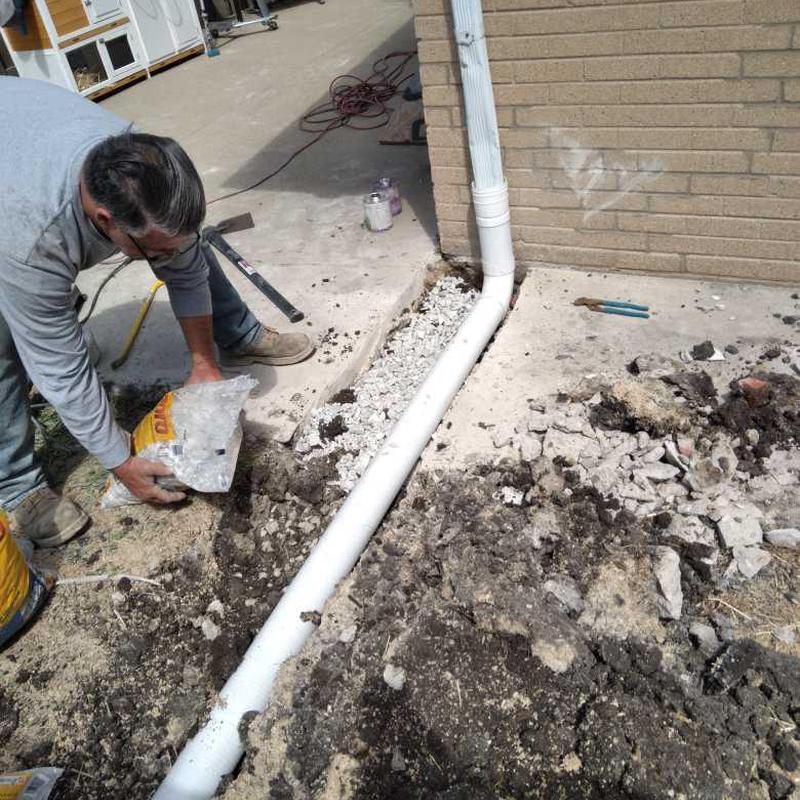
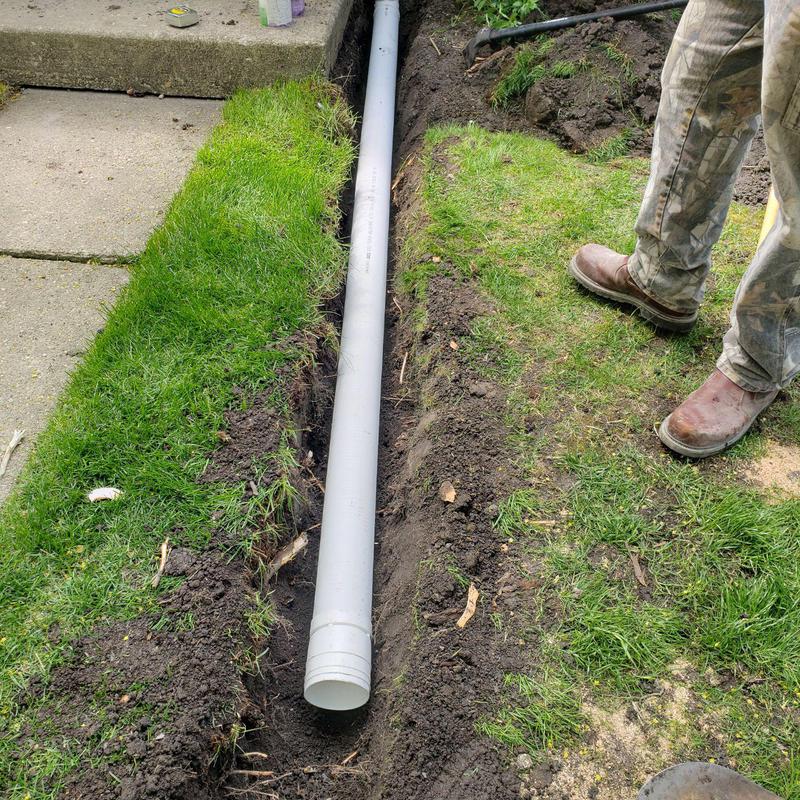
French drains and drain tile systems manage groundwater by collecting it through perforated drainage piping and directing it toward an appropriate discharge point.
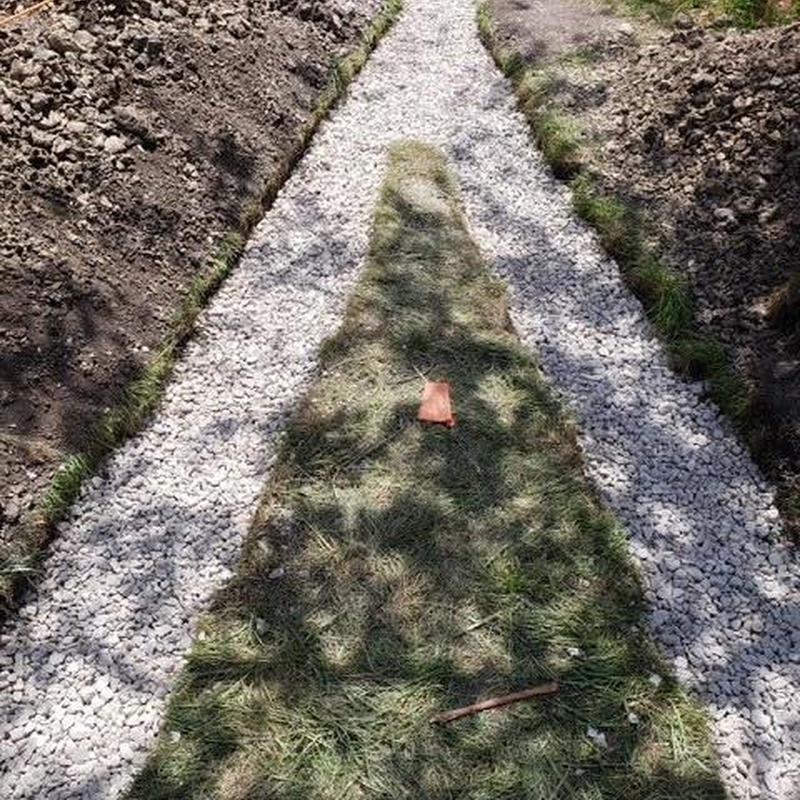
Interior drain tile is commonly installed along basement perimeter areas where groundwater enters near the foundation walls or floor joints. Exterior drainage systems can collect subsurface water before it reaches the foundation.
A properly configured system may use drainage stone, perforated pipe, filter materials, and a connection to a sump basin or other suitable discharge arrangement.
French drains address groundwater and drainage conditions. They do not stop sewage from backing up through a home's sewer line, and they are not automatically the right solution for every standing-water problem.
Our French drain and drain tile installation services can help address recurring groundwater and foundation drainage concerns.
Flood Control System Repair, Replacement and Upgrades
Installing flood protection equipment is only part of maintaining a reliable system. Existing pumps, valves, controls, basins, and discharge piping can deteriorate or develop operating problems over time.
A system that worked properly when first installed may no longer provide the performance the property needs if equipment has failed, drainage conditions have changed, or important components have been neglected.
Common warning signs include:
- A sump pump that does not activate when water enters the basin.
- Pumps that run continuously or cycle unusually often.
- Water remaining in a basin after the pump operates.
- A battery backup that fails to activate or hold a charge.
- An ejector pump that makes unusual noises or cannot remove wastewater.
- A backwater valve that does not open or close correctly.
- Repeated basement flooding despite previous plumbing improvements.
- Discharge piping that is restricted, damaged, or improperly configured.
The correct repair depends on the condition of the existing equipment and the cause of the problem. Sometimes an individual component can be repaired. Other situations require pump replacement, valve replacement, discharge modifications, or a more extensive flood control upgrade.
Suburban Plumbing Experts evaluates existing systems and explains the available repair and replacement options before approved work begins.
Residential Flood Control Systems for Chicago Homes
Residential flood control requirements vary considerably from one property to another. An older Chicago bungalow with basement plumbing may have different needs from a newer suburban home with an existing sump basin and perimeter drainage system.
Finished basements, basement bathrooms, laundry rooms, older sewer connections, and previous flooding problems all affect which improvements may be appropriate.
For example, a home experiencing groundwater seepage may benefit from sump pump and drain tile improvements. A property experiencing sewage backups through basement fixtures may need backwater protection or an overhead sewer conversion. Homes exposed to both groundwater and sewer backup risks may require more than one type of protection.
The goal is to identify the actual risks and select equipment that addresses them without installing unnecessary components.
If your basement has flooded repeatedly or you are unsure why water keeps entering, our basement flooding services can help identify the plumbing and drainage issues that need attention.
Commercial Flood Control Systems and Pumping Equipment
Commercial properties can have more complicated flood control requirements than a typical single-family home. Restaurants, multi-unit buildings, office properties, industrial facilities, and other commercial spaces may have below-grade plumbing, mechanical rooms, storage areas, or drainage systems that need dependable pumping and backup protection.
The consequences of a system failure can extend beyond a wet floor. Water intrusion can interrupt building operations, affect equipment, damage stored materials, and make lower-level areas unavailable.
Commercial flood control evaluations may need to consider:
- The building's existing sewer and drainage configuration.
- Groundwater conditions around below-grade areas.
- The number and location of below-grade plumbing fixtures.
- Pumping capacity and the demands placed on the equipment.
- Backup power and secondary pumping requirements.
- Access for inspection, service, and future replacement.
- The potential effects of equipment failure on building operations.
A commercial property may require sump pump systems, sewage ejector equipment, overhead sewer modifications, backwater protection, or drainage improvements depending on its layout and operating needs.
Suburban Plumbing Experts works with commercial and industrial properties throughout the Chicago area, providing plumbing evaluations and flood control installation and repair based on the building's requirements.
Choosing the Right Flood Control System in Chicago
The most important decision is not which pump or valve has the most features. It is whether the proposed system addresses the source of the water and the way the property is connected to its drainage and sewer systems.
Consider these differences:
- Sewage coming through a basement floor drain: Investigate sewer backup conditions and whether backwater protection or an overhead sewer is appropriate.
- Groundwater collecting in a sump basin: Evaluate the sump pump, basin, controls, and discharge arrangement.
- Water seeping through basement walls or floor joints: Investigate foundation drainage and whether interior or exterior drain tile may help.
- A basement bathroom backing up: Evaluate the ejector pump and connected drainage system.
- Water appearing during a power outage: Check the primary sump pump arrangement and whether battery backup equipment is appropriate.
- Repeated flooding from more than one source: Evaluate the plumbing, sewer, and drainage systems together rather than assuming one installation will address every problem.
No flood control system can guarantee that a property will never flood. The purpose of a properly selected installation is to reduce specific risks and improve the property's ability to manage the conditions it faces.
Flood Control Installation and Service Throughout Chicago and the Suburbs
Suburban Plumbing Experts provides flood control system installation, repair, and replacement throughout Chicago and surrounding Chicagoland communities. We work with homeowners, property managers, businesses, and commercial facilities dealing with basement flooding, sewer backup concerns, groundwater problems, and drainage issues.
Our team is based in Brookfield and serves Chicago and communities throughout the western and southwestern suburbs, with service availability depending on the property and work required.
Whether you are planning a new flood control installation, replacing aging pumping equipment, or trying to understand why your basement continues to flood, we can evaluate the existing conditions and explain the available options.
Suburban Plumbing Experts is family-owned and has served the area since 1978. Our licensed and insured plumbers provide written pricing before approved work begins, and we do not charge overtime fees.
Call 708-801-6530 to discuss flood control installation, repair, or replacement for your property.
Flood Control Systems FAQs
What is the best flood control system for a Chicago home?
There is no single system that works for every property. A home experiencing sewer backups may need a backwater valve or overhead sewer system, while a home with groundwater seepage may need a sump pump and foundation drainage improvements. The right solution depends on where water enters, the existing plumbing configuration, and the property's drainage conditions.
How do flood control systems work during heavy rainfall?
Flood control systems address different problems that can develop during storms. Sump pumps remove collected groundwater, battery backups provide an additional pumping option during certain power interruptions, and backwater valves help prevent wastewater from flowing backward through protected sewer connections. Overhead sewer systems change how basement wastewater is discharged. The appropriate equipment depends on the property's specific flood risks.
Does a sump pump prevent sewer backups?
No. A conventional sump pump removes groundwater collected in a sump basin. It does not stop municipal sewer water from backing up through basement floor drains, toilets, or other plumbing fixtures. Sewer backup protection requires a different approach, such as a properly selected backwater valve or overhead sewer system.
What is the difference between a backwater valve and an overhead sewer?
A backwater valve closes against reverse wastewater flow through a protected sewer connection. An overhead sewer system changes the basement drainage arrangement by collecting wastewater from below-grade fixtures and pumping it into an elevated discharge line. Both can help reduce sewer backup risks, but they work differently and are suited to different plumbing configurations.
How does an interior pump-out flood control system work in Illinois?
An interior pump-out system uses an indoor basin and pumping equipment as part of a property's flood control arrangement. The exact configuration depends on whether the system is managing groundwater or wastewater and how the building's plumbing is connected. It is important to identify the system's purpose before selecting or replacing its equipment.
Should I install a battery backup for my sump pump?
A battery backup is worth considering when a power outage or primary pump failure could leave your basement vulnerable to groundwater accumulation. The appropriate system depends on the primary pump, sump basin, battery capacity, expected pumping demands, and discharge arrangement. A battery backup does not replace sewer backflow protection.
How do I know if my flood control system needs repair or replacement?
Warning signs include pumps that fail to start, continuous operation, unusual noises, water remaining in a basin, malfunctioning backup equipment, or a backwater valve that does not operate properly. Repeated flooding despite an existing system also deserves investigation. An evaluation can help determine whether an individual component can be repaired or whether a larger upgrade is necessary.
Do you install flood control systems for commercial properties?
Yes. Suburban Plumbing Experts provides flood control and related plumbing services for commercial and industrial properties. The appropriate equipment depends on the building's drainage configuration, below-grade plumbing, pumping requirements, and the risks associated with equipment failure.
Can one flood control system protect against every type of basement flooding?
No. Sewer backups, groundwater seepage, surface runoff, plumbing leaks, and pump failures have different causes. A backwater valve does not remove groundwater, and a sump pump does not stop sewage from reversing through a sewer line. Some properties need multiple systems working together to address separate flooding risks.
Need Flood Control System Installation or Repair in Chicago?
Don't spend money replacing equipment until you know what is causing the flooding. Suburban Plumbing Experts can evaluate your property's plumbing and drainage conditions, explain which flood control improvements may be appropriate, and provide written pricing before approved work begins.
Call 708-801-6530 to schedule flood control service for your Chicago-area home or business.
For an active sewer backup or urgent plumbing emergency, call 708-518-7765.
Flood Control System Installation Across Chicago and the Suburbs
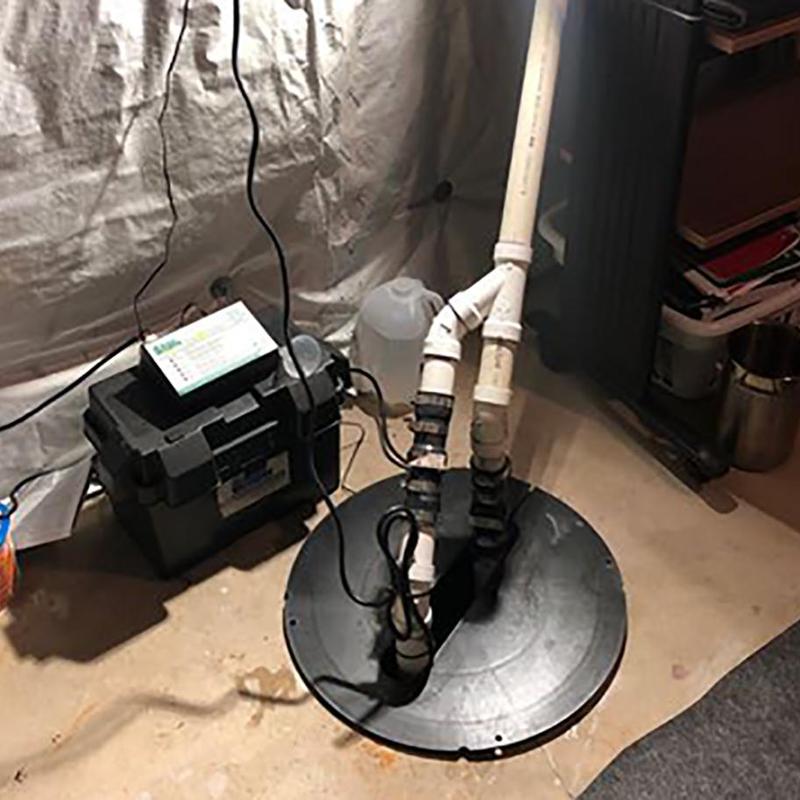
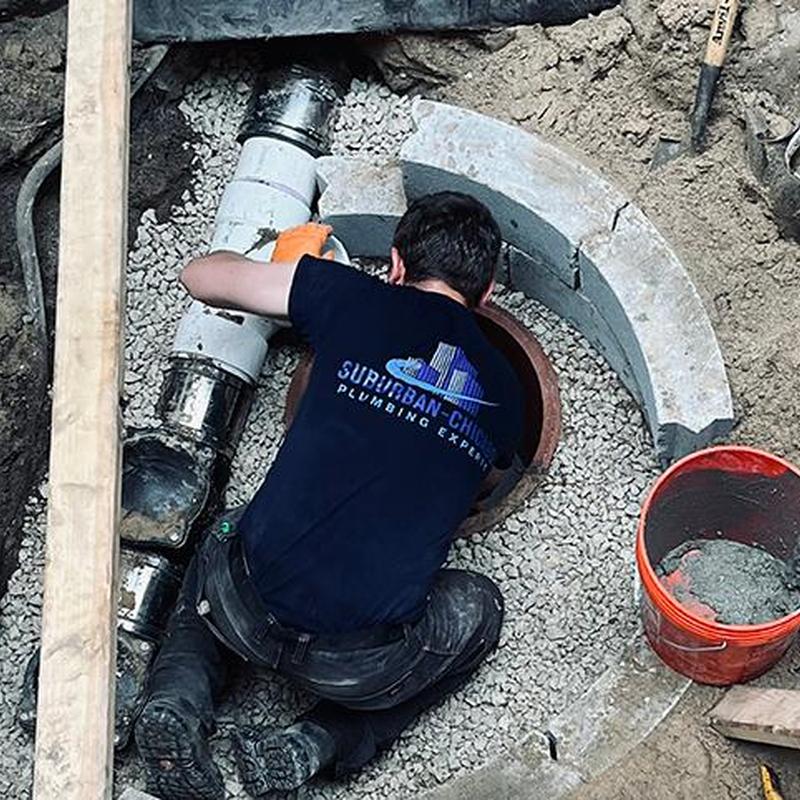
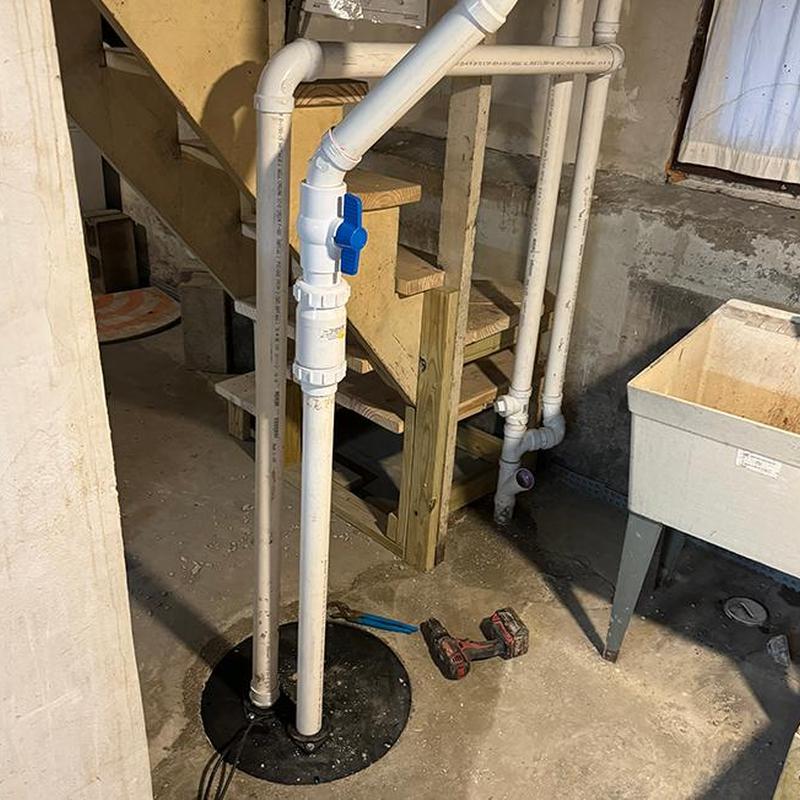
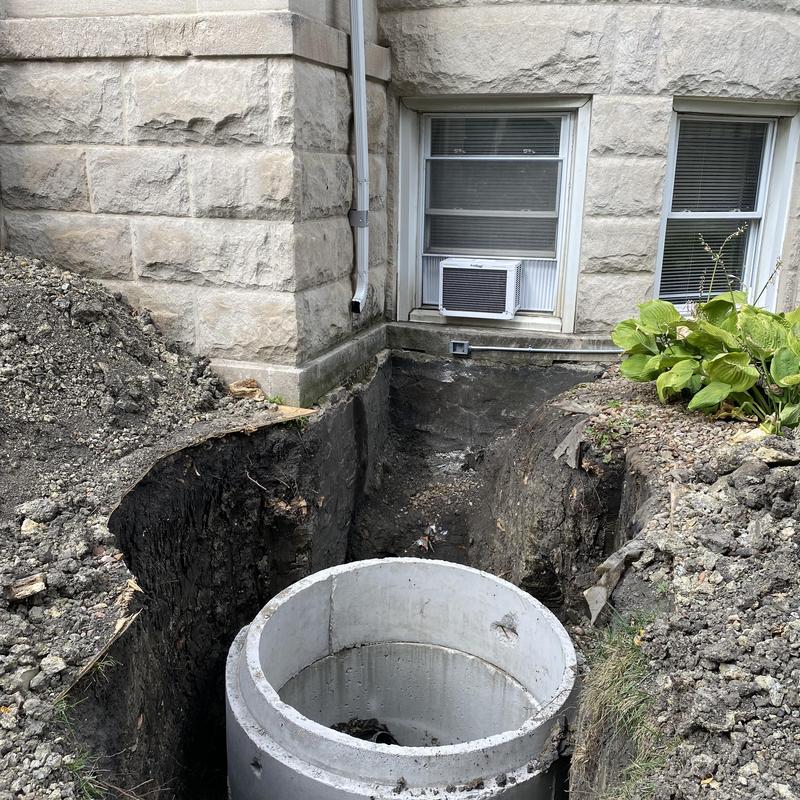
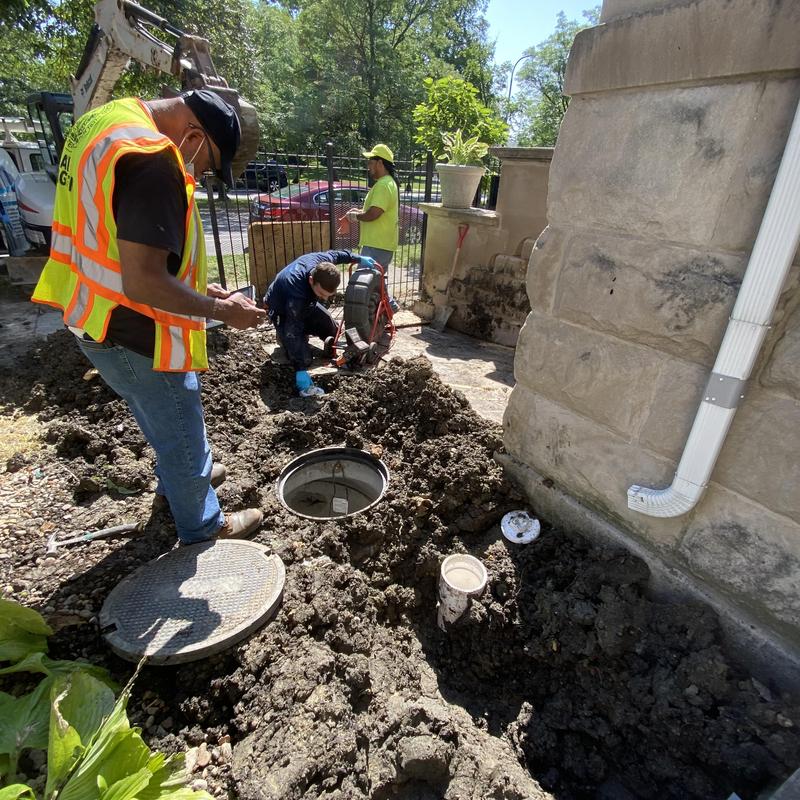
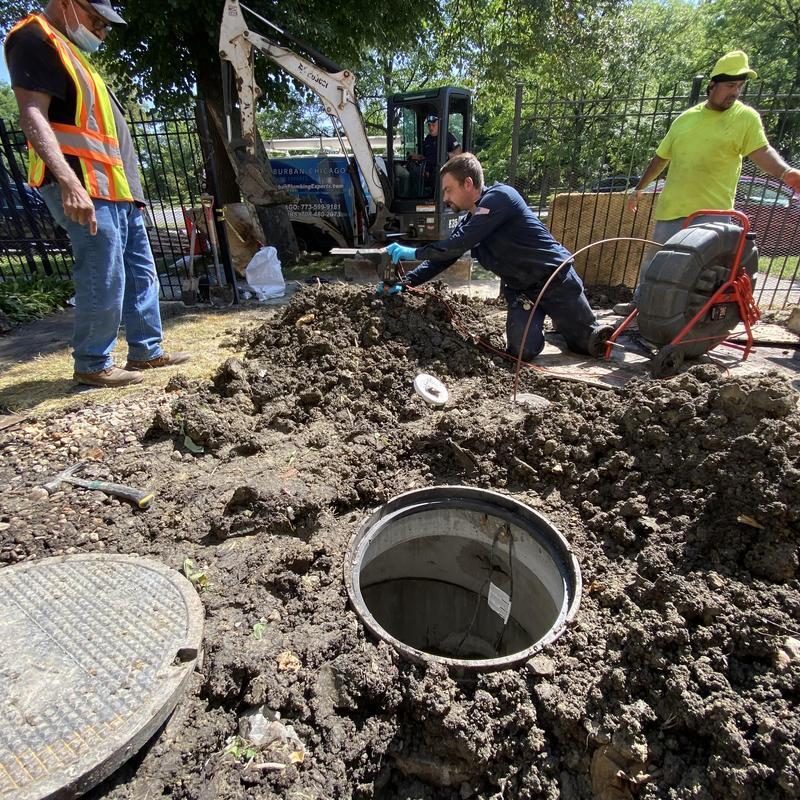
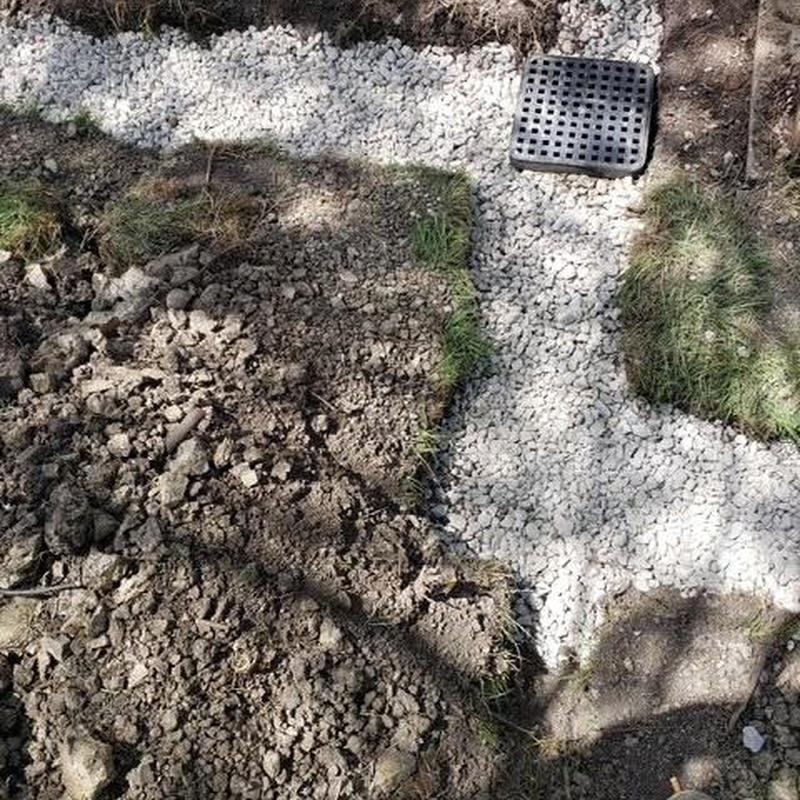
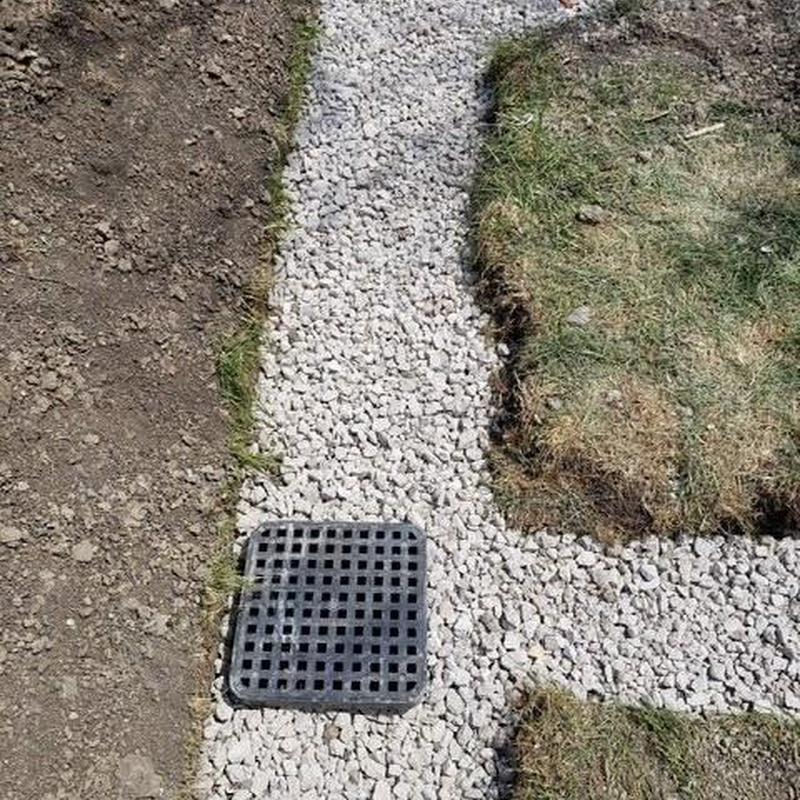
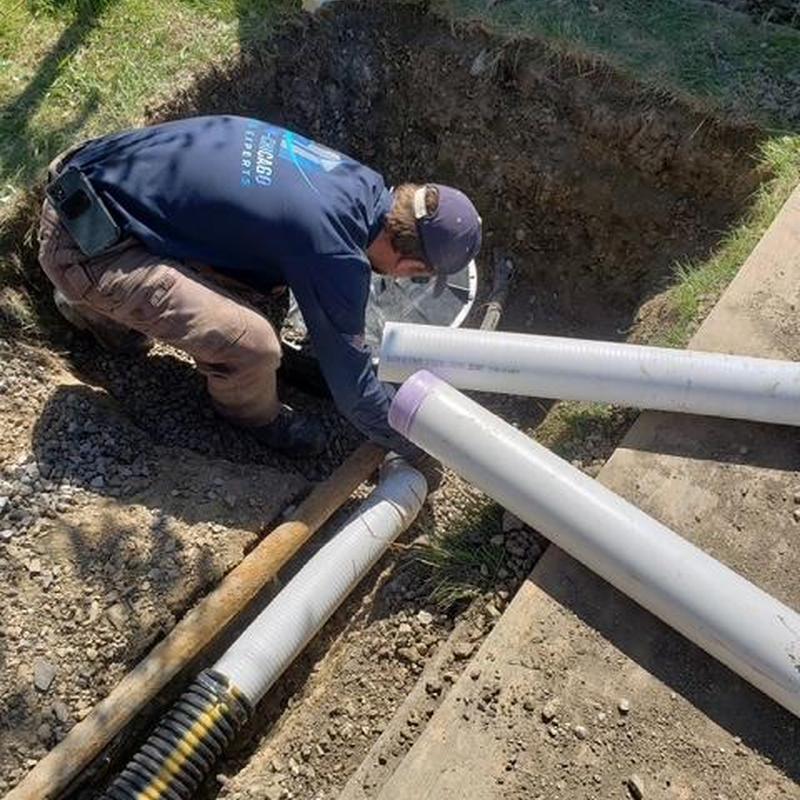
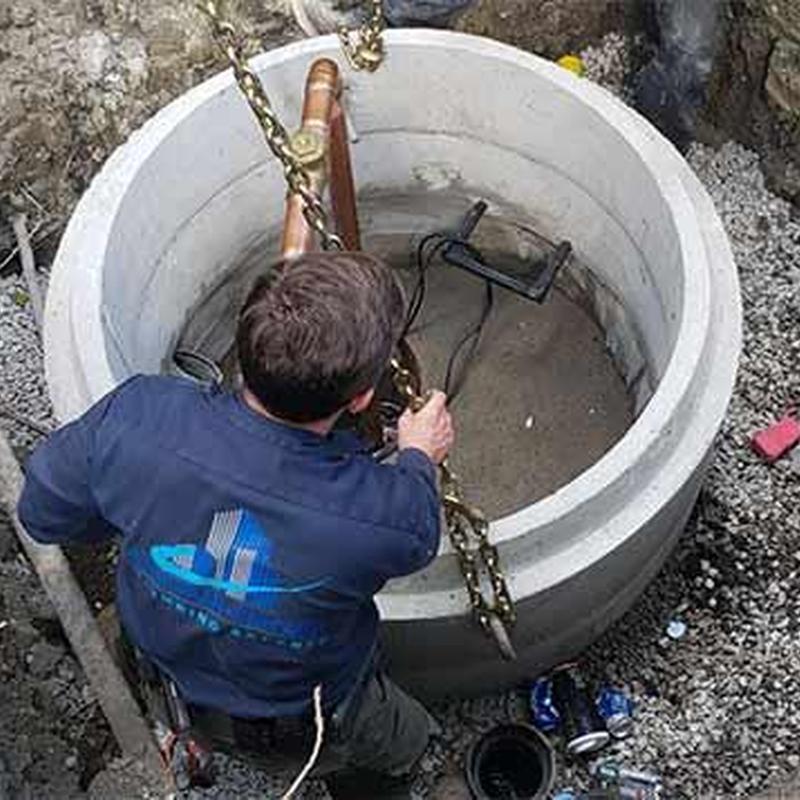
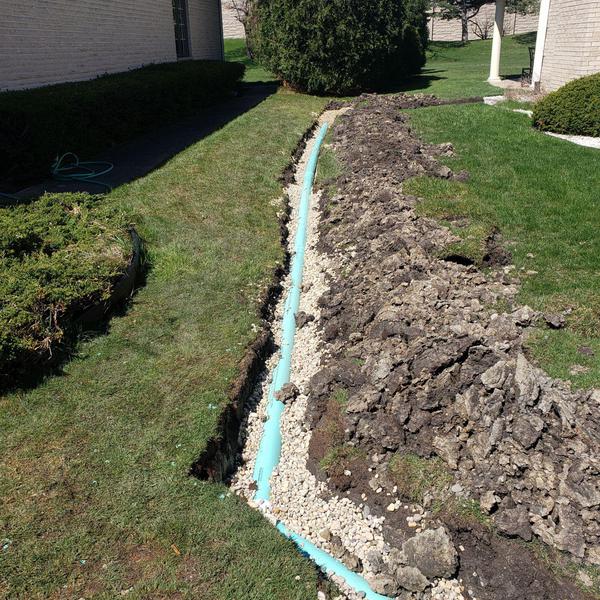
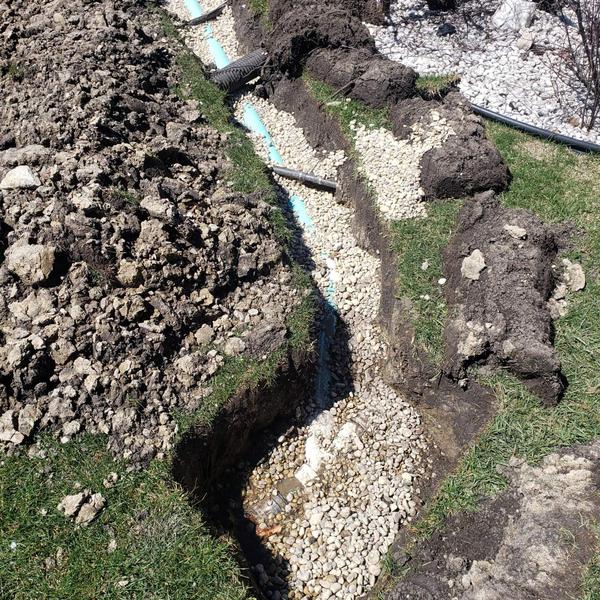
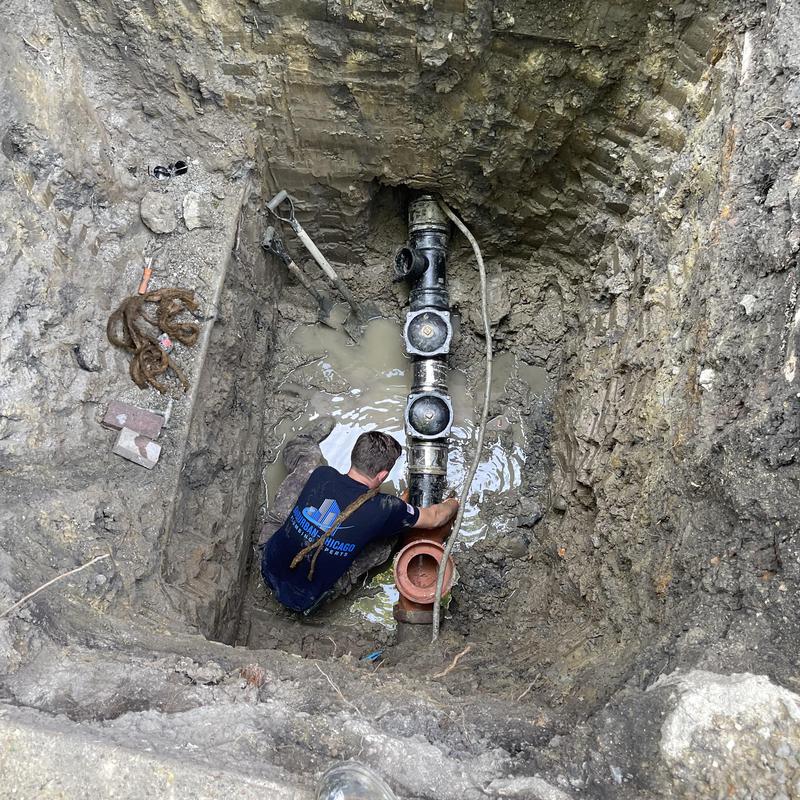
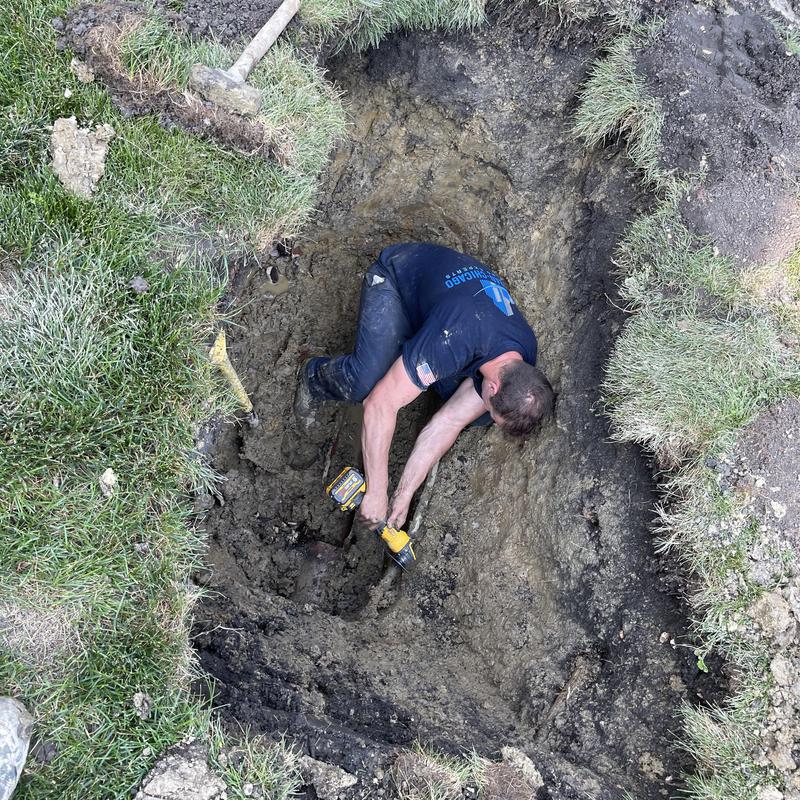
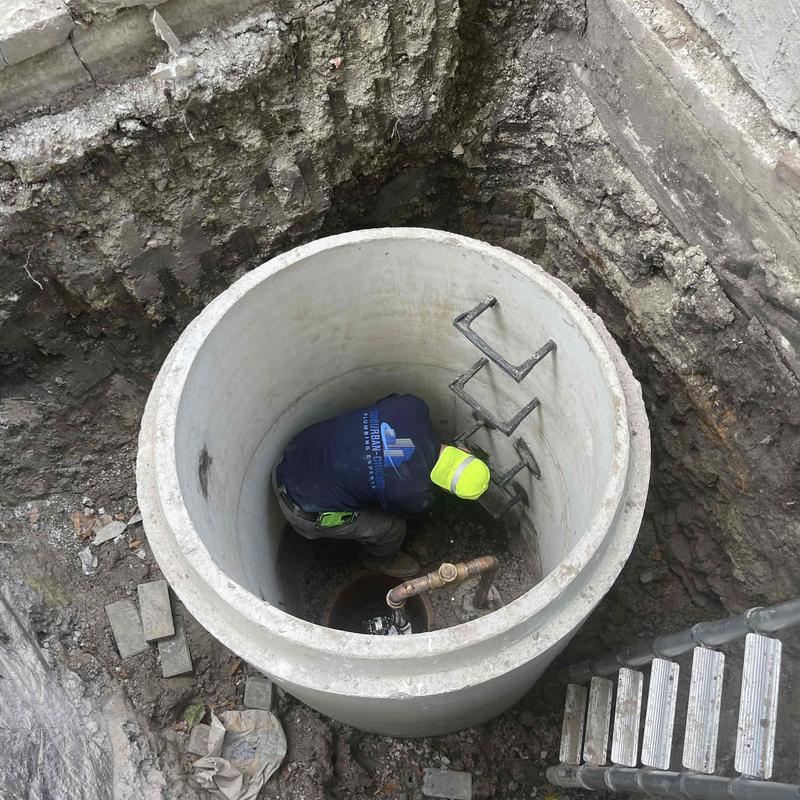
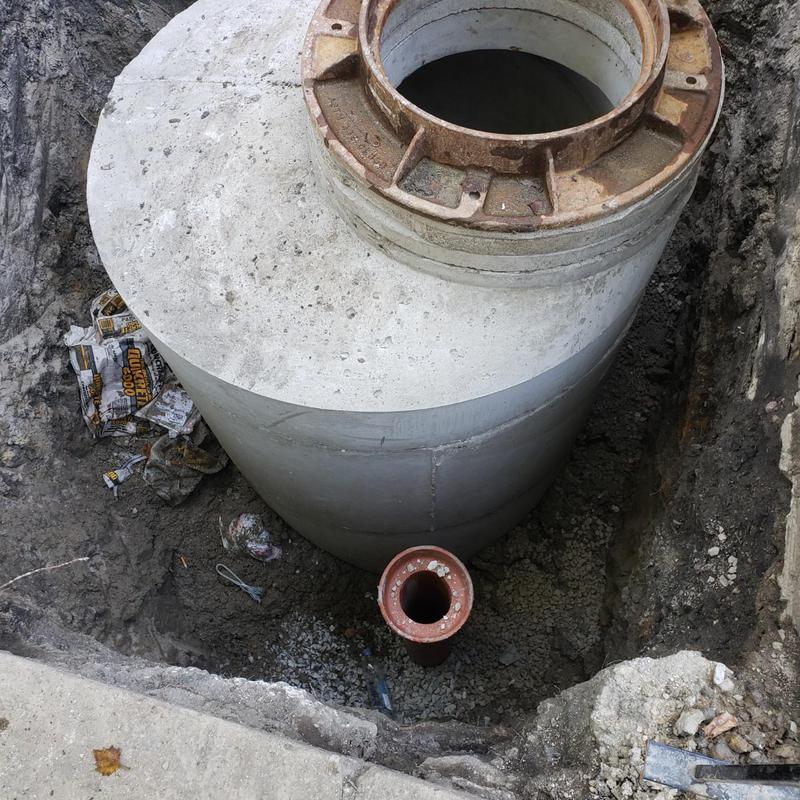
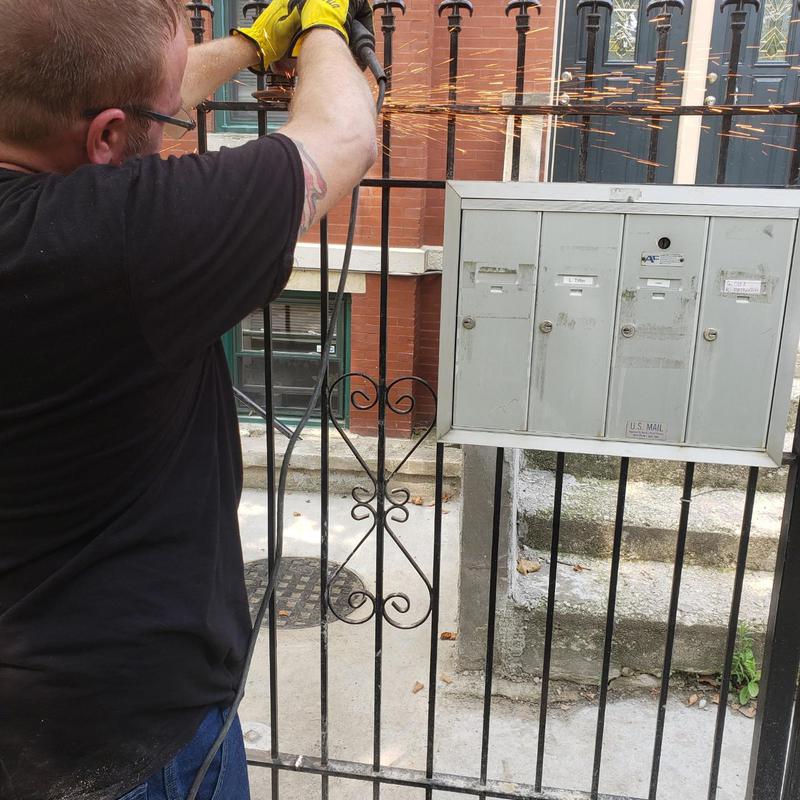
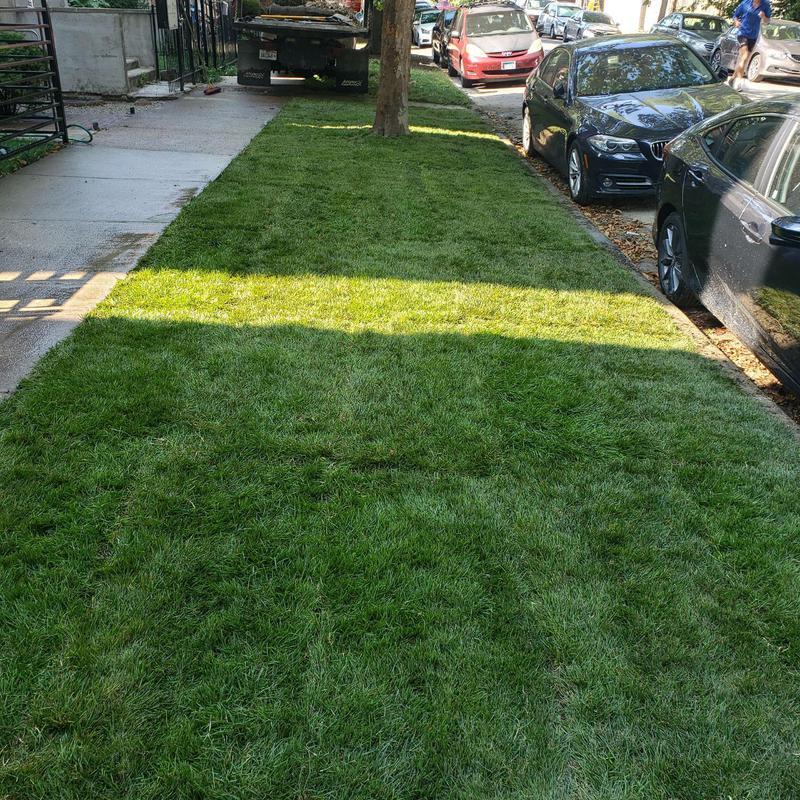
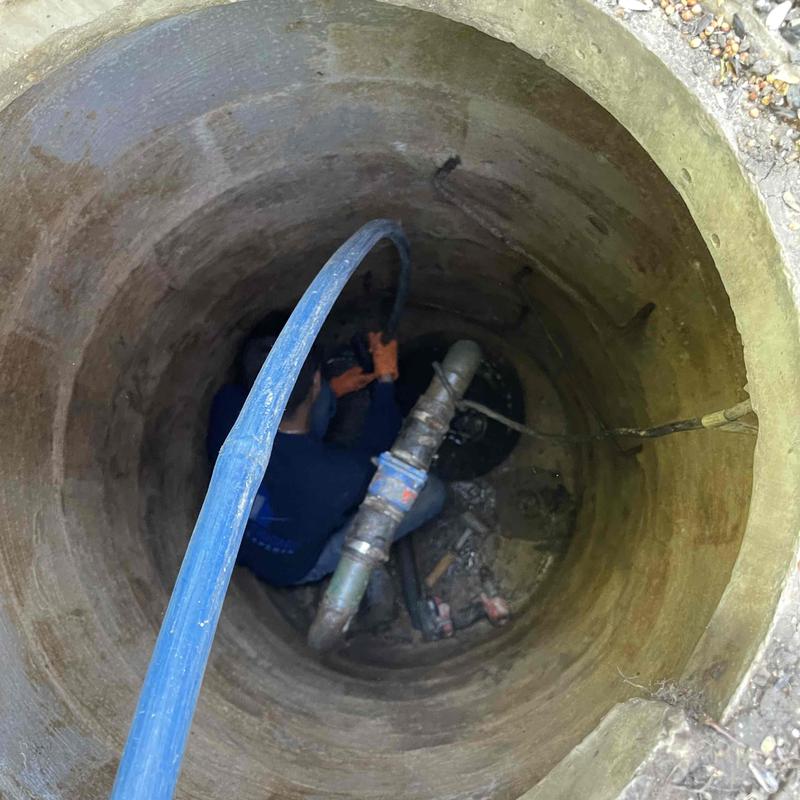
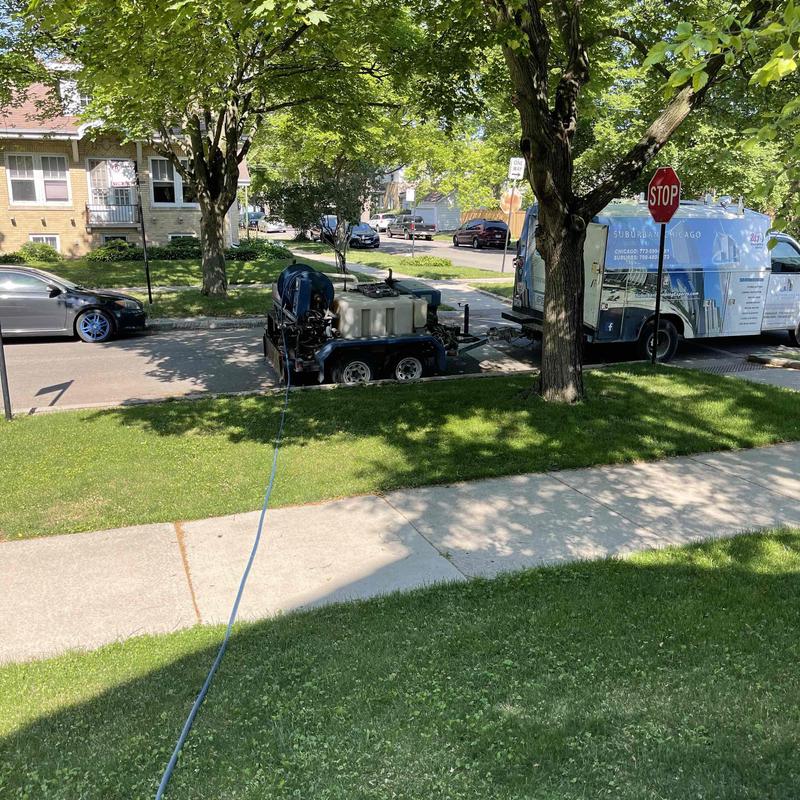
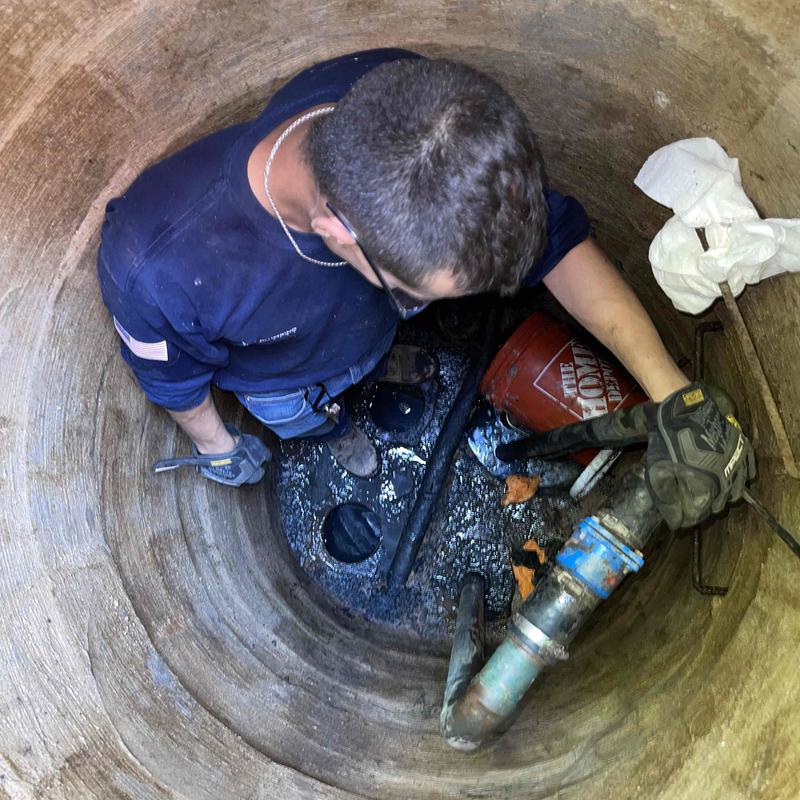
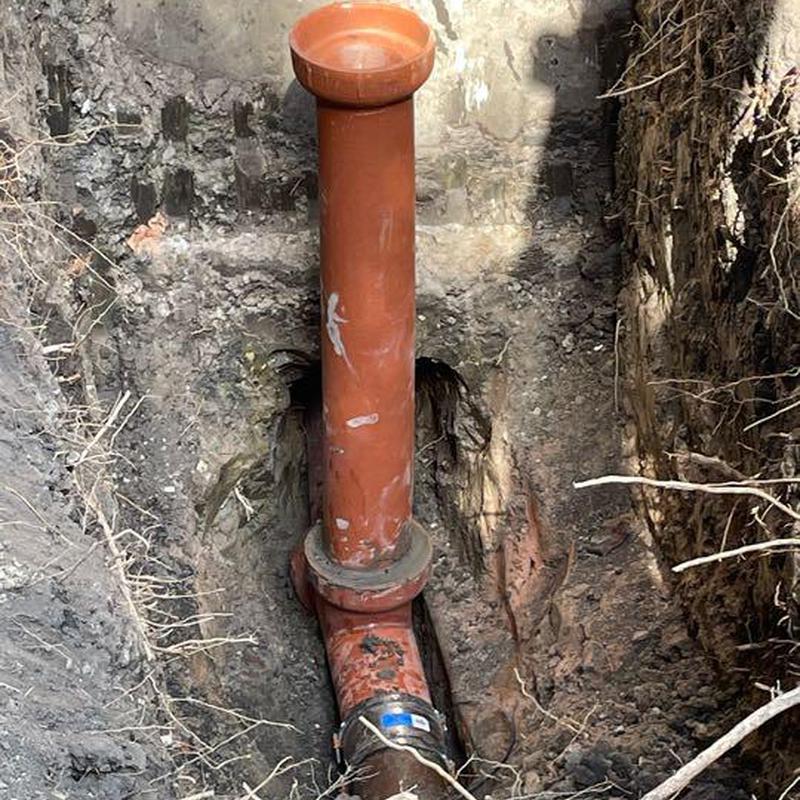
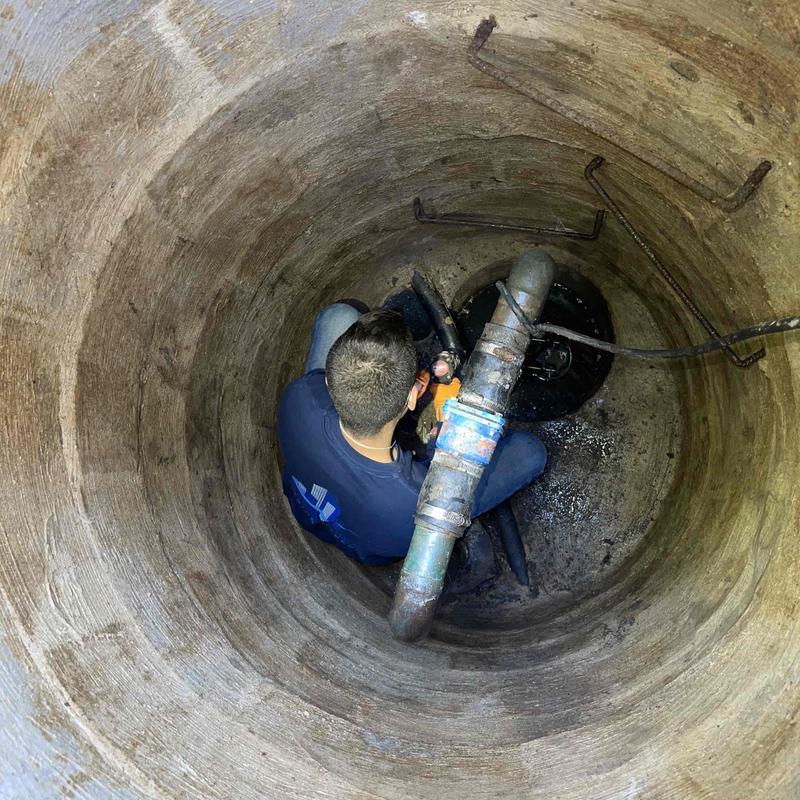
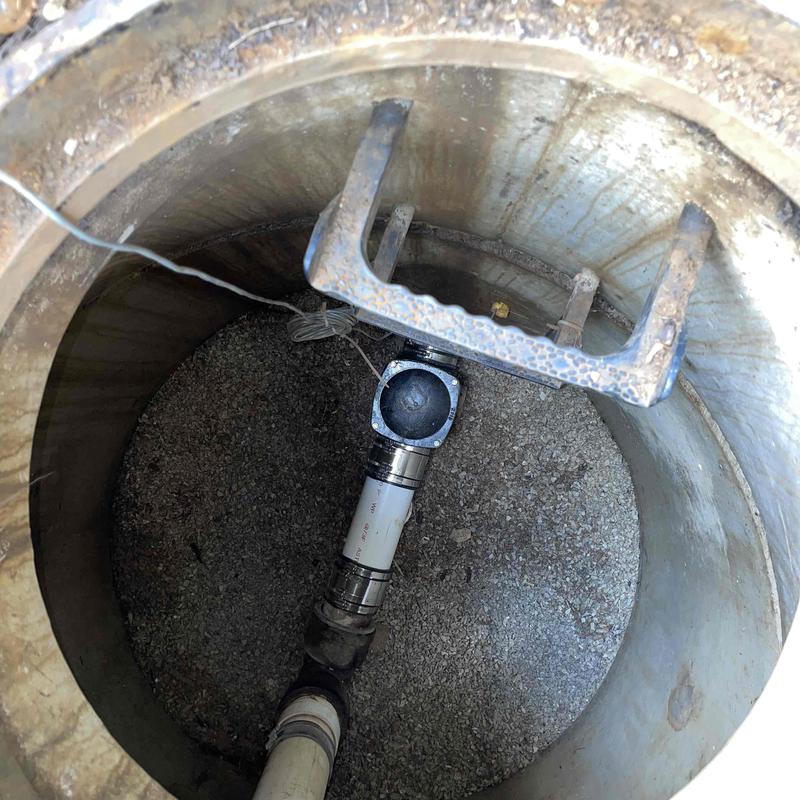
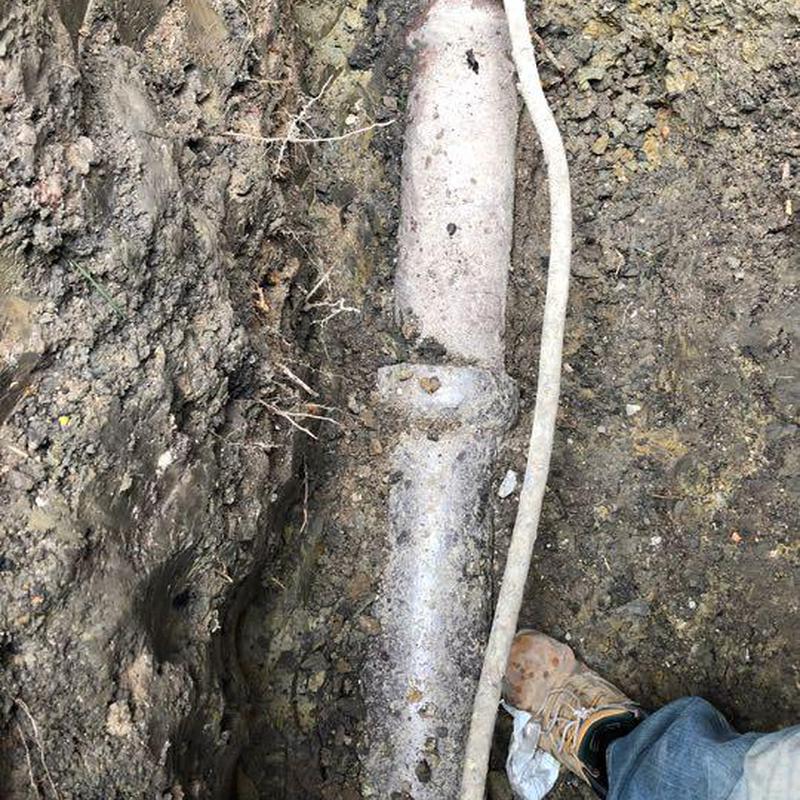
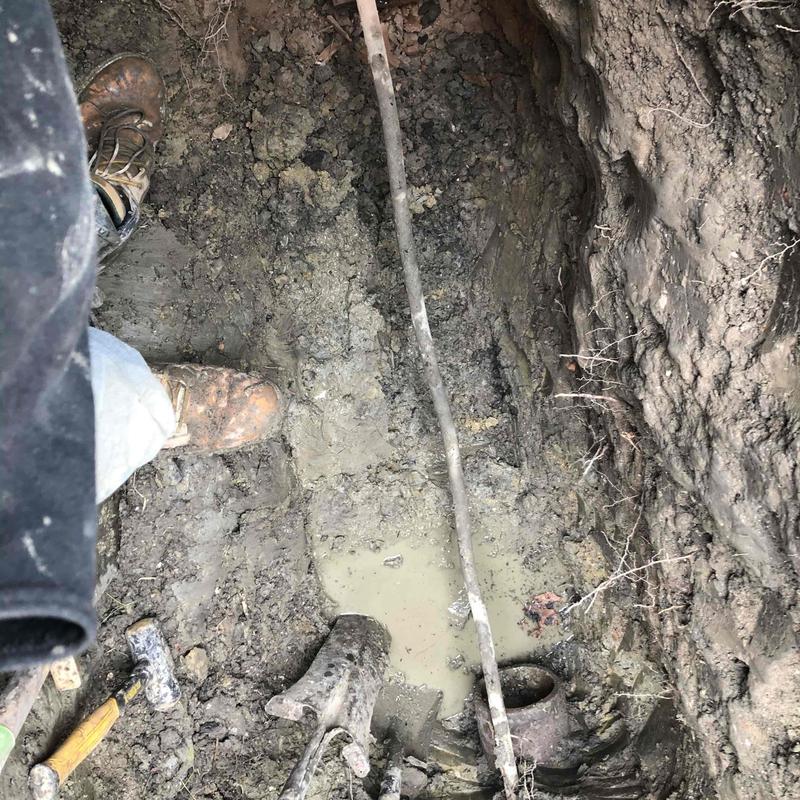
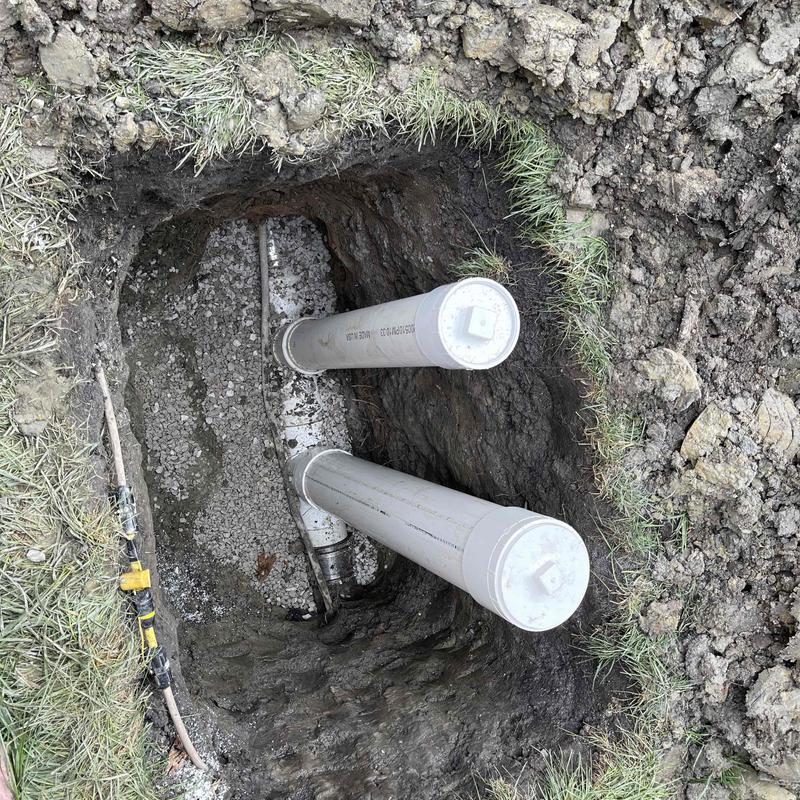
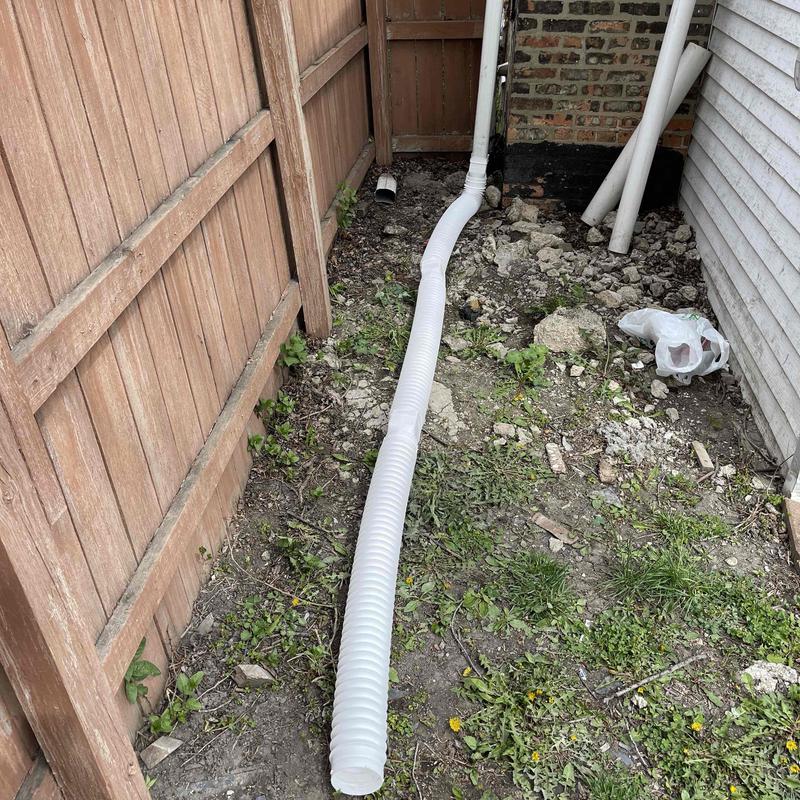
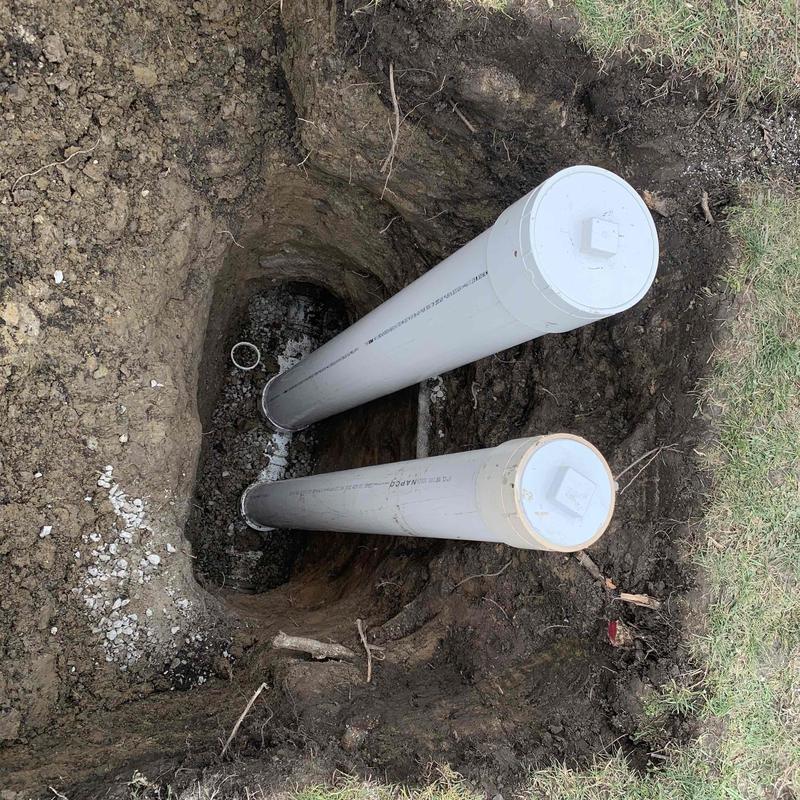
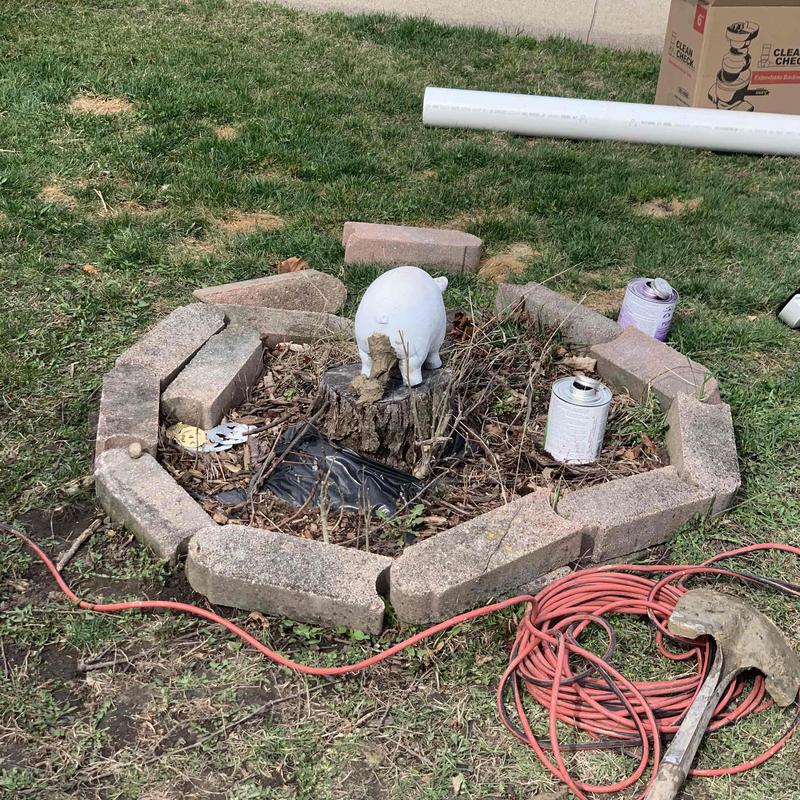
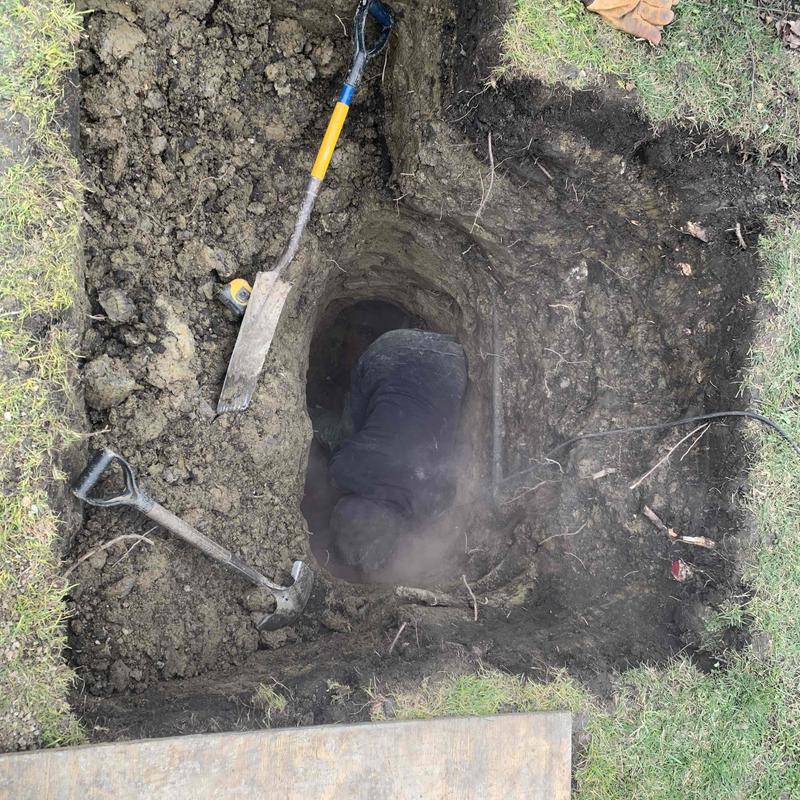
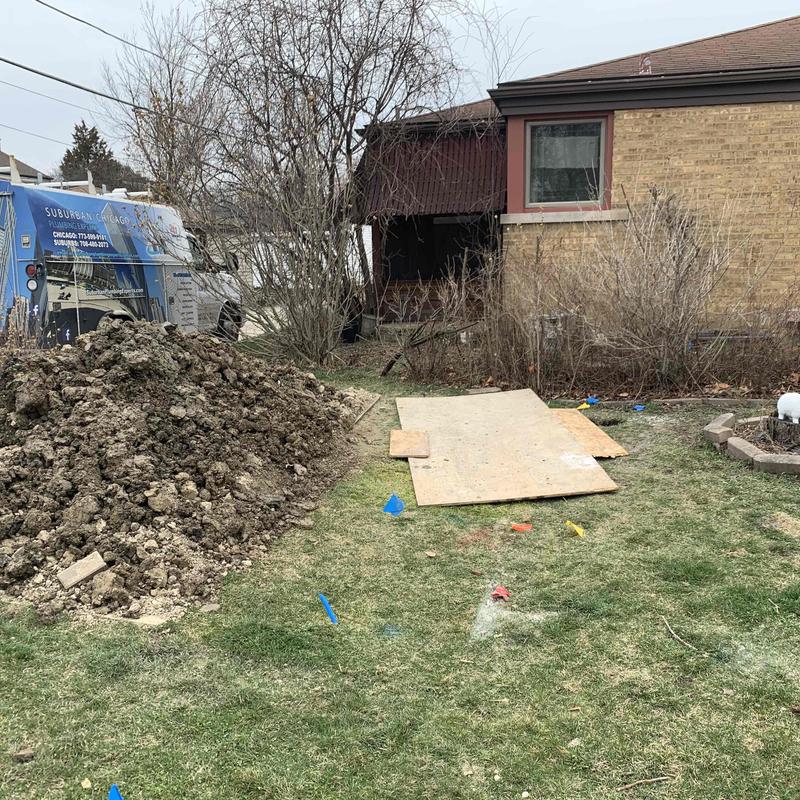
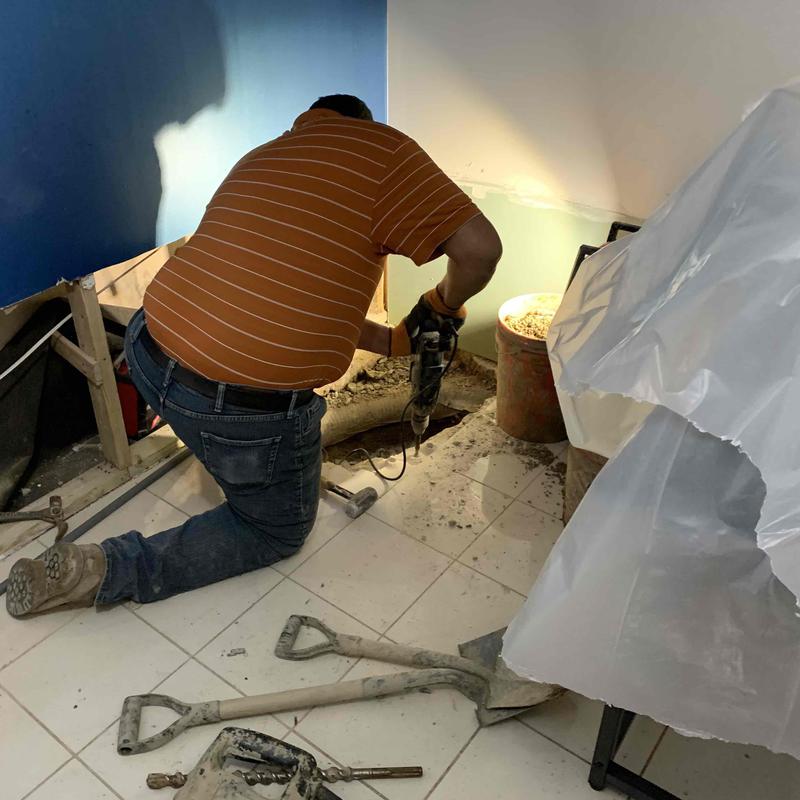
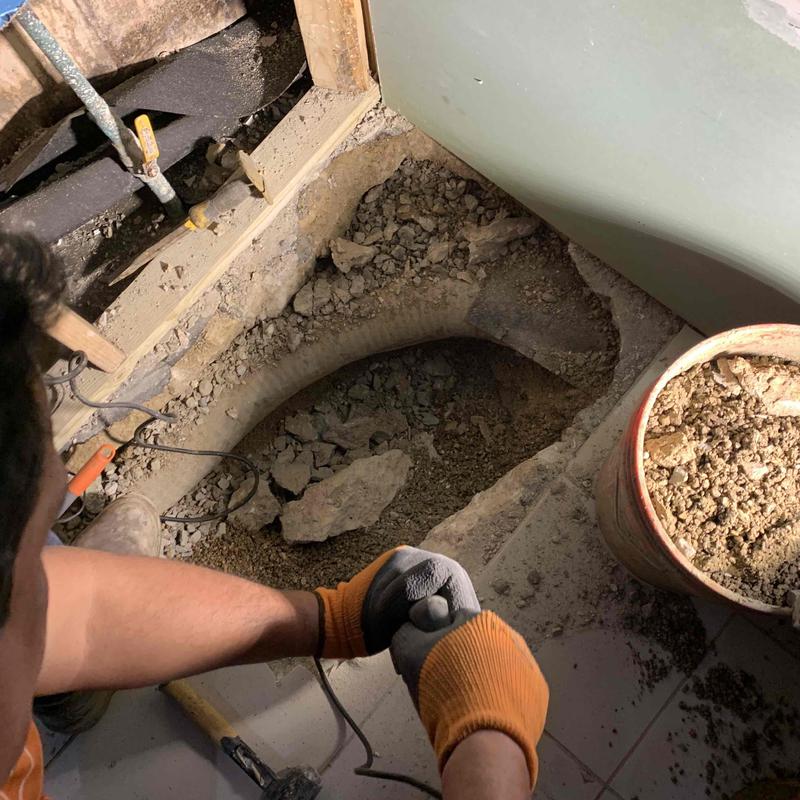
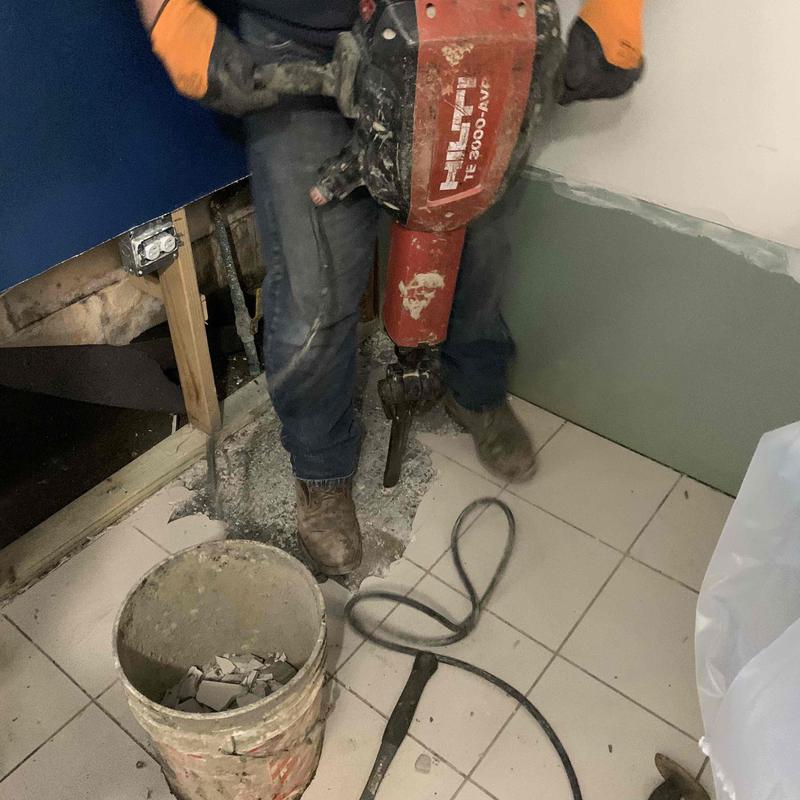
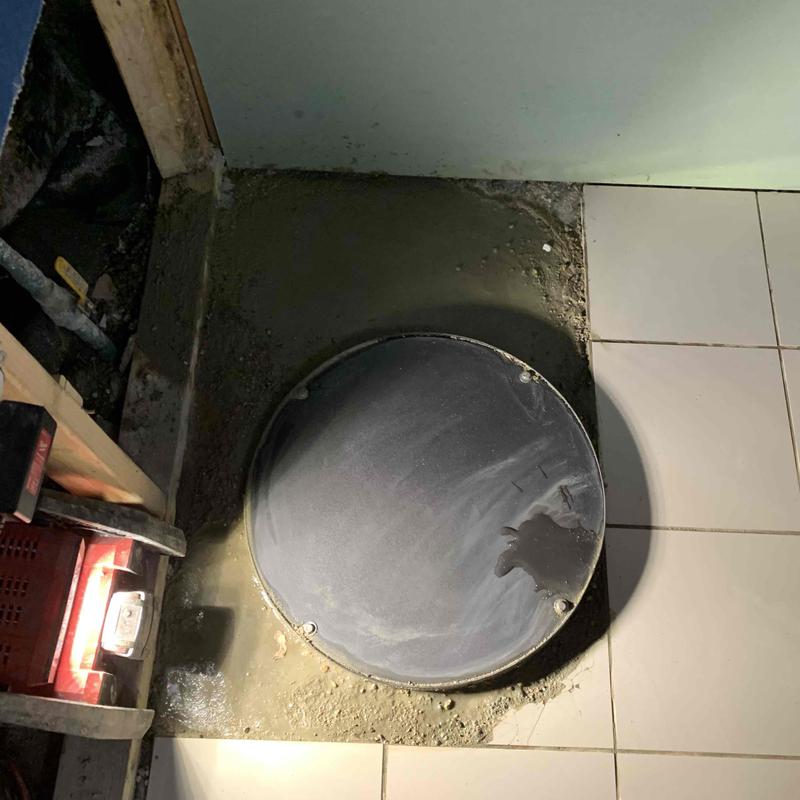
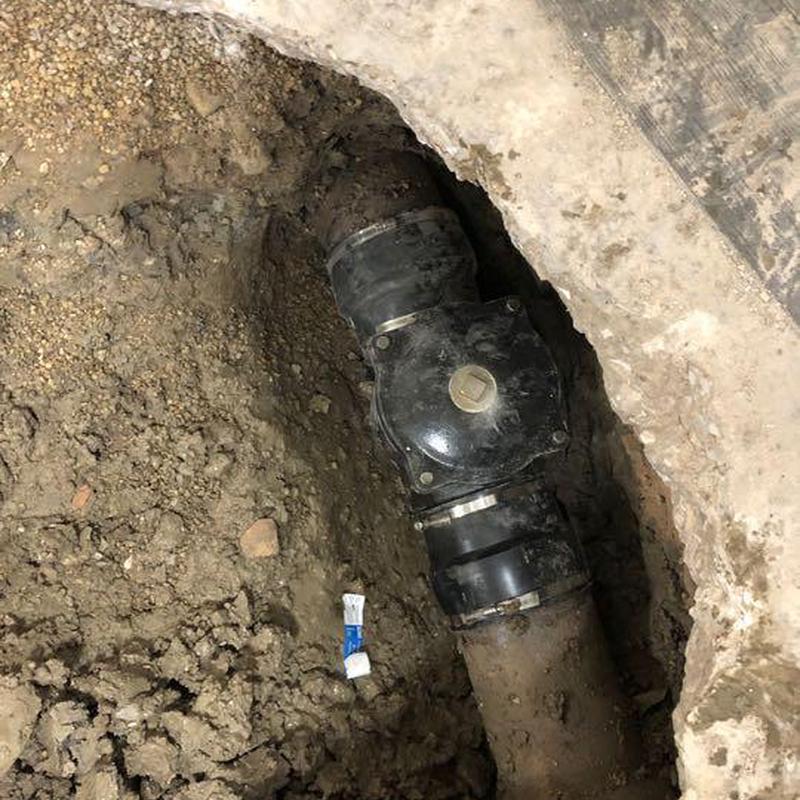
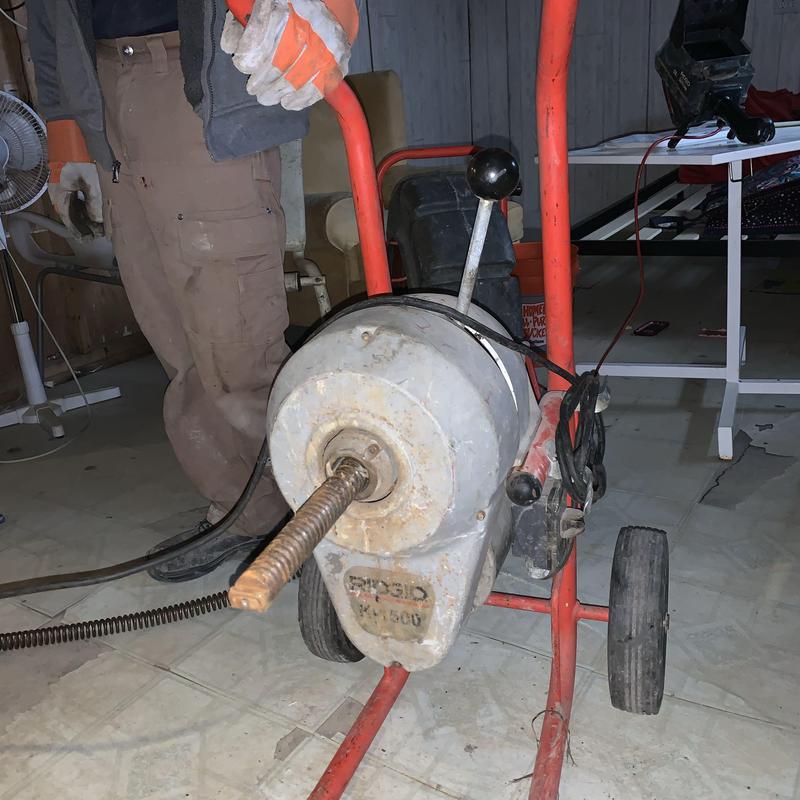
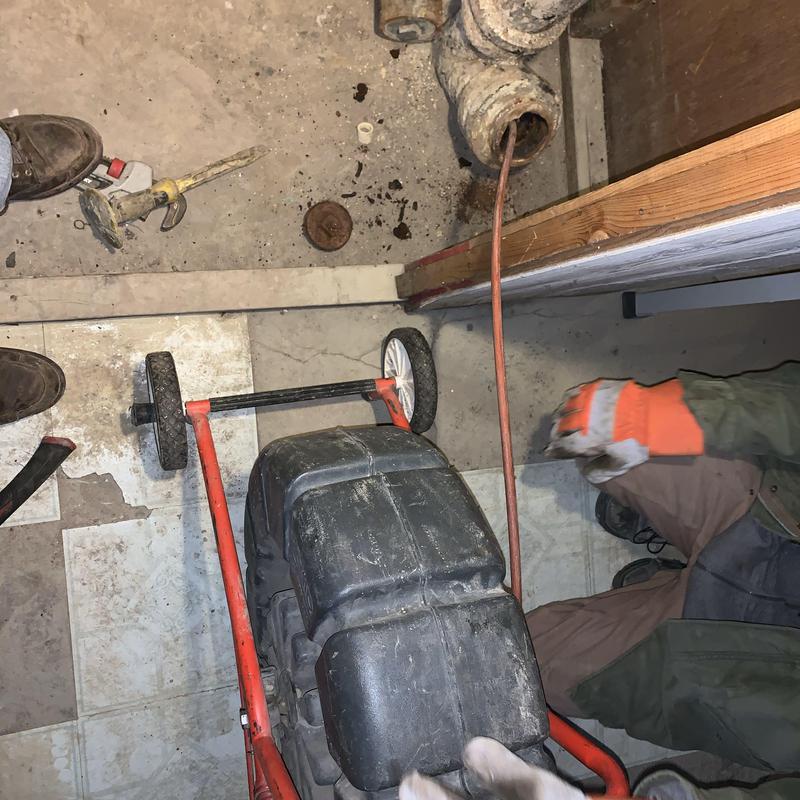
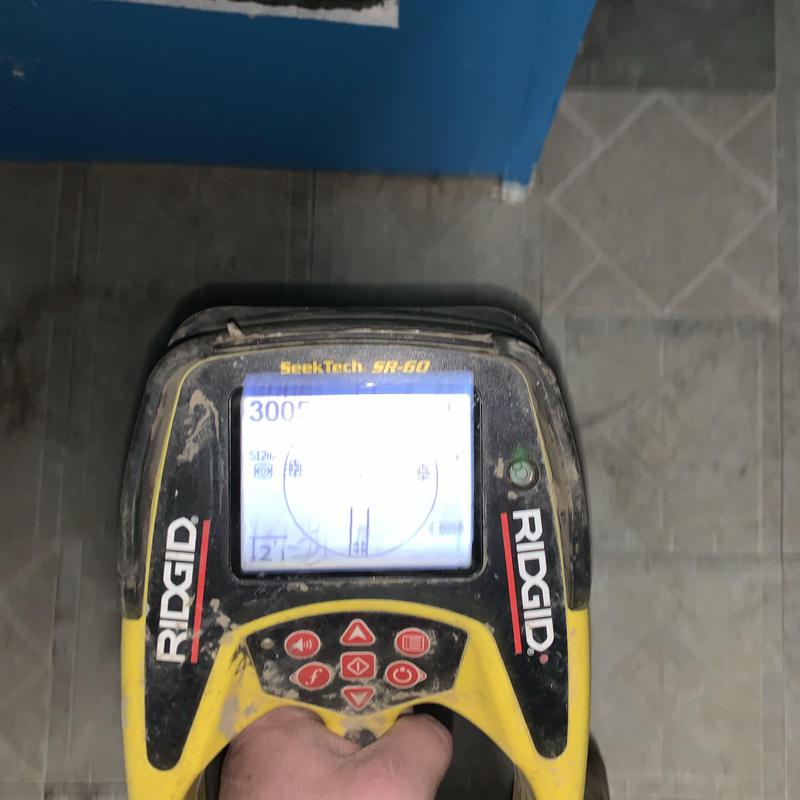
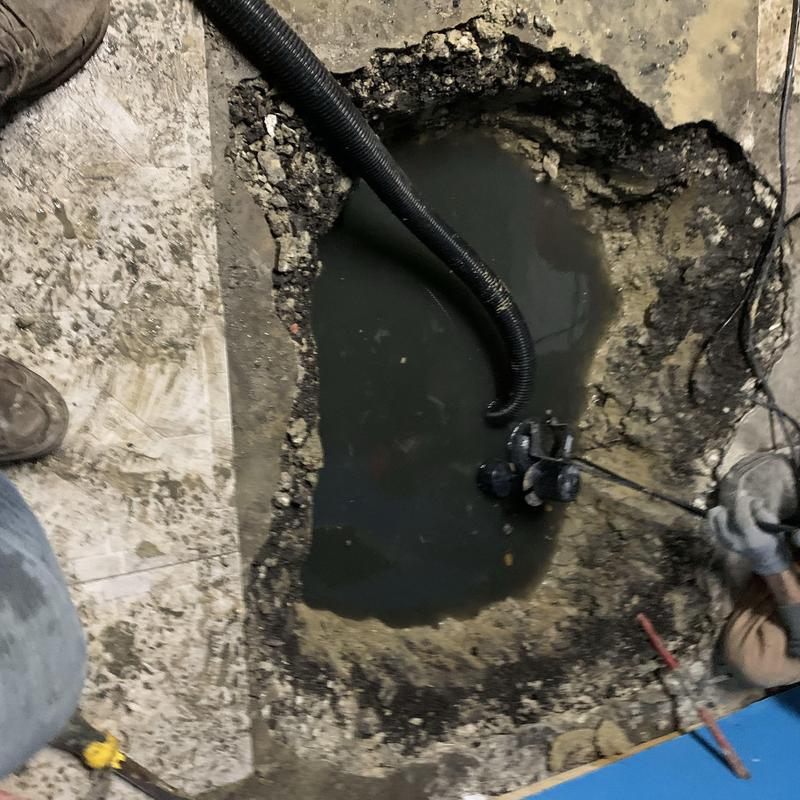
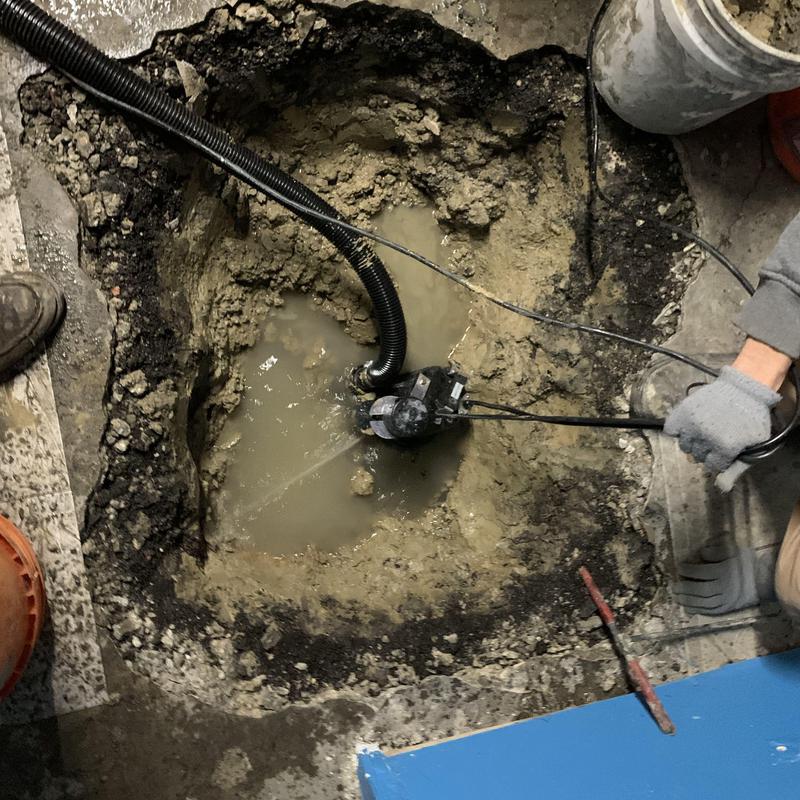
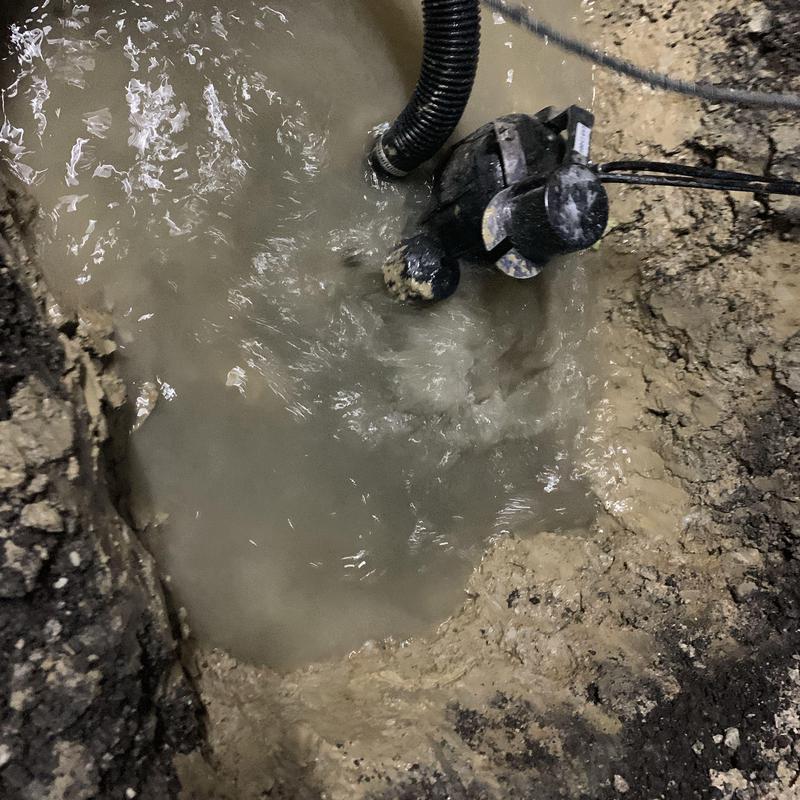
Suburban Plumbing Experts installs flood control systems for homes and businesses throughout Chicago and surrounding communities. The right system depends on the source of the flooding, the property's existing plumbing and drainage layout, and local sewer conditions. These completed projects show examples of flood control installation work in communities across Chicagoland.
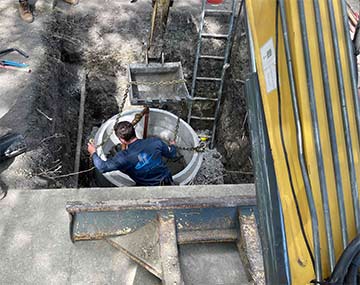
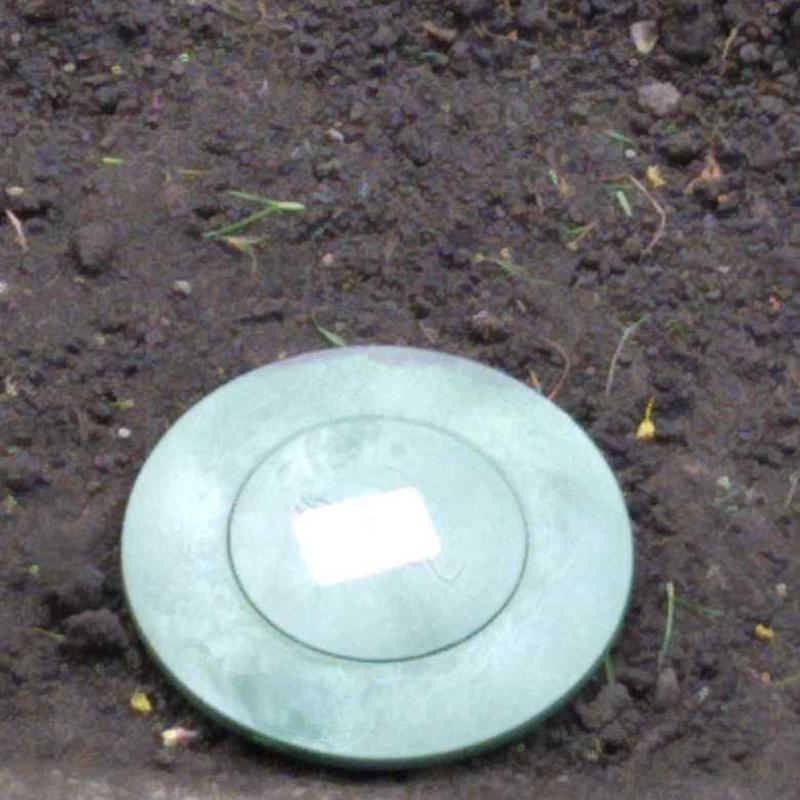
Flood control system installation completed at a property in Hickory Hills, IL.
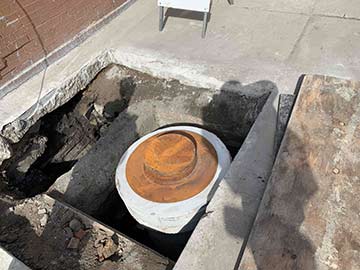
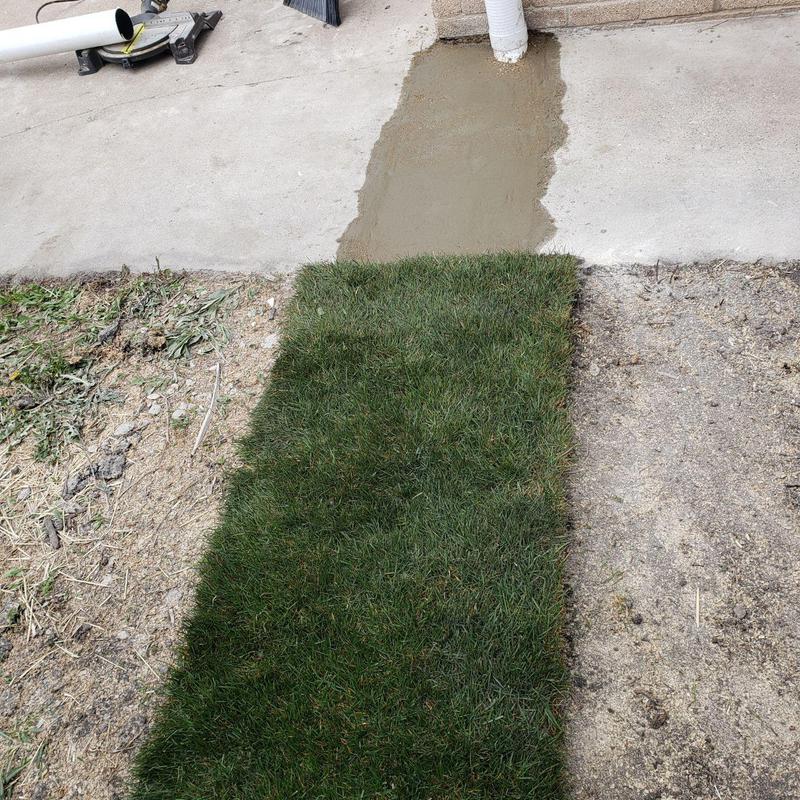
Basement flood control installation completed for a property in Berwyn, IL.
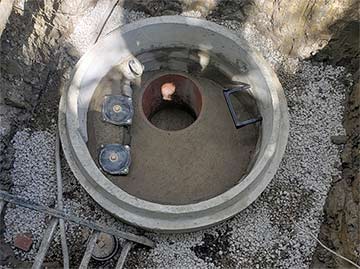
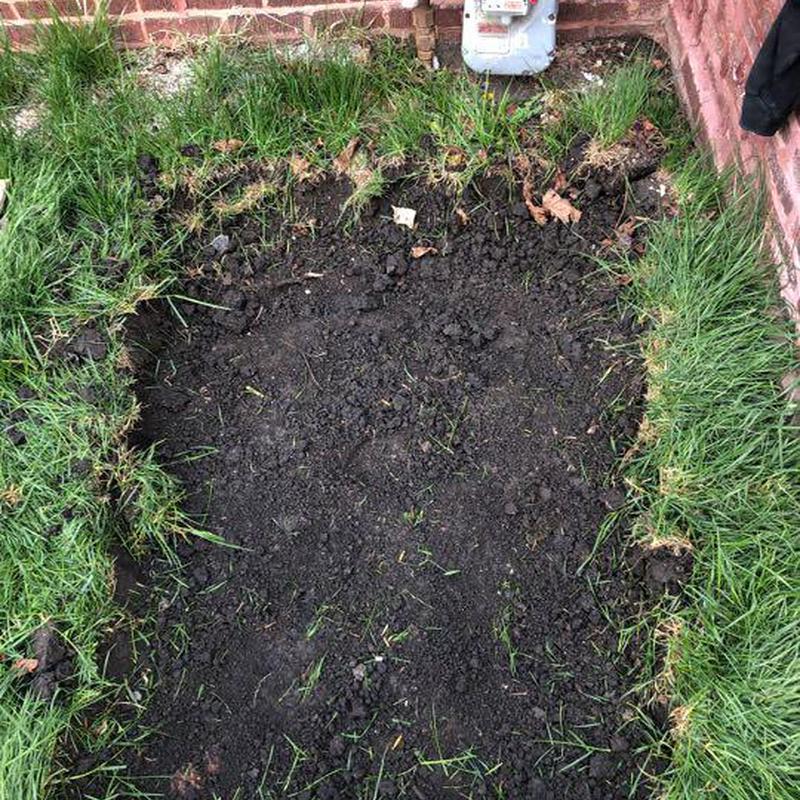
Flood control system installation completed in Brookfield, IL.
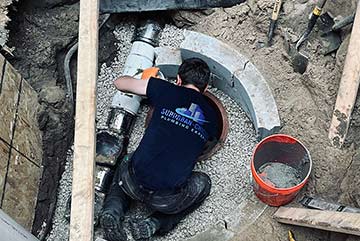
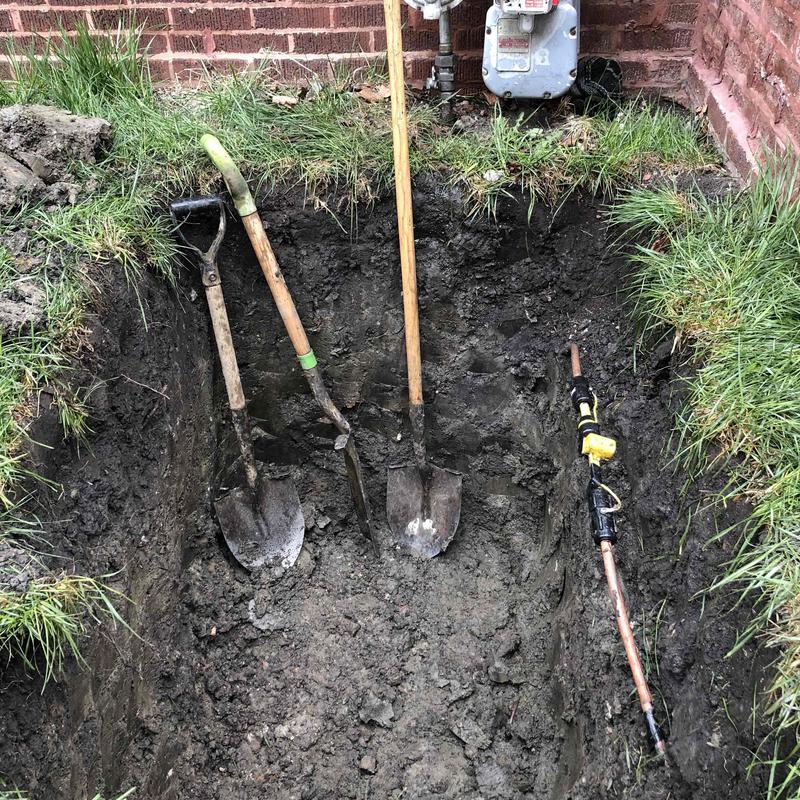
Flood control installation for a Chicago property facing local drainage and sewer conditions.
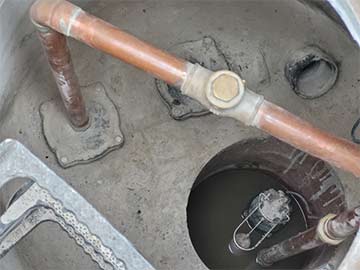
Flood control system installation completed at a home in Darien, IL.
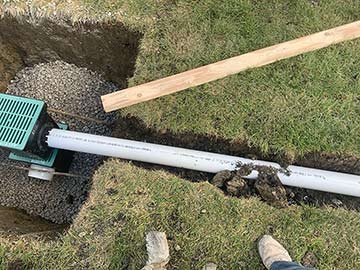
Flood control installation work completed at a property in Elmhurst, IL.
Flood Control Solutions for Chicago-Area Sewer and Drainage Conditions
Heavy rainfall can overwhelm municipal sewer capacity and cause sewer systems to surcharge, increasing the risk of sewage backing up through basement drains. In some Chicago neighborhoods, combined sewer systems carry both sanitary sewage and stormwater, making intense rainfall an additional challenge. Other properties experience basement water from groundwater, poor surface drainage, or runoff collecting around the foundation. These are different problems and require different solutions. A properly selected flood control system should address the actual source of the water rather than relying on equipment that may not be suited to the property.
Flood Control Systems Throughout Chicago and the Surrounding Suburbs
Suburban Plumbing Experts installs, repairs, and replaces flood control systems for homes, businesses, and commercial properties throughout Chicago and the surrounding suburbs. Whether you're dealing with recurring sewer backups, groundwater entering a basement, or an existing flood control system that needs attention, our licensed plumbers evaluate the conditions and explain the appropriate equipment and repairs for your property.
Chicago-Area Flood Control Service Area
Providing flood control services in Chicago, Brookfield, Oak Brook, Hinsdale, Downers Grove, Naperville, Elmhurst, Lombard, Wheaton, and surrounding communities throughout Chicagoland. Contact our team to confirm service availability for your property.
Experienced, Licensed & Insured Flood Control Plumbers
- ✔ Licensed and Insured Illinois Plumbers
- ✔ Flood Control System Installation
- ✔ Existing Flood Control System Repairs
- ✔ Flood Control System Replacement
- ✔ Interior Pump-Out Systems
- ✔ Sump Pump and Battery Backup Systems
- ✔ Sewer Backflow Prevention Installation and Repair
- ✔ Overhead Sewer System Installation
- ✔ Residential, Commercial and Industrial Service
- ✔ Written Pricing Before Approved Work Begins
- ✔ No Overtime Charges
- ✔ Family-Owned and Serving Since 1978
Contact Suburban Plumbing Experts to discuss flood control installation, repairs, replacement options, and plumbing protection for your home or business.
Not Sure Which Flood Control System Your Home Actually Needs?
Choosing the right flood control system in Chicago is not always straightforward. Most homes are dealing with more than one risk factor at the same time — including heavy seasonal storms, overloaded sewer systems, dense clay soil that drains poorly, and aging plumbing that was never designed for today’s demand.
Because of that, the right solution is different for every property. What works for one home may not protect another, even if the flooding looks similar on the surface. Proper evaluation before installation helps prevent wasted money and repeated flooding problems.
- Sewer backups during storms often require backwater prevention or overhead sewer systems
- Groundwater seepage or foundation moisture typically requires sump pump and drainage solutions
- Repeated or mixed flooding issues often need multiple systems working together
- Drainage slope and grading issues can continue causing water intrusion if not addressed
Our process focuses on identifying the actual cause first, then designing a system that solves it long-term. That means no unnecessary work, no guesswork, and no temporary fixes — just protection built for Chicago conditions.
Helpful Flood Control Guides for Chicagoland Homeowners
Explore expert insights on basement flooding, sump pump systems, overhead sewer conversions, drainage solutions, and flood prevention strategies designed for Chicago and surrounding suburbs.
Most Recent Pins (41)

Most Recent Reviews (7)
 Andre Haynes
 constantina mizis