Sewer Backflow Prevention in Chicago, IL for Basement Flood Protection
Sewer backflow prevention in Chicago helps protect homes from sewage backups, basement flooding, and contaminated wastewater when heavy rainfall or overwhelmed municipal sewer systems cause wastewater to flow backward toward a property. Suburban Plumbing Experts provides professional sewer backflow prevention services throughout Chicago and the surrounding suburbs, including backwater valve installation and other customized solutions designed to help prevent sewage from entering your home.
Chicago homeowners face particular sewer backup risks because of combined sewer systems, intense rainfall events, aging infrastructure, and older homes with basement plumbing located below the main sewer elevation. When municipal sewer capacity is overwhelmed, wastewater can seek the lowest available point, potentially entering a basement through floor drains, toilets, or other plumbing fixtures.
Our licensed plumbers evaluate your property's sewer and drainage configuration to identify potential backup risks and determine which prevention solution makes sense for your home. Whether you have experienced repeated basement backups or want to improve your home's protection before the next major storm, Suburban Plumbing Experts provides professionally installed sewer backflow prevention solutions designed around your property's specific needs.
Backwater Valve Installation in Chicago for Reliable Sewer Backup Protection
A backwater valve is one of the most effective ways to protect Chicago homes from sewer backups caused by heavy rainfall, overloaded sewer systems, and aging underground infrastructure. Suburban Plumbing Experts provides professional backwater valve installation throughout Chicago and the surrounding suburbs, helping homeowners reduce the risk of contaminated wastewater entering basements during severe storms.
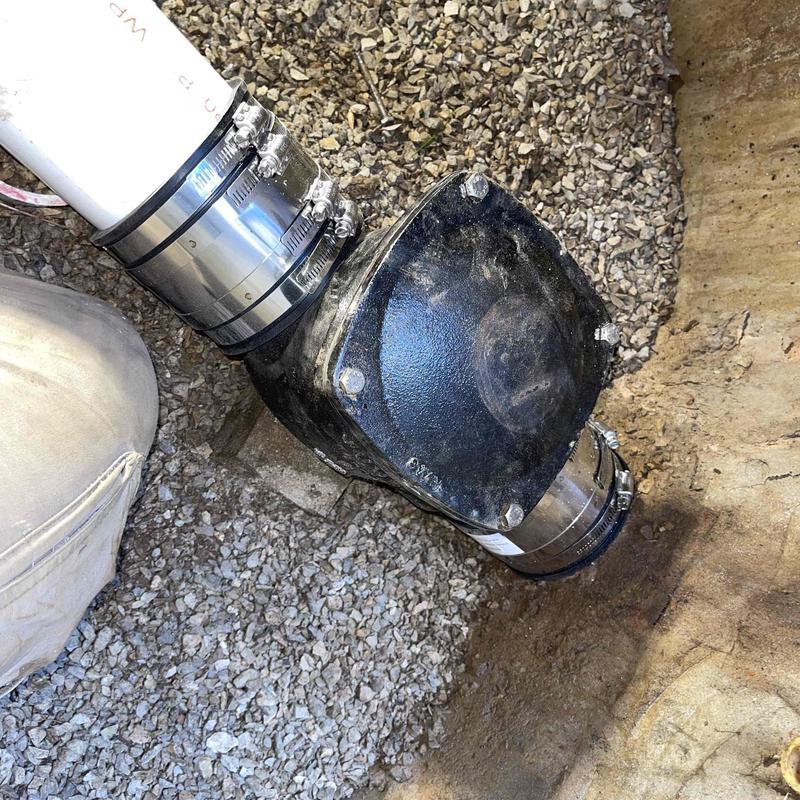
Unlike a standard plumbing system that relies on gravity drainage, a backwater valve allows wastewater to flow out of your home normally while automatically closing when sewage begins moving back toward the property. This creates a protective barrier designed to help prevent sewer water from entering through basement floor drains, toilets, and other lower-level plumbing fixtures.
How Backwater Valves Prevent Sewer Backups
Chicago's combined sewer system and intense storm events can create challenging conditions for residential plumbing systems. During periods of heavy rainfall, municipal sewer lines may become overwhelmed, increasing the risk of wastewater flowing backward through residential connections.
A properly installed backwater valve helps protect your home by closing during a backup event while allowing normal drainage when sewer conditions return to normal. For homeowners who have experienced basement flooding or want additional protection, a backwater valve can be an important component of a larger flood control system designed to reduce sewer backup risks.
Professional Backwater Valve Installation for Chicago Homes
Our team installs backwater valves based on your home's sewer layout, plumbing configuration, and potential flood risks. We evaluate the system, determine the proper installation location, and complete the work with attention to proper connections and long-term reliability.
Because a backwater valve must be correctly integrated with your home's sewer line to function properly, our plumbers may recommend a sewer camera inspection when needed. This allows us to identify pipe conditions, blockages, root intrusion, or other issues that could impact the performance of your sewer system.
Backwater Valve Protection for Older Homes
Many Chicago-area homes were built before modern flood protection systems became common. Older properties with basement plumbing, low-level fixtures, aging sewer lines, or previous flooding history may have a higher risk of sewer backup problems.
Depending on your home's layout and drainage conditions, additional improvements may be recommended, including sewer backup repairs, sewer line maintenance, sump pump upgrades, or an overhead sewer system for more advanced basement flood protection.
Backwater Valve Repair and Replacement
If your existing backwater valve is not operating properly, Suburban Plumbing Experts can inspect the system, identify the cause of the problem, and recommend the appropriate repair or replacement solution. A properly functioning valve is an important part of protecting your basement when severe weather places additional stress on Chicago's sewer infrastructure.
For homes experiencing repeated sewer backups, we can also evaluate whether additional improvements such as sewer repairs, drainage upgrades, or other flood prevention solutions would provide better long-term protection.
Does Your Chicago Home Need a Backwater Valve?
Many homeowners do not realize their property is vulnerable to sewer backups until a major storm sends wastewater into the basement. Chicago-area homes can face increased backup risks because of combined sewer systems, intense rainfall, aging underground infrastructure, and older plumbing configurations that were installed before modern sewer backup protection became common.
Your home may be a good candidate for backwater valve installation if you have experienced:
- Sewer backups during heavy rain: If wastewater repeatedly enters your basement during major storms, your home may be vulnerable to sewer surcharges.
- Water coming through basement floor drains: Wastewater rising through a floor drain can indicate that sewer water is backing up toward your home.
- Recurring basement flooding: Repeated flooding events may indicate that your existing drainage system needs additional protection.
- Basement plumbing below the sewer main elevation: Lower-level fixtures can be particularly vulnerable when sewer water levels rise.
- An older Chicago-area home: Older properties may not have been built with modern sewer backup protection.
- A history of sewer or drainage problems: Previous backups can be an important warning sign that additional protection should be considered.
- A finished basement you want to protect: Preventing sewage from entering finished living space can help reduce the risk of extensive property damage and cleanup.
A backwater valve is not automatically the right solution for every basement flooding problem. If water is entering through foundation walls, rising groundwater is overwhelming the sump system, or a damaged private sewer line is causing the problem, a different solution may be necessary.
Suburban Plumbing Experts can evaluate your plumbing configuration, sewer connection, and history of flooding to determine what is actually putting your home at risk. Depending on the conditions we find, the appropriate solution may involve backwater valve installation, sewer repairs, drainage improvements, or another flood protection system.
The goal is not to install equipment you do not need. It is to identify the source of your home's vulnerability and provide the right level of protection before the next major storm turns a preventable problem into a costly basement backup.
What Causes Sewer Backflow in Chicago Homes?
Sewer backflow occurs when wastewater reverses direction and flows toward a home instead of continuing through the municipal sewer system. In Chicago and many surrounding suburbs, heavy rainfall can place enormous pressure on combined sewer systems, increasing the risk of wastewater surcharging through residential sewer connections.
When municipal sewer capacity is overwhelmed, wastewater levels can rise and force sewage backward toward connected properties. If a home does not have adequate sewer backup protection, that wastewater may enter through basement floor drains, toilets, showers, sinks, and other lower-level plumbing fixtures.
Older Chicago-area homes can be particularly vulnerable because many were built with below-grade basement plumbing and sewer configurations that provide little protection when municipal sewer conditions become overwhelmed. Properties with a history of basement backups, low-level plumbing fixtures, or older sewer connections may face an even greater risk during severe storms.
Heavy Rainfall and Sewer System Overloads
Intense rainfall is a major contributor to sewer backflow throughout Chicago. During a significant storm, large volumes of rainwater can enter the combined sewer system along with normal wastewater. When the system reaches capacity, wastewater levels can rise and create pressure that pushes sewage back toward private properties.
This is why some homeowners experience backups primarily during major storms even though their private sewer line appears to drain normally under ordinary conditions.
Older Plumbing Systems and Low-Level Fixtures
Many older homes were designed before modern sewer backup prevention systems became common. Basement bathrooms, laundry areas, floor drains, and other fixtures located below the main sewer elevation can provide a path for wastewater to enter when sewer levels rise.
The condition and configuration of the private sewer line can also affect how vulnerable a property is during a backup event. A professional evaluation can help determine whether the problem is related to the home's plumbing, the municipal sewer system, or a combination of factors.
The Property Damage Caused by Sewer Backflow
Sewer backflow can cause far more than a temporary plumbing inconvenience. Contaminated wastewater can damage flooring, drywall, furniture, stored belongings, and mechanical equipment while creating unpleasant odors and significant cleanup concerns.
Finished basements are especially vulnerable because even a relatively small backup can affect materials that are difficult and expensive to clean or replace. Addressing the risk before a major storm can help homeowners avoid the disruption and expense associated with repeated sewage backups.
How Backwater Valves Help Prevent Sewer Backflow
Understanding why sewer backflow occurs is the first step toward choosing the right protection. A professionally installed backwater valve is designed to allow wastewater to leave your home under normal conditions while helping prevent sewage from flowing backward through the sewer connection when a backup occurs.
For homeowners who have already experienced flooding or recurring sewage backups, our sewer backup services can help identify the cause of the problem and determine whether a backwater valve or another sewer protection solution is appropriate for the property.
The right prevention strategy depends on your home's plumbing configuration, sewer connection, and flooding history. A proper evaluation can help ensure you address the actual source of the risk rather than simply reacting after the next backup occurs.
Choosing the Right Sewer Backflow Protection for Your Chicago Home
Protecting your home from sewer backflow starts with understanding how your property's plumbing, sewer connection, and drainage system respond when municipal sewer conditions become overwhelmed. Suburban Plumbing Experts provides professional sewer backflow prevention solutions throughout Chicago and the surrounding suburbs, helping homeowners reduce the risk of sewage entering their basements during heavy storms and sewer surcharge events.
Our team evaluates your existing sewer connection, basement plumbing, drainage configuration, and history of flooding or sewer backups to determine what type of protection makes sense for your property. For many Chicago homes, a properly installed backwater valve provides an important layer of protection by allowing wastewater to leave the home normally while helping prevent sewage from flowing backward through the sewer connection.
Backwater Valve Protection for Sewer Backup Risks
A backwater valve can be an effective solution for homes that are vulnerable to wastewater flowing backward from the municipal sewer system. When sewer conditions are normal, wastewater can drain away from the home. If wastewater begins moving back toward the property, the valve is designed to close and help block that reverse flow.
The right installation depends on your home's existing sewer configuration and the location of vulnerable plumbing fixtures. Proper placement and installation are important to ensure the valve provides the intended level of protection.
Additional Solutions for Recurring Basement Flooding
Not every basement flooding problem is caused by sewer backflow. Properties with recurring flooding may also have damaged sewer lines, poor drainage, sump pump problems, or other conditions contributing to water entering the home.
Depending on what our evaluation identifies, additional improvements may include sewer line repairs, sewer backup services, overhead sewer systems, or other flood protection upgrades. Addressing the actual source of the problem helps ensure your investment provides meaningful long-term protection rather than simply treating the symptoms.
For Chicago homeowners concerned about sewer backflow, the best solution is one designed around the property rather than a one-size-fits-all approach. By evaluating your existing system and identifying where your home is most vulnerable, Suburban Plumbing Experts can help you choose practical protection designed to reduce the risk of future sewer backup damage.
Signs Your Chicago Home May Need Sewer Backflow Prevention
Sewer backflow does not always happen without warning. Foul odors, unusual drain activity, and wastewater appearing in basement fixtures can indicate that your plumbing system is experiencing drainage problems or increased pressure from the municipal sewer system. Recognizing these warning signs early can help Chicago homeowners address potential problems before they result in a serious sewer backup.
Wastewater Rising Through Basement Drains
One of the clearest warning signs is water or wastewater coming up through basement floor drains, toilets, showers, or other low-level plumbing fixtures. If this occurs during heavy rainfall, the problem may be related to an overloaded municipal sewer system forcing wastewater back toward your home.
Multiple Drains Backing Up Together
When several drains begin draining slowly or backing up at the same time, the problem may be farther down the system rather than at an individual fixture. A main sewer blockage, damaged pipe, or overloaded municipal sewer connection can restrict wastewater flow and increase the risk of backflow into the home.
Gurgling Toilets or Bubbling Drains
Gurgling toilets, bubbling drains, and unusual sounds from plumbing fixtures can indicate restricted sewer flow or trapped air within the drainage system. These symptoms can occur before a more significant backup develops and should be evaluated, particularly when they become more frequent during storms.
Recurring Sewer Problems During Heavy Rain
If your basement drains back up or your plumbing behaves differently whenever heavy rain moves through the Chicago area, your property may be vulnerable to municipal sewer surcharge conditions. Homes connected to combined sewer systems can experience increased backup risks when rainfall temporarily exceeds available sewer capacity.
Persistent Sewer Odors
Recurring sewage odors from basement drains or other plumbing fixtures can indicate drainage problems, sewer gas issues, or poor wastewater flow. While an odor alone does not necessarily mean your home needs a backwater valve, persistent sewer smells are a reason to have the plumbing system evaluated.
A History of Basement Sewer Backups
Previous sewer backups are one of the strongest reasons to consider additional backflow protection. If wastewater has entered your basement before, especially during heavy storms, simply clearing the immediate blockage may not address the underlying risk. A professional evaluation can determine whether a backwater valve or another flood protection solution is appropriate for your home's plumbing configuration.
The right prevention system depends on why your home is experiencing backflow and how its sewer and basement plumbing are configured. Suburban Plumbing Experts can evaluate your system, identify potential vulnerabilities, and recommend appropriate sewer backflow prevention measures to help protect your home from future backups.
Understanding the Different Sewer Backflow Problems Chicago Homes Can Experience
Sewer backflow can develop for several different reasons, and identifying the source is essential for choosing the right solution. A backup may result from a blockage or damaged pipe on your private sewer line, while other situations occur when Chicago's municipal sewer system becomes overwhelmed during heavy rainfall.
Understanding the difference between these problems helps homeowners avoid treating the wrong issue. A backwater valve can help protect against wastewater flowing backward from an overloaded municipal sewer system, while sewer cleaning, repairs, or other plumbing services may be necessary when the problem originates within the property's private sewer line.
Private Sewer Line Blockages and Restrictions
Blockages inside a home's sewer line are a common reason wastewater backs up into lower-level plumbing fixtures. Grease, debris, foreign objects, and tree root intrusion can restrict the pipe and prevent wastewater from flowing normally away from the property.
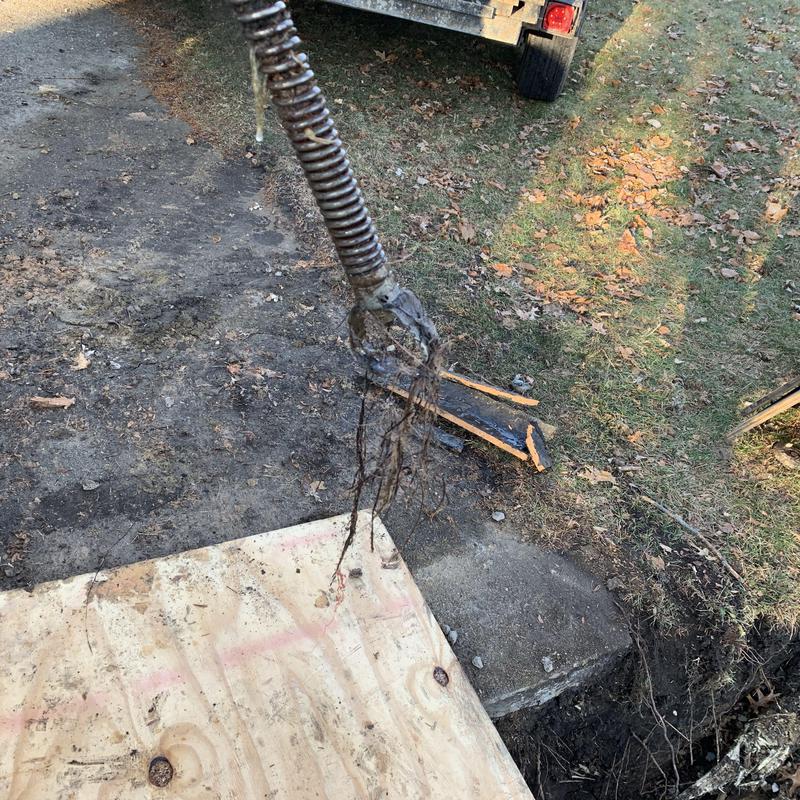
Regular professional sewer cleaning can help remove buildup before it becomes a major obstruction. When tree roots are responsible for recurring problems, sewer tree root removal may also be necessary to restore proper flow and reduce repeated backups.
Sewer Backflow During Heavy Storms
Heavy rainfall can create a different type of sewer backflow problem. Chicago's combined sewer system carries both stormwater and wastewater, and intense storms can overwhelm available capacity.
When municipal sewer levels rise, wastewater can move backward through connected residential sewer lines and enter homes through basement floor drains, toilets, showers, and other lower-level fixtures. A properly installed backwater valve can help prevent this reverse flow from entering the home.
Backflow Related to Damaged Sewer Pipes
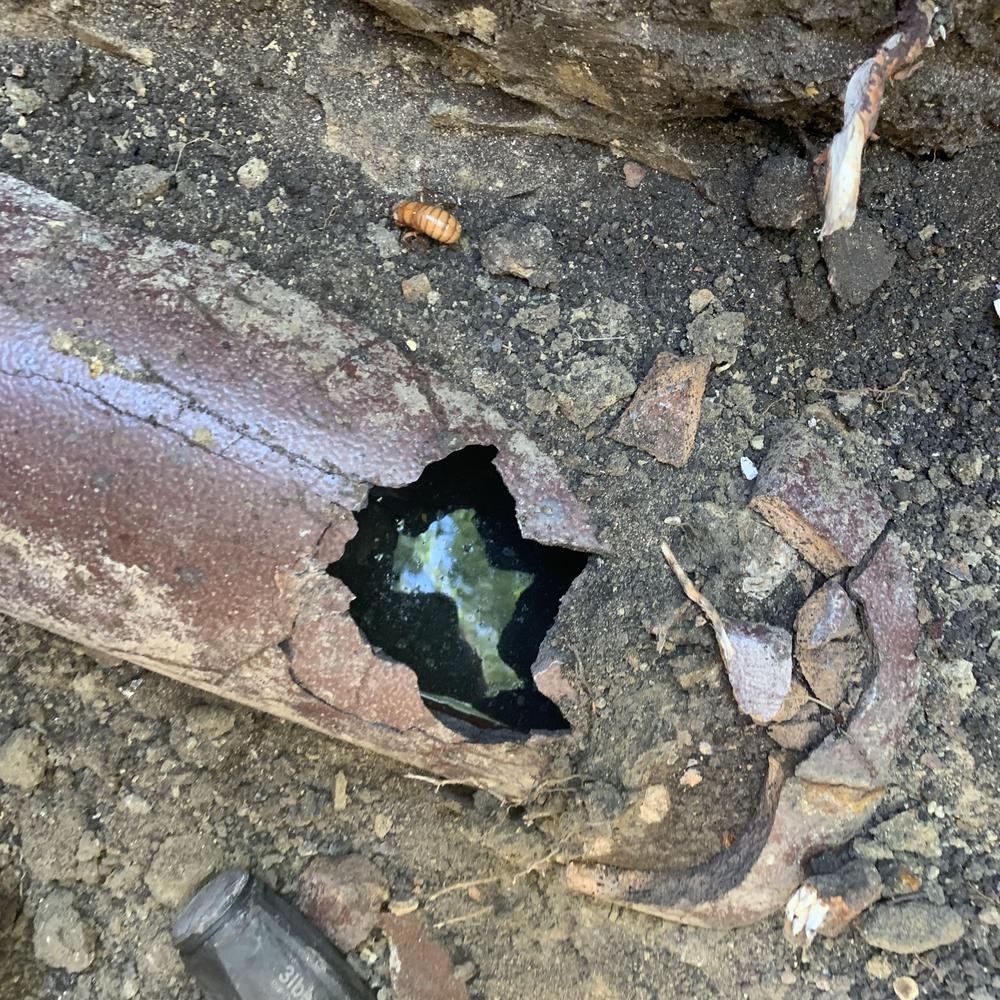
Cracked, deteriorated, collapsed, or displaced sewer pipes can interfere with normal wastewater flow and increase the likelihood of backups. Older Chicago-area homes may be particularly vulnerable because many properties still have aging underground sewer infrastructure.
A sewer camera inspection can help identify cracks, root intrusion, blockages, collapsed sections, and other conditions affecting the line. Once the problem is located, the appropriate repair can be determined based on the condition of the pipe and the severity of the damage.
Municipal Sewer System Overloads
Sometimes the source of the problem is outside the property entirely. During severe storms, municipal sewer systems can become overloaded, causing wastewater levels and pressure to rise throughout the surrounding sewer network.
Homeowners cannot control municipal sewer capacity, but they can take steps to reduce their property's vulnerability. Backwater valve installation is one option that can help prevent municipal wastewater from flowing backward into a home during sewer surcharge conditions.
For homeowners dealing with recurring backups, determining whether the problem is inside the private sewer line or coming from the municipal system is one of the most important first steps. The right prevention strategy depends on that distinction.
Why Chicago Homeowners Choose Suburban Plumbing Experts for Sewer Backflow Prevention
Sewer backflow prevention is not a one-size-fits-all solution. The right protection depends on your home's sewer connection, basement plumbing layout, drainage conditions, and history of flooding or sewer backups. Suburban Plumbing Experts helps homeowners throughout Chicago and the surrounding suburbs reduce sewer backup risks with professionally designed solutions based on the specific conditions of their property.
Local Experience With Chicago Sewer Backup Risks
Chicago-area homes face unique sewer backup challenges due to combined sewer systems, aging underground infrastructure, heavy rainfall events, and older basement plumbing configurations. Our team understands the conditions that can contribute to sewer backflow and evaluates your property to help identify where your home is most vulnerable.
Proper Backwater Valve Installation and System Integration
A backwater valve can only provide the intended protection when it is properly selected, positioned, and integrated with the home's existing sewer system. We evaluate your sewer connection and plumbing configuration to determine the appropriate installation approach and help ensure the system is designed to function properly when severe weather places additional pressure on local sewer lines.
Recommendations Based on Your Home's Actual Needs
Every property has different plumbing and drainage conditions. Some homes may benefit from a backwater valve alone, while others may require additional improvements because of damaged sewer lines, drainage problems, or recurring flooding.
Our approach is to identify the source of your home's vulnerability first and then recommend the appropriate solution. We focus on practical improvements that address your property's specific risks rather than unnecessary services.
Long-Term Protection From Costly Sewer Backups
Professional sewer backflow prevention can help protect your basement, belongings, and property from the damage and disruption caused by sewage backups. With the right protection system in place, homeowners can have greater confidence knowing their property is better prepared when heavy storms and overloaded sewer conditions put additional pressure on the local drainage system.
Suburban Plumbing Experts provides the evaluation, installation, and expertise Chicago-area homeowners need to make an informed decision about protecting their homes from sewer backflow.
Which Chicago-Area Properties Can Benefit From Sewer Backflow Prevention?
While any property connected to a municipal sewer system can experience a backup, certain Chicago-area homes and buildings may face greater vulnerability because of their age, plumbing configuration, location, or history of flooding. Identifying these risk factors can help property owners determine whether additional sewer backflow protection should be considered.
Older Chicago Homes and Bungalows
Many Chicago homes and older suburban properties were built before modern sewer backup protection became common. Homes with basement plumbing, low-level fixtures, older sewer connections, or outdated drainage configurations may be more vulnerable when heavy rainfall places additional pressure on local sewer systems.
Properties With Previous Sewer Backups
A history of basement flooding or sewage backups is an important warning sign. If wastewater has entered your home before, the same conditions may cause another backup unless the underlying risk is addressed.
A professional evaluation can determine whether a backwater valve is appropriate or whether another plumbing or drainage solution would provide better protection for your property.
Homes With Finished Basements
Finished basements often contain flooring, drywall, furniture, electronics, storage, and valuable living space that can be severely damaged by contaminated wastewater. Reducing the risk of sewage entering these areas can help homeowners avoid extensive cleanup, repairs, and property loss during future sewer backup events.
Two-Flats, Multi-Unit, and Rental Properties
Two-flats, apartment buildings, and rental properties can face significant disruption when sewer backups occur. In addition to property damage, a basement backup can affect tenants, building operations, stored equipment, and other areas of the property.
Sewer backflow prevention can provide an important layer of protection for multi-unit and investment properties, particularly when the building has a history of backups or vulnerable lower-level plumbing.
Properties With Vulnerable Basement Plumbing
Homes with basement bathrooms, laundry rooms, floor drains, or other plumbing fixtures located below the main sewer elevation may have greater exposure to wastewater when sewer levels rise.
The property's plumbing configuration, sewer connection, and existing flood protection should be evaluated before selecting a prevention system. In some cases, a backwater valve may be appropriate, while other properties may require a different or additional flood protection solution.
Frequently Asked Questions About Sewer Backflow Prevention in Chicago
Q: What is sewer backflow, and why is it a problem for Chicago homeowners?
A: Sewer backflow occurs when wastewater reverses direction and flows back toward your home instead of continuing through the sewer system. In Chicago and surrounding suburbs, heavy rainfall can overwhelm combined sewer systems and increase pressure within underground sewer lines. When that happens, wastewater may enter homes through basement floor drains, toilets, sinks, and other lower-level plumbing fixtures. A properly installed backwater valve can help prevent sewage from flowing backward into your home during these surcharge conditions.
Q: What type of sewer backflow prevention device do you install?
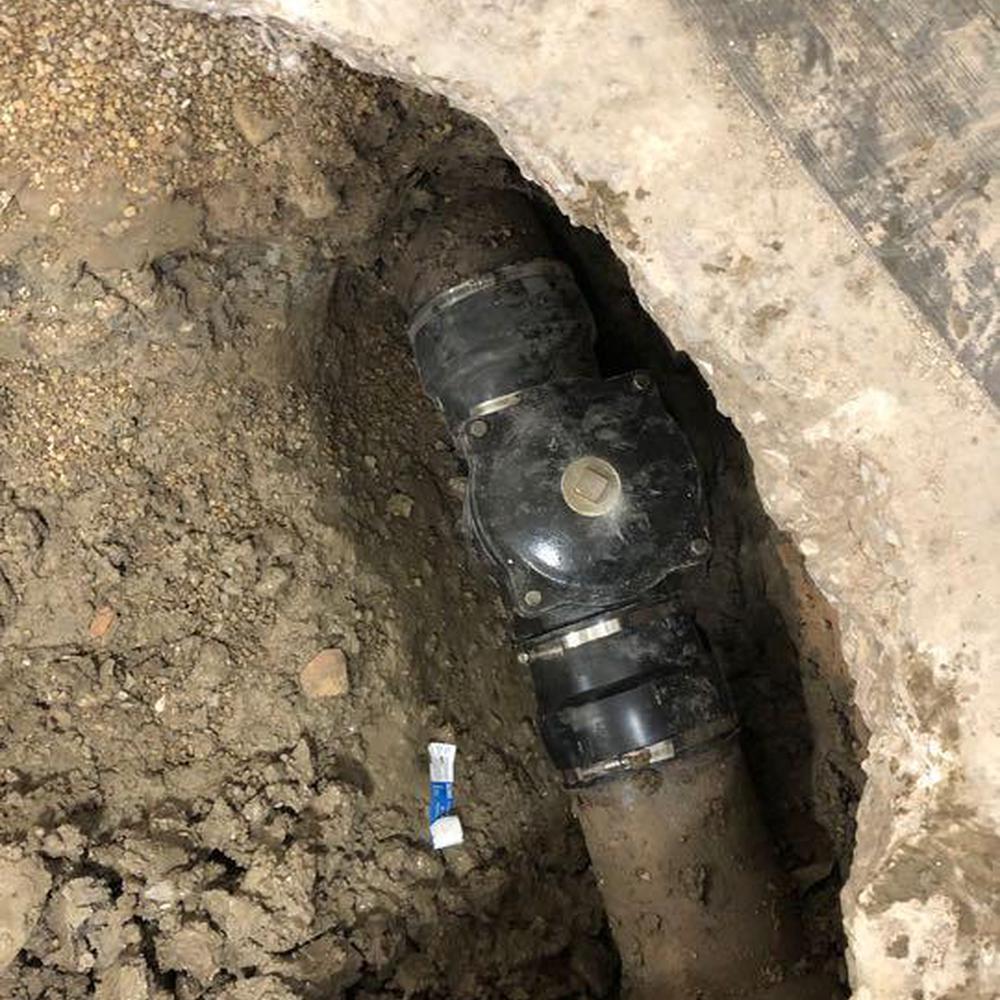
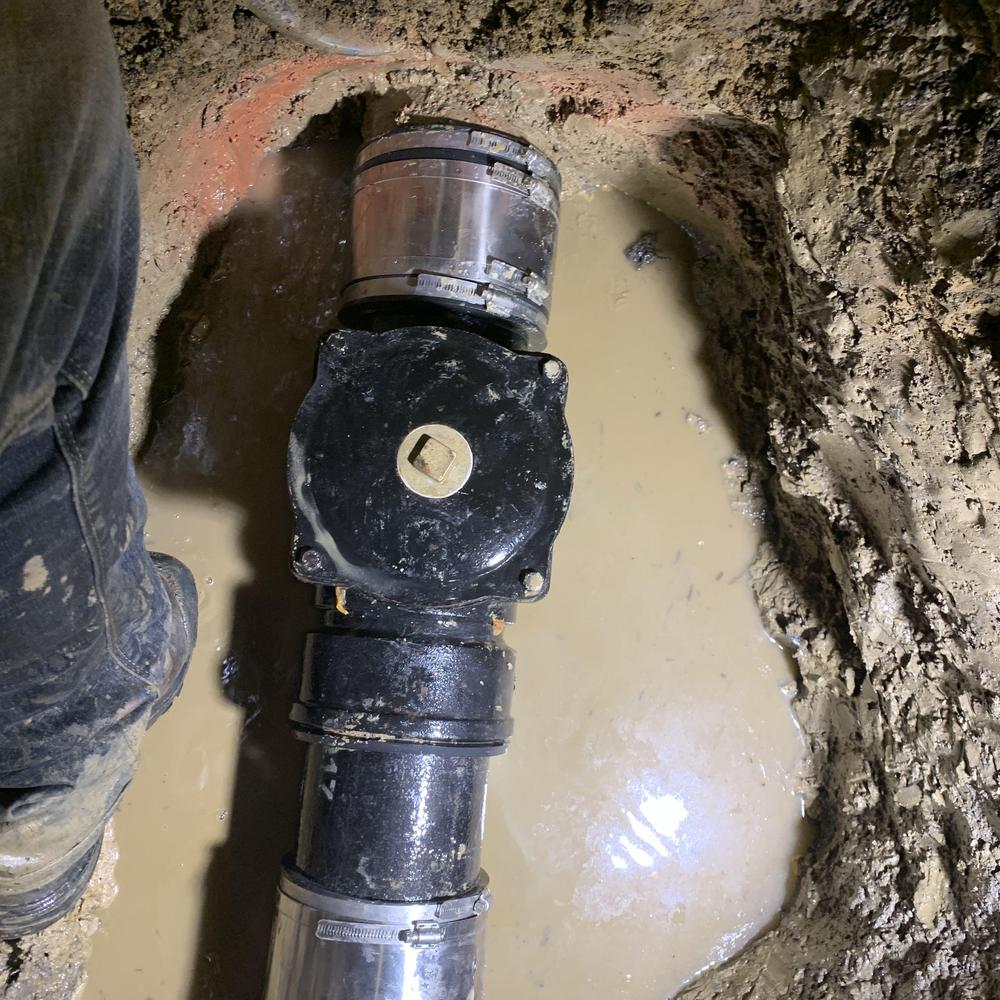
A: For many Chicago-area homes, the primary solution is a sewer backwater valve. This device is installed in the sewer line and allows wastewater to flow out of the home under normal conditions while closing when wastewater attempts to reverse direction. The appropriate solution depends on your home's sewer connection, plumbing layout, and flood risks. We evaluate your system before recommending the right equipment for your property.
Q: What's the difference between a backwater valve and a check valve?
A: A backwater valve is specifically designed to help prevent wastewater from flowing backward through a sewer line and into a property. Check valves are also one-way flow devices, but they are used in various plumbing applications, including pump discharge systems. For basement sewer backup protection, a properly selected and installed backwater valve is generally the type of protection used to address wastewater surcharging from the municipal sewer system.
Q: How do I know if my Chicago home needs a backwater valve?
A: A history of basement sewer backups, especially backups that occur during heavy rainfall, is one of the clearest reasons to have your system evaluated. Other factors include low-level plumbing fixtures, an older sewer connection, finished basement areas, and previous flooding caused by municipal sewer surcharges. If you are unsure whether your flooding problem is caused by sewer backflow, a professional evaluation can help determine whether a backwater valve is appropriate for your property.
Q: Can I still use my plumbing when the backwater valve is closed?
A: When a backwater valve closes during a sewer surcharge event, wastewater cannot discharge through the protected sewer line until conditions return to normal. This means using toilets, sinks, showers, and other fixtures connected to that line may be restricted while the valve is closed. Homes with below-grade bathrooms or laundry areas may require a different plumbing configuration, such as an ejector pump system, to maintain drainage during these conditions.
Q: What does backwater valve installation involve?
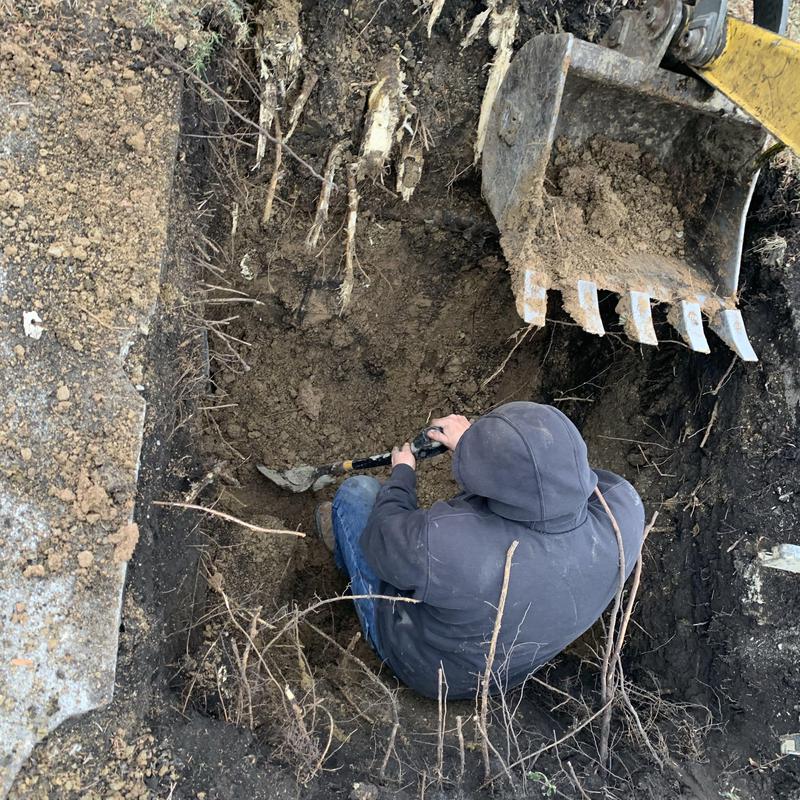
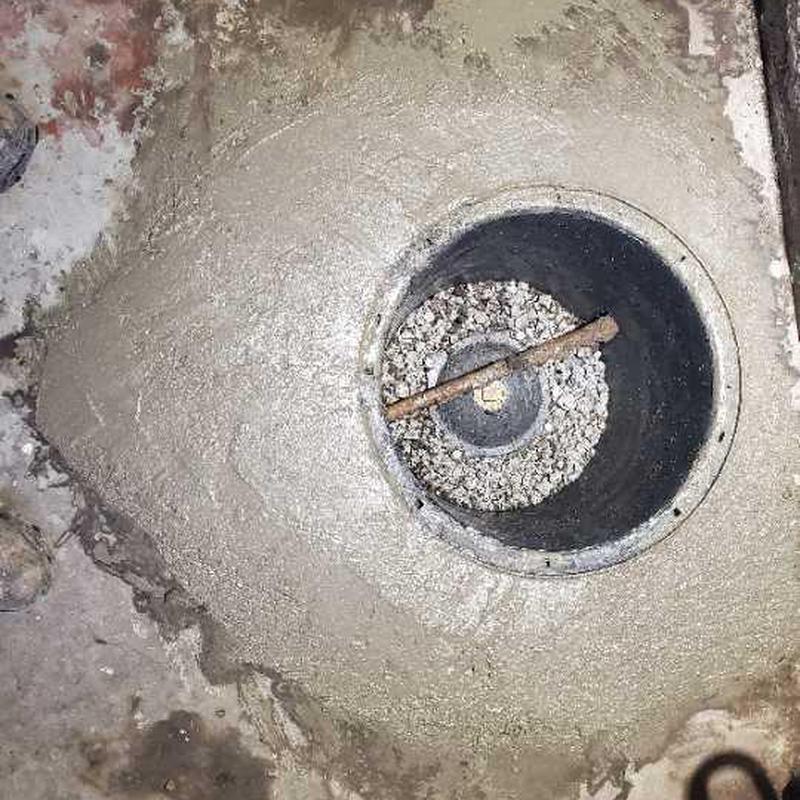
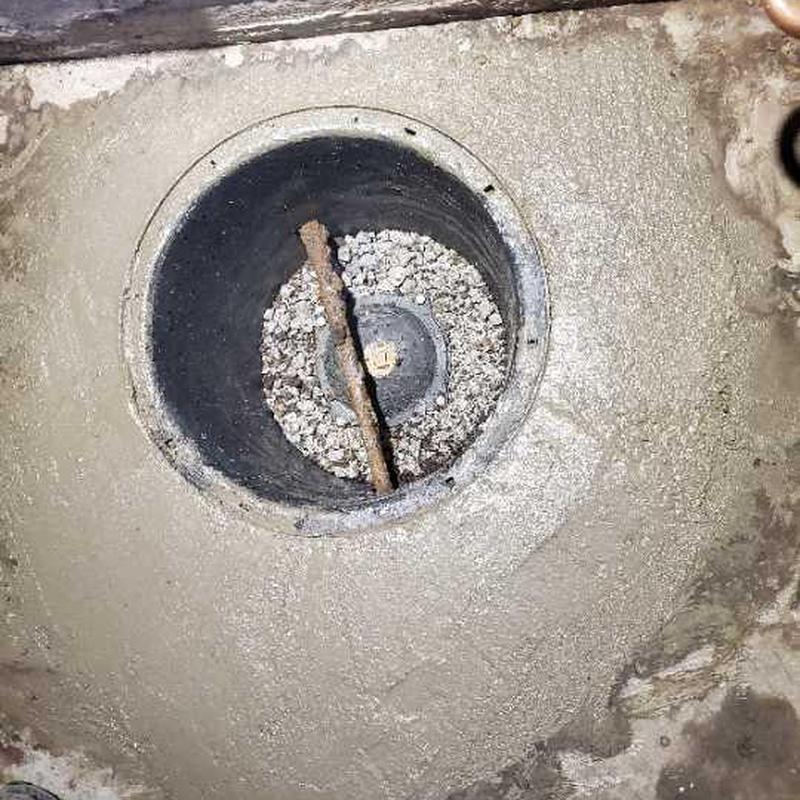
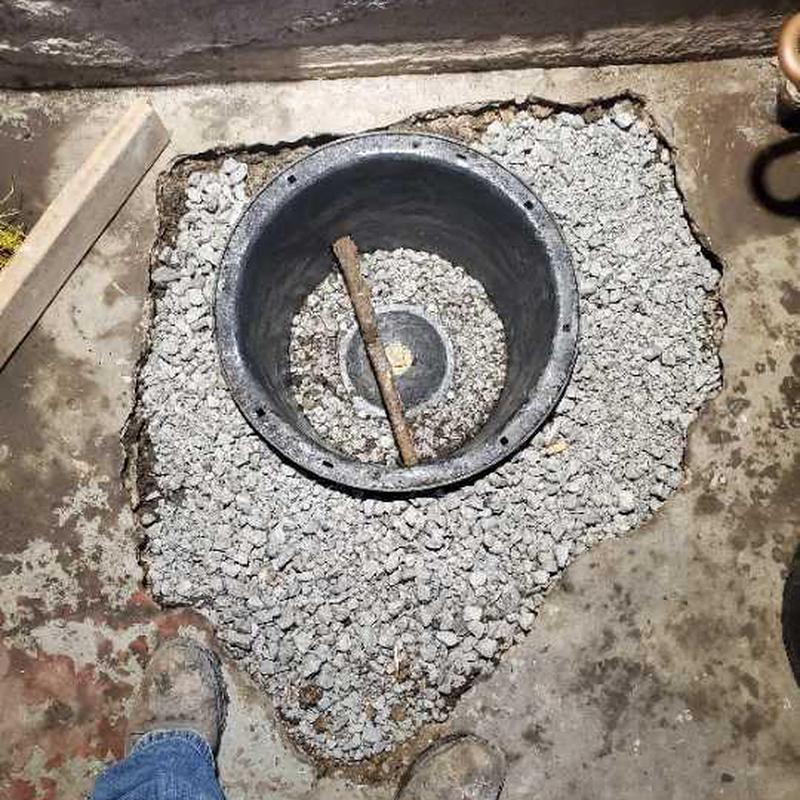
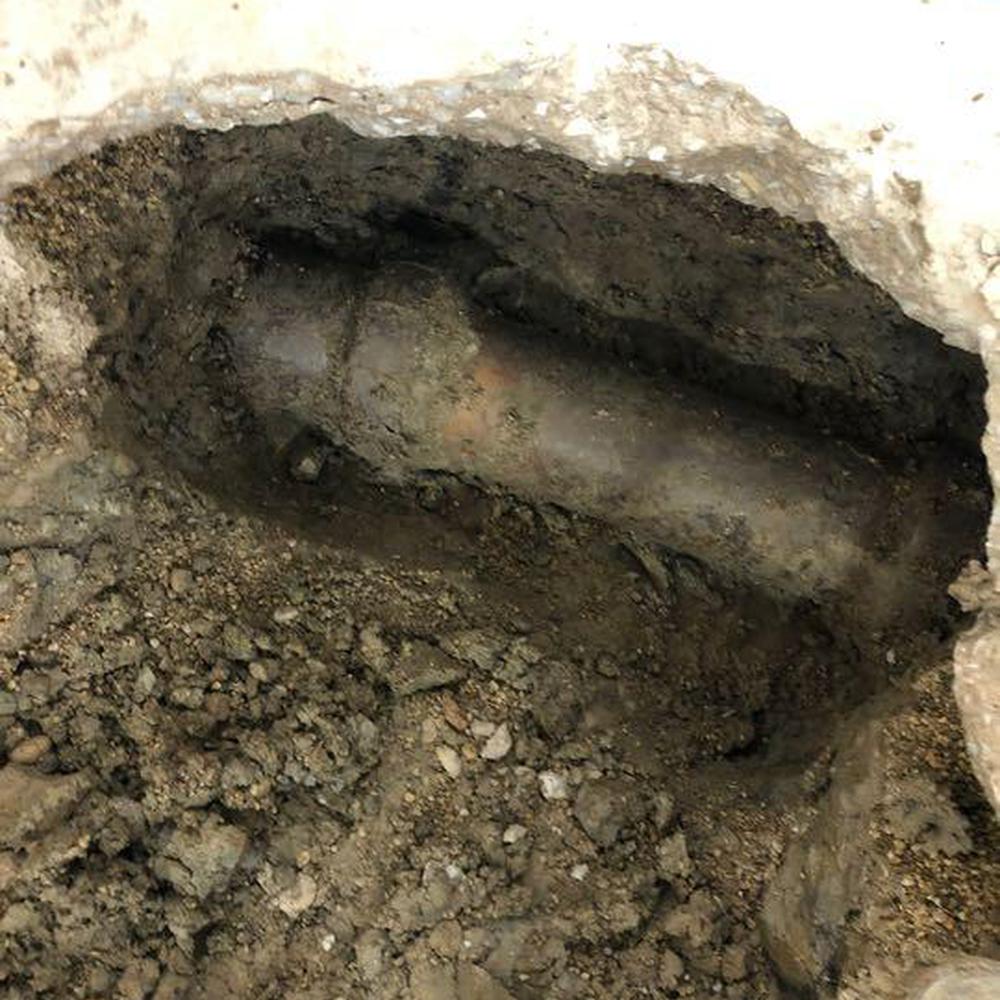
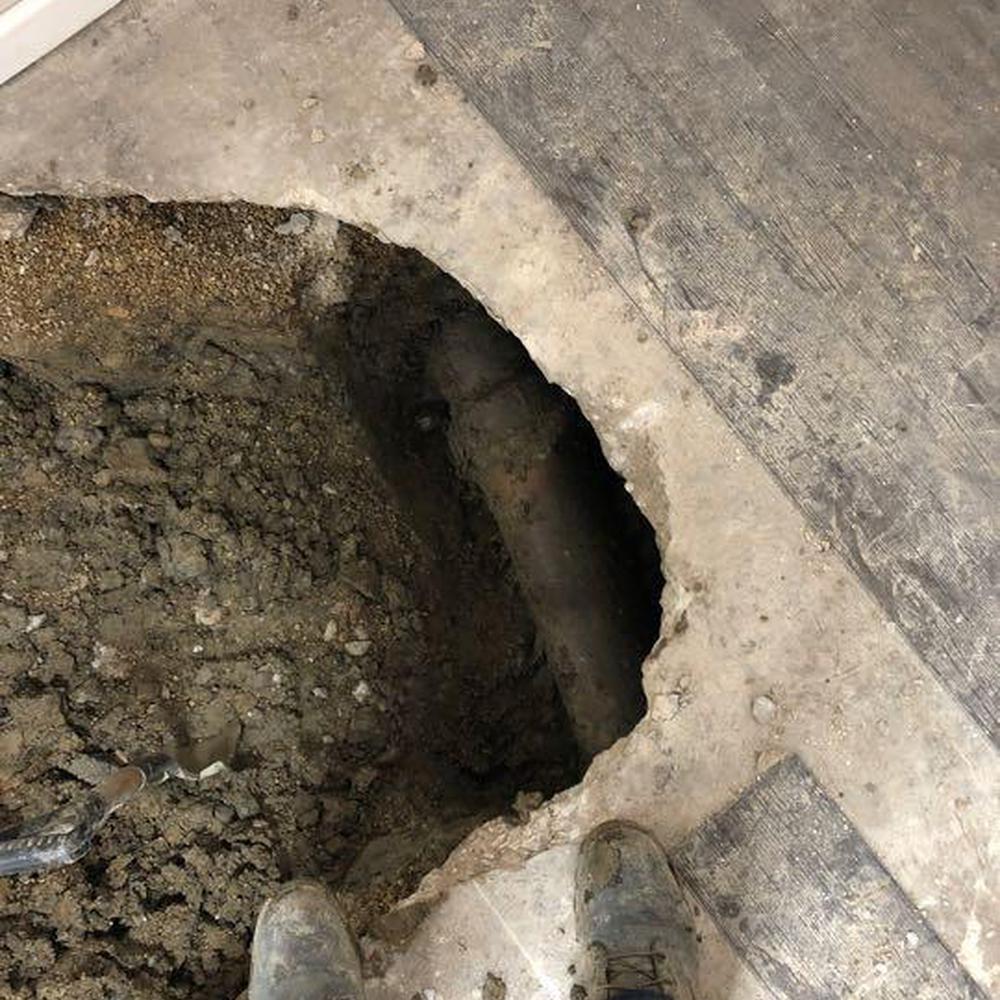
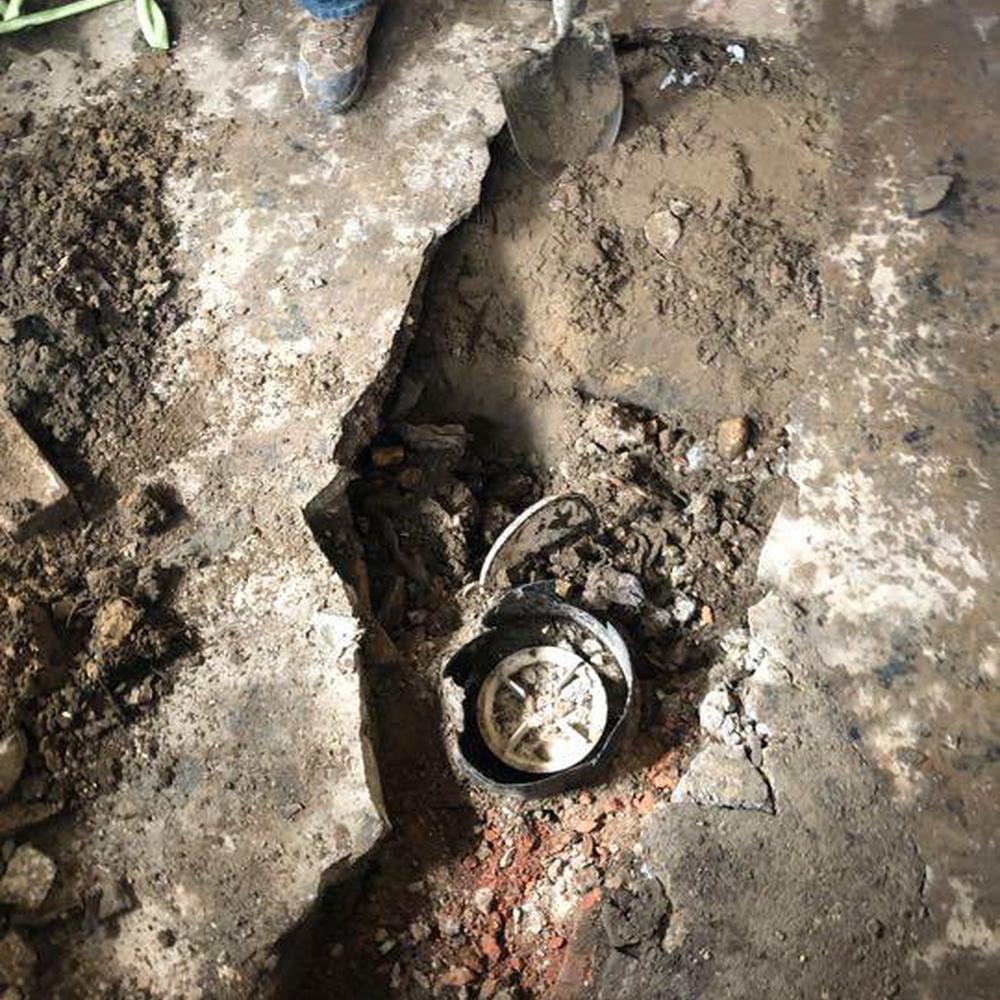
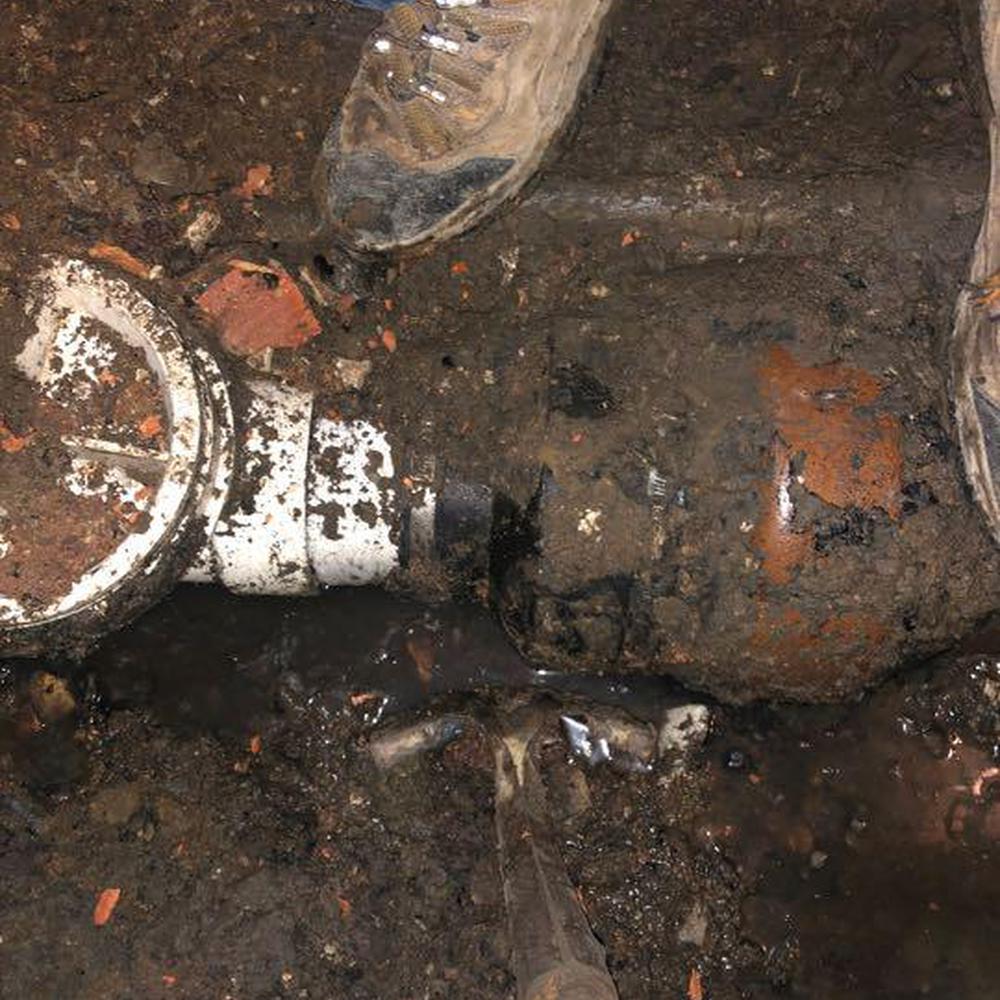
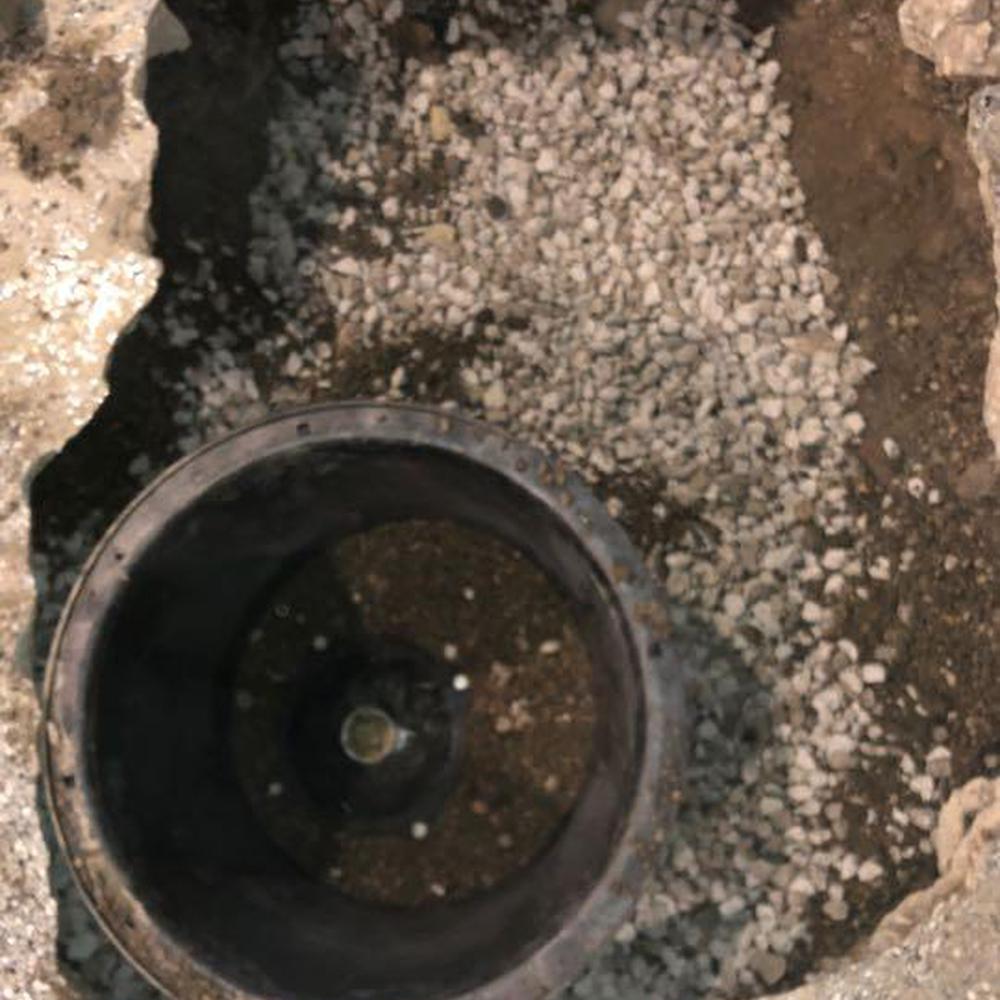
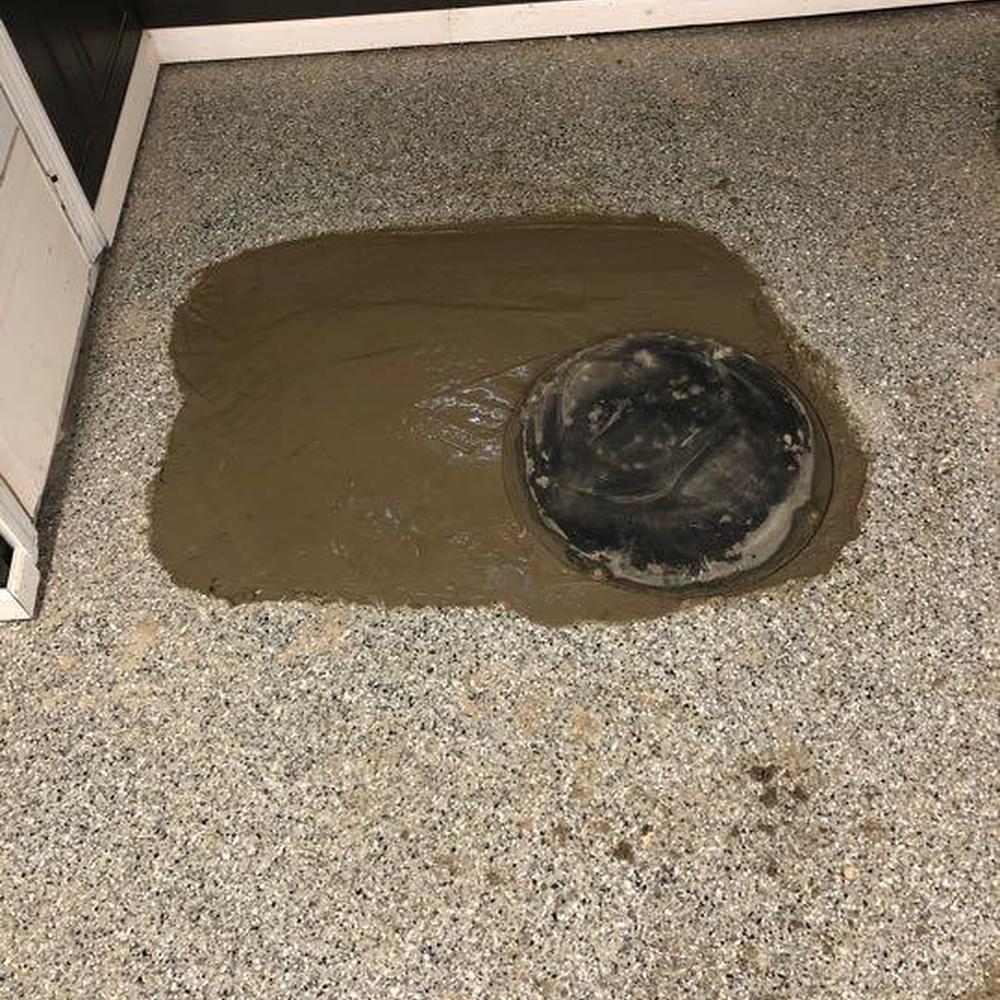
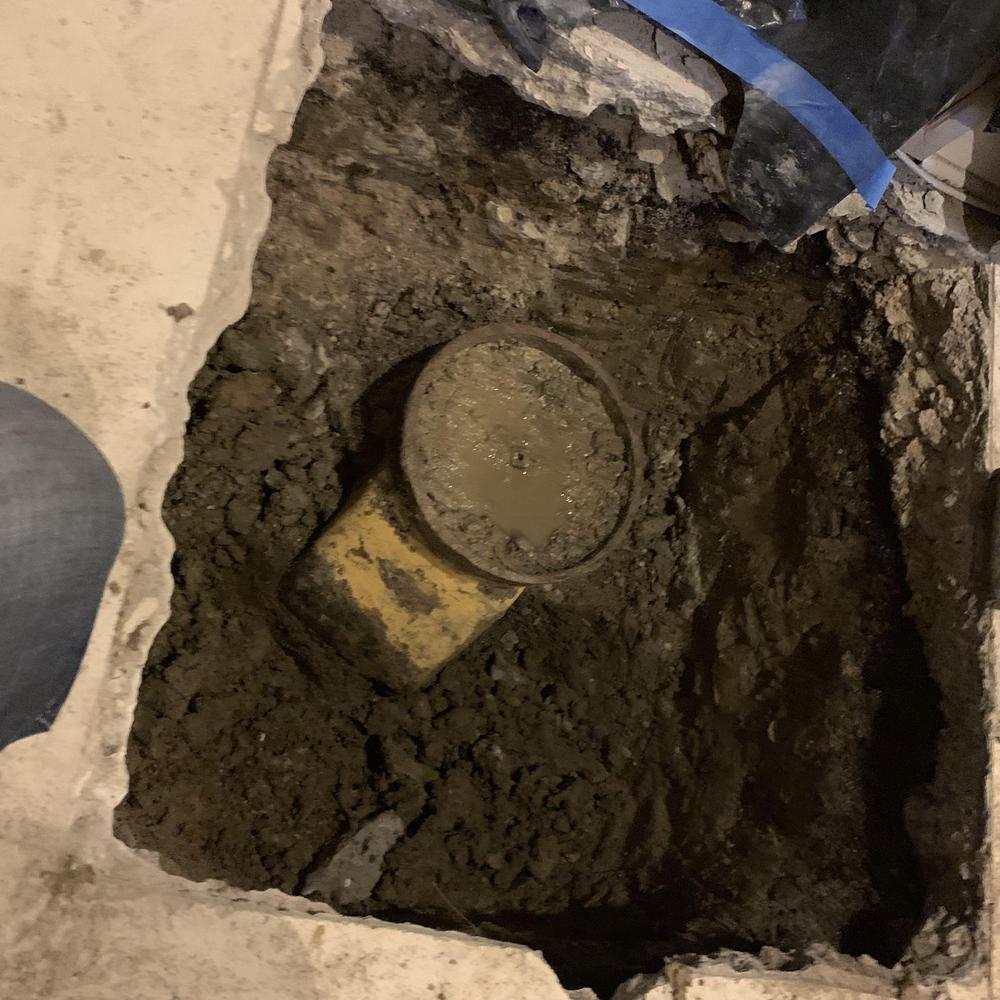
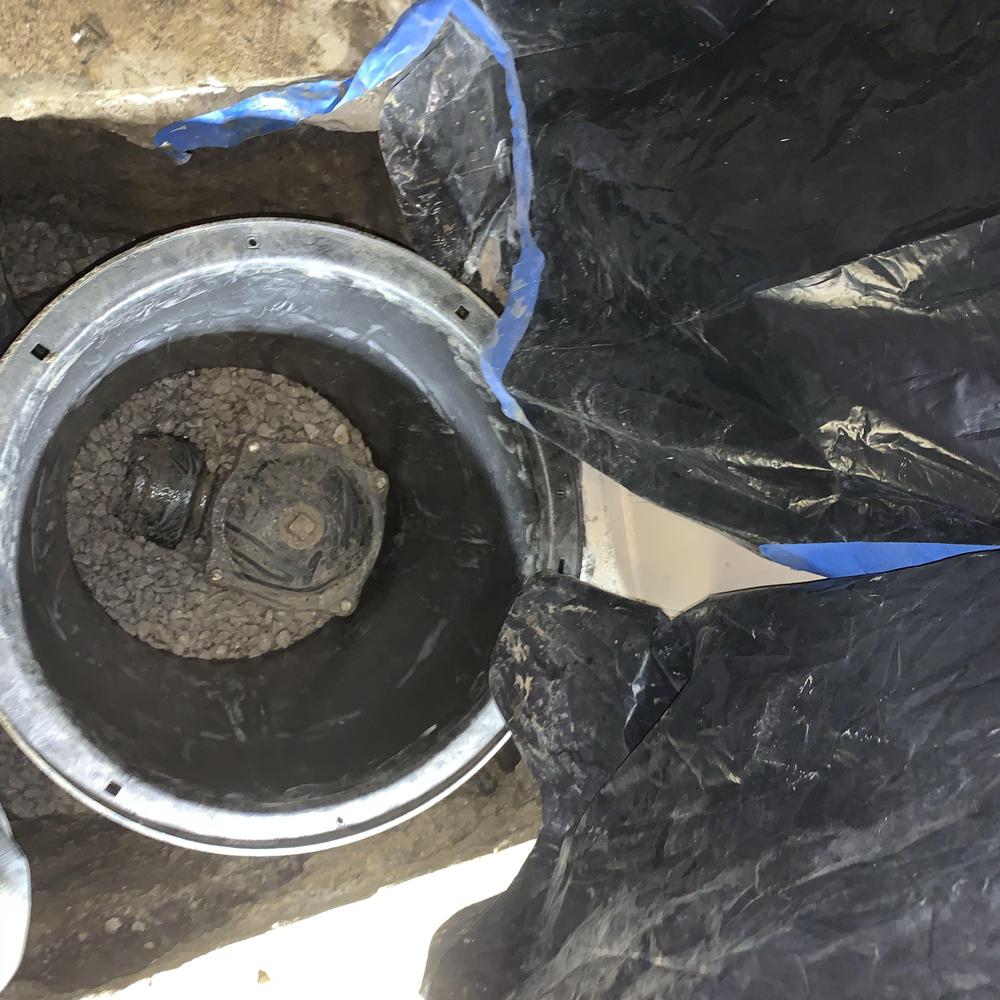
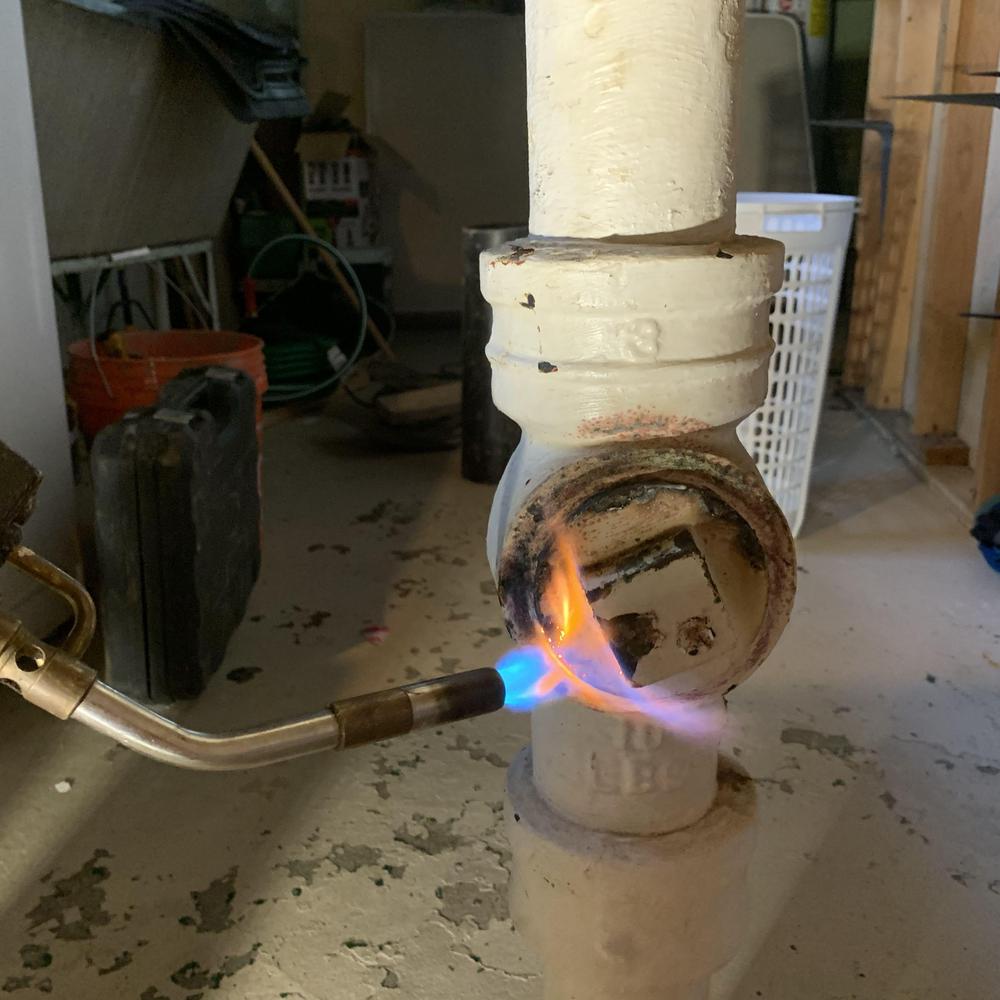
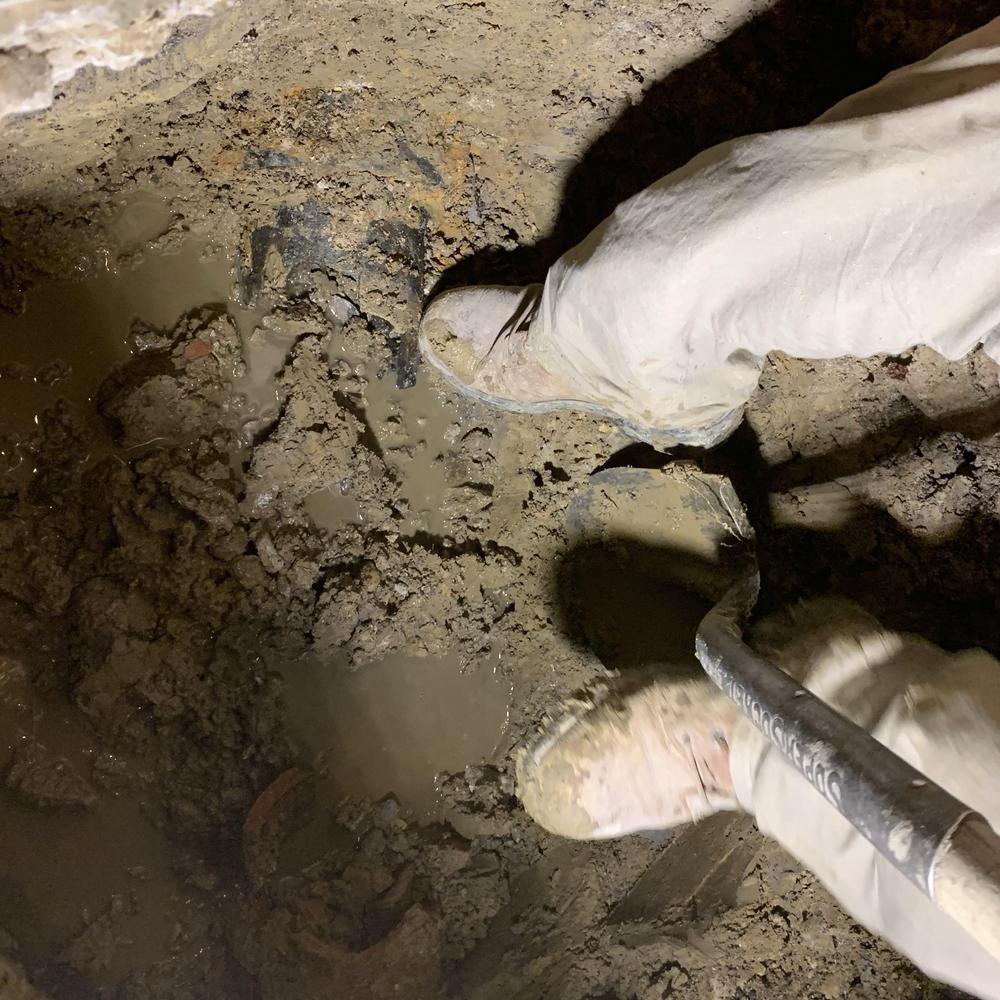
A: Installation typically requires accessing the sewer line, which may involve cutting and removing a section of basement concrete. The valve is then installed into the appropriate portion of the sewer line, properly supported, connected, and tested for operation before the concrete floor is restored. The exact installation process depends on the home's existing plumbing configuration and where the sewer line is located. When permits are required, we handle the necessary installation and inspection requirements.
Q: Do you repair or replace existing backwater valves?
A: Yes. If an existing backwater valve is damaged, corroded, stuck, or no longer operating properly, we can inspect the system and determine whether repair or replacement is the better option. Older valves can develop problems over time, particularly when they have not been properly maintained. Addressing a malfunctioning valve before a major storm can help ensure your sewer backup protection is ready when you need it.
Q: Will a backwater valve protect my basement from every type of flooding?
A: No. A backwater valve is designed to address sewer backflow, not every possible source of basement flooding. It can help prevent wastewater from flowing backward through the protected sewer line, but it does not stop groundwater from entering through foundation walls or floor cracks, and it does not replace a sump pump. Depending on the cause of your flooding, your home may need additional protection such as a sump pump system, drainage improvements, sewer repairs, or an overhead sewer system.
Q: Do you install sewer backflow prevention systems for commercial properties and multi-unit buildings?
A: Yes. We provide sewer backflow prevention services for commercial properties, apartment buildings, restaurants, and other multi-unit properties throughout the Chicago area. These buildings can have more complicated sewer layouts and higher potential damage exposure, making proper system evaluation especially important. We assess the existing plumbing configuration and recommend a solution based on the property's specific drainage and sewer backup risks.
Q: Are there rebates available for backwater valve installation in the Chicago suburbs?
A: Some Chicago-area municipalities offer flood control or sewer backup prevention programs that may help offset the cost of eligible improvements, including backwater valve installations. Programs, funding amounts, and eligibility requirements vary by municipality and can change over time. If you are considering a backwater valve, check with your city or village to determine whether a current rebate or assistance program is available for your property.
Protect Your Chicago Property From Sewer Backflow
Sewer backflow can turn a heavy rainstorm into a serious basement flooding problem. If your Chicago-area home or business has experienced sewer backups, flooding during storms, or other warning signs of wastewater flowing backward, Suburban Plumbing Experts can evaluate your system and recommend the right protection.
Our sewer backflow prevention services include professional backwater valve installation, repair, replacement, and system evaluations. We consider your property's sewer connection, basement plumbing, previous flooding history, and local drainage conditions to determine what type of protection makes sense for your property.
Don't wait for the next major storm to find out whether your home is protected. Call 708-801-6530 today to schedule a sewer backflow prevention evaluation with Suburban Plumbing Experts and take the right steps toward protecting your basement from future sewer backup damage.
Schedule Sewer Backflow Prevention Service Now
Suburban Plumbing Sewer Line & Drain Cleaning Experts
⏰ Open 24 Hours
📞 Phone: Suburbs: 708-801-6530 Chicago: 773-570-2191
📧 Email: info@suburbanplumbingexperts.com
🚨 Emergency Hotline: 708-518-7765
Trusted Sewer Backflow Prevention Services Across Chicago & Surrounding Suburbs
Protecting Chicago-area homes and businesses from sewer backups and basement flooding with professional backflow prevention solutions designed for heavy rainfall and aging infrastructure.
Chicago & Suburban Service Area
Serving Chicago, Naperville, Downers Grove, Hinsdale, Oak Brook, Elmhurst, Wheaton, Glen Ellyn, and surrounding Chicagoland communities.
Licensed, Insured & Local Experts
- ✔ Licensed Sewer & Plumbing Professionals in Illinois
- ✔ Fully Insured Residential & Commercial Service
- ✔ Sewer Backup Prevention Solutions
- ✔ Basement Flood Protection Services
- ✔ Emergency Sewer Backup Response Available
- ✔ Code-Compliant Installation & Repairs
- ✔ Experienced with Chicago’s Aging Sewer Systems
- ✔ Fast Dispatch Across Chicagoland Communities
Trusted by homeowners and property managers across Chicagoland for reliable sewer backup protection solutions.
Most Recent Pins (15)

Most Recent Reviews (9)
 Rich Leabru