Sewer Odor Detection in Chicago, IL for Hidden Plumbing Problems
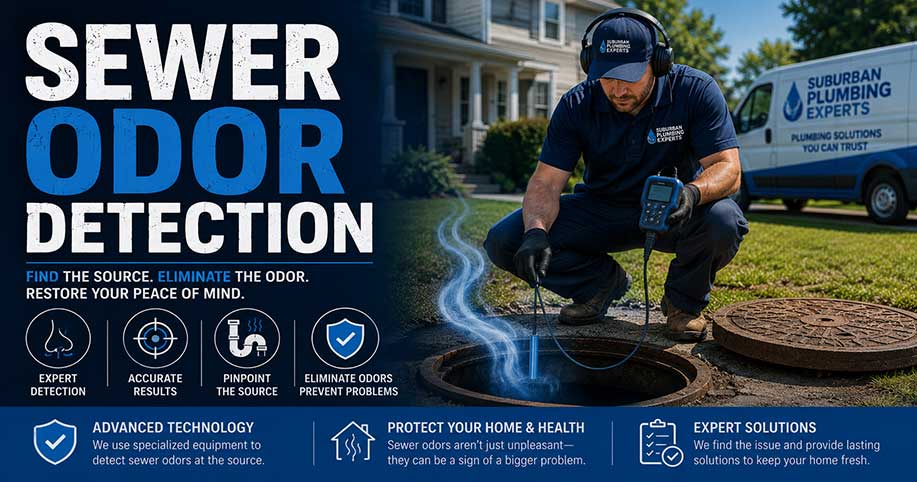
Sewer odor detection in Chicago, IL helps homeowners and businesses identify the source of persistent sewage smells, sewer gas, and hidden plumbing problems before they lead to more serious damage.
Suburban Plumbing Experts uses professional sewer smoke testing, gas detection equipment, sewer camera inspections, and plumbing evaluations to investigate persistent odor problems. Our licensed plumbers look beyond the smell itself to identify the underlying defect, whether it involves a damaged pipe, leaking connection, blocked drain, failed plumbing trap, or improperly functioning vent.
We provide sewer odor detection and troubleshooting for residential properties, restaurants, commercial buildings, and multi-unit properties throughout Chicago and the surrounding suburbs. Our goal is to locate the actual source of the odor so the appropriate repair can be recommended.
If you're unsure what's causing a sewage smell in your home, read our guide on why your Chicago home smells like sewage and how to find the source for an overview of common causes and warning signs.
Sewer Odor Detection and Diagnosis in Chicago, IL
Persistent sewer odors can come from hidden pipe damage, leaking connections, blocked drains, or improperly functioning plumbing vents. Professional sewer odor detection helps locate the source so the underlying plumbing problem can be addressed rather than simply masking the smell.
Suburban Plumbing Experts uses sewer camera inspections, professional smoke testing, gas detection equipment, and plumbing evaluations to investigate unexplained odors in residential and commercial properties throughout Chicago.
Find Hidden Sewer Leaks, Cracks, and Blockages
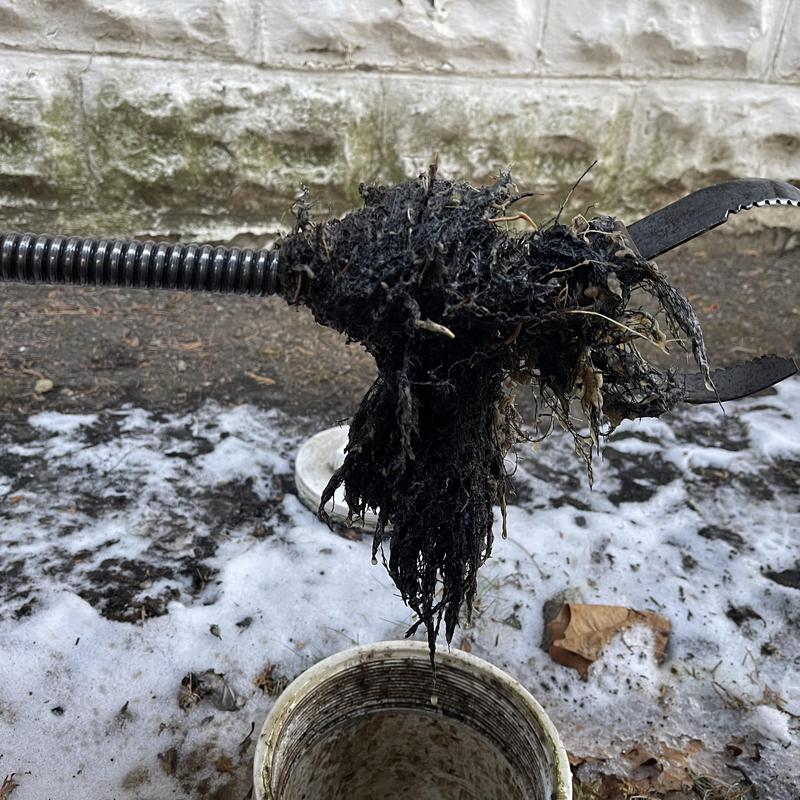
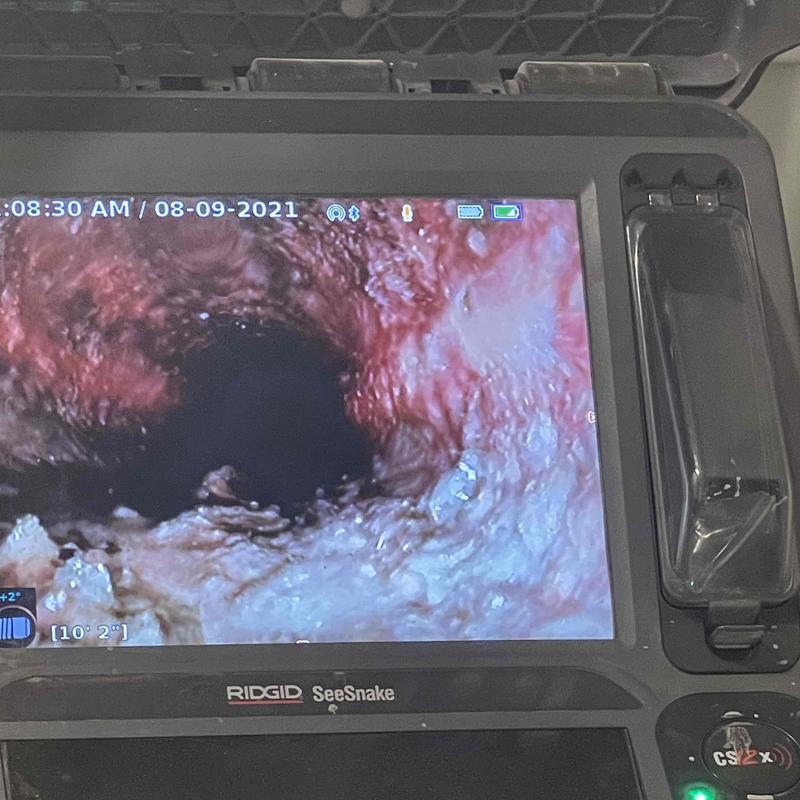
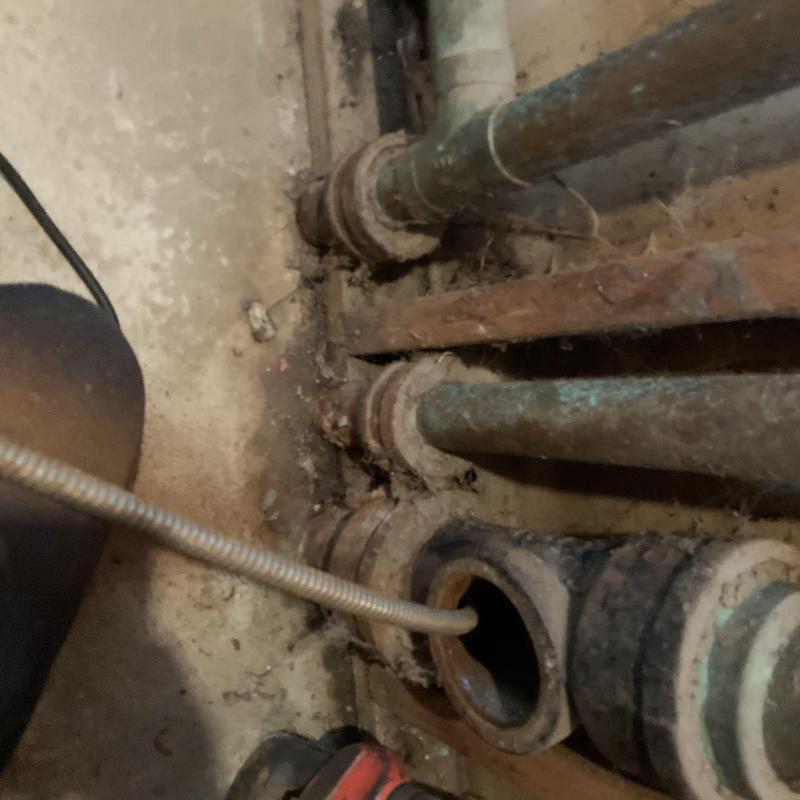
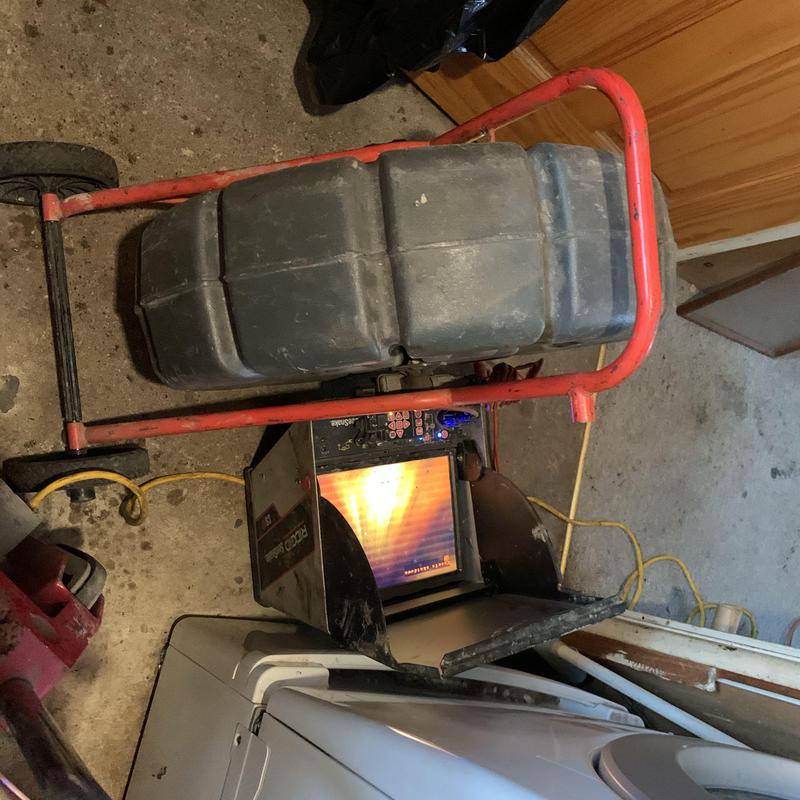
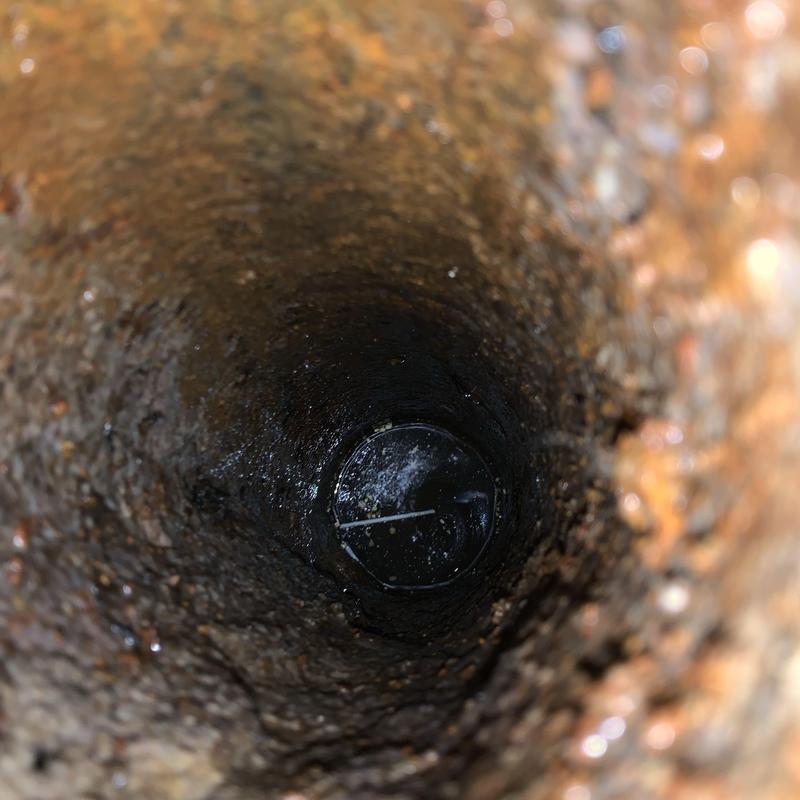
Damaged sewer pipes, deteriorated joints, and blockages can contribute to persistent sewage smells. Our team performs professional sewer camera inspections to examine accessible piping and identify cracks, root intrusion, obstructions, and other visible defects that may be contributing to the problem.
When the source of an odor is not immediately visible, additional diagnostic methods can help narrow down where sewer gases are escaping. Identifying the actual defect allows us to recommend a targeted repair instead of relying on guesswork.
Check Vent Pipes for Sewer Gas Problems
Plumbing vent systems help maintain proper air pressure within drainage piping and direct sewer gases outside the building. Damaged, obstructed, disconnected, or improperly installed vent pipes can allow unpleasant odors to enter interior spaces.
Our plumbers evaluate accessible vent piping and related plumbing connections to identify conditions that may be contributing to sewer gas odors in your home or business.
Sewer Odor Detection for Homes and Businesses
We provide sewer odor detection and inspection services for a wide range of properties, including single-family homes, apartments, restaurants, offices, and multi-unit commercial buildings.
Larger properties can have more complicated drainage systems, multiple plumbing connections, and several potential sources of recurring odors. Our Chicagoland plumbing team evaluates the property's plumbing configuration and uses appropriate diagnostic methods to investigate the problem.
Emergency Sewer Odor Detection and Troubleshooting
Strong or persistent sewer odors should not be ignored, particularly when they occur in enclosed areas such as basements, crawl spaces, or utility rooms. Our 24-hour emergency plumbers serve Chicago and the surrounding suburbs and can investigate urgent plumbing odor problems.
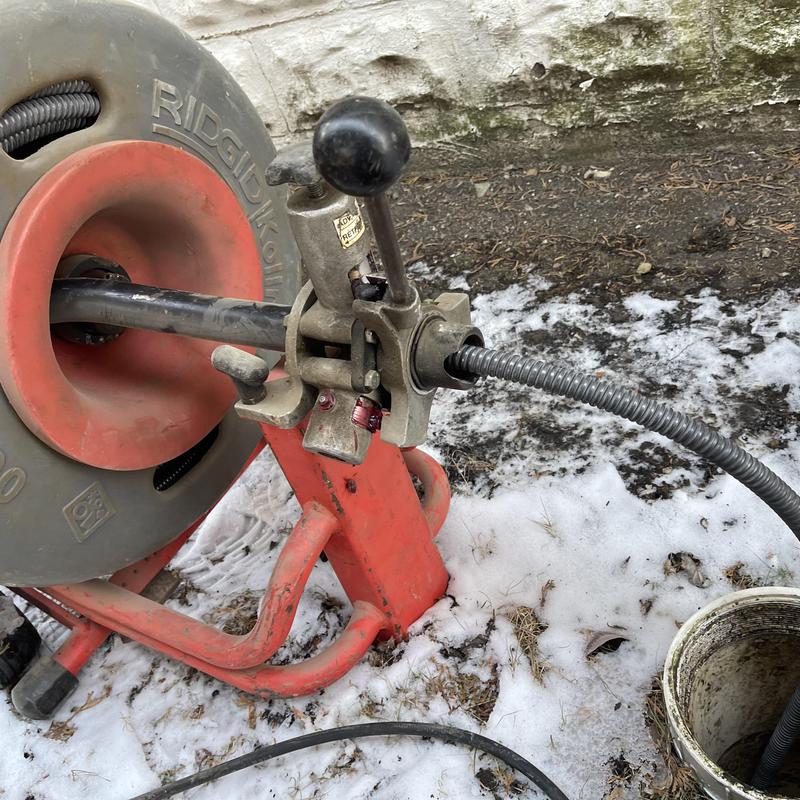
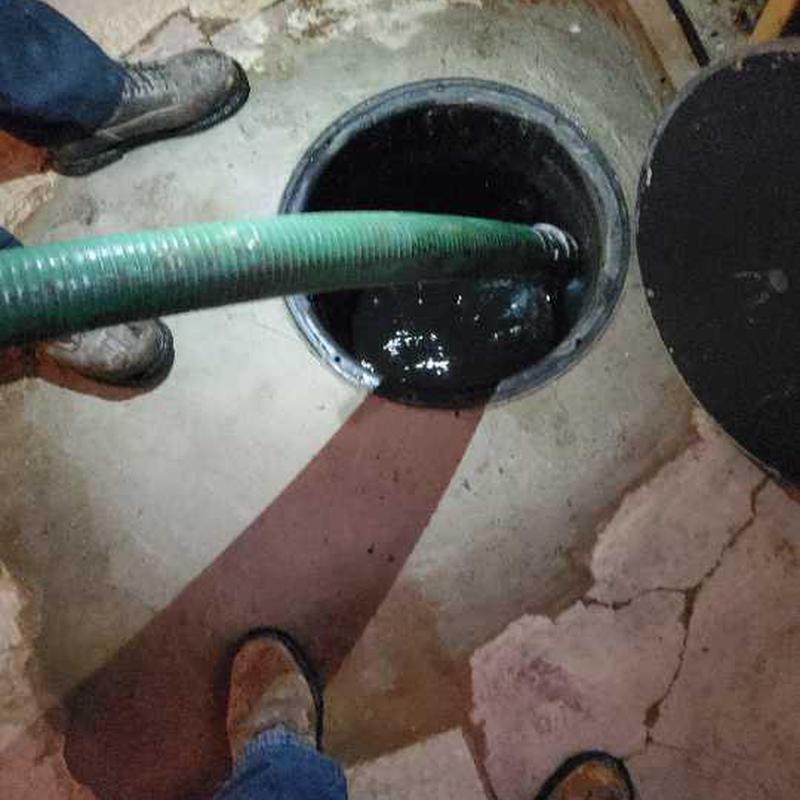
Sometimes the source is a blocked or partially blocked drain line containing accumulated grease, debris, or decomposing organic material. When a blockage is responsible, we may be able to resolve the problem using sewer rodding to mechanically clear the obstruction or hydro jetting to remove buildup from the pipe interior.
However, drain cleaning will not correct every sewer odor problem. Cracked pipes, failed connections, damaged traps, and venting defects require different diagnostic and repair approaches.
Clear Odor-Causing Buildup From Drain Lines
Slow or blocked drains can contribute to unpleasant odors when grease, soap residue, hair, and organic debris accumulate inside the piping. Our professional drain cleaning service addresses buildup in kitchen lines, bathroom drains, floor drains, and main sewer lines.
If odors are caused by accumulated material inside a drain, clearing the obstruction can help eliminate the source. When the smell continues after cleaning, further investigation may be necessary to determine whether a damaged pipe, leaking connection, or ventilation problem is responsible.
Prevent Recurring Sewer Odors With Proper Maintenance
Recurring sewer odors can indicate a plumbing problem that has not been fully resolved. Periodic inspections can help identify developing drainage issues, deteriorating pipe connections, damaged vent piping, and other conditions before they become more serious.
A crack in a sewer line, for example, can allow sewer gases to escape even when wastewater is still flowing normally. Drain cleaning alone will not correct structural pipe damage. Identifying the defect early can help property owners address it before further deterioration makes a sewer line repair more extensive.
Our plumbers explain inspection findings, discuss the available repair options, and provide clear recommendations based on the actual condition of the plumbing system.
Identify the Source and Recommend the Right Repair
Finding the source of a sewer odor is only the first step. The appropriate solution depends on the condition causing the smell. Repairs may involve restoring a failed trap seal, correcting a vent connection, clearing a blockage, sealing a leaking joint, or repairing damaged sewer piping.
Our licensed plumbers explain what they find and recommend the appropriate corrective work. We focus on addressing the underlying cause rather than using temporary odor-masking solutions.
Professional sewer odor detection helps homeowners and property managers make informed decisions about plumbing repairs and reduce the chance of recurring odor problems.
What Causes Sewer Odors? Understanding Sewer Gas and Its Potential Risks
Sewer gas is more than an unpleasant smell. It is a mixture of gases produced by decomposing organic matter in wastewater and sewer systems. Depending on its composition and concentration, sewer gas can create health and safety concerns when it escapes into an enclosed home or building. Persistent sewer odors should not be ignored, especially when the smell is strong, recurring, or accompanied by plumbing or drainage problems.
Sewer gas can contain several different gases and compounds, including:
- Methane
- Hydrogen sulfide
- Ammonia
- Carbon dioxide
- Nitrogen-containing compounds
- Other sulfur-containing gases
Hydrogen sulfide is commonly associated with the rotten-egg smell of sewer gas. At elevated concentrations, it can be toxic. Methane is flammable and can create a fire or explosion hazard if it accumulates in an enclosed space at sufficient concentrations.
Not every unpleasant plumbing odor comes from sewer gas. Gasoline, solvents, cleaning products, and other chemicals can produce strong smells that may be mistaken for sewage odors. A natural gas leak can also be confused with a sewer-related smell. If you suspect a natural gas leak, leave the building without operating electrical switches or creating ignition sources, then contact your gas utility or emergency services from a safe location.
Common plumbing causes of sewer odors include:
- Dry or damaged drain traps: A missing or evaporated water seal can allow sewer gases to enter through a floor drain, sink, or other plumbing fixture.
- Cracked or leaking sewer pipes: Damaged piping and failed connections can allow sewer gases to escape into walls, crawl spaces, basements, or other areas.
- Blocked or restricted drains: Accumulated waste and organic material can contribute to unpleasant odors and drainage problems.
- Improperly functioning vent pipes: Damaged, obstructed, or disconnected plumbing vents can interfere with proper drainage ventilation and allow odors to enter the building.
For Chicago-area homes and businesses, aging plumbing, deteriorated sewer connections, and older drainage systems can make identifying the source especially important. Professional sewer odor detection can help determine whether the problem involves a drain trap, sewer line, plumbing connection, or vent system so the appropriate repair can be recommended rather than simply masking the smell.
Why Professional Sewer Odor Detection Matters for Chicago Properties
Persistent sewer odors inside a home or commercial building should not be dismissed as a simple nuisance. Unexplained sewage smells can indicate problems that are not visible from the surface, including leaking sewer connections, damaged piping, failed drain traps, or improperly functioning vent systems. Identifying the source helps property owners understand what needs attention before an underlying plumbing problem becomes more extensive.
At Suburban Plumbing Experts, our sewer odor detection services focus on finding where odors originate and determining how sewer gas may be entering the building. Our licensed plumbers evaluate the plumbing and drainage system and use professional diagnostic methods, including sewer smoke testing, gas detection equipment, and camera inspections when appropriate.
Identify the Source Instead of Masking the Odor
Air fresheners, drain deodorizers, and other temporary solutions may cover up an unpleasant smell, but they do not correct the plumbing condition causing it. A recurring sewer odor needs to be investigated to determine whether the source is a drain trap, leaking pipe connection, damaged sewer line, or venting problem.
Once the source is identified, our plumbers can explain what is happening and recommend the appropriate repair. This helps avoid spending money on cleaning or replacing plumbing components that are not responsible for the odor.
Protect Your Property From Developing Plumbing Problems
A persistent sewer odor can sometimes be an early warning sign of a plumbing defect. Damaged piping, deteriorating connections, and recurring drainage problems may become more extensive if left unaddressed. Finding these conditions early gives property owners a better opportunity to plan repairs before additional problems develop.
For commercial buildings, restaurants, apartment properties, and multi-unit facilities, recurring sewer odors can also affect occupants, employees, customers, and daily operations. A professional investigation helps property managers understand the source of the problem and determine the corrective work needed.
Whether you are dealing with an occasional sewage smell or an odor that continues to return despite previous plumbing work, professional sewer odor detection provides a clearer understanding of the problem and the next steps toward resolving it.
Common Causes of Sewer Odors in Chicago Homes and Businesses
Sewer odors can develop for several different reasons, and the source is not always obvious. Blocked drains, damaged sewer piping, leaking connections, dry drain traps, and improperly functioning plumbing vents can all contribute to unpleasant odors inside a home or commercial building. Some of the most common causes include:
- Blocked or Restricted Drains: Grease, soap residue, hair, and organic debris can accumulate inside drain lines and restrict wastewater flow. Trapped waste and standing wastewater can produce unpleasant odors, particularly when drainage problems are recurring or a blockage is developing.
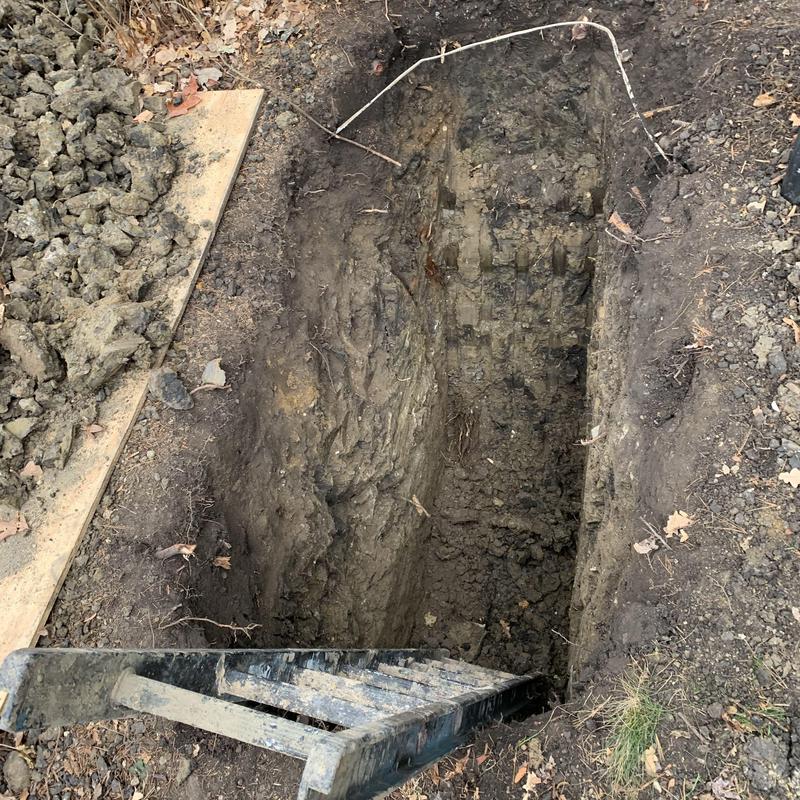
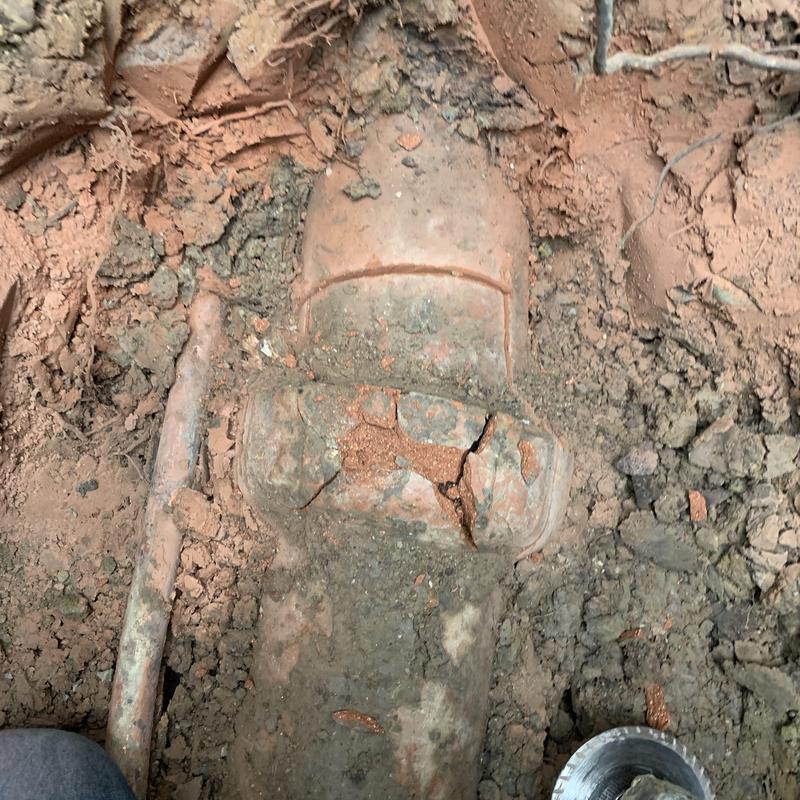
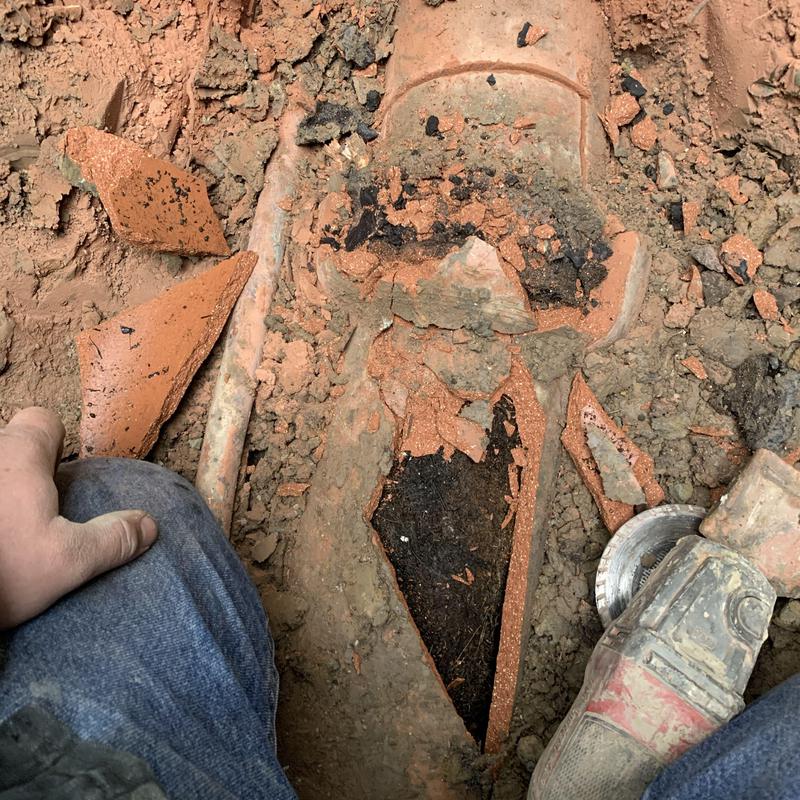
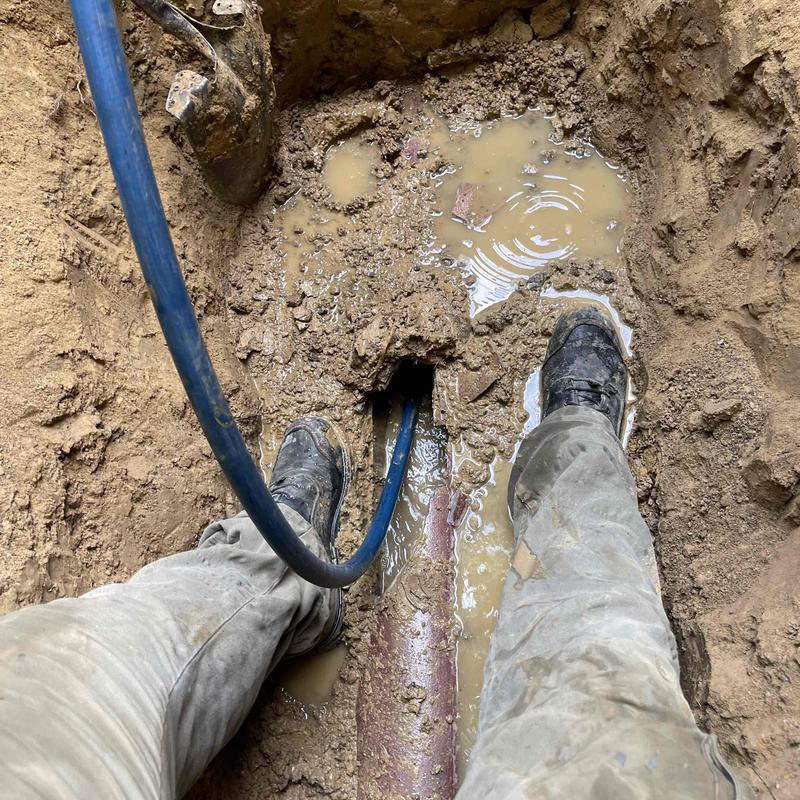
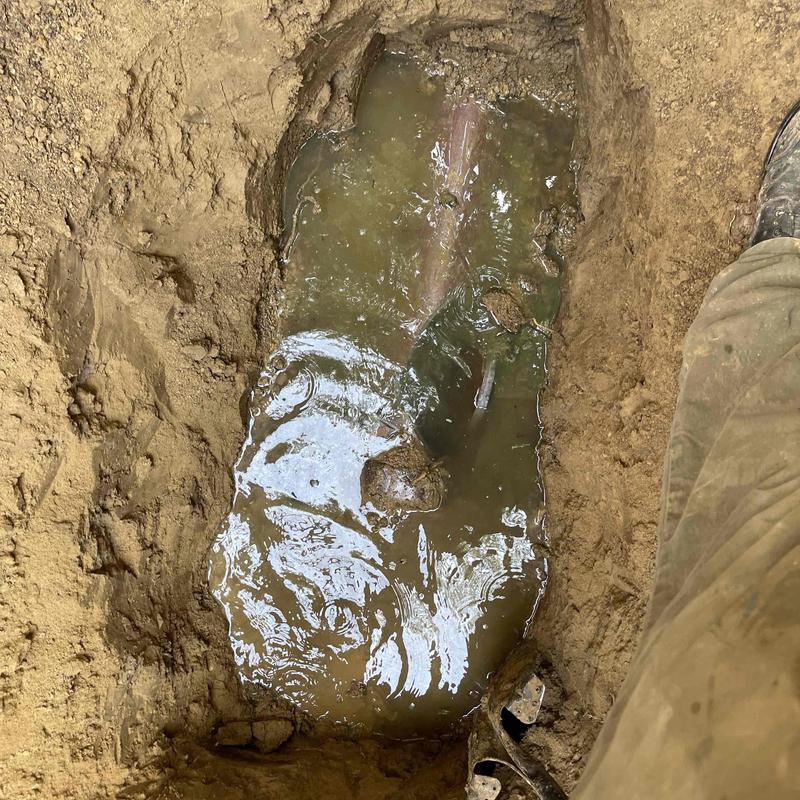
- Cracked or Damaged Sewer Pipes: Sewer piping normally contains wastewater and sewer gases within a sealed drainage system. When a pipe is cracked or damaged, gases and wastewater can escape into surrounding areas. Hidden defects may require a sewer camera inspection or other diagnostic testing to locate.
- Leaking Pipe Joints and Connections: Plumbing connections can deteriorate due to age, corrosion, shifting, or previous installation problems. Failed joints and loose connections can allow sewer gases to escape into walls, crawl spaces, basements, or other concealed areas.
- Dry or Damaged P-Traps: P-traps hold water that creates a barrier between the plumbing system and the interior of a building. When a trap dries out through evaporation or becomes damaged, sewer gases can enter through the drain opening. This is especially common in infrequently used sinks, showers, floor drains, and other fixtures.
- Damaged or Obstructed Plumbing Vents: Plumbing vents help regulate air pressure in drainage systems and direct sewer gases outside. A blocked, disconnected, or damaged vent pipe can interfere with proper system operation and contribute to sewer odors inside the building.
Identifying the specific cause of a sewer odor is important because cleaning a drain or masking the smell may not resolve the underlying problem. Professional sewer odor detection can help determine whether the issue involves a blockage, failed trap, damaged pipe, leaking connection, or venting problem so the appropriate repair can be recommended.
Sewer Odor Detection Technology and Diagnostic Methods
Locating the source of a persistent sewer odor can be difficult when the problem is hidden behind walls, beneath floors, inside plumbing connections, or within underground sewer lines. Suburban Plumbing Experts uses professional diagnostic methods and specialized equipment to investigate where sewer gases are escaping and why unpleasant odors are entering a property.
Depending on the symptoms and condition of the plumbing system, our plumbers may use sewer smoke testing, gas detection equipment, sewer camera inspections, and visual evaluations to narrow down the source of the problem.
Professional Sewer Smoke Testing
Sewer smoke testing is an effective diagnostic method for investigating hidden openings and defects in drainage systems. During a smoke test, specialized testing equipment introduces visible smoke into the plumbing system under controlled conditions. If there is an opening, defective connection, or other pathway allowing gases to escape, smoke may become visible at the problem area.
This can help identify conditions such as cracked sewer piping, separated joints, defective cleanout connections, and improper plumbing connections that may otherwise be difficult to locate. Smoke testing is particularly useful when sewer odors persist but the source cannot be identified through a standard visual inspection.
Professional Sewer Gas Detection
Gas detection equipment provides another way to investigate unexplained sewer odors. Our plumbers use specialized detection equipment to help identify the presence of sewer-related gases and narrow down areas that require further inspection.
This can be especially useful when odors are intermittent, difficult to trace, or coming from concealed plumbing areas. Gas detection findings can help guide additional investigation rather than relying on the location where the smell happens to be strongest.
Sewer Camera Inspections and Leak Detection
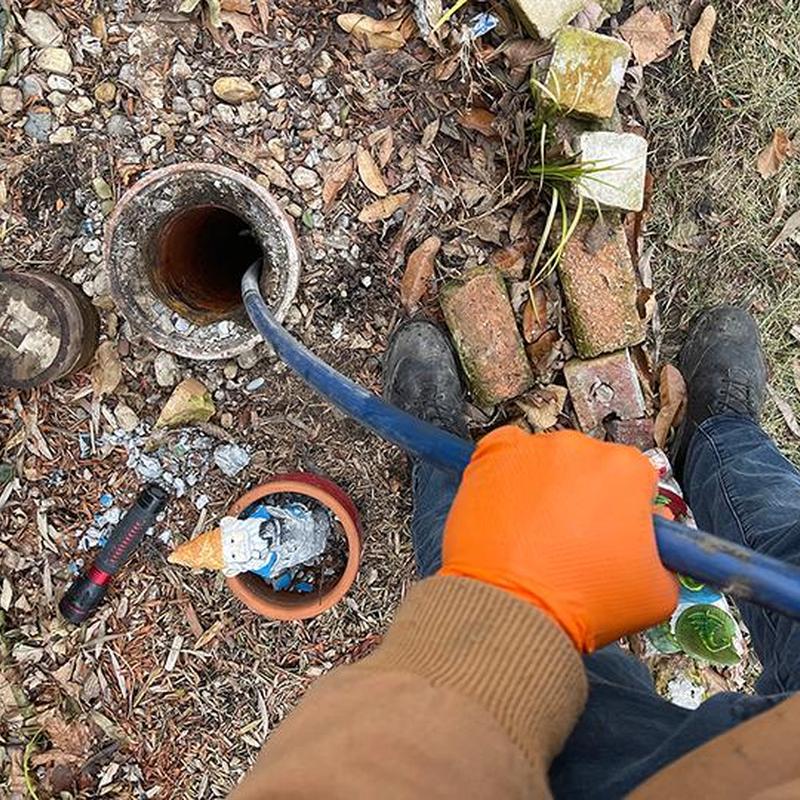
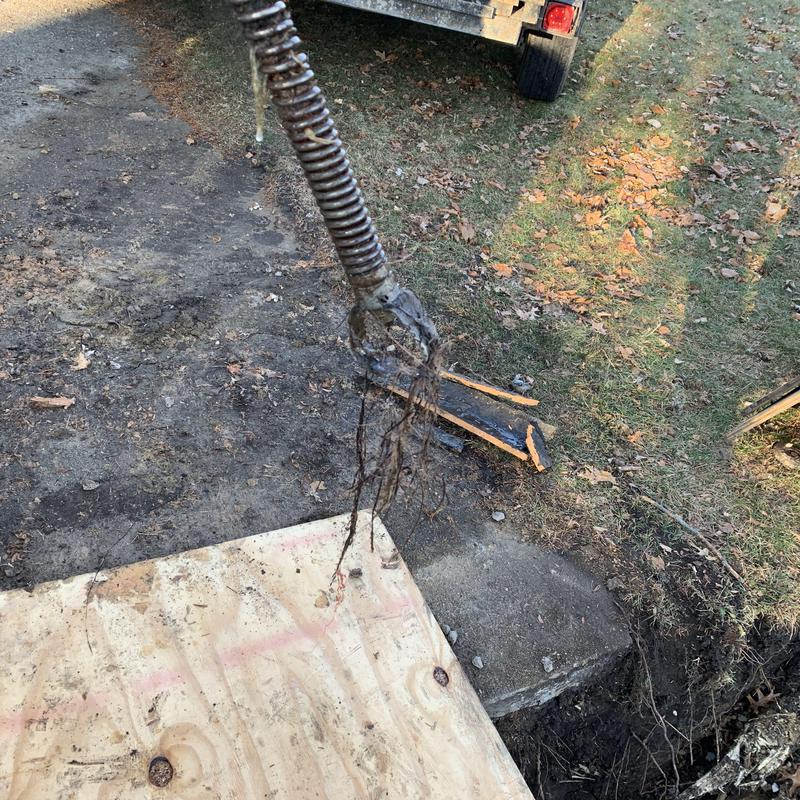
Camera inspections allow our plumbers to examine accessible sewer piping from the inside. This equipment can help identify cracks, blockages, root intrusion, separated connections, and other visible defects that may contribute to drainage or odor problems.
When the source involves a hidden plumbing leak rather than an identifiable sewer line defect, our professional leak detection services can help locate the affected area.
Combining Diagnostic Methods to Find the Source
Not every sewer odor problem requires the same inspection method. A dry floor drain trap, a damaged underground sewer connection, and a leaking pipe inside a wall each require a different approach.
By combining sewer smoke testing, gas detection, camera inspections, and professional plumbing evaluations when appropriate, our team can investigate the actual conditions contributing to the odor and recommend the appropriate repair.
The goal is to identify where the odor originates and address the underlying plumbing problem rather than relying on temporary odor-control products or unnecessary drain cleaning.
What Different Sewer Odors Can Tell You About a Plumbing Problem
Unusual odors inside a home or commercial building can provide clues about a plumbing problem, but smell alone cannot reliably identify the source. A rotten-egg or sewage-like odor may indicate escaping sewer gas, a dry drain trap, or another drainage or ventilation issue. Other strong odors may have nothing to do with the sewer system.
A skunk-like or rotten-egg smell can also be associated with natural gas. Although natural gas is naturally odorless, utility companies add an odorant such as mercaptan to make leaks easier to detect.
If you suspect a natural gas leak, leave the building immediately. Do not operate electrical switches, use appliances, or create an ignition source. Once you are safely outside, contact your gas utility or emergency services. Do not attempt to locate the leak yourself.
If the odor appears to be coming from a drain, plumbing fixture, or sewer system, professional investigation can help determine whether the problem involves a dry trap, damaged pipe, leaking connection, or improperly functioning vent.
Suburban Plumbing Experts provides professional sewer odor detection and plumbing diagnostics throughout Chicago and the surrounding suburbs. Contact our sewer service team to have persistent plumbing-related odors investigated and the appropriate corrective work recommended.
Responsible Sewer Odor Control for Chicago Properties
Effective sewer odor control starts with identifying and correcting the plumbing condition responsible for the smell. At Suburban Plumbing Experts, we focus on practical repairs that address the source of the problem rather than relying on air fresheners, temporary odor-masking products, or unnecessary chemical treatments.
The appropriate solution depends on what our inspection reveals. A dry drain trap may only need its water seal restored, while a leaking pipe connection, damaged sewer line, or improperly functioning vent system may require a more involved repair. When buildup or a blockage is responsible, professional drain cleaning may help eliminate the source.
We also consider the condition of the existing plumbing system and recommend corrective work based on what is actually needed. Proper diagnosis helps property owners avoid unnecessary treatments and reduces the likelihood of recurring odor problems caused by defects that were never addressed.
For homes, restaurants, commercial buildings, and multi-unit properties throughout Chicago and the surrounding suburbs, our goal is straightforward: identify the source, explain the available solutions, and help restore a sanitary, comfortable indoor environment.
Sewer Odor Detection FAQs for Chicago Homeowners and Property Managers
Where Do You Start When There's a Sewage Smell in the House but You Can't Find the Source?
This is exactly the type of problem professional sewer odor detection is designed to investigate. We begin by checking common sources, including dried floor drain traps, rarely used fixtures that have lost their water seals, and missing or damaged cleanout caps. If the source isn't immediately obvious, we can use professional sewer smoke testing to investigate hidden openings and defects in the drainage system.
Specialized equipment introduces visible, non-toxic smoke under controlled conditions. Smoke escaping from a pipe, connection, or other opening can help identify a potential pathway for sewer gases to enter the building. We document our findings and explain what they mean before recommending the appropriate repair.
Why Does a Sewer Smell Come and Go Instead of Being Constant?
Intermittent sewer odors can be caused by several conditions, including a partially evaporated trap seal, a plumbing vent problem, a loose connection, or a small leak. P-traps rely on standing water to block sewer gases, but that water can evaporate in rarely used fixtures or be siphoned out when drainage or venting problems affect the system.
Changes in air pressure, exhaust fans, and other building ventilation conditions can also influence when odors become noticeable. Because the smell may disappear before a plumber arrives, identifying the source sometimes requires testing and inspection rather than relying on the odor alone.
Is a Sewer Smell Inside My Home Dangerous?
It can be, depending on the gases involved, their concentrations, and the amount of ventilation in the affected area. Sewer gas can contain hydrogen sulfide, which is toxic at elevated concentrations, and methane, which is flammable. Strong or persistent odors in enclosed areas such as basements, crawl spaces, and utility rooms should be taken seriously.
Avoid ignition sources and leave the affected area if you suspect significant gas accumulation. If anyone experiences dizziness, nausea, breathing difficulties, or other concerning symptoms, seek emergency assistance. Contact a qualified plumbing professional to investigate the plumbing source.
If you suspect a natural gas leak rather than a sewer odor, leave the building and contact your gas utility or emergency services from a safe location.
Why Does My Basement Smell Like Sewage Near the Floor Drain?
One common cause is a dried-out floor drain trap. Floor drains that rarely receive water can lose their protective water seal through evaporation, allowing sewer gases to enter the basement. In some situations, restoring the water seal by adding water to the drain may eliminate the odor.
If the smell persists or returns, however, the problem may involve a damaged drain body, cracked trap, leaking connection, or another defect in the nearby plumbing. Further inspection, potentially including a camera inspection or smoke test, can help identify the source. We regularly investigate unexplained floor drain odors in older Chicago-area basements.
How Do You Find a Sewer Odor That Has Been Affecting a Building for Months?
Long-standing odor problems can involve hidden defects that are difficult to identify through routine plumbing inspections. Potential causes include improperly vented fixtures, cracked piping inside walls or beneath floors, failed connections, and drainage configurations that allow sewer gases to bypass a trap.
We approach these problems systematically, using sewer smoke testing to investigate potential openings and gas detection equipment or camera inspections when appropriate. Combining these methods helps narrow down the source and determine what corrective work is needed. We work with Chicago-area property owners and managers to investigate recurring odor complaints in residential, commercial, and multi-unit buildings.
Can a Damaged Sewer Line Cause a Sewage Smell Without Causing a Backup?
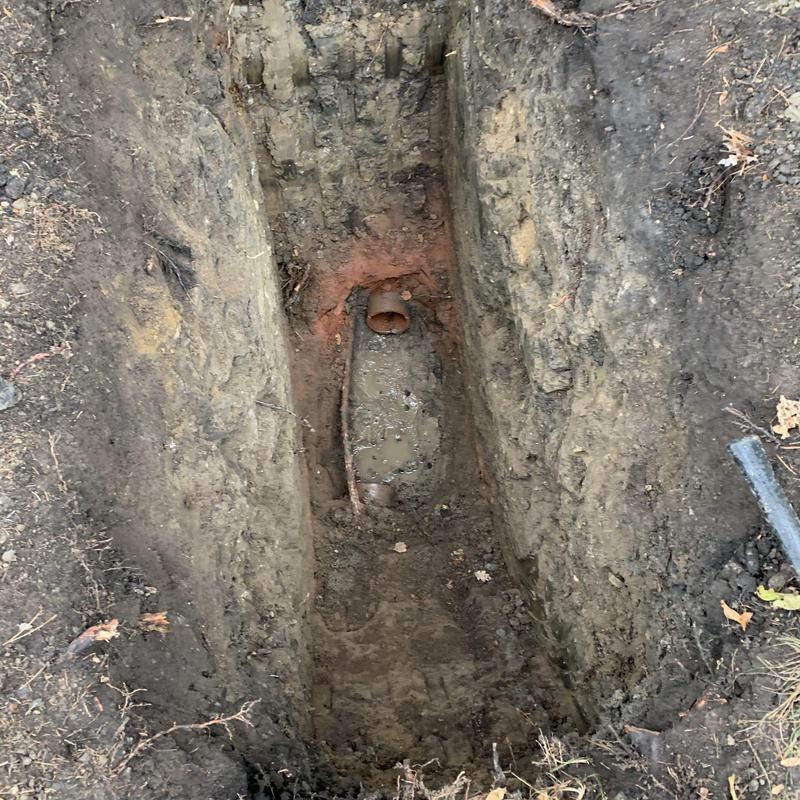
Yes. A cracked, deteriorated, or separated sewer line can allow sewer gases to escape before the pipe develops an obvious drainage failure or backup. This is particularly relevant in older Chicago-area properties, where clay sewer piping and aging underground connections are common.
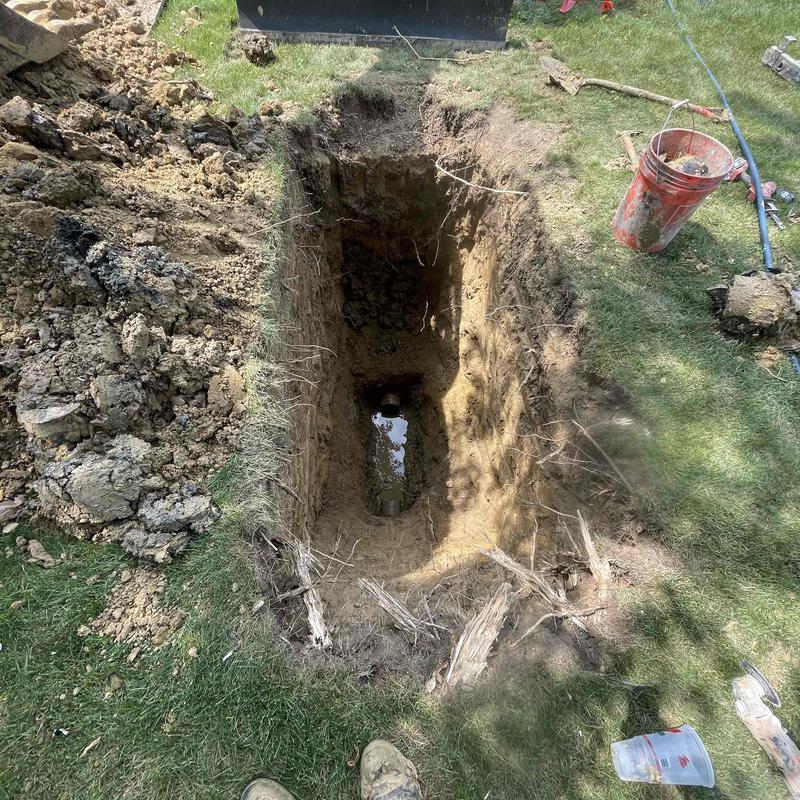
A camera inspection can help evaluate accessible sections of the sewer lateral for cracks, root intrusion, deterioration, and joint separation. Depending on the location and type of defect, additional testing may be needed to determine whether the damage is contributing to the odor. Identifying the condition of the line helps determine whether a targeted repair or more extensive replacement is appropriate.
Do You Provide Sewer Odor Detection for Commercial Properties and Apartment Buildings?
Yes. Suburban Plumbing Experts provides sewer odor detection and plumbing diagnostics for restaurants, offices, apartment buildings, commercial properties, and multi-unit facilities throughout the Chicago area. Larger buildings can have more complicated drainage and vent systems, multiple plumbing connections, and several potential sources of recurring odors.
We work with property managers, building owners, and facility personnel to investigate complaints, identify plumbing defects, and recommend appropriate corrective work. Call 708-801-6530 to discuss an unresolved odor problem at your property.
Why Does My House Still Smell Like Sewage After the Drains Were Cleaned?
Drain cleaning removes accumulated debris and buildup, but it does not repair cracked pipes, failed connections, damaged traps, or improperly functioning vent systems. If the odor returns after sewer rodding or hydro jetting, the underlying cause may be something that cleaning alone cannot correct.
Sewer smoke testing, gas detection, and camera inspections can help investigate these other possibilities. The next step is to identify what is allowing the odor to return rather than repeatedly cleaning a drain that may not be responsible.
What Repairs Are Needed After the Source of a Sewer Odor Is Found?
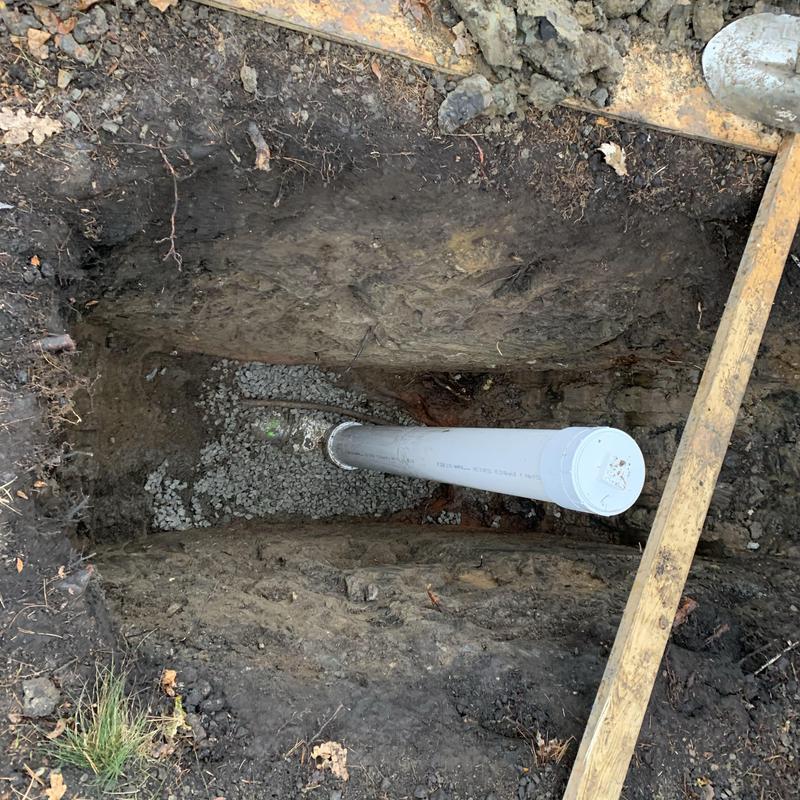
The repair depends on the condition responsible for the odor. Some problems are relatively simple, such as restoring water to a dried drain trap, replacing a missing cleanout cap, or correcting a failed toilet wax ring. Other situations may require repairing a leaking pipe connection, replacing a damaged section of sewer piping, correcting a vent connection, or addressing a deteriorated sewer lateral.
We explain our findings and discuss the available options before work begins. Our goal is to recommend a repair that addresses the actual problem rather than replacing plumbing components unnecessarily.
Can Sewer Smoke Testing Damage Plumbing or Leave Smoke Inside My Home?
Professional sewer smoke testing uses specialized equipment to introduce visible smoke into a drainage system under controlled conditions. When performed properly, the test is intended to help locate openings and defects without requiring walls or floors to be opened simply to search for the source.
Smoke escaping from an unintended opening can help identify a potential defect, and the test may reveal locations that need further investigation. The testing approach depends on the plumbing system and site conditions. Your plumber should explain the process and any necessary precautions before.
Schedule Professional Sewer Odor Detection in Chicago, IL
Persistent sewer odors are more than an unpleasant nuisance. They can indicate hidden plumbing problems such as damaged sewer piping, leaking connections, blocked drains, failed drain traps, or improperly functioning vent systems. Finding the source helps determine what needs to be repaired and can prevent an underlying problem from becoming more extensive.
Suburban Plumbing Experts provides professional sewer odor detection throughout Chicago and the surrounding suburbs. Our licensed plumbers use sewer smoke testing, gas detection equipment, camera inspections, and other diagnostic methods when appropriate to investigate unexplained sewage smells in homes, restaurants, commercial buildings, and multi-unit properties.
If you are dealing with a persistent or unexplained sewage smell, call Suburban Plumbing Experts at 708-801-6530 to schedule an inspection. We will investigate the problem, explain our findings, and recommend the appropriate repair based on the condition of your plumbing system.
Schedule Sewer Odor Detection Service Now
Suburban Plumbing Sewer Line & Drain Cleaning Experts
⏰ Open 24 Hours
📞 Phone: Suburbs: 708-801-6530 Chicago: 773-570-2191
📧 Email: info@suburbanplumbingexperts.com
🚨 Emergency Hotline: 708-518-7765
Professional Sewer Odor Detection in Chicago, IL
Persistent sewer odors can point to dried plumbing traps, damaged connections, venting problems, or openings that allow sewer gas to escape. Our licensed plumbers investigate the source using professional diagnostic methods, including gas detection and sewer smoke testing when appropriate.
Serving Chicago and the Western Suburbs
Based in Brookfield, we provide sewer odor detection and plumbing diagnosis throughout Chicago, Naperville, Downers Grove, Hinsdale, Oak Brook, Elmhurst, Wheaton, Glen Ellyn, Lombard, and surrounding communities.
Experienced, Licensed & Insured Plumbers
- ✓ Licensed Illinois Plumbing Professionals
- ✓ Insured Residential & Commercial Service
- ✓ Professional Sewer Odor Investigation
- ✓ Sewer Gas Detection Equipment
- ✓ Sewer Smoke Testing When Appropriate
- ✓ Investigation of Dry Traps and Venting Problems
- ✓ Sewer Camera Inspections When Needed
- ✓ Experience with Older Chicago-Area Plumbing Systems
Family-owned plumbing expertise backed by decades of experience.
We work to identify the source of recurring sewer odors and explain the appropriate next steps, rather than simply masking the smell.
Most Recent Pins (176)

Most Recent Reviews (21)
 Lisa AlGarry ErcoliJohn MooreGregory MalkowskiMargaret MahoneyRenee Mousavi-Dill
 Rich Leabru
 constantina mizis