Leak Detection Services in Chicago, IL for Hidden Plumbing Leaks
When you need leak detection in Chicago or the surrounding suburbs, finding the source of the water is just as important as repairing the damage. A hidden plumbing leak can develop behind a wall, beneath a floor, inside a ceiling, or underground without producing an obvious puddle. By the time you notice damp flooring, water stains, low water pressure, or an unusually high water bill, the problem may have been developing for some time.
Suburban Plumbing Experts provides professional leak detection and water leak repair services for homes and businesses throughout Chicagoland. Our licensed plumbers investigate the symptoms, use appropriate diagnostic methods, and explain the findings and repair options before work begins.
If you need a reliable water leak repair company, we provide free estimates, clear communication, and written pricing before work begins.
Signs You May Need Professional Leak Detection
Some plumbing leaks are easy to spot, while others remain hidden until they begin affecting your home or water bill. Recognizing the warning signs can help you address a problem before it becomes more extensive.
- An unexplained increase in your water bill: Higher usage without a clear reason may indicate a leaking pipe, fixture, toilet, or water line.
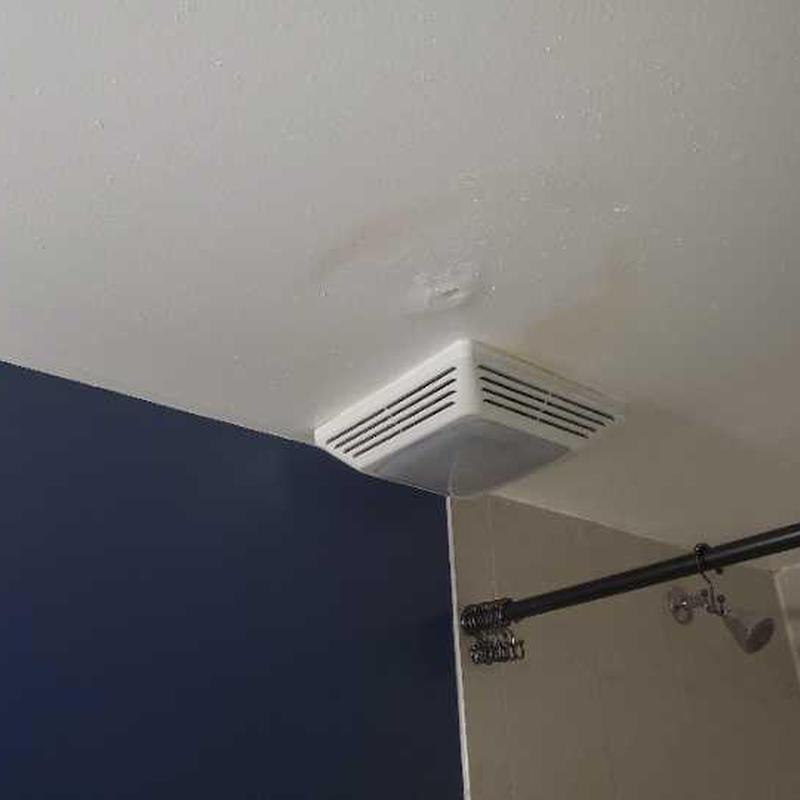
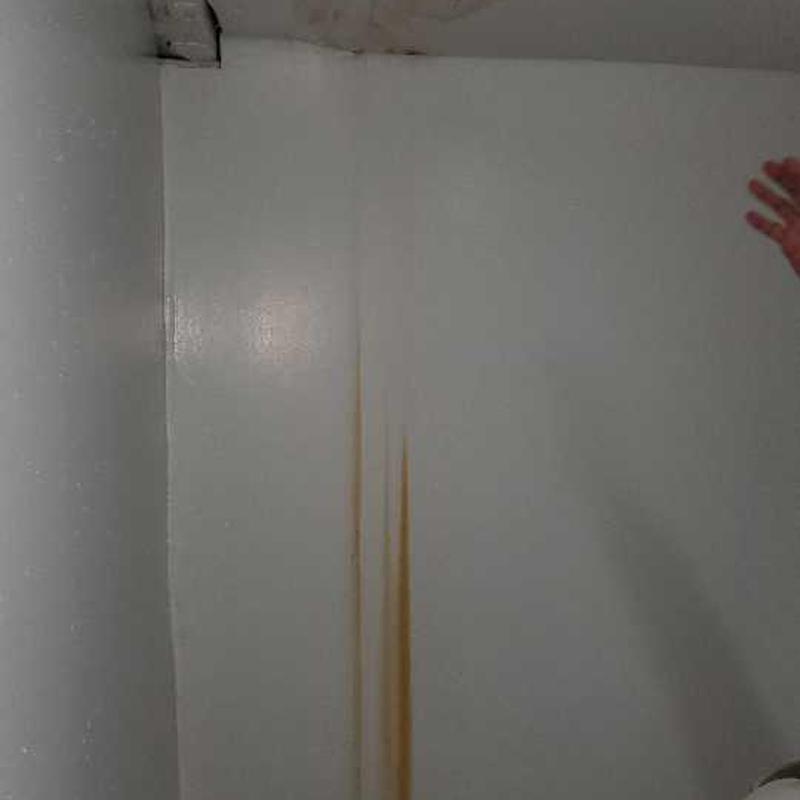
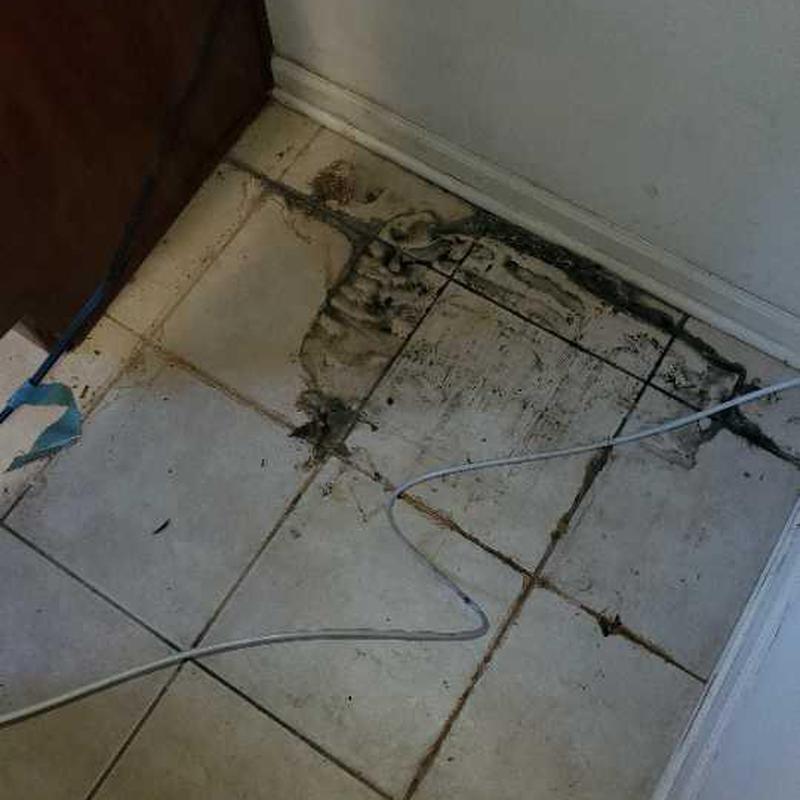
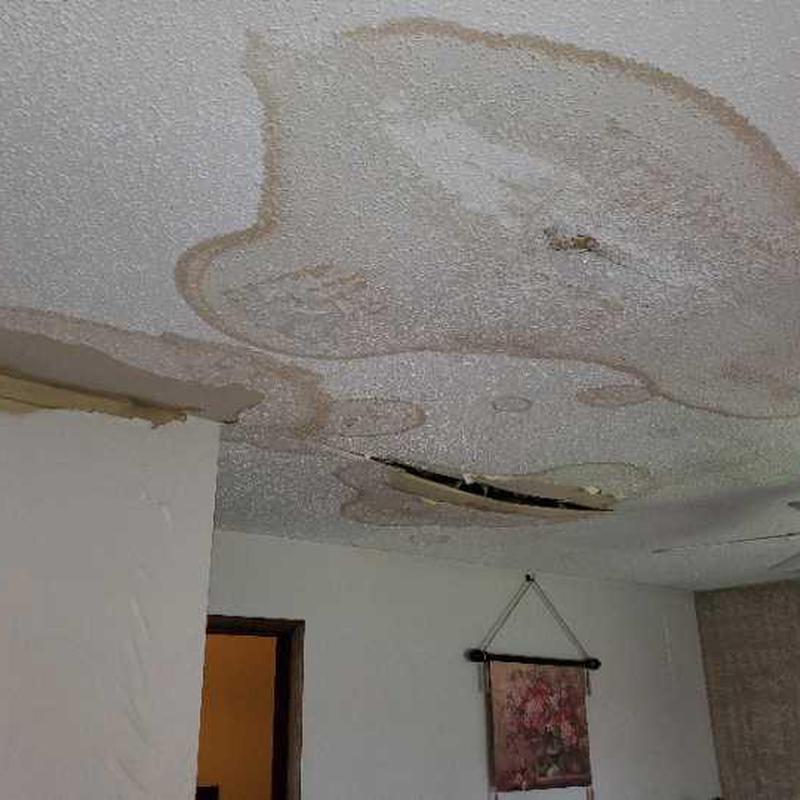
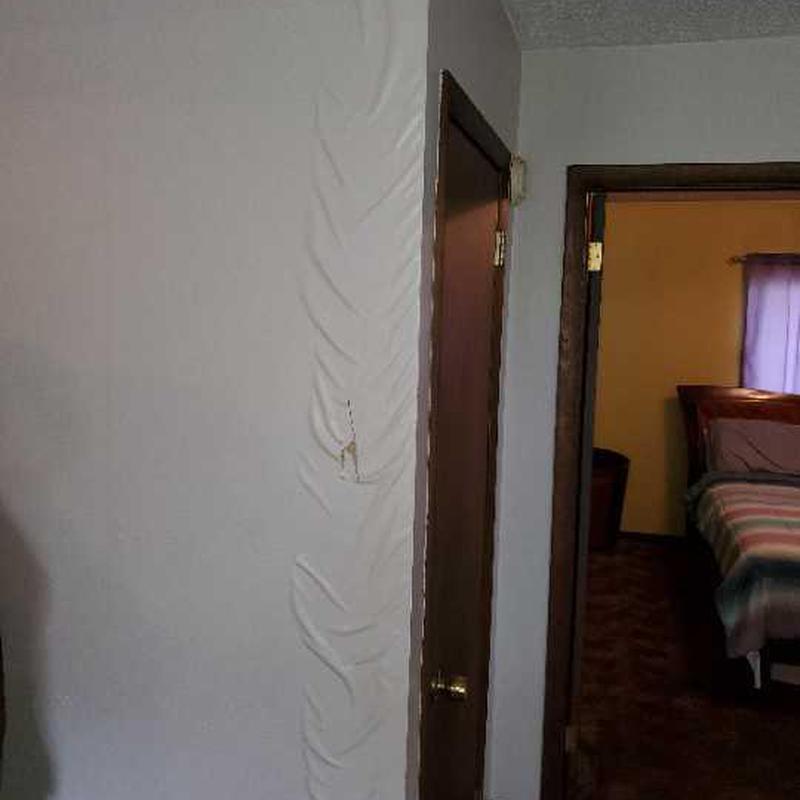
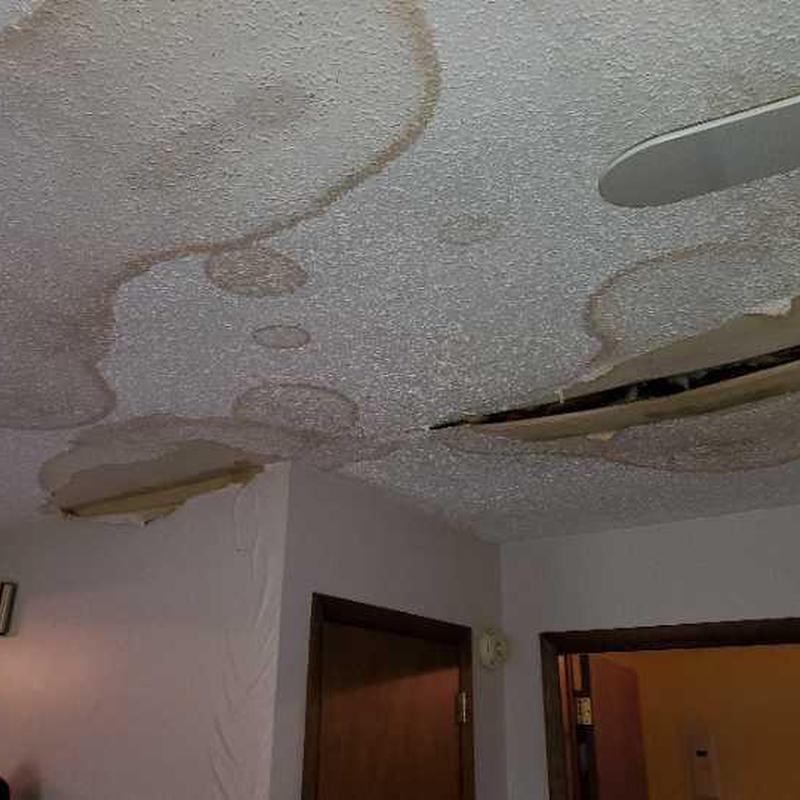
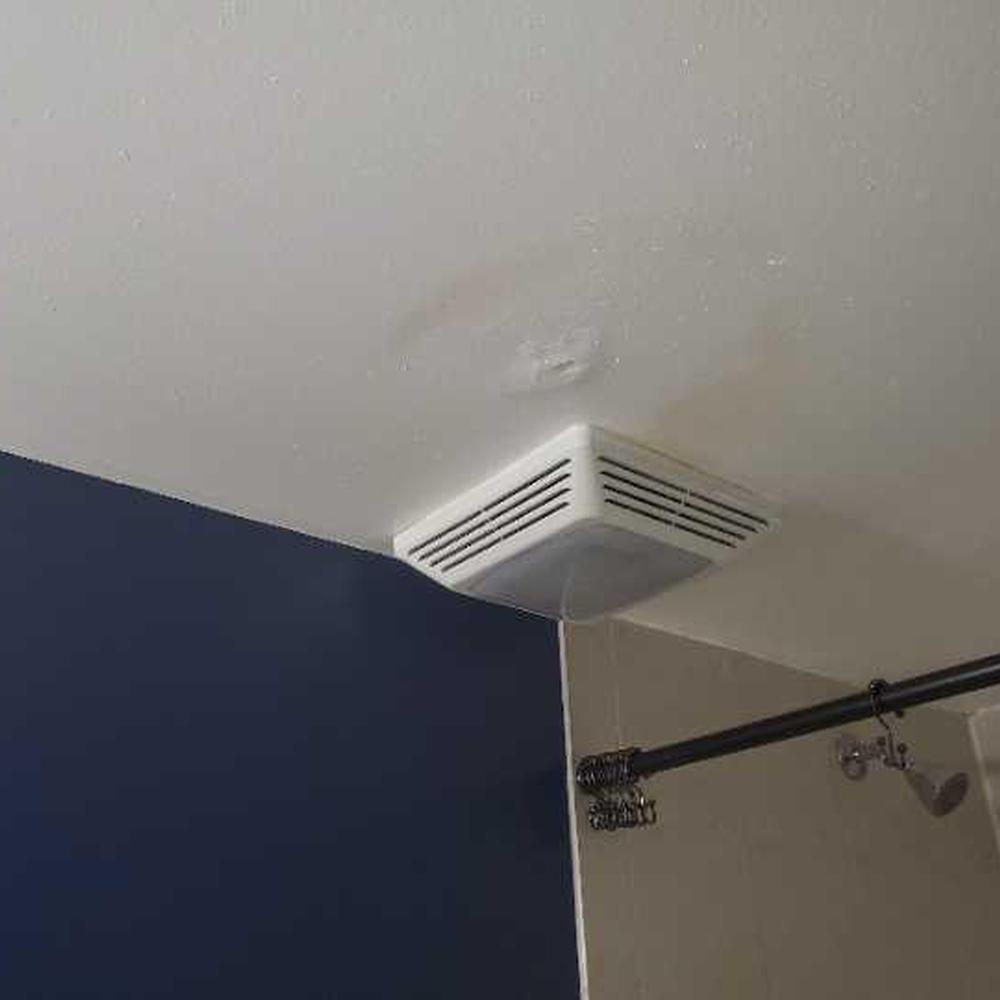
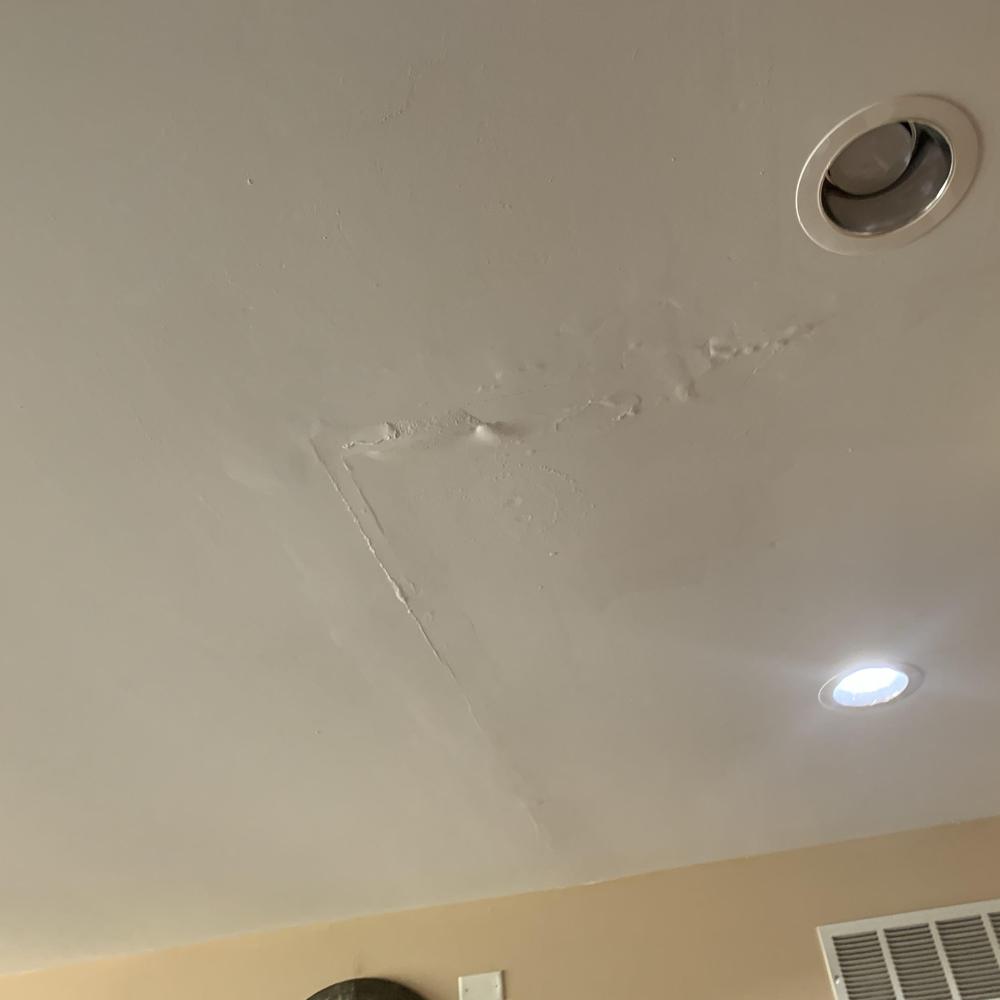
- Damp walls, ceilings, or flooring: Discoloration, bubbling paint, soft drywall, or recurring wet spots may indicate a moisture problem.
- Musty odors: Persistent damp smells can signal moisture trapped behind building materials.
- Changes in water pressure: A sudden or unexplained drop in pressure may be associated with a plumbing leak or another supply problem.
- Running water sounds when fixtures are off: If you hear water moving when no fixtures are in use, further investigation may be warranted.
- Unusually warm spots on floors: Temperature differences can sometimes indicate a hot-water line leak beneath a floor or concrete slab.
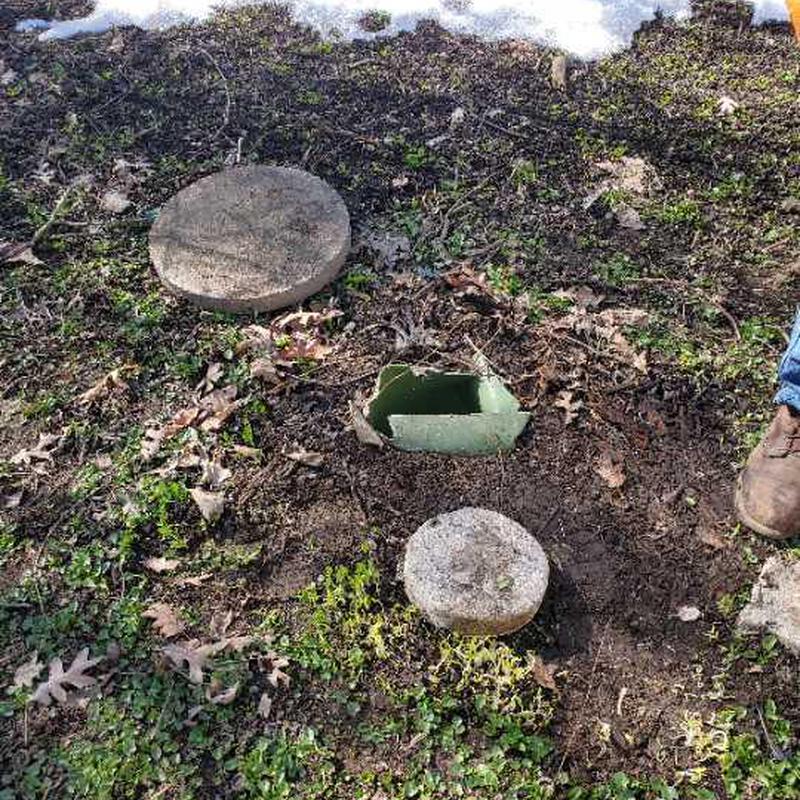
- Wet soil or persistent puddles outdoors: Water collecting near a buried water line may indicate an underground leak.
- Recurring water damage: If a stain or damp area keeps returning after drying, identifying the underlying source is important.
These symptoms do not automatically confirm a plumbing leak. Condensation, roof leaks, drainage issues, running toilets, and other conditions can produce similar warning signs. A professional inspection can help determine whether the problem involves your plumbing system.
For more information, read our guide to warning signs that your Chicago-area water line may be failing.
Finding Hidden Water Leaks Before Damage Spreads
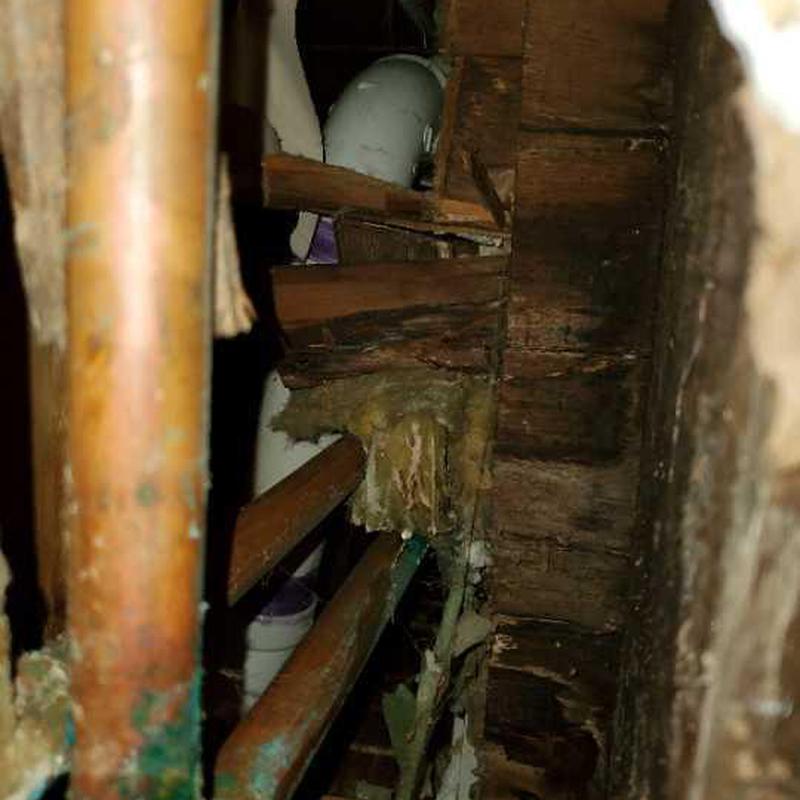
A hidden leak can continue wasting water and damaging nearby materials even when the pipe itself is out of sight. Water may travel along framing, pipes, flooring, or other building materials before becoming visible, which means the location of a stain is not always the location of the leak.
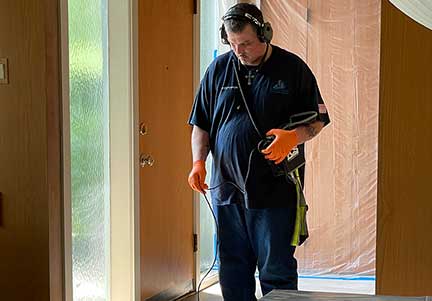
Our plumbers evaluate the symptoms, inspect accessible plumbing, and determine which diagnostic methods are appropriate for the situation. Depending on the findings, the investigation may involve thermal imaging, acoustic detection, pressure testing, water-meter checks, or other inspection techniques.
The objective is to narrow down the source as accurately as possible and determine what needs to be repaired. The best method depends on the pipe, its location, accessibility, and the type of suspected leak.
Learn more in our complete guide to hidden water leaks in Chicago.
Thermal Imaging for Leak Detection
Thermal imaging uses an infrared camera to identify temperature differences across surfaces, helping plumbers investigate possible moisture problems behind walls, beneath floors, and inside ceilings. When appropriate, this technology can help narrow down areas that need further inspection and may reduce unnecessary disruption to finished surfaces.
Because temperature differences can have several causes, thermal imaging alone does not confirm a plumbing leak. The results must be evaluated alongside the plumbing symptoms and other inspection findings to determine the likely source of the problem. Learn more about our thermal imaging inspection services and how this diagnostic method can assist with certain leak investigations.
Acoustic Leak Detection and Other Diagnostic Methods
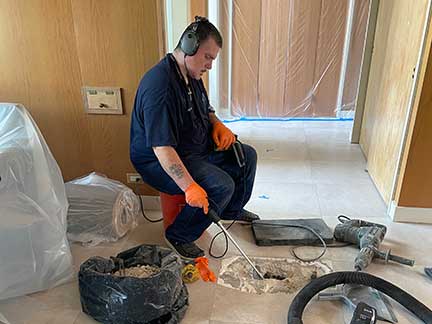
Some leaks are difficult to locate because they occur behind finished walls, beneath concrete, or underground. Acoustic detection equipment can help identify sounds and vibrations associated with water escaping from pressurized plumbing lines.
Other diagnostic methods may be appropriate depending on the plumbing system and the symptoms. No single technique is suitable for every leak, and access may still be necessary to confirm the problem or complete the repair.
Our approach is to evaluate the situation, select appropriate diagnostic methods, explain the findings, and recommend a practical repair.
When a Sewer Camera Inspection Is Needed
Not every plumbing leak involves a water supply line. If you are experiencing recurring drain backups, slow drains, or other signs of a possible sewer line problem, a camera inspection can help identify blockages, cracks, root intrusion, and other conditions inside an accessible pipe. Our sewer camera inspection services help investigate these issues so the appropriate next steps can be determined.
A sewer camera inspection serves a different purpose from locating a concealed pressurized water-line leak. The right diagnostic approach depends on the symptoms, the plumbing system involved, and the findings of the inspection.
Water Leak Repair Services for Homes and Businesses
Finding a leak is only the first step. Once the source has been identified, the appropriate repair depends on the pipe material, location, extent of damage, and overall condition of the plumbing.
Suburban Plumbing Experts evaluates the problem and explains the available repair options before work begins.
Hidden Pipe Leaks Behind Walls and Ceilings
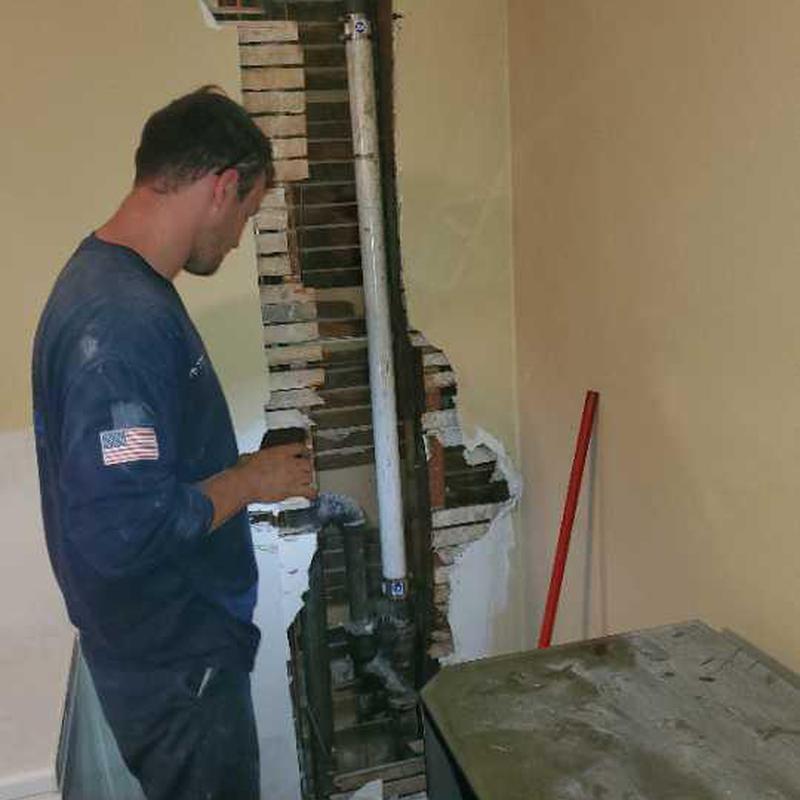
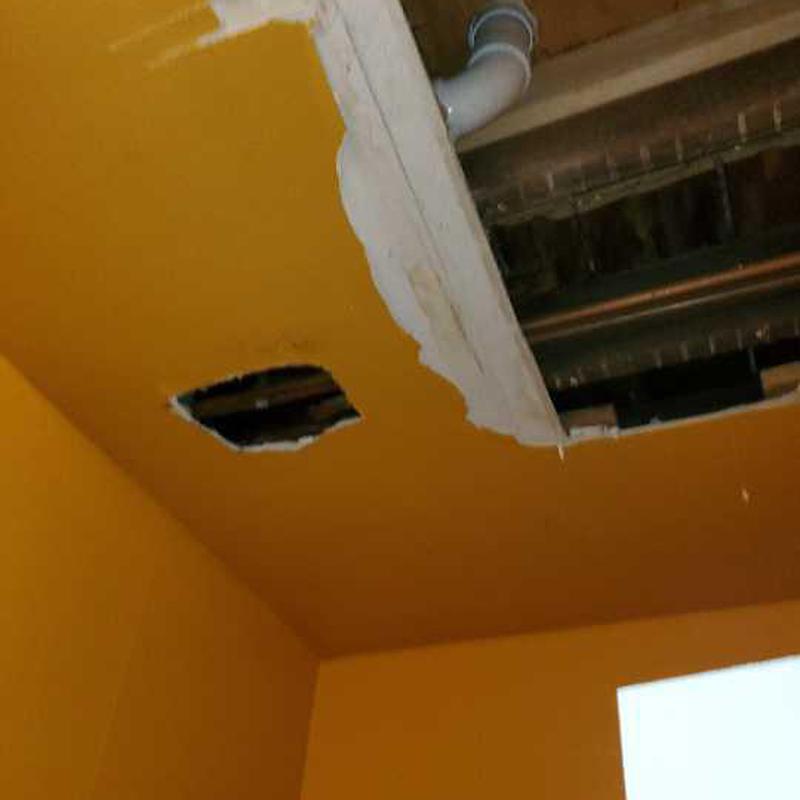
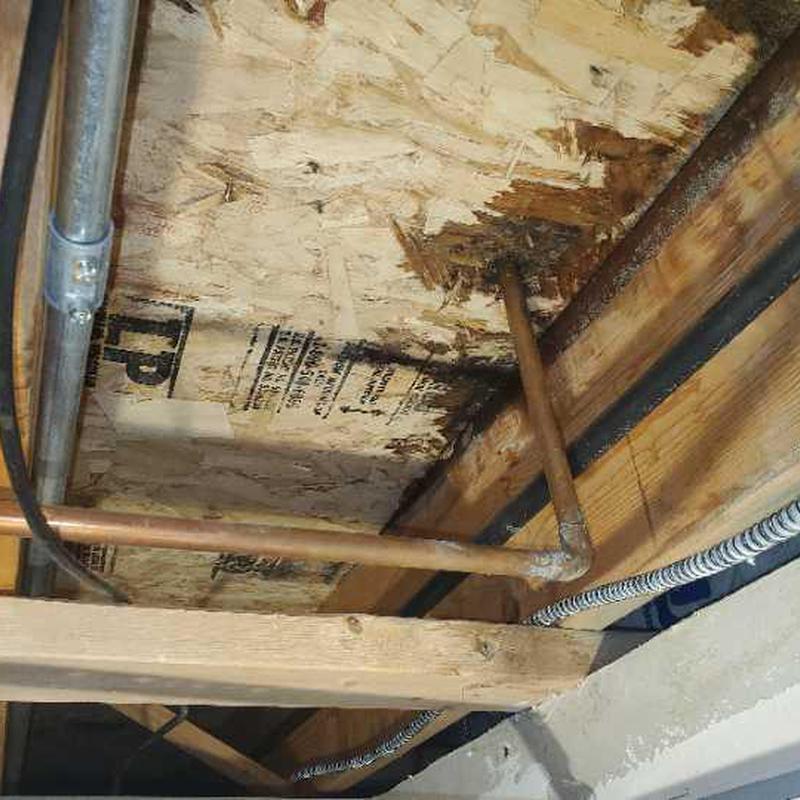
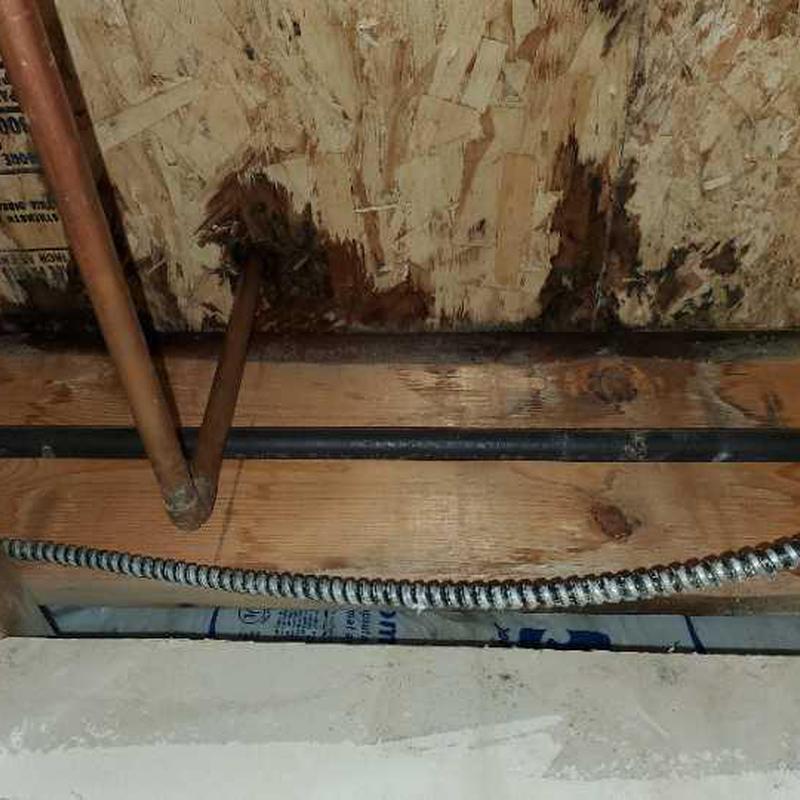
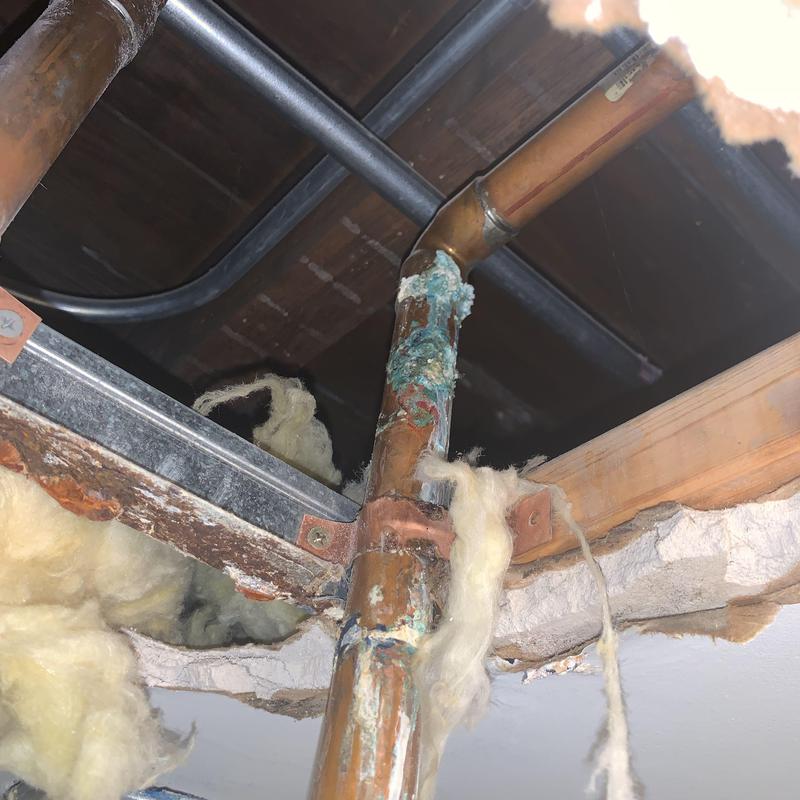
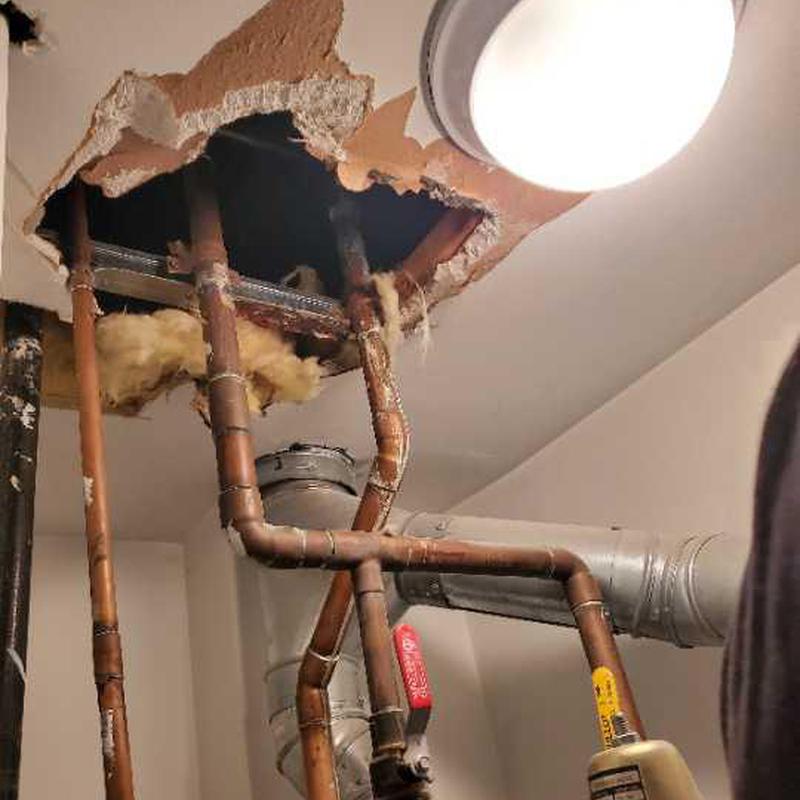
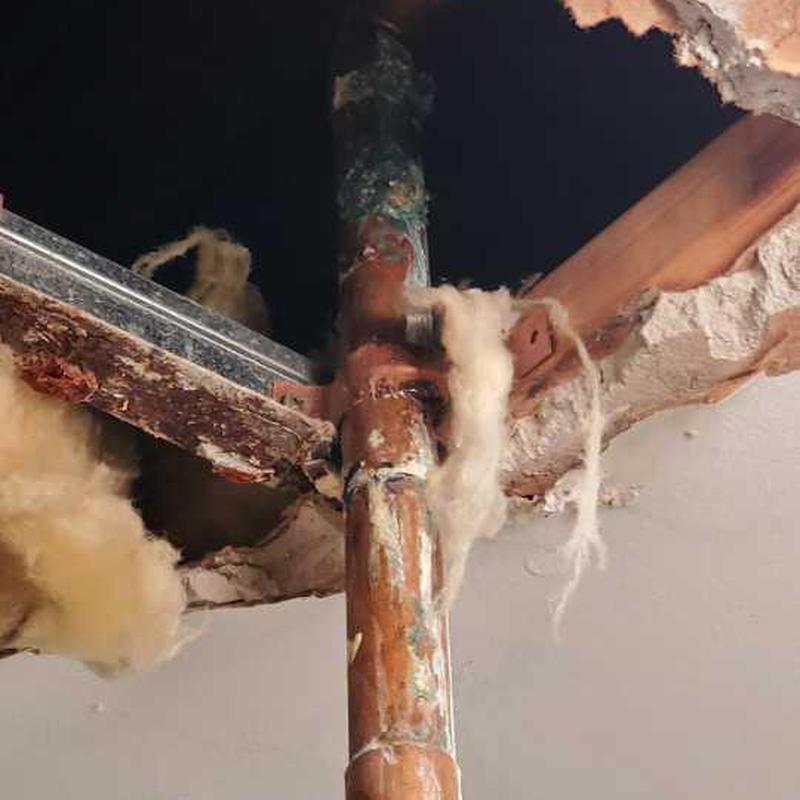
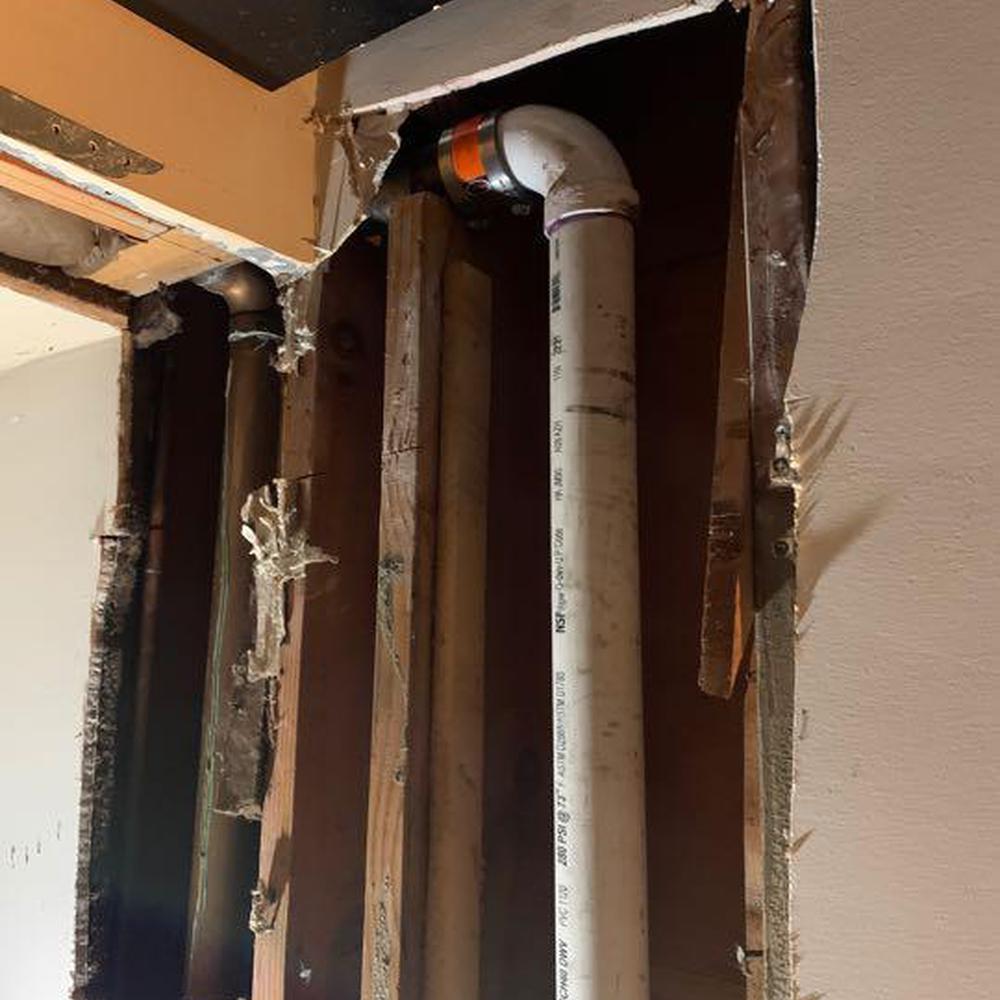
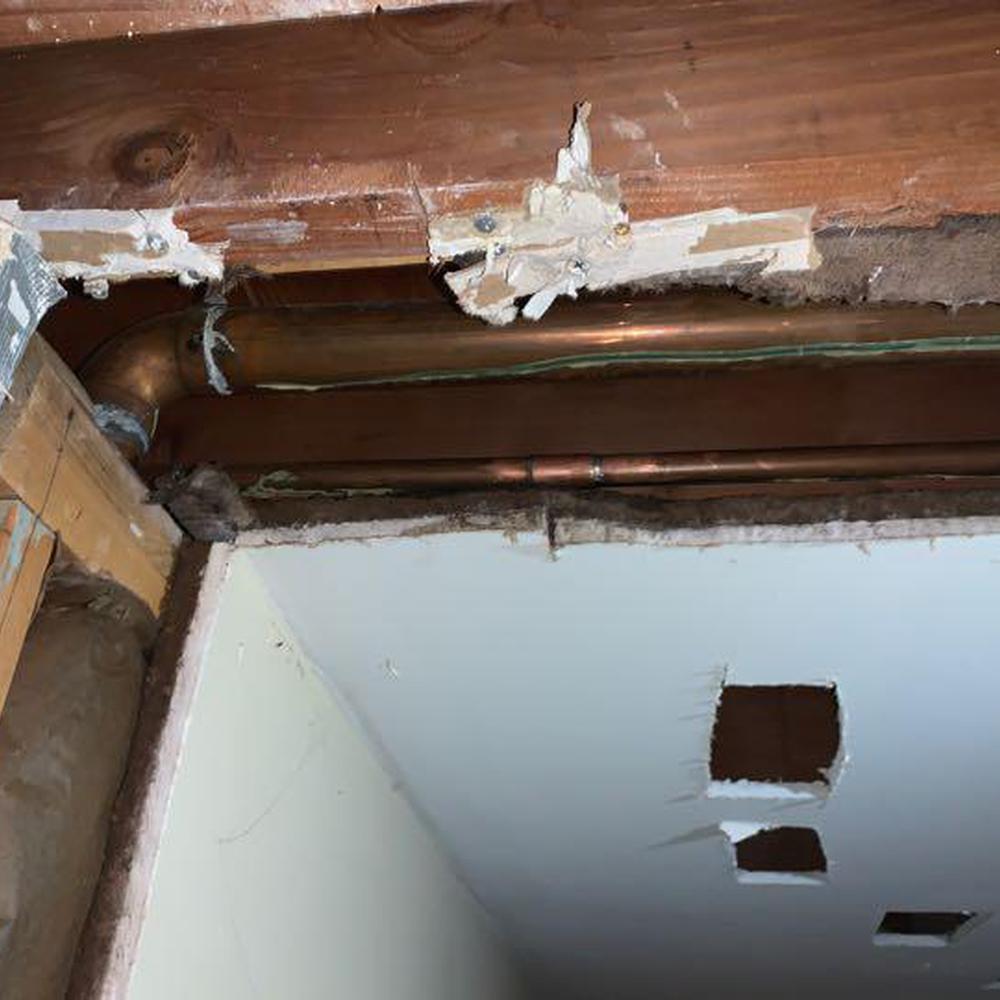
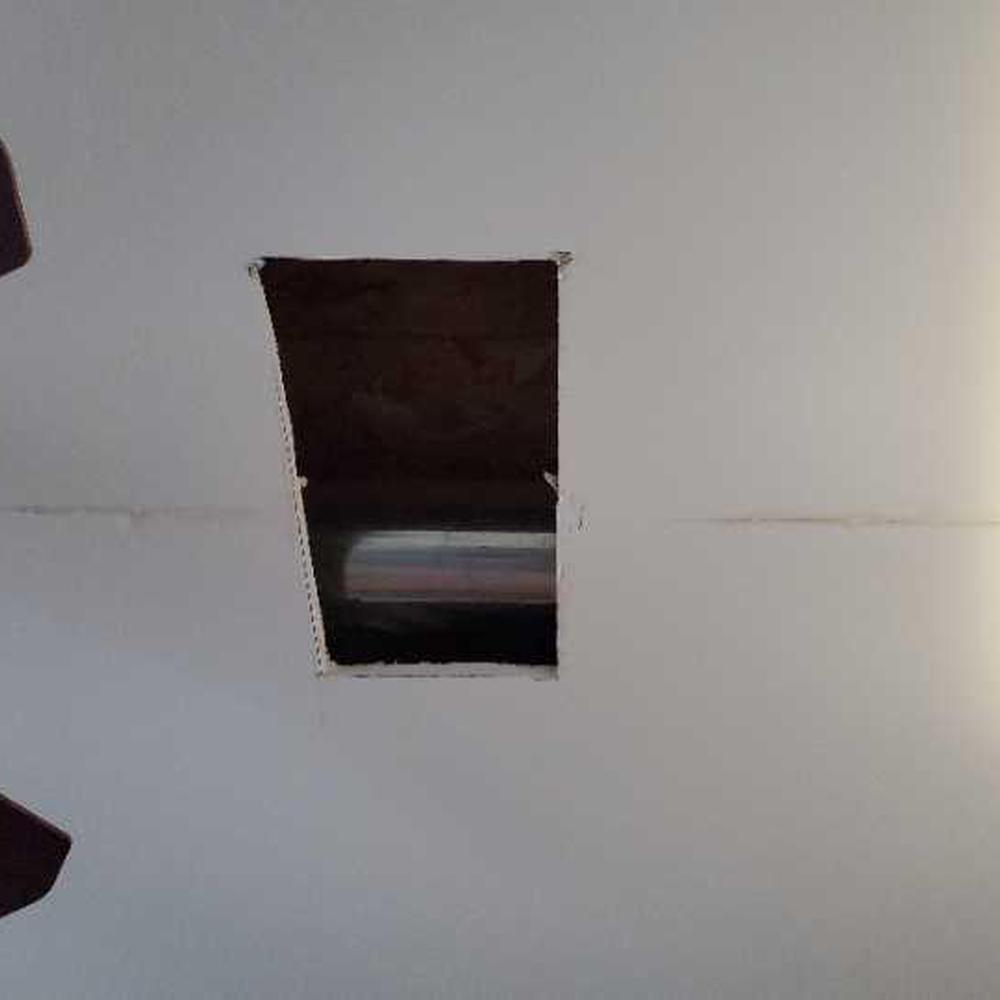
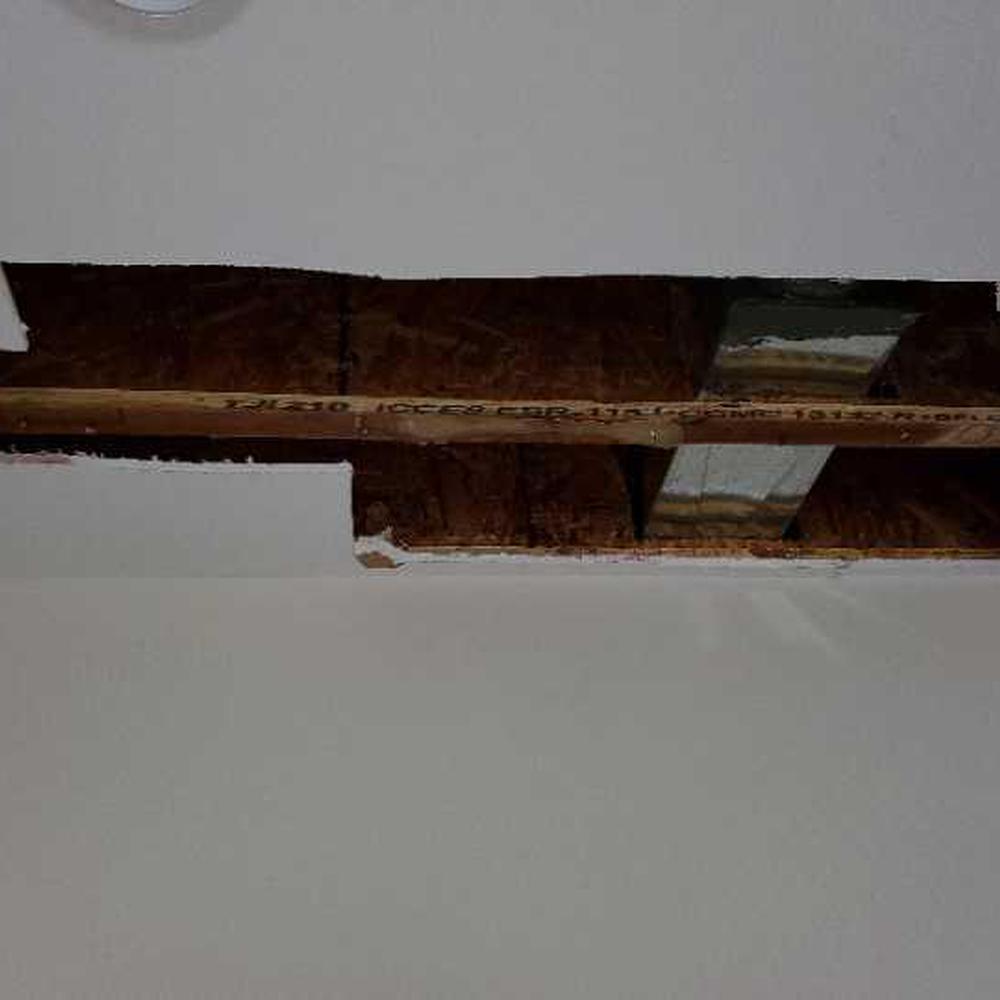
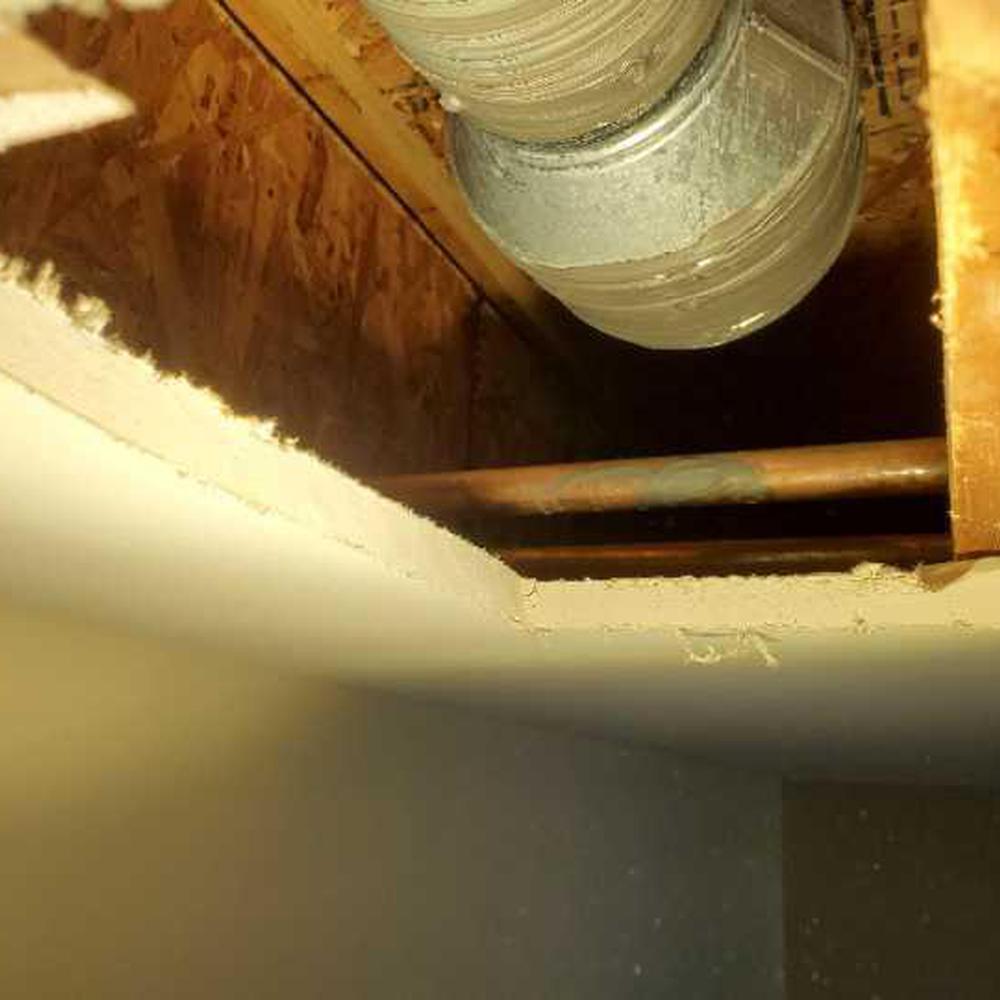
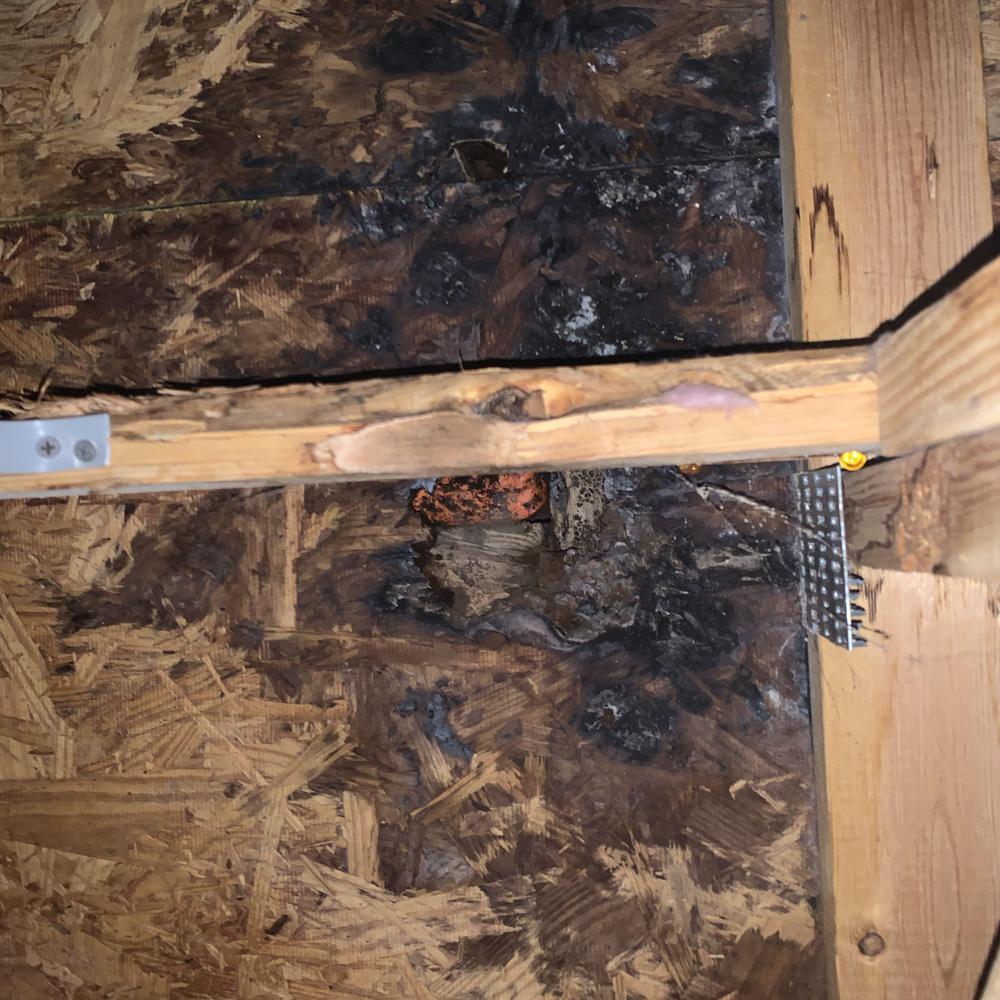
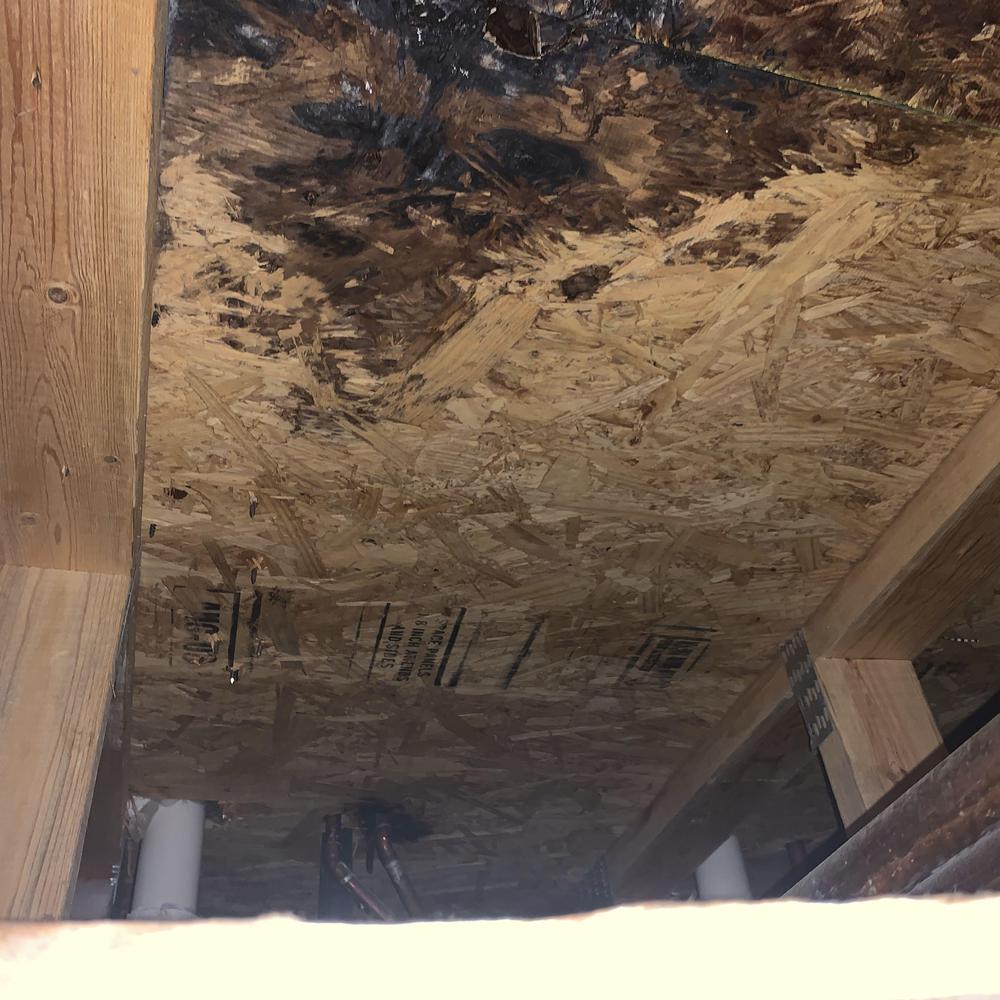
A leaking pipe inside a wall or ceiling can cause stains, damaged drywall, peeling paint, damp insulation, and other moisture problems. Water may travel from the original leak before appearing on a visible surface, so the damaged area may be some distance from the source.
Proper investigation helps determine where the leak originates and what access is needed to repair it. The amount of opening or removal required depends on the location and accessibility of the pipe.
Water Line Leak Detection and Repair
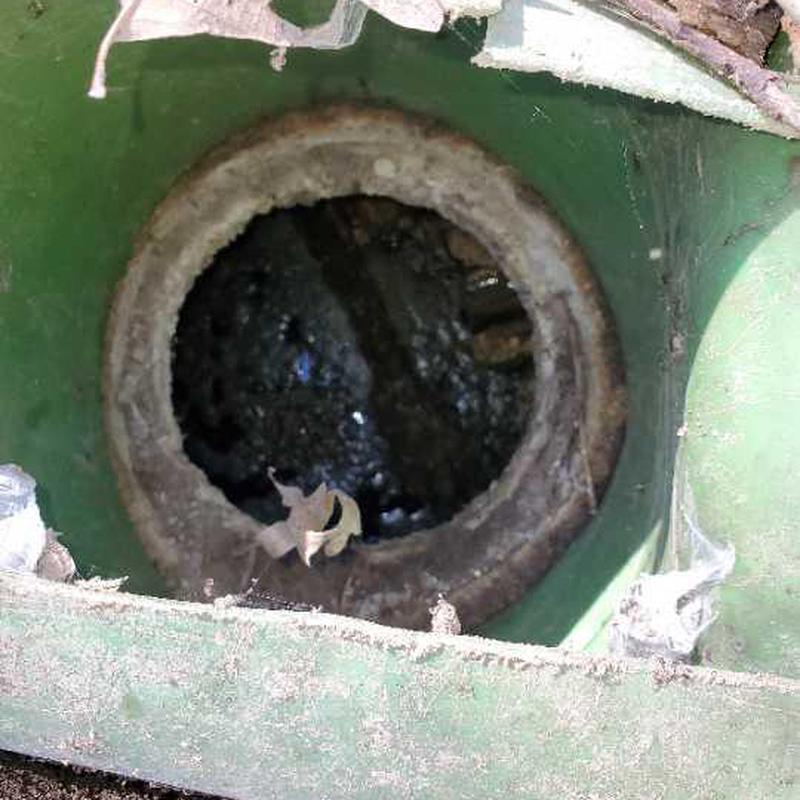
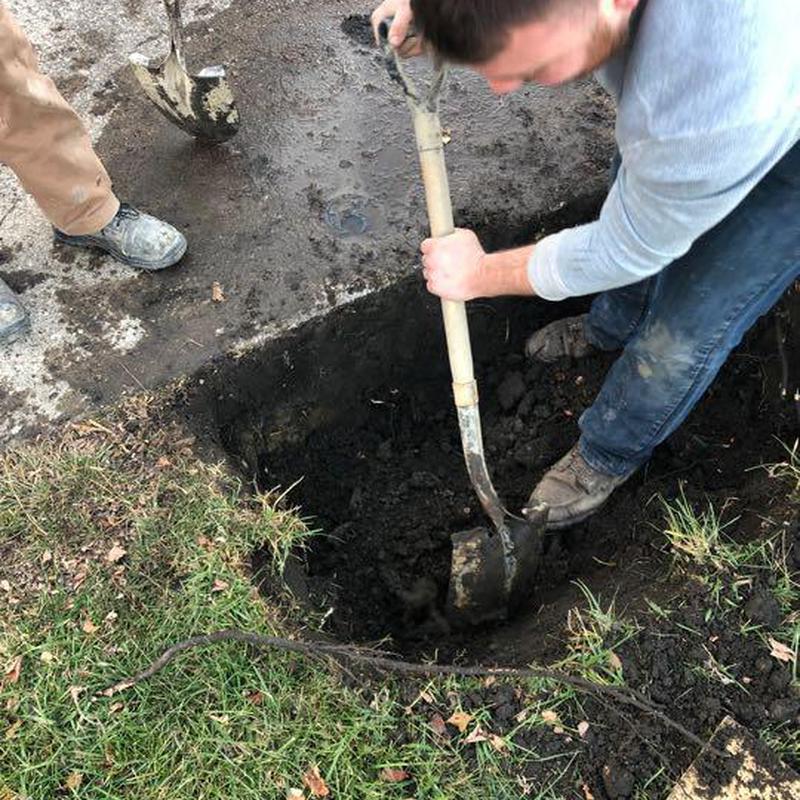
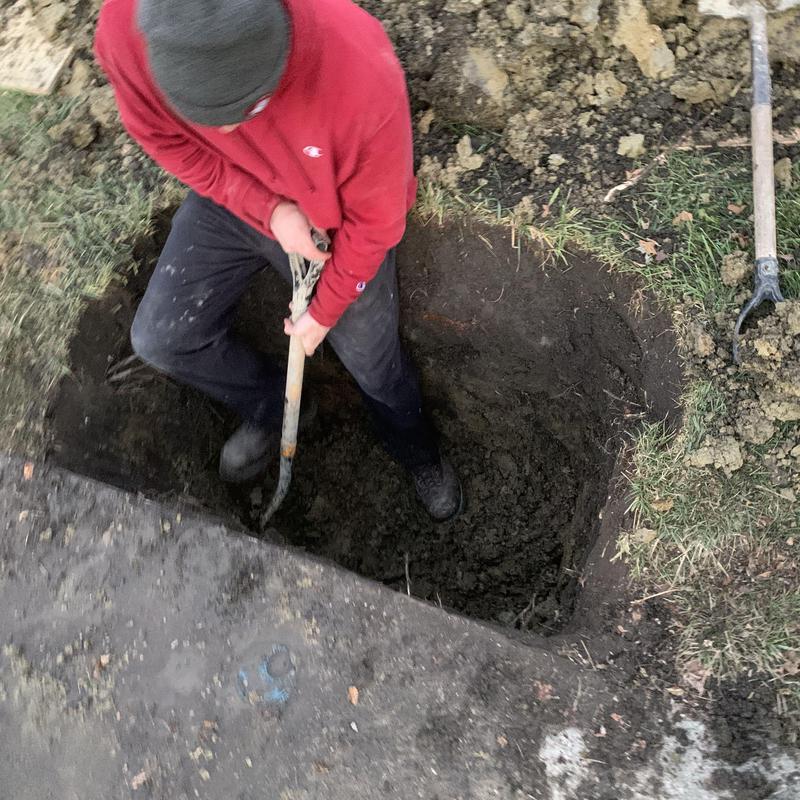
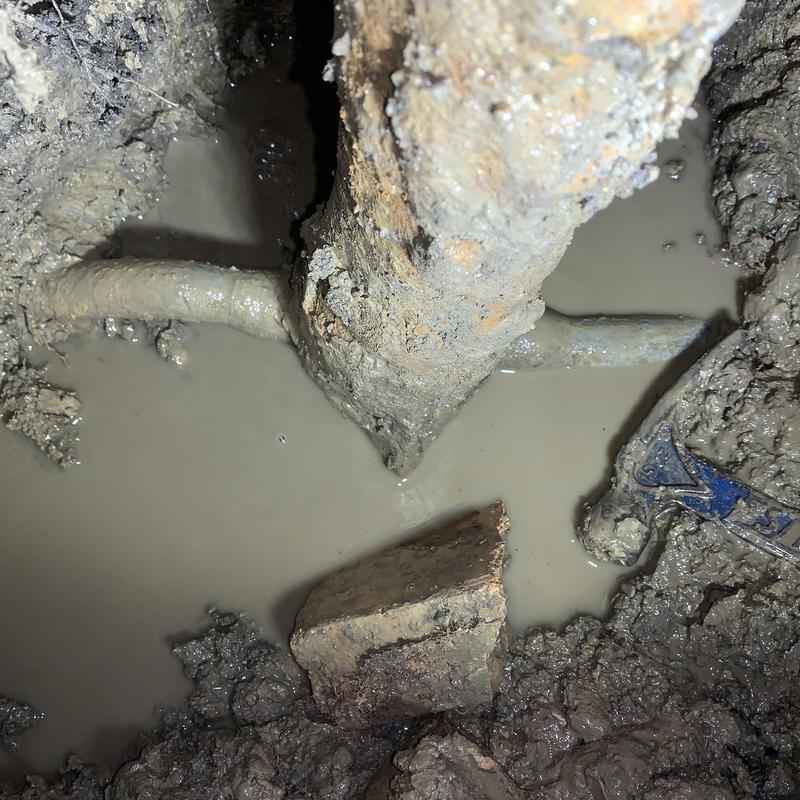
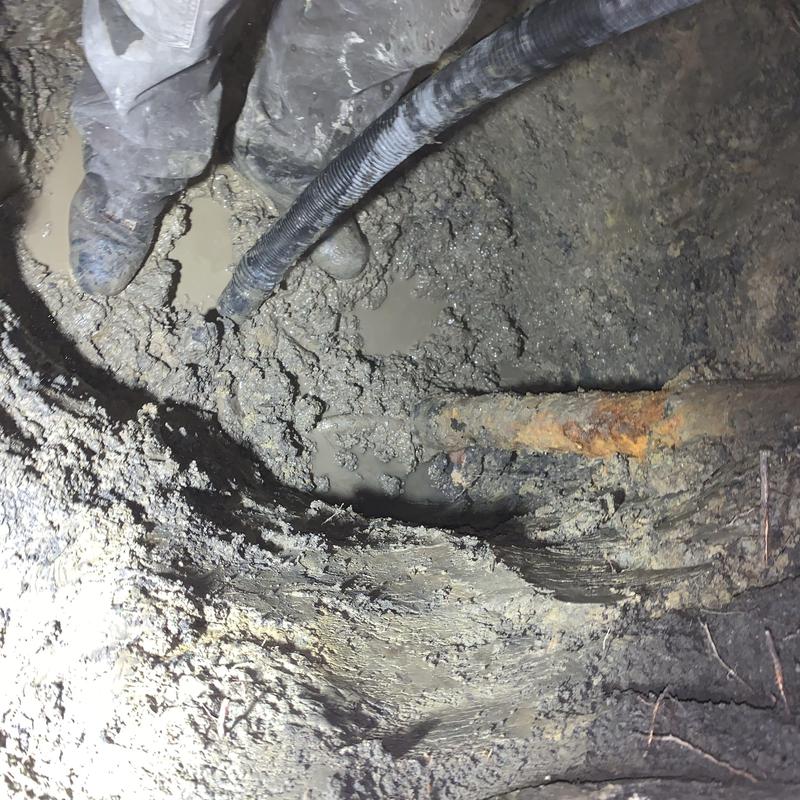
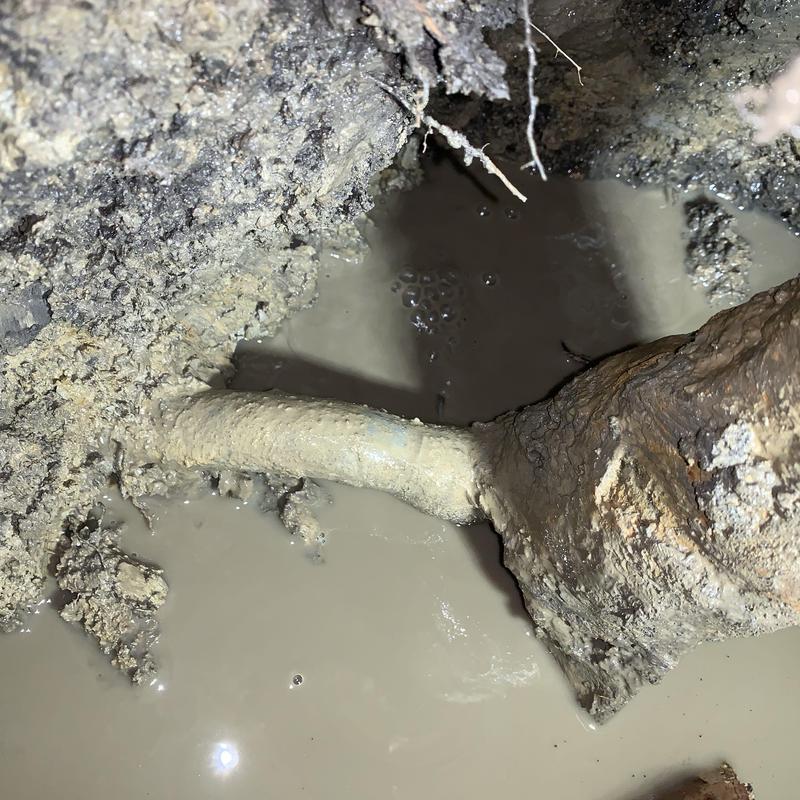
A damaged water service line or interior water line can cause unexplained water loss, reduced pressure, wet areas, or recurring plumbing problems. Underground leaks may be especially difficult to identify because the water can seep into the surrounding soil before becoming visible.
The repair may involve fixing a damaged section of pipe or replacing part or all of the affected line, depending on the condition and location of the plumbing.
If you notice an unexplained increase in water usage, our guide to why your Chicago water bill may be unusually high explains other possible causes and warning signs worth investigating.
Burst Pipe Repair
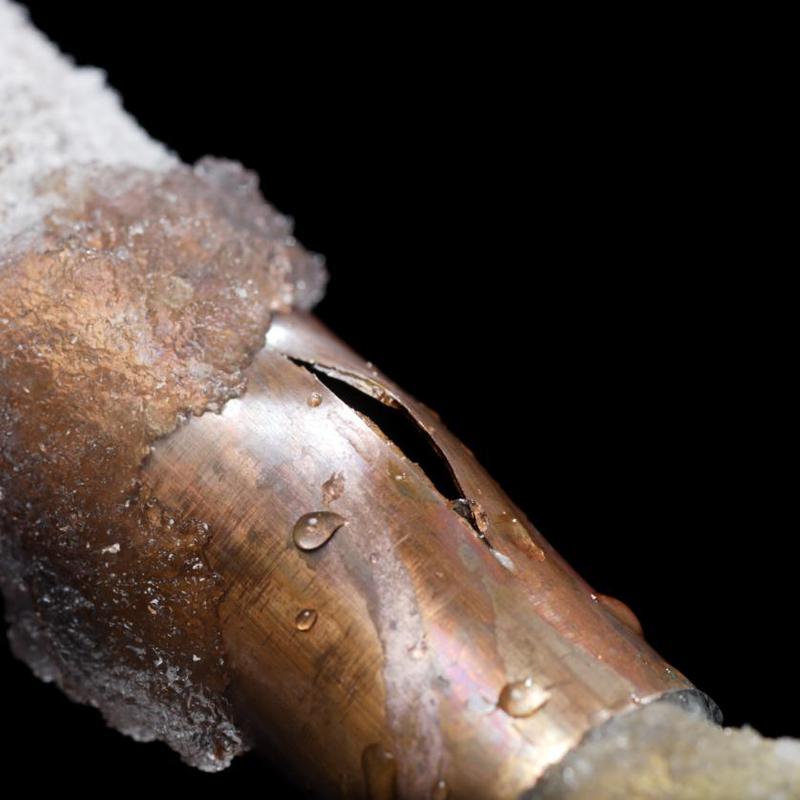
A burst pipe can release a significant amount of water in a short period, damaging walls, floors, ceilings, belongings, and other parts of the property. Freezing temperatures are one possible cause, but aging pipes, corrosion, failed connections, and other plumbing conditions can also lead to a pipe failure.
If a pipe has burst, shut off the appropriate water supply if it is safe to do so and contact a plumber promptly. Avoid contact with standing water near electrical equipment.
Our burst pipe repair services help address damaged plumbing and restore proper water flow. You can also read our guide to frozen and burst pipes in Chicago for more information about cold-weather pipe damage.
Leaks Around Fixtures and Plumbing Connections
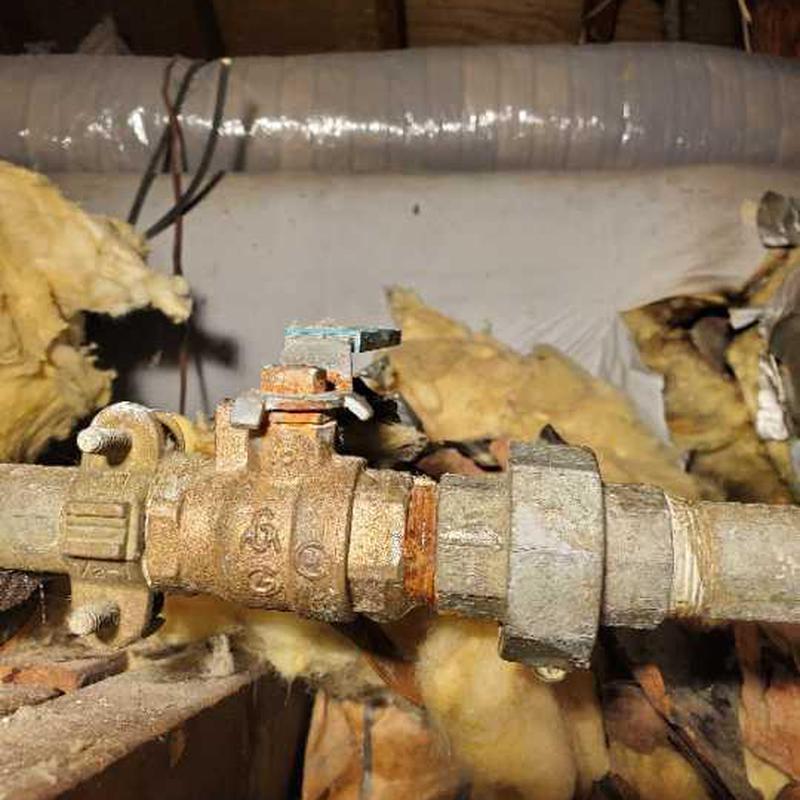
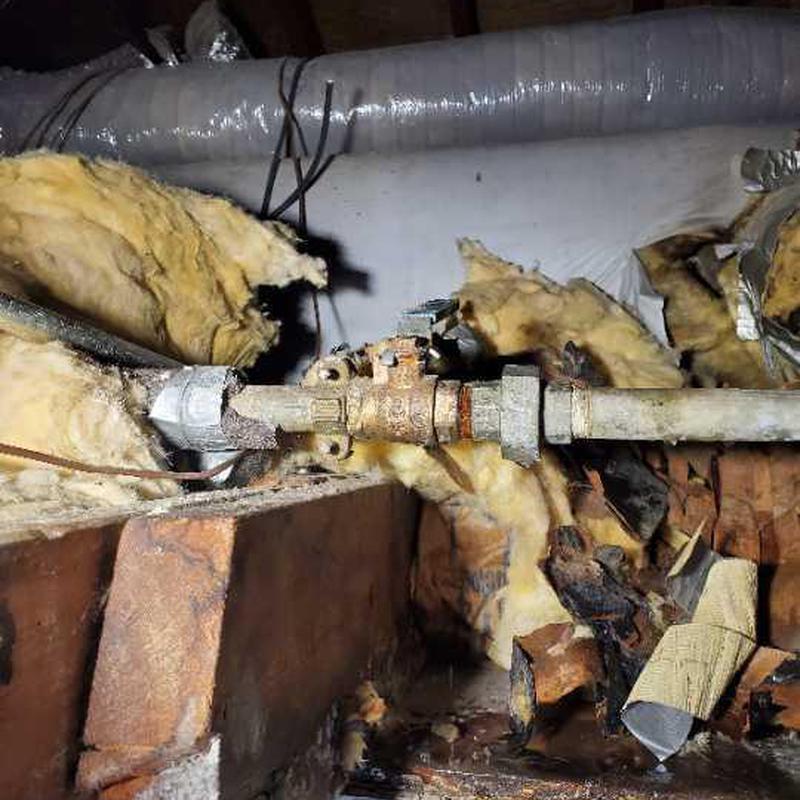
Leaks can also develop around faucets, toilets, shutoff valves, supply connections, water heaters, and other plumbing components. Some leaks are visible beneath a fixture, while others may allow water to collect inside a cabinet or behind surrounding materials.
Identifying the failed connection or component helps determine whether a repair, replacement, or further inspection is needed.
Why Prompt Leak Detection Matters
A small leak can become a larger problem when water continues escaping into building materials or surrounding soil. The potential consequences depend on the location, duration, and amount of water involved.
Water Damage to Building Materials
Persistent moisture can damage drywall, flooring, cabinets, insulation, and wood. If water continues to spread, repairs may involve more than the original plumbing failure.
Mold and Lingering Moisture
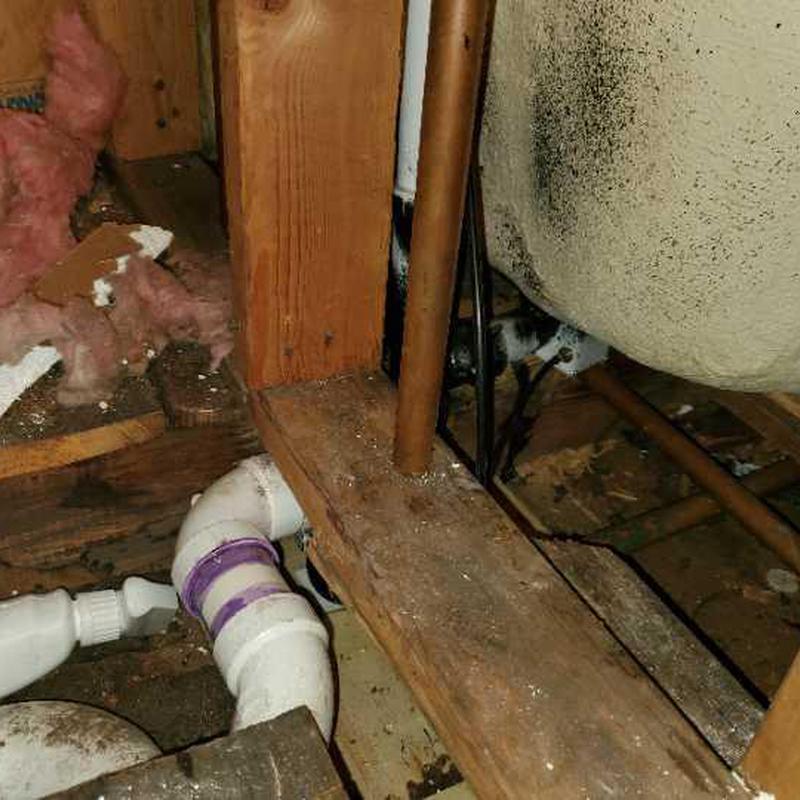
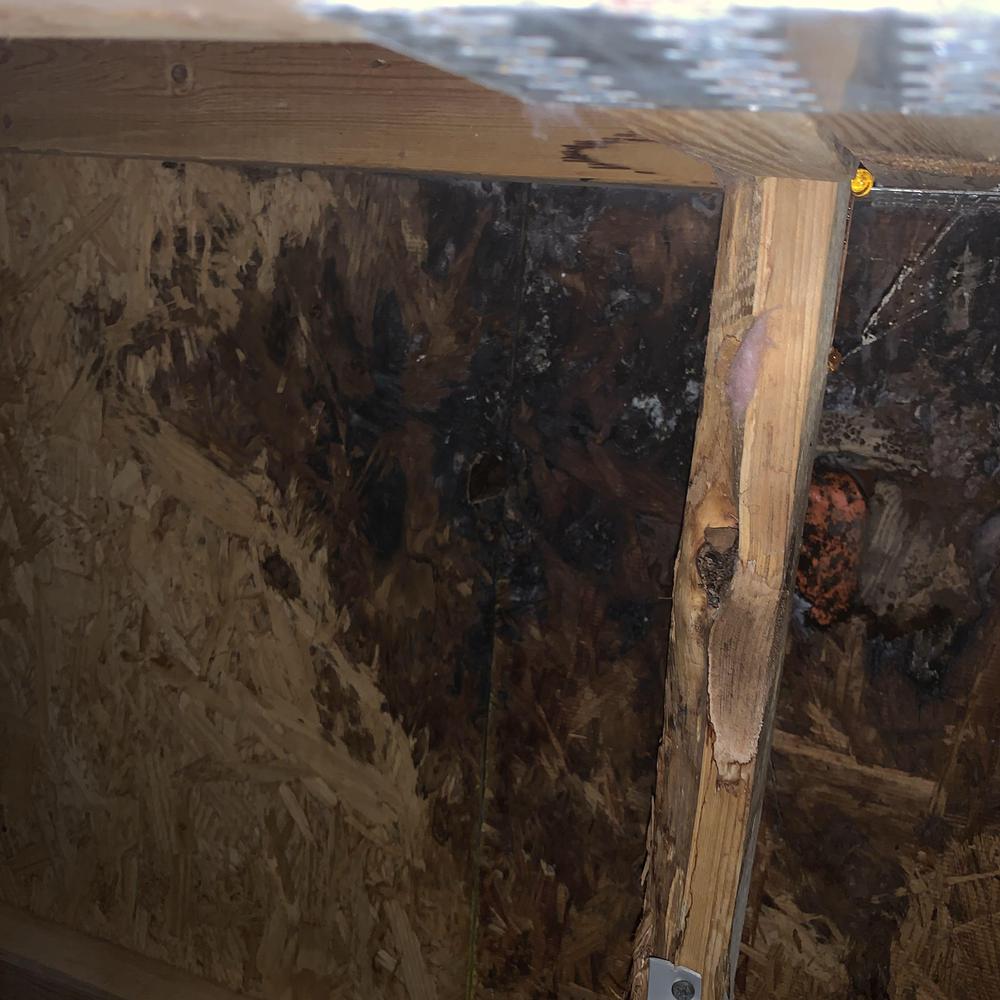
Moisture trapped behind walls, beneath floors, or inside ceilings can create conditions that support mold and mildew growth. Stopping the water source is an important step in addressing ongoing moisture problems.
Unexpected Water Bills
Even a relatively small leak can waste water over time. If your bill rises without an obvious explanation, checking for leaks and other sources of increased consumption can help identify the cause.
Additional Property and Safety Concerns
Water near electrical components can create serious safety concerns. If you suspect water is reaching wiring, outlets, or electrical equipment, stay away from the affected area and seek appropriate professional assistance.
Prompt leak detection can help identify the problem and give you a clearer understanding of the repairs needed.
How Our Leak Detection and Repair Process Works
Every plumbing leak is different, but a careful, systematic approach helps determine the appropriate next step.
1. We investigate the warning signs. We discuss what you have noticed, including water stains, damp areas, pressure changes, unusual water usage, or other symptoms.
2. We inspect the affected plumbing. We assess accessible pipes, connections, fixtures, and surrounding areas to look for evidence that can help narrow down the source.
3. We select appropriate diagnostic methods. Depending on the situation, this may involve thermal imaging, acoustic equipment, pressure checks, water-meter observations, or other inspection methods.
4. We explain the findings. Once the likely source has been identified, we discuss what the inspection indicates and what additional access or testing may be necessary.
5. We explain the repair options. The recommended solution depends on the location and condition of the plumbing. We provide written pricing before work begins.
6. We check the repaired plumbing. After completing the approved repair, we check the affected plumbing as appropriate to confirm that the leak has been addressed and the system is operating properly.
Our goal is to find the source, explain the problem clearly, and help you make an informed decision about the repair.
How Chicago Homeowners Can Reduce the Risk of Water Leaks
Not every leak can be prevented, but paying attention to your plumbing can help you catch some problems early.
- Watch your water bill. An unexplained increase may be an early warning sign of a leak or another issue with water use.
- Address dripping fixtures promptly. Small leaks can waste water and may indicate worn components or failing connections.
- Inspect visible plumbing periodically. Look for corrosion, moisture, mineral deposits, or signs of deterioration around accessible pipes and valves.
- Prepare exposed pipes for cold weather. Insulating vulnerable pipes and protecting them from freezing conditions can help reduce the risk of winter-related damage.
- Investigate recurring dampness. Do not assume that a stain or wet spot is harmless simply because it dries temporarily.
- Seek professional help when the source is unclear. If symptoms persist, an inspection can help determine whether a plumbing leak is involved.
Frequently Asked Questions About Leak Detection
How do I know if I have a hidden water leak?
Common signs include a sudden increase in your water bill, damp flooring, water stains, musty odors, unexplained pressure changes, or the sound of water running when fixtures are off. These symptoms can have other causes, so an inspection can help determine whether your plumbing system is responsible.
Can you locate a leak without opening walls or floors?
Some leaks can be narrowed down using diagnostic equipment before opening a wall or floor. The available options depend on the location and type of leak. Access may still be necessary to confirm the problem or complete the repair, and no method guarantees that every leak can be located without opening a surface.
Can a high water bill indicate a hidden leak?
Yes, an unexplained increase in water usage can be a warning sign. However, increased household use, running toilets, irrigation, and billing or meter issues can also affect your bill. Checking water usage and investigating possible leaks can help identify the cause. Our Chicago water bill guide provides additional information.
What is thermal imaging used for in leak detection?
Thermal imaging identifies temperature differences that may help reveal moisture-related problems or narrow down a suspected leak location. The results must be considered alongside other evidence because temperature differences do not prove that a plumbing leak is present.
What should I do if I suspect a slab leak?
Contact a qualified plumber to investigate the symptoms. Possible warning signs include unexplained warm or damp floor areas, recurring moisture, unexplained water usage, or the sound of running water when fixtures are off. Prompt evaluation can help determine whether a leak exists and what repair options are appropriate.
What should I do if a pipe bursts?
If it is safe to do so, shut off the water supply. Stay away from standing water near electrical equipment and contact a plumber promptly. For urgent plumbing problems, visit our emergency plumbing services page.
How long does leak detection take?
The time required depends on the location, accessibility, and complexity of the suspected leak. Some inspections are relatively straightforward, while others require additional diagnostic work to distinguish between possible sources. The plumber can explain the likely process after evaluating the situation.
Do you repair the leak after locating it?
After the inspection, we explain the findings and discuss the appropriate repair options. The work required depends on the type of leak, pipe condition, and location. Written pricing is provided before approved repairs begin.
How much does leak detection cost?
The cost depends on the symptoms, location of the suspected leak, diagnostic methods required, and whether repairs are needed. Contact Suburban Plumbing Experts to discuss the problem and request a free estimate.
Schedule Leak Detection in Chicago and the Surrounding Suburbs
If you have an unexplained increase in your water bill, damp walls, water stains, low water pressure, or a suspected hidden pipe leak, do not wait for the problem to become more extensive.
Suburban Plumbing Experts provides leak detection and water leak repair services throughout Chicago and the surrounding suburbs. Our licensed and insured team has over 45 years of experience helping homeowners and businesses investigate plumbing problems, understand the findings, and plan the appropriate repair.
We provide free estimates and written pricing before work begins.
Call 708-801-6530 to discuss your leak detection needs or request service.
For urgent plumbing problems, call our emergency line at 708-518-7765.
Professional Leak Detection Services in Chicago, IL
Suspect a hidden water leak? Suburban Plumbing Experts helps Chicago-area homeowners and businesses investigate plumbing leaks behind walls, beneath floors, and in accessible piping. We identify the source of the problem and help determine the appropriate next step for repair.
Chicago & Suburbs Leak Detection Service Area
Serving Chicago and Nearby Communities
Chicago, Naperville, Downers Grove, Hinsdale, Oak Brook, Elmhurst, Westmont, Lombard, Tinley Park, and surrounding suburbs.
Leak Detection & Plumbing Diagnostics
- Hidden Water Leak Detection
- Slab Leak Detection & Location
- Wall & Ceiling Leak Identification
- Underground Pipe Leak Investigation
- Plumbing Pressure Testing & Diagnostics, Where Appropriate
- Moisture Source Investigation
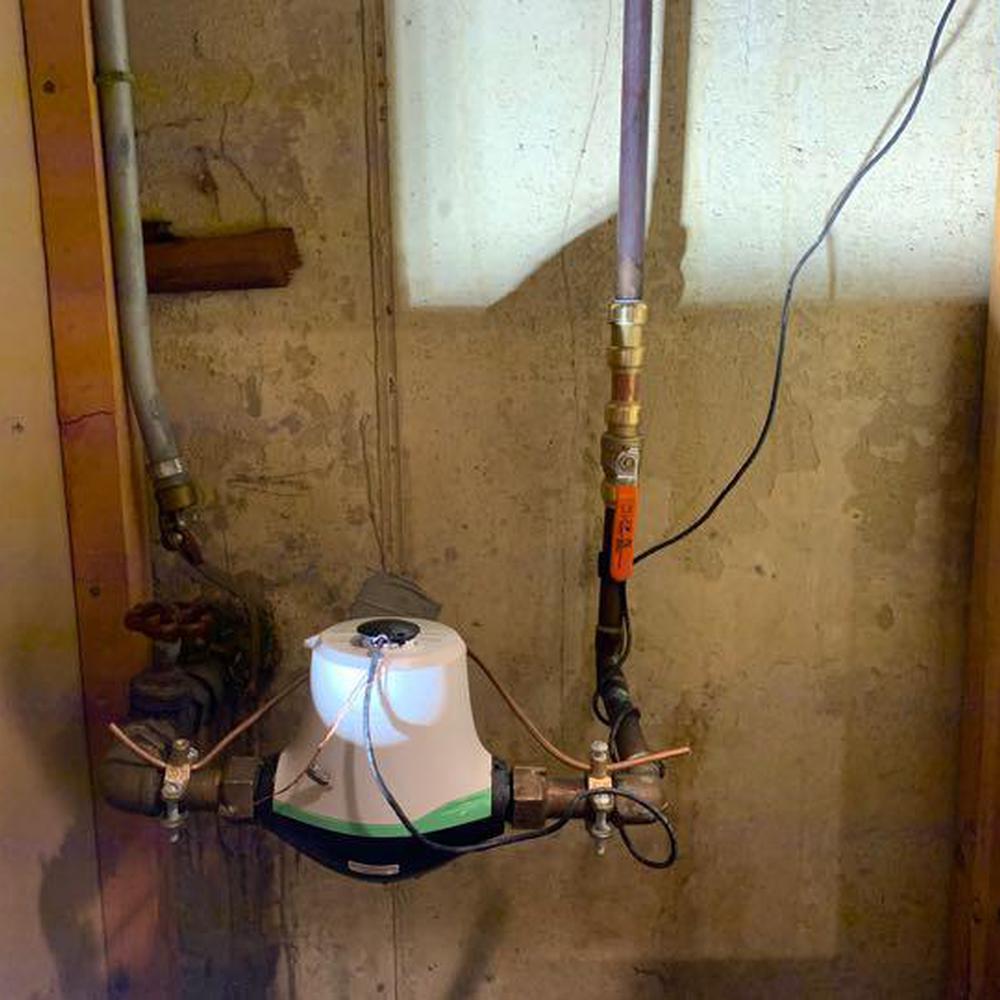
- Water Meter Checks for Possible Leaks
- Leak Investigation Using Suitable Detection Methods
- Urgent Plumbing Leak Assistance
Clear communication and practical next steps help property owners respond to suspected plumbing leaks with greater confidence.
Most Recent Pins (67)

Most Recent Reviews (8)