
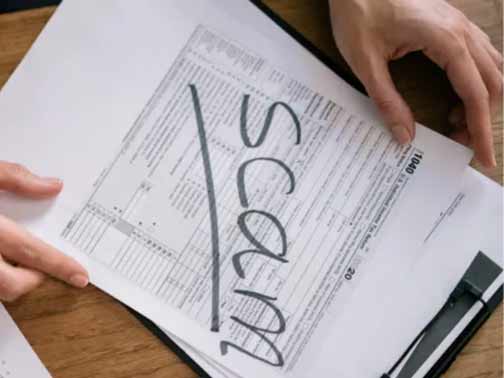
Plumbing scams are more common in Illinois than most homeowners realize — and they tend to surface at the worst possible moment, when something has gone wrong and the pressure to fix it quickly makes careful vetting feel like a luxury. Bait-and-switch pricing, unnecessary repairs that solve nothing, inflated quotes for work that takes an hour, and unlicensed contractors operating without the credentials the job legally requires are all tactics that cost Illinois homeowners significant money every year.
Knowing what these scams look like before you’re in the middle of a plumbing emergency is the most effective protection you have. Here’s what to watch for and how to make sure the plumber you call is someone you can actually trust.
Bait-and-Switch Pricing
The bait-and-switch is one of the oldest tricks in the book — a plumber quotes a low price to get in the door, starts the work, and then presents a significantly higher bill once you’re committed and the job is already underway. The pressure of having an open wall or a non-functioning fixture makes it feel easier to just pay than to push back, which is exactly what these contractors are counting on.
The protection is straightforward — never allow work to begin without a written itemized estimate in hand. A legitimate plumber has no reason to resist putting their pricing on paper before they start. If a contractor insists on beginning immediately without providing a clear written scope and cost breakdown that’s not urgency on their part — it’s a warning sign. Get the estimate, read it carefully, and make sure it covers what happens if something unexpected turns up mid-job before you agree to anything.
Unnecessary Repairs: Identifying When a Plumber is Overreaching
Some unscrupulous plumbers may suggest unnecessary repairs to inflate the bill. They might claim that your plumbing system has severe issues that need immediate attention, even if it doesn’t. To avoid this, it’s wise to get a second opinion from another reputable plumber in Chicagoland if you are unsure about the diagnosis. A trustworthy plumber will not pressure you into making hasty decisions and will provide clear explanations for any recommended repairs.
Inflated Prices: How to Ensure You’re Paying a Fair Rate
Overcharging works best on homeowners who don’t know what a job should cost — and some contractors count on exactly that. An inflated quote for a straightforward drain cleaning, a water heater replacement, or a pipe repair can be two or three times what a reputable licensed plumber would charge for the same work, and without a baseline for comparison it’s difficult to know you’re being taken advantage of until after you’ve paid.
The best defense is comparison. For any job over a few hundred dollars get at least two itemized quotes before committing to anyone. Research typical price ranges for the work you need — resources like our Chicago plumbing cost guide give you a realistic baseline for Chicagoland market rates. A legitimate plumber will provide a detailed written quote that breaks down labor, materials, and any permit fees separately. A quote that’s a single lump sum with no breakdown is worth questioning before you sign off on anything.
Unlicensed Plumbers: The Risks of Hiring Unqualified Plumbers
Hiring an unlicensed plumber can lead to poor workmanship and potential legal issues. Unlicensed plumbers often offer lower rates, but their lack of proper credentials and training can result in subpar work that may need to be redone. Always verify the plumber’s license and insurance before hiring them. You can check their credentials with the Illinois Department of Public Health or other relevant authorities.
How to Verify a Plumber’s Credentials: Ensuring Professionalism and Quality
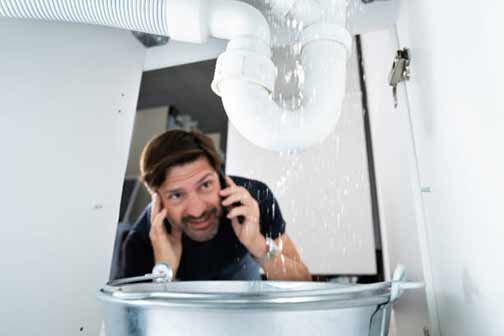
A plumber’s license and insurance aren’t formalities — they’re the baseline requirements that separate a qualified professional from someone who has no business working on your home. In Illinois all plumbers must be licensed by the state and anyone performing sewer work needs a separate sewer license on top of that. Asking for both license numbers before work begins takes thirty seconds and can save you from a significant amount of trouble.
You can verify an Illinois plumbing license through the Illinois Department of Financial and Professional Regulation at idfpr.illinois.gov — a quick lookup confirms whether the license is current and in good standing. Ask for proof of insurance as well and confirm it covers both liability and workers compensation. A legitimate licensed plumber will provide all of this without hesitation — and one who resists or deflects when asked is giving you the answer you need before the work even starts. Checking Google reviews and asking for references from recent local jobs rounds out the picture and gives you a reliable sense of what working with that contractor is actually like.
Getting Multiple Quotes: Comparing Options for the Best Value
Getting more than one quote isn’t about being difficult — it’s about being informed. A single quote gives you a number with no context. Two or three quotes from licensed Chicagoland plumbers give you a realistic picture of what the job should cost and make it immediately obvious if one contractor is significantly out of line in either direction.
When collecting quotes make sure each one is itemized — labor, materials, and permit fees listed separately rather than buried in a single lump sum. Ask the same questions of each contractor and make sure the scope of work is identical across all quotes so you’re comparing the same job rather than different interpretations of it. The lowest quote isn’t always the best choice and the highest isn’t always the most thorough — what you’re looking for is a licensed contractor who can explain their pricing clearly and stands behind their work. That conversation tells you as much as the number itself.
Requesting Written Estimates: Securing Clear and Transparent Pricing
A verbal quote is worth nothing when a dispute arises over what was agreed to. A written estimate protects you by creating a clear record of exactly what work was agreed upon, what it covers, and what it costs — before anyone picks up a tool. If something unexpected comes up mid-job a legitimate plumber will discuss it with you and get your approval before proceeding, not present you with additional charges after the fact.
Make sure the written estimate breaks down labor, materials, and permit fees as separate line items rather than a single total. Ask specifically what happens if the scope of work changes — is there a process for approval before additional costs are incurred? Keep a copy of the estimate throughout the project and reference it if anything on the final invoice doesn’t match what was agreed to. A contractor who won’t provide a written estimate before starting work isn’t someone you want working on your home.
Understanding Warranty and Guarantees: Ensuring Long-Term Satisfaction
A plumber who stands behind their work will say so before the job starts — not just after you’ve already paid. A warranty on workmanship means that if something goes wrong as a result of how the job was done the contractor comes back and makes it right at no additional cost to you. That commitment tells you something meaningful about how seriously a contractor takes the quality of what they deliver.
Before hiring anyone ask specifically what their warranty covers, how long it lasts, and what the process is for making a claim if an issue comes up after the job is complete. Get the warranty terms in writing alongside the estimate — a verbal assurance that the work is guaranteed means very little if there’s nothing to reference when a problem surfaces three months later. A contractor who can’t or won’t articulate their warranty terms clearly is a contractor worth reconsidering before work begins.
Checking Reviews and References: Validating the Plumber’s Reputation
Checking reviews and references is an essential step in finding a trustworthy plumber. Look for reviews on reputable websites and ask the plumber for references from previous clients. Contact these references to inquire about their experience and the quality of work provided. Positive reviews and satisfied clients are indicators of a reliable and professional plumber.
Being Wary of Door-to-Door Solicitors: Recognizing Red Flags
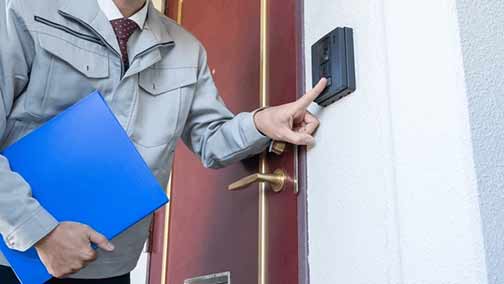
A legitimate plumbing company doesn’t need to knock on doors looking for work — and when someone does show up unsolicited offering to inspect your pipes, check your sewer line, or fix something they noticed from the street, that’s a red flag worth taking seriously. This tactic is commonly used to manufacture urgency around problems that either don’t exist or are significantly exaggerated to justify an unnecessary and overpriced repair.
If someone approaches you unsolicited ask for their license number on the spot and verify it before agreeing to anything. Better yet don’t let the conversation get that far. Find the best plumber through Google reviews, neighbor referrals, or established local companies with a verifiable track record in your community — not through someone who showed up at your door with a clipboard and a sense of urgency. The best plumbers in Chicagoland have more work than they can handle and have no reason to solicit door to door.
Understanding Your Rights as a Consumer: Empowering Yourself with Knowledge
Understanding your rights as a consumer is essential in protecting yourself from scams. In Illinois, consumers have the right to receive a written estimate, request proof of licensing and insurance, and seek a second opinion. Familiarize yourself with the Illinois Consumer Fraud and Deceptive Business Practices Act, which provides protections against fraudulent and deceptive practices. Knowing your rights can help you take action if you encounter a scam.
Reporting Scams and Fraudulent Activity: Taking Action Against Dishonest Plumbers
If you encounter a plumbing scam or fraudulent activity, it’s important to report it to the appropriate authorities. Contact the Illinois Attorney General’s Office, the Better Business Bureau, or the Illinois Department of Public Health to file a complaint. Reporting scams helps protect other consumers and can lead to legal action against the fraudulent plumber. Additionally, sharing your experience can raise awareness and prevent others from falling victim to similar scams.
Building a Relationship with a Trusted Plumber: Ensuring Long-Term Peace of Mind
The best time to find a plumber you trust is before you need one urgently. A contractor who knows your home, has worked on your system before, and has already demonstrated the quality of their work is an entirely different resource than a stranger you found online at midnight with water coming through the ceiling.
When you find a licensed plumber who shows up on time, prices honestly, and stands behind their work — hold onto them. A long-term relationship with a reliable local plumber means faster response when something goes wrong, more accurate assessments because they already know your system, and the kind of straightforward communication that only comes from an established working relationship.
Conclusion: Taking Proactive Steps to Protect Yourself
Plumbing scams succeed because they target homeowners at their most vulnerable — when something has gone wrong and the pressure to fix it quickly overrides the instinct to ask questions. The protection isn’t complicated: verify the license, get everything in writing, compare quotes, and trust your instincts when something feels off. A legitimate plumber welcomes scrutiny because they have nothing to hide.
If you’ve encountered a plumbing scam in Illinois report it to the Illinois Department of Financial and Professional Regulation — removing unlicensed and fraudulent contractors from the market protects every homeowner in the state. And when you’re ready to work with a licensed Chicagoland plumber who operates with full transparency from the first call to the final invoice call Suburban Plumbing Experts at 708-801-6530. We’re everything a plumbing scam isn’t.