
Sewer Tree Root Removal Services in Chicago, IL
When you need sewer tree root removal Chicago, IL property owners trust, you're dealing with more than just a simple clog—tree roots can cause serious backups and expensive damage if they're not removed quickly. Suburban Plumbing Experts provides professional sewer tree root removal services throughout Chicago and the surrounding suburbs to clear out root intrusions and restore proper flow to your sewer line.
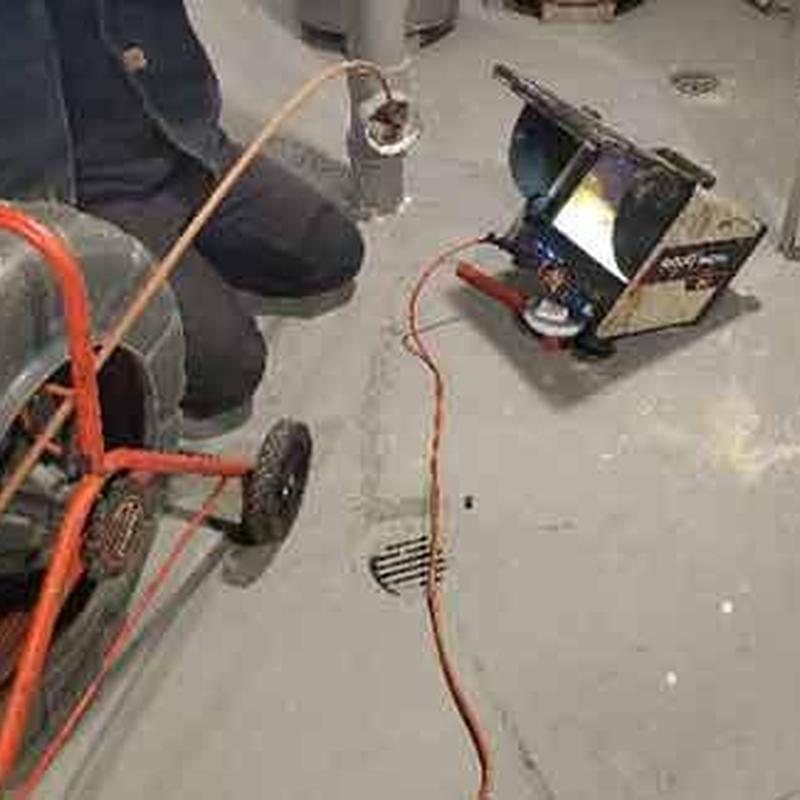
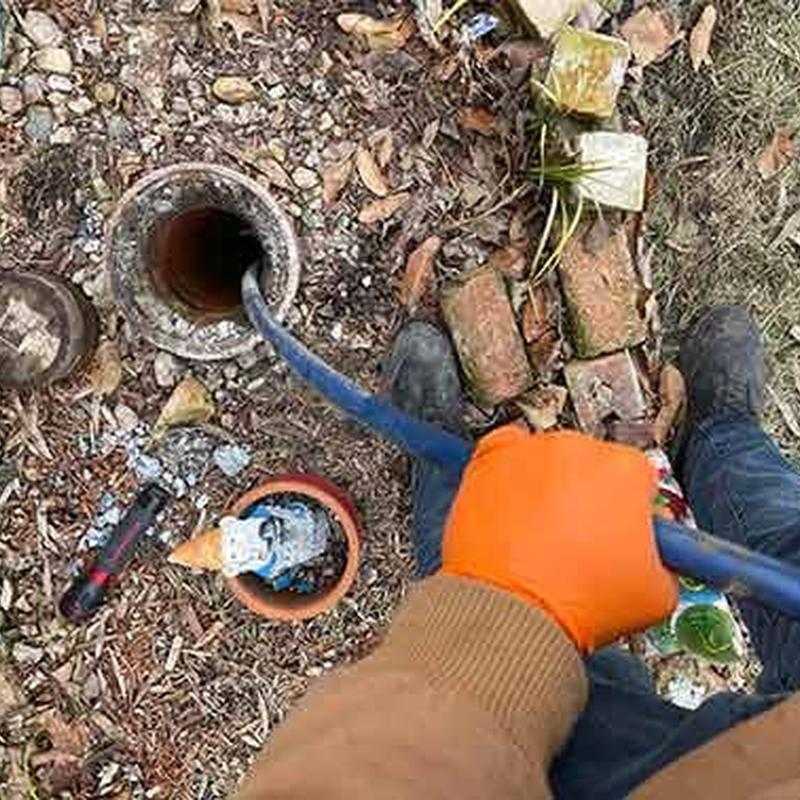
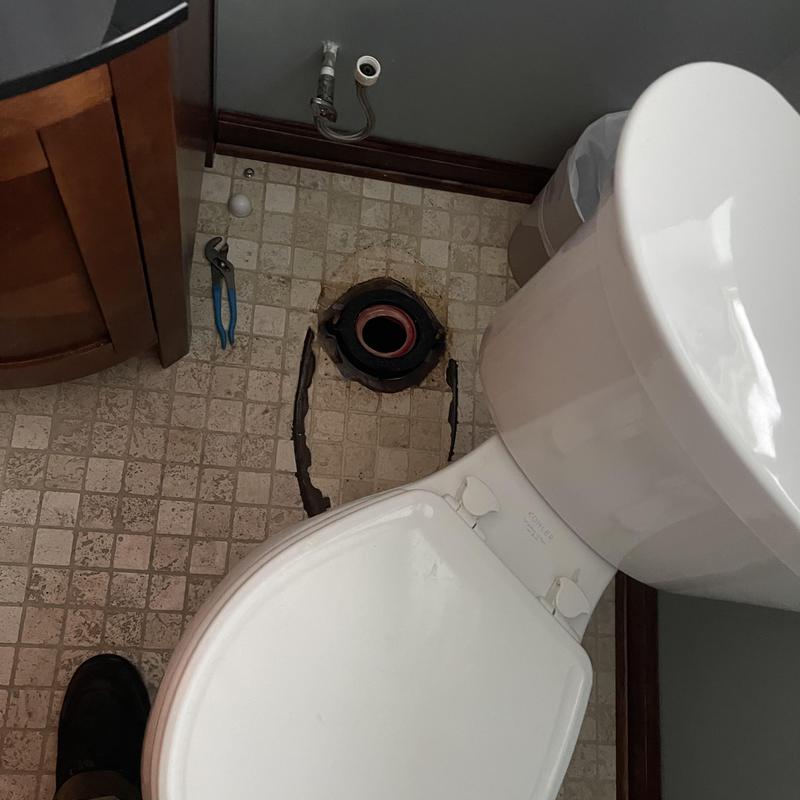
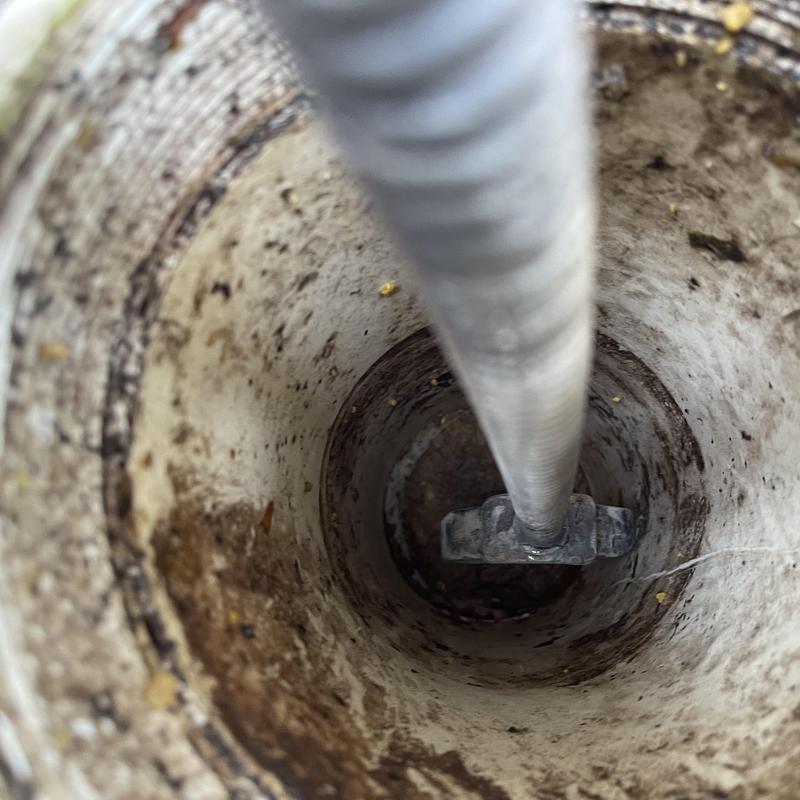
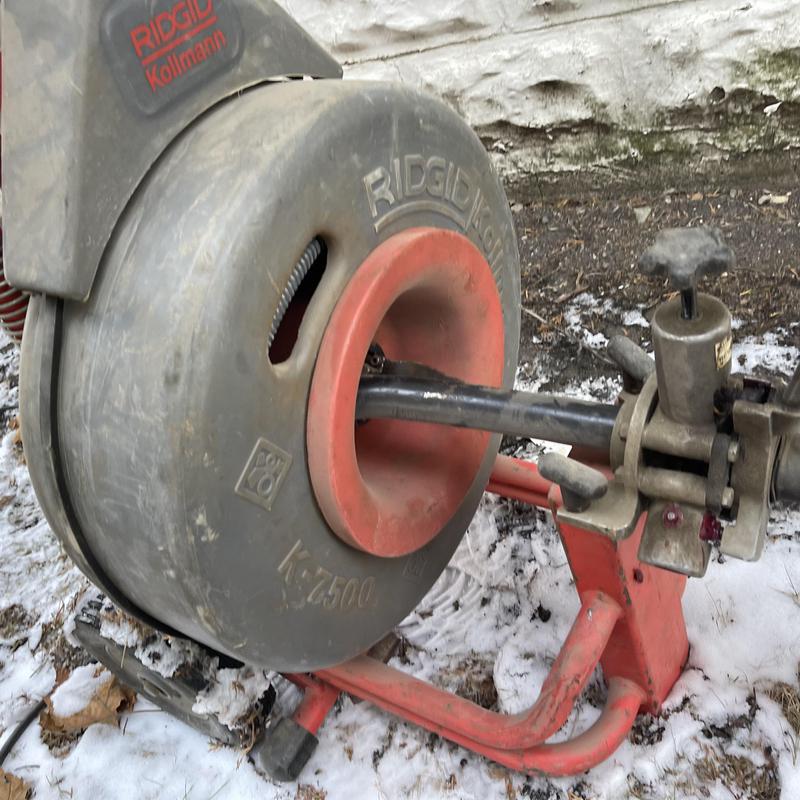
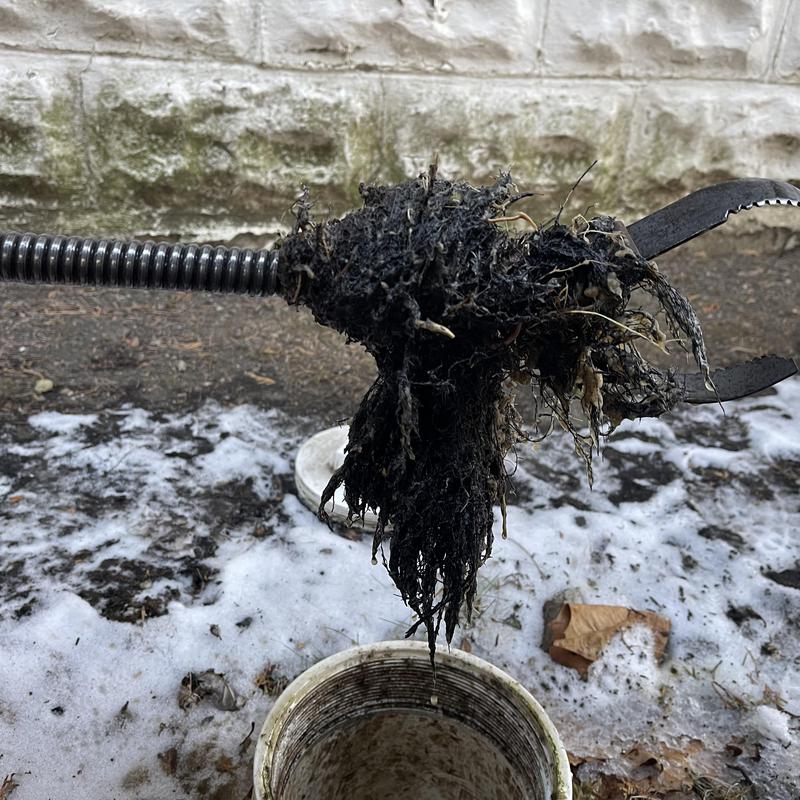
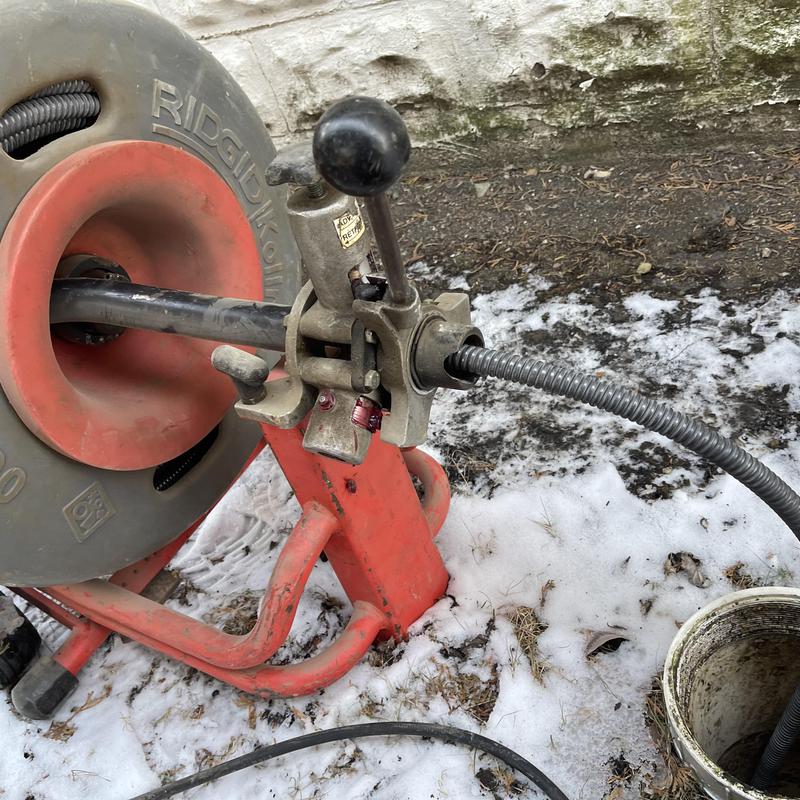
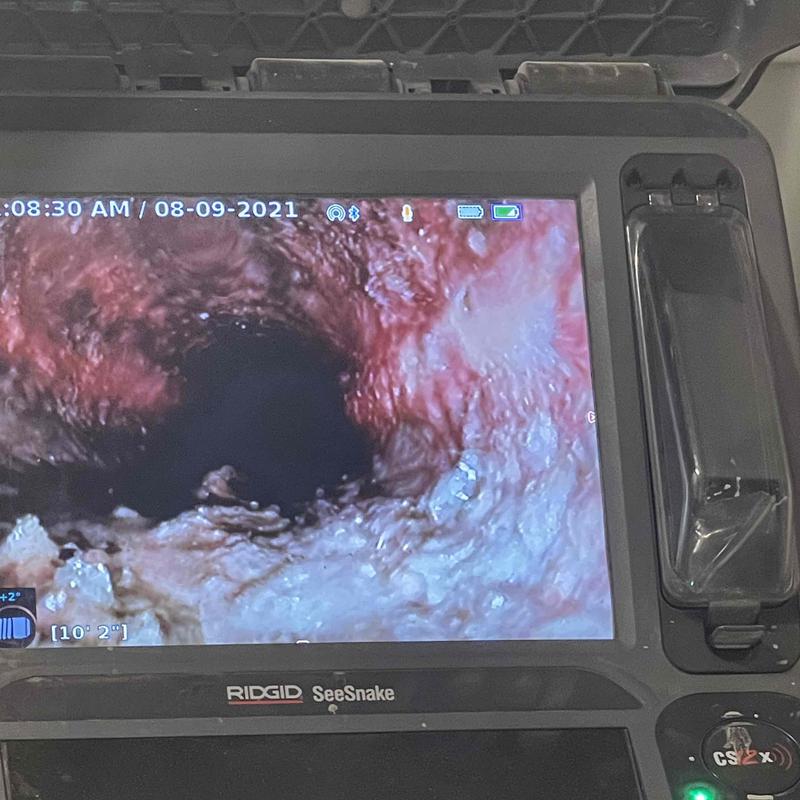
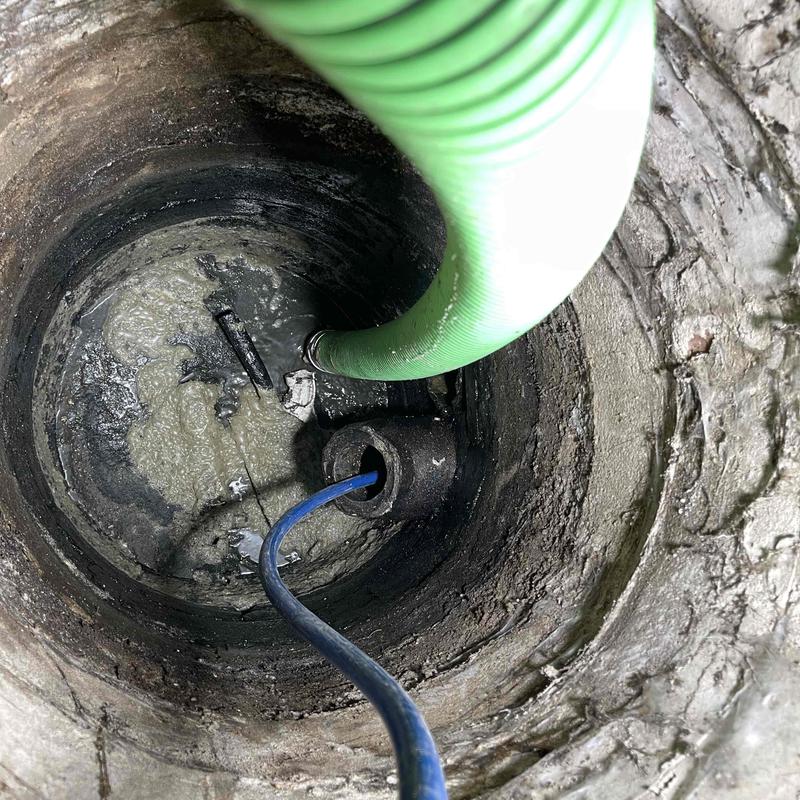
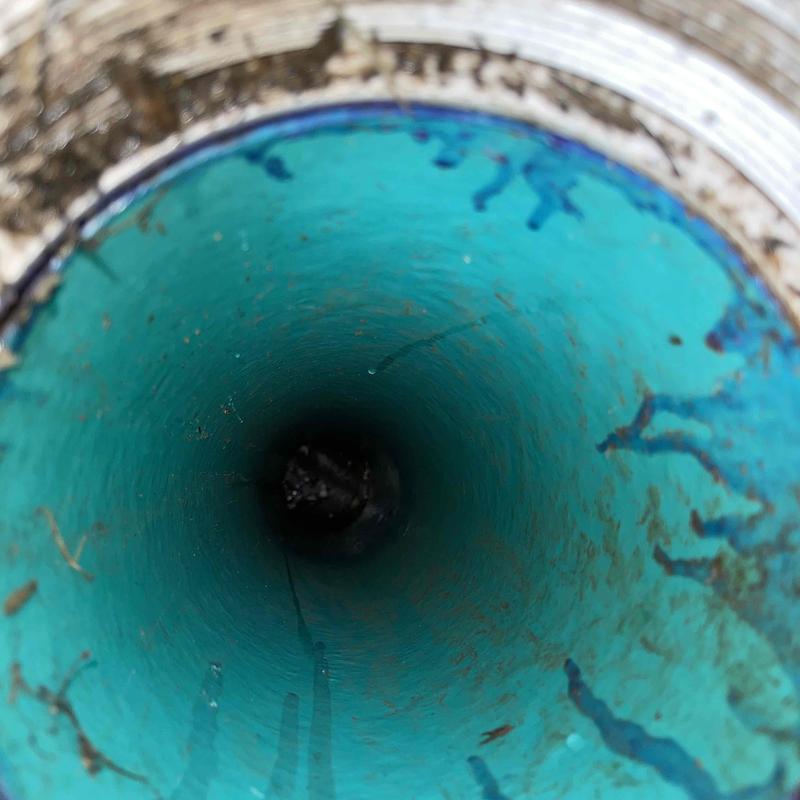
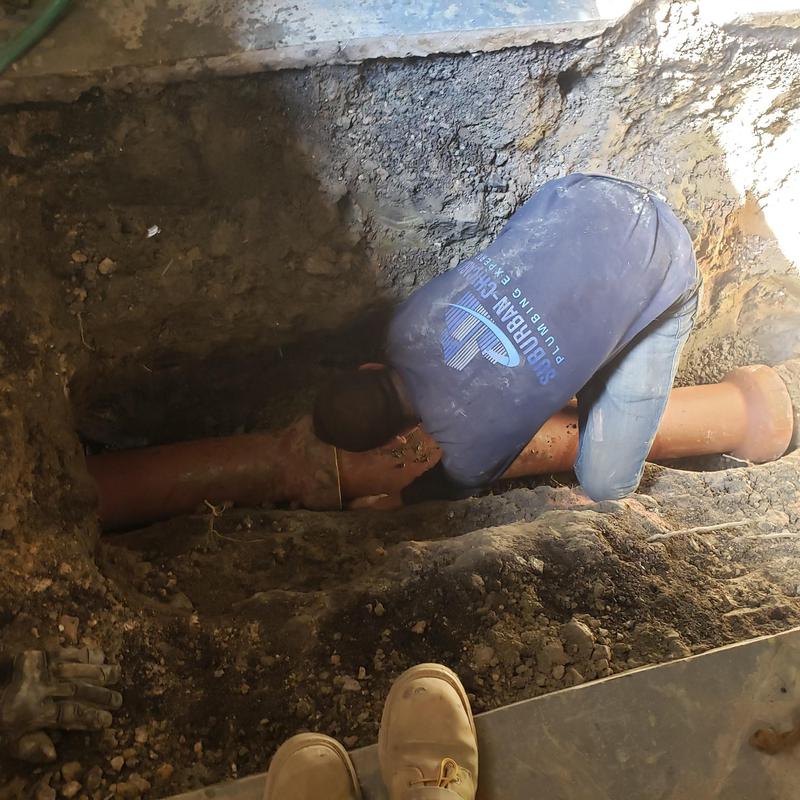
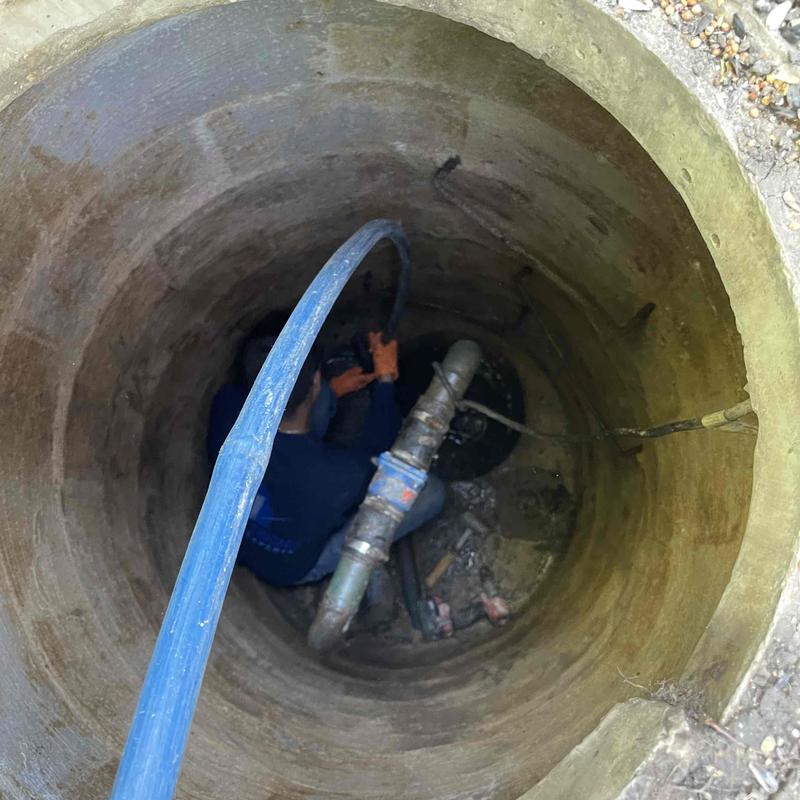
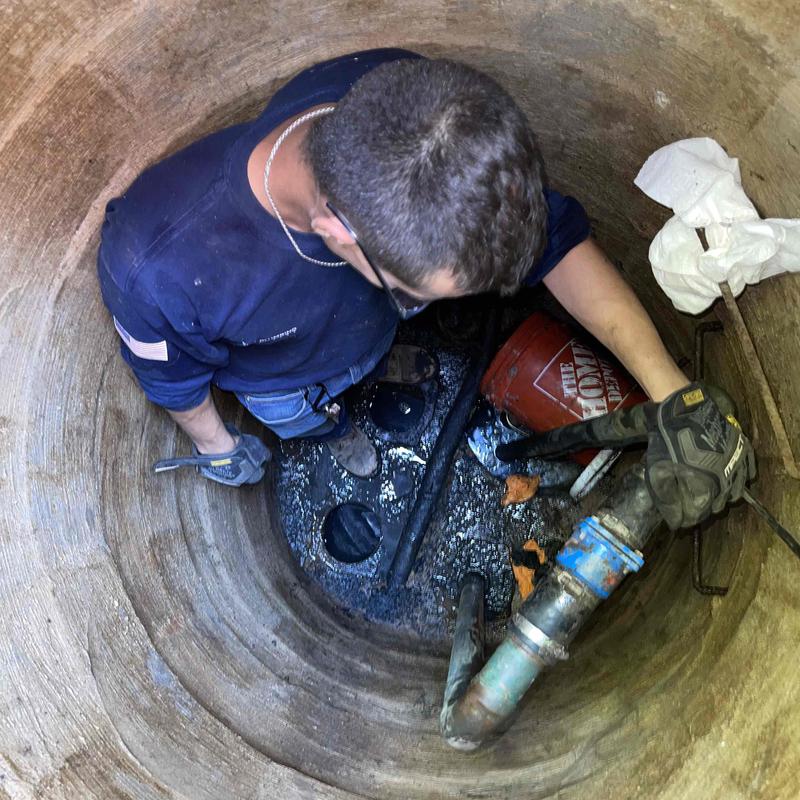
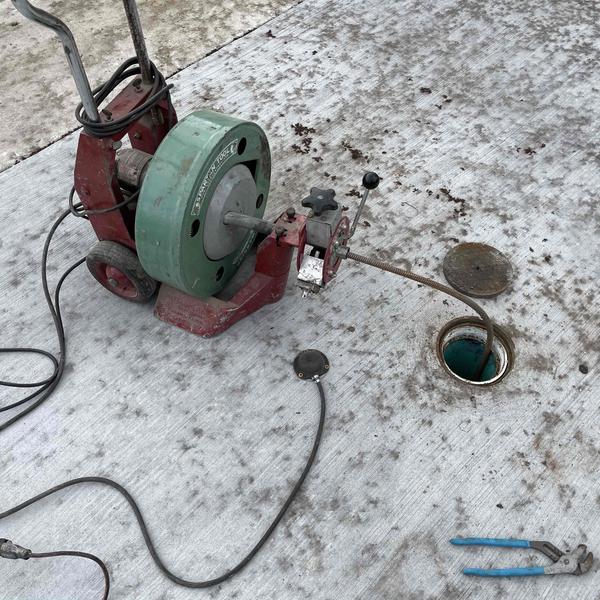
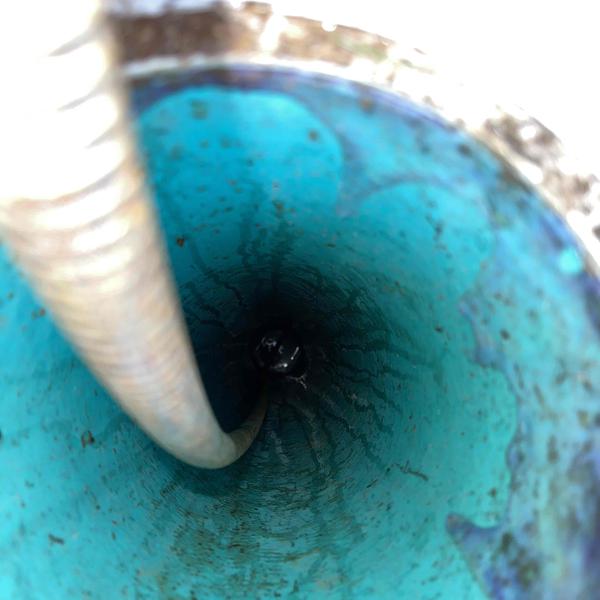
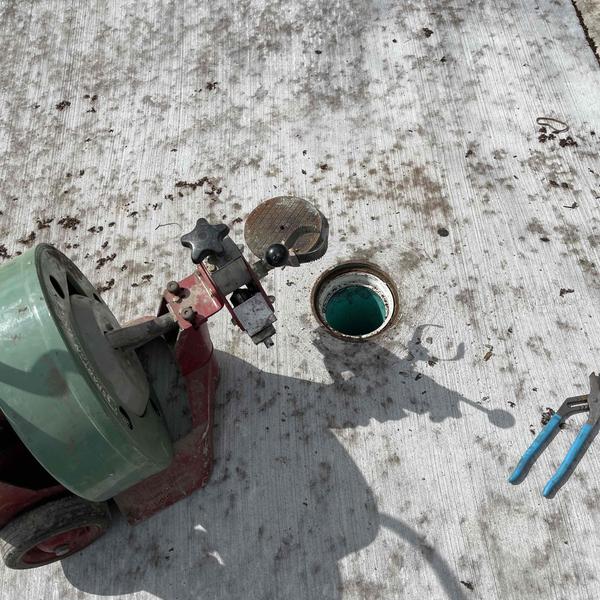
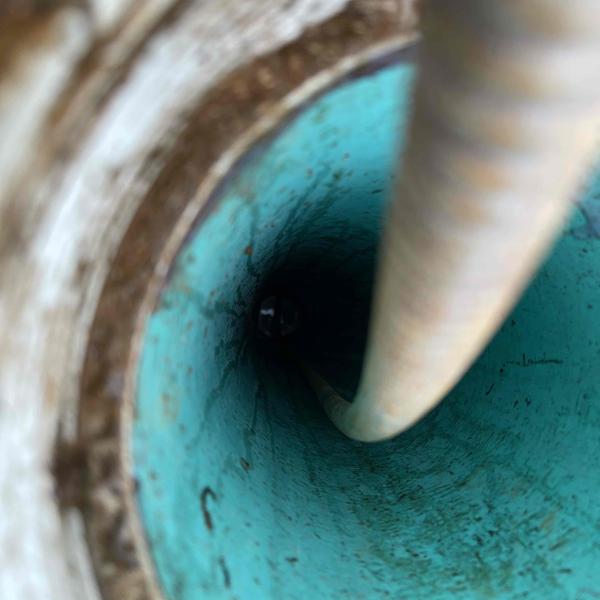
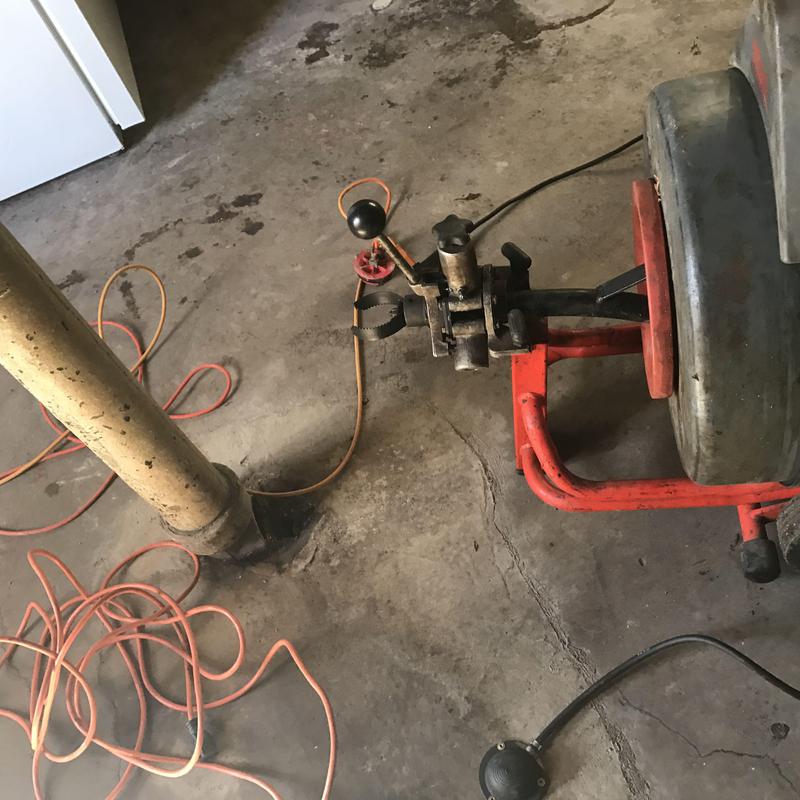
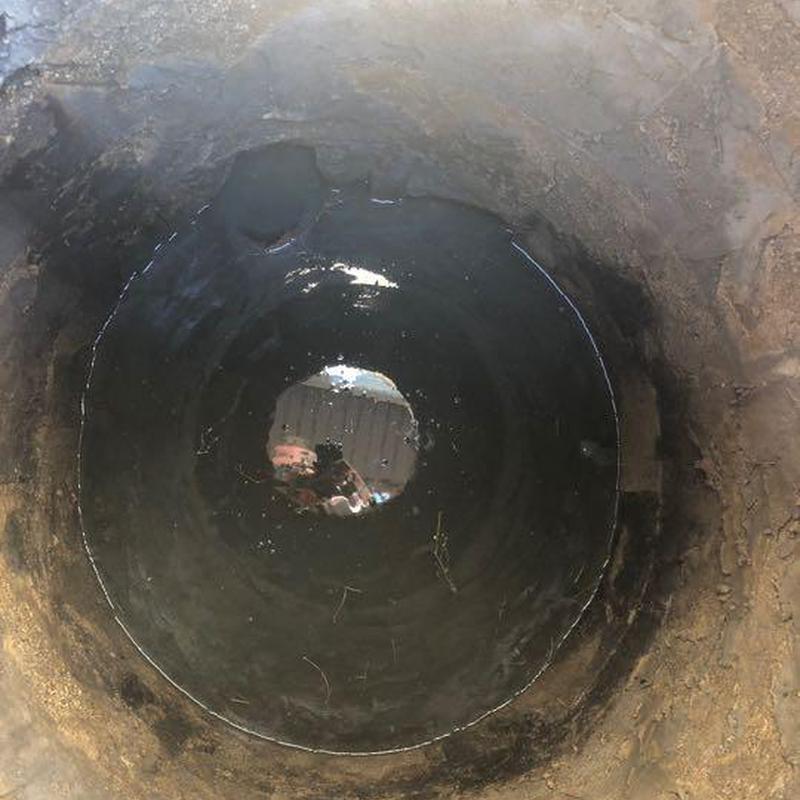
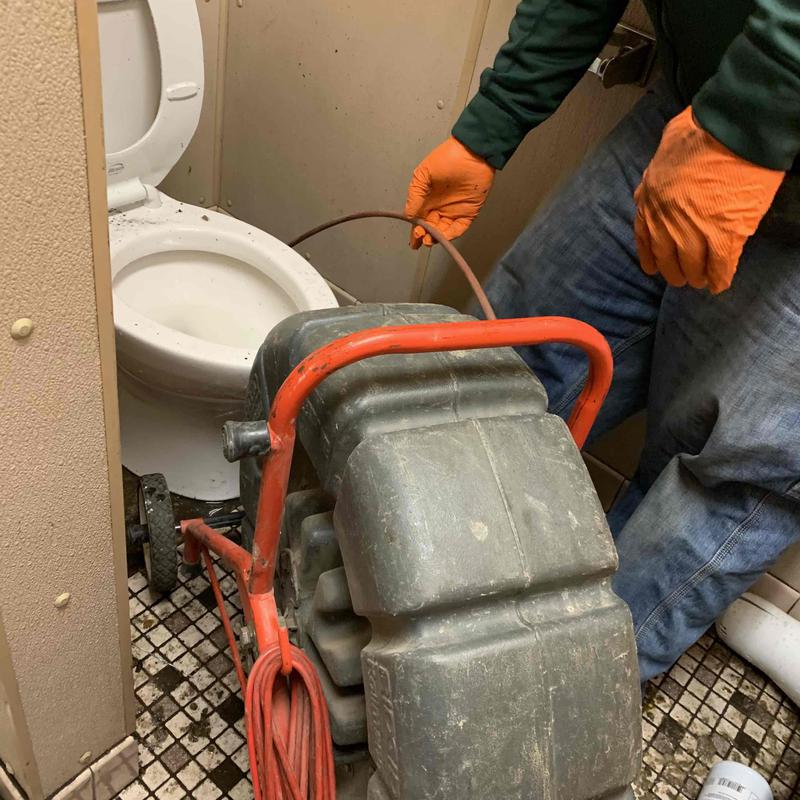
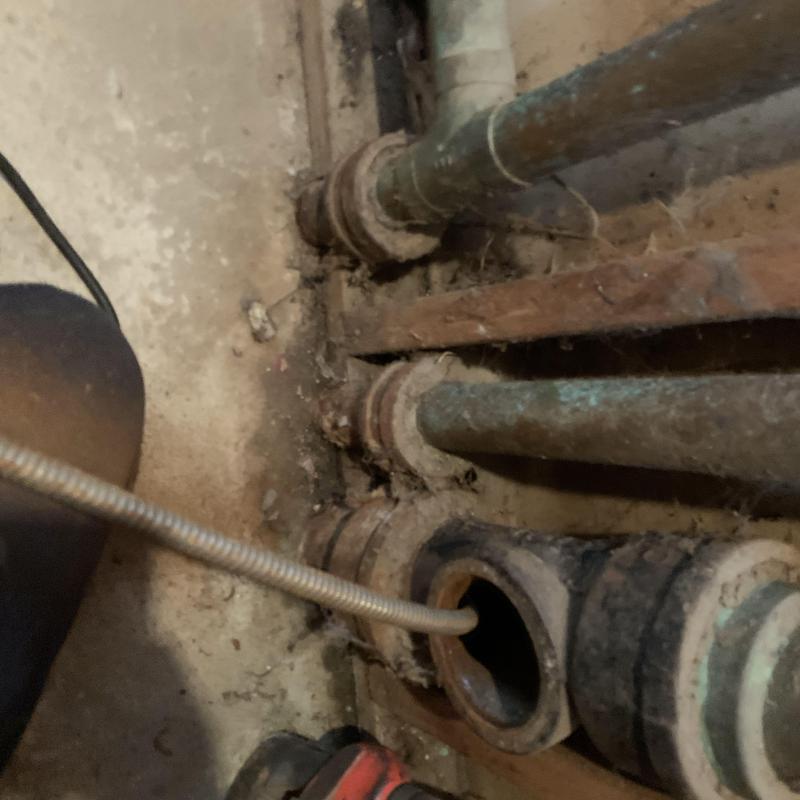
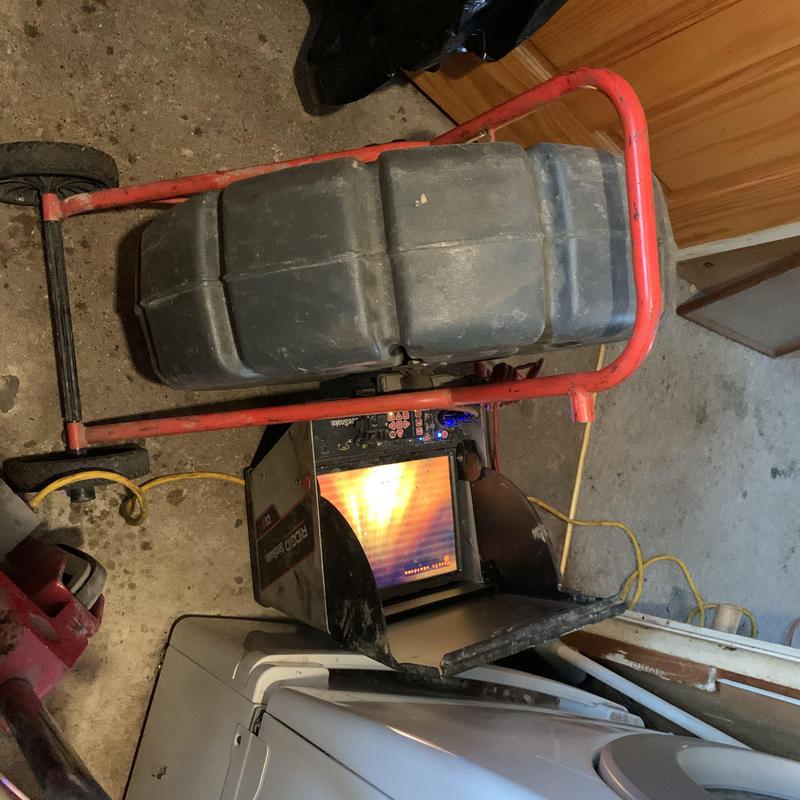
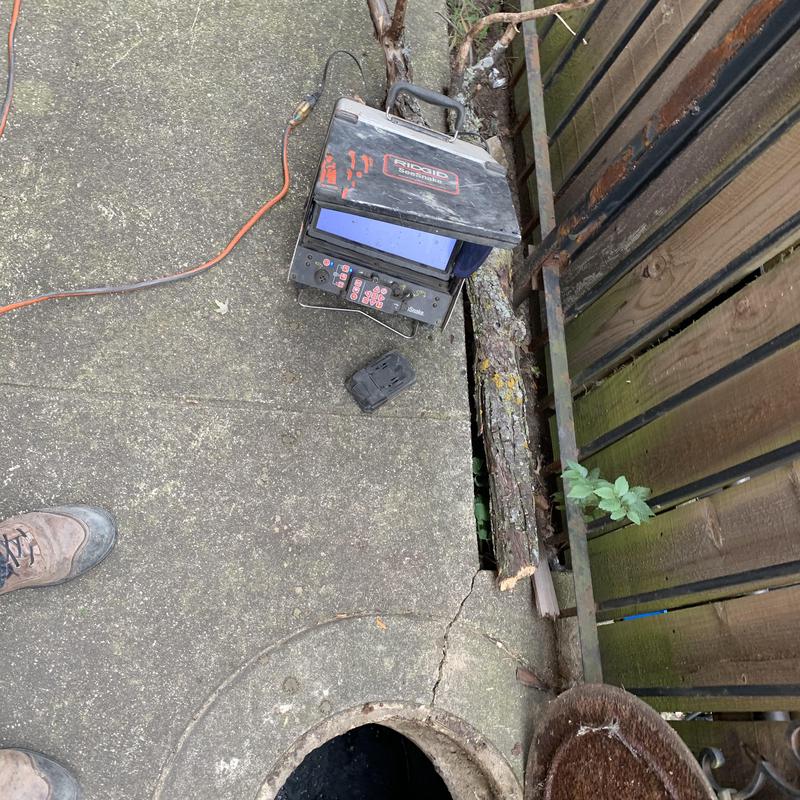
Our licensed plumbers use advanced tools like sewer cameras to pinpoint exactly where the roots have invaded, along with mechanical cutters and hydro jetting to safely and effectively remove them. Whether you're experiencing slow drains, recurring backups, gurgling sounds, or foul sewage odors coming from drains, we have the expertise and equipment to handle it. Don't let invasive tree roots compromise your plumbing system—let us protect your sewer line from one of the most common and damaging problems homeowners and businesses face.
Call Now for Same-Day Sewer Tree Root Removal: 708-801-6530
Effective Sewer Tree Root Removal Solutions Across Chicago and Suburbs
Keep your sewer lines clear and flowing efficiently with professional tree root removal services.
Advanced Tools and Techniques
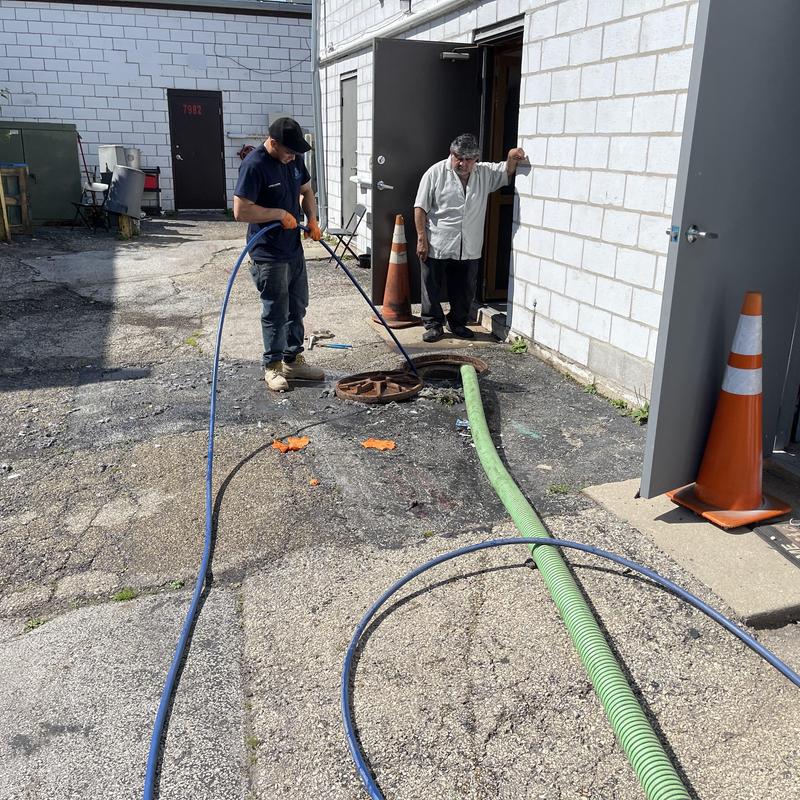
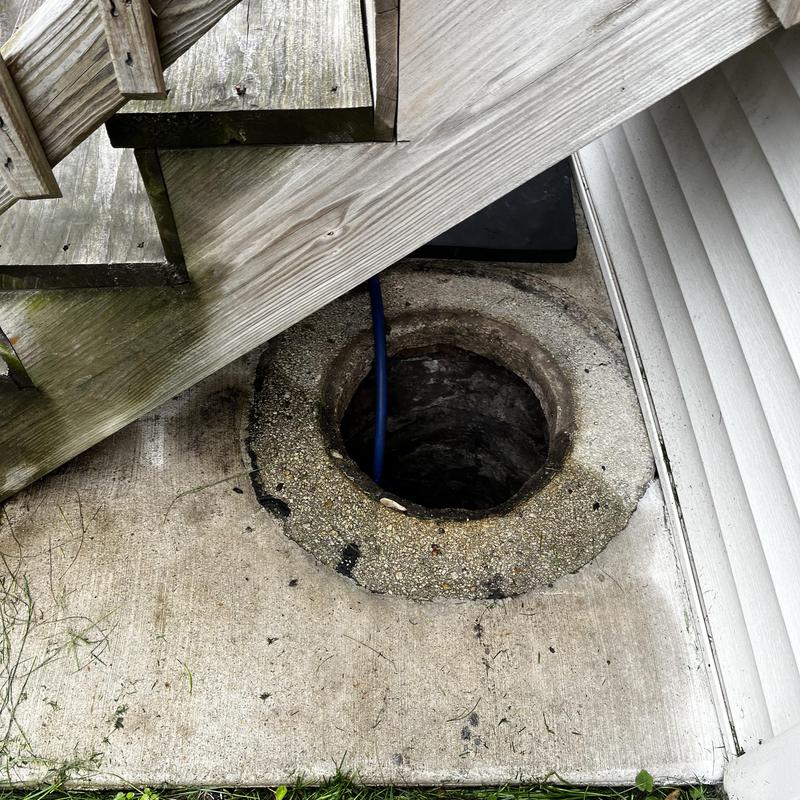
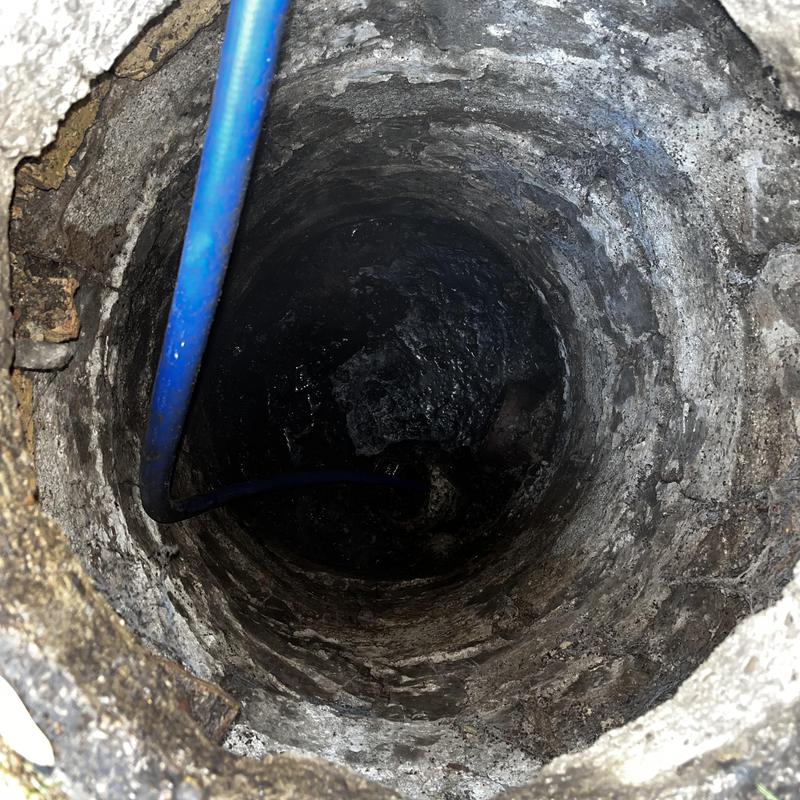
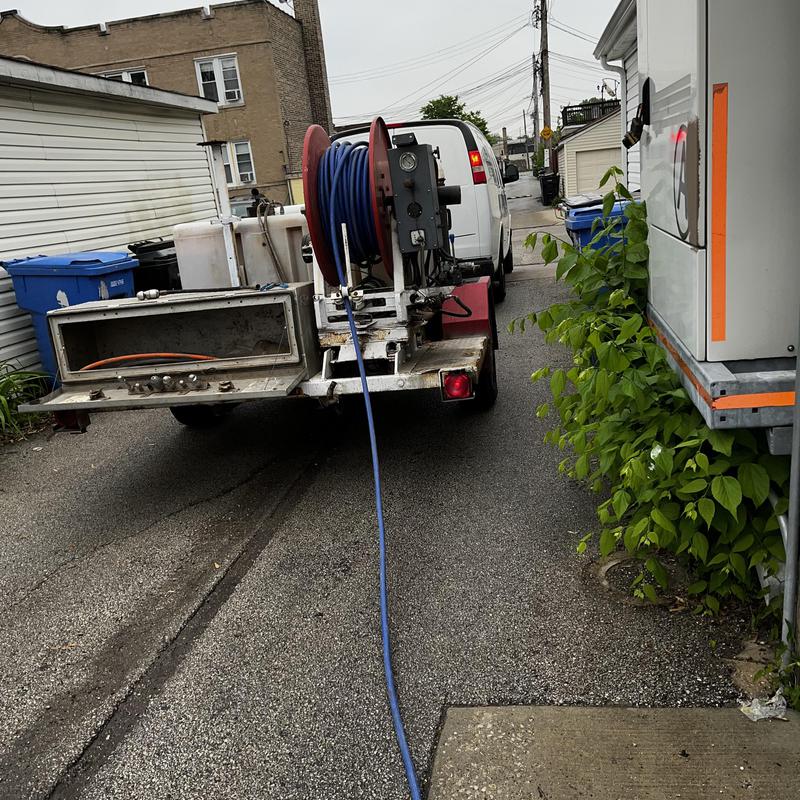
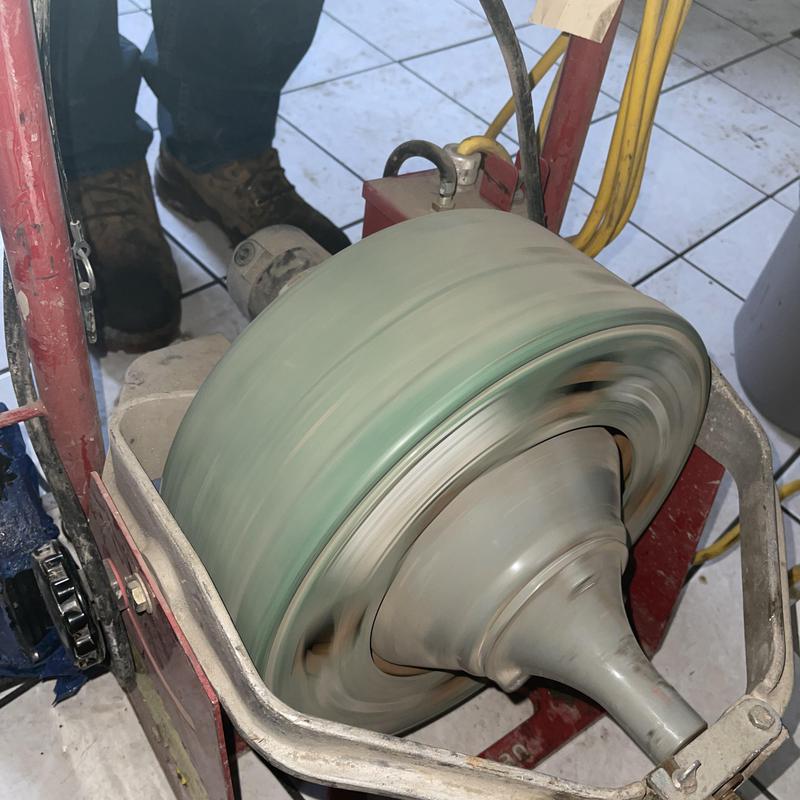
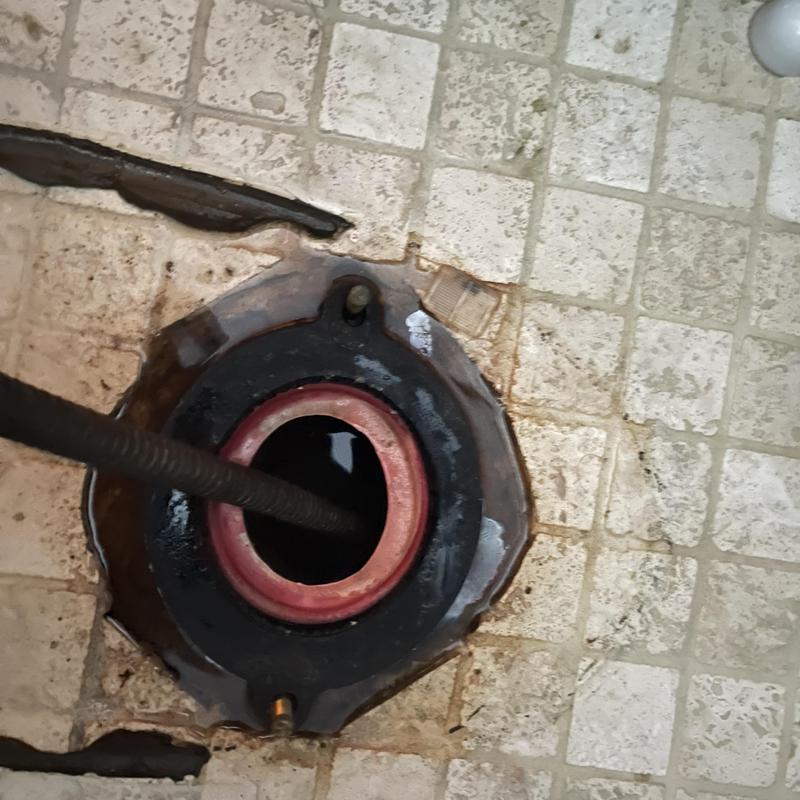
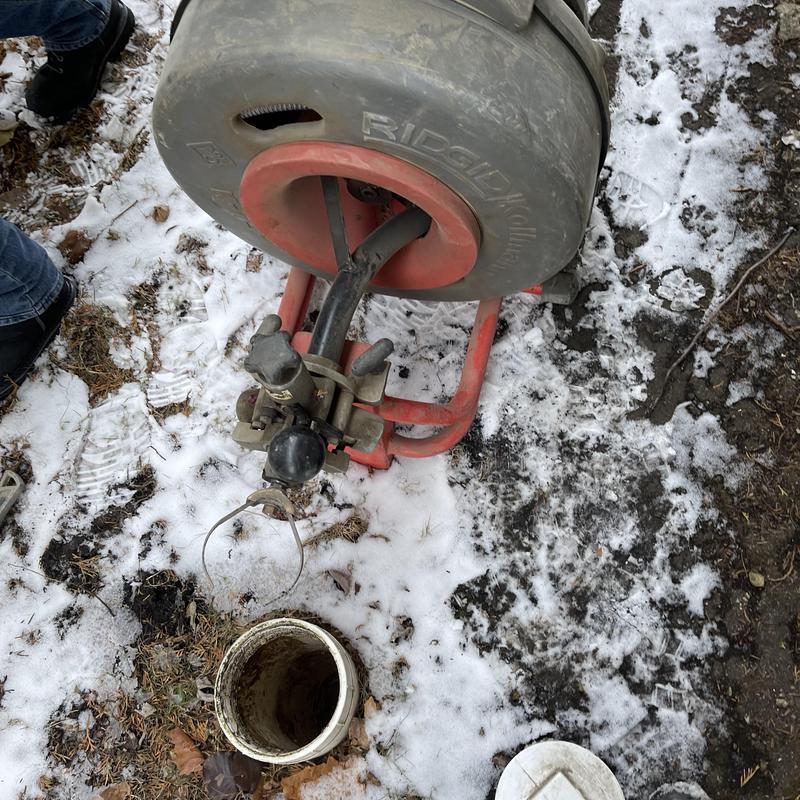
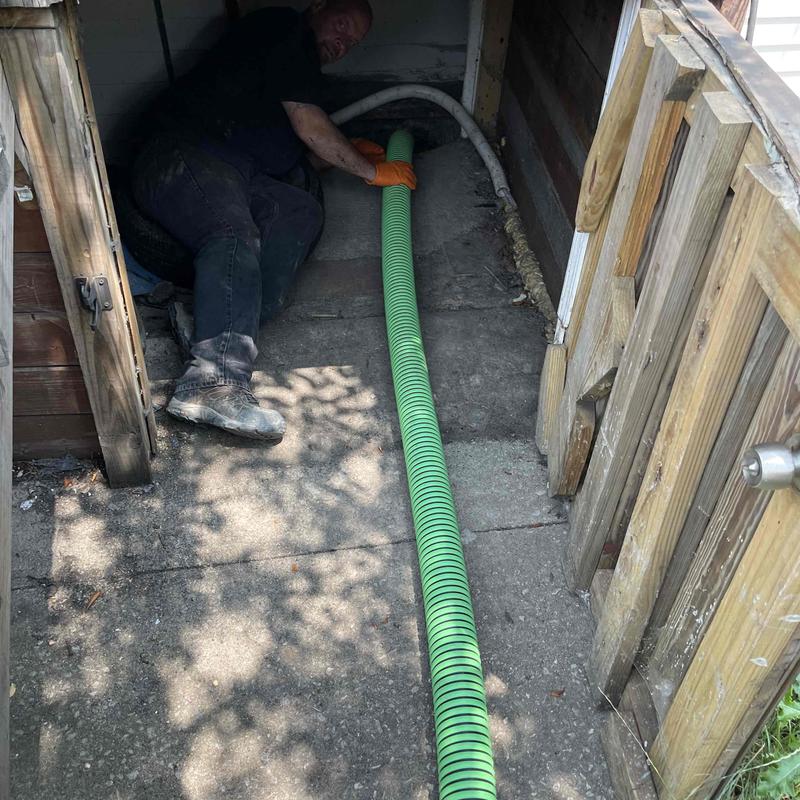
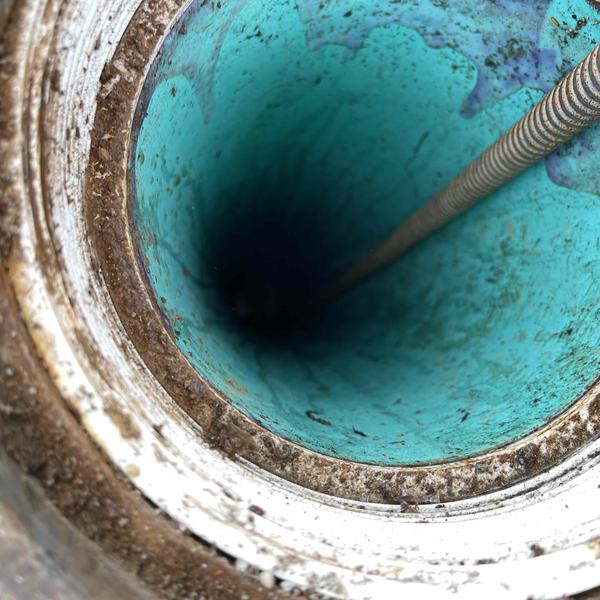
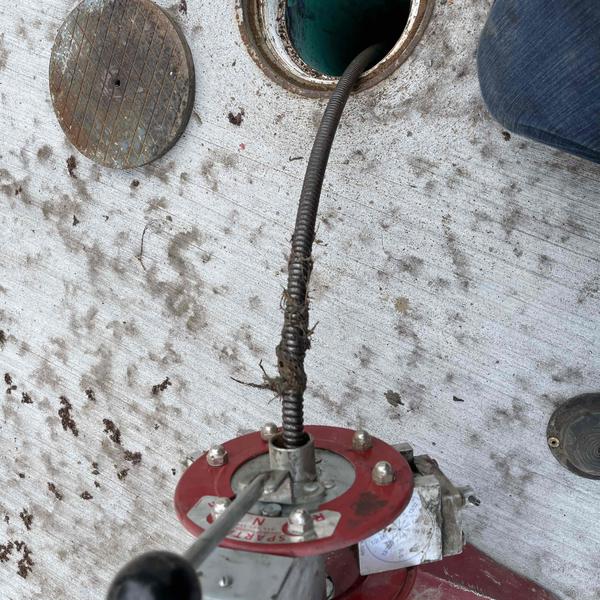
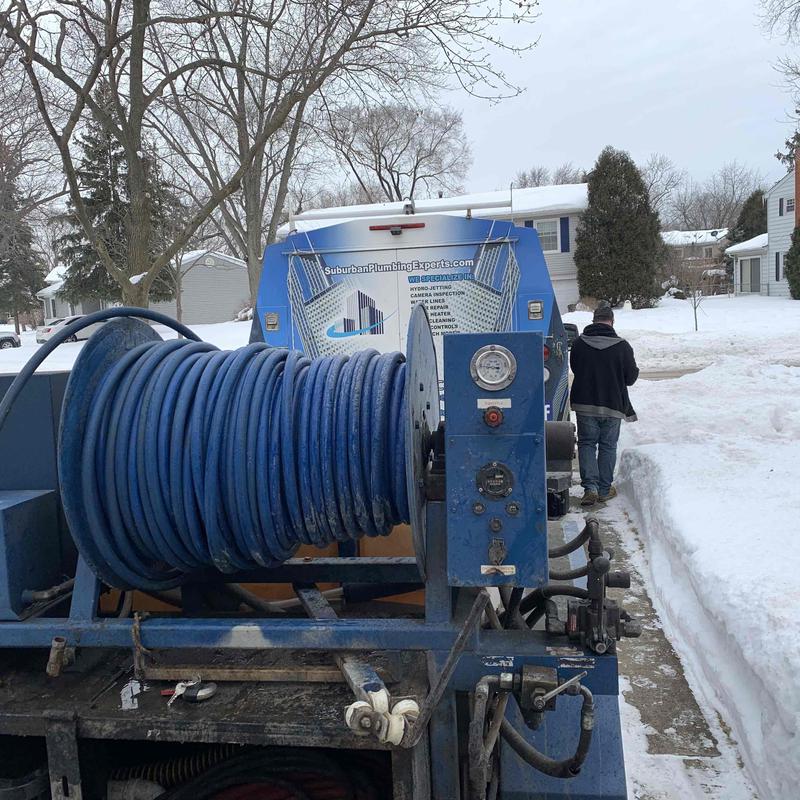
Our licensed plumbers use state-of-the-art equipment to remove tree roots safely and effectively. Sewer cameras allow us to pinpoint root intrusions, mechanical cutters break through stubborn growth, and hydro jetting flushes away debris, restoring full pipe flow. This combination ensures a thorough, long-lasting solution.
Residential and Commercial Services
We provide tree root removal solutions for both residential and commercial properties. From single-family homes to restaurants, apartment complexes, and businesses, our team tailors each service to the specific needs of your property, ensuring minimal disruption and maximum protection for your sewer system.
Preventative Maintenance for Long-Term Protection
Regular inspections and preventative maintenance help stop tree roots from causing future blockages. Our team can develop a scheduled maintenance plan to keep your sewer lines clear, reduce the risk of costly repairs, and extend the life of your plumbing infrastructure.
Emergency Sewer Root Removal
Sewer emergencies don’t wait for business hours. We offer fast-response emergency root removal services throughout Chicago and surrounding suburbs. Whether a blockage threatens flooding, backups, or property damage, our 24 hour emergency plumbing team is equipped to handle urgent situations efficiently and safely.
With professional tree root removal, your sewer system stays reliable, free-flowing, and protected from costly backups.
How Our Professional Sewer Tree Root Removal Services Can Help You
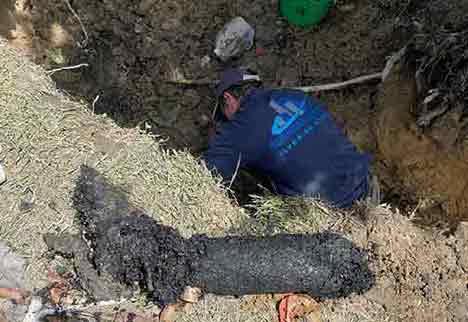
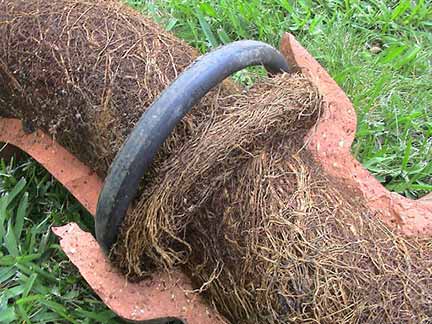
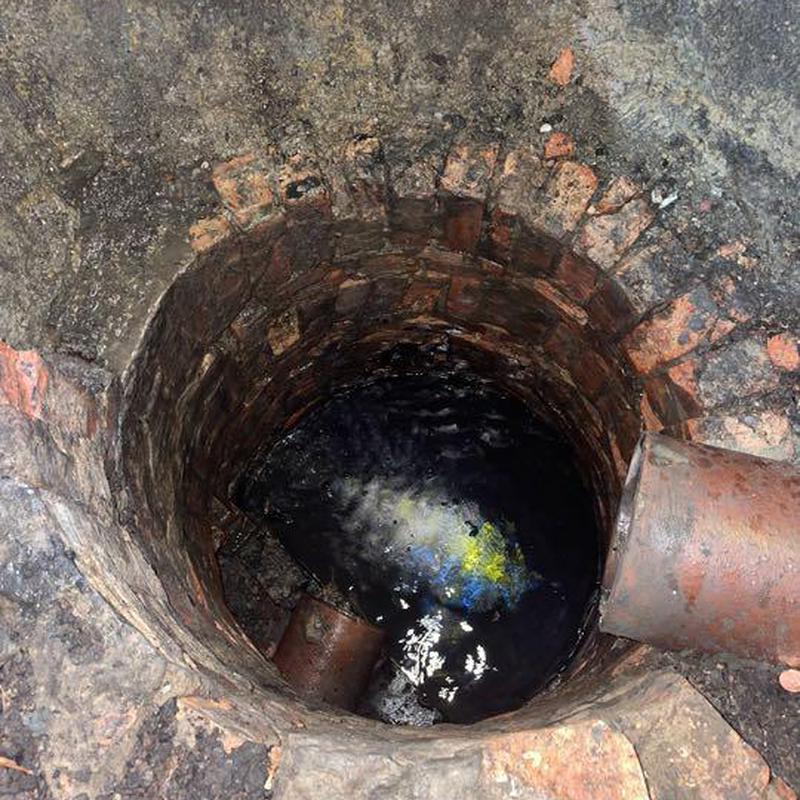
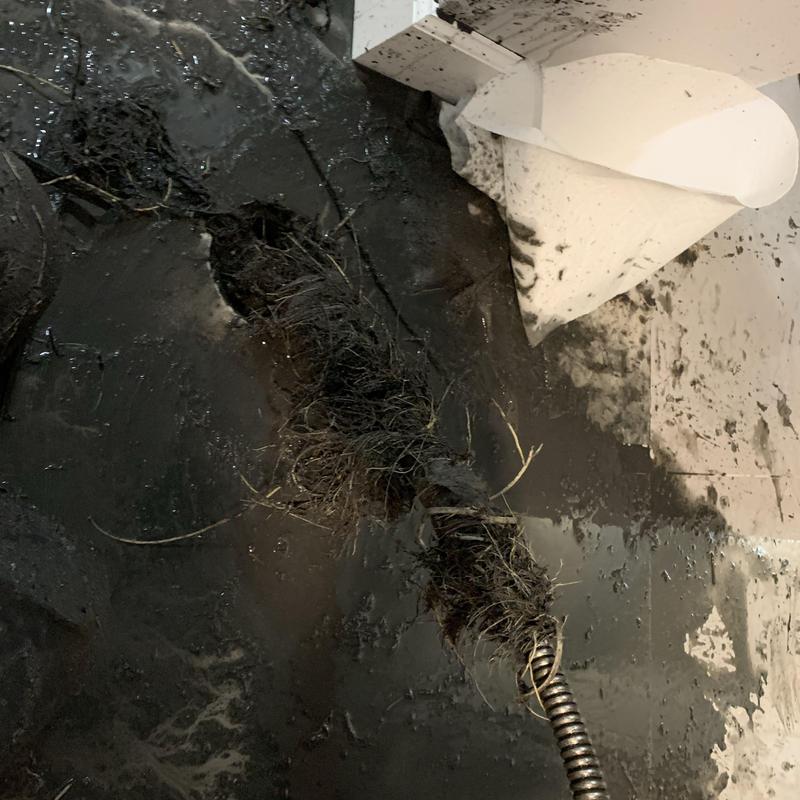
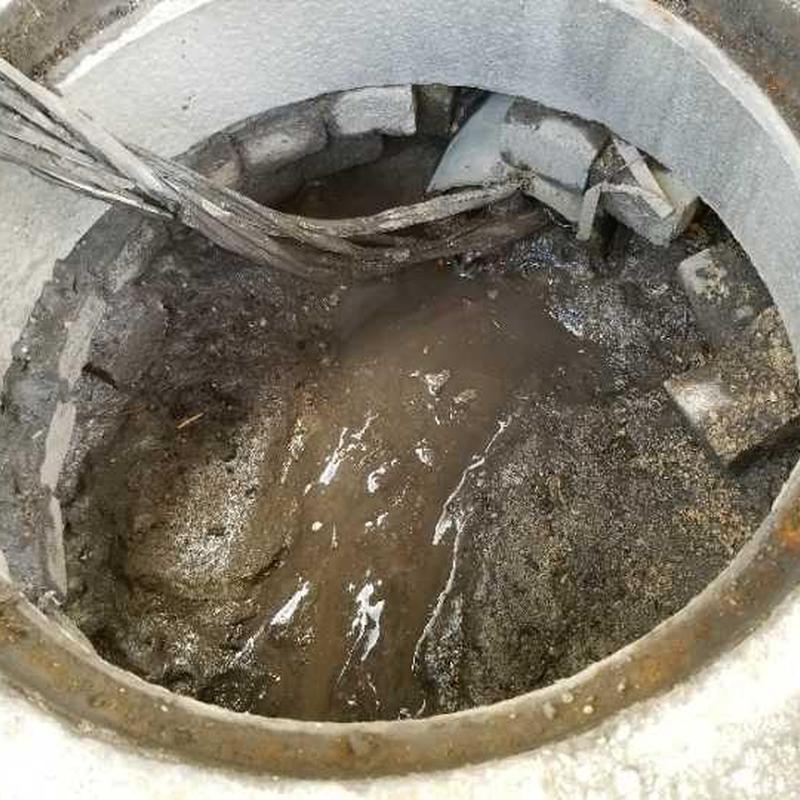
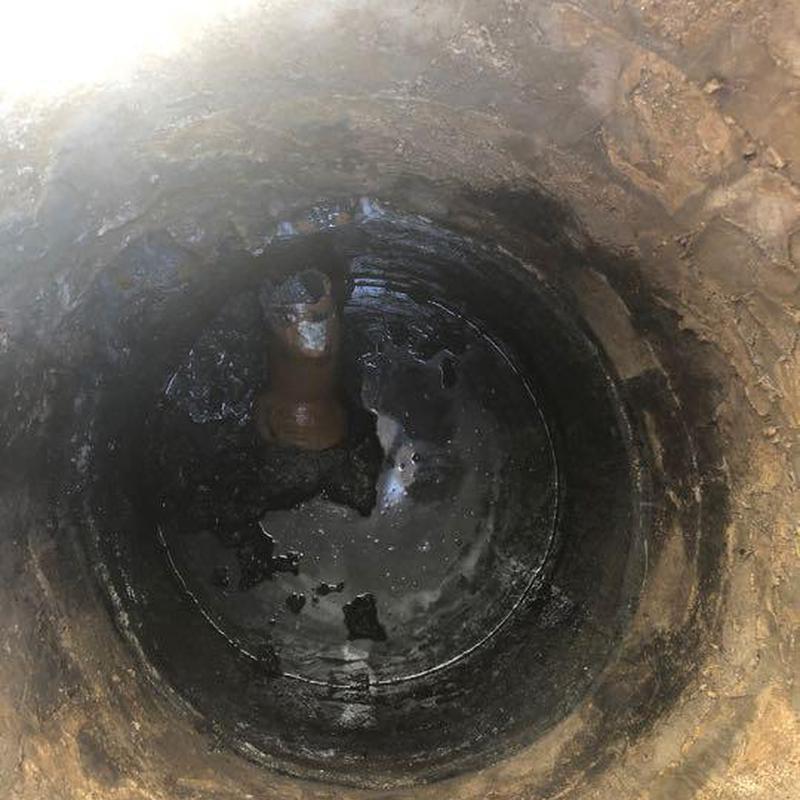
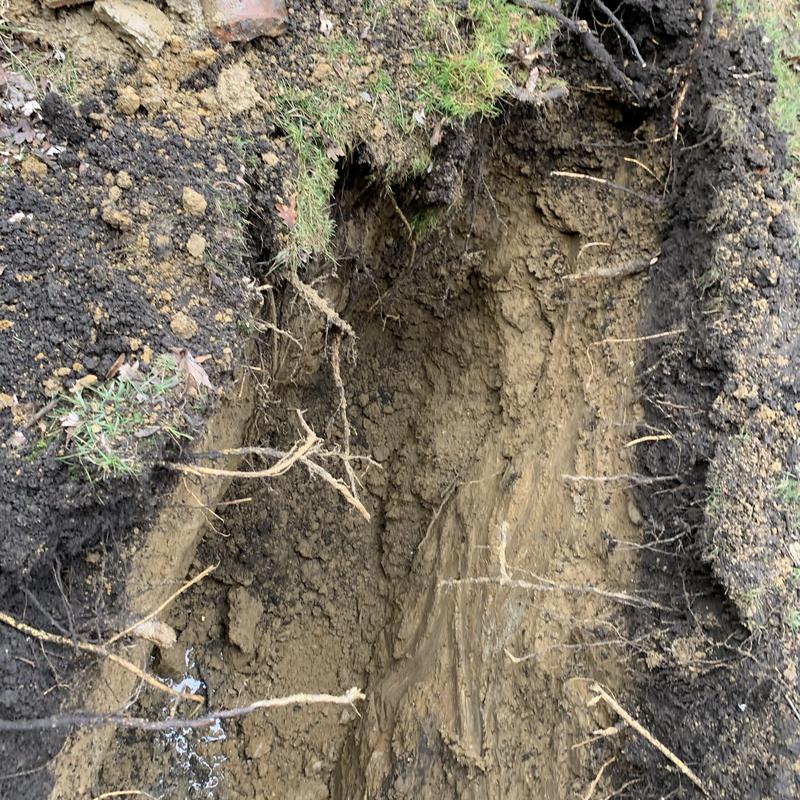
Sewer tree root removal service is the removal of tree roots that grow into and invade wastewater pipes, preventing wastewater from flowing through pipes and damaging them. Tree roots provide support and nutrients to trees. But as trees grow they gain strength an density (density means mass = weight) and the roots can penetrate weaken areas of sewer pipes and thoroughly block the flow or completely damage the sewer pipe and area in its surroundings.
Suburban Plumbing Experts uses specialized equipment and techniques to help remove tree roots from the sewer line.
Why You Need A Sewer Tree Root Removal Service
Professional services are necessary when tree roots need to be excavated from sewer pipes. Our experienced sewer tree root removal experts offer specialized tools and methods that offer complete and efficient removal. Our experts have the expertise to assess the extent of root intrusion and identify the optimum removal method. Through our experienced plumbers across Chicagoland, residents and commercial entities can avoid further damage to sewer systems and ensure long-term operation.
Effective Solutions for Tree Roots in Sewer Lines
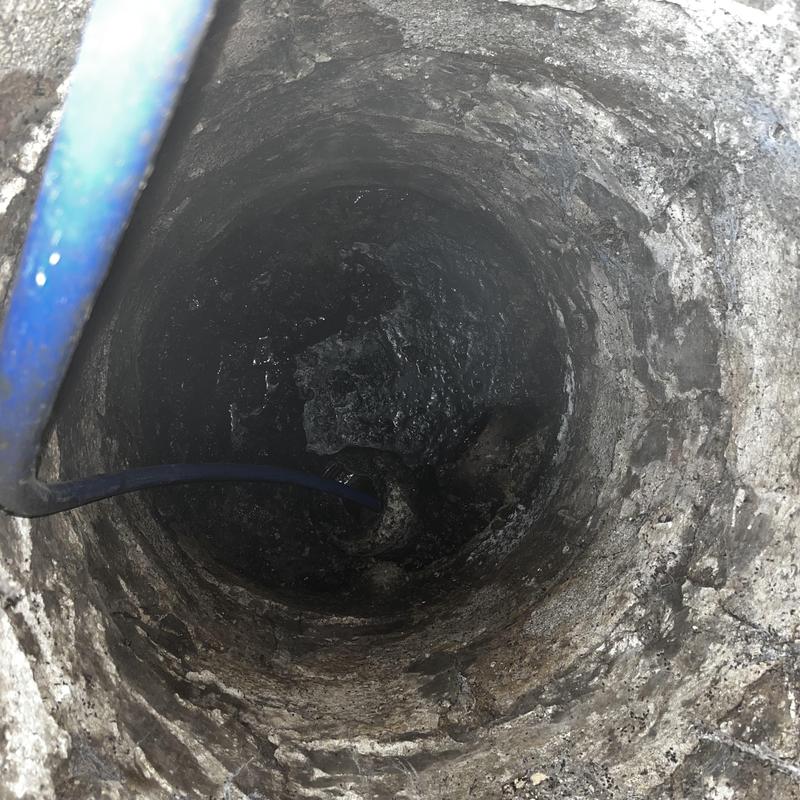
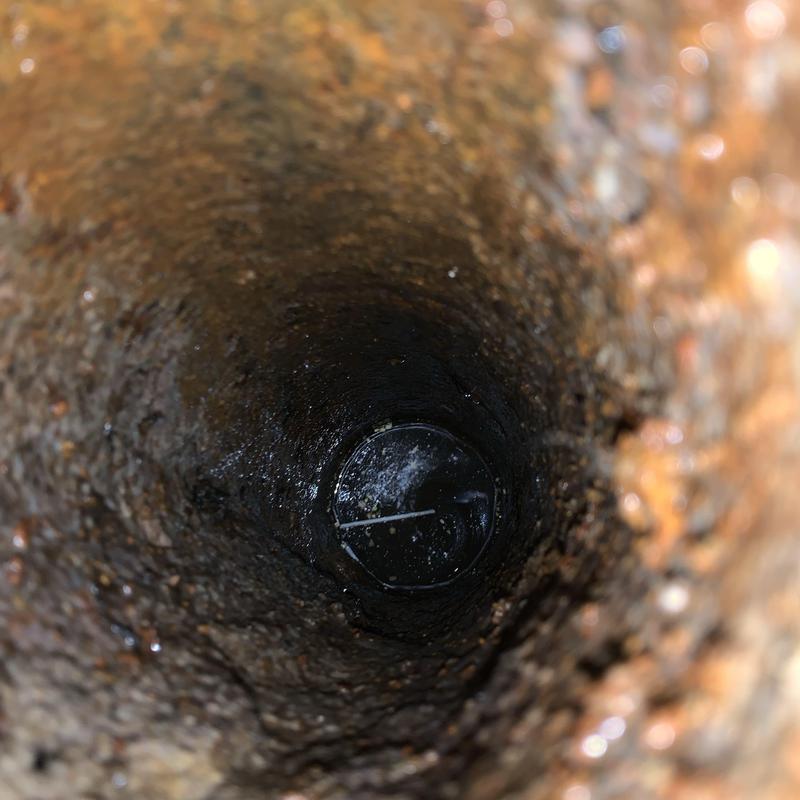
Our sewer tree root removal service involves a thorough camera inspection of the sewage line system to identify the root infiltration and establish the blockage extent. Using specialized equipment, the root systems are cut from the pipes and eliminated. Our service also provides tree root inhibitors to slow down future growth.
Benefits of Sewer Tree Root Removal Service
Addressing tree root infiltration in sewer lines promptly offers numerous benefits. Timely removal prevents further damage to the pipes, reducing the risk of costly repairs or replacements. It also ensures efficient drainage, preventing backups and potential health hazards. Moreover, maintaining clear sewer lines contributes to the overall health and functionality of the property, enhancing its value and appeal.
- Prevents sewage backups and costly repairs
- Increases the lifespan of the pipes and sewage system
- Reduces the need for sewer line replacement
- Protects the environment from wastewater overflow
- Saves money on maintenance and repairs
By prioritizing sewer tree root removal, homeowners and businesses can enjoy peace of mind and optimal system performance.
Tree Root Infiltration Issues in Chicago or Suburbs?
When trees detect a water source, they will follow that water source until water no longer exists in that location. Tree root problems begin when they infiltrate your pipe. Tree roots growing inside your sewer pipe are one of the biggest home maintenance issues you can face in the Chicagoland area and are responsible for most broken sewer pipe problems and sewer backup problems throughout the city.
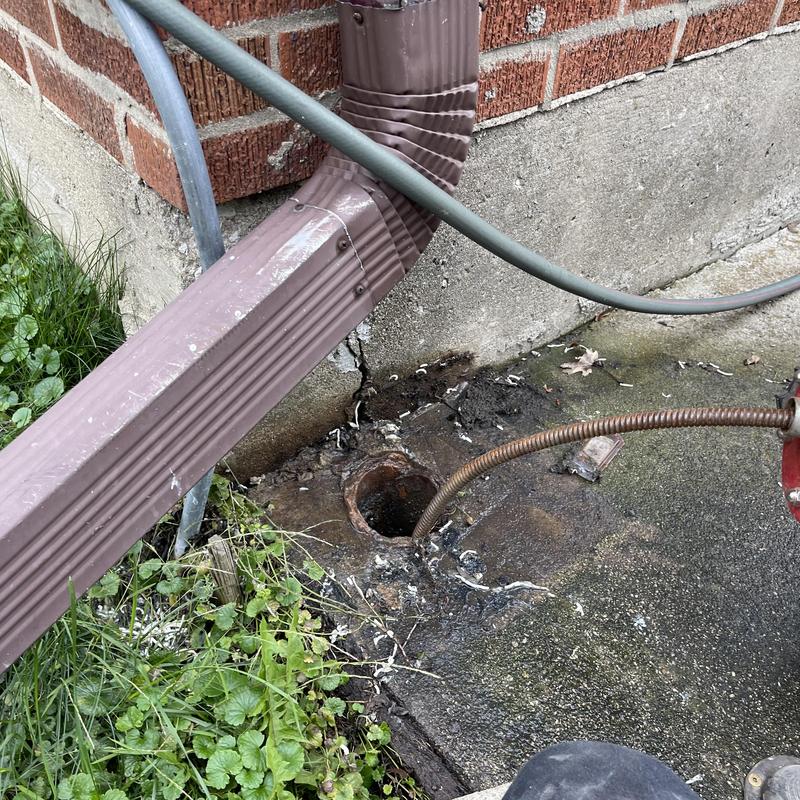
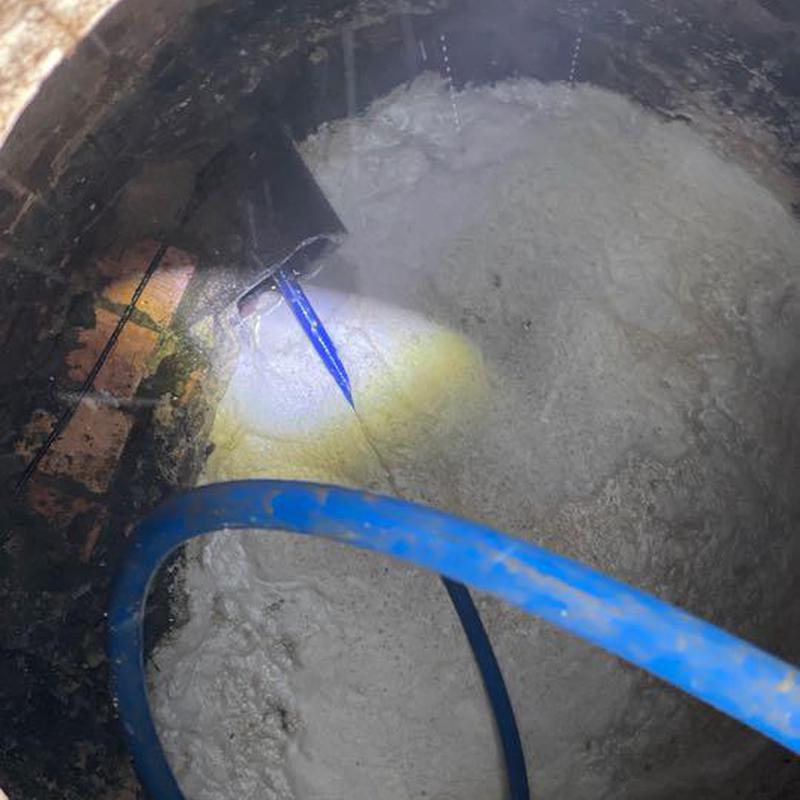
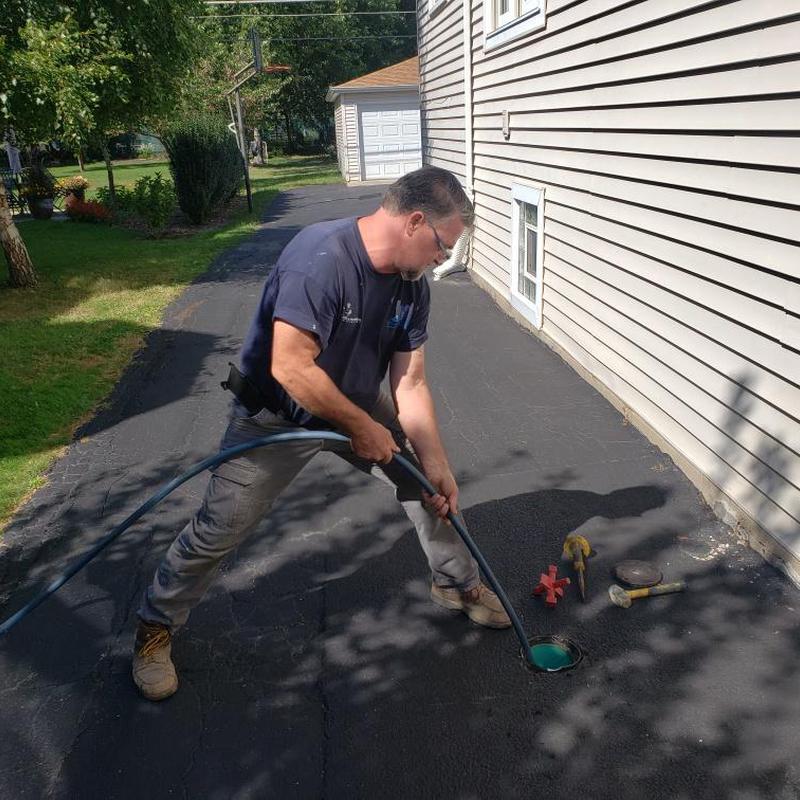
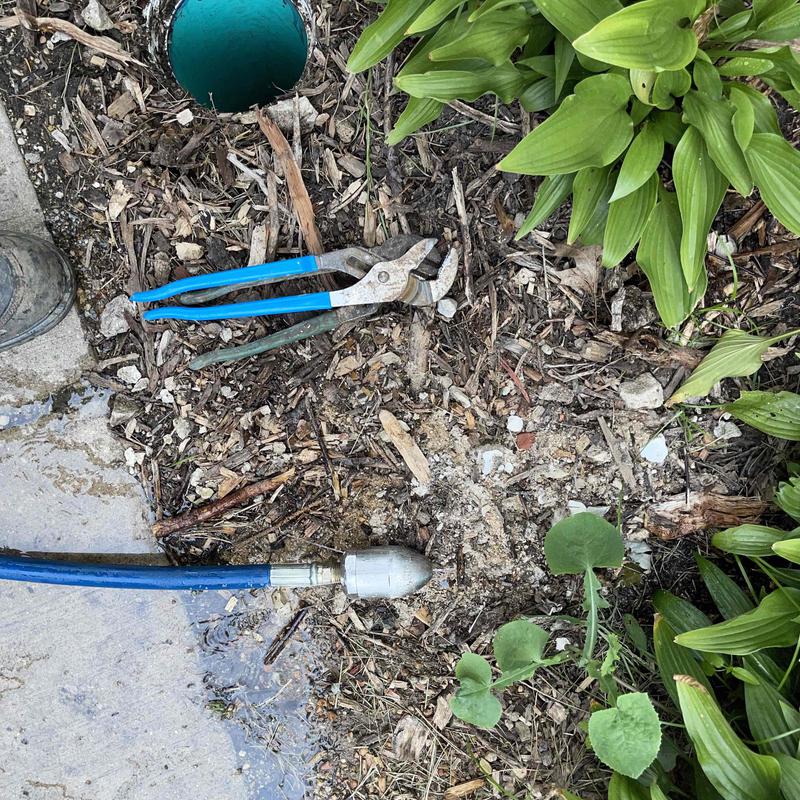
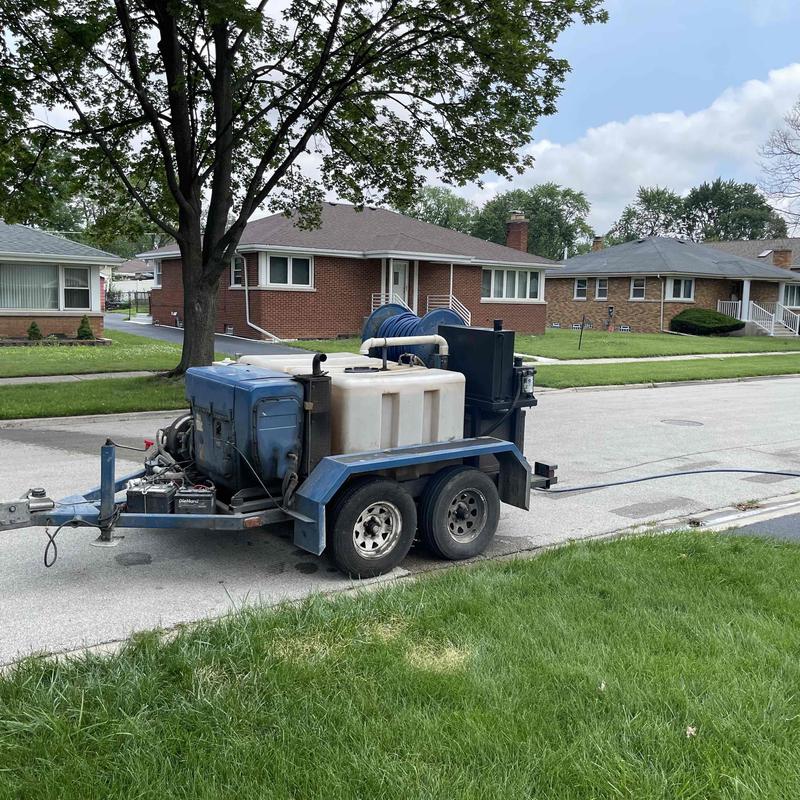
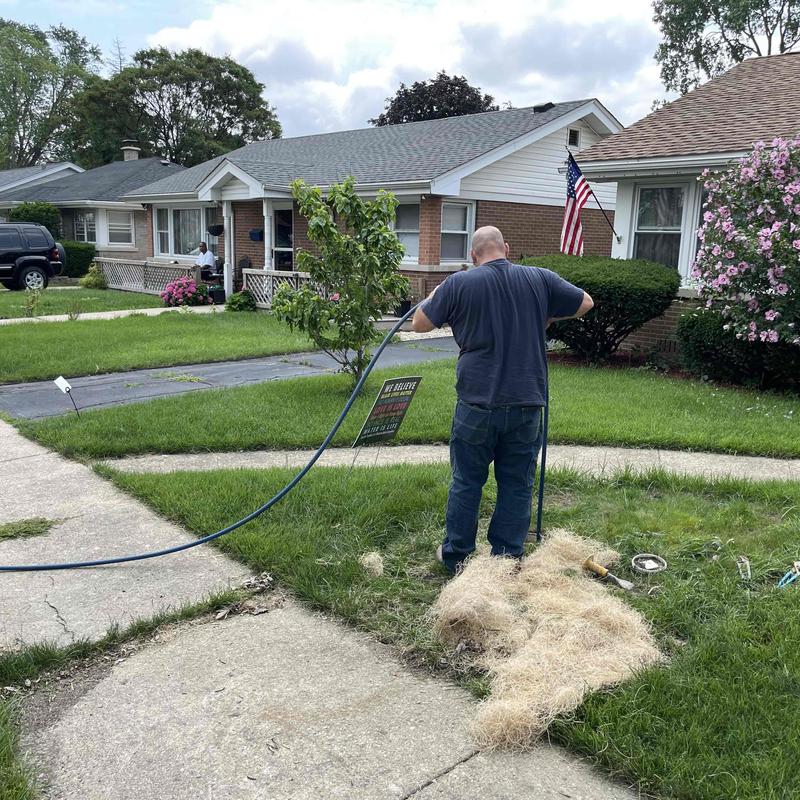
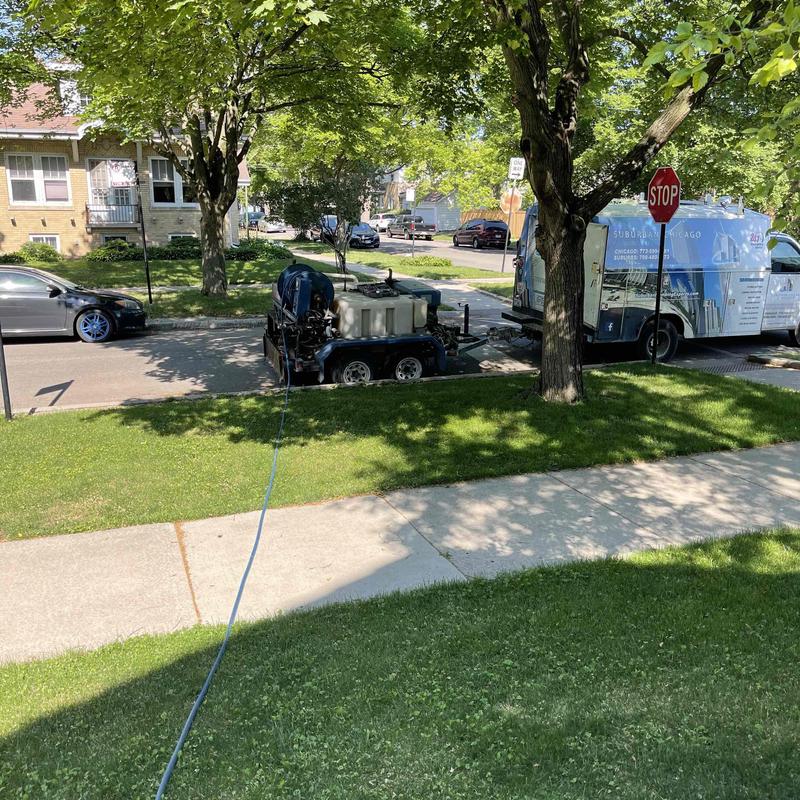
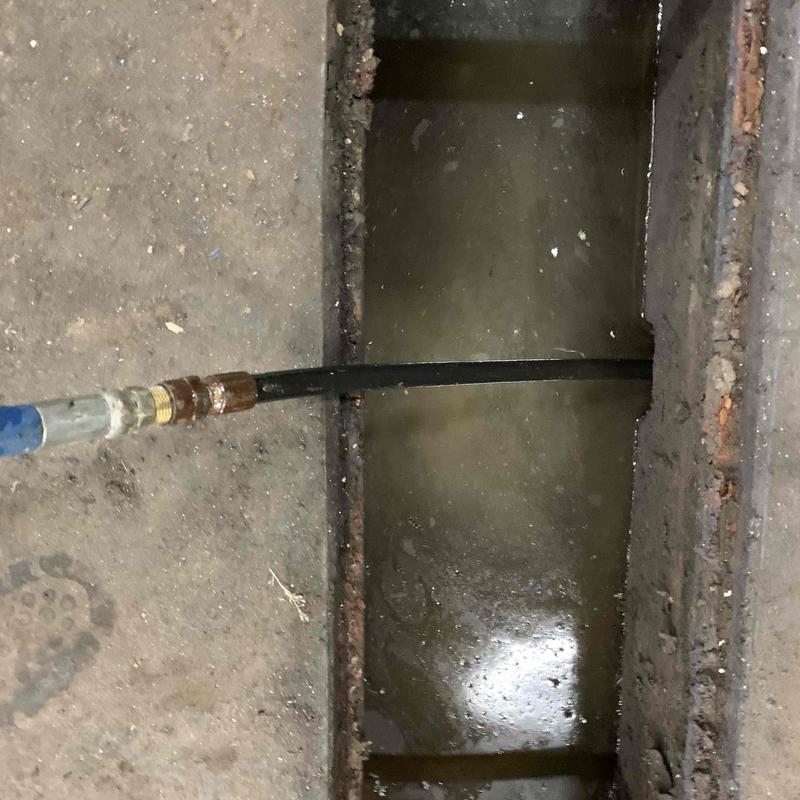
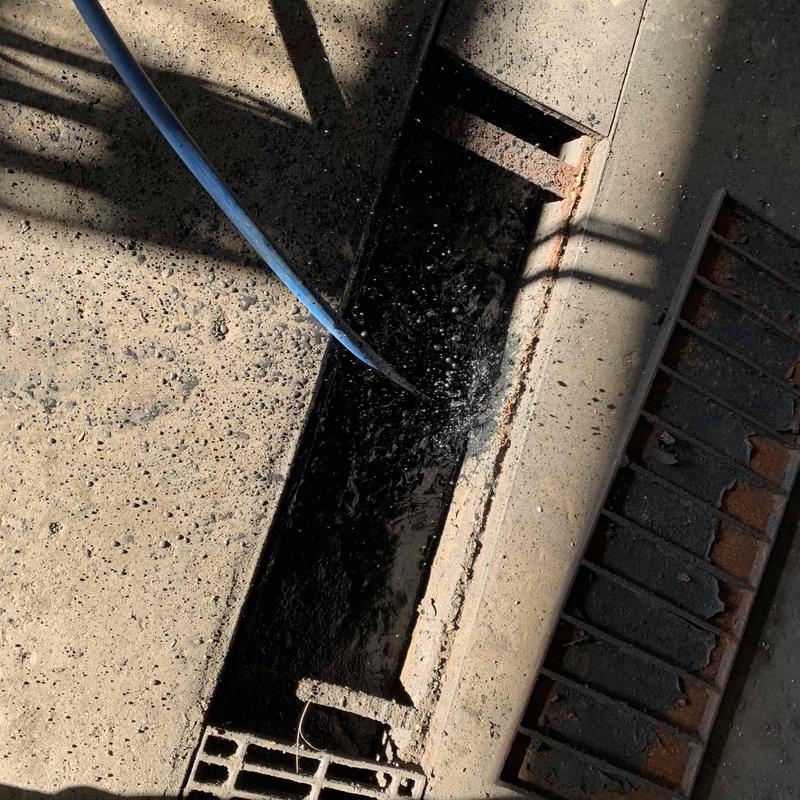
Our professionals at Suburban Plumbing Experts can clear out tree roots from your sewer line in two ways. Our professional sewer and power rodding techniques are often powerful enough to push through roots and remove them from your sewer pipes. Even more powerful, we have hydro jet drain cleaning that can easily extract tree roots from your sewer or drain pipe. Powered by high pressure water, hydro jetting pulverizes tree roots and gets your sewer line completely tree root and debris free.
Sewer Tree Root Removal and Maintenance Services
It is important to realize that if you are having an issue with tree roots in your sewer pipes, it is possible that the problem will present itself again. Obviously the roots have been successfully removed from your pipes, but the fact that the tree is still alive means the roots will grow back. Ongoing maintenance will likely need to be performed on an ongoing basis. If you are experiencing a substantial tree root issue, replacing your sewer line entirely can afford you some added protection from tree roots.
If you would like precise details regarding the state of tree roots in your sewer, it is best to call a licensed plumber at Suburban Plumbing Experts to perform an inspection using a sewer camera. We can then review your options together to help you reach an informed and economic decision regarding what to do with your sewer pipes.
Preventative Measures to Protect Sewer Systems from Tree Roots
Apart from professional removal, taking preventive measures also guarantees that sewer lines are protected from root intrusion in the future. Sewer line maintenance and camera inspection can identify potential issues before they cause extensive damage. Planting trees and shrubs also at a distance from sewer lines can lower the likelihood of root intrusion. Taking preventive measures guarantees that sewer systems are protected and repair expenses avoided in the future.
Sewer Tree Root Removal – Questions Chicago & Chicagoland Homeowners Ask Most
Q: Which trees in Chicago and the suburbs are most likely to invade my sewer line?
A: Not all trees are equally aggressive toward sewer pipes, and knowing what's in your yard and parkway helps predict your risk level. In the Chicago and Chicagoland area, the four species responsible for the overwhelming majority of sewer root intrusions we deal with are silver maple, cottonwood, willow, and elm. Silver maple is probably the single most problematic tree in this region — it's planted extensively in parkways throughout Chicago and inner-ring suburbs because it grows fast and tolerates poor urban soil, but its root system is extremely aggressive and spreads well beyond the canopy drip line. Cottonwood and willow are both water-seeking trees that actively grow toward any moisture source, meaning a leaky clay tile joint 40 feet from the trunk is effectively a beacon for their root systems. Elm — both American elm survivors and the Siberian and Chinese elms planted as replacements — has similarly invasive surface roots. If you have any of these species in your parkway, adjacent properties, or your own yard within 30 to 50 feet of your sewer lateral, you have meaningful root risk and annual or biennial camera inspection is worth the investment. Oak, pine, and most ornamental trees are significantly less aggressive and rarely cause sewer intrusion problems.
Q: My sewer roots were cleared last year — why are they already back and blocking the line again?
A: This is the most common frustration we hear about root problems, and the explanation is straightforward: mechanical root cutting — rodding with a root cutter blade — removes the root mass that's inside the pipe but leaves the root itself alive in the surrounding soil, still attached to the tree, still growing. The cut end callouses over within weeks and new growth resumes from that point, often branching more densely than the original intrusion. Depending on the tree species, soil moisture, and pipe joint condition, roots can regrow to blockage size within 6 to 18 months of a standard rodding service. There are two ways to extend the time between clearing cycles. The first is hydro jetting rather than or in addition to mechanical cutting — high-pressure water removes root tendrils and the biofilm they feed on more completely than cutting alone, and the pipe walls are left smoother and less hospitable for reattachment. The second is applying a root inhibitor product like copper sulfate or foaming herbicide into the sewer line after clearing — these products kill the root tips inside the pipe and slow regrowth significantly without harming the tree itself. If roots are returning faster than 12 months after clearing, that's also a signal that the joint condition allowing entry has deteriorated to the point where repair or lining may be more cost-effective long term than repeated annual clearing.
Q: How do I know if the roots in my sewer line have damaged the pipe itself, or if it's just a clearing job?
A: This is the critical diagnostic question, and the honest answer is that you can't know without a camera inspection — and neither can we, from the outside. What we can tell you is the pattern of evidence that points toward structural damage versus a clearing-only situation. If your lateral has been rodded multiple times and each service clears it successfully with flow restored immediately, and the blockage cycle is measured in months rather than weeks, the pipe is likely intact and roots are entering through joints that are still structurally sound. That's a maintenance situation. If the line backs up very quickly after clearing — within days or a week or two — or if the rodding cable catches and binds in a way that suggests collapse rather than just root mass, or if water in the line doesn't fully clear even after rodding, those are indicators of structural compromise. Camera inspection after root clearing shows us exactly what we're dealing with: intact pipe with root intrusion at joints is a candidate for hydro jetting and root treatment; shattered joint sections, offset pipe, or collapse require excavation and repair or pipe lining. We always recommend a post-clearing camera on any lateral that has a history of recurring root problems — the inspection cost is minor compared to the cost of excavating the wrong section because the diagnosis was incomplete.
Q: Can I cut down the tree to stop root problems in my sewer line?
A: Removing the tree helps but doesn't solve the problem immediately, and in some cases the timeline is longer than homeowners expect. Tree root systems remain alive and continue growing for a period after the tree is removed — the roots survive on stored energy in the root system itself. Depending on the tree species and size, active root growth can continue for one to three years after the tree is cut, and the existing root mass inside and around your pipe doesn't disappear. It will eventually decompose, but decomposing organic matter in a sewer pipe creates its own blockage risk as it breaks down into debris that accumulates at low points. The more practical reason to remove a severely offending tree is to prevent the problem from getting worse and to protect the pipe from ongoing structural damage at the intrusion points. But the immediate sewer problem — clearing the existing roots and addressing any joint damage — still needs to be handled regardless of what happens to the tree above ground. If the tree is a parkway tree owned by the City of Chicago or your municipality rather than a private tree, removal requires a permit process through the city's forestry department — we can advise on that process if it's relevant to your situation.
Q: What's the difference between root removal and sewer line repair — when does a root problem require excavation?
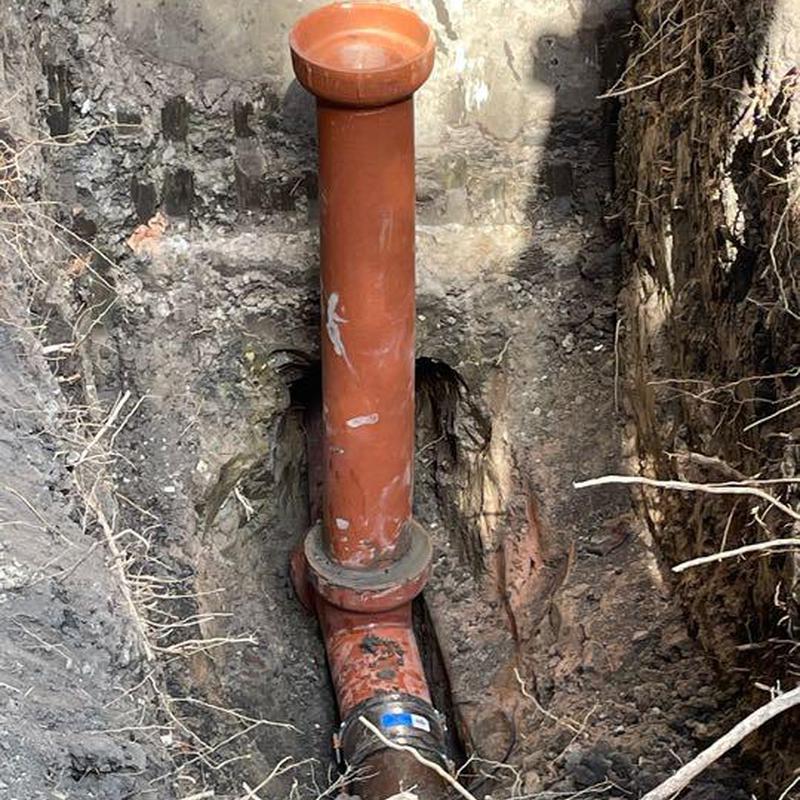
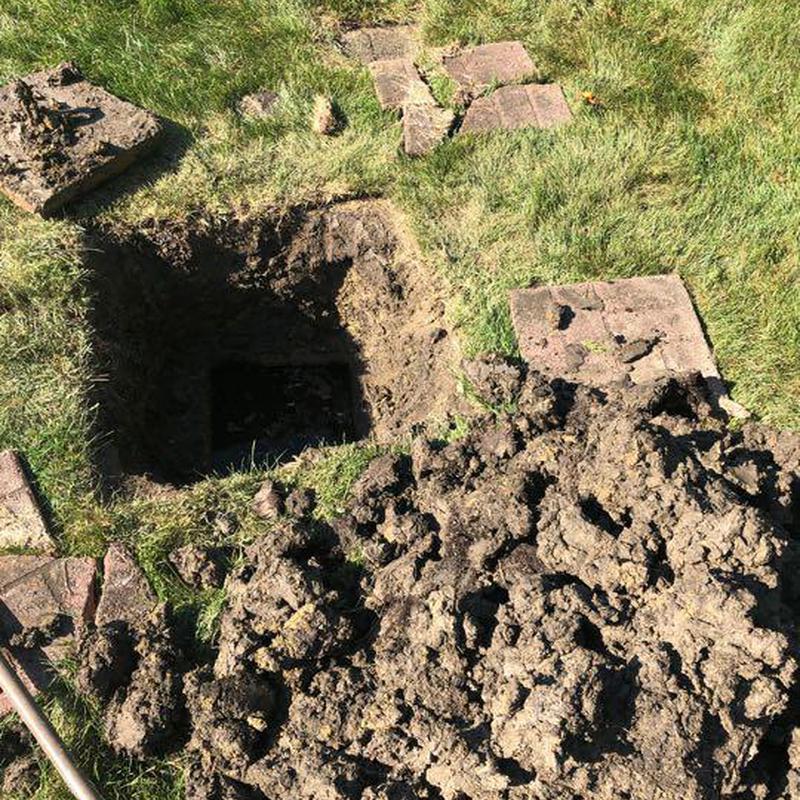
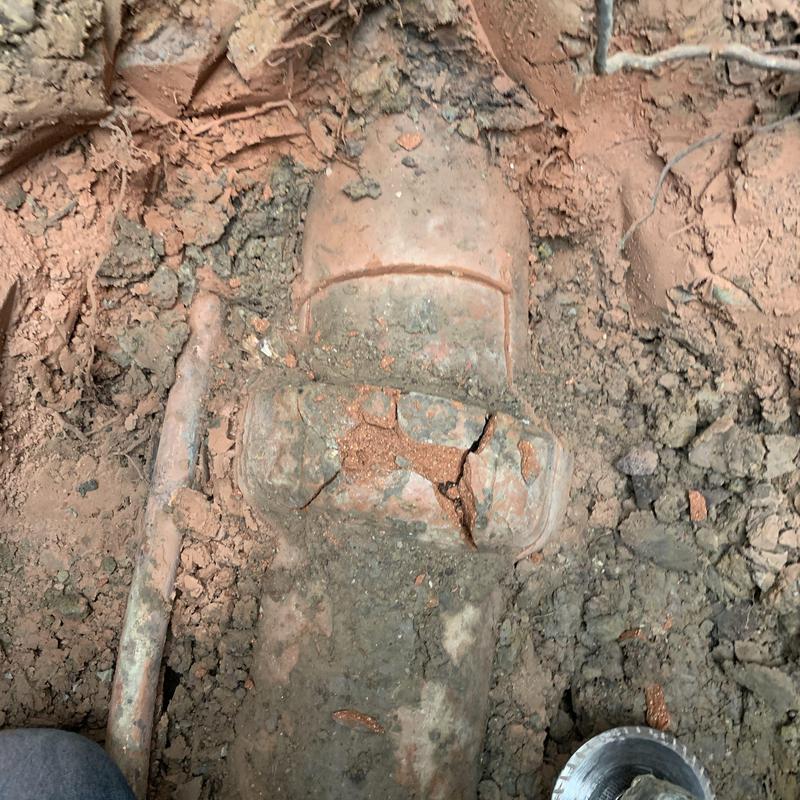
A: Root removal — whether by mechanical cutting, hydro jetting, or a combination — is appropriate when the pipe is structurally intact and roots are entering through joints that still hold their shape and position. The pipe is doing its job; it just has unwanted tenants. Excavation and repair becomes necessary when root intrusion has progressed to the point of structural damage. The specific conditions that push a root situation from maintenance into repair territory are: joints that have been displaced or separated by root pressure to the point where pipe sections are offset and no longer aligned; sections of clay tile pipe that have been shattered or crushed by root mass; a lateral that has developed a belly or sag from soil disturbance caused by root activity; or Orangeburg pipe that has collapsed from the combination of root pressure and material deterioration. Any of these conditions means the pipe can't be restored to reliable function by cleaning alone — flow will be restricted or the structural failure will worsen regardless of how thoroughly the roots are removed. Camera inspection after clearing is the only reliable way to make this determination, and we perform it on every job where there's any history of recurring root issues or any indication during clearing that the cable is encountering something more than root mass.
Contact Us for Expert Sewer Tree Root Cleaning Services Today!
If you're dealing with tree roots invading your sewer lines, don't wait for the problem to get worse—reach out to our team. We're here to provide the solutions you need to get your plumbing system back to working the way it should. Contact us today at 708-801-6530 to schedule a consultation and learn more about our comprehensive sewer tree root removal Chicago services. Our friendly, knowledgeable staff is ready to answer your questions and help you understand your options.
We know sewer line issues can't wait, and we're committed to providing prompt, effective solutions when you need them most. Whether you need routine maintenance to prevent future problems or emergency assistance for an urgent backup, our team has the expertise and equipment to handle it all. Reach out today and discover why Chicago area homeowners and businesses trust us to keep their sewer systems running smoothly.
Schedule Sewer Tree Root Removal Service Now
Suburban Plumbing Sewer Line & Drain Cleaning Experts
⏰ Open 24 Hours
📞 Phone: Suburbs: 708-801-6530 Chicago: 773-570-2191
📧 Email: suburbanplumbingexperts@gmail.com
🚨 Emergency Hotline: 708-518-7765
Most Recent Pins (168)

Most Recent Reviews (21)
 Lisa AlGarry ErcoliJohn MooreGregory MalkowskiMargaret MahoneyRenee Mousavi-DillRich Leabru
 constantina mizis