
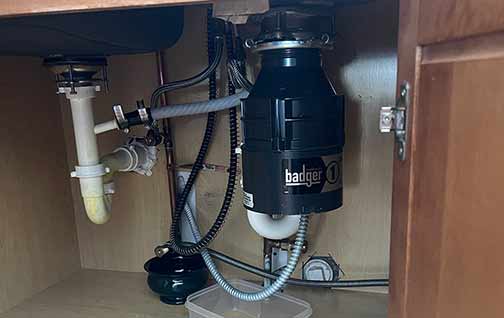
Removing a garbage disposal is a manageable project for a homeowner who’s comfortable working under a sink and willing to take their time. Before you get started it helps to know exactly what the process involves — what you’ll disconnect, what order it happens in, and where the common mistakes occur so you can avoid them. This guide walks you through each step clearly so you can complete the removal safely and correctly without any surprises along the way.
Safety Precautions
Before starting any project that involves plumbing or electrical work, it’s essential to prioritize safety. Here are some important safety precautions to consider:
- Ensure that the power is turned off to the garbage disposal at the circuit breaker to prevent any electrical accidents.
- Wear appropriate safety gear, such as gloves and safety goggles, to protect yourself from potential hazards.
- Use a flashlight to ensure visibility in dark or hard-to-reach areas under the sink.
- Keep a bucket or towels nearby to catch any water that may spill during the removal process.
Materials Needed
Gathering the right materials beforehand will save you time and ensure a smooth workflow. Here is a list of materials you’ll need:
- Adjustable wrench
- Plumber’s putty
- Pliers
- Bucket
- Towel or rags
- Pipe wrench
- Replacement drain pipe and fittings
- Flashlight
Shutting Off Power and Water Supply
Before you begin, you must ensure that both the power and water supply to the garbage disposal are turned off. This will prevent any accidental injuries or water damage during the removal process:
- Locate your home’s main circuit breaker and turn off the breaker that supplies power to the garbage disposal.
- Turn off the water supply valves located under the sink. These valves are typically connected to the hot and cold water lines.
- Turn on the faucet to release any remaining water pressure and drain any water left in the pipes.
Disconnecting the Garbage Disposal
The next step is to disconnect the garbage disposal from the sink and plumbing system:
- Place a bucket or towels under the sink to catch any water that may spill during this process.
- Using an adjustable wrench, loosen and remove the bolts connecting the disposal to the mounting bracket.
- Detach the drain pipes connected to the disposal using pliers or a pipe wrench. Carefully loosen the connections to avoid damaging the pipes.
- Disconnect the electrical wires from the disposal. Note the wire connections for reference when installing the new drain pipe.
Removing the Garbage Disposal
With the disposal disconnected, you can now remove it from under the sink:
- Hold the disposal firmly with both hands and gently twist it to release it from the mounting bracket.
- Carefully lift and remove the disposal from under the sink.
- Dispose of your old unit according to local regulations, as it may contain materials that require special handling.
Installing the Pipe and Drain
Now that the old disposal is removed, you’ll need to install the new pipe and drain to complete the plumbing system:
- Apply a bead of plumber’s putty around the flange of the new drain pipe.
- Insert the drain pipe into the sink’s drain opening and press down firmly until it is securely in place.
- Attach the new drain pipe to the existing plumbing using the appropriate fittings and tighten them securely.
- Reconnect the water supply lines and tighten them with pliers to avoid any leaks.
Testing for Leaks
Testing for leaks is a crucial step to ensure the success of your project:
- Turn on the water supply valves and let the water run for a few minutes.
- Check all connections for leaks and tighten any that need adjustment.
- Once you are sure there are no leaks, turn off the water and proceed to the final step.
Clean-Up
With the removal and installation complete, take the time to properly clean up the work area:
- Dispose of any debris, old parts, or packaging materials properly.
- Wipe down the area under the sink to remove any dirt or water that may have accumulated.
- Store your tools and remaining materials for future use, keeping everything organized.
Summing it Up
With the disposal out and the drain properly installed your sink is ready to use. Take a moment to run the water and check every connection for leaks before considering the job complete — a slow drip at a fitting that wasn’t fully tightened is easier to catch now than after the cabinet is cleaned up and put back together. If anything doesn’t look right or you run into an issue during the process don’t hesitate to call Suburban Plumbing Experts at 708-801-6530 and we’ll get it sorted out.