
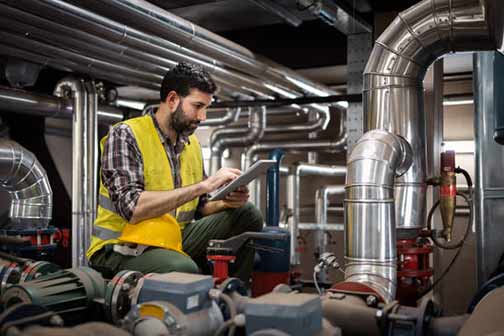
Commercial plumbing systems age the same way everything else in a building does — gradually, and usually without obvious warning signs until something fails. Pipes corrode from the inside. Fixtures that were standard twenty years ago become inefficient by current codes. A water heater that’s been limping along gets replaced only after it floods the mechanical room.
Most commercial property owners budget for roof repairs, HVAC upgrades, and cosmetic renovations without ever putting plumbing on the capital improvement list. It’s understandable — plumbing runs behind walls and under floors, so it doesn’t show up in a walkthrough the way worn carpet or outdated lighting does. But out of sight doesn’t mean low risk. An aging plumbing system in a commercial building is accumulating problems whether anyone is looking at it or not, and the cost of addressing those problems reactively is almost always higher than addressing them on a planned schedule.
Yet plumbing systems are one of the most essential systems in the structural integrity, safety, operations and profitability of a commercial building. Malfunctioning or substandard plumbing systems will have adverse effects on the performance of other systems.
Plumbing systems that are not up to par can impair the experiences of customers, employees and visitors who use the building’s facilities. Damaged sewer lines also create unsanitary conditions that drive away customers and impede the growth of the businesses on the premises.
As a budget-conscious owner or manager of a commercial building, you constantly want ways to cut costs while increasing profits. This post explains why plumbing system upgrades are not a cost but an investment in the continued success of your building.
Why your commercial plumbing system needs an upgrade
Frequent issues like clogs, leakages and blockages take a toll on the overall function of your plumbing. With time the accumulated effects of these problems start to cause inefficiencies that make the plumbing increasingly unreliable and costly to maintain.
These problems are most apparent in the sections of the plumbing system that experience relentless cycles of use and abuse. This includes toilets, urinals, sinks, faucets, and water heaters. The impact of problems in these features also affects the building’s sewer lines.
Also, there are problems which arise from the natural decay of the plumbing due to aging and environmental factors. These issues manifest in various forms, such as corrosion, water quality problems, drop in water pressure and more incidences of leaks and blockages.
When these problems multiply in your commercial plumbing system, you know it is time to start planning an upgrade of the system. The benefits of upgrading your commercial plumbing system are many. A few of the key ones are listed below.
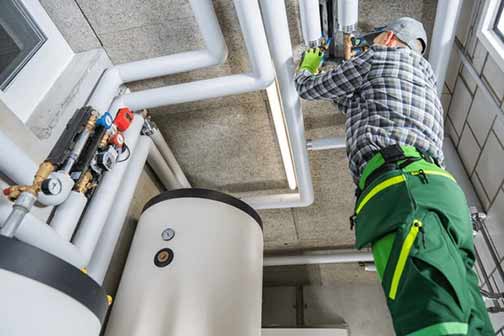
Benefits of upgrading your commercial plumbing system
Improve water efficiency
Because of their outdated designs, older plumbing systems tend to waste water, but plumbing systems, in general, become increasingly water inefficient as they age. This comes from various issues in the systems, such as leaks. Replacing outdated fixtures with new ones will lower your utility bills and reduce water wastage.
Enhance durability
Fragile plumbing systems, and therefore prone to damage, are a huge drain on your time, money and energy. Replacing these problem sections of your plumbing system allows you to cut costs while improving overall user experience and letting you redirect your time to more productive ventures.
Improve health and safety
User safety is an important issue for commercial buildings, especially when you consider the litigious nature of our society. Upgrading your commercial plumbing system allows you to address increased risk of disease, accidents and other health or safety issues.
More convenience
Up-to-date plumbing systems serve as good marketing for your commercial building. If the people who use the plumbing fixtures are happy with the aesthetics and performance of the system, they are likely to return and tell other people about your business.
Save money
Perhaps the number one reason to upgrade your commercial plumbing systems is the positive impact this step can have on your finances. By reducing water waste, you lower your utility bills and your plumbing maintenance costs. You also cut the risk of expensive water damage to your building.
Comply with regulations
Building codes, particularly plumbing regulations are always being updated. A lot of focus is on plumbing because of the impact plumbing issues can have on human health, sanitation, and their effect on the environment. Upgrading your plumbing helps your building stay up to code.
Increase your property’s value
Updating a commercial plumbing system also has a direct impact on property value. Buyers and tenants doing due diligence on a commercial building look at mechanical systems closely — and a plumbing system that’s overdue for upgrades becomes a negotiating point that comes out of the asking price. A building with documented, well-maintained plumbing is simply easier to sell and easier to lease.
Before spending anything on a commercial plumbing renovation, start with a full system audit. Camera inspections of drain and sewer lines, an assessment of supply line condition and water pressure, a review of fixture age and code compliance — these tell you what actually needs attention and what can wait. Without that baseline, it’s easy to spend money in the wrong places and miss the problems that matter most.
The right commercial plumber keeps the project on budget, specifies materials that will hold up under commercial use, and works around your operating schedule so the renovation doesn’t become its own disruption. The goal isn’t just to fix what’s broken — it’s to bring the system to a point where it stops being a liability and starts being a non-issue.