
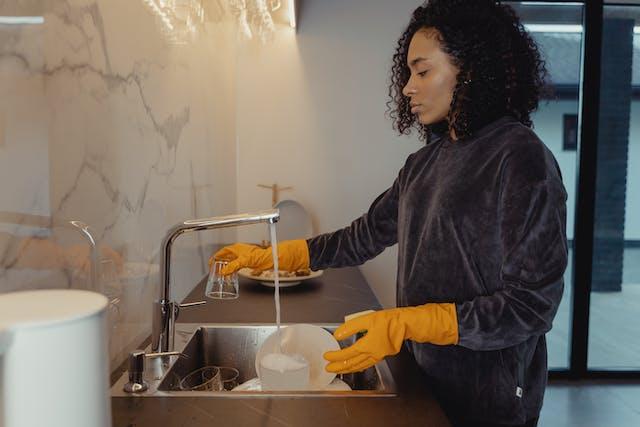
Grease is one of those kitchen staples that makes food taste better but creates real problems when it’s not disposed of properly. Whether you’re roasting vegetables, frying chicken, or rendering bacon, leftover cooking grease is something every home cook deals with regularly. The question is what you do with it after the pan cools down — and the answer matters more than most people realize.
The easiest thing to do with leftover grease is pour it down the sink. It’s liquid, it disappears instantly, and it feels completely harmless in the moment. But pouring grease down the drain is one of the most common causes of serious plumbing problems we see, and the damage it causes builds up slowly and silently until one day your drain stops moving entirely or your sewer line backs up. How does grease actually harm your drains, and what should you be doing with it instead?
The dangers of pouring grease into your drain
What happens when you pour fats, oils and grease (FOG) into your home’s drainage? Whether in butter or margarine, meat, vegetable oil, sauces or salad dressings, grease behaves in a certain way when it enters your drainpipes.
Clogs, blockages and sewer backups
Grease is often liquid or semi-solid when it enters the drains. But once there, it thickens until it solidifies into a hard sticky mass. This solid mass will then stick to the sides of your drainpipes and act as a trap for any debris inside wastewater.

By trapping debris and slowing down water flow inside the pipes, grease increases the buildup within the pipes and makes the drain more susceptible to blockages. If the restriction inside the pipe is severe enough, it can lead to a sewer backup in your home.
Damage to municipal sewer systems
The impact of grease on the drains is not limited to your home’s plumbing. The simple act of dumping leftover grease in your kitchen sink can also endanger the city’s sewer systems, and it can proceed to harm the environment. Here is how that can happen.
When it is dumped into the drains, the fat in grease eventually breaks down into fatty acids and glycerol. Over time, these fatty acids bind to the calcium found inside sewers and drainpipes. The combination of fatty acids and calcium produces a waxy compound that sticks to sewer pipes.
As this process continues, the waxy deposits become stalactites on the roof of municipal sewer lines. These structures, known as fatbergs, combine with non-biodegradable items in the sewers to form huge rock-hard masses that can completely block sewer lines and cause massive pollution.
Combating the effects of grease on the drains
Some people believe that pouring hot water into the sink can prevent the above problems. The only thing hot water does is melt grease to let it flow easily into the drains; it does not help eliminate grease.
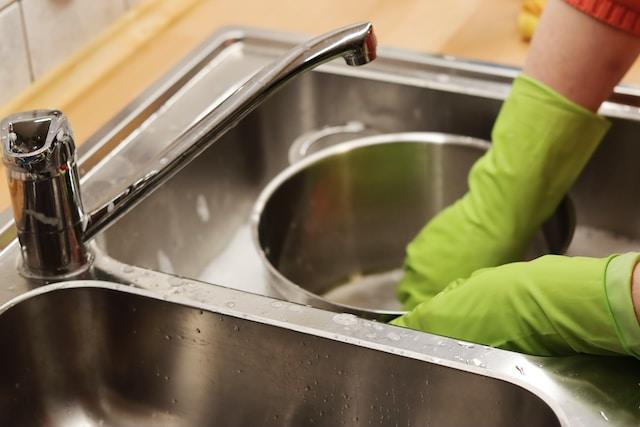
How can you solve the problems caused by dumping grease into the drains?
Proper handling of used grease is the only way to avoid issues from dumping grease into the drains. Here is what you can do with leftover grease:
- Do your best not to run water over greasy pans and dishes. Before placing greasy pans and dishes in the sink, discard as much grease as possible with a paper towel or plastic scraper.
- Let hot grease cool before you try to dispose of it. You may also refrigerate cooled grease to help it solidify.
- Scoop all the grease into a disposable container and store it until you are ready to trash it. Before you put it in the trash can, ensure you place the disposable container in a plastic bag.
- It is not a good idea to try and compost leftover grease; it emits a strong odor that can attract wild animals to your yard.
- Another way to handle leftover grease is to find ways to reuse it. If you are dealing with a large amount of grease, a great option is to recycle it.
Lastly, if you have been dumping grease into your drains, what can you do about the trapped grease inside the drainpipes?
To stop the processes that are already well on their way and prevent future drain problems, the best step is to have your drains camera inspected and cleaned by a professional plumber. A sewer camera inspection and professional hydro jet cleaning are effective ways to inspect and clean your drains.