
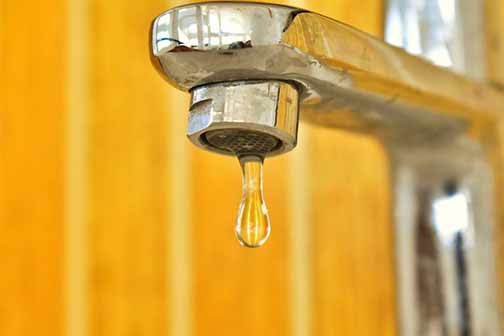
A small plumbing leak is easy to rationalize away. It’s just a slow drip under the sink. The water stain on the ceiling hasn’t gotten any bigger. It’s probably nothing. But small leaks don’t stay small — they develop at their own pace, hidden inside walls and under floors where you can’t see what’s happening, until the damage they’ve been causing quietly for weeks or months finally announces itself in a way that’s impossible to ignore and significantly more expensive to fix.
Understanding what a neglected leak actually does to a home — and how quickly it can escalate from a minor nuisance to a serious structural and financial problem — is what motivates homeowners to act on early warning signs rather than put them off. Here’s what you need to know.
What Is a Small Plumbing Leak?
A small plumbing leak refers to any minor water seepage from pipes, faucets, or fixtures, typically caused by issues like loose joints, cracked pipes, or worn-out washers. These leaks are often subtle, such as a dripping faucet or a faint water stain on a ceiling or wall.
While they may not seem urgent, it’s important to understand home plumbing to recognize even the smallest leaks early on. Ignoring these small signs can lead to bigger problems over time. Leaks can start as barely noticeable drips but can gradually worsen, potentially damaging your home and increasing water bills if left unchecked.
The Immediate Risks of Ignoring a Small Leak
The damage from a small plumbing leak starts before you notice it. Water that’s finding its way into a wall cavity, under a subfloor, or behind a cabinet doesn’t wait for you to discover it before it starts affecting the materials around it. Wood begins to absorb moisture and swell. Drywall softens and stains. Flooring warps. And your water bill quietly climbs higher each month reflecting every gallon that’s going somewhere it shouldn’t.
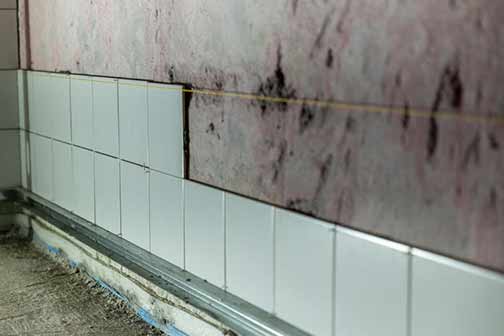
The more serious concern develops quickly in damp enclosed spaces — mold. Given the right conditions mold can begin establishing itself within 24 to 48 hours of water exposure and once it’s inside a wall cavity it spreads on its own timeline regardless of what’s happening on the surface. The health implications for anyone in the home are real, particularly for those with respiratory conditions or allergies, and the remediation cost once mold is established goes well beyond what fixing the original leak would have cost. A small leak left alone isn’t a small problem waiting — it’s a larger problem developing.
How Water Damage Can Escalate
Water damage from a small plumbing leak can escalate rapidly if left unaddressed. Initially, it may cause minor issues, such as damp spots on walls or ceilings, but over time, the moisture can weaken structural components, including wood beams, flooring, and drywall. As water seeps into materials, it creates an ideal environment for mold and mildew to grow, which can damage both the structure and your health.
To prevent water disasters, it’s essential to fix leaks as soon as you spot them, as the longer they persist, the more severe the damage becomes. Ultimately, the repair costs will grow significantly.
Moving to a New Home? Don’t Forget to Check for Leaks
When moving to a new home, it’s easy to get caught up in the excitement of settling in, but one important step often gets overlooked—checking for plumbing leaks. Before unpacking your boxes, inspect areas where leaks are most common, such as under sinks, around the water heater, and near pipes in the basement. Small issues left unchecked could turn into major repairs later.
The challenges of moving can be overwhelming, so consider working with experienced movers like Columbine Moving and Storage to help you focus on these essential details while ensuring a smooth transition to your new home.
The Real Cost of a Neglected Leak
The repair cost gap between catching a leak early and dealing with what it leaves behind is significant. A plumber addressing a small leak promptly is a straightforward service call. That same leak discovered six months later — after it’s worked its way into the subfloor, the framing behind the wall, or the ceiling of the room below — is a plumbing repair plus water damage restoration plus potentially mold remediation plus structural repairs, all on the same invoice.
The numbers reflect that reality. Water damaged drywall, warped or buckled flooring, and professional mold remediation routinely run into the thousands — and in cases where a slow leak has been affecting structural framing or floor joists over an extended period the costs climb further. What makes this particularly frustrating is that the original leak, caught at the right time, would have been a fraction of that total. The cost of inaction with a plumbing leak is almost always far greater than the cost of action — and the longer the gap between the two the wider that difference becomes.
Health Hazards Associated with Unaddressed Leaks
A plumbing leak that’s left alone doesn’t just damage your home — it changes the environment inside it. Persistent moisture in enclosed spaces creates conditions that are genuinely hazardous to the people living there, and the health effects tend to develop gradually in ways that aren’t immediately connected to the source.
Mold and mildew are the primary concern. Spores that become established in damp wall cavities, under flooring, or in ceiling materials circulate through the air of the home and can trigger respiratory issues, allergic reactions, and worsening asthma symptoms — particularly in children, elderly residents, and anyone with a compromised immune system. Persistent musty odors are often the first sign that mold has taken hold somewhere it can’t be seen. Standing water and the damp conditions a leak creates also attract pests — termites are drawn to moisture damaged wood, and rodents seek out water sources — adding an infestation risk on top of the structural and air quality concerns already in play. Addressing a leak promptly isn’t just a property maintenance decision. It’s a health decision for everyone in the home.
Signs of a Plumbing Leak You Should Never Ignore
There are several signs of a plumbing leak that you should never ignore. Look out for damp spots on walls, ceilings, or floors, as well as an unexplained increase in your water bill. Musty odors or the appearance of mold are also red flags.
If you hear water running when no taps are on, it’s a clear indication of a hidden leak. To locate a leak in your water line, consider inspecting the area around plumbing fixtures or using a moisture meter. Addressing these signs quickly can prevent costly damage and health risks.
How to Fix the Damage Caused by Ignoring a Small Plumbing Leak
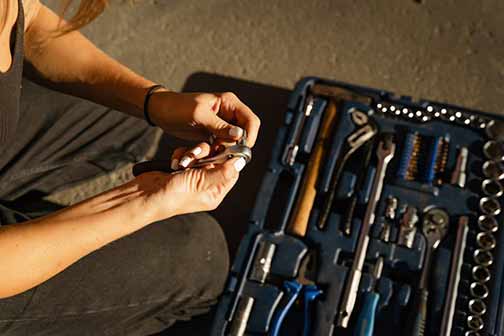
To fix the damage caused by ignoring a small plumbing leak, start by turning off the water supply and repairing the leak itself, whether by replacing damaged pipes or fixing a faulty faucet. Once the leak is addressed, remove and replace water-damaged drywall, flooring, or insulation. For more severe damage, you may need professional help.
While repairing, consider the advantages of renting storage for your belongings to prevent them from being damaged and create extra room for repairs. Taking these steps will help restore your home and prevent future issues.
Preventing Small Leaks from Becoming Big Problems
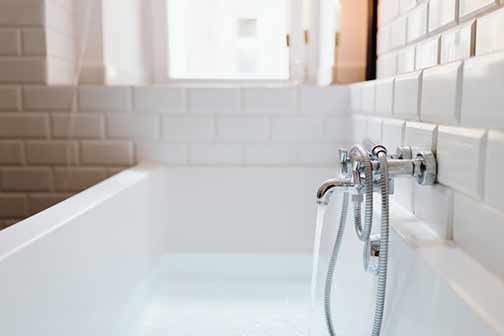
Preventing small leaks from becoming big problems starts with regular maintenance and prompt attention. Check faucets, pipes, and appliances for signs of wear and tear, and replace any worn-out parts before they cause leaks or damage. Install water detectors in key areas, such as basements and kitchens, to detect leaks early.
Ensure proper insulation around pipes, especially in colder climates, to prevent freezing and burst pipe emergencies. Taking these simple preventive measures can help you spot leaks before they escalate, saving you from costly repairs and extensive water damage in the future.
The Importance of Timely Plumbing Repairs
A small plumbing leak that gets attention early stays a small problem. The same leak ignored for weeks or months becomes a water damage claim, a mold remediation project, and a repair bill that reflects everything that developed in the meantime. The pattern is consistent and the lesson is straightforward — when something seems off with your plumbing, act on it.
If you’ve noticed a water stain, a mysteriously higher water bill, or a damp smell that wasn’t there before don’t wait to see if it resolves on its own. Contact Suburban Plumbing Experts at 708-801-6530 and we’ll locate the source and take care of it before a manageable situation has the chance to become an expensive one.