
Most drain problems in your home – whether slow drains, sewer odors, or strange noises– are usually caused by two things, says Whole Management team. Drain clogs and blockages are the two leading causes of malfunctions in your home’s drainage system.
Clogs and blockages form due to processes within the drainage system that cannot be stopped. That is because clogs and blockages happen following a side effect of the drain’s function as part of your home’s waste disposal system.
All the wastewater generated from your home passes through drainpipes to reach the city sewer lines in the street. This wastewater is usually a combination of greywater (from sinks, washing machines, etc.) and blackwater (from toilets and bathrooms).
Black and greywater contain solid and semi-solid materials that can settle inside pipes as wastewater flows through drain lines. Over time, these small deposits build up until they interfere with water flow through the pipes.
When this happens, you will have some or all these drain problems in your home:
- Slow drains at the same time in several of the home’s plumbing fixtures.
- Chronic drain clogs that refuse to go away despite your best efforts.
- Bad odors inside or around the house, especially when you use a drain fixture.
- Strange noises – such as gurgling sounds – each time you use one of your drains.
- Increases in pests around your home; fruit flies, roaches, mosquitoes, etc.
- Overflowing toilets and a backed-up sewer line.
Professional drain cleaning; the most effective cure for clogged drains
The only way to fix these issues and restore the efficiency of your drainage is to clean the pipes. Drain cleaning is the process of removing the buildup that predisposes your drainpipes to clogs, blockages, and associated problems.
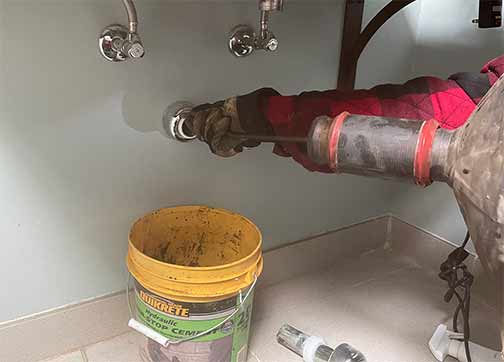
Drain cleaning can be done using several professional methods such as rodding out the sewer line or hydro jetting.
To clean drainpipes via hydro jetting, a stream of high-pressure water is used to break up any materials impeding the free flow of wastewater inside the line.
Sewer line rodding, on the other hand, uses a flexible metal cable with a spinning cutter at the end to dislodge and grind up the debris blocking the drainpipe.
Doing this for at least a year is the best way to avoid frequent drain clogs and pipe damage. But when is the best time to clean your drains?
Why summer is the perfect time to clean your drains
Tree roots are more active in summer
Tree root intrusion into underground drain lines is a major cause of problems in sewer lines. Summer is when this problem is most likely to happen because plants experience their strongest growth season at this time of the year. This also makes summertime the best period to deal with this problem. Waiting until any other season will give tree roots time to establish themselves inside your pipes and cause even more damage.
Rising temperatures
Higher summer temperatures mean your drainpipes will have less water running through them. As a result, the lines are most likely to dry out in summer. Dried-out drainpipes will let nasty odors filer out of the sewer line into your home. Cleaning your drains is a great way to get rid of the bacteria and debris that contribute to this problem. The debris inside the pipes is also likely to cause major issues at this time and cause major problems.
Increased drain usage during summer
In summer, the burden on the drainage system is higher because there will be more family members using the system more of the time. You may also have friends and relatives at your home for cookouts and other summer activities. These activities increase the risk that toys and other harmful items find their way into the drain lines. Scheduling drain cleaning at this time will help you prevent problems.
Perfect weather
Dry weather makes drain and sewer work easier from a purely practical standpoint. Outdoor cleanouts are accessible, ground conditions are stable, and there’s no risk of a rainstorm turning a straightforward service call into a complicated one. Work that might take two hours in good conditions can stretch considerably when the ground is saturated or frozen.
Summer is also when plumbers tend to have more scheduling flexibility. The phones aren’t ringing with burst pipes and frozen line emergencies, which means you can usually get on the schedule quickly and without the premium that comes with urgent winter calls. Most homeowners don’t think about their drains until something goes wrong — which means the ones who schedule maintenance in summer are almost always getting better availability and better pricing than the ones who call in January because they have no choice.
If your drains haven’t been cleaned in a while, summer is the lowest-friction time of year to take care of it.