
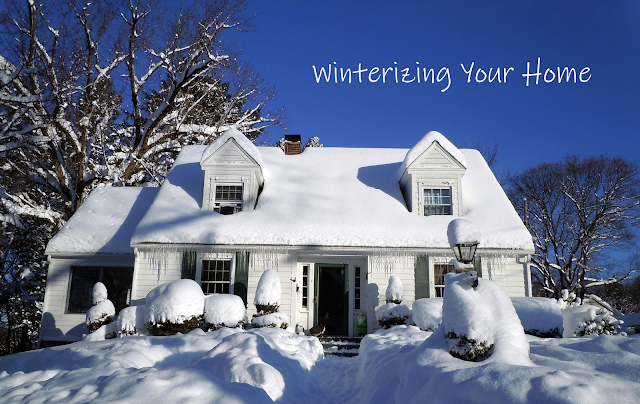
Winter in Illinois brings frigid temperatures, heavy snowfall, and harsh weather conditions. As a homeowner, taking proactive steps to prepare your property is essential to avoid frozen pipes, heating failures, and unexpected winter damage. Proper winter preparation improves energy efficiency, reduces strain on your plumbing system, and helps prevent costly repairs during peak cold weather.
A key part of winter readiness is protecting your plumbing from freezing conditions, especially exposed pipes, outdoor spigots, and uninsulated areas like basements and crawl spaces. In many cases, scheduling a plumbing inspection service before temperatures drop can identify weak points in your system and prevent emergency situations later in the season. If issues are found early, targeted pipe repair services or plumbing repair services can significantly reduce the risk of winter breakdowns.
Winterization also plays a major role in maintaining consistent water flow and preventing pressure-related issues that can lead to burst pipes. Homes with older plumbing systems or limited insulation are especially vulnerable, making preventive maintenance even more important.
This guide will walk you through the most important steps to winterize your home in Illinois, helping you stay warm, protect your plumbing system, and avoid unnecessary disruptions during the coldest months of the year.
Turn Off Outdoor Faucets
As temperatures in Illinois shift quickly from mild to freezing, preparing your home for winter becomes critical. One of the most important early steps in preventing frozen pipes and exterior water damage is properly shutting down all outdoor water sources.
Start by disconnecting all garden hoses and sprinkler attachments. Any remaining water trapped inside hoses or irrigation lines can freeze, expand, and cause cracks or internal damage. Once disconnected, hoses should be fully drained, rolled up, and stored indoors such as in a garage or basement to protect them from freezing conditions.
Next, shut off the interior valve that controls your outdoor faucets. After turning it off, open the exterior spigot to allow any remaining water to drain completely. This step helps prevent trapped water from freezing inside the line, which is one of the most common causes of winter pipe damage.
Once drained, it is best to leave the outdoor faucet in the open (on) position until consistently warmer spring temperatures return. This allows any residual pressure or moisture to safely escape instead of building up inside the pipe.
If your home does not have a dedicated shutoff valve for exterior faucets, or if you notice recurring freezing issues, it may be worth scheduling a plumbing inspection service before winter sets in. In some cases, upgrading older outdoor lines or repairing vulnerable sections with pipe repair services can help prevent costly freeze-related damage.
Seal Air Leaks
One of the most effective ways to improve winter comfort in your home is by identifying and sealing air leaks before temperatures drop. Even small gaps around windows, doors, and utility penetrations can allow cold air to enter and warm air to escape, forcing your heating system to work harder and increasing energy costs.
Start by inspecting common problem areas where building materials meet, such as window frames, door trim, baseboards, and areas around electrical outlets or plumbing entry points. These spots are often overlooked but can be major sources of heat loss during Illinois winters.
Use high-quality caulking to seal stationary gaps and weatherstripping for movable components like doors and operable windows. This combination helps create a tighter building envelope, improving both comfort and efficiency throughout the heating season.
Sealing air leaks also plays an indirect role in protecting your plumbing system. When cold air infiltrates areas near pipes—especially in basements, crawl spaces, or exterior walls—it increases the risk of frozen lines and potential burst pipes. In homes with older infrastructure, this can sometimes signal the need for pipe repair services or a broader plumbing inspection service to ensure vulnerable areas are properly protected before winter sets in.
Taking the time to properly seal your home can reduce strain on your heating system, lower utility bills, and help maintain more stable indoor temperatures all winter long.
Service Your Heating System
Before winter arrives in Illinois, scheduling a professional inspection and tune-up of your heating system is one of the most important steps you can take to maintain comfort and safety throughout the season. A properly serviced furnace or boiler runs more efficiently, provides more consistent heat, and is far less likely to fail during extreme cold snaps.
A qualified HVAC technician will typically clean or replace air filters, inspect the furnace or boiler components, test system controls, and ensure the unit is operating safely and efficiently. Catching small issues early can prevent more serious breakdowns once temperatures drop and the system is under constant demand.
While heating system maintenance is primarily handled by HVAC professionals, it also connects closely with your home’s plumbing system—especially in homes with boilers or hydronic heating. Issues such as pressure imbalance, sediment buildup, or aging components can sometimes overlap with broader system concerns that may require plumbing repair services or a detailed plumbing inspection service to ensure everything is functioning properly.
A well-maintained heating system not only improves comfort but also helps reduce energy consumption and minimizes the risk of emergency repairs during peak winter months when service demand is highest.
Make Sure Your Home’s Pipes Are Insulated
One of the most effective ways to protect your home during an Illinois winter is to properly insulate exposed plumbing. Pipe insulation helps prevent heat loss and reduces the risk of frozen pipes, especially in unheated or poorly insulated areas such as basements, crawl spaces, garages, and exterior walls.
Pipe insulation is typically available in foam, fiberglass, or polyethylene sleeves and can be found at most hardware stores, including retailers like Home Depot or Menards, as well as online suppliers. These materials are designed to wrap around exposed pipes and create a thermal barrier that helps maintain stable water temperatures during extreme cold.
For added protection in areas that are highly vulnerable to freezing, heat tape or heat cable can be installed along pipes before applying insulation. This provides an additional layer of warmth that helps prevent freezing even during prolonged sub-zero temperatures. Always follow manufacturer instructions carefully when installing heat tape to ensure safe and effective use.
Proper insulation is especially important for older homes or properties with limited heating in certain areas. Without it, pipes are far more likely to freeze and burst, potentially leading to significant water damage and emergency repairs, including burst pipe repair services.
If your home has recurring issues with frozen lines, it may also be worth considering a professional plumbing inspection service to identify vulnerable sections of your plumbing system before winter conditions set in.
Fix Any Cracks in Your Home Walls
Another important step in preparing your home for winter is sealing any cracks or openings in exterior walls. Even small gaps in siding, foundation walls, or around utility penetrations can allow freezing air to enter your home and quickly drop the temperature around exposed plumbing. This increases the risk of frozen pipes, especially in basements, crawl spaces, and exterior-facing walls.
Start by carefully inspecting the outside of your home as well as interior areas where outside walls are exposed. Pay close attention to areas around pipe entry points, vents, windows, and the foundation. These are common spots where cold air infiltration can occur without being immediately noticeable.
Once identified, seal cracks using high-quality exterior caulking or expanding spray foam insulation, depending on the size of the gap. Smaller cracks typically respond well to caulk, while larger openings may require foam to fully block air movement and improve insulation performance.
Properly sealing these areas not only helps maintain more stable indoor temperatures but also reduces strain on your heating system and helps protect your plumbing from sudden temperature drops. In homes with older or vulnerable plumbing systems, addressing these issues early can help prevent costly freeze-related damage and reduce the likelihood of needing pipe repair services during peak winter months.
If you notice recurring cold spots or suspect that exterior air is affecting your plumbing lines, it may be time to schedule a plumbing inspection service to identify weak points in your system before freezing weather becomes severe.
Examine Your Furnace
Before freezing temperatures arrive in Illinois, it’s important to test your furnace to ensure it’s operating properly. Turning it on ahead of the cold season gives you time to identify any issues early, before the system is under heavy daily demand.
Start by running your furnace and listening for unusual noises, checking for uneven heating, and making sure warm air is circulating consistently throughout your home. If anything seems off, it’s better to address it before winter fully sets in.
One of the simplest but most important maintenance tasks is changing the air filter. A clean filter improves airflow, increases efficiency, and helps reduce strain on the system. During the winter season, filters should typically be checked and replaced every few months depending on usage and household conditions.
Keeping filters clean not only improves performance but also supports safer operation by reducing the risk of overheating and system stress. Poor airflow can lead to unnecessary wear on components and reduced heating efficiency when you need it most.
If your furnace struggles to maintain consistent heat or shows signs of inefficiency, it may be worth evaluating your home’s overall heating and plumbing-related systems, especially in homes with older infrastructure. In some cases, underlying issues can overlap with broader system concerns that may require plumbing inspection service support to ensure everything is functioning safely and efficiently.
For homeowners experiencing frequent heating inconsistencies or uneven water heating alongside furnace issues, additional plumbing repair services may help identify related system problems before they escalate into winter emergencies.
Install Storm Windows
If replacing your windows isn’t in the budget this winter, there are still effective and affordable ways to improve insulation and reduce heat loss. One of the most practical options is using a window insulation kit, which can significantly improve energy efficiency without the cost of full window replacement.
These kits typically include a clear plastic film that is applied to the interior side of windows and secured with double-sided tape. Once installed, the film is gently heated with a hair dryer to create a tight, sealed barrier that reduces drafts and helps keep warm air inside. In the spring, the film can be easily removed without damaging the window frame.
At an average cost of about $5 per window, this is one of the most budget-friendly ways to improve winter comfort in your home while lowering heating costs.
While window insulation primarily helps with energy efficiency, it can also indirectly benefit your home’s plumbing system. By reducing cold air infiltration, you help maintain more stable indoor temperatures, especially in areas where pipes run along exterior walls. This added protection can reduce the risk of frozen lines and prevent emergency situations that may require burst pipe repair services during extreme cold snaps.
In homes with older plumbing systems or recurring cold drafts, it may also be worth scheduling a plumbing inspection service to identify areas where pipes could be exposed to freezing conditions before winter fully sets in.
Summing it Up
Winterizing your home in Illinois is an essential step in protecting your property, reducing energy costs, and maintaining a safe and comfortable environment for your family throughout the cold season. Taking time to prepare before temperatures drop helps prevent common winter issues such as frozen pipes, heating system strain, and costly emergency repairs.
By following the steps outlined in this guide—insulating exposed areas, sealing air leaks, servicing your heating system, and protecting your plumbing—you significantly reduce the risk of winter-related damage. Tasks like pipe insulation, frozen pipe prevention, and scheduling a plumbing inspection service are especially important for identifying vulnerabilities before extreme weather arrives.
It’s also important to maintain other key areas of your home, including cleaning gutters, checking your roof for damage, preparing your fireplace, and protecting your landscaping. Proper gutter maintenance helps prevent ice dams and water buildup that can lead to foundation and drainage issues during freeze-thaw cycles.
A well-prepared home not only performs better in harsh weather but also gives you peace of mind knowing your systems are ready for extended cold periods. Taking proactive steps now helps you avoid disruptions later and keeps your home running efficiently all winter long.