
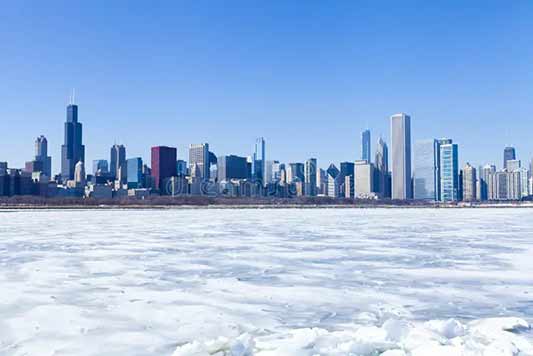
Chicago winters aren’t just tough on people – they’re tough on your home too, especially your plumbing. When temperatures drop, frozen pipes become a frustrating and all-too-common problem for homeowners. The good news is that with a little know-how, you can stay ahead of the issue. This guide here walks you through simple ways to prevent frozen pipes, what to watch for, and how to handle them safely so you can stay comfortable and avoid costly surprises.
The Risks of Frozen Pipes
When water freezes inside your pipes, it expands, creating immense pressure that can cause the pipes to burst. Burst pipes can lead to extensive water damage, potential flooding, and costly repairs. In addition to the financial implications, frozen pipes can inconvenience your daily routines by cutting off the water supply to your home until the issue is resolved. Knowing the risks associated with frozen pipes will help you take the necessary precautions to prevent them.
Preventive Measures
There are several preventive measures homeowners in Chicago can take to avoid frozen pipes:
- Insulate your pipes: Use foam pipe insulation or heating tape to provide an extra layer of protection for exposed pipes in unheated areas of your home, such as basements, crawl spaces, and attics.
- Seal air leaks: Inspect your home for any gaps or cracks near pipes and seal them with caulking or weatherstripping to prevent cold air from reaching the plumbing.
- Maintain consistent temperature: Keep the thermostat set at a steady temperature, even when you’re away from home, to ensure the pipes remain warm.
- Open cabinet doors: In cold areas, such as the kitchen or bathroom, open cabinet doors to allow warm air to circulate around the pipes.
- Let faucets drip: Leaving faucets slightly open and allowing a small trickle of water to flow can help prevent pipes from freezing by relieving the pressure inside.
By implementing these preventive measures, you can significantly reduce the likelihood of your pipes freezing and experiencing potential damage.
Identifying Frozen Pipes
It’s essential to identify whether your pipes have frozen at the first sign of trouble. Look for the following indications:
- No water coming from faucets
- Strange smells or odors coming from drains
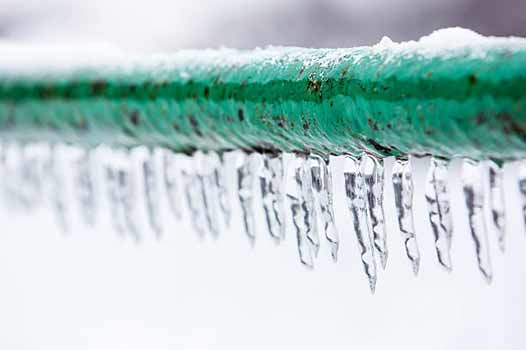
- Frost on exposed pipes
- Unusual noises when running faucets
If you notice any of these symptoms, act quickly to prevent further damage.
Thawing Frozen Pipes
If you discover pipes that are frozen in your Chicago home, follow these steps to thaw them safely:
- Turn off the water supply: Shut off the main water valve to prevent any leaking or flooding.
- Open faucets: Open both the hot and cold water faucets connected to the frozen pipes to relieve any pressure.
- Apply heat: Use a hairdryer, heating pad, or electric heat tape to apply gentle heat to the section of the pipe starting from the end closest to the faucet. Never use an open flame or high heat sources.
- Continue heating: Keep applying heat until water flows smoothly from the faucets and the affected pipes have thawed completely.
Thawing pipes should be done with caution to avoid additional damage. If the situation worsens or you’re unsure about the process, it’s best to call an emergency plumber.

When to Seek Professional Help
While some homeowners may feel confident in addressing pipes that have frozen themselves, certain situations require the expertise of a professional plumber. You should seek professional help in the following scenarios:
- Multiple frozen pipes: If various pipes are frozen throughout your home, it might indicate a larger issue that requires professional attention.
- Burst pipes: If a frozen pipe has become a burst pipe emergency and is causing extensive water damage or flooding, it’s crucial to call a plumber immediately to minimize further harm.
- Unsuccessful thawing attempts: If your attempts to thaw the frozen pipes have been unsuccessful, it’s time to consult a professional who has the necessary tools and experience.
Don’t hesitate to reach out for professional assistance when needed – it can save you from further complications and costly repairs.
Summing It Up
Frozen pipes are a major headache for Chicago homeowners once winter hits. The good news? With the right preventive steps, early detection, and safe thawing methods, you can reduce the risk and keep your plumbing running smoothly all season long. And if you’re ever unsure or the situation feels risky, don’t hesitate to call a professional. Stay warm, stay prepared, and protect your home from costly frozen pipe damage!