For properties not connected to a municipal sewage system, a septic system is one of the most critical — and most overlooked — components of the entire property. When it’s working the way it should, you never think about it. When it isn’t, it becomes an urgent and expensive problem fast.
Staying ahead of septic system maintenance isn’t complicated, but it does require knowing what to watch for and when to call a professional. In this guide we cover everything property owners need to know — from the importance of regular pumping and the warning signs that your system needs attention, to how to choose the right septic service and what you can do to keep your system running efficiently for years to come.
The Importance of Regular Pumping
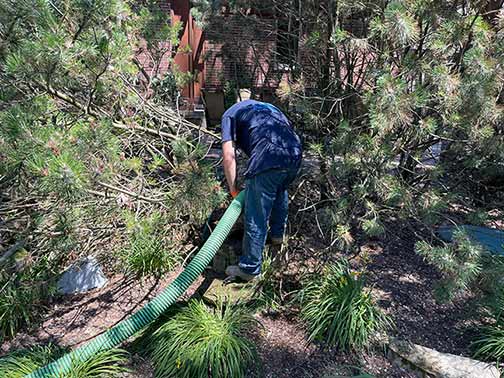
Regular septic pumping is vital to keep your septic system functioning efficiently and to prevent any major problems down the line. When you flush or drain water in your home, it enters the septic tank. The septic tank separates solids from liquids, and over time, the solids accumulate and form a layer of sludge on the bottom of the tank. If not pumped regularly, this sludge can build up and clog the system, leading to backups, foul odors, and even system failure.
Pumping your septic tank at recommended intervals ensures that the sludge is removed, preventing clogs and allowing the system to continue working effectively. The frequency of pumping will vary depending on factors such as the size of your tank, the number of occupants in your home, and the amount of water used. Generally, it is recommended to have your septic tank pumped every 3-5 years.
Signs Your Septic System Needs Attention
While regular pumping is important, there are also signs you should be aware of that may indicate a problem with your septic system. By being vigilant and addressing issues promptly, you can prevent more significant and costly repairs. Here are some common signs that your septic system needs attention:
- Slow draining sinks, showers, or toilets.
- Foul odors coming from drains or outside.
- Pooling water in your yard.
- Gurgling sounds coming from drains.
- Sewage backup in toilets or drains.
If you notice any of these signs, it is essential to contact a professional septic service to assess the situation and determine the appropriate course of action.
Choosing a Professional Septic Pumping Service
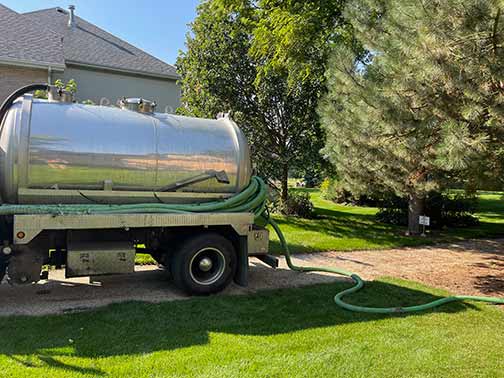
When it comes to septic pumping, it is crucial to choose a reputable and experienced professional for the job. Here are some factors to consider when selecting a septic pumping service:
- Experience: Look for a company with extensive experience in the industry. They should have a solid reputation and a track record of providing quality services.
- Licenses and Certifications: Ensure that the company is licensed and certified to perform septic system pumping and maintenance. This ensures that they have the necessary knowledge and expertise to handle the job safely and effectively.
- Equipment: Inquire about the equipment the company uses. They should have modern, well-maintained equipment to ensure efficient and thorough septic pumping.
- Reviews and References: Read reviews and ask for references from past customers. This will give you insights into the company’s reliability, professionalism, and customer satisfaction.
- Service Guarantee: Inquire if the company offers any service guarantees or warranties. This demonstrates their confidence in their work and gives you peace of mind.
- Pricing: While pricing should not be the sole determining factor, it is important to get quotes from multiple companies and compare their prices. Remember, the cheapest option may not always be the best.
By considering these factors and doing your research, you can choose a septic tank pumping specialist that meets your needs and ensures the longevity of your septic system.
Tips for Maintaining a Healthy Septic System
In addition to regular pumping and professional maintenance, there are steps you can take to maintain a healthy septic system. Here are some tips:
- Use Water Efficiently: Minimize water usage by fixing leaks, installing low-flow fixtures, and spreading out household chores that require a lot of water.
- Be Mindful of What Goes Down the Drain: Avoid flushing anything other than human waste and toilet paper. Dispose of items like diapers, wipes, feminine hygiene products, and cooking grease in the trash.
- Avoid Harsh Chemicals: Chemicals such as bleach, drain cleaners, and antibacterial soaps can disrupt the natural balance of bacteria in your septic tank. Opt for environmentally friendly alternatives instead.
- Protect the Drain field: Avoid parking vehicles or placing heavy objects on the drain field, as it can compact the soil and impede the treatment process.
- Regular Inspections: Schedule regular inspections with a professional septic service to catch any potential issues early on and prevent major problems.
- Landscaping: Be cautious when planting trees or shrubs near your septic system. Their roots can infiltrate the system and cause damage.
A well-maintained septic system doesn’t just save you money — it protects your property, your health, and the environment around you. Regular pumping, routine inspections, and a little awareness of the warning signs are all it takes to avoid the kind of costly failures that catch property owners off guard.
The bottom line is simple: your septic system works hard every single day and the best thing you can do for it is stay ahead of the maintenance rather than react to a problem after it develops. Give it the attention it deserves now and it will give you years of reliable, trouble-free operation in return.