Emergency Sewer Backup Plumbers Serving Chicago and Surrounding Suburbs

Sewer backups in Chicago, IL can send wastewater into a basement, floor drain, toilet, or other plumbing fixture with little warning. Besides disrupting your home or business, a backup can damage building materials, ruin belongings, and create serious sanitation concerns. Suburban Plumbing Experts provides sewer backup services to help identify the cause, restore proper drainage, and determine what repairs or prevention measures may be needed.
If you're searching for an emergency sewer backup plumber, finding the source of the problem is the first priority. A backup may be caused by a blockage in the private sewer line, tree roots, deteriorating underground piping, or pressure from an overloaded municipal sewer system. Because these problems require different solutions, clearing the immediate obstruction is not always enough.
Chicago-area properties face additional challenges from aging sewer infrastructure, older clay and cast iron pipes, mature tree roots, and intense rainfall. Our plumbers investigate sewer and drainage problems using appropriate diagnostic equipment and recommend services based on the conditions found. Depending on the situation, this may include sewer rodding, hydro jetting, camera inspections, wastewater pumping, or sewer line repairs.
Whether you're dealing with an active basement sewer backup or a problem that keeps returning, understanding why it happened is essential. We focus on identifying the underlying plumbing issue and explaining the available options, rather than simply treating the visible symptoms.
Chicago Sewer Backup Diagnosis and Emergency Repairs
A sewer backup can affect multiple plumbing fixtures at once or cause wastewater to rise through a basement floor drain. Before choosing a repair, a plumber needs to determine whether the problem is a blockage in the private sewer line, damaged underground piping, or a larger drainage issue.
Suburban Plumbing Experts provides sewer backup services throughout Chicago and surrounding suburbs. Our plumbers investigate blocked drains, restricted sewer lines, root intrusion, and other conditions that interfere with wastewater flow.
When a backup requires urgent attention, our emergency plumbing services can help assess the situation and determine the appropriate next steps. Avoid flushing toilets, running faucets, or using other plumbing fixtures while the cause is being evaluated. Additional wastewater entering a restricted system can make the backup worse.
Sewer Cleaning, Camera Inspections, and Backup Equipment
Not every sewer backup has the same cause. Some problems involve an obstruction that can be cleared, while others result from root intrusion, accumulated debris, or damaged underground piping. Depending on the conditions, our team may recommend:
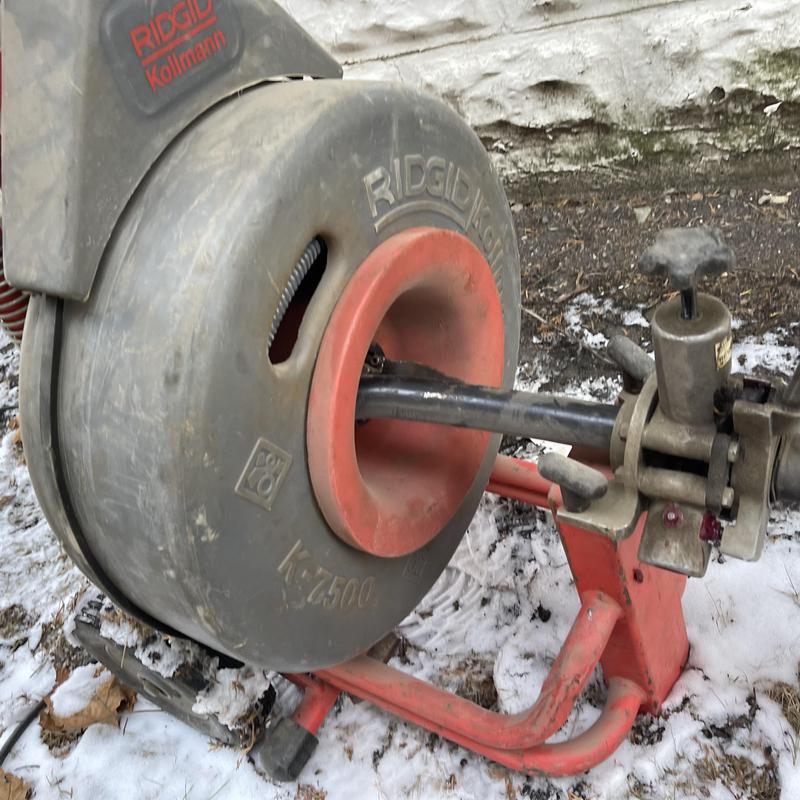
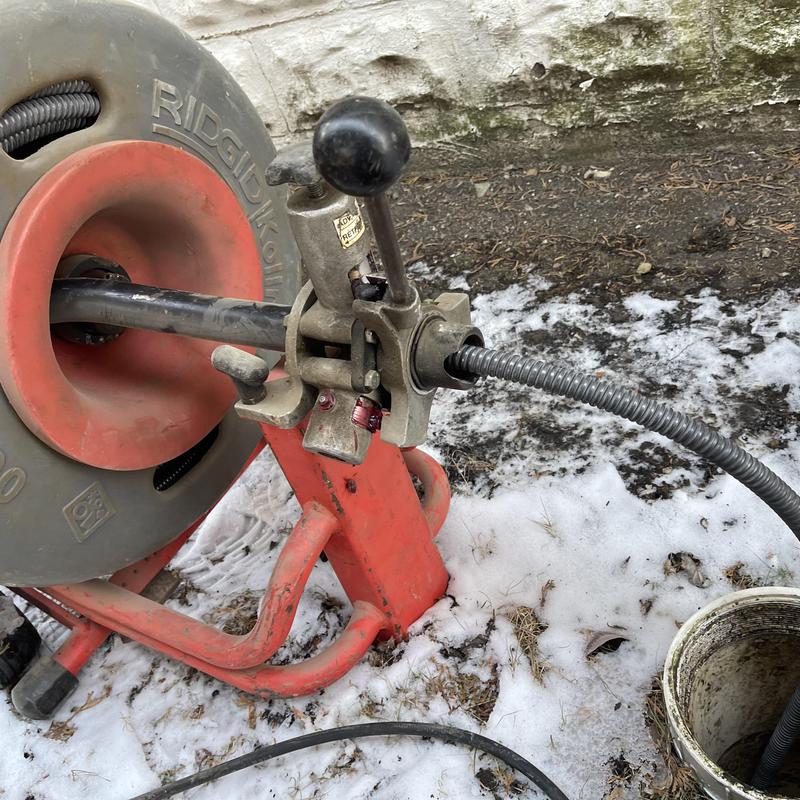
- Sewer rodding: Mechanical sewer rodding can break through or remove many types of blockages that restrict wastewater flow.
- Hydro jetting: Pressurized water can remove certain types of grease, buildup, and debris from sewer lines when the pipe is suitable for the process.
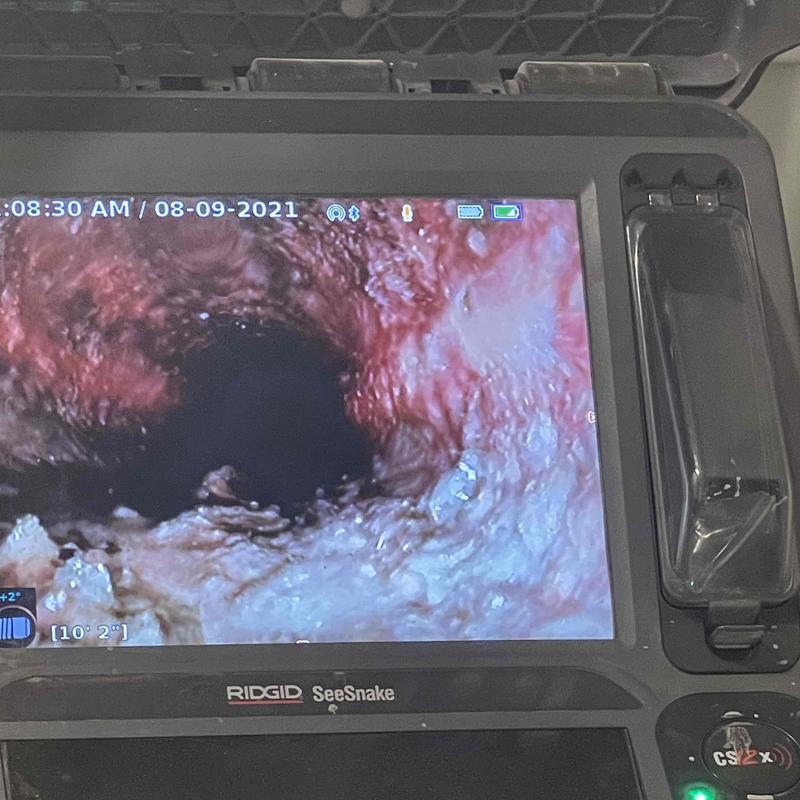
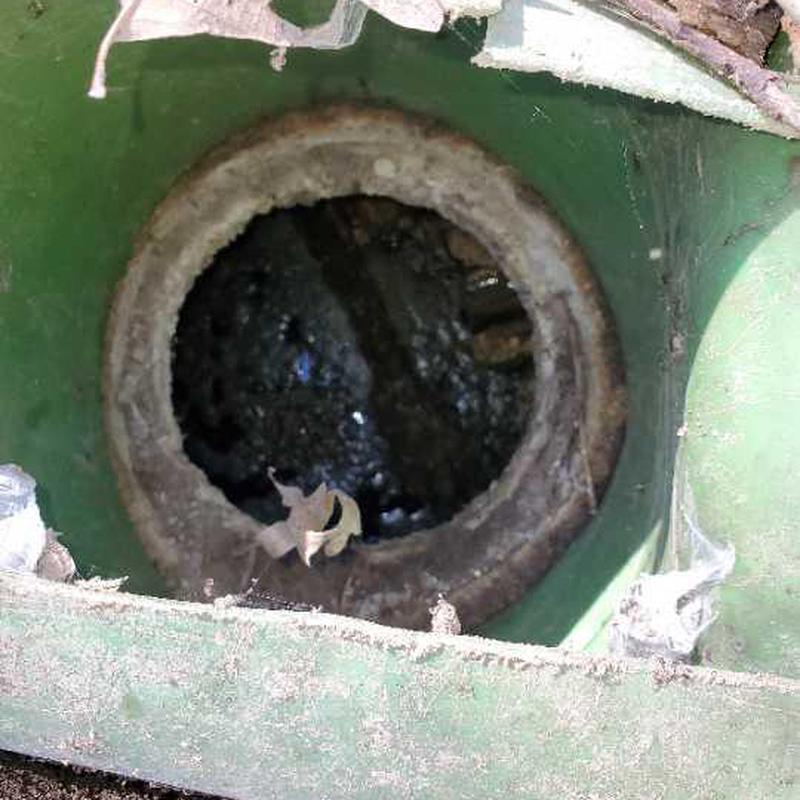
- Sewer camera inspections: A professional sewer camera inspection helps identify blockages, root intrusion, cracks, separated joints, and other conditions inside accessible sewer piping.
- Wastewater pumping: Vacuum pumping services may be appropriate when accumulated wastewater requires additional pumping capacity.
- Sewer line repairs: If an underground pipe is damaged, a repair or replacement may be necessary to correct the problem and restore proper drainage.
The right approach depends on the obstruction, the condition of the sewer line, and where the backup is occurring. Cleaning may restore flow through a blocked private sewer line, but it will not repair a collapsed pipe or resolve pressure from an overloaded municipal sewer system.
Finding the Cause of Recurring Sewer Backups
If your basement has flooded more than once, repeatedly clearing the drain may not be enough. Recurring backups can point to tree roots inside the sewer line, deteriorating pipes, persistent obstructions, or vulnerability to municipal sewer surcharges during heavy rainfall.
Our plumbers evaluate the symptoms and available inspection findings to determine what may be contributing to the problem. When damaged underground piping is involved, a repair of the sewer line may be needed to correct the underlying defect.
Understanding why the backup keeps happening helps property owners make informed decisions about cleaning, repairs, and appropriate backup protection instead of relying on repeated temporary fixes.
Sewer Backup Cleanup and Wastewater Removal
When sewage enters a basement or lower-level area, prompt attention is important. Contaminated wastewater can affect flooring, drywall, furniture, stored belongings, and other building materials. Even after the visible water is removed, contamination may remain on surfaces and inside porous materials.
Suburban Plumbing Experts addresses the plumbing problems associated with sewer backups and provides wastewater pumping services when the situation requires it. Removing accumulated wastewater can be an important step, but it does not necessarily complete the cleanup or make an affected area safe. The appropriate response depends on the amount of wastewater, the areas affected, and the extent of contamination.
Emergency Wastewater Pumping and Removal
Standing wastewater should be addressed promptly. Depending on the conditions, professional pumping equipment may be used to remove accumulated wastewater and help manage difficult drainage situations.
However, pumping out a basement does not correct the cause of the sewer backup. The plumbing system still needs to be evaluated to determine whether the problem involves a blocked private sewer line, damaged underground piping, or pressure from the municipal sewer system.
For extensive sewage contamination, specialized cleaning, disinfection, removal of affected building materials, or restoration may also be necessary. These services should be handled by a qualified water-damage or biohazard remediation provider when the extent of contamination requires it.
Documenting Sewer Backup Damage
If a sewer backup damages your property, photograph the affected areas when it is safe to do so. Record visible wastewater levels, damaged materials, affected belongings, and the locations where the backup occurred.
Suburban Plumbing Experts can provide service documentation and records related to plumbing work performed when available. These records may help when communicating with your insurance company, although they do not guarantee coverage.
Insurance policies differ, and sewer backup protection may depend on the specific coverage you purchased.
Common Causes of Sewer Backups in Chicago, IL
Sewer backups can develop for several reasons, and the right repair depends on what is restricting wastewater flow. Chicago-area properties may experience problems involving aging underground pipes, tree root intrusion, household debris, heavy rainfall, or pressure within the municipal sewer system.
Tree Roots Inside Sewer Lines
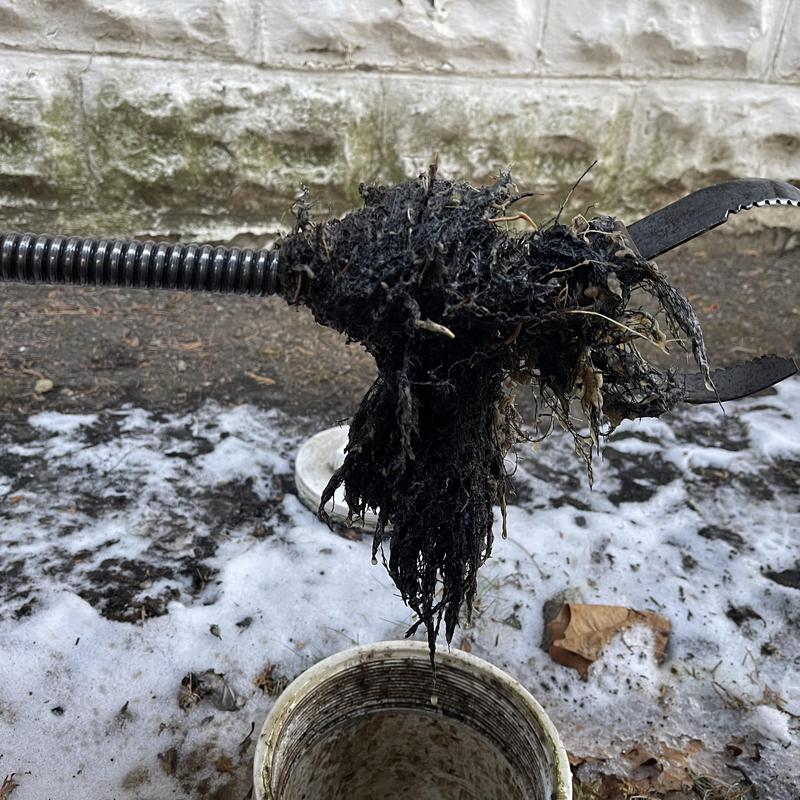
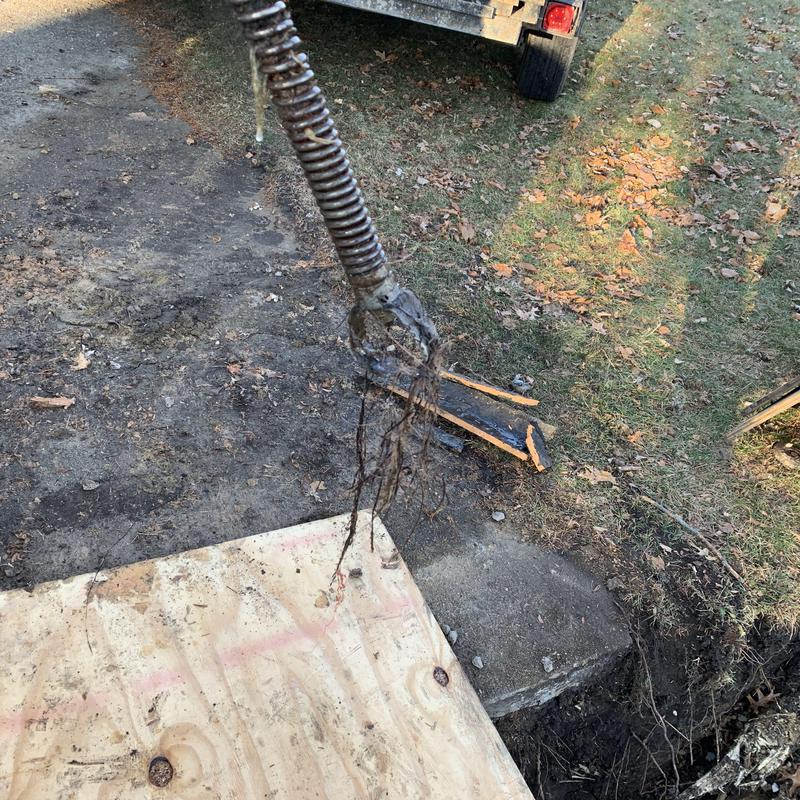
Tree roots naturally seek moisture and can enter sewer pipes through cracks, loose joints, and deteriorated connections. Once inside, roots can grow, catch debris, and restrict wastewater flow until the sewer line becomes partially or completely blocked.
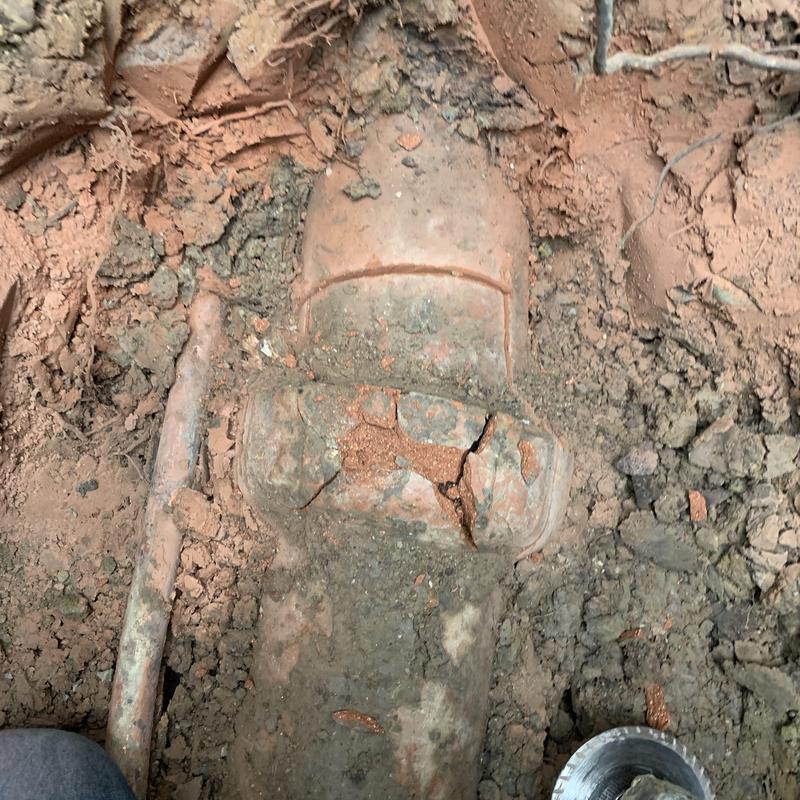
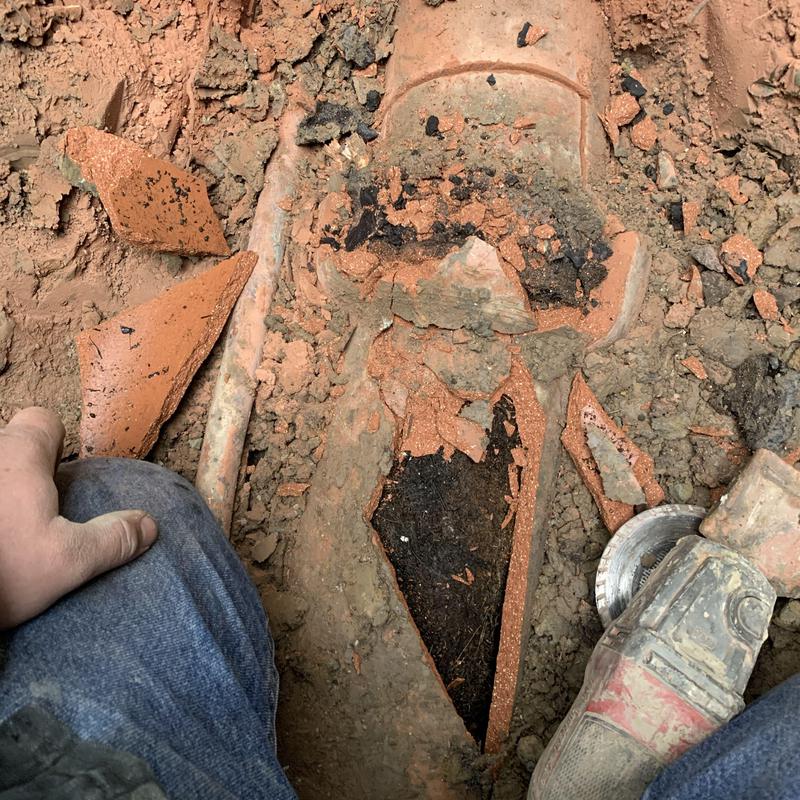
Older clay sewer lines are especially vulnerable when joints deteriorate or separate. Other aging pipe materials can develop their own problems, including corrosion and structural deterioration. A camera inspection can help identify root intrusion and evaluate the condition of the surrounding pipe.
Depending on the inspection findings, the solution may involve professional sewer cleaning, removal of root obstructions, or repairs to damaged sections of piping. Learn more about tree roots and sewer lines: what every Chicago homeowner needs to know.
Aging and Damaged Sewer Pipes
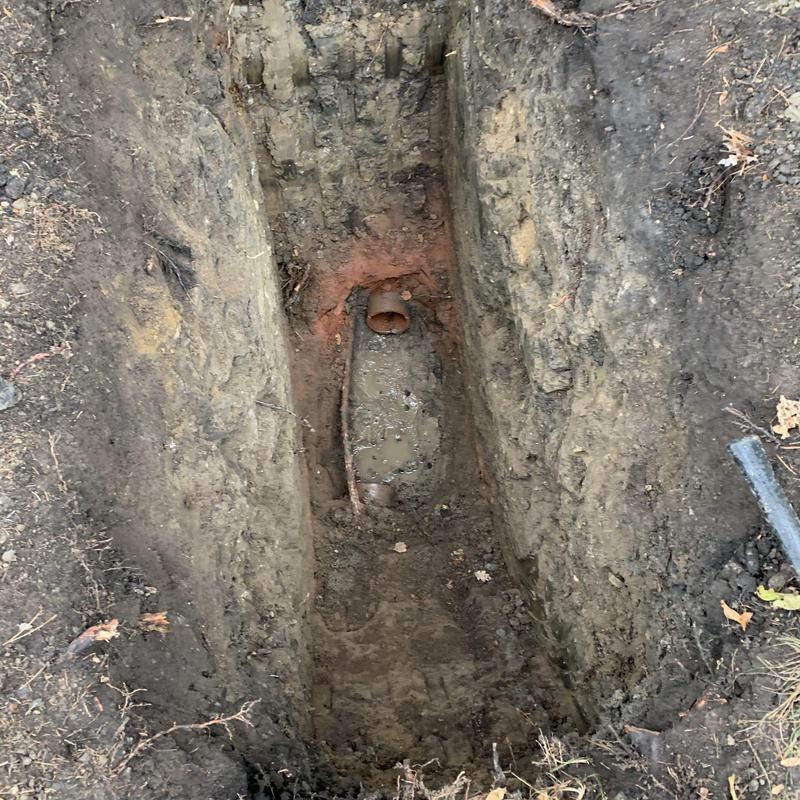
Older sewer lines can develop cracks, separated joints, corrosion, or collapsed sections. Ground movement, soil conditions, and decades of use can contribute to deterioration, particularly in older underground piping.
When wastewater cannot pass freely through a damaged or restricted pipe, backups and recurring drainage problems may follow. A sewer camera inspection can help determine whether the issue is an obstruction that can be cleared or structural damage that requires repair.
For more serious pipe damage, sewer line repair service may be needed to restore proper drainage and address the underlying defect.
Heavy Rainfall and Overloaded Sewer Systems
Heavy rainfall can contribute to sewer backups in Chicago and surrounding communities. In areas served by combined sewer systems, stormwater and wastewater share portions of the same infrastructure. During intense storms, the additional flow can overwhelm available system capacity and contribute to sewer surcharges.
A rain-related backup does not automatically mean the municipal sewer is the only cause. A restricted private sewer line, damaged piping, or inadequate backup protection can also contribute to wastewater entering a property.
Our basement flooding services help property owners investigate basement water problems and determine which plumbing or drainage solutions may be appropriate.
For a deeper explanation, read why heavy rain causes sewer backups in Chicago neighborhoods.
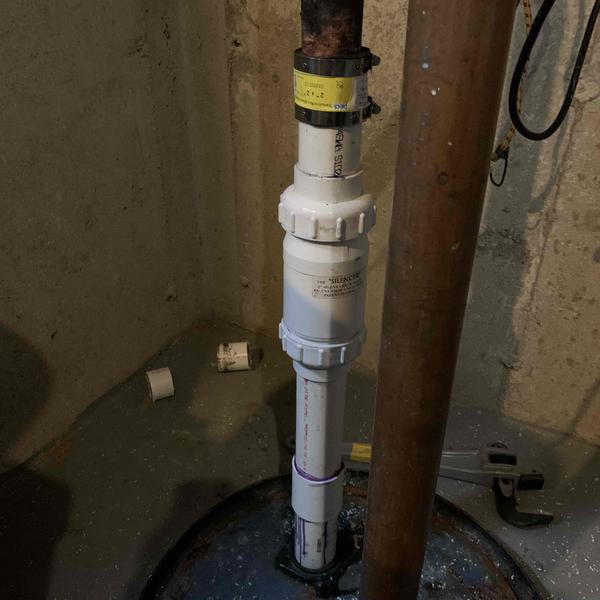
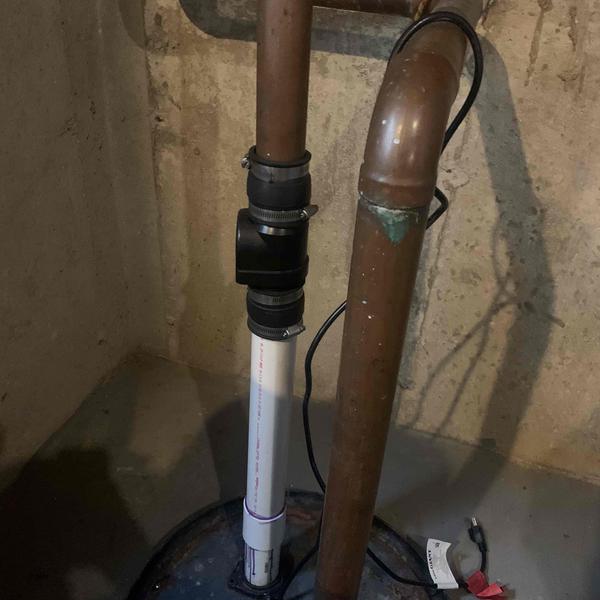
Depending on the property's plumbing configuration and the source of the backup, a backwater valve or sewer backflow prevention system may help reduce the risk of municipal sewer water flowing backward into the home.
Grease, Wipes, and Other Sewer Line Blockages
Grease, wipes, paper towels, and other inappropriate materials can collect inside plumbing and restrict wastewater flow. Grease can accumulate along pipe walls, while wipes and other debris can catch on existing obstructions and contribute to stubborn blockages.
If an obstruction is responsible for a sewer backup, professional cleaning may restore proper
Sewer Backup Repair and Prevention Solutions
The right solution for a sewer backup depends on the condition of the plumbing system and the source of the problem. A blockage may be cleared through professional sewer cleaning, while cracked, separated, or collapsed piping may require repair or replacement. Properties experiencing recurring rain-related backups may also benefit from an evaluation of available sewer backflow prevention and basement flood-control options.
Sewer Camera Inspection and Diagnosis
A sewer camera inspection allows a plumber to examine the inside of an accessible sewer line and look for obstructions, root intrusion, cracks, separated joints, and collapsed sections.
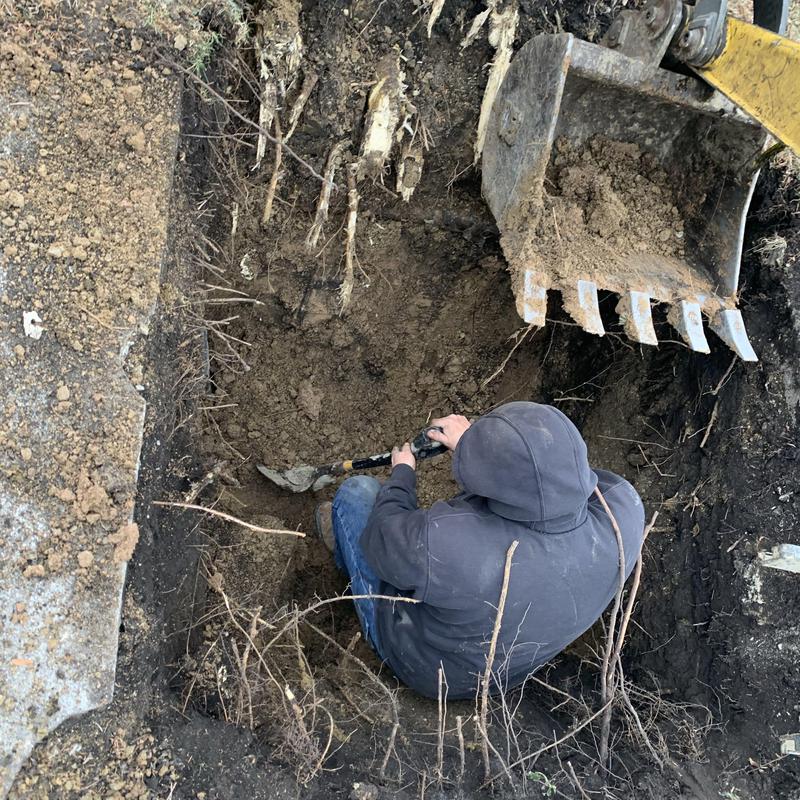
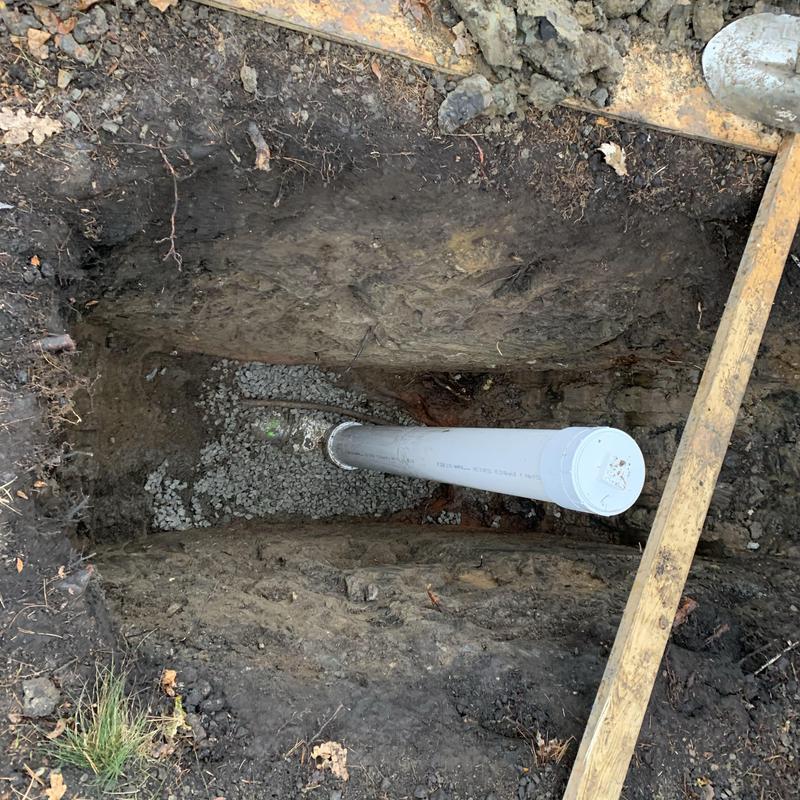
The inspection findings help determine whether cleaning is appropriate or whether the pipe has structural damage that requires repair. Camera equipment can also help locate the affected area and narrow down where additional work may be needed before excavation is considered.
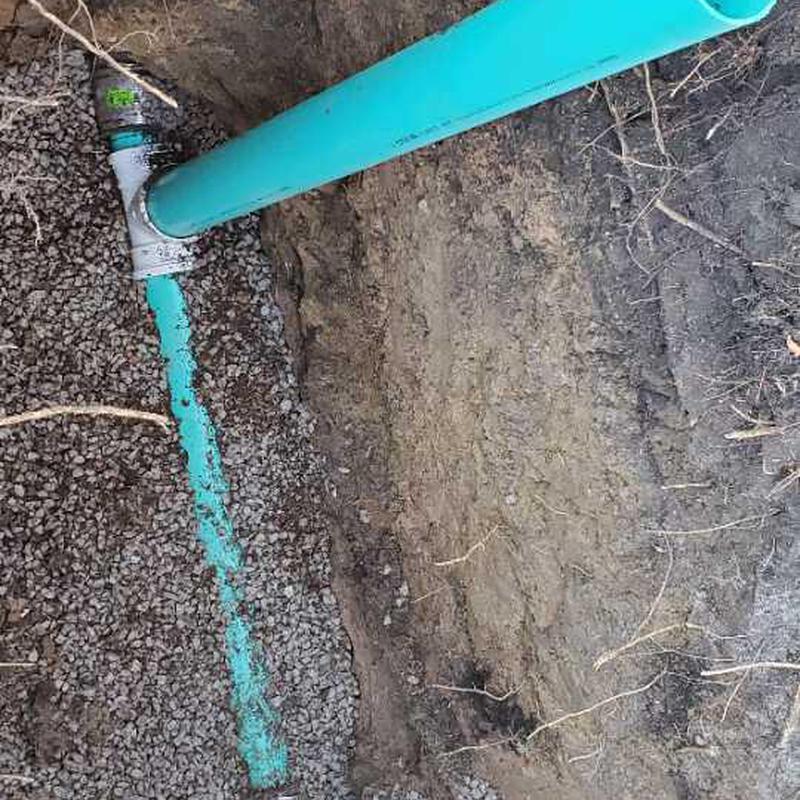
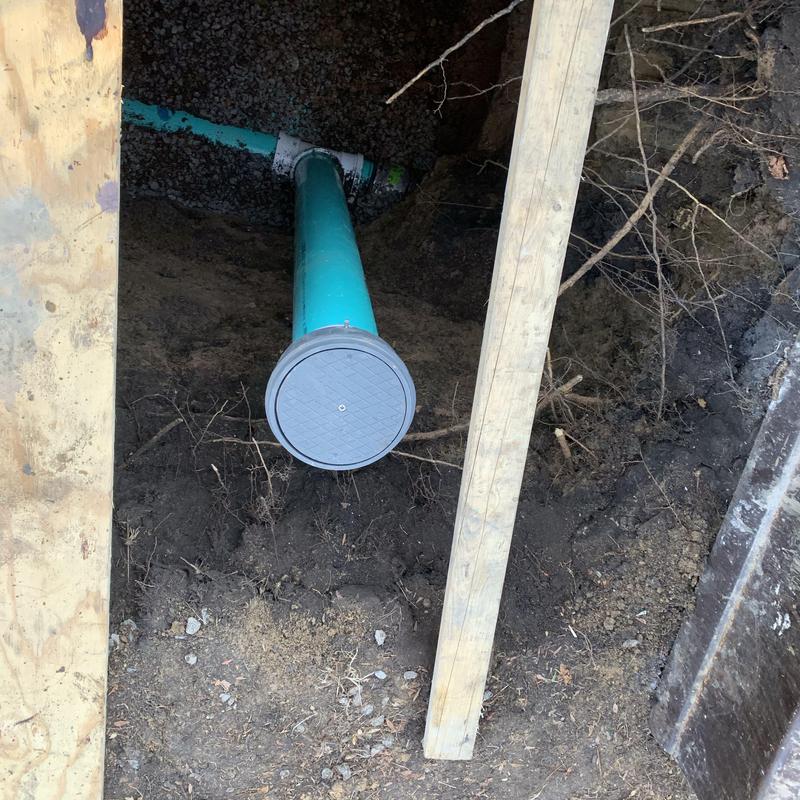
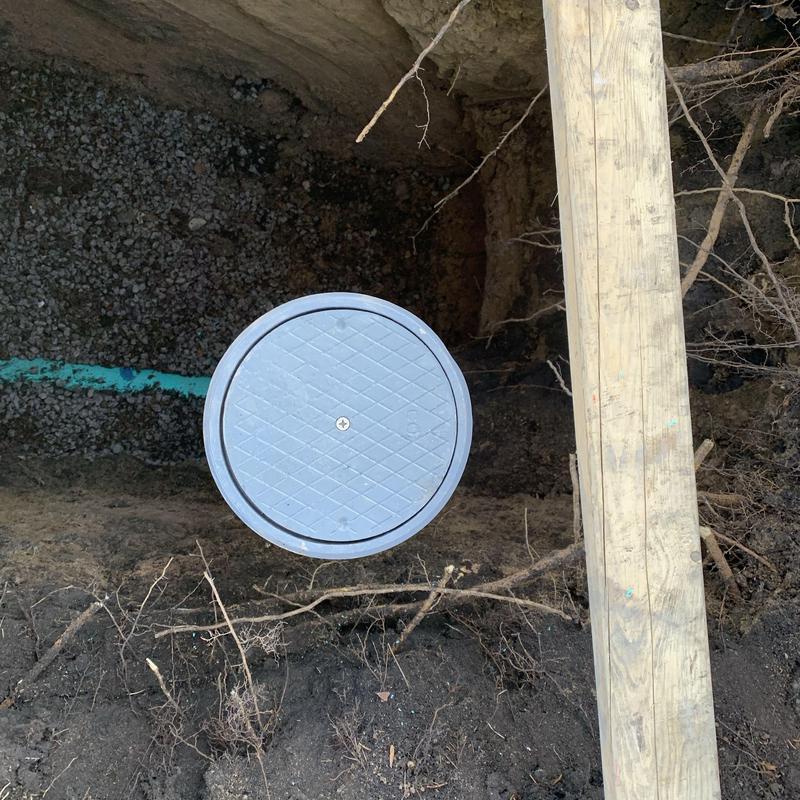
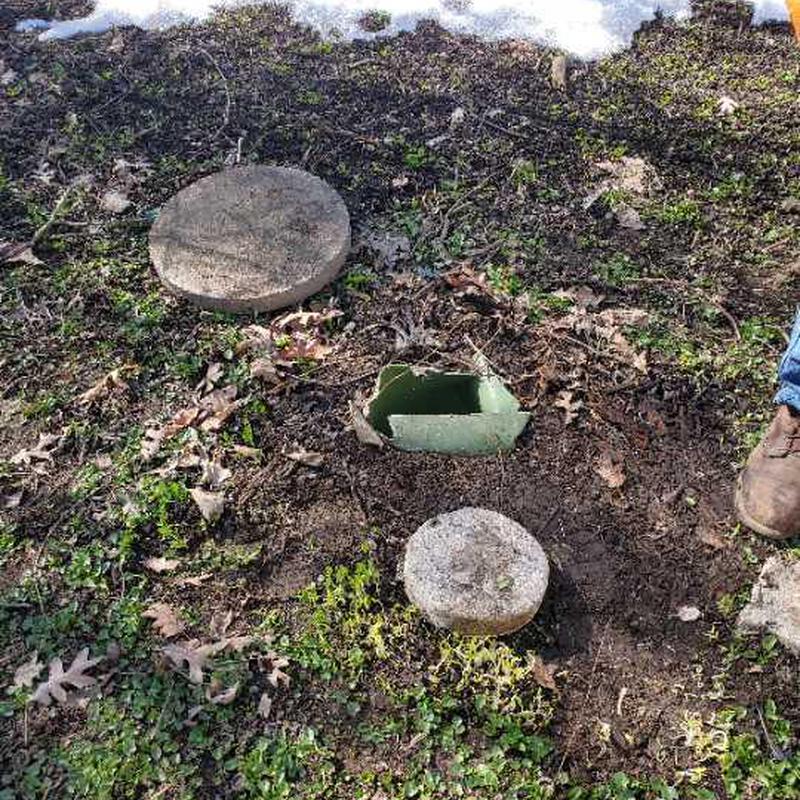
A properly located and accessible sewer cleanout can provide a useful access point for inspecting or clearing a sewer line. If no suitable cleanout is available, another access method may be necessary.
Sewer Line Repair for Repeated Backups
Recurring sewer backups may indicate a structural problem or an obstruction that keeps returning. Severe root intrusion, deteriorated pipe sections, separated joints, and collapsed lines can restrict wastewater flow even after an initial blockage has been cleared.
After evaluating the condition of the line, our team can recommend an appropriate repair or replacement option. The goal is to address the identified problem rather than repeatedly clear the same blockage without investigating why it keeps returning.
Sewer layout and drainage capacity are also important when planning a basement renovation or adding below-grade plumbing fixtures. Our guide to Chicago basement bathroom rough-ins explains how sewer connections and ejector pump systems can affect basement plumbing projects.
Sewer Cleaning and Preventative Maintenance
Professional sewer cleaning can remove certain types of buildup and help address recurring obstructions. The appropriate cleaning method depends on the material causing the blockage, the pipe's size and configuration, and its overall condition.
Sewer rodding uses mechanical equipment to break through or remove many types of blockages. Hydro jetting uses high-pressure water to remove certain types of accumulated debris and buildup from inside sewer piping.
Neither method is suitable for every pipe or obstruction. A professional assessment can help determine which approach is appropriate, especially when a sewer line is old, damaged, or experiencing repeated failures.
Periodic cleaning may help manage recurring buildup, but it cannot correct structural pipe damage or prevent every backup caused by municipal sewer surcharges.
What to Do When a Sewer Backup Happens
If sewage is coming through a basement floor drain, toilet, or another plumbing fixture, take immediate steps to limit additional wastewater flow and protect everyone in the property. Avoid contact with contaminated water and arrange professional plumbing assistance.
1. Stop Using Water
Avoid flushing toilets, running faucets, showering, or operating washing machines and dishwashers until the cause of the backup has been assessed. Additional wastewater entering a restricted sewer system can make the problem worse.
If you live in a multi-unit building, notify other occupants when appropriate so they can avoid using plumbing that may contribute to the backup.
2. Stay Away From Sewage and Electrical Hazards
Sewage can contain harmful microorganisms and other contaminants. Keep children and pets away from affected areas, and do not walk through or touch standing wastewater.
If water or sewage reaches electrical outlets, appliances, a furnace, or other electrical equipment, do not enter the affected area or attempt to operate the equipment. Contact qualified professionals to address the electrical hazard safely.
3. Document the Damage When Safe
Take photographs or videos of affected areas if you can do so without entering a contaminated or hazardous space. Document where the backup occurred, visible wastewater levels, damaged materials, and affected belongings.
Keep records of plumbing services, repairs, and related expenses for your own documentation and discussions with your insurance provider.
4. Have the Sewer Problem Diagnosed
Removing standing wastewater does not necessarily correct the cause of a sewer backup. A blockage, tree root intrusion, deteriorated piping, a collapsed section, or municipal sewer surcharge conditions may be involved.
A professional plumbing evaluation can help determine whether sewer cleaning, a camera inspection, pipe repairs, or a sewer backup prevention measure is appropriate.
5. Address the Underlying Cause
If the backup has happened before, ask what may be causing it to recur. Repeatedly clearing a blockage without investigating the reason can leave the underlying problem unresolved.
Depending on the findings, addressing the cause may involve professional sewer cleaning, repairing damaged piping, or evaluating appropriate backup protection. Understanding the problem helps property owners make informed decisions about reducing the risk of another sewer backup.
Preventing Future Sewer Backups in Chicago Homes
Although not every sewer backup can be prevented, routine inspections, appropriate sewer cleaning, timely repairs, and proper drain habits can help reduce certain risks. For Chicago-area homeowners, understanding the condition of the private sewer line and the property's exposure to municipal sewer surcharges is an important part of protecting a basement.
Inspect Older Sewer Lines
A sewer camera inspection can help identify root intrusion, cracks, separated joints, and other problems inside an accessible sewer line. This can be particularly useful for older homes or properties with a history of slow drains and repeated backups.
Finding developing pipe damage or recurring obstructions may give homeowners an opportunity to plan appropriate repairs before the problem leads to a more serious blockage or sewer failure.
Keep Sewer Lines Clear
Grease, debris, roots, and other obstructions can restrict wastewater flow. Professional sewer cleaning may help remove certain types of buildup when the pipe is in suitable condition for the selected cleaning method.
If blockages return frequently, another cleaning may not be enough. A camera inspection can help determine whether the problem involves persistent buildup, root intrusion, or structural damage that cleaning alone cannot correct.
Use Drains Properly
Avoid putting grease, paper towels, wipes, and other inappropriate materials into toilets and drains. Even products labeled flushable may contribute to blockages, particularly when they collect inside older or restricted sewer piping.
Good disposal habits can reduce preventable obstructions, but they cannot correct existing pipe damage or protect a property from every municipal sewer surcharge.
Evaluate Sewer Backup Protection
If your basement experiences sewer backups during heavy rainfall, consider having the plumbing system and available backup protection evaluated. Depending on the property's sewer connections and the source of the problem, a backwater valve or an overhead sewer system may be worth considering.
These options work differently and are not appropriate for every property. A plumber can evaluate the existing drainage layout and explain which approach may help reduce the risk of municipal sewer backups.
Properties with recurring basement water problems may also need a broader assessment to determine whether the source is a sewer backup, groundwater, foundation leakage, or another drainage condition.
Investigate Repeated Warning Signs
Frequent drain blockages, recurring sewer odors, multiple slow fixtures, and previous basement backups can indicate an underlying plumbing problem. These warning signs deserve attention, particularly when several fixtures are affected at the same time.
An inspection can help determine whether sewer cleaning, pipe repairs, or additional backup protection should be considered.
For more information about possible coverage limitations after a backup, read our guide to sewer backups and homeowners insurance in Chicagoland.
Sewer Backup FAQs for Chicago Homeowners
What should I do if sewage is coming up through my basement floor drain?
Stop using toilets, faucets, showers, and other plumbing fixtures. Keep children and pets away from the affected area, and avoid contact with sewage. If water has reached electrical equipment or outlets, do not enter the area. Contact a plumber to investigate the cause. For emergency sewer backup assistance, call 708-518-7765.
Why does my basement back up when it rains heavily?
Heavy rainfall can increase pressure on Chicago's sewer infrastructure, particularly in areas served by combined sewer systems. A restricted private sewer line or inadequate backup protection may also contribute. An assessment can help determine whether a backwater valve, overhead sewer system, or another solution may be appropriate.
What causes sewer backups in Chicago-area homes?
Common causes include tree root intrusion, grease and debris buildup, deteriorating sewer pipes, collapsed sections, and municipal sewer surcharges during heavy rainfall. A sewer camera inspection and other appropriate diagnostics can help identify the actual cause.
Does homeowners insurance cover sewer backup damage?
Coverage depends on your policy and any applicable endorsements. Sewer backup coverage is not automatically included in every homeowners insurance policy. Contact your insurer to confirm your coverage and keep records of property damage and plumbing work.
How serious is a sewer backup in a finished basement?
A sewage backup can contaminate flooring, drywall, insulation, furniture, and other materials. Some porous materials may need to be removed, and extensive contamination may require specialized cleaning and restoration. Keep away from affected areas and arrange an appropriate professional assessment.
Do you have to dig up my yard to find a sewer blockage?
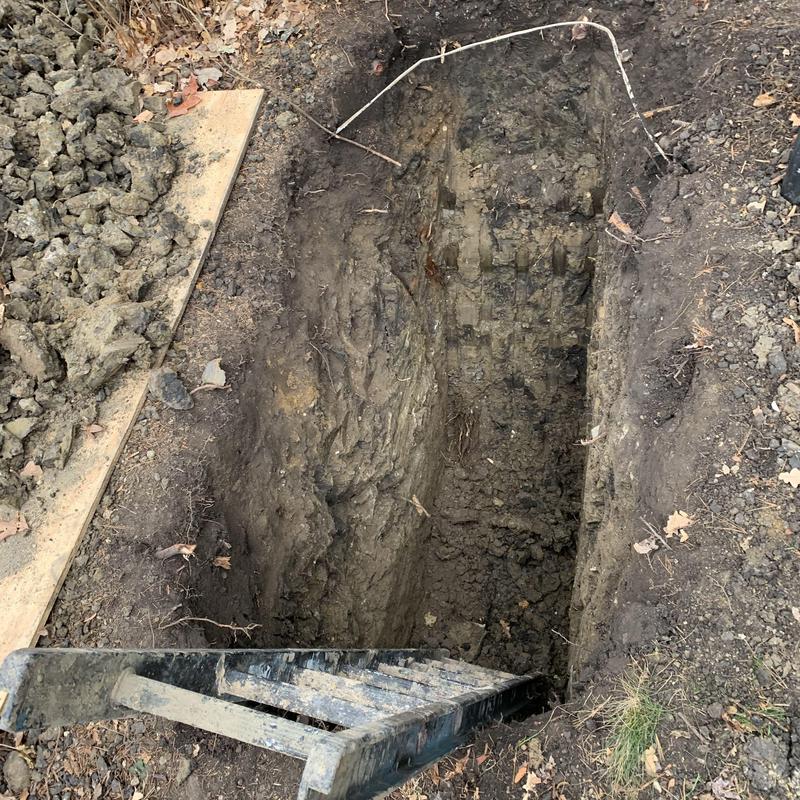
Not necessarily. A sewer camera inspection through an accessible cleanout or another suitable access point may identify the location and nature of a problem without initial excavation. The findings help determine whether sewer cleaning is sufficient or a pipe repair is necessary.
What is the difference between sewer rodding and hydro jetting?
Sewer rodding uses mechanical equipment to break through or remove many types of blockages. Hydro jetting uses high-pressure water to remove certain types of buildup from inside the pipe. The appropriate method depends on the obstruction and the condition of the sewer line.
If my neighbors also had sewer backups during a storm, is the city sewer the cause?
Multiple properties experiencing backups during the same storm may indicate municipal sewer surcharge conditions, but that alone does not establish the cause of your home's problem. Private sewer restrictions or damaged piping can also contribute. An evaluation can help determine what is affecting your property.
How can I stop sewer backups that keep happening?
Repeated backups warrant investigating the underlying cause. Root intrusion, recurring blockages, damaged pipes, and municipal sewer surcharges may require different solutions. Depending on the findings, options may include sewer cleaning, pipe repairs or replacement, and appropriate backup protection.
Is removing the visible sewage enough to make the area safe?
Not necessarily. Sewage can leave contamination behind on surfaces and porous materials after the visible wastewater is gone. Extensive contamination may require professional cleaning, disinfection, removal of affected materials, and specialized restoration from a qualified remediation provider.
Need Emergency Sewer Backup Help in Chicago? Call Suburban Plumbing Experts
A sewer backup can quickly disrupt your home or business, damage property, and create serious sanitation concerns. Whether sewage is coming through a basement floor drain, your sewer line keeps backing up, or heavy rainfall repeatedly causes drainage problems, identifying the source is essential to choosing the right solution.
Suburban Plumbing Experts provides sewer backup services throughout Chicago and the surrounding suburbs. Depending on the problem, our plumbers can recommend sewer cleaning, camera inspections, wastewater pumping, sewer line repairs, or appropriate sewer backup prevention measures.
Call 708-801-6530 to discuss your sewer backup problem and schedule service. If you need emergency plumbing assistance, call 708-518-7765.
Schedule Sewer Backup Services Now
Suburban Plumbing Sewer Line & Drain Cleaning Experts
⏰ Open 24 Hours
📞 Phone: Suburbs: 708-801-6530 Chicago: 773-570-2191
📧 Email: info@suburbanplumbingexperts.com
🚨 Emergency Hotline: 708-518-7765
Emergency Sewer Backup Service in Chicago and Surrounding Suburbs
When sewage backs up into a home or business, finding the source of the problem matters. Suburban Plumbing Experts helps property owners diagnose sewer and drainage issues, restore proper flow when possible, and evaluate solutions for reducing recurring sewer backup risks.
Chicago-Area Sewer Backup Service
Providing sewer backup and emergency plumbing services in Chicago and nearby communities, including Brookfield, Naperville, Downers Grove, Hinsdale, Oak Brook, Elmhurst, Wheaton, Glen Ellyn, and Lombard. Contact our team to confirm service availability for your location.
Why Choose Suburban Plumbing Experts?
Sewer backups can have several different causes. Our licensed plumbing team evaluates the problem and explains the available options so property owners can make informed decisions about cleaning, repairs, and backup prevention.
- ✓ Family-owned plumbing company serving the area since 1978
- ✓ Licensed and insured plumbing professionals
- ✓ Residential and commercial plumbing service
- ✓ 24/7 emergency plumbing assistance
- ✓ Written pricing before work begins
- ✓ No overtime charges
- ✓ Sewer diagnosis, cleaning, and repair solutions
Is wastewater coming through a basement floor drain or are multiple plumbing fixtures backing up? Stop using water, avoid contact with sewage, and arrange professional plumbing assistance.
Most Recent Pins (377)















Most Recent Reviews (29)
 Claire SchaferLisa AlAllison ClaninGregory MalkowskiJessica AllenDCAKSRJennifer MaggioNancy Bitzer


 Andre Haynes
 Renee Mousavi-Dill
 Eric ZalasDonna Meegan


 Rich LeabruKevin Marks
 Stephen Ross




 Orthopedic PT Services