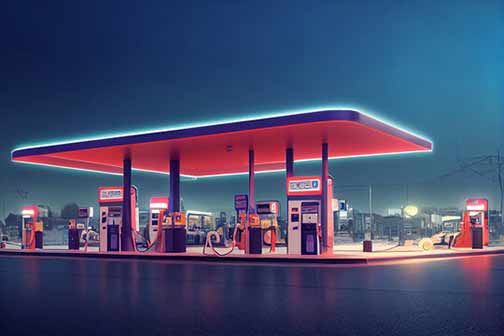
For gas stations in suburban Chicago, reliable plumbing isn’t a background concern — it’s central to daily operations. Restrooms, water supply, and drainage all depend on a plumbing system that can handle constant, high-traffic use without interruption. When something goes wrong, it affects customers immediately and can bring parts of the operation to a halt.
Gas stations run around the clock, which means the plumbing has to as well. A system that can’t keep up with the demands of a busy location — or that goes down during peak hours — creates a customer service problem that reflects directly on the business.
Beyond convenience, plumbing reliability at a gas station is a safety issue. Leaks and malfunctions don’t just cause water damage — they can lead to mold growth, structural deterioration, and serious hazards if water reaches electrical components or interacts with fuel systems. Investing in professional plumbing maintenance and addressing problems quickly isn’t just good business practice, it’s a basic requirement for running a safe and compliant operation.
Meeting the Specialized Plumbing Needs of Gas Stations
Gas stations have plumbing requirements that go well beyond what’s typical for most commercial properties. Fuel lines, oil interceptors, and grease traps all require specialized knowledge to install and maintain correctly. Fuel lines in particular have zero margin for error — a poorly installed or deteriorating line is both an environmental liability and a serious safety hazard that can result in regulatory action and costly remediation.
Oil interceptors and grease traps play a critical role in keeping contaminants out of the municipal drainage system. These components need to be serviced on a regular schedule to function properly — a neglected interceptor doesn’t just stop working, it becomes a compliance problem that can result in fines and operational disruptions.
Drainage systems at gas stations also need to be built to handle the volume and type of wastewater generated by car washes and service areas. That wastewater contains chemicals, oils, and other contaminants that can’t simply be discharged without proper management. Add in the constant foot traffic, chemical exposure, and temperature fluctuations that gas station plumbing systems deal with daily, and it becomes clear why this kind of work requires a plumber with specific commercial experience — not just someone comfortable with standard residential or light commercial jobs.
Emergency Plumbing Services: A Lifeline for Gas Stations
Emergency plumbing services are essential for gas stations to address unexpected issues that can arise at any time. These services include immediate response to burst pipes that need fixing, clogged drains, and leaks that can disrupt operations and pose safety risks. Having access to a reliable emergency plumbing service provider ensures that gas stations can quickly resolve plumbing emergencies, minimizing downtime and preventing further damage. Emergency plumbers are equipped with the tools and knowledge to handle urgent situations efficiently and effectively.
In the event of a plumbing emergency, time is of the essence. A swift response can mean the difference between a minor inconvenience and a major disruption. For gas stations, where continuous operation is crucial, having a trusted emergency plumbing service on call is invaluable. These professionals are trained to diagnose and repair issues promptly, ensuring that the gas station can resume normal operations as quickly as possible.
Preventive Maintenance Programs: Ensuring Longevity and Efficiency
Preventive maintenance programs are vital for gas stations to keep their plumbing systems in optimal condition. These programs involve regular inspections, cleaning, and servicing of plumbing components to identify and address potential issues before they become major problems. Preventive maintenance helps extend the lifespan of plumbing systems, reduce the likelihood of costly repairs, and ensure compliance with health and safety regulations. By investing in preventive maintenance, gas stations can maintain reliable and efficient plumbing systems that support their operations.
Preventive maintenance programs are tailored to the specific needs of each gas station, taking into account factors such as the age of the plumbing system, usage patterns, and environmental conditions. Regular maintenance activities may include inspecting for hidden leaks, cleaning drains, inspecting fuel lines, and testing water pressure. By proactively addressing potential issues, gas stations can avoid unexpected breakdowns and maintain a high level of service for their customers.
Installation and Upgrades of Plumbing Systems: Keeping Up with Demand
Installing and upgrading plumbing systems at a gas station is more involved than a standard commercial job. New pipes, fixtures, and equipment all need to be sized and installed correctly for the specific demands of the location — and when existing systems are upgraded to meet current standards, the work needs to be done without taking the station offline any longer than necessary.
Common upgrades include replacing aging pipe materials, improving water pressure to handle increased demand, and expanding drainage capacity to keep up with higher volumes of wastewater. Each of these projects requires a plumber who understands the operational constraints of a working gas station and can execute the work efficiently without creating disruptions that affect customers or revenue.
As gas stations add services — convenience stores, car washes, food service areas — the load on the plumbing system grows with them. What was adequate for a basic fuel and restroom operation may not be sufficient once a full kitchen or high-volume car wash is added to the mix. A professional plumber can assess what the current system can handle, identify where upgrades are needed, and implement the changes in a way that keeps the station running smoothly throughout the process.
Compliance with Local Regulations: Navigating the Legal Landscape
Gas stations must comply with local plumbing regulations to operate legally and safely. These regulations cover various aspects of plumbing, including installation, maintenance, and waste disposal. Compliance ensures that gas stations meet health and safety standards, preventing potential legal issues and fines. Professional plumbing service providers are well-versed in local regulations and can help gas stations navigate the complexities of compliance. They ensure that all plumbing work is performed in accordance with the relevant codes and standards.
Compliance with local regulations is not only a legal requirement but also a critical component of responsible business practices. By adhering to regulatory standards, gas stations can protect the health and safety of their customers, employees, and the environment. Professional plumbers stay up-to-date with changes in regulations and can provide guidance on best practices for maintaining compliance.
Water Conservation and Sustainability: A Commitment to the Future
Water conservation and sustainability are important considerations for gas stations in suburban Chicago. Implementing water-saving measures, such as low-flow fixtures and efficient irrigation systems, helps reduce water consumption and lower utility costs. Sustainable plumbing practices also contribute to environmental protection by minimizing water waste and reducing the carbon footprint of gas stations. Professional commercial plumbing services can assist gas stations in adopting sustainable solutions that promote water conservation and environmental responsibility.
Incorporating sustainable plumbing practices into the operation of a gas station demonstrates a commitment to environmental stewardship. This can enhance the station’s reputation and appeal to environmentally conscious customers. Water conservation measures, such as rainwater harvesting systems and greywater recycling, can further reduce water usage and promote sustainability. Professional plumbers can design and implement these systems, ensuring that they are integrated seamlessly into the gas station’s infrastructure.
Advanced Technologies in Plumbing: Embracing Innovation
Advanced technologies are transforming the plumbing industry, offering innovative solutions for gas stations. These technologies include smart plumbing systems, leak detection sensors, and automated controls that enhance the efficiency and reliability of plumbing systems. Smart plumbing systems can monitor water usage, detect leaks, and provide real-time alerts, helping gas stations address issues promptly and reduce water waste. By embracing advanced technologies, gas stations can improve their plumbing systems’ performance and achieve greater operational efficiency.
Innovations in plumbing technology offer numerous benefits for gas stations, including improved monitoring and control, enhanced safety, and reduced operational costs. For example, smart leak detection systems can identify leaks early, preventing water damage and reducing repair costs. Automated controls can optimize water usage, ensuring that the plumbing system operates efficiently. By investing in advanced plumbing technologies, gas stations can stay ahead of potential issues and maintain a high level of service for their customers.
Choosing the Right Plumbing Service Provider: Making the Right Choice
Choosing the right plumber is crucial for gas stations to ensure reliable and high-quality plumbing services. Factors to consider when selecting a provider include experience, expertise, reputation, and responsiveness. A reputable plumber should have a proven track record of handling gas station plumbing needs and a team of skilled professionals. They should also offer comprehensive services, including installation, maintenance, and emergency repairs. By partnering with the right provider, gas stations can maintain efficient and reliable plumbing systems that support their operations.
When evaluating potential plumbing service providers, gas station owners should look for companies with experience in the specific challenges of gas station plumbing. This includes knowledge of fuel line installation, oil interceptor maintenance, and compliance with local regulations. Additionally, the provider should have a reputation for reliability and responsiveness, ensuring that they can address any issues promptly and effectively. By choosing a trusted plumber in the Chicagoland area, gas stations can ensure that their plumbing systems are in good hands and that their operations run smoothly.
—
Are you in need of gas station plumbing services in the Chicagoland area? We can help! Contact us at 708-801-6530 or by form below:
[gravityform id=”1″]