

Downers Grove, IL homeowners understand that basement protection is not just about a single device, but a reliable system that anticipates heavy rains, winter freezes, and power disruptions. Here we provide a comprehensive quick-fix checklist for sump pump failures, with practical steps you can take to prevent basement flooding, mitigate damage, and buy time until professional help can assess and repair underlying issues.
Each section offers actionable insights tailored to Downers Grove conditions, from weather-driven stresses to typical home layouts in the neighborhood.
Sump Pump Readiness for Downers Grove Basements
In Downers Grove, basement protection starts with verifying that the sump pump is ready to perform when storms arrive. Begin with a simple test: fill the sump pit with water to the level where the float should trigger the pump, then observe whether the unit turns on, drops water, and finishes its cycle cleanly. Listen for unusual noises such as grinding, rattling, or humming that could indicate a worn bearing, a clogged impeller, or a misaligned check valve.
Inspect the pit for debris, sediment, or trapped mulch from gutters and downspouts that could impede the pump’s intake. Ensure the discharge line is free of obstructions and that the pump is not sitting on a damp or unstable surface. A ready sump pump not only reduces flood risk but also extends the system’s lifespan by preventing unnecessary stress on components.
Power Reliability and Circuit Safety for Sump Pumps
Power reliability is at the heart of effective sump pump protection. Confirm that the pump is plugged into a dedicated, non-GFCI outlet on a circuit that does not serve other high-draw appliances. If the breaker trips frequently, there may be an overload or a short in the wiring that needs professional attention. For areas like Downers Grove, IL where summer storms can cause power outages, consider upgrading to a generator or a battery backup system to keep the sump pump running during outages.
Regularly test the backup power option to ensure it can operate when you need it most. Label the circuit clearly, so in an emergency you can quickly identify the sump pump’s power source and switch to a backup if required.
Wiring Integrity and Electrical Safety in Wet Basements
Electrical safety is critical in wet basement environments. Inspect all cords and plugs for cracks, fraying, or corrosion. Avoid running cords across damp floors or through doorways where they can be stepped on or damaged. Never rely on extension cords as a permanent power solution. If you notice any signs of moisture intrusion around outlets, switches, or the sump pit, call a licensed electrician to diagnose and correct faults.
Consider replacing aging outlets with weatherproof, moisture-resistant models and installing a GFCI-protected outdoor-rated outlet near the sump area if appropriate for your layout. A proactive approach to wiring reduces the risk of electrical shock and equipment failure during heavy rainfalls common in the Midwest.
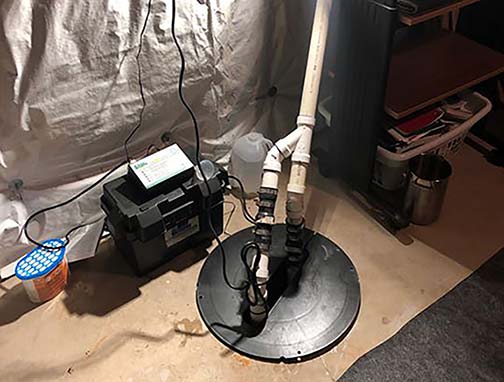
Backup Power Options: Battery and Water-Powered Solutions
Backups are essential when storms interrupt primary power or when a pump fails. A battery-backed sump pump provides a reliable burst of power using a sealed, rechargeable 12-volt battery or a deep-cycle marine battery. Check the battery’s charge level and interview the manufacturer’s recommended replacement interval, typically every 3–5 years, to avoid unexpected outages. Regularly test the backup by simulating a power loss to confirm the unit activates and discharges water without issue.
A water-powered backup pump, which uses city water pressure to operate if electricity is out, can be an alternative but is less common and may be subject to local code restrictions. Evaluate your basement’s needs, water pressure, and potential water costs before choosing a backup solution, and speak with a professional to ensure compatibility with your existing system and discharge lines. Regardless of the option, keep the backups accessible and clearly labeled so family members can help operate them during an emergency.
Discharge and Drainage: Keeping Water Away from Your Foundation
Proper discharge is a fundamental line of defense against basement flooding. Ensure the discharge line routes water away from the foundation, ideally directing it several feet away to prevent re-entry through foundation cracks or window wells. In Downers Grove, discharge lines should terminate in an outdoor location that won’t cause water damage to nearby walkways or landscaping and won’t violate local ordinances.
Install a backflow or check valve to prevent water from re-entering the sump pit when the pump shuts off. Check for ice buildup in winter and ensure the line remains free of leaves, sediment, and ice plugs that can block flow. If the discharge runs uphill or crosses into a neighbor’s property, plan a compliant relocation to avoid disputes and potential liability.
Seasonal Readiness: Preparing for Rainy Seasons and Freeze-Thaw
Seasonal preparation is essential in a climate like Downers Grove, where spring rains and winter freeze-thaw cycles test drainage systems. Before the seasonal peak, inspect gutters and downspouts for clogs that could funnel roof runoff into the sump pit. Ensure downspouts are extended away from the house and that grading around the foundation promotes drainage away from the basement.
Clean the sump pit and verify the float mechanism’s free movement after winter storage. After heavy storms, re-check the discharge line and the pump’s operation to confirm continued reliability. Establish a routine: perform a brief check at the start of each season and after significant weather events so minor issues do not escalate into major flood damage.
On-the-Spot Troubleshooting: Quick Fixes When Flood Watch is On
When you suspect sump pump failure, approach with calm, systematic checks. First, verify power supply and the switch; the float should rise freely and trigger the motor to run. If the unit does not start, examine the electrical connection and the circuit breaker for trips. Next, inspect the intake screen and impeller for debris or obstructions that can slow or stop pumping.
Clear any blockages with the power off, and gently reposition a stuck float if needed. If water continues to rise, assess the discharge line for kinks, blockages, or freezing. When in doubt, do not force the system; instead, shut off the pump to prevent motor burnout and contact a Downers Grove, IL plumber for a safe assessment and repair plan.
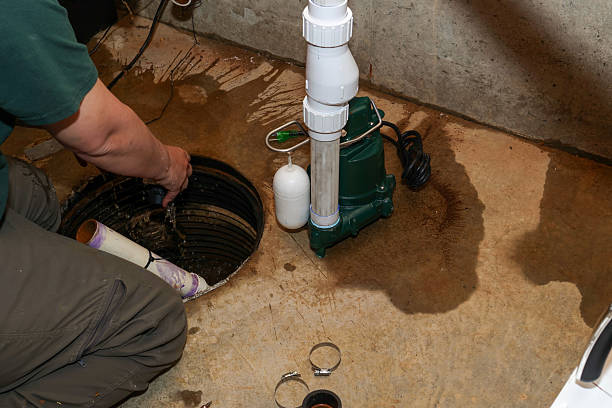
Routine Maintenance Practices to Extend Sump Pump Life
A proactive maintenance routine reduces the likelihood of sudden failures. Clean the sump basin periodically to remove sediment and organic matter that can hinder pump performance. Inspect seals, gaskets, and the power cord for wear, and replace worn components before they fail. Test the pump monthly by pouring water into the pit to confirm rapid activation, efficient water expulsion, and quiet, unobstructed operation.
Ensure the vertical clearance around the unit allows full range of motion for the float, so the pump does not jam. Periodic professional inspections, especially after the first year of ownership and after severe weather, help detect subtle issues before they become costly repairs. Keeping maintenance records helps you spot recurring problems and plan a replacement of your sump pump in a timely fashion.
When to Call a Professional: Safety and Specialized Repairs
Some sump pump issues require licensed expertise. If you notice persistent electrical issues, recurrent breaker trips, or signs of water intrusion despite efforts, contact a licensed plumber in Downers Grove promptly. Structural concerns—such as cracks in the foundation near the sump pit, wet basement walls, or mold growth—require assessment by a specialist in moisture control and waterproofing.
If the discharge system involves complex drainage integration with a municipal storm sewer, drainage engineer guidance may be necessary to ensure compliance with local codes and environmental considerations. In emergencies, prioritize safety: avoid touching wet electrical components, and ensure all household members understand how to shut off power safely if a fault arises.
Documentation, Insurance, and Preventive Planning for Homeowners
Protecting your investment involves clear records and informed planning. Maintain a file with purchase receipts, model numbers, warranty terms, and service dates for the sump pump, backup power source, and discharge components. Check your homeowner’s insurance policy for coverage related to basement flooding, sewer backups, and water damage, and understand what prerequisites or exclusions apply.
Create a simple, accessible checklist for family members outlining what to do during heavy rain or power outages, including how to switch to backup power and where to locate shut-off valves or main breakers. Scheduling annual maintenance with a plumber in Downers Grove not only ensures your system is current but also helps you identify upgrades, such as enhanced backflow prevention or more robust discharge options, that align with your home’s evolving needs.
Common Myths About Sump Pumps in Downers Grove, IL: Debunking Misconceptions
To maintain realistic expectations, debunk common myths that can lead to complacency. Some homeowners assume that merely owning a sump pump guarantees dry basements; in reality, performance depends on regular maintenance, effective discharge, and proper backup strategies. Others believe that any backup power solution is equally reliable; however, battery life, maintenance requirements, and compatibility with existing pumps vary widely. A frequent misconception is that all basements require the same pump size; in truth, home size, basement layout, and local soil conditions influence sizing and installation.
By separating fact from fiction, residents can make informed decisions about upgrades, maintenance, and safety practices that deliver true protection against Downers Grove’s wet seasons. This comprehensive approach combines practical checks, reliable backups, and proactive maintenance to help Downers Grove homeowners reduce the risk of sump pump failures and basement flooding. With thoughtful planning, regular testing, and timely professional support, you can safeguard your home’s most valuable spaces and enjoy greater peace of mind during storm season and year-round.
—
Are you in need of assistance with your sump pump in Downers Grove, IL? We can help! Call us today at 708-801-6530.