
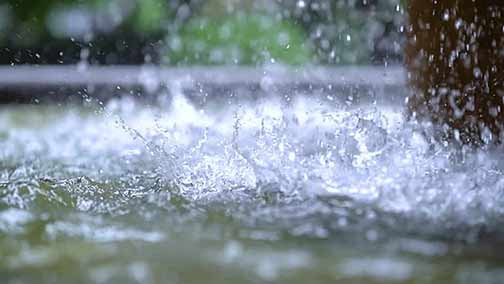
Flooding is a reality for homeowners across Chicagoland. Heavy rainfall, rapid snowmelt, and aging municipal infrastructure combine to create conditions where even a well-maintained home can find itself with water where it shouldn’t be — and in this market, it’s not a question of if it will rain hard enough to test your drainage system, but when.
Residential flood control systems exist precisely for this reason. The right system protects your home from water damage before it happens, safeguards everything inside your basement, and gives you the kind of peace of mind that’s hard to put a price on once you’ve experienced a flood firsthand. More and more Chicagoland homeowners are making flood control a priority — and the ones who do it proactively are always glad they didn’t wait.
The Growing Need for Flood Control in Chicagoland
Chicagoland’s geography and weather patterns have always made flooding a fact of life for homeowners across Cook and DuPage County. Flat terrain, heavy clay soil that resists absorption, and rainfall events that seem to be getting more intense with each passing year all put pressure on a regional stormwater infrastructure that was largely designed decades ago — and wasn’t built with today’s storm volumes in mind.
Municipal stormwater systems do what they can, but they’re engineered to manage large-scale runoff across entire neighborhoods and communities. They are not designed to protect your basement, your foundation, or the belongings in your home when water is coming in faster than the system can handle it. That gap between what the city’s infrastructure can do and what your individual property needs is exactly where a residential flood control system makes the difference.
Understanding Residential Flood Control Systems
Residential flood control systems are designed to safeguard homes and properties from water damage caused by flooding. These systems employ a range of techniques and technologies to divert excess water away from residential areas.
One popular type of flood control system is the installation of a flood control valve. These valves are typically installed in the main sewer line entering the property and automatically close off the flow of water when it reaches a certain level. By preventing water from entering the home through sewer connections, these valves can effectively prevent basement flooding.
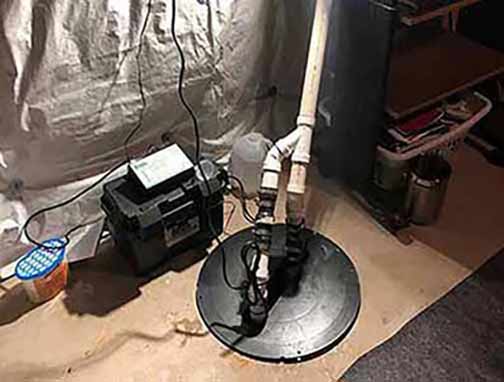
Another commonly used flood control system is the installation of a sump pump. Sump pumps are installed in basements and crawl spaces to remove excess water that accumulates during storms or heavy rainfall. When water levels rise, the sump pump activates and pumps the water out of the house, safely redirecting it away from the property.
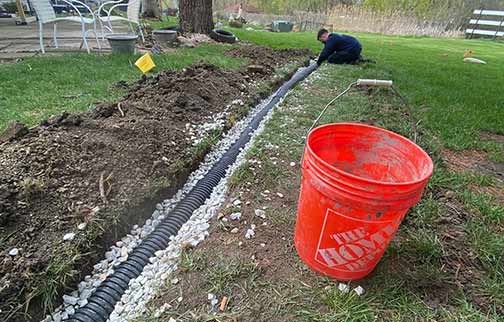
Additionally, some homeowners invest in landscaping modifications that promote proper drainage. These modifications may include the installation of French drains, permeable paving, or rain gardens, all of which help collect and redirect water away from the home.
The Benefits of Residential Flood Control Systems
By investing in residential flood control systems, homeowners in Chicagoland can enjoy numerous benefits:
- Protection from Water Damage: The primary benefit of flood control systems is the protection they provide against water damage. Basement flooding can lead to extensive damage to walls, flooring, furniture, and electrical systems. Flood control systems help prevent this damage, saving homeowners from the costly and time-consuming process of water damage restoration.
- Protection of Valuable Possessions: Many homeowners store valuable possessions such as family heirlooms, important documents, and electronics in their basements. A flood control system ensures that these possessions remain safe and dry, even during heavy rainfall or flooding events.
- Peace of Mind: Living in an area prone to flooding can be stressful. By installing a flood control system, homeowners gain peace of mind knowing that their homes are protected, even during severe weather events.
- Increased Property Value: Properties equipped with flood control systems are highly sought after in flood-prone areas. Installing such a system can significantly increase the resale value of a home, making it a worthwhile investment for homeowners.
- Environmentally Friendly Options: Some flood control systems, such as rain gardens and permeable paving, offer environmentally friendly solutions by allowing rainwater to be absorbed into the ground rather than adding to the burden of municipal drainage systems.
Choosing the Right Flood Control System
When selecting a flood control system for their homes, homeowners in Chicagoland should consider several factors:
- Property Assessment: Conducting a thorough assessment of the property is crucial to determine the most effective flood control system. Factors to consider include the property’s elevation, proximity to water sources, and existing drainage infrastructure.
- Budget: Different flood control systems vary in cost, so homeowners should set a realistic budget before making a decision. It’s important to strike a balance between the level of protection required and the available budget.
- Expert Advice: Seeking the guidance of professionals in flood control system installation is highly recommended. These experts can assess the property and provide tailored recommendations based on the specific needs and circumstances of the homeowner.
- Quality and Reliability: When investing in a flood control system, homeowners should prioritize quality and reliability. Choosing reputable suppliers and experienced contractors ensures that the system will effectively protect the property for years to come.
The Role of Government and Community Initiatives
Flood control in Chicagoland isn’t something any single homeowner has to navigate alone. Local municipalities, the Metropolitan Water Reclamation District of Greater Chicago, and various community organizations have all taken steps to support residents in protecting their properties from flood damage.
Several municipalities in Cook and DuPage County offer financial incentives, rebates, or grant programs to help offset the cost of installing residential flood control systems — making what can be a significant investment more accessible for a wider range of homeowners. Availability and eligibility vary by municipality, so it’s worth checking with your local village hall or city office to find out what programs are currently available in your area.
At the community level, neighborhood associations and local organizations throughout Chicagoland regularly provide resources and information to help residents understand their flood risk and their options. If you haven’t looked into what’s available in your community, it’s a conversation worth having — the programs that exist are there specifically to help homeowners like you take action before the next heavy rain event puts your property to the test.
In Conclusion
Flooding in Chicagoland isn’t a risk that’s going away — if anything the pressure on aging infrastructure and the intensity of storm events makes preparation more important now than it’s ever been. A residential flood control system is one of the most practical investments a Chicagoland homeowner can make, protecting your property, your possessions, and your basement from the kind of water damage that is far more expensive and disruptive to deal with after the fact than to prevent in the first place.
If you’re ready to explore your flood control options or you’re not sure where to start, Suburban Plumbing Experts is here to help. We install and service flood control systems throughout Cook and DuPage County and can walk you through the right solution for your home’s specific needs. Call us today at 708-801-6530 and let’s make sure your home is ready for whatever Chicagoland weather throws at it.