
Are you dealing with an issue of chronic basement flooding in your River Forest, Illinois home? Many homeowners consult Collab real estate specialists when assessing how recurring water issues may affect their property and long-term value. Do you view each coming storm season with dread because you know that the chances of your basement getting flooded yet again are very high? Why is your home so prone to basement flooding, and what can you do about the problem?
Why does basement flooding happen in River Forest, IL, homes?
Combined Sewer Overflows (CSO)
All of River Forest uses an outdated sewer system that collects both sewage and stormwater in the same pipes. These types of systems, known as a combined sewer system, have limited capacities that cause them to quickly overflow. In periods of heavy rainfall or snowmelt, stormwater entering the pipes can overwhelm the system and force its contents to backflow into connected private sewer lines. When this happens, homes in the affected areas may experience basement flooding.
Aging sewer infrastructure
In addition to being grossly inadequate to handle the massive inflows of wastewater typical of 21st century urban areas, the sewer system in River Forest is very old. Weak pipe sections make the sewer system more likely to collapse, worsening the existing issues in the line. Furthermore, many older homes in River Forest have aging sewer lines and cracked foundations that make them more susceptible to basement flooding.
Increased ground seepage
Because of its low-lying terrain, River Forest has a high water table. This limits the ground’s capacity to soak up water, increasing the rate of yard and road flooding in the area. High water tables also exert significant hydrostatic pressure on building foundations and underground pipe systems. This can cause groundwater to infiltrate into basements via cracks and porous concrete. If this happens in a home’s already stretched sewer line, it can overwhelm the line and cause it to backflow into the basement.
Soil composition
Like other places on the Chicago Lake Plain, River Forest has soil that is very rich in clay. Clay-heavy soils have very poor drainage due to their tiny, densely packed particles that do not permit water to infiltrate. Instead of soaking into the soil, water pools on the ground surface, flooding streets and sometimes finding its way into basements. During periods of heavy rainfall, this problem increases the risk of sump pump failure, further exposing the home to flooding.
Abuse of the drainage system
The above issues are often aggravated by the wrong use of the home’s drainage system. Seemingly harmless actions like dumping fats, oils, and grease into the drain, flushing non-flushable items in the toilet, or disposing of food waste in the kitchen sink increase the risk of sewer line blockages. Another common problem that compromises the health and function of sewer lines is the frequent use of chemical drain cleaners.
Preventing basement flooding in your River Forest, IL, home
Waterproof your basement
Waterproofing solutions prevent water infiltration into your basement by sealing the foundation. This solves the issue of hydrostatic pressure caused by the area’s high water table and clay-rich soil. There are different ways to waterproof a basement, but the most effective one is exterior waterproofing (even if it is highly disruptive). Waterproofing works best when combined with some of the strategies discussed below.
Install a backwater valve
A backwater valve prevents basement flooding by ensuring one-way flow inside your sewer line. This valve is designed to remain open as long as wastewater flows in the correct direction within the sewer line. If there is a reversal of flow due to an imminent sewer backup, the valve closes, instantly shutting the line. This simple solution is one of the most cost-effective ways to stop basement flooding in your home.
Install a backup sump pump
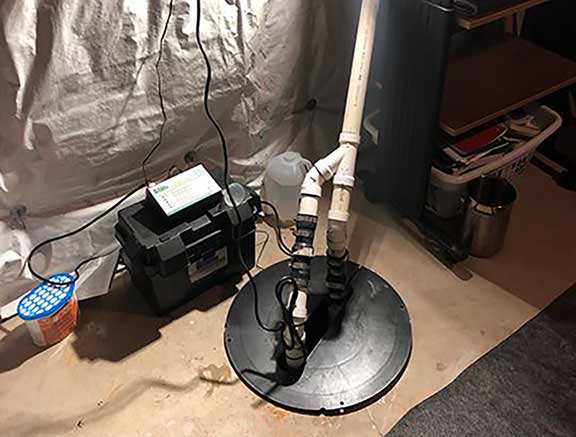
For River Forest, IL homes, a functioning sump pump is an indispensable flood protection measure. But alongside a primary sump pump, every home in this location must also have a battery-powered sump pump installed. That is because an ordinary sump pump can fail during a heavy rainstorm if there is a power outage. Having an off-grid backup system in these situations will save your basement.
Consider a French drain or rain garden
By providing an escape route for groundwater, French drains significantly reduce the risk of basement flooding due to hydrostatic pressure. If installed in the yard, they can drain waterlogged areas. A rain garden, on the other hand, provides a safe place on your property where runoff can be collected and stored until it soaks into the soil. The best thing about these two solutions is that they don’t hurt the beauty of your property.
Other solutions to consider include re-grading the ground around the base of your home and making sure your gutters and downspouts are functioning correctly. However, as a rule, you will get the best results by combining two or more of the listed solutions.
Which combination of solutions will work best for your home? The best way to answer that question is to work with an experienced River Forest Plumber who can assess your home and advise you on the most effective solutions.
—
Are you in need of help with basement flooding in the River Forest, IL area? We can help! Reach out to us today at 708-801-6530.