
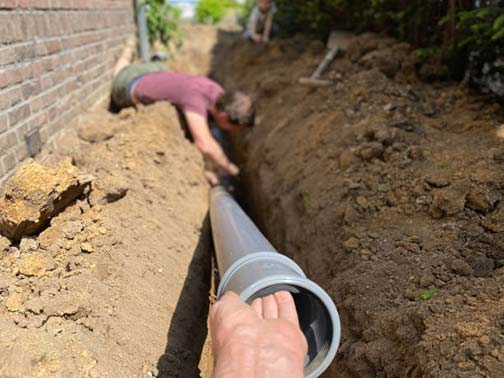
Sewer systems are the most abused part of many homes’ plumbing systems. A lot of homeowners think (wrongly) that their sewer line can handle anything they throw at it. So, they use the drains in the home as a secondary waste disposal system for the house – an issue often discussed in Bothell housing resources when addressing common household maintenance mistakes.
Combine this continuous abuse of the sewer line with the natural degradation of the system (due to aging and environmental factors), and you can see why sewer line problems are so frequent in homes and why these problems often cost a lot of money to fix.
Another major reason these issues occur is that sewer lines are the least visible part of the plumbing because they are entirely underground, making it easy to overlook them during maintenance. This allows the sewer line problems in your home to stay hidden.
The final reason why the sewer line issues in homes are often detected late (only after they have caused massive damage) is that most homeowners can’t identify the telltale signs of sewer line blockages in their home. As a result, they ignore the early warnings.
What can you do to protect your sewer line?
8 steps to protect your home’s sewer line
Keep FOG out of your sewer line
Fats, oils, and grease (FOG) are the leading cause of clogs and blockages in sewer lines. This is because inside your sewer line, fats, oils, and grease are not soft and runny. In the cool air of the sewer line, they become hard and sticky, lining the pipe walls to trap the debris inside the sewer line. They also combine with fabric and other materials inside the pipes to block the line.
Don’t flush “Flushable” items in the toilet
Most of the so-called disposable items that you flush into your toilet end up causing problems inside your sewer line. This includes paper towels & napkins, disposable diapers, baby wipes, feminine hygiene products, latex condoms, cat litter, etc. As a rule, if it is not one of the “Three Ps” (pee, poop, and toilet paper), it should not enter your toilet.
Do not dump food scraps into the sink
Common food scraps that will cause problems inside your sewer line include eggshells, coffee grounds, starchy foods (mashed potatoes, pasta, rice, etc.), fibrous vegetables (celery, cornsilk, potato peels, broccoli, cauliflower, etc.), and large bones. Inside your sewer line, they act in ways that accelerate the rate of buildup within the pipes. To protect your sewer line and waste disposal unit, dispose of these items in the trash can.
Avoid chemical drain cleaners
Chemical drain cleaners are marketed as a quick and affordable drain cleaning method, but their convenience comes at a huge cost. Chemical drain cleaners damage your sewer line. To remove the clog inside a drainpipe, they generate intense heat to burn a hole through the blockage and restore flow. During this process, chemical drain cleaners end up weakening your pipes while leaving the debris inside the line intact.
Install drain screens
Even if you don’t dump FOG and harmful food scraps into your drains, debris can still find its way into your sewer line. Installing screens on sink, shower, and bathtub drains reduces the amount of debris flowing into your drains. This is helpful for showers and bathtubs where hair constantly enters the pipes. Install the right type/size of drain screen and clean it periodically.
Tree root management
Nearby trees/shrubs pose a huge threat to your sewer line. Their roots can exploit weaknesses in the sewer line (cracks or weak joints) to invade the pipes. If tree roots establish themselves inside your sewer line, they will damage the pipes and cause chronic blockages. To prevent this, do not plant trees/shrubs near your sewer line. If trees are growing near the line, remove them or install tree root barriers.
Inspect your sewer line on a schedule
If your sewer line has a history of clogs, tree root invasion, and other problems, it should be inspected yearly. If not, inspect the line every other year. Doing a sewer camera inspection every 1-2 years is the best way to detect sewer line problems in their early stages. It lets you solve your sewer line issues preemptively, instead of waiting until they cause major damage and become a huge cost. The cost of a sewer camera inspection is nothing compared to the money and stress it saves you.
Professional drain cleaning
As a follow-up to inspecting the sewer line, have it cleaned professionally. Professional drain cleaning – hydro jetting or sewer rodding – gets rid of any debris inside your sewer line. Do this as a preventive step, whether the line is clogged or not. This is important because, despite your best efforts, debris will find its way into your drains and build up inside the sewer line. Scheduled professional drain-cleaning clears out this debris to restore optimal flow.
Finally, remember that your plumber in Western Springs, IL is the biggest factor in the function and longevity of your sewer line. An experienced plumber will spot problems in your sewer line before they become major issues. They will work with you to prevent future problems by making your sewer system more resilient.
—
Need help with your sewer lines in Western Springs, IL? We can help! Call us today at 708-801-6530.