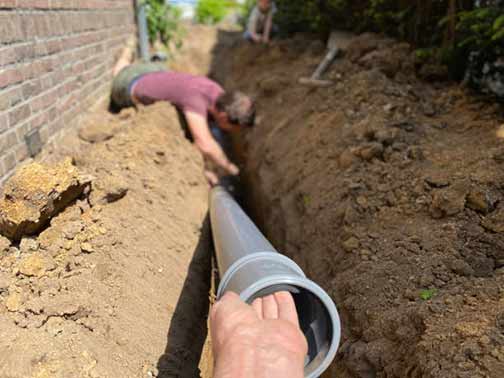
Your sewer line does some of the most important work in your entire home — quietly moving waste and water away from your property day after day without asking for much in return. Most homeowners don’t give it a second thought until something goes wrong, and by that point a clog, a backup, or a line that’s been deteriorating for years has already turned into an urgent and expensive problem.
The good news is that keeping your sewer line in good shape doesn’t require much — just a little awareness of what to avoid, what to watch for, and when to call a professional. Here are some of the most effective things you can do to protect your sewer line and avoid the kind of failures that always seem to happen at the worst possible time.
The Importance of Sewer Line Maintenance
A sewer line is an essential part of your home’s plumbing system, responsible for carrying wastewater from your property to the municipal sewer system or septic tank. Neglecting proper maintenance of your sewer line can lead to a variety of problems, including:
- Blockages: Over time, debris, grease, and other substances can accumulate inside your sewer line, causing blockages that prevent the flow of wastewater.
- Clogs: When blockages occur, they can result in clogs in your drains, toilets, and other fixtures. This can lead to inconvenient backups and water damage in your home.
- Odor and Health Issues: A damaged or poorly maintained sewer line can emit foul odors and even pose health risks due to the presence of harmful bacteria and pathogens.
- Expensive Repairs: Ignoring sewer line maintenance can lead to serious damage, requiring costly repairs or even a complete sewer line replacement.
Tips for Maintaining a Healthy Sewer Line
To avoid the headaches and expenses associated with sewer line issues, follow these helpful tips:
1. Be Mindful of What Goes Down the Drain
One of the simplest yet most effective ways to maintain a healthy sewer line is to be mindful of what you allow to go down your drains. Avoid flushing non-biodegradable items such as wipes, feminine hygiene products, diapers, or paper towels, as these can easily cause blockages. Additionally, refrain from pouring grease, oil, or chemicals down the drain, as these substances can accumulate and clog your sewer line over time.
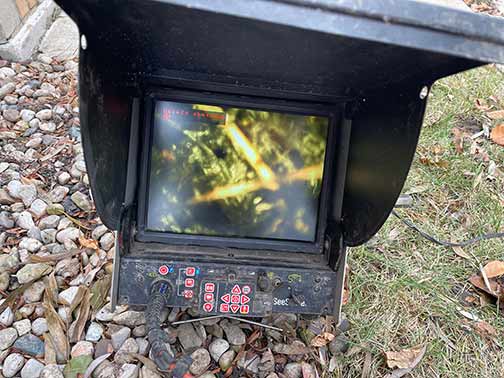
2. Schedule Regular Sewer Camera Inspections
Consider scheduling a sewer camera inspection service with a professional plumber to assess the condition of your sewer line. Through the use of specialized tools and cameras, a plumber can identify any potential issues, such as cracks, leaks, or root intrusions. Early detection of these problems can save you significant time and money in the long run.
3. Maintain Proper Tree and Plant Growth
Tree and plant roots are one of the primary causes of sewer line damage. As these roots seek moisture and nutrients, they can infiltrate your sewer line, leading to blockages and breakages. To prevent this, make sure to plant trees and shrubs away from your sewer line and use root barriers or chemical treatments to discourage root growth near your pipes.
4. Practice Water Conservation
Excessive water usage can put unnecessary strain on your sewer line, increasing the risk of backups and damages. Implement water-conserving habits such as fixing leaky faucets promptly, using efficient appliances, and avoiding excessive water usage during showers or laundry. By conserving water, you not only protect your sewer line but also contribute to environmental sustainability.
5. Educate Your Household
Empower everyone in your household to contribute to sewer line maintenance. Teach your family members to be mindful of what they dispose of in the drains and educate them about the importance of proper water usage. By fostering a sense of responsibility and awareness, you can significantly reduce the likelihood of sewer line problems.
6. Address Issues Promptly
If you notice any signs of sewer line issues, such as slow drains, foul odors, gurgling noises, or sewage backups, it is essential to address them promptly. Ignoring these symptoms can worsen the problem and result in more significant damage. Contact a professional plumber to assess the situation and perform the sewer line repairs.
7. Consider Sewer Line Cleaning
Regular sewer line cleaning can be an effective preventive maintenance measure. Professional plumbers can use high-pressure hydro jetting service or rodding machines to remove built-up debris and blockages, ensuring the smooth flow of wastewater through your pipes.
Your sewer line doesn’t ask for much — but what it does ask for is worth paying attention to. The habits and maintenance practices covered in this guide are straightforward, inexpensive, and far less disruptive than dealing with a blocked or damaged line after the fact. A little consistency goes a long way toward keeping your sewer system running efficiently and protecting your home from the kind of plumbing failures that are always more costly than they needed to be.
If you’re experiencing slow drains, recurring backups, or anything else that suggests your sewer line needs attention, don’t wait. Contact Suburban Plumbing Experts and let our licensed Chicagoland plumbers take a look before a manageable problem becomes a major one.