
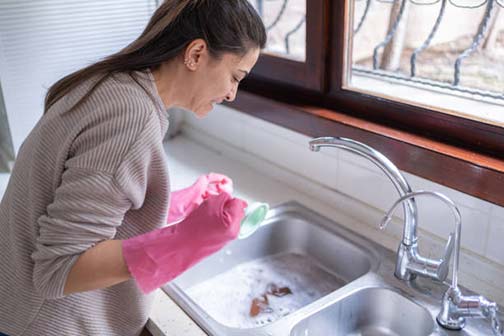
Clogged drains are one of the most common plumbing problems in Westchester, IL homes. However, because these problems occur so often, most homeowners, even Charlottesville rental experts, have come to accept them as normal and do not know that a clogged drain in their home is a problem they can avoid.
How does that work?
To understand how to prevent clogged drains in your home, first, you must know why the issue occurs in the first place. Knowing the cause of the problem is half the answer because then the solution intuitively presents itself. Why do drain clogs happen in your home?
Causes of clogged drains in your home
Broadly speaking, we can split the causes of clogged drains in your home into two categories: manmade and natural. Drain clogs either happen as a result of misuse of the drainage system by the home’s residents or from natural and therefore almost unavoidable causes.
We explain…
Manmade cause of drain clogs
- Hair and soap scum from the shower: Hair and soap scum regularly enter the shower and sink drain. Once inside your drainpipes, they can combine with debris to form dense masses that can clog the drains.
- Dumping fats, grease, and oil in the drains: Once inside the cool environment of the drainage system, fats, oils, and grease congeal and line the walls of the pipes. Over time, the hardened fat slows the flow of water and traps debris until it blocks the line.
- Flushing the wrong items: Dumping so-called flushable items such as paper towels, wipes, diapers, feminine hygiene products, cat litter, latex condoms, etc., into the toilet is a major cause of clogged drains in homes.
- Harmful food waste: Examples of food waste that should not enter the drains because they can clog the pipes include eggshells, coffee grounds, fibrous veggies, starchy foods (cooked rice, mashed potatoes, etc.), and lots more.
- Chemical drain cleaners: Not only do chemical drain cleaners fail to remove the debris inside your pipes, but they also weaken your drainage pipes, making them susceptible to permanent damage.
Natural causes of drain clogs
- Tree roots: Nearby trees and shrubs can cause drains to clog if their roots penetrate the pipes. Tree roots are typically only able to do this when there are existing leaks and weak joints in the line that they can exploit.
- Mineral buildup: Mineral deposits (limescale) from hard water can narrow pipe channels and slow the flow of water, thereby increasing the rate of buildup within the line and indirectly contributing to drain clogs.
- Aging: Older pipes are more likely to clog because of their higher rate of corrosion (which means more debris inside the pipes) as well as the higher likelihood of misaligned joints and low spots in the drainage system.
- Soil shifts: House settling, earthquakes, erosion, flooding, and other similar factors may alter the soil structure and cause a change in the slope of your drainage pipe, making it more likely to experience clogs.
How to prevent drain clogs in your home
Install drain strainers
Installing the right kind of strainers on sink, shower, and bathtub drains will prevent hairs, soap scum, food scraps, and other debris from entering the drains. To maintain the effectiveness of these strainers, clean them often.
Flush only water and toilet paper
The only things that should enter your toilets are human waste, toilet paper, and water. If possible, use single-ply toilet paper. Also, keep a toilet plunger handy for any time your toilet shows signs of being slow.
Dispose of grease properly
Never dispose of fats, oils, and grease in your drains. Instead, pour them into a sealed container and dump them in the trash bin. Before putting dishes in the dishwasher or sink, scrape leftovers into the trash can.
Install a water softener
To prevent hard water from destroying your plumbing and drainage system, install a water softener in your home. If you already have a water softener installed, maintain it regularly.
Remove trees or install a tree root barrier
To stop tree root intrusion, you have two options. You can take the extreme route of cutting down the trees, or install tree root barriers between the trees and your drain line. The second option may require more maintenance, but it allows you to keep your trees.
Regular inspections
Even with the above measures, you cannot completely stop the buildup of debris inside your drainage pipes. You will only be able to minimize the rate of buildup. This is why you should have your drainage pipes and sewer line inspected every 1-2 years using a video camera inspection.
Yearly professional drain-cleaning
As a follow-up to inspecting the drainage pipes and sewer line, you should have the system cleaned professionally by hydro jetting the line or sewer rodding. These professional drain cleaning methods are the best ways to clear debris inside your drainage system.
Lastly, you need a trustworthy and experienced plumber. A reliable Westchester, IL plumber familiar with the drainage problems common to homes in this area can work with you to identify weaknesses in your drainpipes and fortify the system to make it more resilient.
—
Need some assistance with professional drain cleaning in Westchester, IL? Our team can help! Give us a call today at 708-801-6530!