Many Chicagoans prefer to live in the suburbs, well away from the city limits, as well as the packed streets and frenzied lifestyle of the urban centers. That’s because in the suburban communities of the greater Chicago metropolitan area, life is radically different – much like how rental agencies cater to residents seeking a calmer, more balanced living environment.
The homes here are bigger than city houses and built on larger lots. Most have front and back yards, and neighborhoods are quiet with very low population densities. In this part of Chicago, many homes actually have garages and driveways, unlike in the city.
However, even in these quiet homes in suburban Chicago, many of the same drainage problems that plague city homes are still found in places like Naperville, Evanston, or Oak Park. Being in the suburbs does not spare homeowners from these plumbing issues.
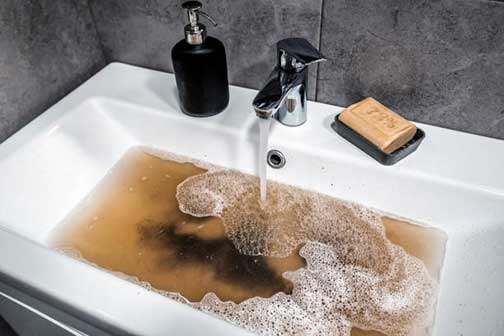
For example, most homeowners in these communities find themselves constantly dealing with drains that clog for no apparent reason. But why do the drains in your suburban Chicago home clog so often? There are many varied and interconnected reasons.
Why do the drains in your suburban Chicago home clog frequently?
Aging sewer systems
Aging infrastructure is a major problem that affects both private and public sewer lines in Chicago. Most homes in areas like Naperville, Oak Park, and Evanston, which were built in the 1970s and early-mid 1900s, still have clay or cast-iron drainage pipes. These materials corrode easily, and after years of use, sections of the line would have collapsed slightly, leading to frequent drain clogs in the home.
Tree root invasion
The typical home in the suburbs is heavily landscaped with mature trees. These trees or shrubs, especially if they have aggressive root systems, are always seeking easily accessible sources of moisture and nutrients. Nearby sewer lines, if they are aged and fragile, become a prime target for plant roots. This makes tree root intrusion a leading cause of drain clogs in suburban Chicago homes.
Long distance from the main sewer
Due to the larger size of the lots on which these homes are built, most suburban homes sit farther away from the public sewer line. This long run has severe implications for how the home’s drainage system works. Longer drain runs mean that wastewater moves slowly, with more opportunities for debris to build up inside the pipes and a higher risk that sections of the drainage line will sag. All these factors contribute to the recurrence of drain clogs in the home.
Settling soil and poor drainage slope
Chicago soil has a very high clay content, which makes it prone to retaining water for an extended period, resulting in the ground becoming waterlogged and shifting. Chicago’s extreme weather also plays a role in this. The impact of shifting soil and harsh weather on drainage lines is that the pipes lose their proper slope, leading to a higher risk of clogs and other drainage issues.
Wrong use of the drainage system
The above problems are often worsened by how the occupants of the home use the drainage system. Common habits that can predispose the home’s drains to clogs and blockages include: dumping fats, oils, and grease in the sink, flushing things other than human waste and toilet paper in the toilet, and disposing of starchy or stringy food waste in the sink, among others.
Preventing drain clogs in your suburban Chicago home
Homeowners often assume that their plumbing only needs attention when there are visible problems in the system. But even when there are no apparent drainage issues in your home, the seeds of future problems may be taking root slowly. The only way to stop these budding issues from becoming major emergencies in the future is through preventive maintenance.
Preventive drainage maintenance is a proactive strategy that is based on early detection of problems in the plumbing network. It relies on the following practical steps:
Periodic inspections
Annual or biennial inspection of the drainage system by a licensed plumber helps uncover problems in their early stages. These inspections should be methodical and comprehensive (covering every aspect of the system), and all detected problems should be dealt with at once. At least once every two years, a sewer camera inspection should be done to assess the condition of your drainage pipes.
Scheduled professional drain cleaning
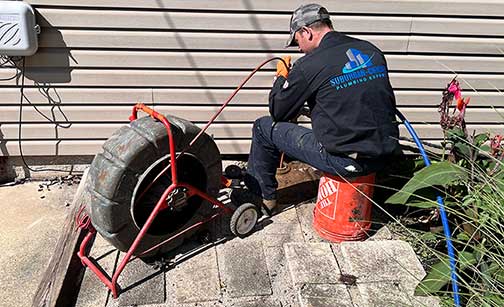
This serves as a reset mechanism to remove the debris that constantly builds up inside the drainage pipes and return the system to optimal flow. Instead of waiting for your drains to clog before cleaning them, scheduled drain cleaning prevents clogs altogether. The recommended drain cleaning methods for suburban Chicago homes are traditional sewer rodding and high-power hydro jetting.
Regular plumbing upgrades
As the components of your plumbing system age and degrade, they make your drains more vulnerable to clogs. Worn-out components that are detected during regular inspections should be replaced at once. Replacing old and damaged parts helps the home’s drainage stay ahead of the various forces that impair the structural integrity and function of your plumbing.
Lastly, a licensed and experienced Chicago plumber is the most crucial element in your preventive plumbing maintenance plan, as a skilled plumber knows how to translate your maintenance goals into tangible results.
—
Need some assistance with recurring drain clogs in the Chicagoland area? Our professionals can help! Call us now at 708-801-6530.