
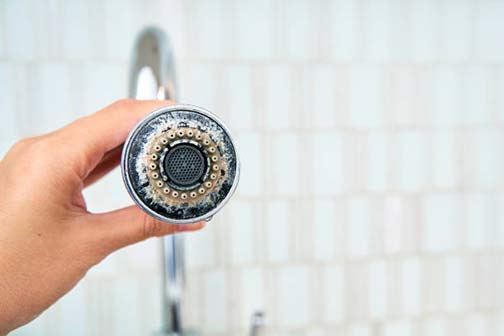
If you’ve lived in Chicago for any length of time, you’ve probably noticed something about the water. Maybe it’s the white film that builds up on your showerhead, the soap scum that never quite rinses clean, or the way your skin feels a little tight after washing your hands. These aren’t just minor annoyances—they’re telltale signs of hard water, and they’re incredibly common throughout the city.
The good news? A water softener can transform your daily experience with water, making everything from showering to doing laundry noticeably better. Let’s walk through what makes Chicago’s water the way it is, and why so many homeowners are choosing to soften it.
Understanding the Water Softening Advantage for Chicago Homes
Here’s what’s actually happening when you install a water softener: it’s swapping out the minerals that make water “hard”—primarily calcium and magnesium—for softer ones, usually sodium or potassium. The process is called ion exchange, and while it might sound technical, the concept is pretty straightforward.
Inside the softener, there’s a tank filled with tiny resin beads. As your water flows through, those hard minerals stick to the beads while sodium ions are released into the water. Eventually, the beads get saturated with minerals and need to be cleaned. That’s when the system runs a regeneration cycle, flushing the beads with salty water to wash away the accumulated minerals and reset everything for the next round.
The result? Water that’s genuinely gentler on everything it touches. Your soap lathers better, your dishes come out cleaner, and that stubborn buildup on your fixtures gradually becomes a thing of the past. For anyone dealing with Chicago’s mineral-heavy water day in and day out, understanding how this works helps you see why it might be worth considering for your own home.
Why Chicago’s Specific Water Quality Makes Softening Wise
Chicago draws its water from Lake Michigan, which is a fantastic natural resource—but it also means our water picks up minerals from the surrounding geology during treatment and distribution. Calcium, magnesium, and trace minerals make their way into the water supply, and while the city’s treatment process is reliable and safe, it doesn’t remove these hardness minerals.
This isn’t just about aesthetics, either. Hard water affects real things in your home. That soap scum in your shower? It’s a chemical reaction between soap and minerals. Your towels and clothes feeling stiff after washing? Hard water interferes with how detergents work. The scale building up in your coffee maker or around your faucet aerators? That’s mineral deposits accumulating over time.
For families with kids, homes with older appliances, or anyone who uses a lot of hot water, these effects add up quickly. A water softener addresses the root cause by lowering the mineral concentration before it reaches your fixtures and appliances. The benefits show up in cleaner surfaces, softer fabrics, and appliances that last longer. In a city like Chicago, where hard water is simply part of the landscape, softening your water becomes less about luxury and more about practical, everyday comfort.
Daily Life Benefits: Cleaning, Laundry, and Personal Comfort
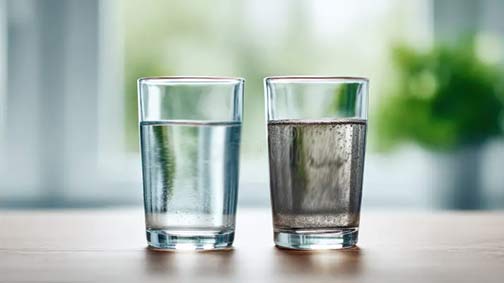
Once you have soft water flowing through your home, you’ll notice the difference almost immediately—starting with something as simple as washing your hands. Soap lathers up more easily and rinses away completely, without that slippery-but-somehow-still-filmy feeling hard water leaves behind.
In the kitchen, dishes actually sparkle when they come out of the dishwasher. No more water spots on glasses or that cloudy residue that requires extra polishing. You’ll use less dish soap and still get better results, which means your bottles last longer and you’re making fewer trips to the store.
The bathroom experience improves, too. Showers feel different with soft water—your hair rinses cleaner, your skin feels smoother, and you’re not constantly scrubbing soap scum off the walls and doors. For families where everyone’s rushing through morning routines, these small improvements make a real difference in how the day starts.
And then there’s laundry. Soft water is genuinely kinder to your clothes. Fabrics stay softer, colors stay brighter, and you can often use less detergent while still getting everything clean. Your washing machine works more efficiently, and your favorite shirts and sheets last longer before showing wear.
It’s the kind of thing where, once you experience it, you wonder how you managed before. The cumulative effect of all these small improvements is a home that feels cleaner with less effort—and who wouldn’t want that?
Appliance Longevity and Reduced Maintenance Costs
Here’s where the financial case for a water softener really starts to make sense: hard water is tough on appliances. Every time you heat hard water, minerals precipitate out and form scale—that crusty, whitish buildup you’ve probably seen inside a kettle or at the bottom of a water heater.
Scale acts like insulation, forcing your water heater to work harder and use more energy to heat the same amount of water. It clogs valves, narrows pipes, and shortens the lifespan of dishwashers, washing machines, and any appliance that uses water. In a Chicago home with a water heater, dishwasher, washing machine, and maybe an ice maker or coffee machine, you’re looking at a lot of vulnerable equipment.
Softened water dramatically reduces this mineral buildup. Your water heater runs more efficiently, your dishwasher doesn’t get clogged with lime deposits, and your washing machine hoses stay clear. Over the years, this translates into lower energy bills, fewer service calls, and appliances that last well beyond their expected lifespan.
If you’re planning to stay in your home for a while, investing in a water softener can save you thousands in premature appliance replacements and repairs. It’s one of those home improvements that quietly pays for itself over time while making daily life more pleasant in the process.
Cost Considerations: Initial Investment, Operating Costs, and Long-Term Savings
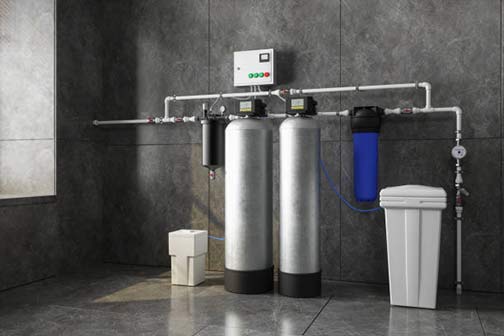
Let’s talk numbers, because a water softener is an investment, and you deserve to know what you’re getting into. Upfront costs vary based on the system type, capacity, and installation complexity. Traditional ion-exchange systems—the most common and effective type—require salt for regeneration, which is an ongoing expense. You’ll also want to budget for occasional maintenance, though modern systems are pretty low-maintenance compared to older models.
That said, the savings start adding up right away. You’ll use less soap, shampoo, dish detergent, and laundry detergent—sometimes as much as 50% less. Your water heater will run more efficiently, lowering your energy bills. And as we just discussed, your appliances will last longer, saving you replacement costs down the line.
For households with high water usage or particularly hard water, the payback period can be surprisingly quick. Some families see a return on investment within just a few years when you factor in detergent savings, energy efficiency, and avoided appliance repairs.
If you’re considering making the switch, it’s worth getting a professional assessment of your home’s water hardness and usage patterns. They can help you understand what size system you need and what your real costs and savings will look like. If you’re ready to explore your options, you might want to seek out local Chicago plumbers that understand Chicago’s water conditions.
Choosing the Right System for a Chicago Home
Not all water softeners are created equal, and choosing the right one for your home depends on several factors. The first consideration is capacity—how much water does your household use daily? A family of four with multiple bathrooms will need a larger system than a single person in a condo.
In Chicago, where water hardness levels are relatively consistent but household sizes vary widely, you want a system that matches your specific needs. Too small, and it’ll regenerate constantly and struggle to keep up. Too large, and you’re wasting salt and energy on a system that’s oversized for your needs.
Working with a local water treatment professional who knows Chicago’s water profile is invaluable here. They can test your specific water hardness, evaluate your plumbing setup, and recommend a system that balances performance with cost-effectiveness. They’ll also help you understand the differences between sodium-based and potassium-based systems, which matters for households watching sodium intake.
Some homeowners also explore salt-free water conditioners as an alternative. These don’t actually remove minerals, but they alter how minerals behave in water, reducing some scaling effects. They’re not true softeners, but for certain situations, they might be a good fit.
The key is getting expert advice tailored to your home, your water, and your budget. A well-matched system will serve you reliably for years with minimal fuss.

Myth-Busting: Common Misconceptions About Water Softeners
There’s a lot of misinformation floating around about water softeners, so let’s clear up some of the most common myths.
“Softened water is full of salt and unhealthy to drink.” This one comes up a lot. The truth is, the amount of sodium added to softened water is minimal—usually less than what you’d find in a slice of bread per glass. For most people, it’s not a health concern at all. If you’re on a strict sodium-restricted diet, you can use potassium chloride instead of sodium chloride, or install a reverse osmosis system for drinking water.
“Soft water makes soap not work.” Actually, it’s the opposite. Soft water makes soap work better because there are no minerals interfering with the cleaning action. You’ll need less soap to get the same lather, which is why your skin might feel different at first—you’re finally rinsing completely clean without that mineral residue.
“Water softeners require constant maintenance.” Modern systems are pretty hands-off. Most just need you to add salt every few weeks and run a cleaning cycle once or twice a year. Many have diagnostic features that alert you when something needs attention.
“Chicago’s treated water doesn’t need softening.” While Chicago’s municipal water is safe and well-treated, it’s still hard water. Treatment removes contaminants and pathogens, but it doesn’t address hardness minerals. If you’re seeing scale buildup or dealing with soap scum, softening can make a real difference.
Understanding what’s true and what’s myth helps you make a decision based on facts rather than fears or misconceptions.
Environmental and Health Considerations: Responsible Softening
It’s fair to wonder about the environmental impact of water softeners, particularly the salt they use. Modern systems are much more efficient than older models, using only the salt necessary for regeneration and minimizing waste. If you’re environmentally conscious, look for high-efficiency models with demand-initiated regeneration—they only regenerate when needed rather than on a fixed schedule.
In Chicago, wastewater regulations are designed to handle residential water softener discharge, but it’s still worth being mindful. Using your system efficiently, maintaining it properly, and following manufacturer guidelines all contribute to responsible water softening.
From a health perspective, softened water is safe for drinking, cooking, and bathing for the vast majority of people. If you have specific health concerns or dietary restrictions around sodium, talk to your doctor or consider potassium-based softening or a dedicated drinking water system.
The environmental footprint of a water softener also includes the energy it uses and the eventual disposal of system components. Choosing a quality system, maintaining it well, and working with responsible installers all help minimize impact while maximizing the benefits.
With thoughtful choices and proper maintenance, Chicago homeowners can enjoy cleaner, softer water while being good stewards of both their home and their environment.
In Conclusion
Living with hard water doesn’t have to be your Chicago reality. Whether you’re tired of scrubbing soap scum, frustrated with stiff laundry, or worried about your appliances wearing out too soon, a water softener offers a practical solution that improves daily life in ways big and small. The key is understanding your options, choosing the right system for your home, and working with professionals who know Chicago’s water inside and out.