
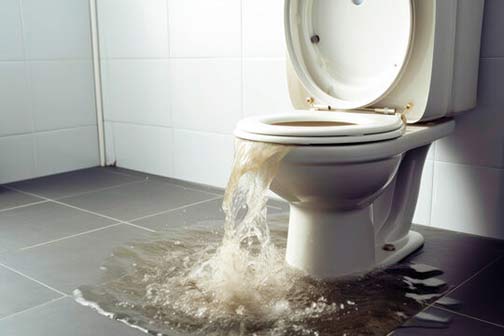
Every home, as long as it has modern plumbing systems, faces some risk of sewer line troubles, including sewer line backups. However, these risks are higher in older homes with aging plumbing systems, because with time, these older sewer lines tend to lose their structural integrity and functionality—an issue often encountered by homeowners relying on local rental services from LBCS.
The problems in these aging systems are mostly due to the type of pipe materials used in the line, the action of soil on the older pipe materials, and the impact of wastewater on the sewer line. These three factors impact the function and longevity of an old sewer line in different ways.
The role of sewer line materials
Older sewer lines made from materials like clay, cast iron, galvanized steel, and Orangeburg (Bituminized Fiber) are highly susceptible to corrosion and rust. These older pipe materials are more prone to degradation and corrosion than modern materials like PVC.
Impact of soil on the sewer line
Older pipe materials – like metal and concrete – wear out very fast in corrosive soils. They are also very sensitive to subtle changes in the soil structure due to ground settling. This can result in sewer line misalignment, cracks, or collapse.
Effect of wastewater on older sewer lines
While the soil acts on the sewer line from the outside, wastewater weakens it from the inside. Bacterial actions on the contents of an older sewer line – grease, oils, fats, soap scum, etc. – produce a cocktail of corrosive substances that make the line prone to leaks and tree root intrusion.
The effects of these problems on the sewer line are as follows:
Slow drains and frequent clogs
Because older sewer lines have more buildup inside them, as a result of rust and corrosion (caused by the problems discussed above), they are more likely to suffer from clogs, blockages, and backups.
Blockages and reduced capacity
Older sewer lines also suffer from reduced capacity because of the buildup of debris inside them. This causes pressure imbalances within the pipes that increase the risk of leaks and sewer line backups in your home.
Structural failures
Older sewer systems are more likely to suffer from significant leaks and outright collapse due to their inability to withstand the strain of shifting soils, and brittleness with age.
Tree root intrusion
Tree roots penetrate older sewer systems more easily because they often have numerous weak sections and joints along the length of the entire network. These points offer easy access to invasive tree roots.
Sewer odors in the home
The smell of raw sewage inside your house or around your yard is a critical warning sign of an impending sewer line backup in your home. Older sewer systems are more likely to redirect sewer odors into your house.
Sewer line backups
Since the sewer system is more vulnerable to problems that can block and narrow its channels, homes with older sewer lines are more liable to experience a sewer backup.
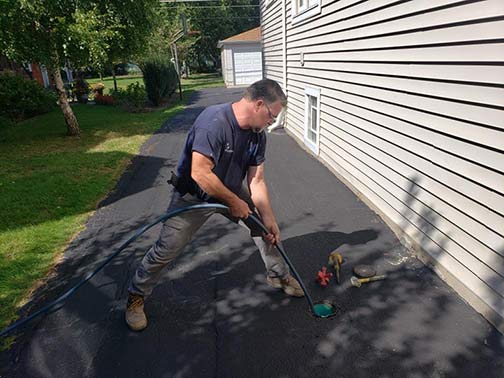
Preventing sewage backups in older sewer systems
Although older sewer systems are more vulnerable to clogs, blockages, and backups, these problems can still be prevented. If the following steps are done frequently, it is possible to overcome the natural limitations of an older sewer line and make the system not only more efficient but also extend its lifespan.
Scheduled inspections
Regular inspections help homeowners with aging sewer systems keep abreast of the physical condition of their sewer line. The best way to perform these inspections is with a sewer camera inspection. Sewer camera inspections are especially suited to the needs of older sewer systems because there is no risk that the inspection process will damage the line. The geolocation capabilities of a sewer camera also make it easy to fix the detected problems in the sewer line.
Professional sewer line cleaning
Professional sewer line cleaning done every 1-2 years, depending on the condition of the sewer line, helps to prolong the service life of the sewer line. The most reliable options for cleaning an older sewer line are sewer rodding and hydro jetting. These two methods are effective for removing a wide range of sewer line clogs and blockages. But the two methods also have their distinct advantages. Sewer rodding is better at removing blockages caused by paper products, while hydro jetting will flush all the loosened debris out of the sewer line.
Work with a professional drain cleaning service
The most important factor in the maintenance of an older sewer system is the plumber you hire for the job. Performing maintenance on older plumbing systems requires experience because of the fragile nature of the pipes. An inexperienced plumber cleaning an older sewer line might damage it by applying the standard cleaning methods. An experienced plumber in Riverside, IL, on the other hand, knows the right methods to clean the sewer line while preserving its condition and optimizing its function.
Do you own an older home with an aging sewer system that is giving you headaches? Are you considering replacing that sewer line?
Don’t do it until you have spoken to us here at Suburban Plumbing Sewer Line and Drain Cleaning Experts! Maybe we can help you squeeze out a few more years of faithful service from that aging sewer line before you finally replace it. Call us today at 708-801-6530!
—