Finding out your sewer line needs to be replaced ranks among the most unwelcome news a homeowner can receive — and for good reason. The costs involved are significant on multiple fronts. There’s the expense of labor and materials for the line itself, and then there’s the landscaping damage that comes with digging up your yard, which can add considerably to the final bill.
Beyond the financial hit, a full sewer line replacement comes with serious disruption to daily life. The process of excavating old pipes, installing new ones, and restoring your lawn can stretch on for weeks — and throughout that entire period, your home’s plumbing is essentially out of commission. For many families, that means temporarily relocating, adding yet another layer of stress and expense to an already difficult situation.
The potential cost of replacing a broken sewer line
How much you spend to replace a damaged sewer line depends on several factors. The most important ones are; the sewer line location, sewer line material, sewer line length, cause of the sewer line damage, and replacement method used.
On average, to replace a damaged sewer line, you should expect the following costs:
- Sewer line replacement costs, depending on the method used: $3,000 – $30,000 (or higher).
- Restoring landscaping that was damaged or removed: $500 – $5,000 (or higher).
- Driveway and sidewalk replacement or repair costs: $1,500 – $10,000 (or higher).
- Cost of temporary housing during the repair period: $100 – $200 per night.
That sums up to between $5,100+ and $50,000+. This wide disparity in the project’s potential cost is due to the type of sewer line replacement method used. There are two common methods for replacing a damaged sewer line; open-top excavation and trenchless repair.
Open-Top Excavation: The Traditional Approach
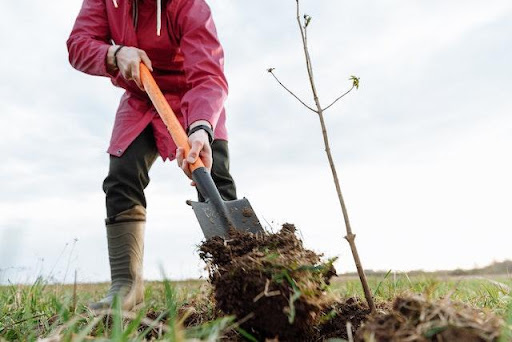
Open-top excavation, commonly known as the trench method, is the traditional way sewer lines have been replaced for decades. It involves digging a large trench along the length of the sewer line to manually remove the old pipes and install new ones. Because of the extensive digging required, the labor involved, and the cost of restoring whatever landscaping gets torn up in the process, it’s by far the most expensive and disruptive option available.
That said, there are situations where open-top excavation is the only viable path forward. If a sewer line needs to be significantly upsized, if the existing line can’t accommodate a trenchless pull-through, if nearby utility lines require extra caution during the work, or if the design of the sewer system simply doesn’t lend itself to trenchless methods — in any of these cases, traditional excavation and repair of the sewer line may be the necessary call. It’s not the preferred option, but sometimes it’s the right one.
Trenchless Sewer Line Repair: A Smarter Alternative
Trenchless sewer line repair has become the preferred option for most homeowners — and it’s easy to see why. By eliminating the need for extensive digging, it cuts the cost of sewer line replacement down dramatically compared to the traditional trench method. The process is faster, less disruptive, and far easier on your property from start to finish.
Rather than tearing up your lawn, driveway, or sidewalk, a trenchless repair specialist only needs to create two small access points in your yard to get the job done. From there, the damaged line can be repaired or replaced without the collateral damage that typically comes with traditional excavation. Your landscaping stays largely intact, the timeline is shorter, and your family can get back to normal much sooner.
How does trenchless sewer line replacement work?
It depends on the type of trenchless method you use. There are two main types of trenchless sewer line repair; pipe bursting and pipe relining. Although these are both trenchless sewer repair methods, they use very different technologies to replace a damaged sewer line.
Pipe bursting
During a pipe bursting operation, a cone-shaped steel bursting head is inserted into the damaged pipe via a manhole or cleanout. Using a pull rod or hydraulic power, this bursting head is pulled through the old pipe. The old pipe is broken apart and pushed aside as the steelhead passes through.
At the same time, a new pipe is pulled in behind the bursting head to immediately take up the space left by the old pipe. After this is completed, broken pieces of the old pipe which can be retrieved are removed and taken offsite. Pipe bursting costs $60-$200 per foot.
Pipe relining
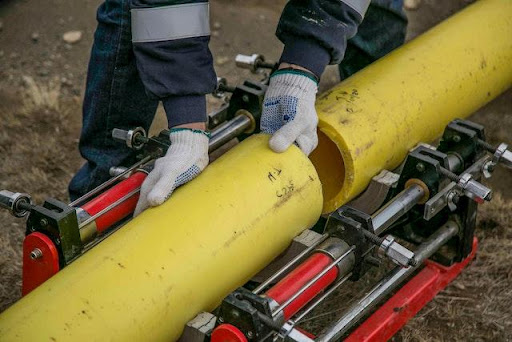
Pipe relining involves inserting a new pipe into the existing one. To do this, the old sewer line pipe is first assessed using a sewer camera and then cleaned out by hydro jetting. Afterwards, an inflatable tube is pulled into the old pipe after it has been impregnated with an epoxy mix which will form the new pipe.
This liner is pulled into place before being inflated. After inflation, it is left inside the pipe until the epoxy hardens to form a new pipe. The liner is then deflated and retracted, leaving a brand-new sewer pipe in place. Pipe relining costs between $80 and $250 per foot.
There are many advantages to using these trenchless sewer line replacement methods. With pipe relining or pipe bursting, you can save thousands of dollars by:
- Eliminating the cost of digging up entire sections of sewer lines to replace them.
- Reducing the amount of time and materials it takes to repair your damaged sewer line.
- Removing the need for restoration of damaged landscaping and other outdoor elements.
- Minimizing the risk of future sewer line damage since the pipe replacements are incredibly durable.
The Bottom Line: Don’t Let Sewer Line Problems Catch You Off Guard
Whether your situation calls for traditional excavation or a trenchless solution, one thing is certain — the sooner a damaged sewer line is addressed, the better your options and the lower your costs. Waiting on a known problem rarely makes it cheaper or easier to fix. The good news is that with today’s trenchless technology, what was once a weeks-long nightmare for homeowners can often be resolved quickly, affordably, and with minimal disruption to your property and daily life.
If you suspect your sewer line may be damaged or you simply want peace of mind, Suburban Plumbing Experts has the experience and equipment to assess the situation and walk you through the best path forward. Call 708-801-6530 today — because the right time to deal with a sewer line problem is before it deals with you.