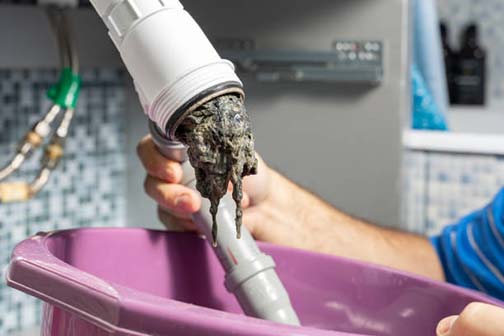
If stubborn clogs are messing up your day by preventing the smooth flow of water through your drains, what should you do? Whether you’re managing a household or exploring Maryland rental solutions, should you attempt to fix the problem yourself, or is it better to have a professional plumber handle the issue?
Both options can be the right course of action. The key is being able to distinguish between drainage problems that can be solved using DIY fixes and those that require professional know-how.
You don’t want to spend your hard-earned money hiring a plumber for problems you can handle yourself. At the same time, if an issue requires professional attention, trying to fix it yourself can complicate the issue, eventually costing you more money.
When should you call a pro and when should you DIY your home’s drainage problems?
When to use DIY drain cleaning options
DIY drain solutions are best for slow drains that have not been lingering for a long time and clogs that occur near the drain opening. Examples of drainage problems where you can use DIY fixes include:
- Slow-running drains: The drain is obstructed but not blocked completely – water still drains slowly.
- Shallow blockages: The drain is blocked, but you can spy the material or debris blocking the channel.
- Sudden clogs: The drain clogs while you are using it, maybe because an item accidentally slipped into the opening.
- Smelly drains: If the bad odors originate from the drain pipe or p-trap and not from the sewer line.
What are the best DIY drain solutions to use in your home?
- Hot water & dish soap: The combination of hot water and dish soap helps to break up grease while making pipe walls slippery enough to let debris slide through easily. Never pour boiling water into plastic pipes.
- Baking soda & vinegar: Pouring a ½ cup of baking soda followed by a ½ cup of vinegar into your drain causes a vigorous reaction that is strong enough to break up clogs. But you must let the mix sit inside the pipes for 15-60 minutes.
- Salt, borax & vinegar: The acidity of vinegar, mixed with the alkalinity of borax and the abrasiveness of salt, is an effective remedy for moderately clogged drains. You need a ¼ cup of salt, a ¼ cup of borax, and a ½ cup of vinegar.
- Plungers: Every home should have at least two plungers – a sink plunger and a toilet plunger. Plungers are one of the oldest solutions for clearing clogged drains. The reason for their longevity is their affordability, simplicity, and effectiveness.
- Drain auger or handheld drain snake: This is a flexible cable with a coiled wire at its tip. It is ideal for moderate sink, bathtub, shower, and toilet clogs. Using it is as simple as inserting the cable and cranking the handle to turn the coiled wire.
When to use professional drain cleaning options
Professional drain-cleaning solutions are the right choice for:
- Multiple clogged drains: If two or more fixtures in your home are slow or clogged at the same time, that’s a sign of serious problems inside your sewer line.
- Persistent clogs: If a clog refuses to go away, even after using various DIY solutions, you should have a professional plumber look at the problem.
- Strange noises from drains: This is a warning sign that a blocked sewer line or plumbing vent is preventing the free flow of sewer gases through your drainage system.
- Backed-up fixtures: If a toilet or shower drain is backing up, it could be the first sign of an impending sewer line backup in your home.
- Sewer gas odors: Sewer gas odors in your home are caused by major sewer line clogs or a cracked sewer line that is leaking sewage and sewer gases.
- Broken water heater: If your water heater stops working, is overheating, or making strange sounds, you should get a plumber to repair the water heater.
- Tree roots invasion: If there are tree roots inside your sewer line, you can’t get rid of them with DIY solutions; you need professional drain cleaning.
What are the best professional drain-cleaning options for your home?
Sewer rodding
This uses a flexible cable topped with a steel cutting-head and driven by a powerful motor. After insertion into the clogged drain, the motor drives the cable at high speeds, enabling the cutting-head to shear through all kinds of blockages and debris.
Hydro jetting
This uses high-pressure water, delivered deep into the pipe by a high-pressure flexible hose and stainless-steel nozzle. This hose is hooked up to a water tank and a pressurizing machine, which is used to push the water into the pipes.
Sewer camera inspection
This important step precedes professional drain cleaning. It is the most reliable method for detecting the kind of blockage inside a drainpipe or sewer line. It ensures the effectiveness of professional drain cleaning.
Lastly, the effectiveness of any professional drain cleaning method depends on the competence of the plumber using it. Make sure the Lyons, IL plumber you hire to clear your blocked drain has the experience to not only solve the current problem but also help you prevent future issues.
—
Need help with drain cleaning in Lyons, IL? We can help! Call us today at 708-801-6530.