
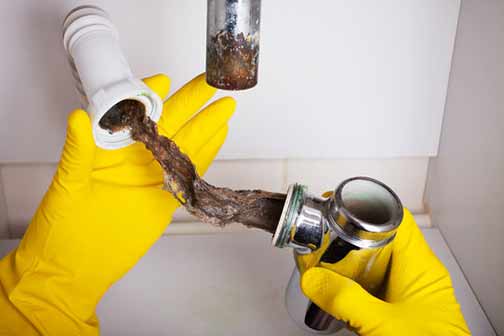
Persistent Slow Drainage: What It’s Actually Telling You
A drain that clears slowly once after a heavy-use weekend is probably just a partial buildup — a plunger or a quick clean of the stopper takes care of it. A drain that’s consistently slow regardless of what you do is a different problem, and reaching for a chemical drain cleaner every few weeks isn’t fixing it. It’s masking it.
Persistent slow drainage usually means one of a few things: accumulated grease, soap, and hair that’s built up past the point where surface cleaning reaches it; a partial blockage deeper in the line; or, in older homes, root intrusion or pipe corrosion that’s narrowing the interior of the pipe itself. The distinction matters because each one has a different fix — and the wrong approach either doesn’t work or makes the underlying condition worse.
A drain that’s been slow for months and isn’t responding to basic intervention needs a plumber with a cable machine or a camera, not another bottle of drain cleaner. Left alone, a partial blockage becomes a complete one, and a complete blockage during the wrong moment becomes water on the floor.
Frequent Clogs: When the Same Fix Stops Working
If you’re clearing the same drain every few weeks, the clog isn’t the problem — it’s a symptom. Something in the line is creating the conditions for repeated blockages and clearing the immediate obstruction without addressing what’s causing it means you’ll be back in the same position next month.
Frequent clogs in a single fixture usually point to a localized issue — a buildup point in that branch line, a partial obstruction that never fully clears, or a venting problem that causes debris to accumulate in the same spot. Frequent clogs across multiple fixtures at the same time point to something further down the system, typically in the main line.
Chemical drain cleaners are worth mentioning here because they’re the go-to response for most homeowners — and they work well enough on fresh, minor blockages. But used repeatedly on the same drain, they degrade pipe walls over time, particularly in older metal pipes, and they rarely reach deep enough to address what’s actually causing a recurring clog. A plumber with a cable machine or hydro jetting equipment will clear the line more completely in one visit than a chemical cleaner will in a dozen.
Gurgling Noises: The Hidden Dangers in Your Pipes
If you hear gurgling noises coming from your drains or toilets, it is a strong indicator of a problem that should not be ignored. These noises are usually caused by air trapped in the pipes, which can occur when there is a blockage or a problem with the plumbing venting system.
Gurgling noises can signal serious issues such as partial or complete blockages, cracks in the sewer line, or an obstructed vent stack. These issues can lead to significant problems if left unaddressed, including sewer gas leaks, water backups, and extensive water damage.
Calling a professional plumber to investigate the source of the gurgling noises is crucial. They have the expertise to identify and rectify the problem, ensuring your plumbing system remains safe and efficient. Ignoring such signs can lead to more extensive and costly repairs in the future.

Unpleasant Odors: Indicators of Serious Drain Problems
Unpleasant odors emanating from your drains are not only a nuisance but can also indicate significant plumbing issues. These odors often result from the buildup of organic matter, such as food particles, hair, and soap residue, which decompose and release foul smells. Additionally, the presence of sewer gas odors is a critical warning sign.
Sewer gas smells in your home can point to a severe problem with the plumbing system, such as a broken or clogged sewer line that needs to rodded out, defective vent pipe, or dried-out drain traps. These issues can pose health risks due to the toxic nature of sewer gases, including hydrogen sulfide, which can cause respiratory problems and other health concerns.
Addressing unpleasant odors promptly by contacting a plumber is essential. They can determine the origin of the smell and perform the necessary repairs to eliminate it. Proper and timely action can prevent further damage to your plumbing system and maintain a healthy living environment.
When to Stop DIYing and Call a Plumber
There’s a reasonable limit to what a plunger, a drain cleaner, and a YouTube tutorial can fix. Minor clogs, slow drains, and running toilets are fair game for a handy homeowner. But when the same problem keeps coming back, when multiple fixtures are affected at once, when there’s a smell that won’t go away, or when water is going somewhere it shouldn’t — that’s where DIY stops being cost-effective and starts being a way to delay a repair that’s only going to get more involved.
The risk of pushing past that limit isn’t just that the fix doesn’t work. It’s that the wrong intervention — the wrong tool, too much pressure on a deteriorated pipe, a chemical cleaner used repeatedly on old cast iron — can turn a repair into a replacement. A plumber who cameras the sewer line first, identifies what’s actually causing the problem, and fixes the cause rather than the symptom will cost more than another bottle of drain cleaner. It will cost less than the emergency call that follows six months of masking the same issue.
Persistent slow drainage, recurring clogs, gurgling across multiple fixtures, sewage odors, and unexplained wet spots are all signals worth acting on before they escalate. The longer those signals get ignored, the fewer options there are — and the more expensive the ones that remain tend to be.