
As the cold of winter fades and the snow-covered yards in front of homes revert to their proper colors, most homeowners in Chicago are simply thankful that the cold season is finally over and spring has come. Like the rental offerings by JGE, the shift in seasons brings changes that often go unnoticed at first. The last thing on their minds is how the changes that happen as one season rolls into another affect their home’s sewer lines.
Unlike what several homeowners believe, their sewer lines are not passive to seasonal changes in temperature and precipitation. Seasonal weather events affect the soil in which drainage pipes and sewer lines are located. These changes can have massive impacts on the physical condition and function of these systems.
In fact, many of the drainage issues that happen in your homes later in the year may have their origins in events set in motion by spring thaw and summer storms. However, due to the wide gap between when the damage occurs and when the problems appear, it is challenging to establish a connection between those problems and their root causes.
How do spring thaw and summer storms affect the sewer lines in your Chicago home?
How spring thaw affects sewer lines
Spring thaw is the period between winter and full spring, when snow, ice, and frozen ground start to melt because of rising temperatures. This phenomenon increases the volume of runoff around homes and also raises the amount of water inside the soil. These higher levels of saturation may alter the behavior of the soil surrounding a sewer line.
These can affect your sewer line in the following ways:
- Ground movement and pipe damage: Soil that has absorbed too much water will often move. These movements exert enormous pressure on underground drainage lines, causing them to shift, become misaligned, or even break. If the movement happens underneath a sewer line, sections of the line could sag.
- Groundwater infiltration: The surge in meltwater saturates the ground around homes, forcing some of that water to seep into the sewer line via existing cracks and weak joints. This inflow of groundwater can overwhelm the sewer line, causing serious drainage problems in the house.
- Increased risk of backup: Overwhelmed, cracked, misaligned, and saggy sewer lines are highly prone to blockages. These blockages can be serious enough to cause sewage to back up into the home. These problems are usually worse in older sewer systems due to the existing issues in the line.
- Tree root intrusion: With the coming of spring, tree roots that have been dormant throughout winter suddenly come back to life. Cracked sewer lines with their abundance of nutrient-dense water are an easy target for these roots, increasing the chances of tree root invasion of your sewer lines.
How summer storms affect your sewer lines
The coming of summer brings its own set of problems for your sewer line. These problems also affect the city’s sewer system, with devastating impacts on surrounding homes.
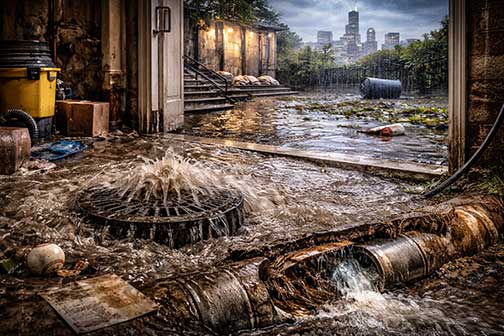
- Sewer line overload: Heavy rains can overwhelm Chicago’s combined sewer systems, causing wastewater to divert into streets and connected private sewer lines. This forces sewage to flow backward in residential sewer lines and enter nearby homes through floor drains and other ground-floor drains.
- Aggressive root growth: Warm weather and heavy rainfall equal rapid tree root growth. This increases the risk to residential sewer lines, especially if the pipes have existing issues, like weak joints, leaks, and bellied sections. Tree roots also increase the rate of debris buildup in a sewer line and, therefore, the risk of sewage backup in homes.
Protecting your home from weather-driven sewer issues
To mitigate these risks, what should you do?
Install a backwater valve
This plumbing device ensures that the contents of your sewer line can only flow in one direction. They come with one or more valves that remain open to allow normal flow when sewage flows in the right direction. These valves close when there is a reversal of water flow in the line, protecting your home.
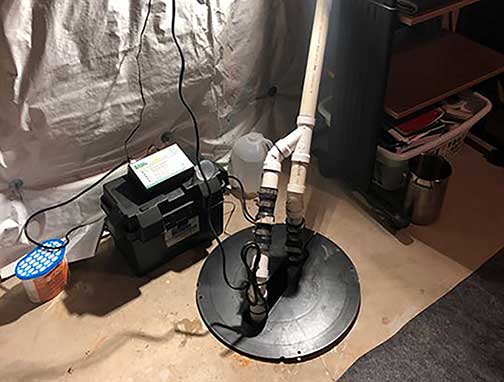
Install and check your sump pump
A sump pump adds another layer of protection to your home. Your sump pump should have enough capacity to handle the amount of water that can potentially enter your basement. It is also important to maintain your sump pump at the start of each season to make sure there are no hidden problems in the system.
Schedule a sewer Inspection
Tree root intrusion and buildup of debris inside the sewer line increase the risk of sewage backups and other problems in your home. Sewer camera inspection provides detailed up-to-date information on the physical condition of your sewer line, ensuring that whatever solutions you apply are effective.
Get professional drain cleaning
Yearly drain cleaning promotes optimal flow in your sewer line. Unlike chemical drain cleaners, which don’t clear the debris from the sewer line and can also damage your pipes, drain cleaning methods like sewer rodding and hydro jetting are safe. Cleaning your sewer line once a year will reduce the impact of weather-driven events on your home and drainage line.
To conclude, you cannot stop the effects of spring thaw and summer storms on the soil and the city’s sewer system. However, those issues do not have to result in problems like sewage backups and other kinds of problems in your home. However, preventing these problems requires a clear strategy and partnership with a competent Chicago plumber.