
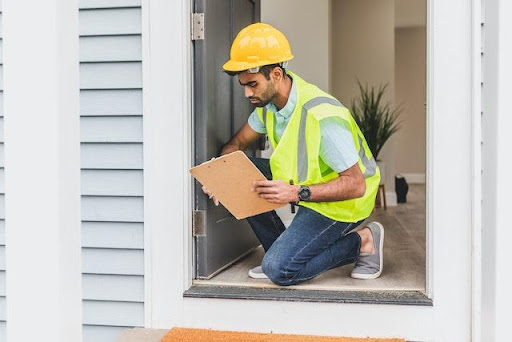
When you’re buying a home, having a professional inspector examine the property for hidden defects has become a standard part of the process. As Nest DC Property Management points out, home inspections exist so that buyers don’t have to simply take a seller’s word for the condition of a property — they give you independent, objective documentation before any money changes hands.
A home inspector is an unbiased third party who evaluates the major systems and physical features of the home. Including an inspection contingency in your purchase agreement is standard practice, and it gives you the right to walk away from a deal without penalty if something serious turns up.
But for all their value, home inspections have real limitations. They are visual in nature — the inspector doesn’t open walls, dig up yards, or probe systems that fall outside the agreed scope of the inspection. And one of the most commonly skipped areas? The sewer line. A home inspector will look at the plumbing fixtures and visible pipes inside the house, but the underground sewer line running from the home to the city main is generally not part of the inspection. So what should a buyer do?
Should You Inspect the Sewer Line Before Buying a Home?
The good news is that buyers aren’t limited to just the standard home inspection. You’re permitted to request add-on inspections for areas you want to investigate further — whether that’s because the home inspector flagged something, or simply because you want peace of mind. Most sellers won’t push back on add-on inspections unless they have a reason to.
A sewer line inspection is one of the most worthwhile add-ons you can request. Sewer problems are among the most expensive repairs a homeowner can face, and because the line runs underground, there’s no way to assess it visually from the surface.
What Is a Sewer Video Inspection?
Because sewer lines are buried, the old-fashioned way to inspect one was to dig a trench — expensive, disruptive, and something neither buyer nor seller wants to deal with during a real estate transaction. Today, a sewer camera inspection is a far better option.
During a sewer camera inspection, a plumber feeds a small, waterproof camera attached to a flexible cable into the sewer line through a cleanout or drain opening. As the camera travels through the pipe, the plumber monitors a live video feed showing the interior condition of the line in real time. This reveals cracks, root intrusion, grease buildup, collapsed sections, and any other issues lurking inside the pipe — without breaking ground.
Pros of a sewer video inspection
You get an accurate picture of what you’re buying. A sewer camera inspection removes all the guesswork. Rather than relying on the seller’s assurances or hoping the line is fine, you have direct visual evidence of its condition. That’s a significant advantage in any negotiation.
It’s completely non-invasive. There’s no excavation required, which means no torn-up landscaping, no trench to fill, and no added expense beyond the inspection itself. The cost of restoring a yard after excavation can run into the thousands, making the camera inspection a far more cost-effective first step.
Problems are pinpointed precisely. A good sewer camera inspection doesn’t just tell you that a problem exists — it gives you the exact location and depth of the issue within the line. That’s critical information if you end up needing sewer line repair or replacement after closing, since it allows the crew to excavate only where needed rather than guessing.
You have documented evidence to work with. The inspection produces a recorded video of the entire sewer line that you can use however you need. If cracks, tree root intrusion, or blockages are found, you can use the footage to negotiate a lower purchase price, request that the seller make repairs before closing, or budget accurately for the work you’ll need to do after you move in.

Cons of a sewer video inspection
There’s an added cost. Sewer camera inspections typically run between $75 and $500, with most falling around $285. It’s an out-of-pocket expense on top of your standard home inspection fee, and it comes before you’ve even closed on the property.
It can add time to the process. A straightforward inspection with no major obstructions takes about an hour. If the line has significant buildup, heavy root intrusion, or severe corrosion, it can take longer. In a competitive real estate market, any additional time in the due-diligence period can feel like a disadvantage. That said, if the inspection uncovers a serious issue — like a sewer line damaged by roots that needs hydro jetting or a collapsed section requiring full replacement — the time spent could save you from a very costly surprise after closing.
The Bottom Line: Is a Sewer Video Inspection Worth It Before Buying a Home?
Weighing the pros and cons, the answer for most buyers is yes. A sewer video inspection is one of the most affordable ways to protect yourself from one of the most expensive types of home repairs. The cost of the inspection is a fraction of what even a moderate sewer line repair would run — and that’s before factoring in the potential for basement sewer backups or emergency calls if a failing line is left undetected.
If you’re in the process of buying a home in the Chicagoland area and want a thorough sewer camera inspection before finalizing your purchase, the team at Suburban Plumbing Experts is ready to help. We’ll give you the information you need to move forward with confidence.