
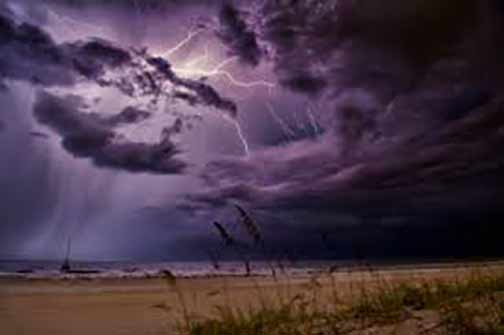
Storm season is approaching, and your plumbing system will be put to the test. Between heavy flooding and the lingering aftermath of severe weather, the strain on your home’s pipes, drains, and sewer lines can be significant — and when those systems fail, the consequences for your home and family can be serious. The question worth asking now, before the storms arrive, is simple: is your plumbing ready?
Severe weather is a reality for Illinois homeowners. You can’t control when storms hit or how intense they get, but you do have control over how prepared your home is when they do. The right precautions taken ahead of time can mean the difference between a minor inconvenience and a costly, stressful repair situation.
So how do you get your plumbing storm-ready? The strategies outlined below will walk you through practical, proven steps to build a strong defense against the kind of severe weather Illinois regularly delivers — giving you confidence that your system can hold up when it matters most.
Effective strategies to prepare your plumbing for extreme weather
Pre-storm plumbing inspection
Don’t wait until a storm is imminent before you start getting ready. Begin this process as soon as the storm season approaches. As a first step, you want to check your plumbing for leaks, corrosion, wear and tear, loose/faulty connections, and problems that can compromise the system. Pay close attention to joints, connectors, and valves. Address issues at once.
Prepare the landscape
In windy conditions and heavy rainstorms, tree branches and nearby shrubs pose a threat to outdoor plumbing fixtures. To minimize this risk, have an expert remove or trim the branches. If there are loose items in your yard that can become projectiles in strong winds- chairs, tables, or garden décor – remove them.
Secure and clean outdoor fixtures
Secure outdoor hoses and sprinkler systems. A loose garden hose can whip around in strong winds and damage your home. Anchor your gutters and downspouts to keep them fixed even in hurricane-force winds. Remember to clear debris from gutters and storm drains to prevent clogging. To stop debris from blocking your gutters, install gutter guards.
Seal openings to weatherproof the house
Seal all openings in walls, flooring, and foundation. Gaps around the entry points for pipes and electrical wires can let water into your home. To make sure strong winds don’t force water into these openings, they should be sealed with sealant or caulk. Any part of the home where there is a risk of water seepage should be sealed.
Prevent flood damage to appliances
To protect them from water damage appliances should be elevated above potential flood levels. Appliances that need this most are water heaters and HVAC systems. Moving heavy appliances is not the easiest task, but doing this step can save you from spending thousands of dollars to replace damaged appliances.
Install a backflow prevention device
The risk of backflow contamination increases with severe storms and flooding. Backflow occurs when water inside a water pipe flows in the opposite direction, often contaminating the water supply. Changes in water pressure, a common problem during storms, can cause backflow. Installing a backflow prevention device will protect your water supply from this risk.
Inspect your sump pump and add a backup
Test your sump pump to make sure it is working. Clean the sump pump, sump basin, and drainage pipe to get rid of debris that can interfere with the function of the float switch and other components. If you don’t have a battery-powered backup sump pump, this is the right time to get one. If your sump pump fails because of a power outage, the backup system will protect your home.
Inspect your sewer lines
A lot of water will enter your sewer system during heavy storms. If the line is blocked or clogged with debris, it cannot handle the excess flow. This can lead to sewer backups and toilet overflows inside your home. To avoid this problem, inspect the sewer system for cracks, leaks, clogs, and blockages. Before the storms arrive, have the sewer line cleaned professionally.
Create an emergency plumbing readiness plan
What will you do if a plumbing emergency such as a burst pipe happens in your home during severe weather? You should not only know the location of your water shut-off valve, but all members of your family should have this information and know how to use the valve. Label all the critical plumbing features in your home clearly. Keep essential tools within easy reach. This is just a tip of what should be in your emergency plumbing readiness plan.
Talk to an expert
A professional plumber will spot vulnerabilities in your system that most homeowners would never notice on their own. Beyond identifying problem areas, they can introduce you to newer technologies and proven strategies that go beyond the basics — helping you build a preparation plan tailored specifically to your home’s layout, age, and risk factors. When severe weather hits, having an experienced plumber you can call makes an already stressful situation much easier to manage.
The key is not to wait. In the days leading up to a major storm, reliable plumbers are flooded with calls and their schedules fill up fast. The time to establish that relationship is now, while there’s still time to assess, plan, and make any necessary improvements before the season gets underway.
Suburban Plumbing Experts has been serving Illinois homeowners through every storm season, and their team is ready to help you get ahead of whatever this one brings. Don’t wait until the forecast looks threatening — call 708-801-6530 today to schedule an assessment and make sure your plumbing is prepared from top to bottom.