
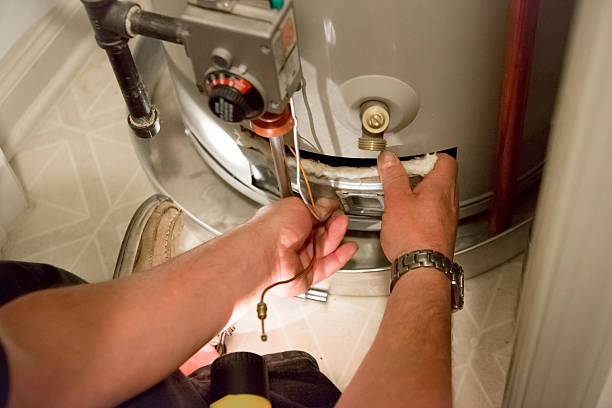
Your water heater works quietly in the background every single day — heating water for showers, dishes, laundry, and more. So when it starts making strange noises, it’s hard to ignore. Beyond the annoyance, those sounds are often your water heater’s way of signaling that something needs attention. The good news is that many of the most common causes are well understood, and catching them early can save you from a much bigger headache down the road.
Why is My Water Heater Making Strange Noises?
There are several reasons why a water heater might make strange noises. The most common ones include:
Sediment Build-Up: The Rumbling and Banging Culprit
One of the most frequent causes of water heater noise is sediment accumulation at the bottom of the tank. Over time, minerals in your water supply settle and harden on the tank floor. When the burner heats the water, that sediment gets disturbed — producing the rumbling, popping, or banging sounds many homeowners describe. A thorough tank flush as part of routine water heater maintenance can clear out built-up sediment and restore quiet, efficient operation.
Lime Scale Build-Up: The Popping and Ticking You Hear
If you live in an area with hard water, lime scale is a constant threat to your water heater’s heating elements. As mineral deposits coat the elements, they create popping or ticking noises during the heating cycle. Left unchecked, lime scale causes the elements to overheat and eventually fail — turning a maintenance issue into a full water heater repair or replacement situation.
Water Hammer: That Sudden, Jarring Bang
Water hammer is a loud banging or thudding noise that occurs when water flow inside your pipes abruptly stops or changes direction, sending a shockwave through the line. It’s more than just a nuisance — repeated water hammer can damage pipes, fittings, and connections over time. If you’re hearing this kind of noise, it’s worth having a professional take a look before it leads to something more serious like a burst pipe.
Loose Heating Element: The Rattling Sound
A rattling noise coming from your water heater often points to a heating element that has worked itself loose. As the water heats up and the tank expands, a loose element vibrates and moves — creating that distinctive rattle. If the element isn’t secured and inspected, it can sustain damage that requires replacement. This is a straightforward fix for a professional during a routine water heater service visit.
Faulty Pressure Relief Valve: The Hissing or Whistling You Shouldn’t Ignore
The pressure relief valve is a critical safety component on every water heater, designed to release excess pressure before it builds to a dangerous level. When the valve becomes faulty or starts to fail, it often produces a hissing or whistling sound. This is one noise that should never be ignored — a malfunctioning pressure relief valve can allow pressure to build unchecked inside the tank, creating a serious safety risk. If you’re hearing this, contact a professional right away.
When Should You Call a Professional?
Some water heater noises can be resolved with basic maintenance — flushing the tank, cleaning the elements, or tightening a loose component. Others point to deeper issues that require professional diagnosis and repair. As a general rule, if the noise is new, persistent, or getting louder, it’s time to call in an expert.
A qualified plumber can accurately identify what’s causing the sound and recommend the right course of action — whether that’s a targeted repair or advising you that it’s time for a water heater replacement based on the age and condition of your current unit. Trying to push an aging, struggling system further than it can go rarely ends well.
Preventive Measures That Keep Your Water Heater Quiet and Efficient
The best way to deal with water heater noise is to prevent it from developing in the first place. Here are the most effective steps you can take:
Schedule Regular Maintenance
Routine water heater maintenance — including tank flushing, element inspection, and pressure relief valve testing — goes a long way toward preventing sediment buildup and catching small issues before they escalate. It’s the single most impactful thing you can do to extend the life of your system and keep it running quietly.
Consider a Water Softener
If hard water is a persistent issue in your area, a water softener can significantly reduce mineral buildup inside your tank and on your heating elements. This helps prevent lime scale accumulation and the popping and ticking sounds that come with it — protecting your investment over the long term.
Install an Expansion Tank
Homes with high water pressure are more susceptible to water hammer and pressure-related issues. Installing an expansion tank helps absorb pressure fluctuations, reducing strain on the pressure relief valve and the tank itself. It’s a relatively simple addition that can make a real difference in how quietly and efficiently your system operates.
Replace Old or Inefficient Systems
If your water heater is aging and the noises are becoming more frequent or harder to resolve, it may be more cost-effective to invest in a new water heater installation rather than continuing to repair an increasingly unreliable unit. Modern, energy-efficient water heaters run quieter, perform better, and deliver meaningful savings on your utility bills month after month.
Don’t Let Water Heater Noise Go Unaddressed
Strange noises from your water heater are never something to tune out and hope for the best. In many cases, they’re an early warning sign of a fixable problem — and the sooner it’s addressed, the less it costs and the less disruption it causes to your household.
Suburban Plumbing Experts has the experience to diagnose water heater issues accurately and deliver lasting solutions, from routine maintenance to full system replacement. Call 708-801-6530 today and let their team take a listen — because a quiet water heater is a healthy one.