
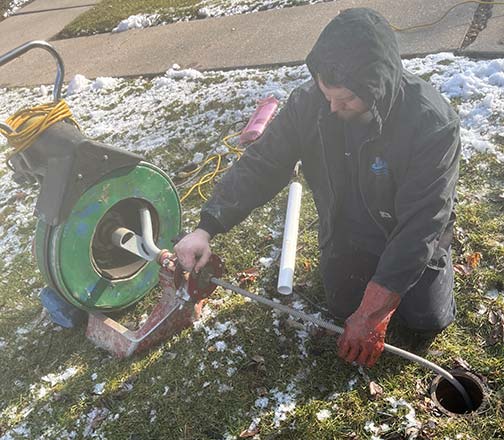
Why Orland Park Residents Should Plan for Winter Sewer Health
Winter in Orland Park presents unique challenges to home sewer systems: frozen grounds, fluctuating temperatures, and heavy snowfall that stress pipes in ways often not as noticeable in milder seasons. A well-planned winter sewer plan, devised with licensed plumbers in mind, keeps households from experiencing the frustrating disruptions freezing conditions can cause.
Here we provide specific expert advice targeted at Orland Park residents, focusing on routine maintenance, recommended inspection intervals, and practical practices aimed at minimizing clogs and backups when the mercury drops. By better understanding how your sewer system works and taking a proactive stance, families can have a warmer, safer winter without perpetual anxiety from unexpected plumbing failures.
Seasonal Overview: What makes winter sewer systems unique in Orland Park
Winter places stresses on sewer systems that are less common at other times of the year. Frost heave causes ground movement that can misalign pipes, while cold reduces water’s capacity for smooth movement through drains. When soil becomes saturated, snowmelt and rain overwhelm outdoor drainage, pushing more moisture toward interior lines. In Orland Park, many homes rely on complex networks of main sewer lines, branch lines, sump pumps, and sometimes even crawl-space pipes, which are particularly vulnerable to cold.
Recognizing these dynamics promotes early recognition of warning signs. A winter plan conducted with licensed plumbers contemplates not only interior fixtures but also exterior components like outdoor hose bibs, ornamental fountains, and yard drainage-all interacting with the main sewer system in their own ways during the winter months.
Preventative Maintenance Routines: Monthly Practices That Save Your Winter
The first line of defense against winter sewer problems is preventative maintenance. A routine that you perform with care can prevent major clogs and backups. Start by keeping a simple log of all drainage issues and any changes you notice in the flow of water from sinks, showers, and toilets. Each month, inspect accessible trap areas beneath sinks for signs of moisture that could indicate a small leak that might worsen with colder weather. Ensure that all drains are clear of hair, soap scum, and residual grease, especially in kitchen lines, where fats can start to build up over time. Check exterior areas for ice buildup around vent stacks and cleanouts, and make sure the main cleanout remains accessible.
In Orland Park, where winter is prolonged, a monthly flush with hot water and a mild dish detergent may help keep grease and soap residues from solidifying in the pipes. If a home uses a garbage disposal, run cold water through it to carry particles away, avoiding the creation of stubborn clogs in winter when temperatures slow matter down. A licensed Orland Park, IL plumber can tailor these routines to your layout, but the core idea is regular attention, early detection, and disciplined practice across the entire household.
Recommended Inspection Intervals: How Often to Check Your Sewer System in Orland Park
Regular inspections are a must, especially in a freezing climate. A base-line sewer camera inspection every three to five years helps catch tree root intrusion, misalignments, and deteriorating joints before they cause a back-up. In areas of Orland Park with older pipes or high tree density, an annual or biannual check at least for the main line and critical branches can be a prudent precaution. After weather events like heavy snowfall, rapid warm-ups followed by freeze-thaw cycles, or a flood event, schedule an inspection as soon as possible to catch shifting pipes or newly formed cracks.
By having licensed Orland Park plumbers conduct non-invasive camera surveys that reveal hidden problems and give a plan for targeted repairs, you’re ahead of issues and can maintain peace of mind through those winter months. Keep a written log of inspection dates, findings, and recommended actions for easy reference.
Best Practices to Reduce Clogs and Backups During Freezing Months
Financial and emotional costs of sewer backups are high, especially in winter when access to the problem is limited by snow and ice. The best practices begin with prevention. Use drain strainers on every sink and tub to catch hair, food particles, and other solids that can accumulate into blockages. Do not pour grease, oils, or fats down any drain; instead, set them aside in the trash where they belong. Hot water flushes along with gentle cleaners will keep kitchen pipes clear, but avoid using harsh chemical cleaners, as those can corrode pipes or harm septic systems where applicable.
In cold months, avoid running multiple appliances that draw water at the same time-like dishwashers and washing machines-to avoid pressure build-up in geographies where roots or narrow joints already restrict flow. A careful pattern of use-allowing hot water to run briefly after meals, keeping vents clear, and maintaining consistent indoor temperatures-helps prevent condensate and ice formation that can trap solids and turn a minor clog into a major problem. And when backups do occur, do not try major DIY repairs in freezing weather; call a licensed plumber who can safely diagnose and repair the problem without risking further damage to the system or personal safety.
Insulation and Heat Preservation for Pipes: Keep the Water Flowing during Cold Weather
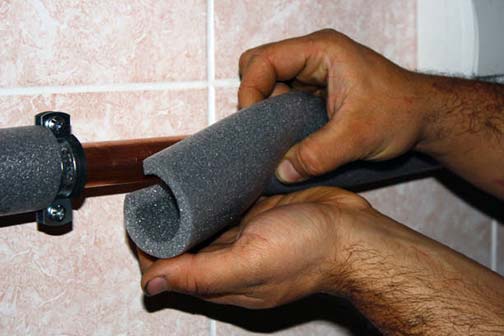
Pipe insulation remains one of the most practical and least considered ways to have a positive effect on sewer performance during winter. Exposed pipes in the basement, crawl space, or garage, along with those in outside walls, are most at risk of freezing. Wrap these pipes with foam sleeves or fiberglass to keep the water temperature from dropping too low inside the pipe. You can use heat tape or cable insulation on the pipes in unheated areas; this turns on at low temperatures.
Insulation not only protects against freezing but also helps with energy efficiency by keeping water supply temperatures warmer and putting less load on your water heater. Insulation of vents and proper ventilation also reduces the chances of condensation on cold surfaces, which leads to dampness and seal issues. A licensed plumber will be able to assess your home’s configuration to determine which pipes would most benefit from insulation and recommend the correct R-values and installation methods for Orland Park homes.
Exterior Preparations: Protecting Outdoor Faucets, Drains, and Foundation
Winter puts special stress on outdoor components. Drain and shut off outdoor hose bibs from the inside to prevent freezing in that line running outside the home. Cap or cover exterior drains, making sure appropriate backflow prevention is installed to prevent cold air from entering the interior plumbing network. Keep foundation drainage clear, removing leaves and debris from around the foundation to avoid water pooling next to the walls, which could seep into basements or crawl spaces.
Proper grading ensures water runs away from the foundation and does not have an opportunity to reach sewer access points. In Orland Park, keeping outdoor spaces free of ice and snow around clean-outs enables maintenance teams to get to these important points quickly when issues arise.
Appliance and Fixture Guidance: Safer Practices for Kitchens, Bathrooms, and Laundry Rooms
Kitchen and bathroom fixtures can contribute to winter sewer problems if misused or neglected. Grease is more likely to build up in kitchen sinks, so use strainers and wipe surfaces to avoid pushing grease into drains. Toilets and showers should be used with mindful water usage, and doing laundry falls into a similar pattern: avoid overloading the washing machine and run full loads to prevent drips and leaks that can overwhelm the sewer line with excess water.
In winter, the use of garbage disposals should be judicious; running disposals with cold water helps move debris along while reducing the likelihood of clogs caused by fats cooling and hardening in the trap. Always run water for several seconds after using a disposal and a drain downstream to ensure the entire system is flushed. A licensed plumber in Orland Park can check venting and trap arrangements to prevent smelly or slow drains and advise on potential upgrades for better winter performance.
When to Call Licensed Plumbers: Recognizing the Signs of Trouble in Orland Park
Some sewer problems need professional diagnosis and intervention. Slow drains that do not improve with routine maintenance, gurgling noises from pipes, or sewage odors in the home can indicate serious problems. Backups during freezing weather can be indicative of frozen lines or a displaced pipe that restricts flow. Soil movement, root intrusion, or cracked joints might manifest as damp basement walls or unusually damp crawl spaces.
If you observe repeat clogs in the same location, or if the issue recurs after a temporary fix, it is time to contact a licensed plumber. In Orland Park, seasonal demand for sewer services often peaks late in winter due to freeze-thaw cycles further compromising deteriorated lines. This determines the best course of action a licensed plumber will take and ensures code-compliant repairs by using camera inspection tools, pressure tests, and high-pressured hydro jet cleaning.
Local Resources, Costs, and Insurance Considerations for Orland Park Residents
Understanding the local context is important when creating a winter sewer strategy for your home. Orland Park residents should consider variables such as the age of the home, condition of the local sewer mains, and mature trees with aggressive root systems. Costs to inspect, survey, and repair vary by project scope and location, but the key to keeping seasonal expenses at bay is to plan ahead.
Some homeowners’ insurance policies may provide coverage for sewer line repairs after certain specific incidents; check with your policy and agent for inclusions. The licensed plumbers in the area will be able to provide a clear estimate based on your specific situation and help you prioritize the most impactful upgrades. They can also explain options for warranty and seasonal service packages that may be available in Orland Park.
Emergency Procedures and Backup Response: What to Do When the Winter Sewer Plan Meets a Problem
Backups are disruptive and stressful, especially in winter. If you experience a backup, first locate and shut off the water valve to prevent further damage and to stop the flow from spreading through the home. Do not attempt to plunge deep blockages yourself if you are not trained for this task, as you could cause more damage or create a more dangerous situation. Move quickly to minimize exposure to sewage and contact a licensed plumber for immediate assistance.
If water is backing up through fixtures, avoid using water in other parts of the home until professionals arrive. Keep the area well ventilated and clean up any spills safely. After the situation is resolved, the plumber can help identify the cause and propose a plan to prevent recurrence. Winter conditions require prompt, calm action and professional guidance to restore safety and normalcy as soon as possible.
Conclusion: Building a Community-Wide Winter Sewer Plan for Homes in Orland Park
Winter sewer health is not solely an individual home issue; it is a community concern. The more homes that take precautions, the less likely citywide problems will become unmanageable or local plumbers will be unable to cope with the volume of emergencies. Orland Park residents will benefit from information shared regarding best practices, seasonal maintenance schedules, and easily accessible licensed professionals.
Adopting a comprehensive Winter Sewer Plan that covers preventive maintenance, regular inspections, prudent usage practices, and clear emergency procedures will keep the community warm and flood-free, even through the harshest months. This approach assists safety, reduces cost surprises, and builds confidence for many years to come in home maintenance.
—
Need assistance with a sewer line problem in the Orland Park, IL area? We can help! Reach out today at 708-801-6530!