
If you’re planning to be away from home for a vacation, it might seem like a good idea to shut off your water heater to save a bit on energy costs. After all, no one will be using hot water while you’re gone.
However, it’s not quite that simple.
In most cases, turning off your water heater for a short trip isn’t recommended. The energy savings from a week or so away are usually minimal, and restarting the system can sometimes create unnecessary inconvenience. The main exception is a seasonal or vacation property that’s being fully winterized—where shutting down the system is part of a larger preparation process.
So why isn’t it always a good idea to turn it off, and what are some better ways to reduce energy use while you’re away? In the sections ahead, we’ll compare the pros and cons of shutting your water heater down versus leaving it running, along with smarter alternatives to save energy safely.
Benefits of turning the water heater off
Saves energy
As already stated, if you are going to be away for a week or less, the energy savings of turning off the water heater is insignificant. However, by turning off the water heater for extended periods, you may achieve some savings on gas or electricity bills.
Avoid damage to equipment
Since the water heater is left unattended the entire time, keeping it on could result in severe malfunctions. If a water heater malfunction is not spotted early, the eventual cost of fixing the unit could be considerable.
Prevent water damage
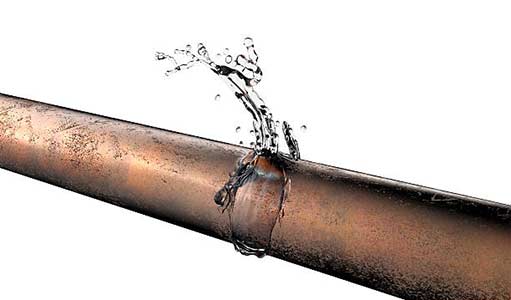
A burst tank or leaking pipe connection could cause massive damage to your home in your absence. Since no one is at home to notice the problem, the damaged water heater or pipe may continue to discharge water into your home until your return.
Why you should leave the water heater on
Prevent pipe freezing
When going on vacation, you should leave your water heater on to protect your plumbing. If you live in an area with cold winters, the water heater will protect your pipes by circulating warm water in the system. Before you hit the “off” switch, compare the cost of repairing a burst pipe to the money you save by turning off the water heater.
Prevent the growth of bacteria
The high temperature inside a water heater tank helps prevent bacteria growth. However, turning on the water heater will not immediately kill any bacteria that have grown inside the tank during your absence. For instance, Legionella bacteria do not die but only stop growing at 120°F. At 130°F – 140°F, it takes approximately six hours to thirty minutes for the bacteria to die.
Increased risk of damage
Water heaters can become fussy as they age. It is not uncommon for a water heater that was working perfectly to refuse to start after being turned off for a long time. The cost of fixing this problem will usually exceed the $ you save by turning the water heater off.
Risk of gas leaks
For gas water heaters, there is a risk of gas leaks when you turn the unit on after it has been off for a long time. Even the smallest gas leak in your home will expose you to the risk of illness due to gas inhalation. Gas leaks are also a leading cause of house fires, so it is important to understand how a gas hot water system works and ensure it is operating safely.
Do not turn your water heater off. DO THIS INSTEAD…
For tankless water heaters
Tankless water heaters present fewer problems when you go on vacation. All you have to do is deactivate any settings you have activated. For instance, if you have set a high recirculation frequency for reheating your water, you should turn it off. That is all you need to do for a tankless water heater.
For traditional water heaters
The process is more involved. You can turn your water heater to “vacation” mode, or if the unit lacks a vacation mode, you can keep it at the lowest settings possible. That will keep your water heater on while lowering its regular operating temperature (thus helping you save energy).
However, when you return from your trip, you must do this before you shower. Whether your water heater was set to vacation mode, switched off, or turned to the lowest setting, you want to set the temperature to at least 140°F and wait at least two hours before showering.
This precaution is to give the water heater enough time to reach operating temperature and kill any bacteria inside the water. Gas water heaters take around 30-45 minutes to reach operating temperature from a cold start, while electric water heaters take 60-90 minutes.
Finally, if you still have questions about handling your water heater when traveling or after returning from a trip, you should talk to a reputable plumber in your area.