
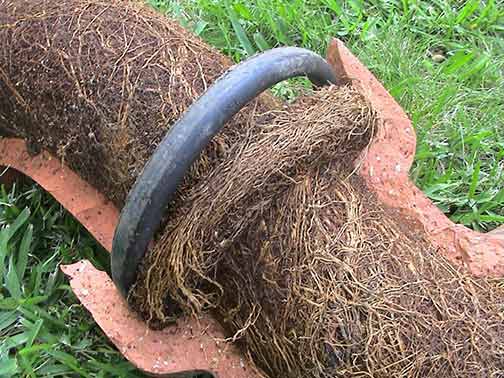
Tree root invasion is one of the most common — and most underestimated — threats to sewer lines across the country. As trees grow, their root systems constantly push outward in search of water and nutrients, and underground sewer pipes are an almost irresistible target. It’s a natural process, but one that can cause significant damage to your home’s plumbing infrastructure over time.
The consequences of unchecked root intrusion can be both serious and expensive. Once roots find their way into a sewer line, they don’t stop growing — gradually causing blockages, sewer backups, pipe corrosion, and eventually full pipe failure if the problem goes unaddressed. For homeowners surrounded by mature trees, this is a risk worth understanding and taking seriously.
This article breaks down how tree root intrusion happens, what warning signs to watch for, and what preventive and remediation options are available to limit the damage. Whether you’re dealing with an active problem or simply want to get ahead of one, knowing your options is the first step toward protecting your sewer system.
Understanding the Impact of Tree Root Intrusion
Tree roots are far more forceful than most people realize. They’re dynamic, persistent, and capable of exerting tremendous pressure as they grow — and when they encounter a sewer pipe, they don’t simply stop. Intrusion typically begins at pipe joints or existing cracks, where roots find just enough of an opening to work their way inside.
Once inside, the roots don’t stop growing. They continue to expand and press against the pipe walls, gradually causing deformation and narrowing the space through which waste can flow. Over time, these roots also act as a net — catching grease, debris, and waste that builds up around them, compounding the blockage and accelerating the problem.
When a sewer line becomes severely blocked, the results can be messy and dangerous. Sewage backups can push contaminated water into homes or out into the surrounding environment, bringing with it bacteria, viruses, and other harmful pathogens that pose real health risks. On top of that, the sustained pressure from root growth can crack or collapse sewer pipes entirely — turning what might have been a manageable maintenance issue into a major repair or full sewer line replacement.
Prevention Techniques
Prevention is always the best defense against tree root intrusion into sewer lines. Certain measures can be taken to minimize the risk and avoid invasive tree root damage:
Proper tree species selection: Select tree species with less invasive root systems, such as maple or dogwood. Never plant species with a high root invasion potential, such as willow or poplar.
Maintaining proper distances: Leave a proper distance between sewer pipes and trees during planting. Take professional advice from arborists or landscape architects and establish the right distance based on the species of tree and the pipe material.
Root barrier installation: Physical root barrier installation, such as installing a root-resistant sheeting or a certain geotextile root barrier, can be accomplished in order to create a barrier between trees and sewer pipes. These barriers prevent tree roots from growing into sewer lines and steer them towards less critical areas for pipe well-being.
Regular inspections: Have regular camera inspections of your sewer line performed through the use of modern technologies. Early root intrusion detection enables immediate remediation and also helps in avoiding massive damage.
Remediation Techniques
When tree root intrusion is detected, a combination of techniques can be used to mitigate the damage and restore the sewer lines:
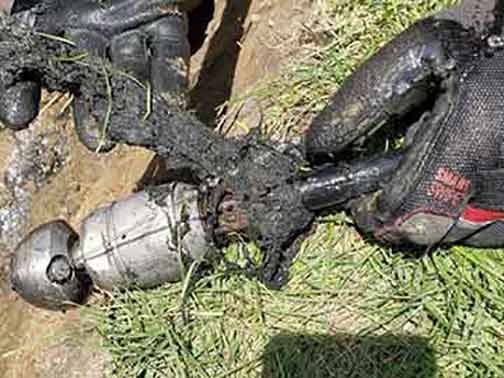
Sewer Rodding: Using specialized cutting tools, tree roots can be mechanically removed from the pipe walls. The technique known as sewer rodding helps to clear blockages and restore the flow of wastewater. However, it is a temporary solution as the roots can regrow and cause further damage.
Hydro jetting: Hydro jetting involves the use of high-pressure water to dislodge and flush out tree roots from the pipes. This technique not only removes the roots but also cleans the pipe walls, reducing the chances of new root intrusion. Regular hydro jetting of your sewer line can be an effective preventive measure as well.
Chemical treatments: Applying chemical treatments, such as foaming root killers or herbicides, can inhibit root growth and reduce the likelihood of intrusion. However, caution must be exercised when using chemicals near sewer lines to prevent damage to the environment and public health.
Pipe relining and replacement: In severe cases where the pipes are extensively damaged, relining or complete replacement may be necessary. Pipe relining involves inserting a new liner into the existing pipe, creating a seamless and root-resistant surface. Complete replacement is a more invasive but long-lasting solution.
To Sum It Up
Tree root intrusion is a serious and persistent threat to the health of your sewer system. Left unaddressed, it can lead to stubborn blockages, weakened pipes, and repair bills that escalate quickly. But it’s not an unmanageable problem — with the right preventive measures and a commitment to regular inspections, homeowners can stay well ahead of it before significant damage occurs.
When intrusion has already taken hold, a combination of remediation techniques can effectively address the damage and restore your sewer line to proper working order. The biggest mistake homeowners make is waiting too long to act — what starts as a minor root intrusion can become a much costlier problem given enough time.
Understanding how tree root intrusion works, recognizing the warning signs early, and knowing when to call a professional are the three things that make the biggest difference. If you suspect roots may be affecting your sewer line, don’t wait for a backup to confirm it. Reach out to Suburban Plumbing Experts at 708-801-6530 for an inspection and get ahead of the problem before it gets ahead of you.