
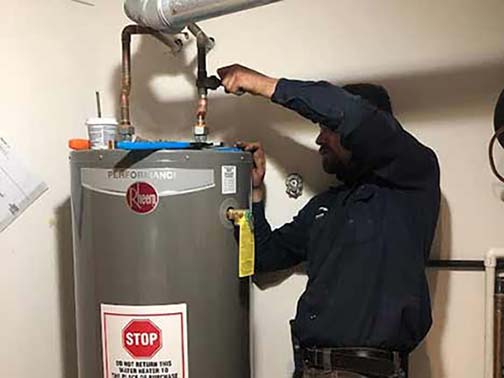
Your water heater is a silent workhorse in your Brookfield, IL home, providing hot water for showers after a day exploring Brookfield Zoo, cooking in your kitchen near 31st Street and Ogden Avenue, or relaxing in neighborhoods like Cheyenne or North Gate. But without proper maintenance, it can fail prematurely, leading to cold showers and costly replacements. As experts at Suburban Plumbing Sewer Line and Drain Cleaning Experts, we’ve seen firsthand how simple upkeep extends water heater life by years in our local community. In this guide, we’ll share proven strategies tailored to Brookfield homes, drawing from our extensive experience servicing units in areas like the historic Villa Park district and near Congress Park.
Why Water Heater Maintenance Matters in Brookfield, IL
Brookfield’s hard water, influenced by the nearby Des Plaines River and Chicago’s water supply, accelerates sediment buildup in water heaters, shortening their lifespan from the typical 8-12 years to as little as 5 without care. Homes near Brookfield Village Square shopping center or along I-294 interchange often face higher mineral deposits due to municipal water quality. Regular maintenance prevents corrosion, leaks, and inefficiency, saving you hundreds on energy bills and avoiding emergency calls during Illinois winters. Our team at Suburban Plumbing has performed thousands of inspections, identifying issues like anode rod wear early to prevent total failure.
Understanding your water heater type is key. Most Brookfield residences use tank-style gas or electric models, though tankless systems are gaining popularity in energy-conscious homes near Adlai E. Stevenson High School feeder areas. Gas units require pilot light checks, while electric ones need element inspections. By addressing these proactively, you maintain peak performance amid local conditions like fluctuating groundwater levels from nearby parks such as Triangle Park.
Essential Daily and Weekly Maintenance Habits
Start with basics anyone in Brookfield can do. Set your thermostat to 120°F, the ideal balance of safety, efficiency, and bacteria prevention. Higher settings risk scalding, especially in family homes near Brookfield Public Library, and waste energy. Check the temperature pressure relief valve weekly by lifting the lever briefly to release water—this ensures it functions, preventing pressure explosions common in older homes built during the post-WWII boom around Washington Avenue.
Monitor for leaks daily. Place a bucket under visible areas and note drips. In Brookfield’s clay-heavy soil, foundation shifts near Brookpark Plaza can stress pipes, exacerbating leaks. Wipe down the exterior to spot corrosion early. For gas models, sniff for natural gas odors weekly; if detected, evacuate and call professionals immediately, as we’ve responded to such incidents near Route 56.
Insulate exposed pipes in unheated basements or garages, crucial during Brookfield’s sub-zero January nights. Use foam sleeves available at local stores like Meijer on 31st Street. This reduces standby heat loss by up to 25%, extending element life in electric heaters.
Monthly Maintenance Tasks for Longevity
Each month, test the anode rod’s integrity indirectly by checking water quality. Cloudy or metallic-tasting hot water signals replacement time—this rod sacrifices itself to prevent tank corrosion, vital in hard water areas like south Brookfield near La Grange Road. Lower the thermostat temporarily to 110°F and run hot water to cycle fresh supply.
Circulate water by opening a hot faucet while cold runs, flushing stagnant water that breeds bacteria like Legionella. Brookfield’s water, treated at the Jardine Plant, can still harbor minerals; this practice keeps valves limber. Inspect the dip tube, which directs cold water to the bottom—cracked ones mix temperatures inefficiently, wearing out the unit faster.
Vacuum around the base to remove dust, which insulates against heat transfer in electric models. In humid Brookfield basements prone to flooding from Proviso Township storms, this prevents mold growth that damages wiring.
Quarterly Deep Dives: Hands-On Checks
Every three months, perform a visual inspection. Look for rust on the tank exterior, a precursor to internal failure. Check burner or elements for soot or scaling. For gas heaters, ensure the flue vent is clear of debris like leaves from nearby Olympic Park trees—blocked vents cause incomplete combustion, risking carbon monoxide buildup in tight Brookfield bungalows.
Test the sacrificial anode rod by shutting off power/gas, attaching a hose to the drain valve, and draining partially. If the rod is less than half-inch thick, schedule replacement. Our technicians note this single step doubles tank life in 70% of local services.
Calibrate the thermostat with a thermometer at the faucet. Discrepancies over 10°F indicate faulty controls, common after power surges from ComEd lines along Grand Avenue.
Annual Professional Flushing and Inspection
The gold standard is annual flushing, removing 1-2 inches of sediment that insulates the tank, forcing the burner to work 20-30% harder. Attach a hose to the drain valve, run to a safe drain (like your basement floor drain near Saint Louise de Marillac School), and flush until clear. Refill slowly to avoid air pockets. This is especially critical in Brookfield due to high calcium from the Des Plaines watershed.
Schedule professional water heater replacement and maintenance services yearly. Licensed plumbers detect micro-leaks, replace the anode rod (typically magnesium or aluminum), and pressure-test the system. In our experience servicing homes near Brookfield Station Metra line, this prevents 80% of premature failures.
Advanced Maintenance for Brookfield-Specific Challenges
Brookfield’s water hardness exceeds 10 grains per gallon, accelerating scale. Install a water softener if levels test high—our installs near Capitol Drive show 40% longer heater life. For tankless units popular in eco-friendly North Brookfield, descale quarterly with vinegar solutions.
During summer humidity spikes, ventilate the heater area to prevent condensation corrosion. Winterize by insulating the tank with a blanket kit, reducing heat loss in drafty garages off Burlington Avenue. Monitor for galvanic corrosion in mixed metal systems, common in renovated homes around Brookfield Meadows.
Upgrade to high-efficiency models during maintenance windows. ENERGY STAR units use 50% less energy, qualifying for ComEd rebates. We’ve retrofitted dozens near Fairview South School, yielding 15+ year lifespans.
Common Mistakes That Shorten Water Heater Life
Avoid setting temperatures above 140°F—scald risk soars, and sediment cooks faster. Never ignore unusual noises like popping; that’s boiling sediment damaging the tank. Skipping anode checks leads to ‘rust from the tap,’ a frequent Brookfield complaint.
Overloading with simultaneous high-demand uses (laundry during dinner rush) strains elements. In larger homes near Westbrook Downs, size your unit appropriately—40-50 gallons for 2-4 people.
Forget DIY fixes on gas lines; improper adjustments cause leaks. Always call pros for electrical work to avoid shocks, especially in damp basements post-rain from Thorny Gate Park.
Signs Your Water Heater Needs Immediate Attention
Discolored water signals rust; low volume indicates sediment fill. Fluctuating temperatures point to dip tube failure. Leaks at fittings require shutoff and pro service. Foul odors suggest bacterial growth, urging deliming.
In Brookfield’s variable climate, unexplained high bills mean inefficiency. Our emergency hot water troubleshooting for Brookfield homes resolves these swiftly, preventing full breakdowns.
Cost Savings from Proactive Maintenance
Annual maintenance costs $100-200 but saves $400+ yearly on energy. Flushing boosts efficiency 10-20%, anode replacement adds 5 years. Avoid $1,500 replacement bills by investing $150 upfront. Local incentives via People’s Gas rebates amplify savings for efficient upgrades.
DIY vs. Professional: When to Call Experts
DIY handles visuals and flushes, but pros manage gas, electrical, and diagnostics. In licensed-only Illinois, trust certified techs for code compliance. Suburban Plumbing’s team, with decades in Brookfield from Hollywood Avenue to Maple Avenue, ensures safety.
Frequently Asked Questions
How often should I flush my water heater in Brookfield, IL?
Flush your water heater at least once a year in Brookfield to combat hard water minerals from the local supply. Sediment buildup reduces efficiency by insulating the tank, making the burner or elements work harder and shortening lifespan. Connect a garden hose to the drain valve, direct it to a floor drain or outside, turn off power or gas, open a hot faucet, and drain until water runs clear. This removes scale that causes popping noises and corrosion. Refill slowly while purging air. In high-use homes near Brookfield Zoo with multiple showers, do it twice yearly. Professional service ensures thorough cleaning without damaging components, as we’ve done for countless locals facing Des Plaines River-influenced hardness.
What is the best thermostat setting for water heater longevity?
Set your thermostat to 120°F for optimal balance in Brookfield homes. This prevents scalding, saves 3-5% energy per 10°F drop, and inhibits Legionella bacteria growth above 140°F. Higher temps accelerate mineral deposit cooking, stressing the tank. Use a thermometer to verify faucet output matches. In gas models common along Ogden Avenue, this also protects the pilot. During Illinois winters, resist bumping it up—insulate instead. Our inspections confirm this setting extends life 2-3 years while cutting bills amid ComEd rates.
How do I check and replace the anode rod?
The anode rod, often magnesium, corrodes to protect your tank—inspect annually. Shut off utilities, attach hose to drain, lower tank halfway. Unscrew the rod at the top; if pitted over 50%, replace with aluminum-zinc for hard Brookfield water. Torque to 20 ft-lbs to avoid leaks. This simple task prevents rust-through, doubling lifespan. DIY if handy, but pros handle warranty issues. We’ve replaced thousands in local basements, noting early checks save replacement costs near $2,000.
Why does my water heater leak and how to fix it?
Leaks stem from corrosion, loose fittings, or failed T&P valve in Brookfield’s mineral-rich water. Tighten fittings first; if from tank base, it’s likely end-of-life. Shut off water, drain, replace valve or call for repiping. Regular flushing reduces pressure buildup. In clay soil areas like North Gate, foundation shifts contribute—inspect quarterly. Emergency pros prevent water damage in flood-prone garages post-storms.
Can I extend an old water heater’s life?
Yes, with diligent maintenance on 10+ year units. Flush sediment, replace anode, insulate. Monitor for rust or inefficiency. Efficiency drops 20% after 8 years, but tweaks yield 2-4 more years. Upgrade if repairs exceed $500. Local examples near 31st Street show revived units post-service, avoiding full swaps.
What’s the difference between gas and electric maintenance?
Gas needs pilot/flue checks, combustion cleaning; electric focuses on elements, wiring. Both require flushing, anode work. Gas risks CO—install detectors. Electric suits basements without venting. Brookfield codes mandate annual gas inspections. Pros handle both safely, as in our dual-type services.
How does hard water affect water heaters in Brookfield?
Brookfield’s 12-15 gpg hardness causes rapid scaling, reducing efficiency 30%, overheating tanks. Install softeners; flush often. Symptoms: lukewarm water, high bills. Pre-treated water extends life 50%. We’ve softened systems for locals near La Grange Road, halving failures.
When should I replace my water heater?
Replace at 8-12 years or sooner with leaks, rust, or 20% efficiency loss. Continuous repairs signal end. Tankless lasts 20 years. Budget $1,200-$3,000 installed. Pros assess via inspection, ensuring code compliance in Brookfield.
Is a water heater blanket worth it?
Yes, for unconditioned spaces—reduces heat loss 25-45%, saving $20-40/year. Avoid on gas if clearance issues. R-value 12+ recommended. Essential in drafty Brookfield garages during -10°F nights.
Do tankless water heaters need different maintenance?
Tankless require descaling every 6-12 months via vinegar flush due to constant flow. Check filters, vents quarterly. Last 20 years with care. Ideal for large families near Congress Park; pros service annually for optimal flow.