
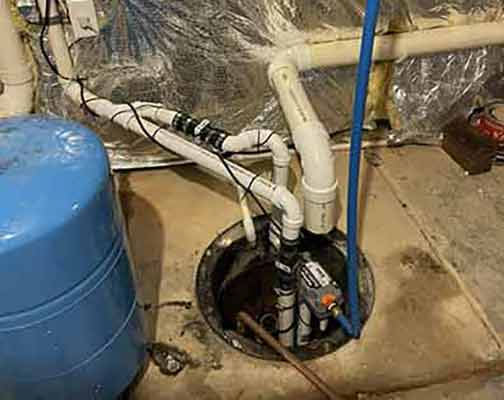
For homeowners, a sump pump isn’t a luxury — it’s a necessity. With the region’s heavy rainfall, flat terrain, and high water tables, your sump pump is often the only thing standing between a dry basement and a costly flood. But like any mechanical system, sump pumps wear out, break down, and send warning signals before they fail completely.
Here are ten signs that your sump pump needs attention — and what each one could mean.
1. Strange Noises
A healthy sump pump runs with a steady, consistent hum. If yours is suddenly grinding, rattling, clanking, or making sounds it never made before, take it seriously. Grinding often points to a damaged impeller — the component that moves water through the pump. Rattling can mean debris has gotten inside. Either way, shut the pump off and call a local plumber before the problem gets worse.
2. Rising Water Levels With No Response
Your sump pump should kick on automatically as water rises in the pit. If you’re noticing standing water in your basement or the water level in the sump pit keeps climbing without the pump activating, something has failed — either the pump itself or the float switch that triggers it. This is not a wait-and-see situation, especially during a heavy rain.
3. Constant Cycling On and Off
A sump pump that cycles on and off every few minutes — even during dry weather — almost always has a float switch problem. The float switch tells the pump when to turn on and off based on water level. If it’s stuck, incorrectly positioned, or too sensitive, the pump runs constantly and burns out far faster than it should. Left unchecked, this dramatically shortens the life of the unit.
4. Foul Odors Coming From the Pit
A musty, sewage-like, or generally foul smell coming from your sump pit is a red flag. It typically means stagnant water has been sitting long enough for mold, mildew, or bacteria to take hold — which happens when the pump isn’t removing water efficiently. Beyond being unpleasant, mold growth in a basement creates real health risks for your household.
5. Excessive Humidity in the Basement
If your basement feels damp and muggy even when the pump appears to be running, the unit may not be powerful enough for your water table or may be losing efficiency. A pump that’s undersized or wearing out can run continuously and still fail to keep up with moisture intrusion, leaving your basement feeling like a sauna and setting the stage for mold growth.
6. Excessive Vibrations During Operation
Some vibration is normal — but if your sump pump is shaking noticeably, wobbling, or vibrating more than usual, the impeller may be bent or damaged. Impellers can warp after sucking up small rocks or debris from the pit, and once bent, they throw the entire motor off balance. The longer a damaged impeller runs, the more wear it puts on the rest of the unit.
7. Visible Rust or Corrosion
Rust on the outside of a sump pump is often a sign of corrosion working its way through the casing. This can happen when the pump isn’t properly sealed, allowing moisture to reach internal components. Corroded pumps are unreliable and can fail without warning. If you see significant rust, it’s worth having a plumber assess whether repair or replacement makes more sense.
8. The Pump Is More Than 10 Years Old
The average sump pump has a lifespan of around 10 years with regular use — less if it runs frequently due to a high water table or heavy rainfall. If your pump is approaching or past that mark, it doesn’t necessarily need to be replaced today, but you should be watching it closely and planning ahead. An aging pump that continues to work correctly is worth maintaining; one that’s showing other warning signs from this list is a replacement candidate.
9. Electrical Problems
If the pump won’t turn on at all, the issue may be electrical rather than mechanical. A tripped circuit breaker, damaged power cord, or failed GFCI outlet can all prevent the pump from operating. Have a licensed electrician inspect the pump and its power supply before assuming the pump itself is the problem — sometimes the fix is simpler than you’d expect.
10. Clogs and Blockages in the Discharge Line
Water has to go somewhere after your pump moves it — through the discharge pipe and away from your foundation. If that pipe gets clogged with debris, freezes in winter, or isn’t properly screened at the outlet, water has nowhere to go and backs up into the pit. Regular cleaning of the discharge line is a simple maintenance step that prevents one of the most common — and avoidable — sump pump failures.
What to Do If You Notice Any of These Signs
Don’t wait for a flooded basement to act. Any one of these warning signs is worth a professional look, and several of them together mean your pump is already in trouble. At Suburban Plumbing Experts, we inspect, repair, and replace sump pumps throughout Chicagoland — and we’re available 24/7 when you can’t wait.
Call us at 708-801-6530 (Suburbs) or 773-570-2191 (Chicago), or contact us online to schedule a sump pump inspection before your next big storm.