Sewer lines are one of those things most people never think about — until something goes wrong. They’re the underground backbone of your home or business’s plumbing system, responsible for carrying wastewater away from the building and directing it to the municipal sewer system or septic tank. When they’re working properly, life goes on without a second thought. When they’re not, the consequences can be messy, disruptive, and expensive.
Understanding how your sewer line works, what can go wrong, and how to keep it in good shape is one of the smartest things a property owner can do. In this guide, we’ll cover everything you need to know — from the basics of how sewer lines function to the warning signs of trouble and the maintenance habits that can save you from a costly repair down the road.
What Is a Sewer Main Line?
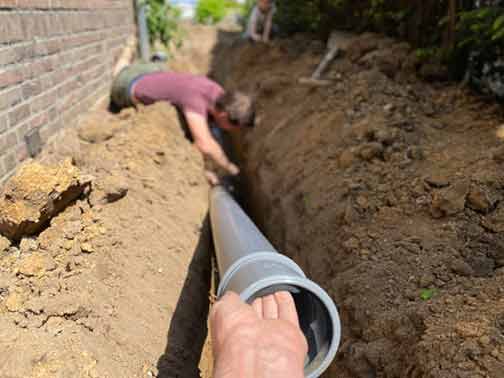
A sewer main line is the primary underground pipe connecting a building’s internal plumbing to the municipal sewer system. All waste and wastewater from your home or business travels through this pipe before reaching the public sewer infrastructure, where it undergoes treatment and safe disposal.
Most main sewer lines are built from PVC, cast iron, or clay, and they vary considerably in size — anywhere from 4 inches in diameter for a typical residential property up to 36 inches or more for larger commercial buildings. The size depends on the volume of wastewater the line needs to handle and the demands of the structure it serves.
How Does a Main Sewer Line Work?
Every time you flush a toilet, run the dishwasher, or take a shower, the resulting wastewater travels through your home’s internal plumbing and into the main sewer line. From there, gravity does the heavy lifting — pulling waste steadily downhill and out to the municipal sewer system.
Once it reaches the municipal system, the wastewater is routed to a treatment facility where it is cleaned and purified before being safely returned to the environment.
Why Is Sewer Line Maintenance Important?
Routine sewer line maintenance is one of the most effective ways to protect your home or business from costly plumbing failures. Over time, debris, grease, and sediment naturally accumulate inside the line, gradually restricting flow and setting the stage for clogs.
Left unaddressed, those blockages can escalate quickly — leading to sewage backups that bring water damage, foul odors, and serious health hazards into your property. Staying ahead of the problem with regular maintenance keeps your municipal sewer system connection flowing cleanly and your plumbing running the way it should.
How to Maintain Your Sewer Line
There are several ways to maintain your sewer line, including:
Be mindful of what you flush down the toilet
To prevent clogs and backups, avoid flushing anything besides toilet paper down the toilet. Items like paper towels, feminine hygiene products, and baby wipes can cause clogs when flushed.
Use a drain screen in your sink and shower
A drain screen can help to prevent hair, soap scum, and other debris from entering the sewer line and causing clogs. Be sure to clean the screen regularly to prevent buildup.
Have Your Sewer Line Inspected Regularly
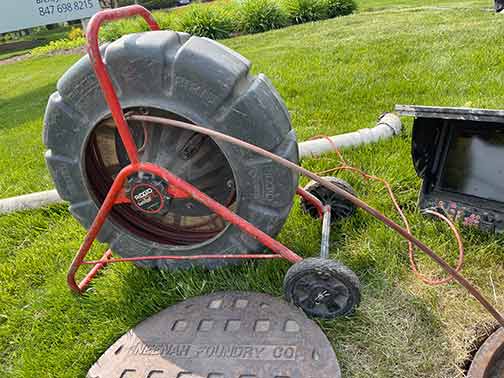
Scheduling a professional sewer line inspection is one of the smartest things a homeowner can do. Using a specialized camera, a licensed plumber can see exactly what’s happening inside your pipes — catching clogs, cracks, root intrusion, or early signs of deterioration before they turn into expensive emergencies. It’s a small investment that can save you from a much larger repair bill down the road.
When to Call a Professional Plumber
If you notice any of the following signs, it’s time to call a professional plumber:
Slow Draining Sinks or Toilets
If your sinks, toilets, or other plumbing fixtures are slow to drain, it could be a sign of a clog in your sewer line and in need of a sewer rodding or hydro jetting service.
Foul Odors Near Your Plumbing Fixtures
Foul odors near your plumbing fixtures could indicate a problem with your sewer line.
Sewage Backups
If sewage is backing up into your home or business, it’s time to call a nearby plumber immediately. Sewage backups can cause water damage, foul odors, and health hazards.
Conclusion
Your sewer main line is one of the hardest-working parts of your property — and one of the easiest to overlook until something goes wrong. Knowing how it works, what can damage it, and how to stay ahead of problems puts you in a much stronger position as a homeowner or business owner. Regular inspections, prompt attention to warning signs, and a trusted plumbing professional in your corner are all it takes to keep your system running reliably for years to come.
If you suspect an issue with your sewer line or just want peace of mind, contact Suburban Plumbing Experts today at 708-801-6530 — we’re available 24/7 across Chicagoland and ready to help.