
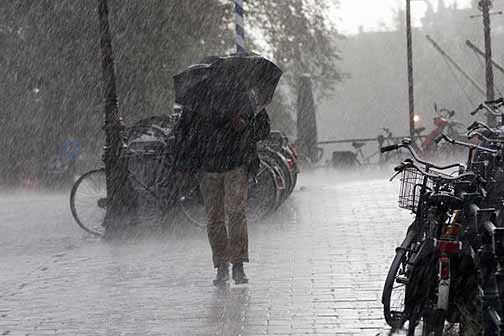
Sitting squarely in the Midwest, Illinois is no stranger to weather extremes — swinging from sweltering summer heat to bitter winter cold with little warning. The state’s humid continental climate brings hot, sticky summers and harsh, icy winters, but it’s the heavy rainfall during spring and late summer storm seasons that poses one of the greatest threats to homeowners. These sudden, intense downpours can develop rapidly, leaving little time to prepare and creating serious risks for water damage.
When severe storms roll through Illinois, they often unleash large amounts of rain in a short window, quickly overwhelming drainage systems and driving up flood risk. The consequences extend well beyond surface-level puddles — water can infiltrate foundations, compromise sewer lines, and quietly cause structural damage that compounds over time. For homeowners, staying ahead of local weather patterns isn’t just useful knowledge; it’s a practical line of defense against costly repairs and long-term property damage.
The Importance of Preparing Your Home for Heavy Rains: Safeguarding Your Sanctuary
Preparing your Illinois home for heavy rains goes beyond protecting bricks and mortar — it’s about preserving the safety and comfort your family depends on. The fallout from severe rainfall can be significant, ranging from flooding and water damage to threats against your home’s structural foundation. A proactive mindset allows homeowners to get ahead of these risks before storm season arrives, keeping their homes secure when the weather turns.
Heavy rains don’t just damage property — they disrupt routines, create stress, and chip away at your peace of mind. Taking the right steps now, whether that means reinforcing vulnerable areas or improving drainage around your property, builds a layered defense that works even when storms strike without warning. Every measure you put in place brings you closer to a home that can weather whatever Illinois throws at it.
Assessing Your Home’s Vulnerability to Rain Damage: Identifying Weaknesses
Before putting any protective measures in place, it’s worth taking a close look at where your home may already be vulnerable. A thorough walkthrough — both inside and out — can reveal early warning signs like foundation cracks, gaps in the roofline, or spots where water has found a way in. Catching these issues before storm season gives you the time and opportunity to address them on your terms, rather than scrambling after damage has already been done.
Vulnerability assessment isn’t a one-time task — it’s an ongoing habit. Seasons change, materials age, and small problems have a way of quietly growing into larger ones when left unattended. Regular inspections keep you ahead of those hidden issues, so that when a storm does hit, your home is in the strongest possible position to handle it. The time you invest in knowing your home’s weak points is time that pays off when the rain starts falling.

Reinforcing Your Home’s Structure: Building a Fortress Against the Elements
Once you know where your home is vulnerable, the next step is doing something about it. Start with the roof — replace any missing or damaged shingles, and check the flashing around chimneys and vents where leaks commonly begin. For added protection, a waterproof membrane can serve as a reliable second line of defense against moisture working its way in.
Your foundation deserves equal attention. Seal any visible cracks with a high-quality waterproof sealant to block water from reaching basements or crawl spaces. If your home sits in an area with a history of flooding, a sump pump is one of the smartest investments you can make — quietly doing its job in the background to remove excess water before it becomes a serious problem.
Think of each improvement as another layer of protection stacked in your favor. No single fix makes a home storm-proof, but together these reinforcements build real resilience. Homeowners who prioritize structural integrity aren’t just protecting their property value — they’re buying themselves confidence that when the next heavy rain rolls through Illinois, their home is ready for it.
Ensuring Proper Drainage Around Your Home: Channeling Water Away from Vulnerable Areas
Good drainage is one of the most effective — and often overlooked — defenses against water damage. Start with the basics: clean out your gutters and downspouts regularly so rainwater can move freely rather than backing up and spilling over. Extending your downspouts to discharge water at least six feet from the foundation is a simple adjustment that can make a meaningful difference in keeping moisture away from your home’s base.
Landscaping matters more than most homeowners realize when it comes to water management. The ground around your home should slope away from the foundation, not toward it. If you’re dealing with persistent drainage challenges, solutions like a properly installed French drain or a swale can redirect runoff away from problem areas before it has a chance to accumulate and cause damage.
Taken together, these measures work to move water away from your home efficiently and consistently — not just during minor showers, but during the kind of heavy, sustained rainfall that Illinois storms regularly produce. Getting drainage right is one of the highest-return investments you can make in your home’s long-term protection.
Protecting Your Home’s Interior from Water Damage: Shielding Your Sanctuary
While exterior measures are crucial, protecting your home’s interior from water damage is equally important. Begin by installing water-resistant flooring in areas prone to flooding, such as basements and entryways. Consider using waterproof paint on basement walls for an added layer of protection.
Investing in a dehumidifier can help reduce moisture levels in your home, preventing mold and mildew growth. Regularly check for leaks under sinks and around appliances, and repair any issues promptly to prevent water damage.
Shielding your home’s interior from water damage is a proactive step in preserving its sanctity. By implementing these measures, homeowners can ensure their living spaces remain dry and comfortable, even in the face of heavy rains.

Creating an Emergency Plan for Heavy Rains: Preparing for the Unexpected
Physical preparations can only go so far — having a clear emergency plan is just as important as any structural upgrade. Put together a plan that covers the essentials: a list of emergency contacts, a supply of non-perishable food and water, and a battery-powered weather radio to stay informed when power goes out. Make sure every member of your household knows the plan and understands their role if a flood or severe storm strikes.
The details matter too. Store important documents and valuables in a waterproof container so they’re protected regardless of what happens. If you have pets, think through an evacuation plan for them in advance — figuring that out in the middle of a storm is not the time. A little foresight here can prevent a great deal of chaos when conditions deteriorate quickly.
An emergency plan is really about one thing: reducing the number of decisions you have to make under pressure. When a severe storm rolls in, you want to be executing a plan you’ve already thought through — not improvising. Families who take the time to prepare aren’t just safer; they’re calmer, more coordinated, and better positioned to protect what matters most.
Insurance and Financial Preparedness: Protecting Your Assets
Review your homeowner’s insurance policy to ensure adequate coverage for rain and flood damage. Consider purchasing additional flood insurance if your home is located in a high-risk area. Having the right insurance coverage provides peace of mind and financial protection in the event of a storm-related disaster.
Setting aside an emergency fund to cover unexpected expenses related to storm damage is also wise. Having financial resources available can facilitate repairs and recovery from potential damage quickly.
Insurance and financial preparedness are vital components of a comprehensive strategy to protect your assets. By ensuring adequate coverage and financial resources, homeowners can navigate stormy seasons with peace of mind.
Staying Informed and Adapting to Changing Conditions: Embracing the Dynamic Nature of Weather
No amount of preparation replaces the need to stay current when weather conditions are shifting. Sign up for local weather alerts and keep an eye on reliable news sources during storm season so you’re never caught off guard. The earlier you know what’s coming, the more time you have to make smart decisions — whether that means moving valuables, checking your sump pump, or simply staying off the roads.
Technology can give you an added edge here. Smart home devices that monitor for leaks, moisture buildup, or flooding in real time allow you to respond to problems as they develop rather than discovering damage after the fact. For homeowners who travel or spend time away from home, these tools offer an especially valuable layer of awareness.
Staying informed isn’t a passive activity — it’s an ongoing commitment to paying attention. Illinois weather has a way of changing fast, and the homeowners who fare best during storm season are the ones who stay engaged, adjust their plans when conditions shift, and never assume the forecast will hold. Vigilance, paired with solid preparation, is what turns a potentially damaging storm into a manageable inconvenience.
Conclusion: Proactive Measures for Peace of Mind
Protecting your Illinois home from heavy rains isn’t the result of any single fix — it’s the sum of many deliberate steps taken before the storms arrive. From shoring up your home’s structure and improving drainage to building an emergency plan and staying current on forecasts, each measure adds another layer of confidence that your home and family are covered.
Storm season will always bring uncertainty, but preparation has a way of shrinking that uncertainty down to size. Homeowners who invest the time and effort upfront don’t have to spend every severe weather warning wondering if they’ve done enough — they already know they have. That peace of mind is its own reward, separate from any water damage avoided or repair bill prevented.
At its core, all of this preparation comes back to one thing: keeping your home the safe, stable place your family counts on. Illinois weather will test that from time to time, but you don’t have to face those challenges alone. If you’re concerned about your plumbing, drainage, or water damage risks heading into storm season, Suburban Plumbing Experts is here to help. Give them a call at 708-801-6530 to schedule an assessment and make sure your home is ready for whatever the season brings.