
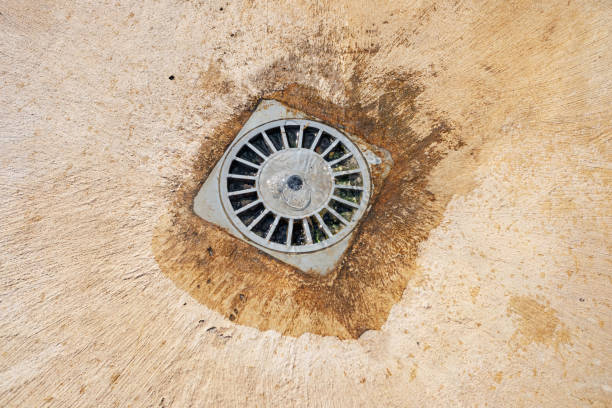
Garage floor drainage plays a critical role in maintaining both the functionality and long-term condition of a garage space. For homeowners, effective drainage is not only about preventing standing water, but also about protecting the structural integrity of the property and preserving a clean, safe environment.
When water from rain, melting snow, vehicle runoff, or cleaning activities is not properly directed away, it can begin to pool on the garage floor. Over time, this moisture can lead to concrete deterioration, staining, corrosion of stored items, and in more severe cases, structural damage to surrounding areas. Persistent damp conditions can also contribute to mold growth and unpleasant odors, which can negatively impact indoor air quality and overall comfort.
A properly designed and maintained garage drainage system helps efficiently channel water away from the space, preventing buildup and minimizing long-term damage. By ensuring that drains remain clear and functional, homeowners can protect both the garage structure and anything stored inside it.
Understanding the importance of garage floor drainage highlights the value of routine inspection and timely maintenance. Addressing small issues early helps ensure the system continues to perform effectively, especially during periods of heavy rain or snow melt.
Recognizing Symptoms of Garage Floor Drain Clogs: What to Look For
Early identification of garage floor drain clogs can prevent extensive damage and costly repairs. Homeowners should be vigilant in recognizing the symptoms of a clogged drain. Common indicators include slow drainage, which suggests a partial blockage, and standing water, which is a sign of a complete clog. If you’re already noticing these warning signs, it often helps to understand the full range of causes and solutions for garage floor drain issues — including what typically leads to these clogs and how professionals address them. You can read a complete breakdown here: Common Signs and Solutions for Clogged Garage Floor Drains. Unpleasant odors emanating from the drain can indicate trapped debris or organic matter decomposing within the system.
Additionally, water stains or dampness around the drain area are telltale signs that water is not draining properly. These symptoms suggest that debris, dirt, or other materials may be obstructing the flow of water, necessitating immediate attention to prevent further complications.
Common Causes of Garage Floor Drain Clogs: Understanding the Culprits
Understanding the common causes of garage floor drain clogs is essential for effective prevention and resolution. Typically, the accumulation of dirt, leaves, and debris brought in by vehicles or during cleaning activities is the primary cause of blockages. Over time, these materials can build up in the drain, leading to significant clogs. In some instances, oil or grease spills contribute to clogs, as these substances tend to solidify and adhere to the drain pipes.
Additionally, improper disposal of non-biodegradable materials can exacerbate the problem. By identifying these common culprits, homeowners can take proactive measures to prevent clogs and maintain a functional drainage system.
Preventive Measures to Avoid Drain Clogs: Proactive Home Maintenance
Preventing drain clogs is often more straightforward and cost-effective than dealing with them after they occur. Homeowners can implement several preventive measures to keep their drainage systems clear. Regular maintenance, such as sweeping the garage floor and promptly removing debris, can significantly reduce the risk of clogs. Installing a drain cover or grate is a practical solution to catch larger debris before it enters the drainage system.
Additionally, avoiding the disposal of oil, grease, or other viscous substances down the drain can prevent buildup and blockages. By adopting these practices, homeowners can ensure their garage drainage systems remain efficient and problem-free.
Step-by-Step Solutions for Resolving Drain Clogs: A Homeowner’s Guide
When faced with a clogged garage floor drain, a systematic approach can help resolve the issue efficiently. Homeowners can follow these step-by-step solutions to address clogs:
- Remove Visible Debris: Begin by removing any visible debris from the drain cover. This initial step can sometimes resolve minor clogs.
- Use a Plunger: Employ a plunger to attempt to dislodge the clog by creating a vacuum effect. This method is effective for clogs near the surface.
- Deploy a Drain Snake or Auger: If the plunger is ineffective, use a drain snake or auger to reach deeper into the drain and break up the obstruction. This tool can handle more stubborn clogs.
- Apply a Baking Soda and Vinegar Solution: For persistent clogs, pour a mixture of baking soda and vinegar down the drain. This solution can dissolve organic material. Allow it to sit for several hours before flushing with hot water.
By following these steps, homeowners can often resolve clogs without the need for professional intervention.
When to Call a Professional: Knowing Your Limits
While many drain clogs can be resolved with DIY methods, there are instances where professional intervention is necessary. Homeowners should consider reaching out to a plumber if the clog persists despite repeated attempts to clear it. Additionally, if there are signs of damage to the drain pipes, such as leaks or cracks, professional assistance is warranted.
Plumbers have the tools such as sewer cameras and hydro jetting service to diagnose and resolve complex drainage issues, ensuring the long-term functionality of your garage floor drain. Recognizing when to seek professional help can prevent further damage and ensure the efficient operation of your drainage system.
Maintaining an Efficient Garage Drainage System: Regular Upkeep Tips
Regular maintenance is essential for keeping a garage drainage system functioning properly over the long term. Without consistent care, drains can become blocked with dirt, leaves, sediment, and other debris that restrict water flow and increase the risk of standing water in the garage.
Homeowners should schedule periodic inspections to check for early signs of wear, damage, or reduced drainage performance. This includes looking for slow water runoff, visible buildup around the drain opening, cracks in surrounding concrete, or unpleasant odors that may indicate a developing blockage.
Routine cleaning of the drain and surrounding floor area helps prevent debris accumulation and ensures water can flow freely away from the garage. Simple upkeep practices can significantly reduce the likelihood of clogs and water-related damage.
By staying proactive with maintenance, homeowners can avoid expensive repairs, protect the structural integrity of the garage, and maintain a clean, dry, and fully functional space. Consistent care also enhances the overall usability and long-term value of the property.
To Conclude
Addressing garage floor drain clogs promptly and effectively is crucial for maintaining a functional and safe garage space. By understanding the symptoms and causes of clogs, implementing preventive measures, and knowing when to seek professional drain cleaning services, homeowners can ensure that their drainage systems operate smoothly.
A well-maintained garage not only protects the property but also enhances the overall usability and value of the home. With regular attention and care, homeowners can enjoy a clean, efficient garage space that meets their needs and contributes to the comfort and safety of their household.