Home Repiping Services in Chicago, IL for Aging Plumbing Systems

Home repiping may be the right solution when aging pipes cause recurring leaks, low water pressure, corrosion, or discolored water. Many older Chicago-area homes have plumbing systems that have been repaired or modified over the years. When problems keep appearing in different areas, replacing deteriorated piping may make more sense than continuing to repair one section at a time.
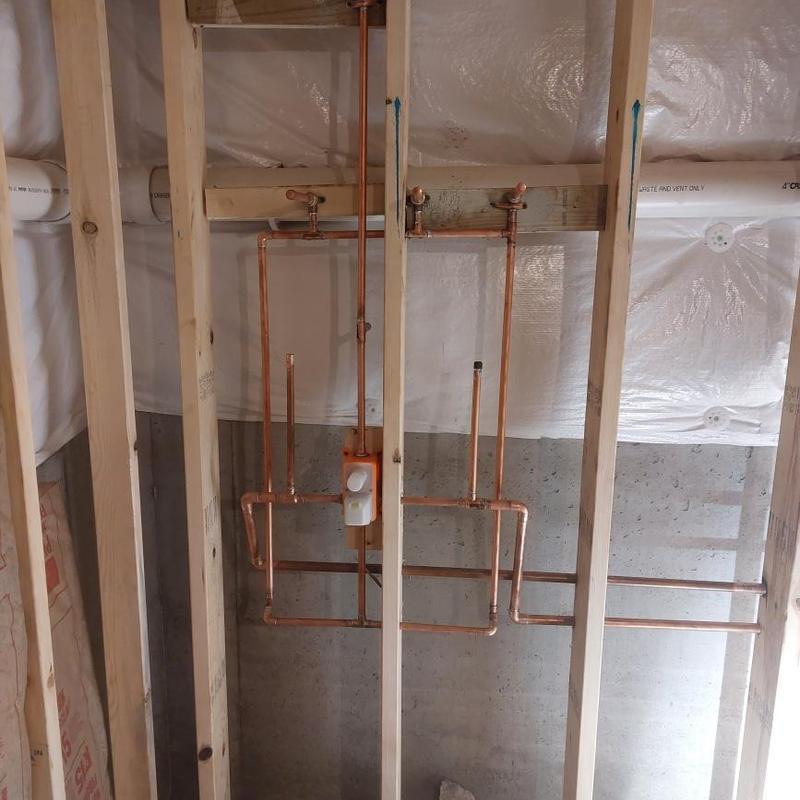
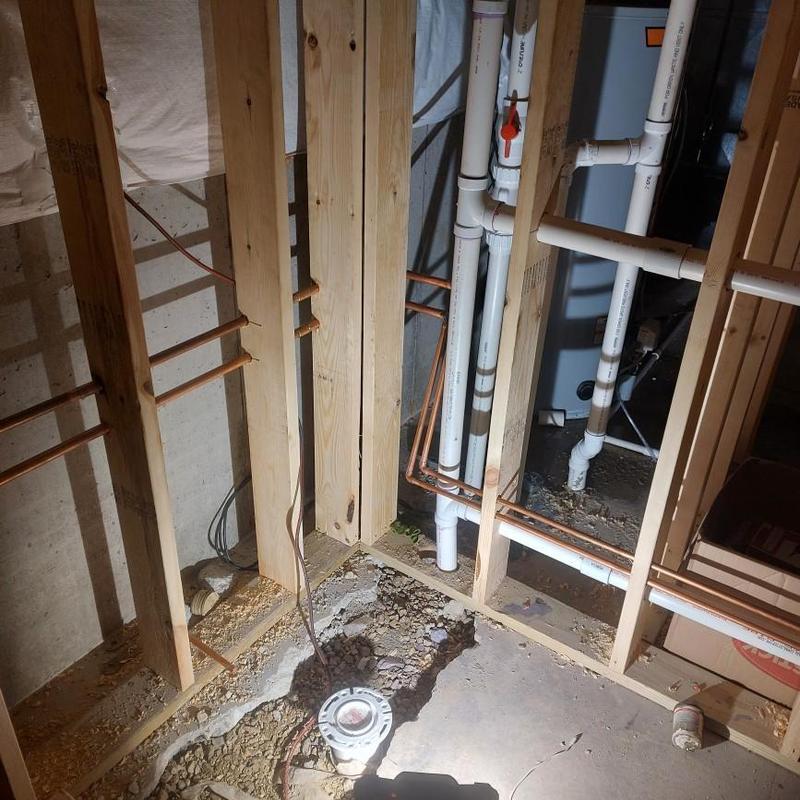
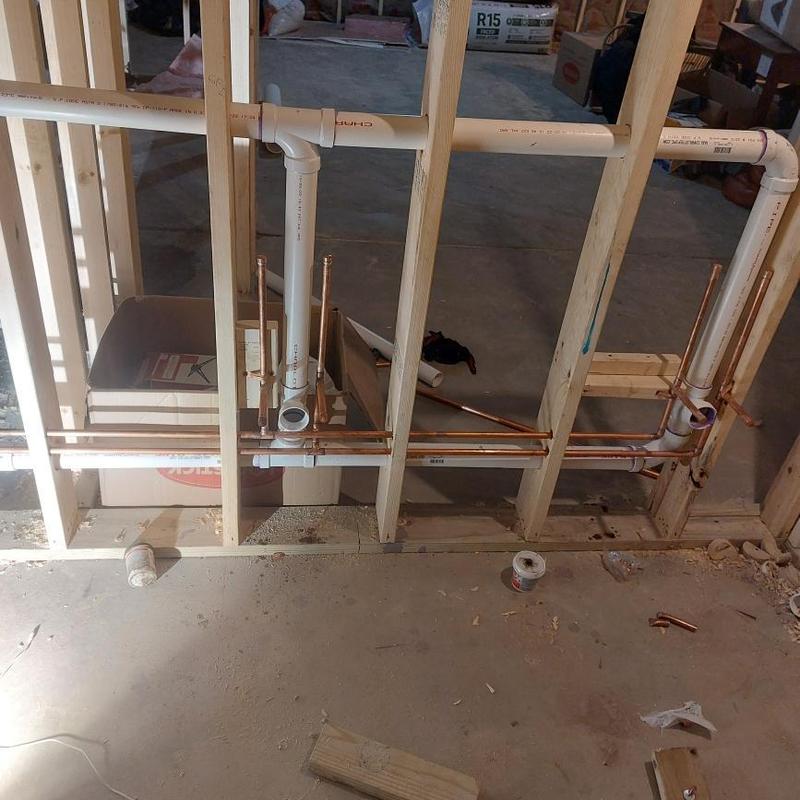
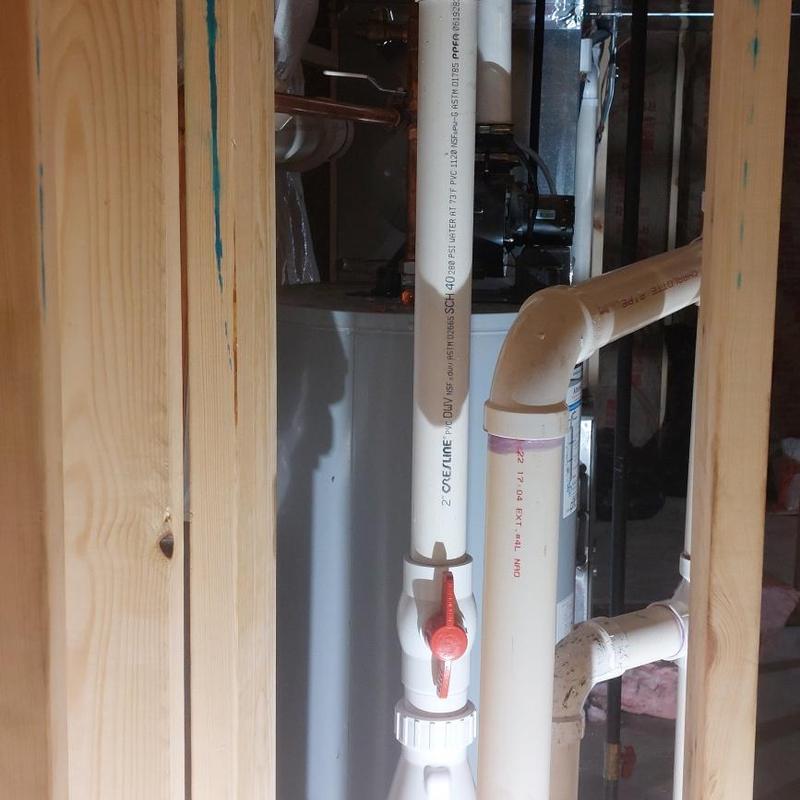
Suburban Plumbing Experts provides whole-house and partial repiping services in Chicago and the surrounding suburbs. We evaluate your existing plumbing, identify signs of deterioration, and recommend an approach based on your home's layout, pipe materials, and condition.
We install copper and PEX piping and explain the differences between a targeted replacement and a complete repipe so you can make an informed decision about your home.
Home Repiping in Chicago
Repiping does not always mean replacing every pipe in your home. The right scope of work depends on where the plumbing is deteriorating, how much of the system is affected, and whether the remaining piping is still in serviceable condition.
After evaluating the plumbing, the options may include:
- Targeted pipe repair: Addressing an isolated leak or damaged section when the surrounding piping remains in good condition.
- Partial repiping: Replacing deteriorated piping in a specific area, such as a kitchen, bathroom, or section of the home.
- Whole-house repiping: Replacing most or all of the interior water supply piping when problems are widespread.
- Water service line replacement: Addressing a problem with the pipe supplying water to the house rather than the interior plumbing system.
The goal is to identify the source and extent of the problem before recommending how much piping needs to be replaced.
If the issue involves the line supplying water to your property, learn more about our water line repair and replacement services.
Whole-House Repiping
Whole-house repiping replaces most or all of a home's interior water supply piping with new plumbing. It's worth considering when corrosion, recurring leaks, or deteriorating pipes affect multiple areas of the house rather than one isolated section.
Instead of repeatedly repairing different portions of an aging system, a whole-house repipe addresses the affected supply piping as a larger project. It can also provide an opportunity to replace outdated materials and plan a new piping layout suited to the home.
The exact scope depends on the existing pipe material, the home's size and layout, access to the plumbing, and the condition of the current system. Some projects require access through walls or ceilings, while others allow portions of the new piping to follow more accessible routes.
We'll evaluate the existing plumbing, explain which piping needs replacement, and discuss the available material options before the work begins. If the deterioration is limited to one area, partial repiping may be a more appropriate alternative.
Partial Repiping
Partial repiping replaces deteriorated or damaged sections of a home's water supply piping while leaving serviceable portions of the existing system in place.
This approach may make sense when plumbing problems are concentrated in a particular area, such as a kitchen, bathroom, addition, or accessible run of piping. It can address a localized problem without automatically turning the project into a whole-house replacement.
Before recommending partial repiping, we consider the condition of the affected pipes and the surrounding plumbing. If other sections show similar deterioration, replacing only the immediately damaged area may leave the homeowner facing additional repairs later.
Suburban Plumbing Experts evaluates the existing system and explains whether a targeted replacement, a broader partial repipe, or whole-house repiping is the more practical option for the property.
Copper vs. PEX Repiping
Copper and PEX are both used for residential water supply piping. Each has different installation characteristics, and the right choice depends on the home's layout, existing plumbing, access conditions, and project requirements.
Copper Repiping
Copper is a rigid plumbing material with a long history of use in residential water supply systems. It may be a good option for homeowners who prefer metal piping and for installations where rigid pipe runs suit the layout.
Because copper is rigid, routing it through an existing home can involve different access and installation requirements than working with flexible tubing. The condition of the property and the path of the new piping help determine what the work will involve.
PEX Repiping
PEX is flexible water supply tubing that can often be routed through existing spaces with fewer fittings along a run than a rigid piping layout may require. This flexibility can be useful when working around the structure of an existing home.
The suitability of PEX depends on the installation conditions, applicable plumbing requirements, and the specific product being used. Routing and access still need to be planned carefully.
Which Repiping Material Is Right for Your Home?
Neither copper nor PEX is automatically the best choice for every house. The decision should account for the existing plumbing, pipe routes, accessibility, installation requirements, and your preferences.
Suburban Plumbing Experts installs copper and PEX and can explain the practical differences for your project before you decide which option best suits your home.
Replacing Old Galvanized Plumbing
Galvanized steel water pipes were used in many older homes. Over time, corrosion can build up inside these pipes, narrowing the passage available for water and contributing to reduced flow. As the piping deteriorates, homeowners may also experience recurring leaks or discolored water.
When several galvanized pipe sections are showing signs of deterioration, repairing one leak at a time may not address the condition of the rest of the system. An evaluation can help determine whether the plumbing remains serviceable or whether replacing some or all of the galvanized supply piping makes more sense.
The extent of the replacement depends on the condition of the existing pipes, how much galvanized plumbing remains, and how accessible the pipe runs are. Some homes may be candidates for partial repiping, while others may benefit from a broader replacement.
Suburban Plumbing Experts can assess the existing plumbing and explain the available options, including copper and PEX replacement systems. The recommendation should be based on the actual condition of your home's piping rather than its age alone.
Signs Your Home May Need Repiping
Plumbing systems don't always deteriorate all at once. A single leak may be an isolated problem, but repeated failures in different areas can indicate that more of the piping needs attention.
Signs that your home's water supply plumbing may need a closer evaluation include:
- Recurring pipe leaks: Repairs keep becoming necessary, sometimes in different areas of the home.
- Rust-colored or discolored water: Corrosion in older plumbing may contribute to discoloration, although other sources can also cause it.
- Low or inconsistent water pressure: Restricted or deteriorated pipes may affect water flow, but pressure problems can have other causes.
- Visible corrosion: Rust, flaking, or deterioration on exposed metal pipes may indicate that the plumbing needs inspection.
- Problems in multiple rooms: Similar issues affecting several fixtures or areas may point to a broader plumbing concern.
- Aging galvanized supply pipes: Corrosion inside galvanized piping can restrict flow and contribute to leaks over time.
No single warning sign automatically means your home needs a complete repipe. The key is to assess the condition of the existing plumbing and determine whether the problem is isolated or more widespread.
If you're dealing with an active leak or can't identify its source, our leak detection services can help locate the problem before you decide whether a larger repiping project is necessary.
What Happens During a Home Repiping Project?
A repiping project starts with evaluating the existing plumbing and determining which sections need replacement. The work is then planned around the home's layout, the condition of the pipes, and the access needed to install the new system.
Evaluating the Existing Plumbing
We assess the existing water supply piping for leaks, corrosion, restricted flow, and other signs of deterioration. We also consider the home's layout, pipe materials, and history of plumbing problems to help determine whether partial or whole-house repiping is appropriate.
Planning the Work
Before installation begins, we determine the scope of the replacement and plan how the new piping can be routed through the home. The plan takes into account fixture locations, existing plumbing routes, accessibility, and the selected pipe material.
We'll also explain the expected work and any access that may be needed to reach the existing pipes.
Installing the New Piping
Our plumbers replace the identified sections with the selected piping system. Depending on the home's construction and existing plumbing layout, accessing the pipes may require openings in walls, ceilings, or other finished areas.
The amount of disruption varies by property, so the installation approach is planned around the conditions found in the home.
Testing the New System
After installation, we check the new piping and connections for leaks and verify that water flows through the replacement lines properly. Any installation issues identified during testing should be addressed before the work is considered complete.
Reviewing the Completed Work
Once the installation and checks are complete, we'll explain the work performed and identify any remaining plumbing concerns that fall outside the project's scope. This helps you understand what was replaced and whether any additional work may be needed.
Repiping Older Chicago Homes
Repiping an older Chicago-area home can involve more than replacing the visible sections of pipe. Plumbing may have been modified during past renovations, and supply lines can run through finished walls, ceilings, floors, basements, and other areas where access needs to be planned carefully.
The existing pipe material, previous repairs, fixture locations, and layout of the home all influence how a repiping project should be approached. In some properties, deteriorated piping is concentrated in one area. In others, problems throughout the home may justify a more extensive replacement.
That's why we evaluate each property individually rather than assuming that every older home needs the same work. Our goal is to identify the condition of the existing supply piping, explain the available options, and determine an appropriate scope for the project.
For other plumbing issues in your home, explore our residential plumbing services.
Does Your Home Really Need a Whole-House Repipe?
Not necessarily.
If one isolated pipe has failed and the rest of the plumbing remains in good condition, repairing or replacing that section may be enough.
Repiping becomes more worth considering when problems are widespread, multiple sections are deteriorating, leaks keep appearing in different areas, or the existing piping material is reaching the point where repeated repairs no longer make practical sense.
A professional evaluation is the best way to determine whether your home needs a repair, partial repipe, or complete repipe.
For a deeper look at the decision, see our complete Chicago home repiping guide.
How Much Does Home Repiping Cost?
There is no single price for a whole-house or partial repiping project.
Cost can depend on:
- Size and layout of the home
- Number of fixtures
- Existing pipe material
- Accessibility of the plumbing
- Condition of the existing system
- Copper or PEX selection
- Whether the project is partial or whole-house
- Amount of access and restoration required
The best way to determine the cost is to evaluate the existing plumbing and develop a specific scope of work.
Because repiping can be a significant plumbing project, homeowners may also want to review our guide to financing a major plumbing repair in Chicago.
Home Repiping FAQs
How do I know if my Chicago home needs repiping?
Frequent leaks, recurring plumbing repairs, declining water pressure, discolored water, and visible corrosion can all justify an evaluation. The age and material of the existing piping are also important factors.
Do you install copper or PEX?
Yes. We install both copper and PEX depending on the home's layout, existing conditions, installation requirements, and the homeowner's priorities.
Does every old house need a complete repipe?
No. Some homes only need targeted pipe replacement. A complete repipe is generally considered when deterioration or plumbing problems are widespread enough that repairing individual sections is no longer the best long-term approach.
How long does a whole-house repiping project take?
The timeline depends on the size and layout of the home, accessibility of the existing plumbing, construction of the property, and scope of the project. We can provide a more realistic timeline after evaluating the home rather than applying one standard timeframe to every property.
Will repiping require cutting into walls or ceilings?
It can. Water supply pipes may run inside walls, ceilings, floors, or other finished areas. The amount of access required depends on how the existing plumbing was installed and how the new piping can be routed.
We plan the work to limit unnecessary disruption and explain expected access requirements before the project begins.
Can repiping improve low water pressure?
If restricted or deteriorated supply piping is contributing to low water pressure, replacing those sections can improve water flow. However, low pressure can have other causes, so the plumbing system should be evaluated before assuming repiping is the solution.
How much does home repiping cost?
The cost depends on the size of the home, plumbing layout, existing pipe materials, accessibility, project scope, and material selected. A plumbing evaluation is necessary to determine what your property actually needs.
Is whole-house repiping better than repairing individual leaks?
It depends on the condition of the overall plumbing system. An isolated failure may only require a repair. If leaks and deterioration are widespread, a partial or whole-house repipe may provide a more practical long-term solution.
Home Repiping Services in Chicago and the Suburbs
If recurring leaks, low water pressure, discolored water, or repeated plumbing repairs have become a regular problem, the condition of your home's piping may need to be evaluated.
Suburban Plumbing Experts provides whole-house and partial repiping throughout Chicago and the surrounding suburbs. We evaluate the existing plumbing, explain your options, and install copper or PEX based on the home's specific conditions and the scope of the project.
If you're not sure whether repiping is necessary, start with an evaluation. We can help determine whether a targeted repair is enough or whether replacing deteriorated sections of your plumbing makes more sense.
Call Suburban Plumbing Experts at 708-801-6530 to discuss your home's plumbing problems and schedule a repiping evaluation.
Professional Home Repiping Services in Chicago, IL
Our licensed Chicago repiping specialists replace outdated, corroded, and failing plumbing systems with modern, durable piping designed to improve water quality, increase pressure, and protect your home from future leaks and water damage.
Chicago & Suburbs Home Repiping Service Area
Serving Chicago, Naperville, Downers Grove, Hinsdale, Oak Brook, Elmhurst, Westmont, Lombard, Tinley Park, and surrounding suburbs with full home repiping, pipe replacement, and plumbing system upgrades.
Licensed Repiping Contractors You Can Trust
- ✔ Full Home Repiping Services
- ✔ Copper & PEX Pipe Replacement Options
- ✔ Galvanized Pipe Replacement
- ✔ Low Water Pressure Solutions
- ✔ Slab Leak Repair & Pipe Rerouting
- ✔ Water Quality & Rusty Water Fixes
- ✔ Minimal-Disruption Installation Process
- ✔ Clean-Up & Code-Compliant Work
- ✔ Financing Options Available
Trusted by Chicago homeowners for complete repiping solutions that eliminate recurring leaks and restore plumbing system reliability.
Most Recent Pins (1)