Sewer Backflow Prevention and Backwater Valve Installation in Chicago
Sewer backflow prevention in Chicago helps protect homes from sewage backups that can send contaminated wastewater into basements. During periods of heavy rainfall, municipal sewer systems can become overwhelmed. When sewer levels rise, wastewater may flow backward through connected sewer lines and enter a property through basement floor drains, toilets, and other lower-level plumbing fixtures.
Chicago-area homeowners can face increased sewer backup risks because of intense rainfall, aging infrastructure, and the configuration of their local sewer systems. Some communities rely on combined sewer systems that carry both stormwater and wastewater, while others have separate sewer networks. Many older homes also have basement plumbing below the main sewer elevation, which can make them more vulnerable when wastewater backs up.
Suburban Plumbing Experts evaluates your property's sewer connection, plumbing configuration, and history of flooding to identify potential backup risks. Whether you've experienced repeated basement backups or want to take preventive steps before the next major storm, our licensed plumbers can explain the available options and recommend a solution suited to your home.
Backwater Valve Installation and Replacement in Chicago
A backwater valve is designed to help prevent sewage from flowing backward through a home's sewer connection during a sewer backup event. For Chicago-area homeowners who have experienced basement sewage backups or want additional protection, a properly selected and installed valve can provide an important layer of defense.
Suburban Plumbing Experts provides professional backwater valve installation throughout Chicago and the surrounding suburbs. We evaluate the property's existing sewer configuration, determine which plumbing fixtures need protection, and identify an appropriate installation location.
Under normal conditions, wastewater flows out of the home through the sewer line. If sewage begins moving backward toward the property, the backwater valve is designed to close and help block that reverse flow through the protected connection.
Because every property has a different sewer layout, installation requirements can vary. The location of basement fixtures, the condition of the existing sewer line, and the home's drainage configuration all matter when determining the right approach.
How a Sewer Backwater Valve Works
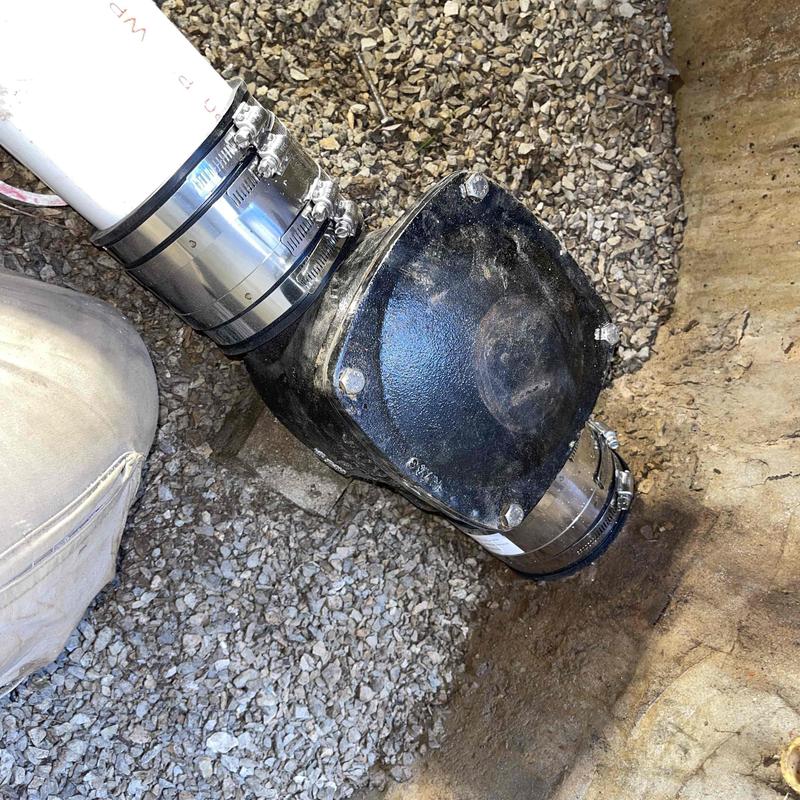
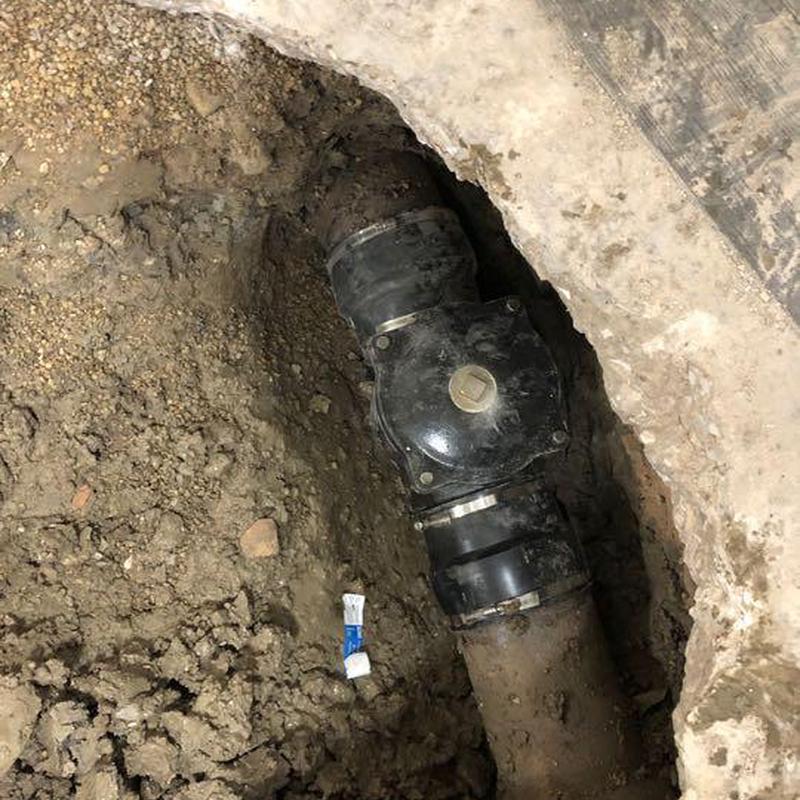
A sewer backwater valve contains a movable closure mechanism that allows wastewater to flow in the normal direction while helping prevent reverse flow.
When your plumbing system is operating normally, wastewater passes through the open valve and continues toward the municipal sewer. If wastewater begins flowing backward during a sewer surcharge or backup, the valve's closure mechanism is designed to shut and help restrict sewage from entering through the protected sewer connection.
This can help protect connected basement floor drains and other vulnerable plumbing fixtures, depending on how the home's sewer system is configured.
There is an important limitation homeowners should understand: when a backwater valve closes, wastewater from fixtures connected behind the valve cannot discharge through that protected line until the valve reopens. Using toilets, sinks, showers, or other connected fixtures while the valve is closed can cause wastewater to back up inside the home.
For properties with below-grade bathrooms, laundry rooms, or other plumbing fixtures that cannot drain to the main sewer by gravity, a sewage ejector pump may be necessary to move wastewater into the home's sewer line. Our ejector pump services address these below-grade wastewater systems. An overhead sewer system may also be worth considering when evaluating basement sewer backup protection.
What to Expect During Backwater Valve Installation
Backwater valve installation requires more than simply placing a valve in an accessible section of pipe. The equipment must be properly selected, positioned, and integrated with the home's existing sewer system.
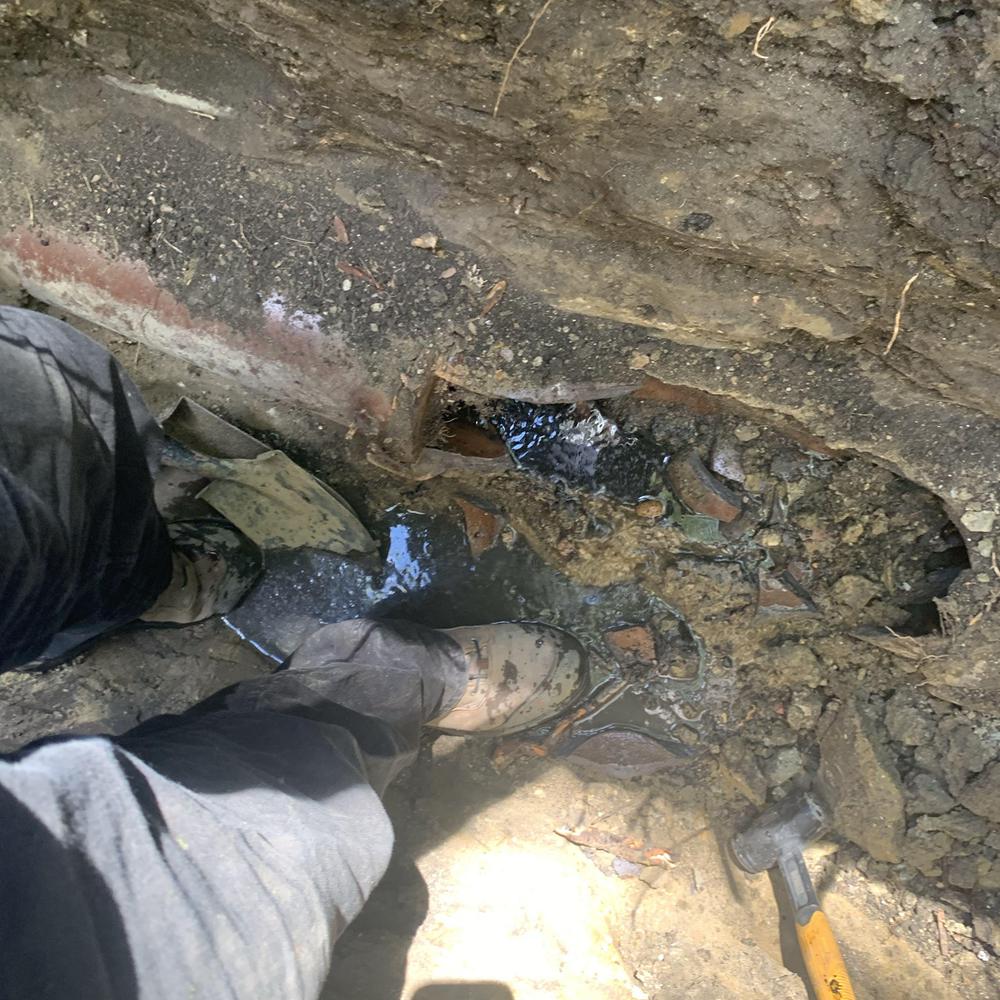
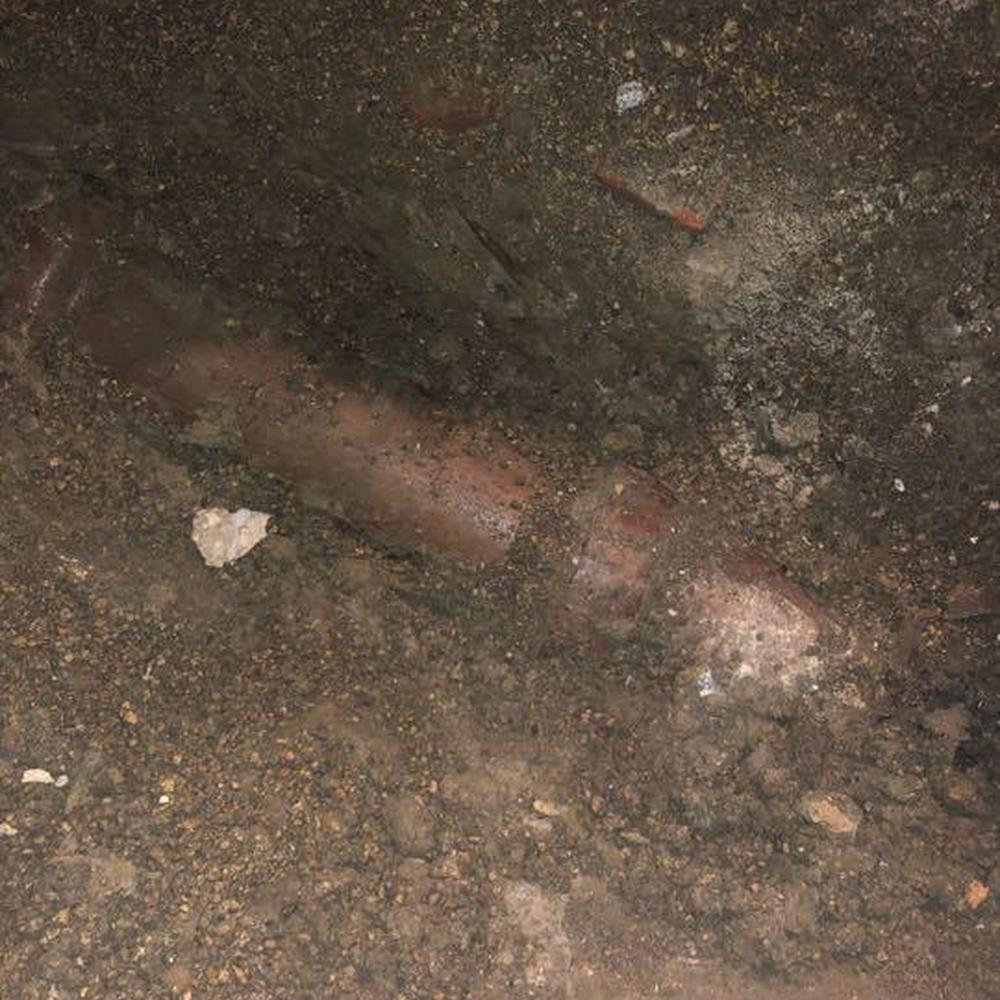
Our plumbers evaluate the sewer line, basement plumbing layout, and location of vulnerable fixtures before determining the appropriate installation approach. Depending on the property's configuration, the work may involve accessing the sewer line beneath the basement floor.
A typical installation may involve:
- Evaluating the existing sewer connection: We examine the plumbing configuration and identify where a backwater valve may provide protection.
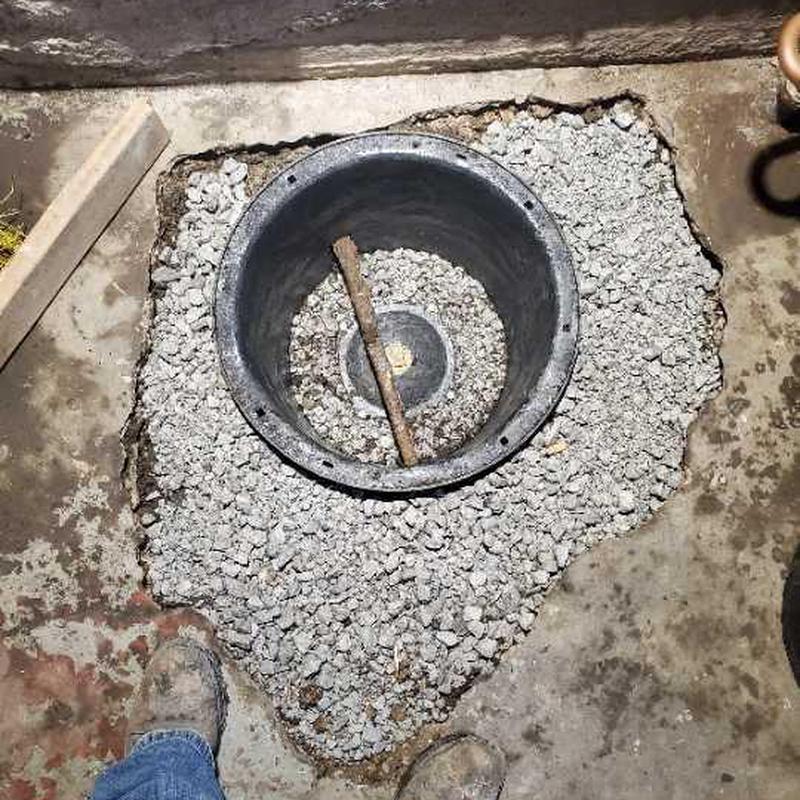
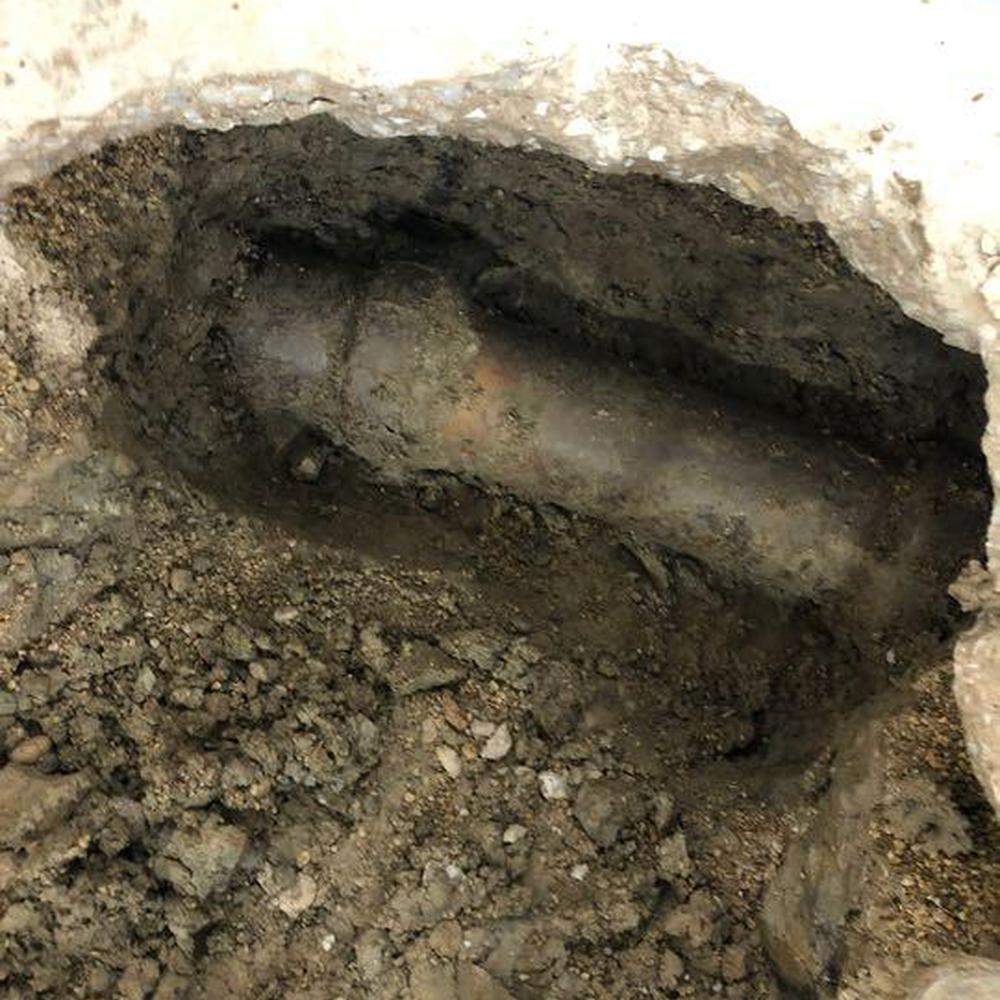
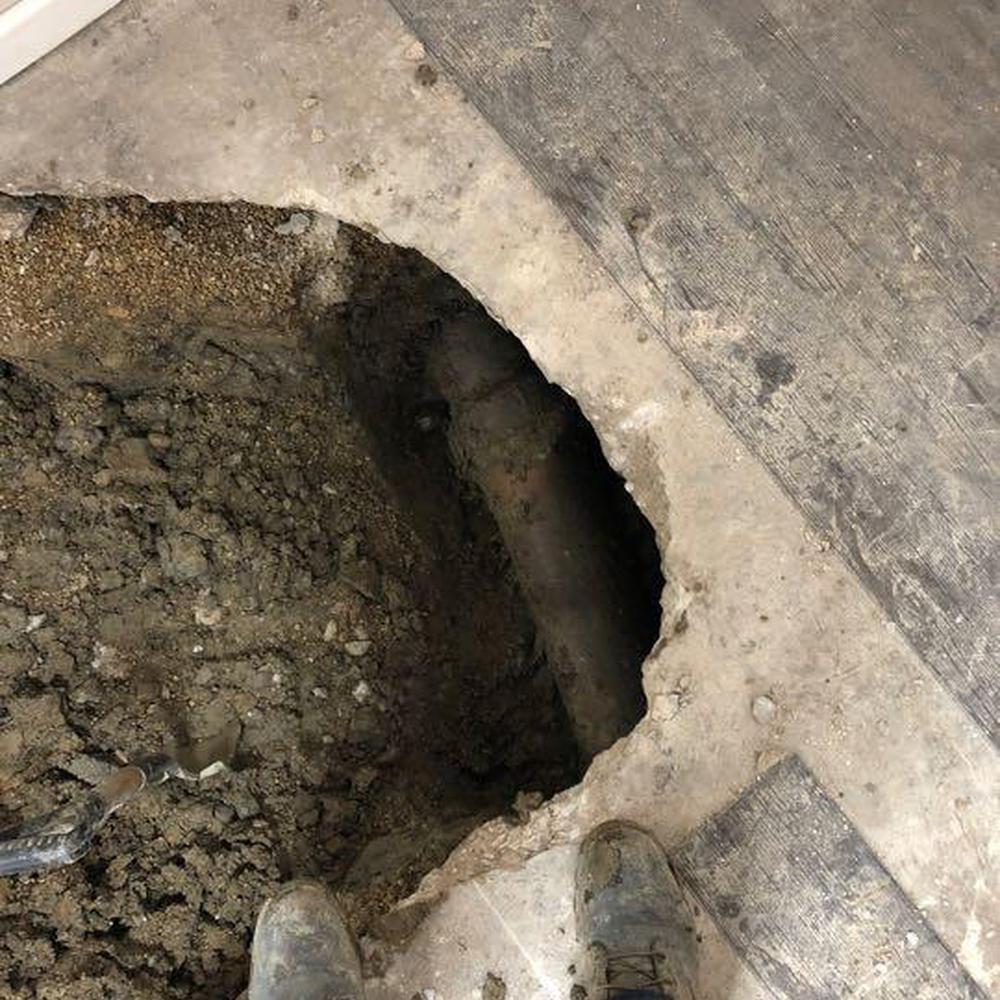
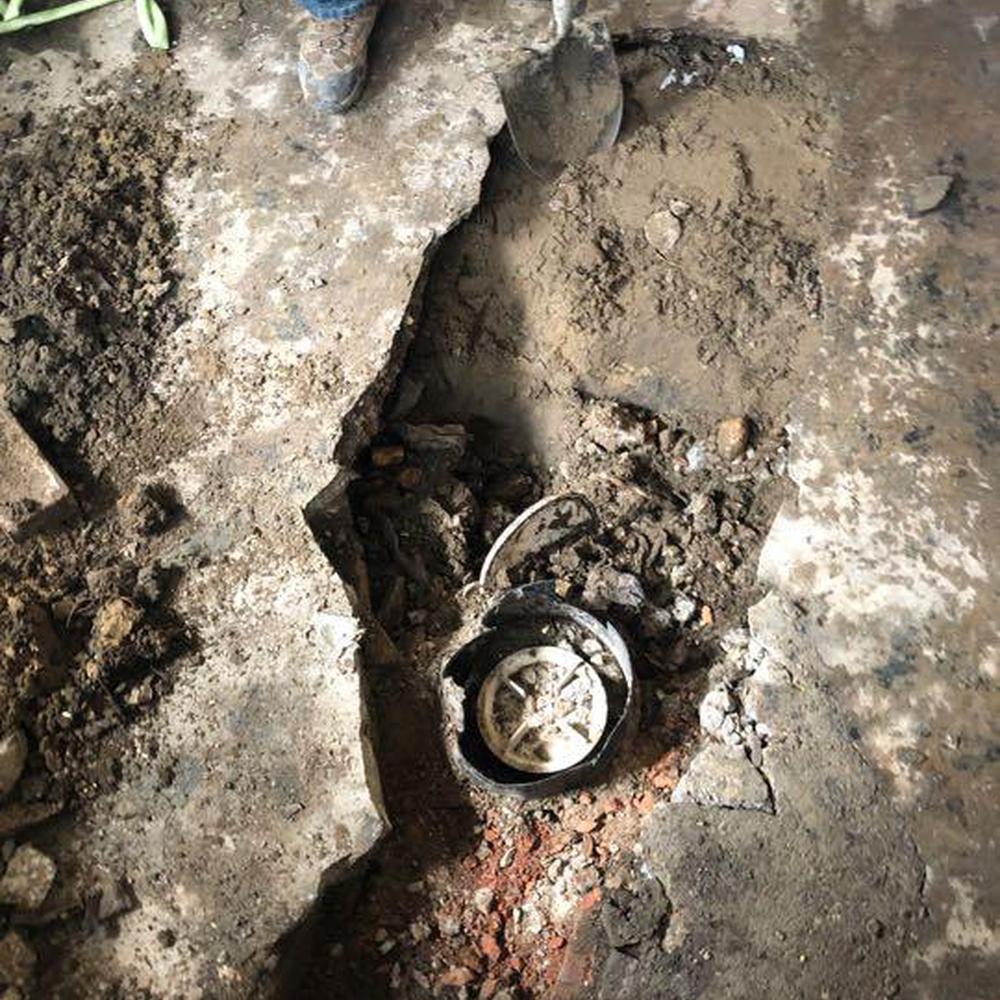
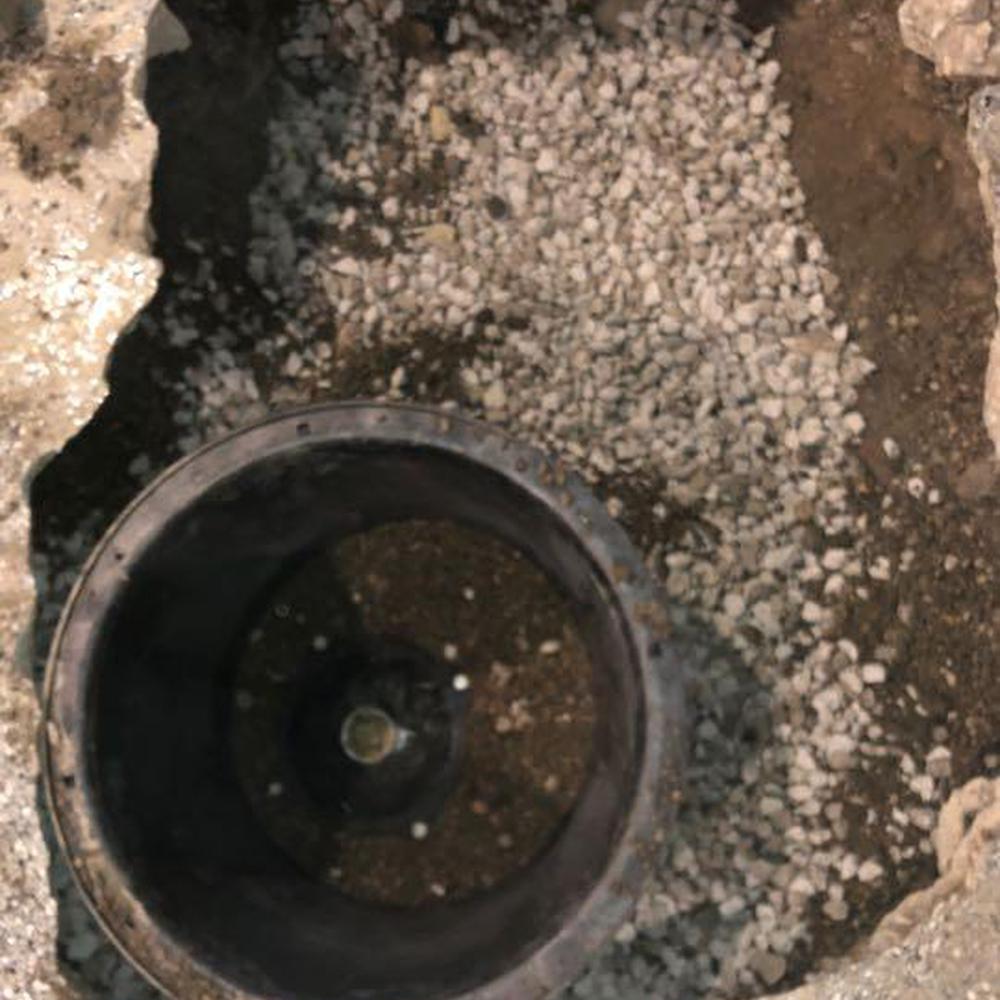
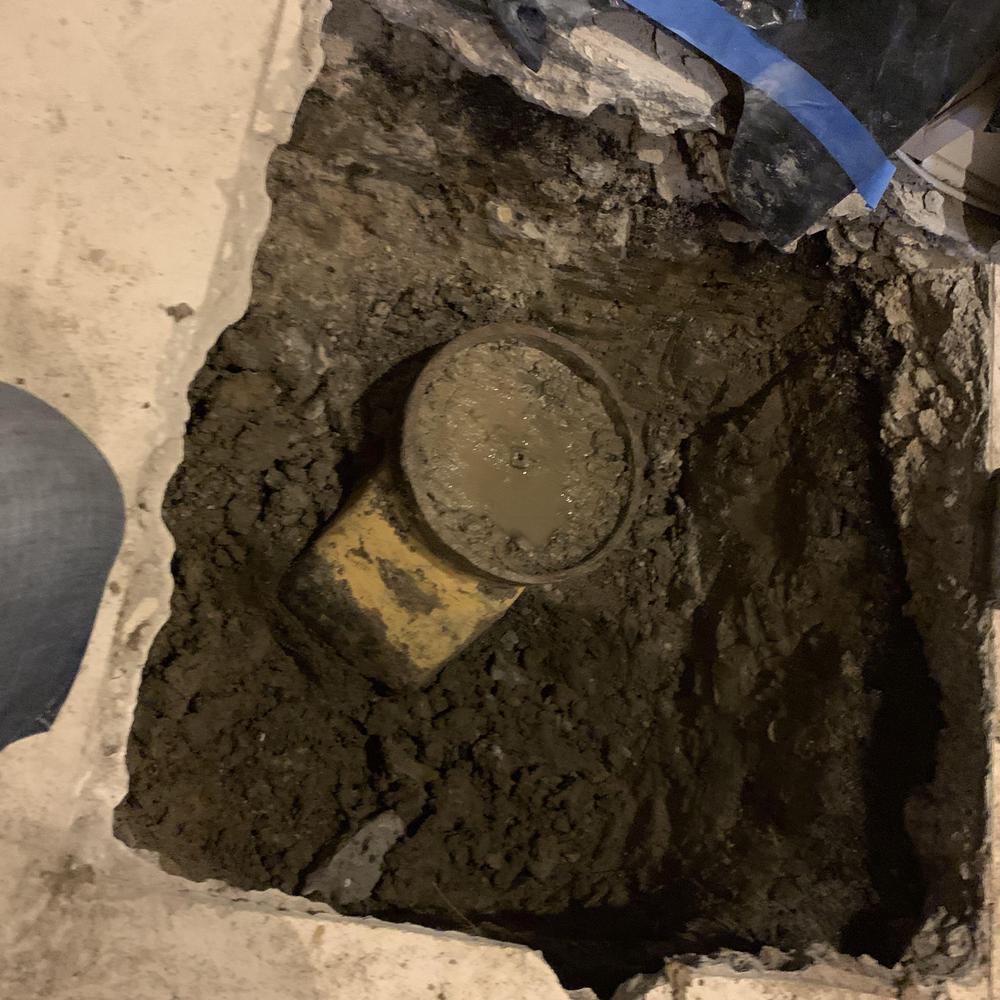
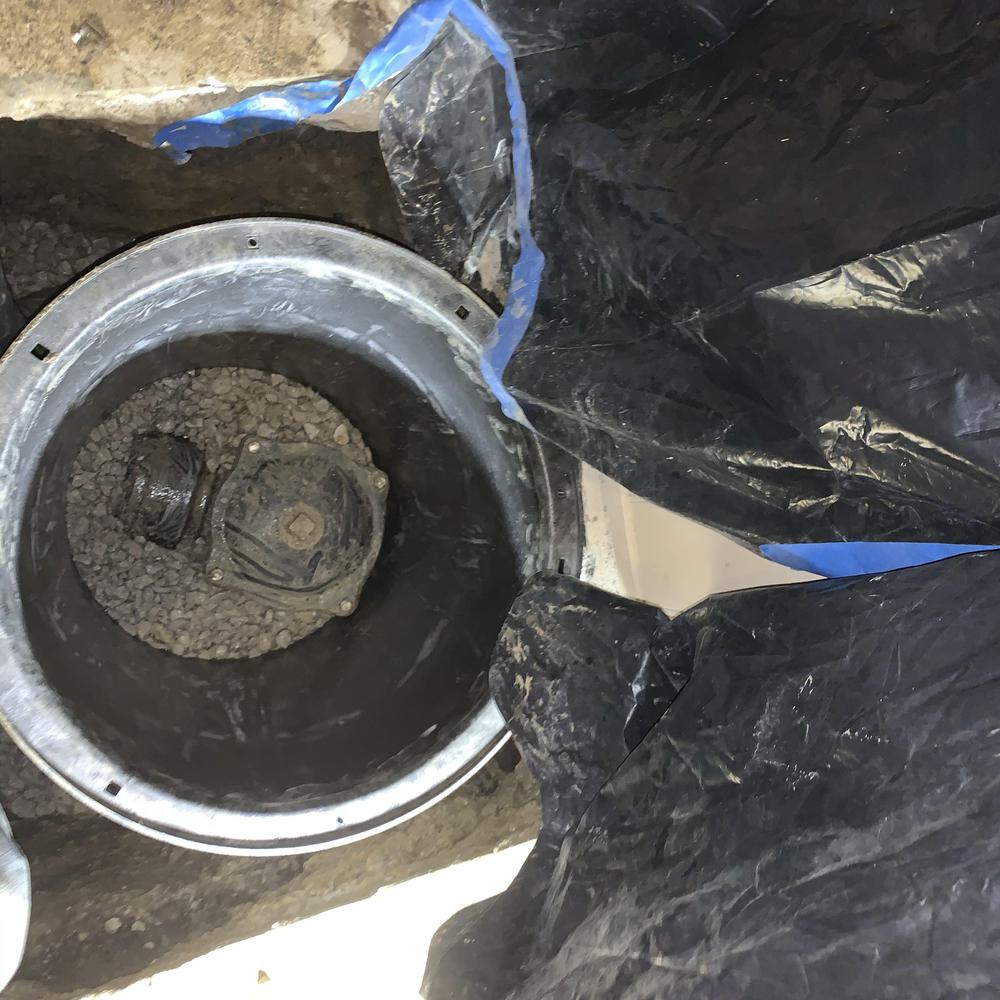
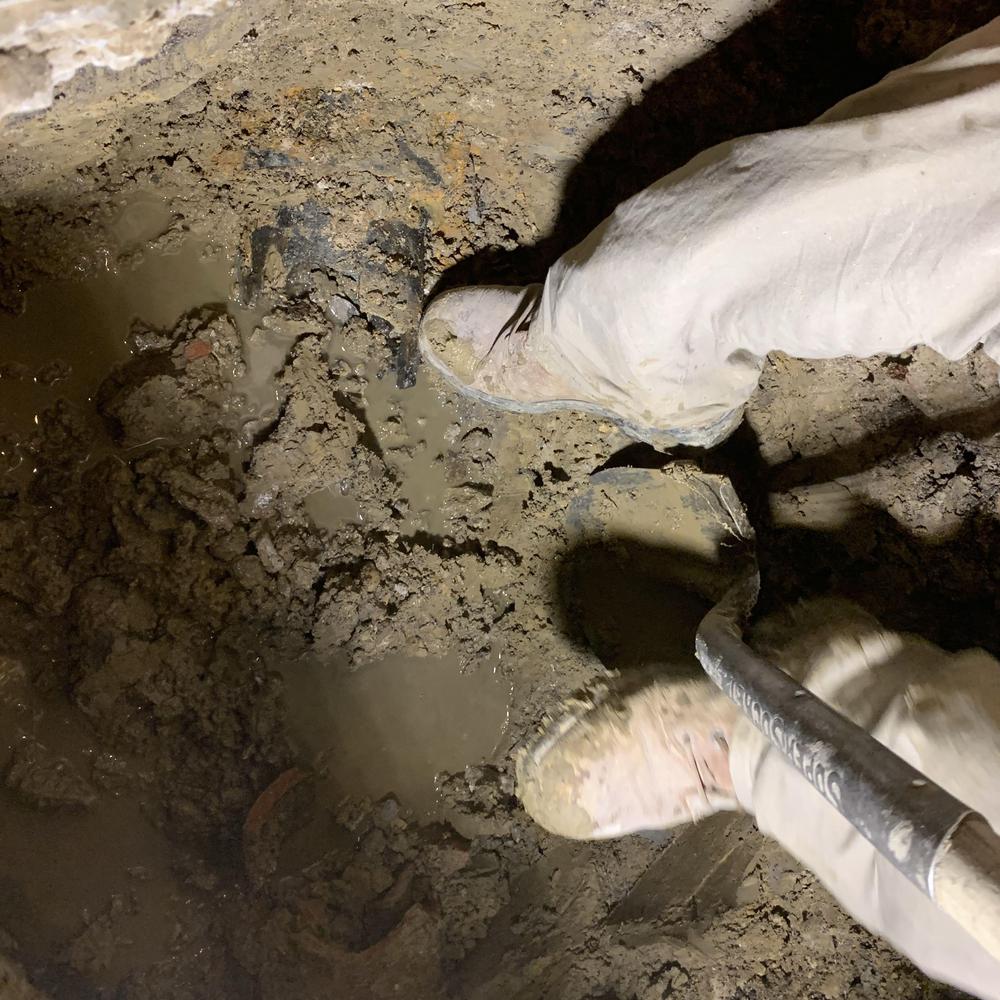
- Accessing the sewer line: Installation may require cutting and removing a section of basement concrete to reach the appropriate piping.
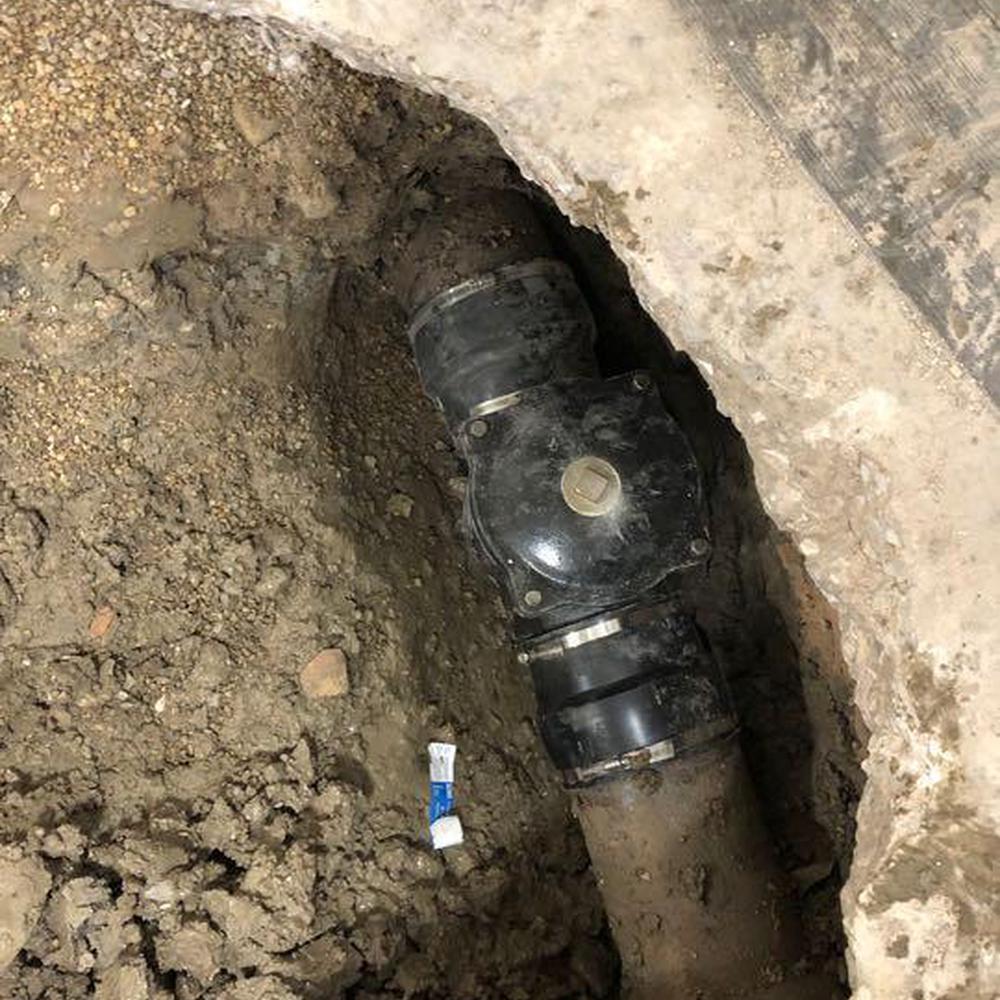
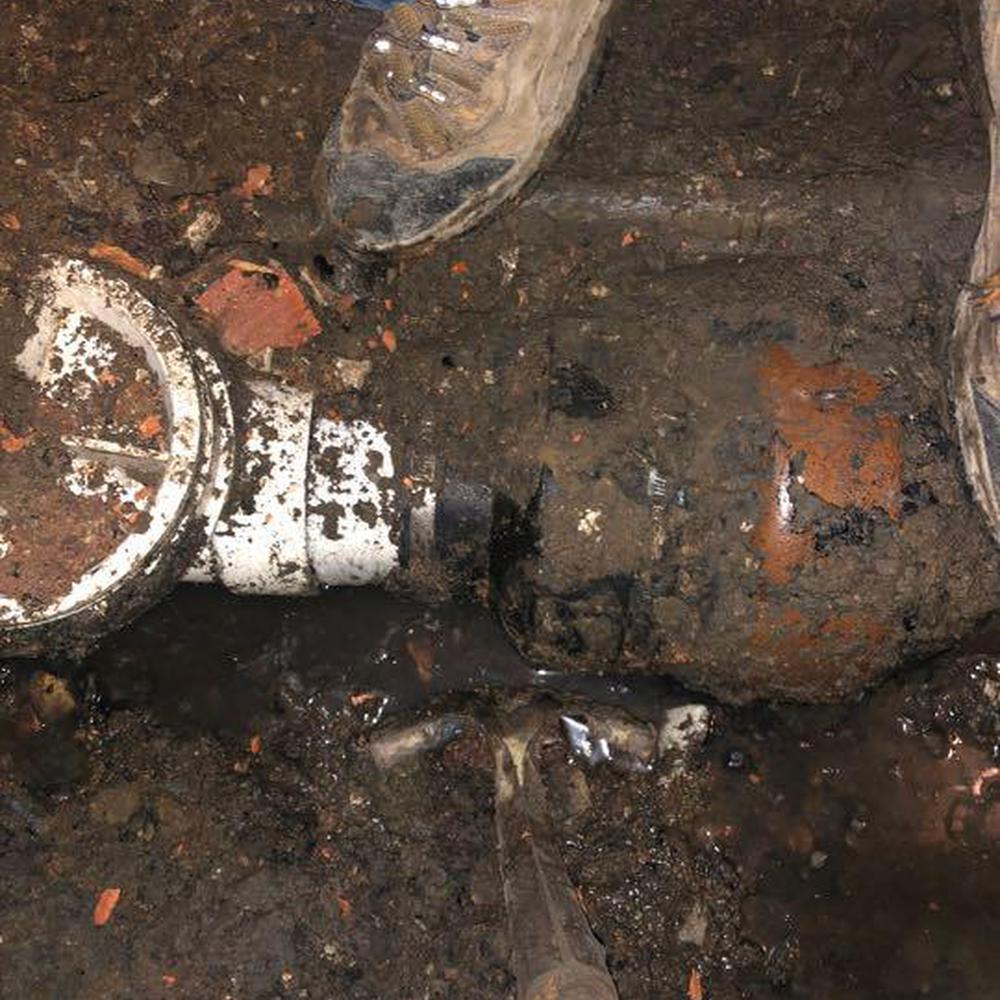
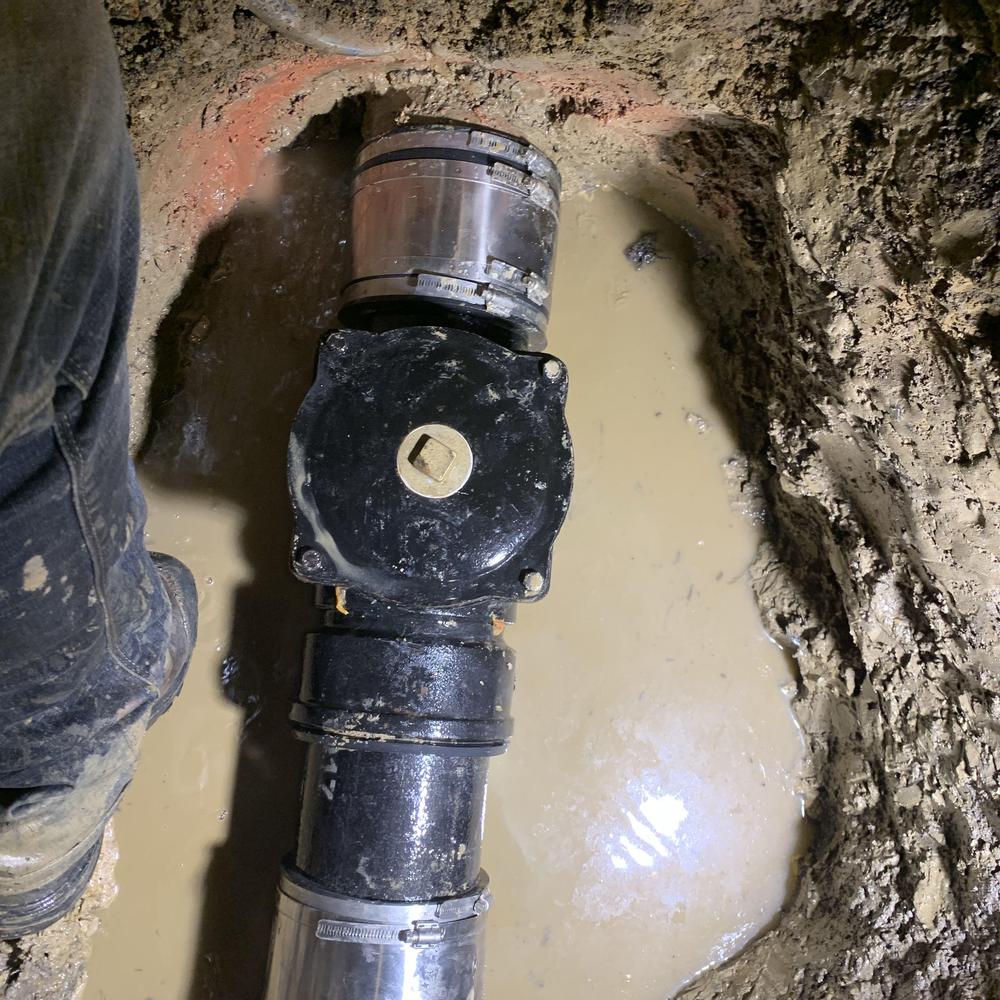
- Installing the valve: The valve is positioned and connected to the sewer line according to the system's requirements.
- Checking the installation: We verify the connections and confirm that the valve's closure mechanism operates as intended.
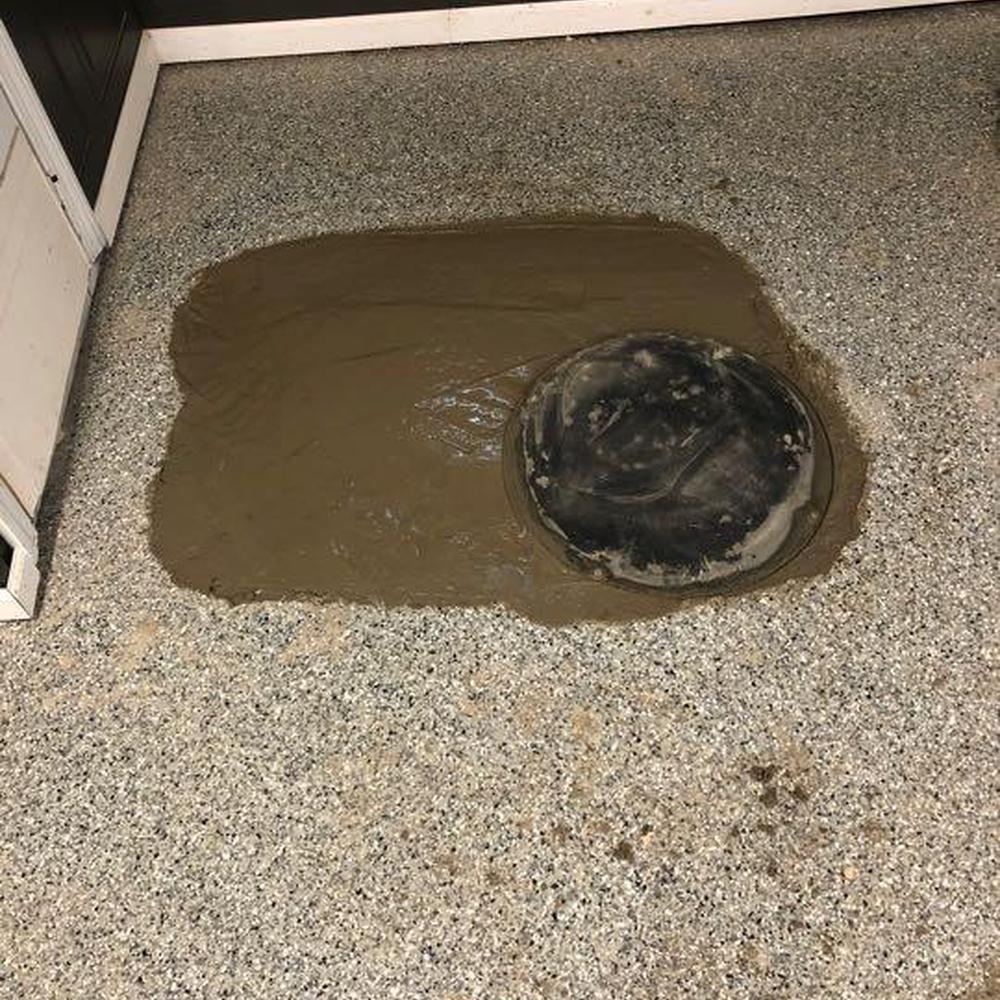
- Restoring the work area: When concrete removal is necessary, the affected floor area is restored according to the agreed scope of work.
The exact process depends on the home's sewer layout, pipe condition, and installation location. Permit and inspection requirements can also vary by municipality and project. We can explain the applicable requirements when evaluating your installation.
If the existing sewer line has significant deterioration, root intrusion, or other problems, those conditions may need to be addressed before or as part of the installation.
Sewer Backup Protection for Older Chicago Homes
Many Chicago-area homes were built before modern sewer backup protection became common. Older properties may have basement bathrooms, laundry areas, floor drains, and other fixtures located below the main sewer elevation.
These plumbing arrangements can make a home vulnerable when wastewater levels rise in the municipal sewer system. Aging private sewer lines and previous drainage problems can create additional concerns.
Depending on the property's conditions, a backwater valve may be an appropriate way to help reduce the risk of sewage entering through protected plumbing connections. Other homes may need additional improvements, particularly when the problem involves more than sewer backflow.
Possible recommendations may include:
- Sewer line repairs when damaged or deteriorated piping affects drainage.
- Professional sewer cleaning when buildup, debris, or tree roots restrict wastewater flow.
- Sump pump repairs or upgrades when groundwater management is part of the flooding problem.
- Overhead sewer modifications when the home's below-grade plumbing configuration requires a more extensive flood-control approach.
- Additional drainage improvements when water is entering through other parts of the property.
Our flood control systems provide another option for homeowners who need a broader approach to reducing basement sewer backup risks. The appropriate system depends on the property's plumbing configuration, drainage conditions, and history of flooding.
Backwater Valve Repair and Replacement Services
An existing backwater valve must be able to open and close properly to provide the protection it was designed for. Debris, buildup, corrosion, damaged components, or mechanical problems can interfere with its operation.
If your backwater valve is not functioning correctly, Suburban Plumbing Experts can evaluate the system and determine whether repair or replacement is appropriate.
Common reasons to have an existing valve evaluated include:
- The valve does not appear to open or close properly.
- Debris or buildup is interfering with the closure mechanism.
- The valve or its components show signs of damage or deterioration.
- Sewer backups have occurred despite having a backwater valve installed.
- The existing valve is older and its operating condition is uncertain.
The appropriate repair depends on the valve's condition and the surrounding sewer piping. If the valve is damaged beyond practical repair, replacement may be the better option.
For homes experiencing repeated backups, we can also evaluate whether the underlying problem involves a private sewer line blockage, damaged piping, or municipal sewer surcharge conditions. Correctly identifying the cause helps determine whether valve repair alone will address the problem.
When Does a Home Need Sewer Backflow Prevention?
Many homeowners do not realize their property is vulnerable to sewer backups until wastewater enters the basement. Certain plumbing conditions and flooding patterns can indicate that additional sewer backup protection should be considered.
A professional evaluation can help determine whether a backwater valve is appropriate or whether another plumbing or drainage improvement would better address the problem.
Common Warning Signs That Your Home May Need a Backwater Valve
- Sewer backups during heavy rain: If wastewater repeatedly enters your basement during major storms, your home may be vulnerable to sewer surcharge conditions.
- Water or wastewater coming through basement floor drains: This can indicate that wastewater is backing up through the sewer connection.
- Multiple basement fixtures backing up: Several fixtures experiencing problems at the same time may indicate a main sewer restriction or a larger drainage issue.
- Basement plumbing below the sewer main elevation: Lower-level fixtures can be vulnerable when wastewater levels rise in the sewer system.
- An older Chicago-area home: Older properties may not have been built with modern sewer backup protection.
- A history of sewer or drainage problems: Previous backups are an important reason to evaluate the property's existing protection.
- A finished basement you want to protect: Preventing sewage from entering finished living space can help reduce the risk of extensive property damage and cleanup.
When a Backwater Valve May Not Solve the Problem
A backwater valve is not automatically the right solution for every basement flooding problem.
If water is entering through foundation walls, rising groundwater is overwhelming the sump system, or a damaged private sewer line is causing the problem, a different solution may be necessary.
A sump pump manages groundwater that collects around or beneath a property, while a backwater valve addresses reverse wastewater flow through a protected sewer connection. These systems serve different purposes and are not interchangeable. If groundwater intrusion or a failing pump is contributing to your basement flooding, our sump pump repair, replacement, and installation services can help address those problems.
Suburban Plumbing Experts can evaluate your plumbing configuration, sewer connection, and flooding history to determine what is actually putting your home at risk. Depending on the conditions we find, the appropriate solution may involve backwater valve installation, sewer repairs, drainage improvements, or another flood-control system.
The goal is to identify the source of your home's vulnerability and recommend the right level of protection rather than install equipment you do not need.
Common Causes of Sewer Backflow in Chicago
Sewer backflow occurs when wastewater reverses direction and flows toward a property instead of continuing through the sewer system. The problem can originate in a home's private sewer line or develop when municipal sewer conditions cause wastewater to surcharge through connected residential lines.
Understanding the difference is important because a backwater valve, sewer cleaning, and sewer line repair address different problems.
Heavy Rainfall and Municipal Sewer Overloads
Intense rainfall can contribute to sewer backflow throughout the Chicago area. In communities with combined sewer systems, stormwater and wastewater share portions of the same underground network. During significant storms, the volume of water entering the system can exceed available capacity.
When municipal sewer levels rise, wastewater may flow backward through connected residential sewer lines. Homes without appropriate sewer backup protection may experience sewage entering through basement floor drains, toilets, and other lower-level fixtures.
This is why some homeowners experience backups primarily during major storms, even when their private sewer line drains normally under ordinary conditions.
Private Sewer Line Blockages and Restrictions
Blockages inside a home's private sewer line can prevent wastewater from flowing away from the property. Grease, debris, foreign objects, and tree root intrusion can restrict the pipe and cause sewage to back up into lower-level fixtures.
Professional sewer cleaning can help remove buildup and obstructions. When tree roots are responsible for recurring problems, sewer root removal may also be necessary to restore flow.
A backwater valve does not remove a blockage from a private sewer line. The obstruction must be identified and addressed separately.
Damaged or Deteriorated Sewer Pipes
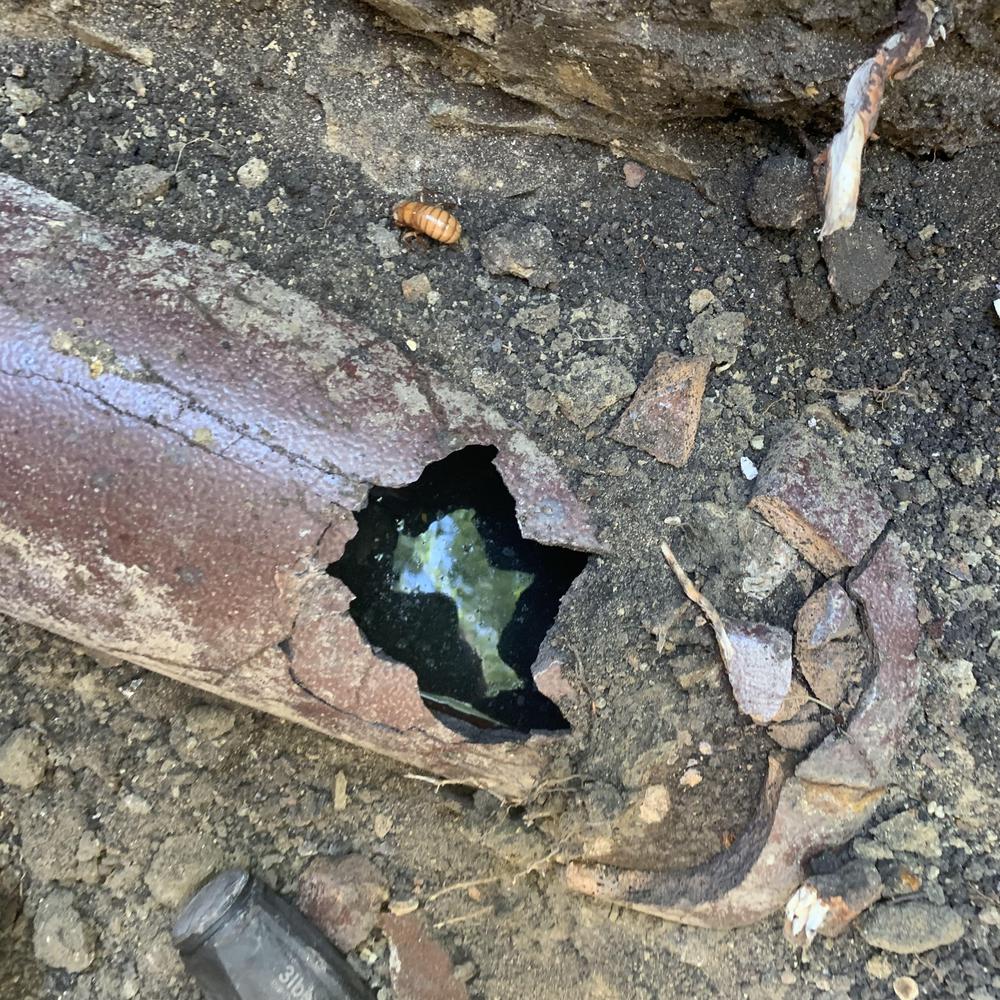
Cracked, deteriorated, collapsed, or displaced sewer pipes can interfere with normal wastewater flow and contribute to recurring backups. Older Chicago-area properties may have aging underground sewer infrastructure that has deteriorated over time.
A sewer camera inspection can help identify cracks, root intrusion, blockages, collapsed sections, and other conditions affecting the line. Once the problem is located, the appropriate repair can be determined based on the pipe's condition and the extent of the damage.
Learn more about our sewer line repair services if your private sewer line is damaged or no longer draining properly.
Older Plumbing and Below-Grade Fixtures
Many older homes were designed before modern sewer backup prevention systems became common. Basement bathrooms, laundry areas, floor drains, and other fixtures located below the main sewer elevation can be vulnerable when wastewater levels rise.
The condition and configuration of the private sewer line can also affect how a property responds to sewer backup conditions. Evaluating the plumbing layout and sewer connection helps determine which fixtures are vulnerable and what type of protection may be appropriate.
Choosing the Right Sewer Backup Prevention System
Protecting your home from sewer backflow starts with understanding how the property's plumbing, sewer connection, and drainage system respond when municipal sewer conditions become overwhelmed.
Suburban Plumbing Experts evaluates your existing sewer connection, basement plumbing, drainage configuration, and history of flooding or sewer backups to determine what type of protection makes sense for your property.
Backwater Valve Protection for Sewer Backup Risks
A backwater valve can be an effective solution for homes vulnerable to wastewater flowing backward through the sewer connection.
When sewer conditions are normal, wastewater flows out of the home. If wastewater begins moving backward toward the property, the valve is designed to close and help block that reverse flow through the protected connection.
The right installation depends on the home's sewer configuration and the location of vulnerable plumbing fixtures. Proper placement and installation are important to ensure the valve provides its intended protection.
Additional Solutions for Recurring Basement Flooding
Not every basement flooding problem is caused by sewer backflow. Properties with recurring flooding may also have damaged sewer lines, poor drainage, sump pump problems, or other conditions contributing to water entering the home.
Depending on what our evaluation identifies, additional improvements may include sewer line repairs, sewer backup correction, sump pump service, overhead sewer systems, or drainage improvements.
For properties experiencing groundwater intrusion or drainage problems around the foundation, our drainage tile and French drain installation services may also be worth considering.
Addressing the actual source of the problem helps ensure your investment provides meaningful protection rather than simply treating the symptoms.
For Chicago homeowners concerned about sewer backflow, the best solution is one designed around the property rather than a one-size-fits-all approach. By evaluating the existing system and identifying where your home is most vulnerable, Suburban Plumbing Experts can help you choose practical protection designed to reduce the risk of future sewer backup damage.
Sewer Backflow vs. Private Sewer Line Problems
Sewer backups can look similar even when the underlying causes are very different. Wastewater coming through a basement floor drain may be related to an overloaded municipal sewer system, a blockage in the private sewer line, or damaged piping.
Identifying the source is essential because the appropriate solution depends on what is causing the backup.
When the Municipal Sewer System Is Overloaded
During severe storms, municipal sewer systems can become overwhelmed, causing wastewater levels to rise throughout the surrounding sewer network. This can push wastewater backward through connected private sewer lines.
A backwater valve may help protect the home against this type of reverse flow when the valve is properly installed and protects the affected plumbing connection.
When the Private Sewer Line Is Blocked
A blockage in the home's sewer line can prevent wastewater from leaving the property. Grease, debris, foreign objects, and tree roots are common causes of restricted sewer flow.
In these situations, professional sewer cleaning or other corrective work may be needed to restore proper drainage. Installing a backwater valve does not clear a blocked pipe.
When the Sewer Pipe Is Damaged
Cracks, collapsed sections, displaced joints, and other pipe damage can interfere with normal drainage. A sewer camera inspection can help locate the problem so the appropriate repair can be recommended.
Why the Difference Matters
A backwater valve is designed to help prevent reverse wastewater flow. Sewer cleaning addresses obstructions, while sewer line repair addresses damaged piping.
For homeowners dealing with recurring backups, determining whether the problem originates in the private sewer line or is related to municipal sewer surcharge conditions is one of the most important first steps.
Our sewer backup services can help identify the cause of recurring problems and determine which plumbing or sewer solution is appropriate.
Why Choose Suburban Plumbing Experts for Backwater Valve Installation?
Sewer backflow prevention is not a one-size-fits-all service. The right protection depends on your home's sewer connection, basement plumbing layout, drainage conditions, and history of flooding or sewer backups.
Suburban Plumbing Experts has served Chicago and the surrounding suburbs since 1978. Our licensed and insured plumbing professionals help homeowners identify sewer backup risks and understand the available installation, repair, and prevention options.
Local Experience With Chicago Sewer Backup Risks
Chicago-area properties face a variety of sewer backup challenges, including heavy rainfall, aging underground infrastructure, combined sewer systems in some communities, and older basement plumbing configurations.
Our experience working with local plumbing and sewer systems helps us evaluate the conditions that can contribute to sewer backflow and identify where a property may be vulnerable.
Proper Backwater Valve Installation and System Integration
A backwater valve must be properly selected, positioned, and connected to the home's sewer system to provide its intended protection.
We evaluate the existing sewer connection and plumbing configuration to determine the appropriate installation approach. When needed, a sewer camera inspection can help identify pipe conditions that may affect the installation or the performance of the sewer system.
Recommendations Based on Your Home's Actual Needs
Every property has different plumbing and drainage conditions. Some homes may benefit from a backwater valve, while others may need additional improvements because of damaged sewer lines, drainage problems, or recurring groundwater flooding.
Our approach is to identify the source of your home's vulnerability first and then recommend an appropriate solution. We explain the available options and provide written pricing before work begins.
Family-Owned Plumbing Service Since 1978
Suburban Plumbing Experts is a family-owned plumbing company serving homeowners and businesses throughout Chicago and the surrounding suburbs. We are licensed and insured, provide 24/7 emergency plumbing service, and do not charge overtime rates.
Whether you need a new backwater valve, repairs to an existing system, or help understanding why your basement has experienced repeated sewer backups, our team can help you determine the next step.
Which Properties Are Most Vulnerable to Sewer Backups?
Any property connected to a municipal sewer system can experience a backup. However, certain Chicago-area homes and buildings may face greater vulnerability because of their age, plumbing configuration, location, or history of flooding.
Older Chicago Homes and Bungalows
Many Chicago homes and older suburban properties were built before modern sewer backup protection became common. Homes with basement plumbing, low-level fixtures, older sewer connections, or outdated drainage configurations may be more vulnerable when heavy rainfall places additional pressure on local sewer systems.
Properties With Previous Sewer Backups
A history of basement flooding or sewage backups is an important warning sign. If wastewater has entered your home before, similar conditions may cause another backup unless the underlying risk is addressed.
A professional evaluation can help determine whether a backwater valve is appropriate or whether another plumbing or drainage solution would provide better protection.
Homes With Finished Basements
Finished basements often contain flooring, drywall, furniture, electronics, storage, and valuable living space that can be severely damaged by contaminated wastewater.
Reducing the risk of sewage entering these areas can help homeowners avoid extensive cleanup, repairs, and property loss during future sewer backup events.
Two-Flats, Multi-Unit, and Rental Properties
Two-flats, apartment buildings, and rental properties can face significant disruption when sewer backups occur. A basement backup can affect tenants, stored equipment, building operations, and other areas of the property.
Sewer backflow prevention can provide an important layer of protection for multi-unit and investment properties, particularly when the building has a history of backups or vulnerable lower-level plumbing.
Properties With Vulnerable Basement Plumbing
Homes with basement bathrooms, laundry rooms, floor drains, or other plumbing fixtures located below the main sewer elevation may have greater exposure to wastewater when sewer levels rise.
The property's plumbing configuration, sewer connection, and existing flood protection should be evaluated before selecting a prevention system. In some cases, a backwater valve may be appropriate, while other properties may require a different or additional flood-control solution.
Sewer Backflow Prevention FAQs for Chicago Homeowners
What Is Sewer Backflow, and Why Is It a Problem for Chicago Homeowners?
Sewer backflow occurs when wastewater reverses direction and flows toward your home instead of continuing through the sewer system. Heavy rainfall and overloaded municipal sewer systems can increase the risk of wastewater entering properties through basement floor drains, toilets, and other lower-level fixtures. A properly installed backwater valve can help prevent reverse wastewater flow through the protected sewer connection.
What Type of Sewer Backflow Prevention Device Do You Install?
For many Chicago-area homes, the primary solution is a sewer backwater valve. This device is installed in the sewer line and allows wastewater to flow out of the home under normal conditions while closing when wastewater attempts to reverse direction. The appropriate solution depends on your home's sewer connection, plumbing layout, and flood risks. We evaluate your system before recommending the right equipment for your property.
What's the Difference Between a Backwater Valve and a Check Valve?
A backwater valve is a specialized one-way valve designed for sewer and sanitary drainage systems. It allows wastewater to flow out of the property under normal conditions while helping prevent sewage from flowing backward into the home. Other types of check valves are commonly used in plumbing applications such as sump pump and sewage ejector pump discharge lines. Although both devices control flow direction, they serve different purposes and are not interchangeable.
How Do I Know If My Chicago Home Needs a Backwater Valve?
A history of basement sewer backups, especially backups that occur during heavy rainfall, is one of the clearest reasons to have your system evaluated. Other factors include low-level plumbing fixtures, an older sewer connection, finished basement areas, and previous flooding caused by sewer surcharge conditions. If you are unsure whether your flooding problem is caused by sewer backflow, a professional evaluation can help determine whether a backwater valve is appropriate for your property.
Can I Still Use My Plumbing When the Backwater Valve Is Closed?
When a backwater valve closes during a sewer backup event, wastewater cannot discharge through the protected sewer line until conditions return to normal and the valve reopens. This means using toilets, sinks, showers, and other fixtures connected to that line may cause wastewater to back up inside the home. Homes with below-grade bathrooms or laundry areas may require a different plumbing configuration, such as an ejector pump system, depending on the property's layout.
What Does Backwater Valve Installation Involve?
Installation typically requires accessing the sewer line, which may involve cutting and removing a section of basement concrete. The valve is then installed in the appropriate portion of the sewer line, connected, and checked for proper operation. When concrete removal is necessary, the affected floor area is restored according to the agreed scope of work. The exact installation process depends on the home's existing plumbing configuration and the location of the sewer line. Permit and inspection requirements vary by municipality and project.
Do You Repair or Replace Existing Backwater Valves?
Yes. If an existing backwater valve is damaged, corroded, stuck, or no longer operating properly, we can evaluate the system and determine whether repair or replacement is the better option. Debris, buildup, and worn components can interfere with valve operation. Addressing a malfunctioning valve can help restore the protection it was designed to provide.
Will a Backwater Valve Protect My Basement From Every Type of Flooding?
No. A backwater valve is designed to address sewer backflow, not every possible source of basement flooding. It can help prevent wastewater from flowing backward through the protected sewer connection, but it does not stop groundwater from entering through foundation walls or floor cracks, and it does not replace a sump pump. Depending on the cause of your flooding, your home may need additional protection such as a sump pump system, drainage improvements, sewer repairs, or an overhead sewer system.
Do You Install Sewer Backflow Prevention Systems for Commercial Properties and Multi-Unit Buildings?
We provide plumbing and sewer services for commercial properties, apartment buildings, restaurants, and other multi-unit properties throughout the Chicago area. These buildings can have more complicated sewer layouts and greater potential damage exposure, making proper system evaluation especially important. We assess the existing plumbing configuration and discuss appropriate solutions based on the property's sewer backup risks.
Are There Rebates Available for Backwater Valve Installation in the Chicago Suburbs?
Some municipalities offer flood-control or sewer backup prevention assistance programs that may help offset the cost of eligible improvements, including backwater valve installations. Availability, funding, and eligibility requirements vary by municipality and can change. Contact your city or village to ask whether a current program is available and whether your proposed installation qualifies.
Protect Your Property With Professional Sewer Backup Prevention
Sewer backflow can turn a heavy rainstorm into a serious basement flooding problem. If your Chicago-area home or business has experienced sewer backups, flooding during storms, or other warning signs of wastewater flowing backward, Suburban Plumbing Experts can evaluate your system and explain the available protection options.
Our sewer backflow prevention services include backwater valve installation, repair, and replacement. We consider your property's sewer connection, basement plumbing, previous flooding history, and drainage conditions to determine what type of protection makes sense.
Don't wait for the next major storm to find out whether your home is protected. Call 708-801-6530 to schedule a sewer backflow prevention evaluation with Suburban Plumbing Experts and take the right steps toward reducing the risk of future sewer backup damage.
Schedule Sewer Backflow Prevention Service Now
Suburban Plumbing Sewer Line & Drain Cleaning Experts
⏰ Open 24 Hours
📞 Phone: Suburbs: 708-801-6530 Chicago: 773-570-2191
📧 Email: info@suburbanplumbingexperts.com
🚨 Emergency Hotline: 708-518-7765
Chicago Sewer Backflow Prevention and Backwater Valve Specialists
Suburban Plumbing Experts helps Chicago-area homeowners and businesses address sewer backup risks with professional backwater valve installation, repair, and replacement. We evaluate each property's sewer connection and basement plumbing to recommend practical protection based on its actual conditions.
Serving Chicago and the Western Suburbs
Serving Chicago, Brookfield, Naperville, Downers Grove, Hinsdale, Oak Brook, Elmhurst, Wheaton, Glen Ellyn, Orland Park, and surrounding Chicagoland communities.
Licensed, Insured, and Family-Owned
- ✔ Illinois Licensed Plumbing Professionals
- ✔ Illinois Plumbing License #055-044116
- ✔ Illinois Sewer License #2565
- ✔ Licensed and Insured Service
- ✔ Backwater Valve Installation and Replacement
- ✔ Sewer Backflow Prevention and Repair
- ✔ Residential and Commercial Plumbing Experience
- ✔ Written Pricing Before Work Begins
- ✔ No Overtime Charges
- ✔ 24/7 Emergency Plumbing Service
Experienced with Chicago-area sewer systems, older homes, basement plumbing, and recurring sewer backup problems.
Most Recent Pins (15)

Most Recent Reviews (9)
 Rich Leabru