Chicago Plumbing Emergencies: What to Do About Frozen Pipes, Burst Pipes and Sewer Backups
A plumbing emergency can disrupt your home quickly. A burst water line may soak walls and flooring, a frozen pipe can leave you without water, and a sewer backup can bring contaminated water into a basement.
Knowing what to do first can help protect your household and limit additional property damage. The right response depends on the problem, but safety always comes first: stay away from electrical hazards, avoid contact with sewage, and shut off the water only when you can do so safely.
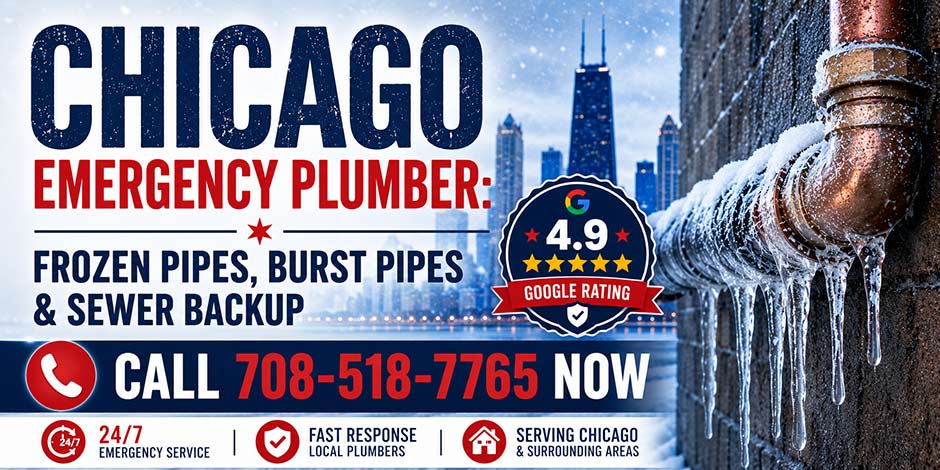
Suburban Plumbing Experts provides 24/7 emergency plumbing service for homes and businesses throughout Chicago and the surrounding suburbs. If you are dealing with an urgent plumbing problem, call 708-518-7765.
What to Do First During a Plumbing Emergency
Before trying to diagnose the problem, determine whether anyone is in immediate danger.
- Water is actively leaking: If you can safely reach the appropriate shutoff valve, stop the water supply. Do not force a stuck valve.
- Water is near electrical equipment: Stay out of the affected area. Do not walk through standing water near outlets, appliances, wiring, or electrical panels.
- Sewage is backing up: Stop using toilets, sinks, showers, and other connected fixtures until the problem has been assessed. Keep people and pets away from contaminated water.
- A pipe appears frozen: Do not use a torch or open flame. If the pipe is hidden, inaccessible, or possibly damaged, contact a plumber.
- You smell gas: Leave the building immediately without operating switches or using a phone inside. Call 911 and your gas utility from a safe location.
Once everyone is safe, contact a qualified plumbing professional and explain what is happening, where the problem is located, and whether water or sewage is actively spreading.
For broader information about available services, visit our 24/7 emergency plumbing page.
Frozen Pipes: Recognizing the Problem Early
Chicago-area winter temperatures can put water lines at risk, particularly when pipes run through exterior walls, garages, crawl spaces, basements, or other poorly heated areas.
A frozen pipe does not always produce an obvious leak immediately. Look for these warning signs:
- Little or no water coming from a faucet during freezing weather.
- A sudden reduction in water flow at one or more fixtures.
- Frost or ice visible on an exposed pipe.
- Plumbing located in an unusually cold room or cabinet.
- A previously frozen line that begins leaking as it thaws.
If only one fixture has lost water flow, the problem may be limited to that fixture’s supply line. If several fixtures are affected, the cause could involve a larger portion of the plumbing system or another water-supply problem.
What should you do if a pipe freezes?
First, avoid dangerous attempts to restore water flow. Never use a blowtorch, propane torch, or open flame on plumbing. Do not use electrical appliances around standing water.
If the frozen section is exposed and you can safely access it, cautious warming may be possible. However, a hidden pipe or one showing signs of damage is better handled by a professional. If you suspect the pipe has cracked, shutting off the water supply when safe can help limit damage when the ice melts.
Our dedicated guide explains how to thaw a frozen pipe in Chicago. If you need professional assistance, learn more about our pipe thawing services.
For prevention advice from a public health authority, see the CDC’s winter storm preparation and pipe protection guidance.
Burst Pipes and Major Water Leaks
A burst pipe may release water into a basement, wall cavity, ceiling, utility room, or finished living space. The source is not always immediately visible, and water can travel away from the damaged section before appearing on a surface.
Frozen plumbing is one possible cause, but pipe failures can also result from corrosion, deterioration, damaged connections, or other plumbing problems.
What to do when a pipe bursts
- Stop the water if safe. Use the appropriate fixture shutoff or main water valve if you can reach it without putting yourself at risk.
- Keep away from electrical hazards. If water has reached outlets, appliances, wiring, or other electrical equipment, do not enter the affected area. Only operate an electrical shutoff from a safe, dry location if you can do so safely.
- Protect people and pets. Keep everyone away from the leak and any unsafe or damaged areas.
- Limit additional damage when possible. Move belongings away from the water only if doing so is safe.
- Document the damage. Take photographs when it is safe to do so, and contact your insurer if appropriate.
- Arrange plumbing repairs. Tell the plumber where the leak is occurring, whether the water has been shut off, and whether any other fixtures are affected.
Do not delay getting help because the visible leak appears small. A hidden leak can damage building materials before the full extent becomes apparent.
Suburban Plumbing Experts provides burst pipe repair in Chicago and the surrounding suburbs. A plumber can locate the failed section, assess the condition of the surrounding pipe, and explain whether a targeted repair or replacement is appropriate.
Sewer Backups: When Wastewater Comes Into Your Home
A sewer backup is different from a leaking water-supply pipe. Wastewater may rise through a basement floor drain, toilet, shower, or other low-level fixture. Possible causes include a blockage in the building drain or sewer line, or a problem farther downstream.
Heavy rainfall can also contribute to sewer-related flooding in some locations. However, basement water does not automatically mean the municipal sewer has backed up. A failed sump pump, groundwater intrusion, a leaking pipe, and other drainage problems can produce similar symptoms.
How to respond to a sewer backup
Stop using plumbing fixtures connected to the affected drainage system. Flushing a toilet, running a washing machine, or using a sink can add more water to a system that is already backing up.
Keep children and pets away from the affected area. Sewage may contain harmful microorganisms, so avoid direct contact and do not attempt cleanup without appropriate protection and knowledge of the hazards.
If water has reached electrical equipment, do not enter the area or attempt to reach a panel through standing water. If the situation presents an immediate safety risk, leave the area and contact the appropriate emergency service.
A plumber can assess the plumbing and drainage system to help identify the source of the backup and determine the appropriate next step.
Learn more about our sewer backup services.
Other Plumbing Problems That May Require Urgent Help
Not every plumbing emergency involves a frozen pipe or a major burst. Several other problems can disrupt a household or create a risk of property damage.
Sump pump failure
A sump pump that stops operating may allow water to accumulate in a basement or other low-lying area. If you notice rising water, a pump that will not start, or a discharge line that appears blocked, keep clear of electrical hazards and arrange an assessment.
Winter conditions can also affect the pump’s outdoor discharge line. Read our guide to frozen sump pump discharge lines in Chicago.
An overflowing toilet or backed-up drain
If a toilet overflows, stop flushing it. If water continues rising, use the fixture’s shutoff valve only if you can reach it safely. Avoid running other fixtures if multiple drains are backing up, because the problem may involve a shared drain or sewer line.
Repeated clogs, multiple slow drains, or wastewater rising through a lower-level fixture warrant professional assessment.
A leaking water heater
Water around a water heater can come from a fitting, connection, tank, or another component. Do not touch electrical components or controls if water is present nearby. If the leak is substantial or the source is unclear, keep clear of the area and arrange professional help.
A boiler leak or loss of heat
A heating problem during freezing weather can put vulnerable plumbing at greater risk. If your boiler is leaking or your home is losing heat, follow the equipment manufacturer’s safety instructions and contact the appropriate heating professional. If you suspect a gas leak, leave the building and call 911 and your gas utility from a safe location.
Preventing Future Plumbing Emergencies
Not every plumbing failure can be prevented, but a few practical steps can reduce common risks.
- Insulate exposed water pipes in unheated areas.
- Seal drafts that allow cold air to reach plumbing.
- Disconnect garden hoses and prepare outdoor faucets for freezing weather.
- Keep your home adequately heated during extreme cold.
- Know where your main water shutoff is located and make sure it is accessible.
- Inspect visible plumbing for leaks, corrosion, and damaged connections.
- Test your sump pump according to the manufacturer’s instructions.
- Arrange repairs for recurring drain or sewer problems instead of repeatedly treating the symptoms.
If you plan to leave your home during winter, consider how the heating system and vulnerable plumbing will be protected while you are away. The appropriate plan depends on the property’s plumbing, heating, appliances, and other systems.
For more seasonal advice, read our complete winter plumbing checklist for Chicagoland homeowners.
Why Call Suburban Plumbing Experts?
When a plumbing problem requires urgent attention, it helps to have a team that can assess the issue and explain the appropriate repair.
Suburban Plumbing Experts has served Chicagoland since 1978. We provide residential and commercial plumbing, sewer, and drain services throughout Chicago and the surrounding suburbs.
Our team is licensed and insured, and we explain the recommended work and provide written pricing before authorized repairs begin. Emergency service is available 24/7; arrival times depend on your location, current conditions, and technician availability.
For an urgent plumbing problem, call 708-518-7765. For general inquiries, you can also reach our team at 708-801-6530.
Frequently Asked Questions About Emergency Plumbing
Is a frozen pipe always an emergency?
A frozen pipe deserves prompt attention because it can interrupt water service and may be damaged. If the pipe is inaccessible, you suspect a crack, or water begins leaking as it thaws, contact a plumber. Never use an open flame to thaw it.
What should I do if a burst pipe is flooding my home?
Shut off the water supply if you can do so safely. Keep away from electrical hazards, protect people and pets, and contact an emergency plumber. Document visible damage only when it is safe to do so.
How can I tell whether my basement flood is caused by a sewer backup?
Wastewater rising through a floor drain or multiple lower-level fixtures can indicate a sewer or building-drain problem. However, basement flooding can have other causes, including sump pump failure and groundwater intrusion. A professional assessment can help identify the source.
Do you provide emergency plumbing service after normal business hours?
Yes. Suburban Plumbing Experts offers 24/7 emergency plumbing service. Call 708-518-7765 to explain the problem and arrange service. Our team will explain the applicable pricing before authorized work begins.
Do I need a Chicago-specific plumbing license to hire an emergency plumber?
Licensing requirements depend on the work being performed and the applicable jurisdiction. Ask the contractor to clarify their relevant credentials and verify requirements with the appropriate authority when necessary. Suburban Plumbing Experts is licensed and insured, with Illinois plumbing license #055-044116 and sewer license #2565.
Get Help With a Plumbing Emergency
Frozen pipes, burst water lines, and sewer backups require different solutions, but the first priorities are the same: protect people, avoid unsafe conditions, and get the problem assessed before more damage occurs.
Suburban Plumbing Experts provides 24/7 emergency plumbing service for Chicago and the surrounding suburbs. If water is leaking, a pipe may have frozen or burst, or wastewater is backing up into your home or business, call 708-518-7765 to discuss the situation and arrange service.
For non-emergency questions or general plumbing inquiries, call 708-801-6530.